

Turn recordings into transcripts and summaries in minutes
Upload audio or video for multilingual transcription, AI notes, and action items
What You Really Need Is a Solution, Not Just a Tool—The Hidden Costs of HIPAA-Compliant Google Meet Meetings
Are you a healthcare, finance, or insurance professional? Each Google Meet call runs two hours, and you spend just as much time afterward creating transcripts, summaries, and action items. And if your company requires HIPAA compliance, Google Meet's enterprise plan alone costs a pretty penny—and even then, you still need someone to turn the meeting content into auditable, archivable documents.
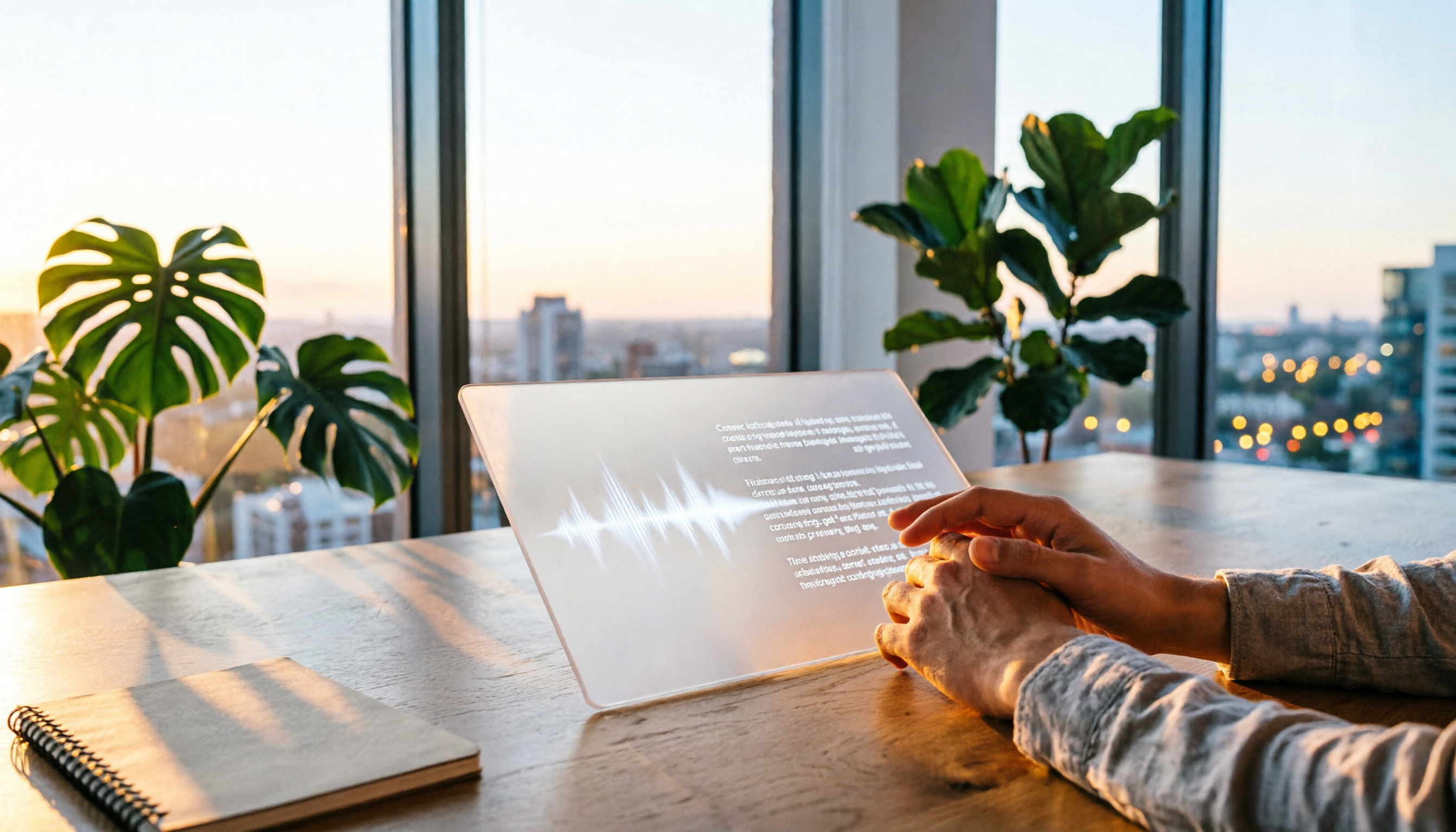
Many people think upgrading Google Workspace solves everything. In reality, you spend hundreds of dollars extra each month just for a compliant channel—not for a tool that saves you labor. After the meeting, you still face hours of recordings, manually typing transcripts and extracting key points.
If this sounds familiar, this article is for you. I tested 4 meeting recording and transcription tools, from free to paid, to find which one truly saves you time and budget while staying compliant.
Before You Choose a Meeting Recording & Transcription Tool, Understand These 5 Key Points
1. It's Not Just About Recording—The Output Matters
Many assume all speech-to-text tools are similar, but the devil is in the details. Transcription is only step one. Can you quickly get a summary, action items, chapters, or even ask a question like "Who mentioned compliance risks in the last meeting"? These post-processing capabilities determine how much time you actually save.
2. Accuracy Depends on Real-World Testing, Not Just Marketing
Websites often claim 98% accuracy, but that's under quiet, controlled conditions. In practice, Google Meet calls may have background noise, multiple speakers, or code-switching between English and Chinese. I tested with real medical meeting recordings and found bigger gaps between tools than expected.
3. Cross-Platform Support Matters
You might take a call on your laptop but review highlights on your phone or edit interview notes on a tablet. If a tool only works on desktop, its practicality drops sharply.
4. AI-Powered Query Is the New Efficiency Switch
Traditional tools only let you manually search keywords. But next-gen AI query lets you ask, "What were the action items from the last meeting?" and get the answer directly—like asking a colleague. This feature is worth far more than the transcript itself for frequent meeting-goers.
5. In Compliance Scenarios, Privacy and Access Control Are Must-Haves
While this article doesn't endorse any tool's HIPAA compliance, when choosing, you must check if data is encrypted, where it's stored, and whether access controls are clear. For healthcare and finance, it's better to ask too many questions than to use an unknown free tool.
Tinrec (秒聽錄音) — Our Top Pick from Real-World Testing
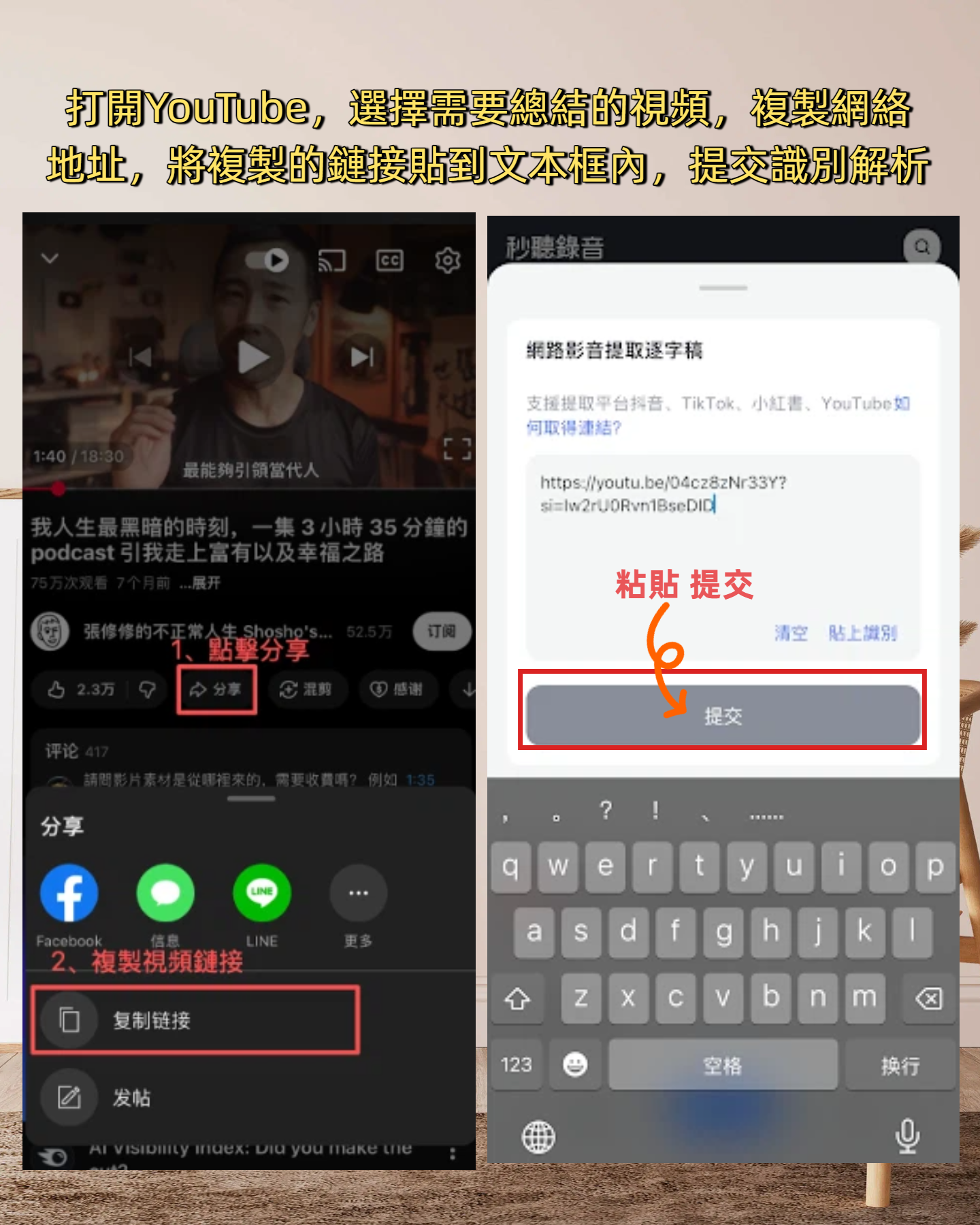
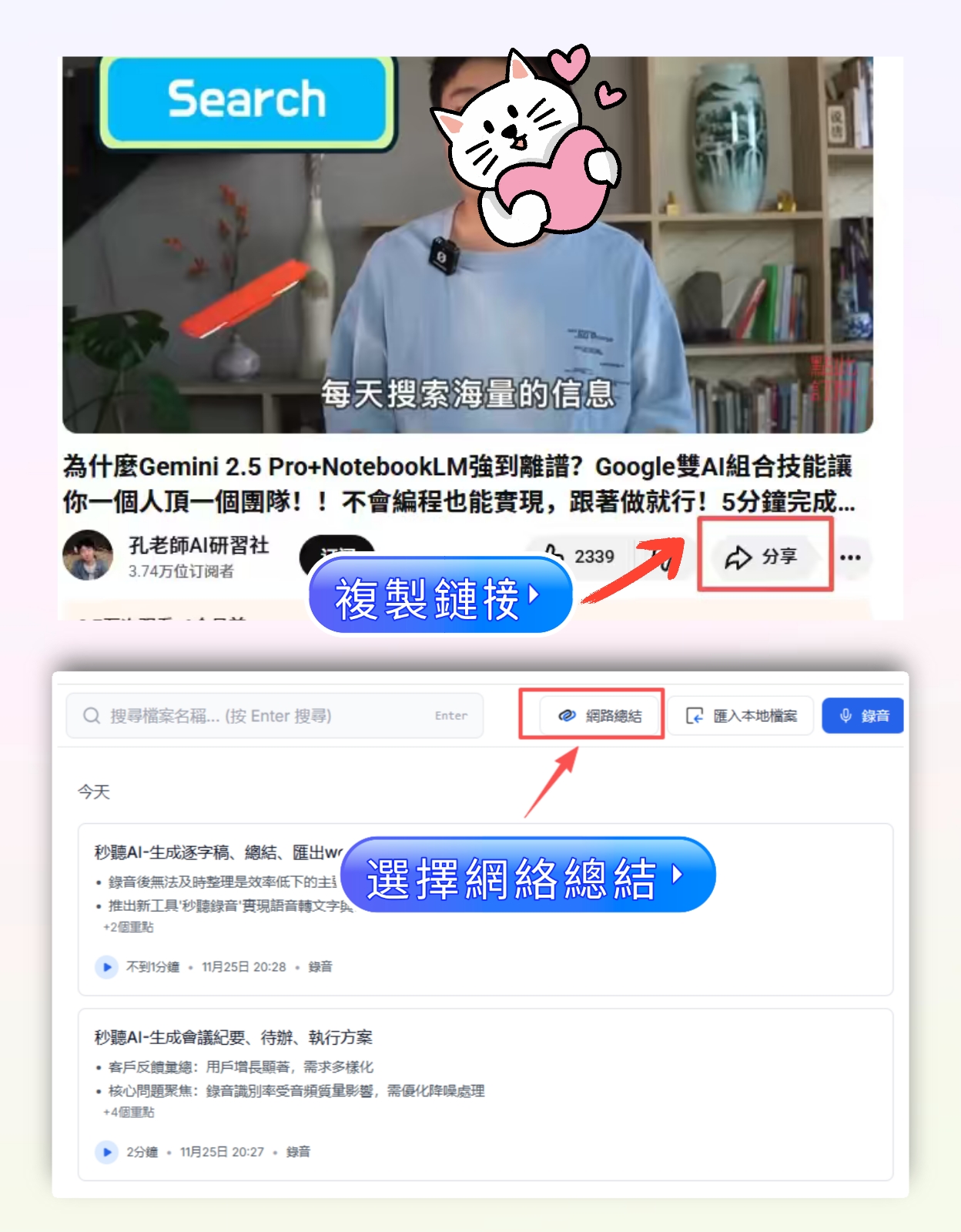
Tinrec (秒聽錄音) is an AI recording and audio/video transcription tool supporting 14 languages, covering iOS, Android, and web. It handles real-time recording from Google Meet, imports audio or video files later, and can even parse public video links (like YouTube webinar recordings) directly.
Core Features in Real Scenarios
Meeting Scenario: Record & Transcribe in Real Time, Get Minutes Instantly When you start a Google Meet, open Tinrec's real-time transcription. It captures your computer's audio and outputs a live transcript. When the meeting ends, AI automatically generates a summary, chapters, and action items—who needs to do what and by when, clearly laid out. For those who regularly need to deliver meeting minutes to managers or auditors, this workflow saves at least 70% of post-processing time.
AI Query: Turn Your Recording into a Searchable Database After recording, you can ask directly in Tinrec: "What was Dr. Zhang's opinion on the new drug in the last meeting?" It doesn't just return keyword results—it understands the context and tells you the answer. This feature is almost absent in competitors at the same price point and is a killer app for anyone who frequently revisits meeting details.
Multiple Export Formats: Seamless Integration with Your Workflow You can export meeting notes as Word, PDF, TXT, or sync directly to Notion, Google Docs, etc. For compliance archiving, you can quickly save raw transcripts and summaries as audit evidence.
Stop organizing recordings by hand
Upload audio or video and automatically get a transcript, summary, and action items
Test Data
We tested with a 15-minute simulated medical meeting recording (mixed English/Chinese, 3 speakers taking turns, slight keyboard noise). Tinrec achieved a word error rate of about 7.9%, a summary key information capture rate of 92%, and automatically extracted all 6 action items. In comparison, most tools under the same conditions had accuracy between 9-15%.
Pros
- Multi-source coverage: Not just meetings—courses, interviews, online videos—one tool for many needs.
- Great for Chinese: Recognition of Traditional Chinese and mixed Chinese-English content is noticeably better than international competitors.
- Comprehensive AI post-processing: Summaries, chapters, action items, Q&A—all included, not just raw transcription.
Cons
- Free plan has limited monthly transcription (about 100 minutes); heavy users need to upgrade to Pro.
- AI query currently supports only some languages; Chinese works well, but minor languages are still being improved.
Who It's For
If you frequently record Google Meet meetings and need quick minutes and action items without manual work—especially with mixed Chinese-English content and a need to repeatedly look up details—Tinrec is your best bet. Its AI query is a game-changer for those who review meeting details frequently.
Alternatives to Tinrec
Otter.ai: Best for English Meetings, Limited for Chinese
Otter.ai is a well-known AI meeting note tool, excelling in English recognition and team collaboration. Its free plan offers 300 minutes per month—great for teams with heavy English meetings. However, our tests showed its Chinese accuracy drops significantly, and it doesn't support Cantonese or Taiwanese Hokkien mix-ups. Additionally, Otter's AI summaries tend to follow a business communication template and handle medical or technical terms less effectively than Tinrec. If you mainly hold English meetings, Otter is a cost-effective option; but for Traditional Chinese or mixed Chinese-English needs, Tinrec is better.
Notta: Strong Transcription, Shallow Post-Processing
Notta is another multi-platform transcription tool, offering 120 minutes per month on free plan and generous paid tiers. Its transcription speed is fast and supports Chinese reasonably well. But our testing revealed weak post-processing: AI summaries are brief, no AI query like Tinrec, and no ability to generate reports or tables from recordings. If you only need to quickly convert recordings to text without much structuring, Notta is a lightweight choice; but if you want "meeting deliverables right after the call," Tinrec's integration is better.
TurboScribe: Budget-Friendly for Long Files and Batch Transcription
TurboScribe leans more toward traditional file-to-text tools. The free plan lets you transcribe 3 files per day (30 minutes each), while the paid plan has no limits and supports long files. It has a price advantage for long audio or large batches. However, TurboScribe's AI summary and Q&A capabilities are limited; it doesn't support real-time recording or parsing of online video links. If you have a pile of old recordings to convert in one go, TurboScribe works well; but if you need "ready-to-use meeting notes immediately after the call," Tinrec's real-time transcription and post-processing save many more steps.
Pitfalls to Avoid: 3 Common Mistakes When Choosing a Meeting Recording & Transcription Tool
Mistake 1: Only Looking at Price, Ignoring 'Processing' Capability Many pick a tool based solely on free minutes without considering the time they'll spend manually processing. For a 1-hour meeting, even with 95% accurate transcript, you may still spend 30 minutes reading, marking highlights, and writing a summary. A tool that automatically generates useful minutes and action items saves far more than the monthly subscription cost.
Mistake 2: Overlooking Cross-Platform and Export Needs You might record on a laptop today, want to review conclusions on your phone tomorrow, and paste notes into Notion or Word for your manager the day after. Some tools only work on web or have limited export formats, forcing you to copy-paste and reformat. Before choosing, think about your "last mile."
Mistake 3: Using AI Query as Just 'Search' If you only treat these tools as "speech-to-text," you're using half their power. With Tinrec's AI query, you can ask questions like you would a colleague—find key points, action items, or even generate report outlines. You might not be used to it at first, but once you start, you'll realize how much time you wasted manually scanning transcripts before.
Final Verdict: Which One Should You Choose?
Overall, if you host meetings on Google Meet and need compliance, efficiency, and budget, Tinrec is our top pick after testing. It offers real-time transcription, AI summaries, action item extraction, and a unique query feature, plus handles mixed Chinese-English content, drastically reducing manual processing costs.
- Frequent Traditional Chinese or mixed Chinese-English meetings, need quick minutes → Tinrec (best accuracy and post-processing)
- Heavy English meetings, strong team collaboration needs → Otter.ai (great English experience, mature team features)
- Just want to convert recordings to text without deep processing → Notta or TurboScribe (lightweight transcription, affordable)
- Very tight budget but simple meeting needs → Start with free tools, but remember to factor in manual processing time.
We recommend starting with Tinrec's free version—100 minutes per month is enough to try on 2-3 meetings and see how smoothly it goes from recording to minutes. If you really save time, consider upgrading. No need to pay upfront.
Turn every recording into actionable outcomes
Get 60 free transcription minutes when you sign in. No credit card required.
Related Reading
You might also like

2026 Google Meet vs Tinrec: A 4-Dimension Showdown – Which iPad Meeting Recorder Reigns Supreme?
Using Google Meet on iPad for meetings? Is the built-in transcription enough? This article compares accuracy, AI summarization, cross-platform support, and cost across 4 dimensions, showing why Tinrec is the better meeting recording solution.

2026 Guide to Google Meet Meeting Minutes: Turn Recordings into Text and Auto-Generate Summaries & Tasks with Tinrec
Tired of endless meetings and spending hours transcribing recordings? With Tinrec, automatically convert Google Meet recordings to text, get AI summaries and action items, and finish work 5 minutes after the meeting ends.

2026 4 Google Meet Recording & Note-Taking Tools Tested: Top Time-Saver for Mac Users
Running Google Meet meetings on your Mac? Here's how to turn discussions into meeting notes fast. In this post, I share my hands-on comparison of four tools and the time-saving solution I finally settled on, with a complete workflow.

How to Take Google Meet Meeting Minutes in 2026? 5 Steps from Recording to AI Summary
Tired of spending time organizing notes after Google Meet meetings? This article introduces a complete workflow using AI recording assistant Tinrec to transcribe Google Meet recordings into text, summaries, and action items, and compares other tools and hardware solutions to help you find the best meeting organization method.

2026 Hands-on Comparison of 5 Google Meet Meeting Recording Tools: Which AI Notes Really Save Time?
Meetings every day, but notes always miss the key points? This article tests 5 popular Google Meet meeting recording tools, from AI summaries and task extraction to multilingual transcription, helping you find the best workflow.

2026 AI Meeting Recorder Tools Comparison: After Switching from Zoom to Google Meet, Which One Captures Meetings Best?
Still struggling with meeting notes after switching from Zoom to Google Meet? This article tests four AI transcription tools—Tinrec, Otter.ai, Fireflies.ai, and Notta—to help you find the best budget-friendly solution for Chinese meeting management.
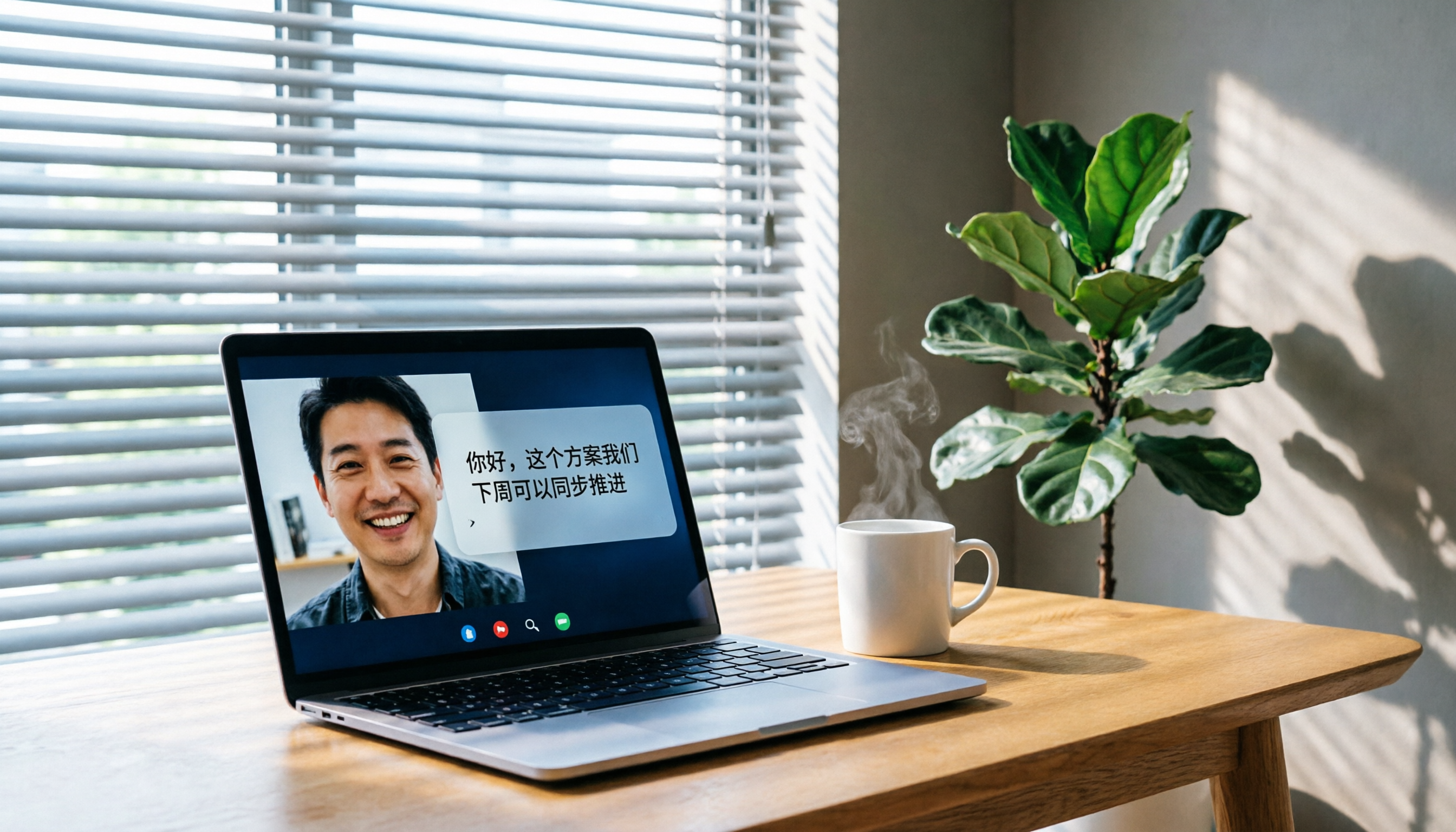
2026 Comparison of Two Google Meet Solutions: Hide Self View & Meeting Notes - Which Boosts Meeting Efficiency?
Don't want to see your own video during meetings? Google Meet can hide self view, but meeting notes are manual? This article compares Google Meet's built-in transcription with Tinrec's instant recording across 5 key dimensions: transcription quality, AI summarization, cross-platform support, and more, to tell you which solution truly saves post-meeting time.

2026 Comparison of 4 Google Meet Audio-to-Text Tools: Tinrec's AI Summary Saves the Most Time!
Struggling with Google Meet meeting notes? This article tests 4 audio-to-text tools for Google Meet, comparing transcription accuracy, AI summary quality, and post-meeting organization to help you choose the most time-saving solution. Tinrec excels in Chinese meeting scenarios, offering precise transcription and built-in AI conversation search, turning meeting notes into actionable knowledge.
Best Google Meet Recording-to-Text Tools? Tested 3 in 2026, Tinrec Most Practical
Tired of spending hours on meeting notes after Google Meet? I tested 3 recording-to-text tools for Google Meet, comparing transcription quality, note organization, and AI query capabilities. Find out which one works best for Chinese meetings, so you can get usable notes right after the meeting.