

Turn recordings into transcripts and summaries in minutes
Upload audio or video for multilingual transcription, AI notes, and action items
I attend about 15 meetings a week. In addition to internal meetings, I also record training videos and interview clients. Recently, my boss asked all internal videos to include Cantonese subtitles so colleagues can easily review them. I initially used Subanana because it was free and marketed as a "Cantonese subtitle wonder tool," but I found that mixed Cantonese-English conversations were often transcribed into weird Cantonese pronunciations, with only around 50% accuracy. Editing the subtitles took about as much time as typing them myself. Later, the team tried Tinrec, which not only generated subtitles more reliably but also offered AI summaries, to-do lists, and cross-platform sync. It has now become our default tool for organizing audio and video content.
What Can Cantonese Subtitles Do for You?
Scenario 1: Turn meeting recordings into real-time subtitles for more efficient team sharing
Previously, colleagues had to listen to recordings and take notes after meetings. Now, with Tinrec, we can convert recordings to text in real time, with subtitles generated as people speak. When the meeting ends, we immediately have both subtitles and a meeting summary, ready to copy into Slack or Notion.
Scenario 2: Add subtitles to online courses for easier review
For internal training or external online courses, simply paste a YouTube or Bilibili link into Tinrec and it will automatically generate Cantonese subtitles and chapter summaries within minutes. You can also export them as .srt files and upload them back to the video platform.
Scenario 3: Convert interview recordings to text – no more listening to tapes
When interviewing clients or candidates, you can directly import the recording into Tinrec. The AI not only produces a verbatim transcript but also automatically extracts to-do items and key points. The subtitle file can also be used by PR colleagues.
Tinrec's Core Subtitle Generation Capabilities
Real-time transcription with less than 1 second latency
Tinrec's real-time speech-to-text is extremely fast; during meetings, you can watch the subtitles and instantly confirm that no key points are missed. Unlike Subanana, which can only process YouTube sources after the fact, Tinrec supports three input types: live recording, local audio/video files, and web links, covering more workplace scenarios.
Handles Cantonese mixed with English
In our real-world tests, Tinrec transcribing Cantonese-English mixed meeting recordings had a significantly lower error rate than Subanana. Subanana often turned English words into strange Cantonese sounds, while Tinrec's language model understands Hong Kong's common code-mixing better. It also supports 14 languages, so subtitle translation is no problem.
AI-assisted organization after transcription
Tinrec gives you more than just a transcript; it automatically generates an AI summary, splits content into chapters, and extracts action items. You can ask it directly, "What was the decision about the budget in the meeting?" and it will answer based on the recording content – something Subanana can't do.
Multiple export formats for downstream use
Whether it's .srt subtitle files, verbatim transcripts, or Markdown meeting notes, Tinrec can export them with one click, and it can sync to Google Docs and Notion. Although Subanana also supports downloading .srt, it can't be directly integrated into other workflows.
Practical Use Cases
Internal training recordings
Record your weekly tech-sharing sessions, run them through Tinrec to generate subtitles, and upload them to an internal knowledge base so colleagues can search and review key points anytime.
Stop organizing recordings by hand
Upload audio or video and automatically get a transcript, summary, and action items
Client meeting notes
When on Zoom with clients, use Tinrec to record and generate real-time Cantonese subtitles. After the meeting, it automatically creates a to-do list, so you won't miss any follow-ups.
Interviews and performance reviews
Convert interview recordings to text and organize key Q&As, providing clear evidence for later reviews.
Content creation
For YouTube videos or corporate promotional videos, use Tinrec to generate subtitles and summaries, then upload directly – saving significant post-production time.
5 Things to Consider When Choosing a Cantonese Subtitle Tool
- Accuracy: Don’t just rely on official numbers. In our tests, Subanana’s accuracy was only about 50%, and mixed Cantonese-English content almost always required manual correction. Tinrec, on the other hand, had a much lower error rate with clear recordings, especially in everyday meeting scenarios – it performed much more stably.
- Language support: If you frequently handle mixed Cantonese-English content, check whether the tool’s Cantonese model has been genuinely trained. Tinrec’s Cantonese recognition is clearly more robust than tools that only add Cantonese later as an extension of Mandarin support.
- Input sources: Subanana mainly relies on pasting YouTube links, so handling local recordings or live meetings is cumbersome. Tinrec covers live recording, file import, web links, and computer meetings – much more flexible.
- Post-organization features: Generating subtitles is just the first step. The key is whether the tool offers AI summaries, action item extraction, and Q&A. Tinrec excels here, turning recordings directly into deliverable documents.
- Pricing and limits: Subanana is free, but its features are basic. Tinrec’s free plan includes a monthly quota, which is enough to test a few meetings. If you have higher usage, you can use a weekly plan or a Pro monthly plan – still more cost-effective than hiring someone to transcribe every month.
Frequently Asked Questions
Q: Does Tinrec support Cantonese?
A: Yes, it does. It recognizes Cantonese and mixed Cantonese-English content well, and it can also translate subtitles into other languages.
Q: How accurate is it?
A: With clear recordings and little background noise, the Cantonese error rate is significantly lower than most free tools on the market. However, it’s not 100% error-free, so we recommend checking important content against the original.
Q: Is the free version enough?
A: If you only occasionally add subtitles to a few short videos, the free plan’s monthly quota should be enough. But if you’re like me and frequently attend meetings and produce training videos, going with the Pro plan is more cost-effective.
Q: What advantages does Tinrec have over Subanana?
A: Tinrec not only generates subtitles more accurately, but it also handles live recordings, local files, and online videos. After transcription, the AI organizes summaries and action items, and there are more output formats. It’s especially suitable for professionals who need a complete audio-organization solution.
Summary
If you only need to add Cantonese subtitles to a YouTube video occasionally, Subanana’s free plan can get the job done. But when you’re handling more than 10 meeting recordings, training videos, and client interviews every week, and you don’t want to waste time manually transcribing and correcting mistakes, Tinrec is the more comprehensive choice. It doesn’t just generate subtitles – it turns all your audio content into a searchable, organized knowledge base. We recommend downloading the Tinrec free version and trying it on your next meeting recording. Experience how AI automatically organizes subtitles and summaries – it might just change how you work from then on.
References
- CantoSub | Hong Kong | Cantonese | AI Subtitle Generation!
- Subanana Hong Kong Cantonese subtitle wonder tool test: Auto-add subtitles to YouTube videos is super convenient | Tech & Play
- Subanana | Most Popular AI Subtitling & Transcription Tool in ...
- Cantonese Subtitle Generator - 繪影字幕
- Subanana | The AI Subtitle and Meeting Minutes Tool Most Chosen by Hong Kong Creators and Companies
Turn every recording into actionable outcomes
Get 60 free transcription minutes when you sign in. No credit card required.
Related Reading
You might also like

Best Cantonese Speech-to-Text Tools in 2026: We Tested 3, and This One Is the Most Full-Featured
Looking for a great Cantonese speech-to-text tool? This article tests 3 leading services, comparing accuracy, extra features, and pricing, plus buying tips and common pitfalls to help you pick the right solution.

4 Cantonese Voice-to-Text Tools Tested in 2026: Which Free Plan Is Enough and Which AI Is the Strongest?
We tested 4 Cantonese voice-to-text tools, comparing free allowances, transcription quality, and AI features to help you quickly find the best option.

2026 Cantonese AI Speech-to-Text Shortcuts Compared: Which One Is the Real Time-Saving Workbench for Knowledge Workers?
We tested two Cantonese speech-to-text tools, cantonese.ai and Tinrec, comparing input sources, transcription accuracy, post-processing, and AI utilization depth to find the most efficient shortcut for meetings, learning, and content creation.
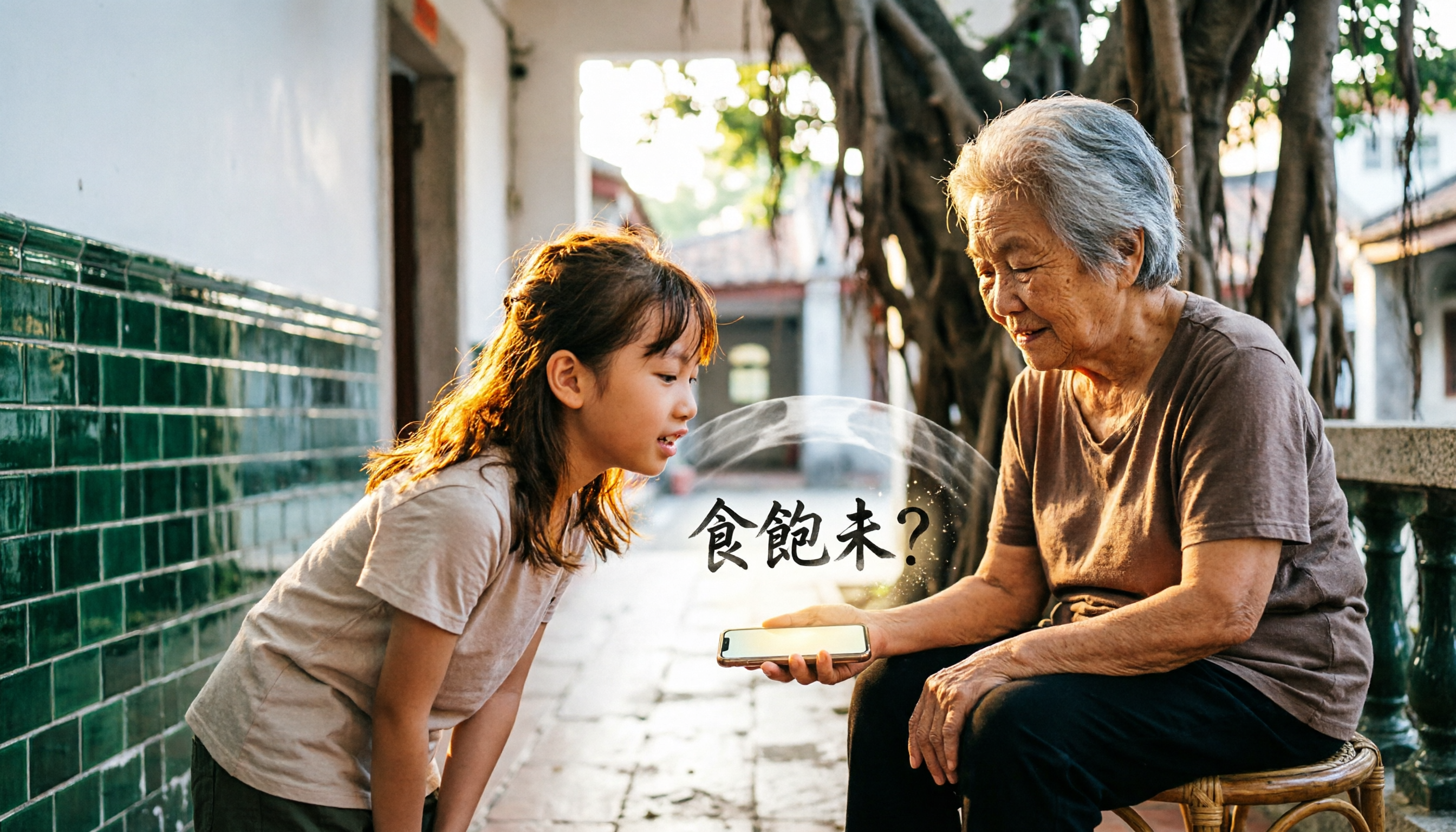
What's the Best Taiwanese Translation Tool? 3 Tools Tested in 2026 — This Free One Wins
Looking for accurate Taiwanese translation? This article tests 3 Taiwanese translation tools, including an online dictionary and AI translation apps, to help you find the best option. Free tools can handle daily translation needs.

2026 Hands-On Test: 4 Voice-to-Text Apps — Which One Really Saves You from Overtime?
We tested Tinrec, Apple Voice Memos transcription, Notta, and Otter.ai, focusing on Cantonese meetings and real-time transcription features, to help Hong Kong office workers find the most time-saving voice-to-text solution.

2026 Comparison Test of 3 Taiwanese Hokkien Input Methods: Which Is Free, Has Voice, and Suits Beginners?
Want to type authentic Taiwanese Hokkien text on your phone or computer? This article tests the Ministry of Education Taiwanese Hokkien Input Method, the Faith and Hope Taiwanese and Hakka Input Method, and PhahTaigi Taiwanese Hokkien Input Method—covering installation, operation, and real typing experience—to help you pick the Taiwanese input tool that best fits your needs.

2026 Real-Time Speech-to-Text Apps Compared: Which Free Version Is Good Enough?
We tested four popular real-time recording-to-text apps, with Tinrec as the core tutorial, comparing free plan allowances, accuracy, and AI organization capabilities. From recording, transcription, proofreading, to generating meeting minutes, we walk you through the five steps. We also compared 雅婷逐字稿, MyEdit, and another app to help you decide which free version suits students, professionals, and creators.
![[Tutorial] 2026 Tinrec Cantonese Subtitle Generation: AI Auto-Transcription + Practical for Multiple Scenarios](https://record-img.tos-accelerate.volces.com/images/2026/08/05/1785941371876137165.png)
[Tutorial] 2026 Tinrec Cantonese Subtitle Generation: AI Auto-Transcription + Practical for Multiple Scenarios
Want to add Cantonese subtitles to your videos without spending money on hardware or typing manually? This article compares Tinrec and Zeemo, from Cantonese accuracy to subtitle workflow and multi-scenario applications, teaching you how to use AI to efficiently generate professional-grade subtitles. Suitable for meeting recordings, educational videos, and online videos.

2026 Real-Time Recording Translation Apps Compared: Are They Accurate? Which One Actually Saves You Time?
We tested 5 real-time recording translation apps, from speech recognition to translation naturalness and post-processing, to show you which one is truly worth using. Our top pick: Tinrec—it doesn't just transcribe, it turns recordings into knowledge.