
Turn recordings into transcripts and summaries in minutes
Upload audio or video for multilingual transcription, AI notes, and action items
A 2-hour lecture, 18 weeks per semester, that's 36 hours of recordings—you can't listen to all of it again. Many students think "recording-to-text" is enough, but the transcripts come out long and messy, and you still can't find the key points. What you need is a tool that can directly help you organize summaries, to-dos, and even answer questions. I was originally looking for a Good Tape platform introduction, but after using it, I found that Tinrec is more suitable for students.
Why You Need a Recording-to-Text Tool (Starting with Good Tape)
Good Tape is a free transcription tool developed by Danish media, supporting multiple languages, with good privacy protection, and is popular in Taiwan's media circles. If you only occasionally transcribe a recording or two, Good Tape is sufficient; but if you need to organize lecture recordings and group discussions every week, you need a more complete tool—like Tinrec.
Tinrec doesn't just turn audio into text; it can also automatically generate summaries, list to-dos, and even let you ask in Chinese, "Did the teacher mention the midterm scope?" It will find the answer from the transcript. That's what students really need.
Tinrec's Core Capabilities: Not Just Transcription, But Also Key Point Organization
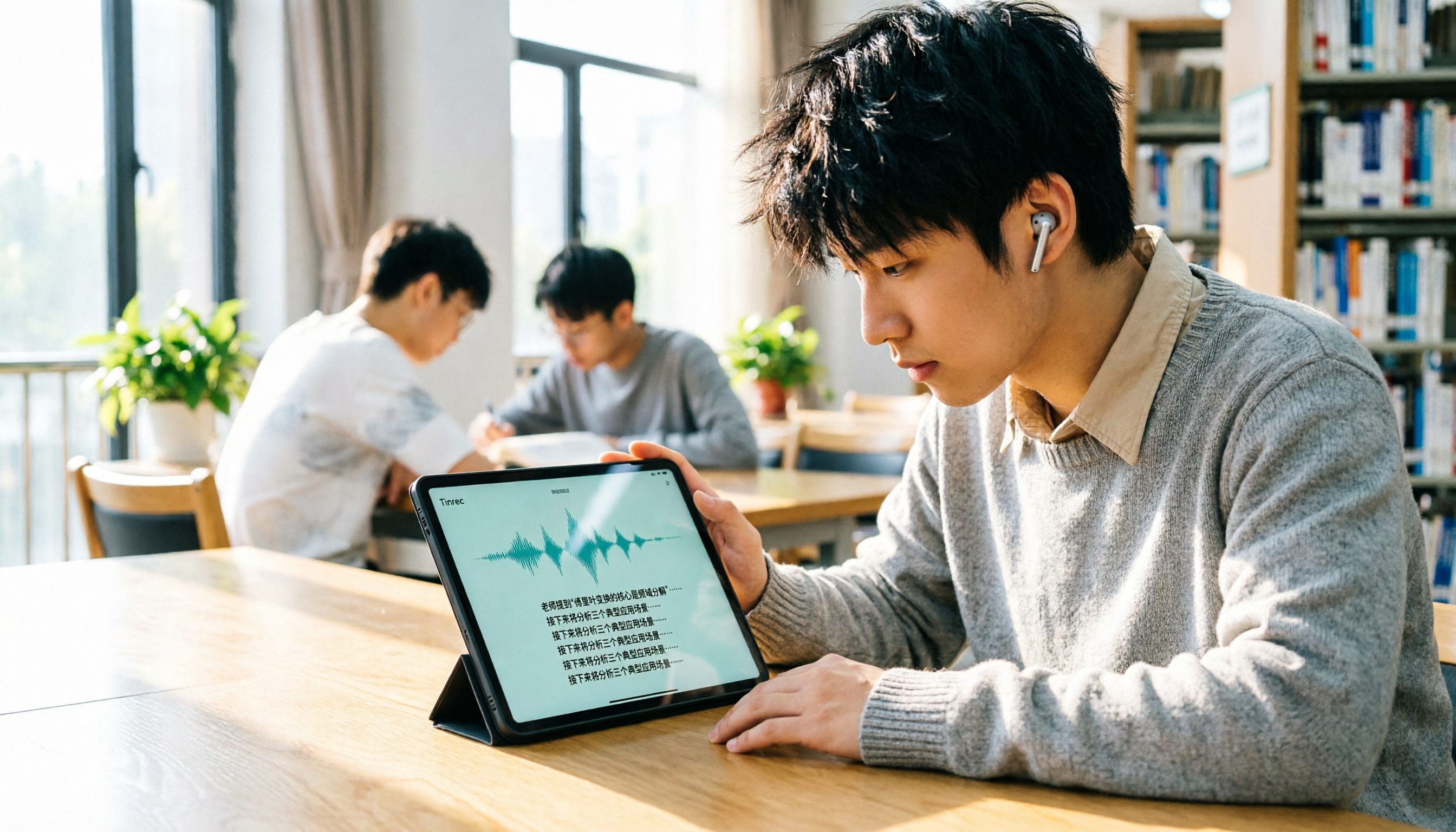
Real-time Recording-to-Text: Transcribe as you record in class, no need to wait until the recording is finished. Tinrec's real-time transcription has almost no delay; you can listen and read the text simultaneously, and fill in any missed parts immediately.
AI Summaries and Chapters: For a 2-hour lecture, Tinrec automatically splits it into chapters, each with a subtitle. Click to view the key points of that section. For final exam review, you don't have to listen from start to finish.
To-Do Extraction: After group discussions, often no one remembers the conclusions. Tinrec automatically extracts "who is responsible for what" from the conversation and lists it directly.
AI Q&A: You can ask questions about the recording content. For example, "Did the teacher mention the assignment deadline?" or "What pain points were mentioned in the client interview?" Tinrec answers based on semantics, not keyword search.
Multi-format Export: After transcription, you can save as transcript, subtitle files, or export to Notion, Google Docs, so you can integrate lecture notes into your own note-taking system.
Practical Use Cases: Lectures, Group Discussions, Final Exam Review
Scenario 1: Lecture Recording Professors speak fast, and slides flip even faster. You open Tinrec's desktop version or mobile app, and it transcribes as you record. By the end of class, the AI summary is already generated; you just glance at it to know the key points of the lecture.
Scenario 2: Group Discussion Everyone is talking over each other during report discussions, and afterward no one remembers the conclusions. Tinrec records the discussion, automatically extracts to-dos, and shows who is responsible for what and the deadlines at a glance.
Scenario 3: Final Exam Review You upload all semester's lecture recordings to Tinrec, then use AI Q&A to quickly find key points for each unit. For example, ask "What is the formula in Chapter 2?" and it will answer directly from the corresponding recording.
Stop organizing recordings by hand
Upload audio or video and automatically get a transcript, summary, and action items
Scenario 4: Online Courses Many students take online courses. Tinrec's desktop version can directly record computer system audio, no need to install a meeting bot. It works with Zoom, Google Meet, and Teams, and you don't have to add a bot to the meeting, so you won't disturb the instructor.
5 Things to Consider When Choosing a Recording-to-Text Tool (Including Good Tape vs. Tinrec)
1. Free Credits and File Retention Good Tape is free but files are only kept for 3 days, and there's no history feature. Tinrec's free version has basic credits, and transcribed data can be saved in your account for later access. For students, being able to retain recordings for the whole semester is important.
2. AI Organization Capabilities Good Tape mainly transcribes; you have to do all the subsequent organization yourself. Tinrec adds summaries, chapters, to-dos, and Q&A, effectively pulling out the key points for you, saving a lot of manual organization time.
3. Chinese and Mixed Chinese-English Experience Good Tape supports Chinese, but in my experience, it occasionally stumbles on mixed Chinese-English course content. Tinrec emphasizes Chinese experience, and transcription is more stable for classes with mixed Chinese-English and discussions of original English textbooks.
4. Cross-Platform Support Good Tape currently only has a web version, so to record in class, you have to figure out how to upload the audio file. Tinrec has web, desktop, and mobile apps, so I can record directly with my phone or use the desktop version to record online meetings, which is much more convenient.
5. Team Collaboration For group projects, you often need to share recordings and transcripts. Good Tape has no team features; everyone has to share files individually. Tinrec has team spaces where you can invite group members to join, share meeting materials and to-dos, and everyone sees the same updated version.
Frequently Asked Questions
Q1: Is the free version sufficient for students? If you're a light user, occasionally recording a key lecture or two, the free version is worth trying. But if you want to record every lecture and do group discussions, the free credits might not be enough. Tinrec's paid plans are affordable—just skip a couple of late-night snacks.
Q2: How accurate is Tinrec's transcription? With clear audio and normal speaking speed, Chinese transcription quality is very good. But if the professor has a heavy accent or the classroom is noisy, you'll need to do some proofreading yourself. No tool is 100% accurate, but Tinrec can save you 80% of the listening and typing time.
Q3: Do I need the professor's consent to record lectures? It's recommended to get consent from the professor or classmates first, and follow school regulations. Some schools explicitly prohibit recording, so check beforehand.
Q4: Which should I choose, Good Tape or Tinrec? If you just want a free, simple transcription tool and don't mind files being deleted after 3 days, Good Tape is fine. But if you want automatic key point organization, history retention, and collaboration with group members after recording, Tinrec is more suitable for students.
Conclusion
Upgrading from "recording-to-text" to "recording-to-key-points" has been the most worthwhile tool investment I've made this semester. Tinrec has saved me a lot of time re-listening to recordings and manually organizing, allowing me to focus on understanding content and preparing for exams. If you're also looking for a good recording organization tool, try Tinrec's free version first and see if the AI summaries and Q&A really help you.
References
- Surpassing Ya-Ting, Journalists in Tears: What Makes Good Tape So Amazing? | CommonWealth Magazine
- Good Tape Recording-to-Transcript Automation Tool, Supports Multiple Languages Including Chinese
- Good Tape Taiwan - AI Fully Automated Transcript Service, Online Cloud, Simple and Fast, Save Hours of Listening and Typing | Purchase Inquiry
- - Good Tape
- Good Tape: Recommended Recording-to-Transcript Software! The Tool Most Understands Journalists' Needs | Future Commerce AI Tool Guide
Turn every recording into actionable outcomes
Get 60 free transcription minutes when you sign in. No credit card required.
Related Reading
You might also like

How to Record LINE Calls on iPhone in 2026? 5 Steps with Tinrec for Recording and Transcription
Can't record LINE calls with iPhone's built-in call recorder? This article, based on a student's hands-on experience, shows you how to use Tinrec's bot-free desktop recording to record LINE calls, transcribe them, generate AI summaries, and create to-do lists in 5 steps. It also compares alternatives like Otter and Notta to help you save time from re-listening to recordings.
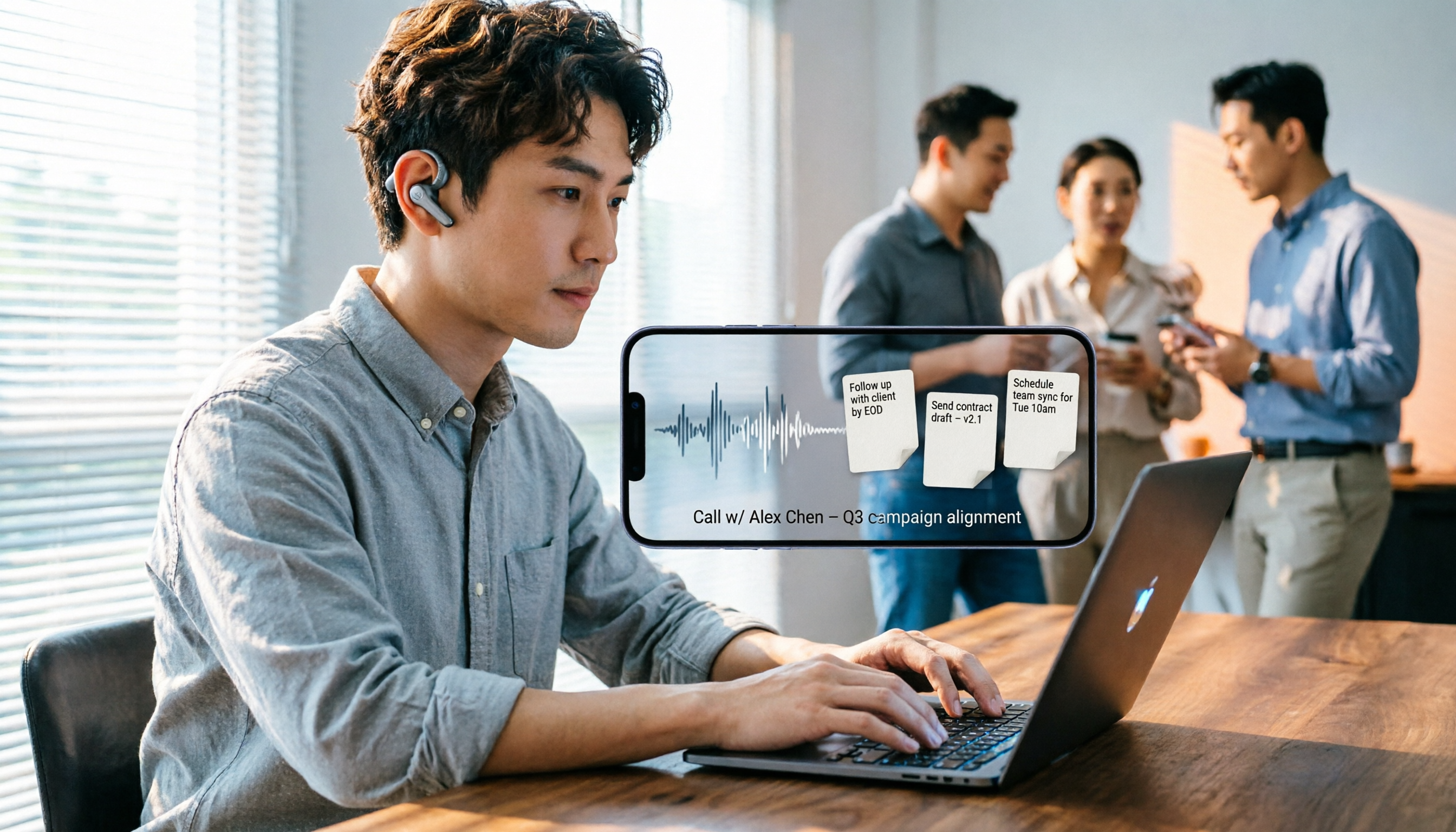
2026 Hands-On Comparison of 3 LINE Call Recording Post-Processing Tools: Tinrec Turns Recordings into To-Do Lists
iPhone users can now record LINE calls with the built-in iOS 26 feature, but the recording is just the first step. This article tests how Tinrec quickly converts LINE call recordings into transcripts, summaries, and to-do items, and organizes them into searchable team resources. From individuals to teams, learn how to use AI to save time re-listening to recordings.

2026 Tested Comparison of 3 LINE Call Recording Methods: Why Tinrec Helps You Organize Better?
Recording LINE calls for work is common, but the real challenge starts after recording—Tinrec turns your recordings into searchable, organized meeting notes.

5 Best Speech-to-Text Tools Tested in 2026: Good Tape vs. Tinrec for Chinese Users
This article compares 5 speech-to-text tools, including Good Tape and Tinrec, across four key areas: accuracy, AI-powered organization, cross-platform support, and team collaboration. It explains why Tinrec is the top choice for Chinese meeting notes and which lightweight needs Good Tape suits.
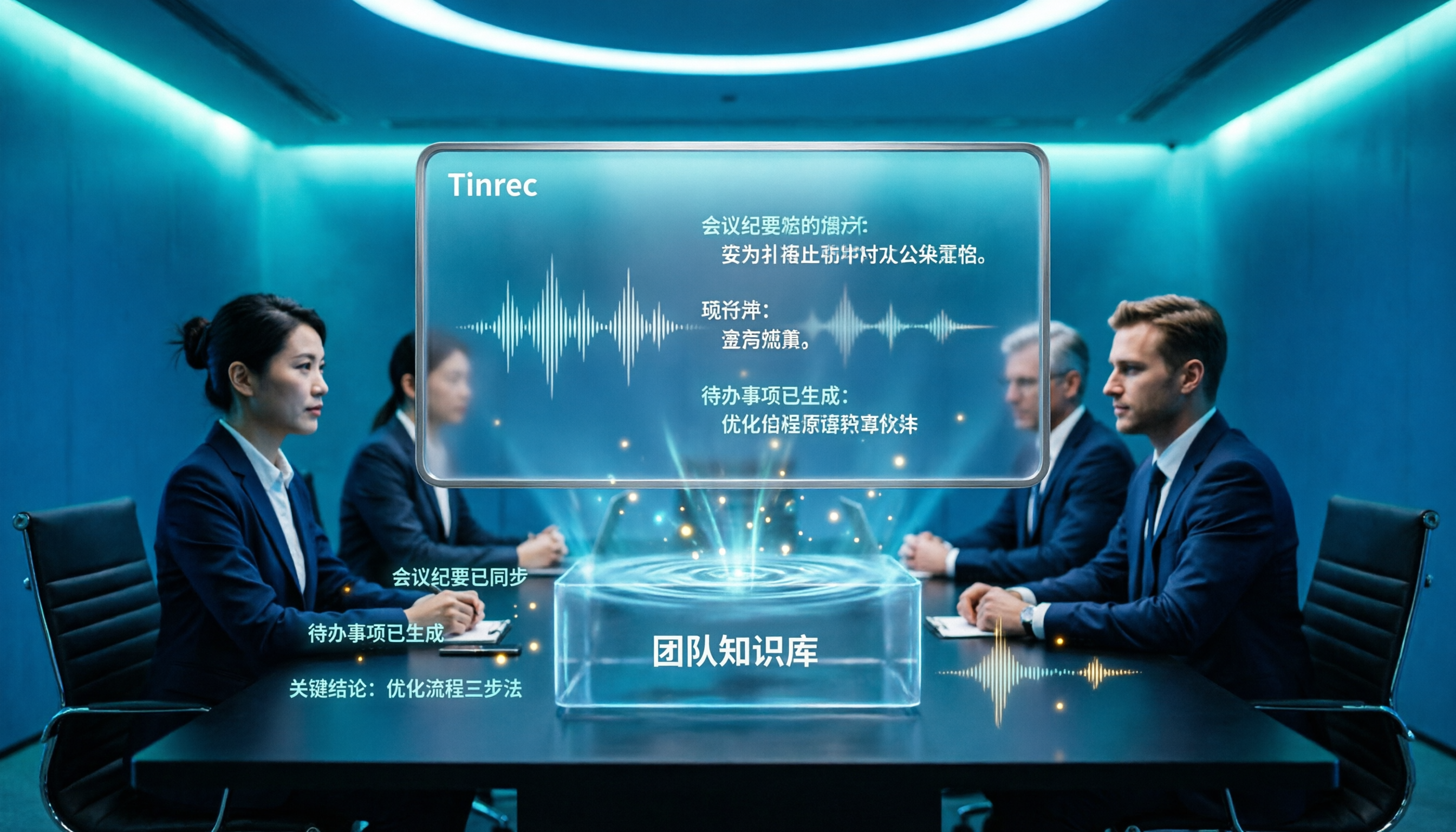
2026 Test: 4 Speech-to-Text Tools Compared – Which Is Best for Chinese Meetings and Team Knowledge?
This article tests 4 speech-to-text tools for Chinese meetings, no-bot recording, and team knowledge management. It recommends Tinrec (Miao Ting) and analyzes differences with Otter, Notta, TurboScribe, plus key pitfalls to avoid.
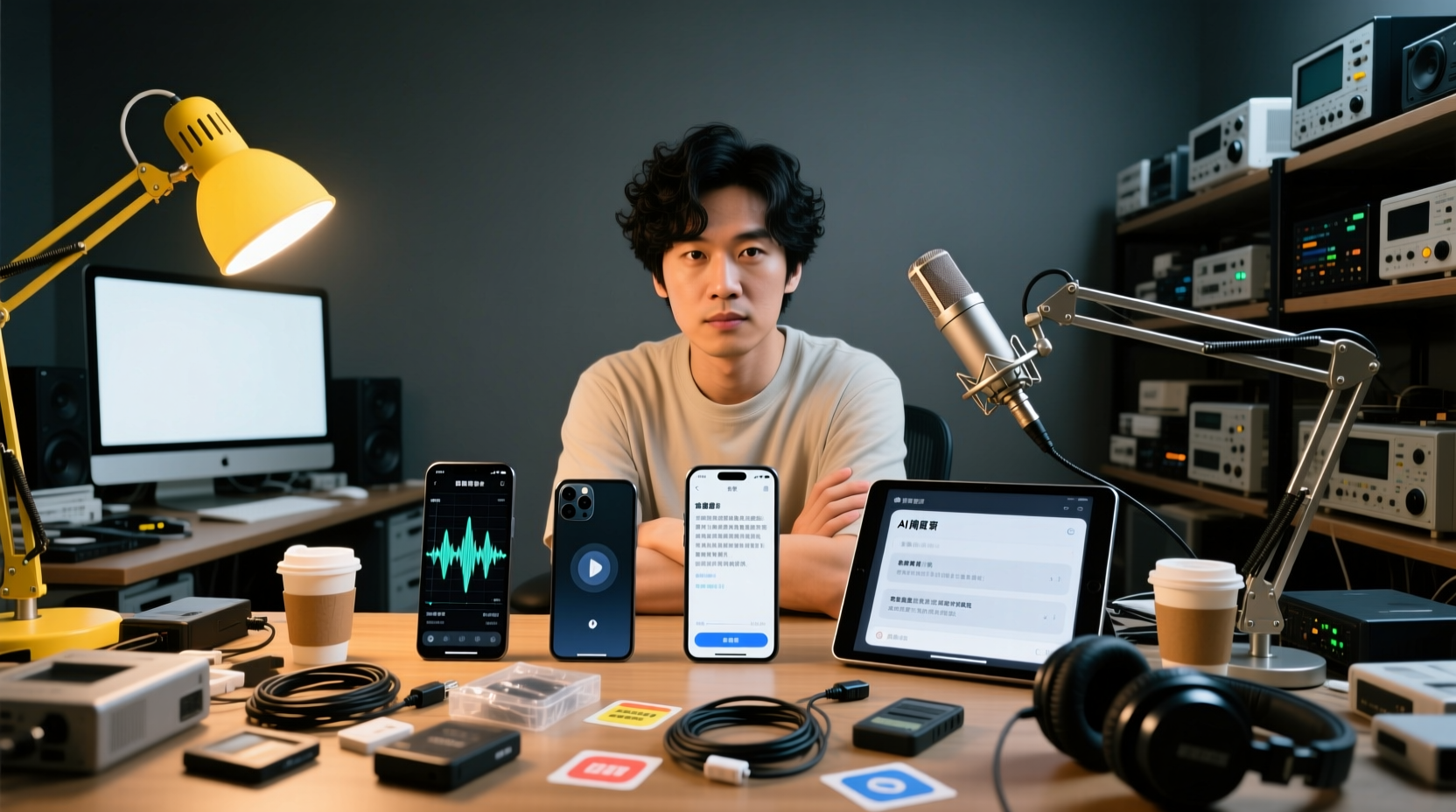
Is Otter Good for Chinese in 2026? A Side-by-Side Comparison of 3 Recording-to-Text Tools: Which Is Better for Users in Taiwan?
Otter.ai doesn't support Chinese, which is a major drawback for users in Taiwan. This comparison reviews Tinrec, Otter, and other tools, focusing on Chinese support, cross-platform availability, AI features, and pricing, to help you decide which is the better choice.

How to Use Otter in Chinese in 2026? A 5-Step Alternative Guide from Scratch
Otter is a well-known AI meeting recorder, but its Chinese support is limited. This article will teach you in 5 steps how to use Tinrec, a more suitable alternative for Chinese speakers, to easily complete meeting notes, transcription, and organization from scratch.

5 Best Sales Meeting Note-Taking Software in 2026: From Free to Team Collaboration
Sales meeting notes often miss client commitments and action items. From a mid-level manager's perspective, this article reviews 5 recommended meeting note-taking software, from free options to team collaboration tools, and introduces how Tinrec uses AI summaries, action item extraction, and team spaces to turn meeting content into trackable, collaborative sales assets.

How to Create a Sales Meeting Record Sheet in 2026: 5 Steps from Blank Template to AI Auto-Organization
A sales meeting record sheet is not just for documenting discussions but is a key tool for tracking customer commitments and action items. Using Tinrec as an example, this article teaches you how to build a reusable sales meeting recording process from a blank template, leveraging AI to auto-generate transcripts, summaries, and to-dos, ensuring no key points are missed.