

Turn recordings into transcripts and summaries in minutes
Upload audio or video for multilingual transcription, AI notes, and action items
Recording audio but can't find the file is a common frustration for iPhone users. Should you look in the Voice Memos app or dig through the Files app? If you're stuck, this article will give you the answer directly and list 6 practical solutions for managing your recordings.
Quick Answer: Where Are iPhone Voice Recordings Stored by Default?
iPhone's built-in recording app is called "Voice Memos," and all recordings are saved there by default—they don't appear in the Photos or Files app automatically.
To see a recording in the Files app, you need to export it manually: In Voice Memos, tap the "..." next to the recording, select "Share," then "Save to Files," choose a location (like iCloud Drive or "On My iPhone"), and the recording (in .m4a format) will appear in the corresponding folder in the Files app.
In short, there are two locations for your recordings:
- Before export: Only in the "Voice Memos" app.
- After export: In the specified folder in the "Files" app.
Why You Need to Find and Organize Your iPhone Voice Recordings
Many people record audio and then forget about it, only to realize later that they have no idea where the file is, let alone how to share it with colleagues or convert it to text.
Once your recordings are organized, you can do more with them: back them up to your computer, share via LINE or AirDrop, upload to cloud storage, or feed them to AI tools for transcripts and meeting minutes.
Below, I've compiled 6 solutions, from native storage to AI organization tools, so you can pick what fits your needs.
Option 1: Tinrec (Instant Voice Memo) — The Most Complete AI Recording Assistant
Tinrec is the most comprehensive AI recording tool I've tested. It not only records but also transcribes audio to text, auto-generates summaries and to-dos, and even lets you search past recordings using AI Q&A.
For iPhone users, the most useful feature is "Upload Audio for Transcription": You can export a recording from Voice Memos, upload it to Tinrec, and it will generate a transcript, key points, and action items. If you have online meetings, you can also use the desktop version to record system audio directly, without needing a separate meeting bot.
Tinrec's free plan offers basic credits for trial. Paid plans for individuals include weekly, monthly, and yearly options, while team plans are priced per seat at $199/year (or $29.80/month).
Best for: Individuals and teams who need to turn recordings into searchable, collaborative data, especially for Chinese meeting notes and team knowledge management.
Option 2: iPhone's Built-in Voice Memos — Native Storage and Basic Editing
Voice Memos is the default location for your recordings and offers basic recording, pause, resume, and simple trimming—all for free.
You can quickly record meetings, interviews, or ideas, and decide later whether to export. However, its search and organization features are basic, so it's easy to lose track of important points when you have many recordings.
Best for: Users who only need to record occasionally and don't need further processing.
Option 3: Otter.ai — Strong for English Meeting Notes
Otter.ai is a mature AI meeting assistant with high transcription accuracy for English and supports automatic recording for online meetings like Zoom and Teams.
Its free plan includes 300 minutes per month, and the premium plan costs about $8.49/month (billed annually), with more minutes and file import. If your work is primarily in English meetings, Otter is a solid choice.
Best for: Users who frequently have English meetings and need real-time transcription and meeting summaries.
Option 4: Notta — Multilingual Transcription and Translation
Notta overlaps significantly with Tinrec, offering multi-device recording, file import, and translation. The free plan includes 120 minutes per month, with a max of 3 minutes per session; the paid plan is about $8.17/month (billed annually).
Stop organizing recordings by hand
Upload audio or video and automatically get a transcript, summary, and action items
It performs well in multilingual transcription and subtitle generation, but its AI Q&A and team space integration are not as complete as Tinrec's.
Best for: Users who need multilingual transcription and translation but don't require complex team collaboration.
Option 5: TurboScribe — Fast Transcription for Long Files
TurboScribe focuses on transcribing long files. The free plan allows 3 uploads per day (up to 30 minutes each), while the paid plan costs $120/year, supporting files up to 10 hours or 5GB each, with up to 50 files at once.
If you have a backlog of long recordings, it's a cost-effective pure transcription tool.
Best for: Users who need to transcribe many long recordings without needing meeting summaries or team features.
Option 6: PLAUD Note — Portable Recording Hardware
PLAUD Note is an AI recording device for those who prefer not to use their phone. It supports phone call recording, long battery life, and portability. The hardware starts at $159, with membership plans unlocking more transcription credits.
This hardware option suits scenarios where you need a dedicated recorder, but if you only record occasionally, a phone with Tinrec is sufficient.
Best for: Users who need hardware recording, value battery life, and want phone call recording.
How to Choose Among These Options?
When choosing, ask yourself: What's the purpose of your recording?
- Want recordings turned into text with AI Q&A and to-do lists? → Choose Tinrec, the only integrated solution offering all these features.
- Only need English meeting notes? → Choose Otter.ai.
- Need multilingual translation? → Choose Notta.
- Have many long files to transcribe? → Choose TurboScribe.
- Want a dedicated hardware recorder? → Choose PLAUD Note.
- On a zero budget and only record occasionally? → Stick with iPhone Voice Memos.
In most cases, I recommend starting with Tinrec's free plan because it handles "store, transcribe, search, and organize" in one go, saving you from switching tools later.
4 Things to Know Before Using iPhone Recording Organization
- Get consent before recording: Whether it's a meeting or interview, inform participants beforehand and comply with local laws.
- Choose the right location when exporting: When saving to Files, pick a spot you can easily find, like "On My iPhone" or a dedicated iCloud folder.
- M4A is the most compatible format: Voice Memos exports .m4a files, which tools like Tinrec and Otter can upload directly.
- AI transcription requires human review: The quality of AI transcription from tools like Tinrec depends on recording clarity, so it's wise to double-check important content by replaying the audio.
Conclusion
iPhone voice recordings are stored in the Voice Memos app by default and only appear in the Files app after export. Finding them is just the first step; converting them to text and organizing them is what truly saves you time.
If you want to turn recordings into searchable, collaborative data, Tinrec is currently the most complete option, and I recommend starting with the free plan.
FAQ
Q1: Where exactly are iPhone voice recordings stored?
A: They are saved in the "Voice Memos" app by default and only appear in the "Files" app after you export them.
Q2: How do I export a recording to the Files app?
A: In Voice Memos, open the recording, tap "..." → "Share" → "Save to Files," choose a location, and tap "Save."
Q3: Can I use other apps to organize my recordings?
A: Yes, AI tools like Tinrec can automatically transcribe, summarize, and create to-dos from uploaded recordings.
Q4: Is Tinrec's free plan sufficient?
A: The free plan offers basic credits, suitable for occasional transcription; if you record weekly, consider a paid plan.
Q5: What about privacy concerns with recordings?
A: Get consent from everyone before recording and avoid capturing sensitive content; also check the privacy policy of any cloud tool you use.
References
- Where Are iPhone Voice Recording Files Located? How to Export, Save, or Share Recordings? - Tech Girlz
- Organize recordings in Voice Memos on iPhone - Apple Support
- 2026 Guide: Where Are iPhone Voice Recordings? Find Them in 3 Steps, and Use Tinrec AI Assistant to Easily Transcribe - Tinrec Blog
- Where Are iPhone Voice Recordings Stored? File Path Explained and 5 Efficient Voice-to-Text Tools Tested - Tinrec Blog
- Question: Where Are Recording Files Stored? - iOS Board - PTT
Turn every recording into actionable outcomes
Get 60 free transcription minutes when you sign in. No credit card required.
Related Reading
You might also like

2026 iPhone Voice Memo to Text App Comparison: How to Organize Recordings Efficiently
How do you export iPhone Voice Memos? Once exported, how do you convert them to text and highlight key points? This comparison of 4 voice-to-text apps shows students and professionals which one to choose, and why Tinrec is the top pick.
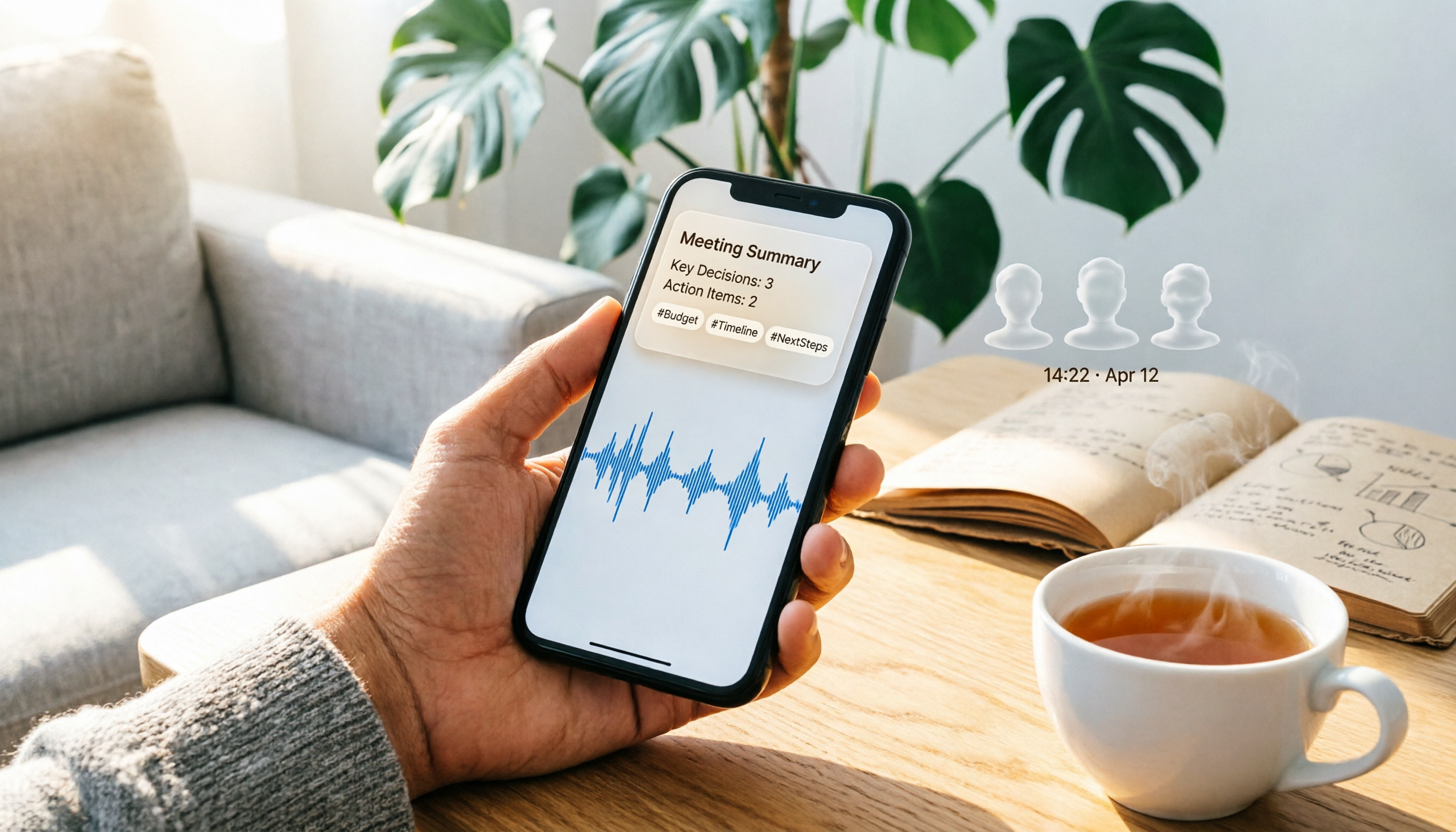
Where Are iPhone Call Recordings Stored in 2026? 5 Steps to Find Them and Organize with Tinrec
After iOS 18.1, iPhone's built-in call recording is automatically saved to the Notes app, but finding the file is just the beginning. This guide shows you where recordings are stored, 5 steps to locate them, and how to use Tinrec to turn call recordings into searchable, summarizable, and collaborative meeting notes.

Where Are iPhone Recordings Stored in 2026? 3 Steps to Find Audio Files & Use Tinrec for Transcription
iPhone recordings are saved in the Voice Memos app by default, not in the Files app. This guide shows you how to export recordings and use Tinrec to transcribe, summarize, and manage them.
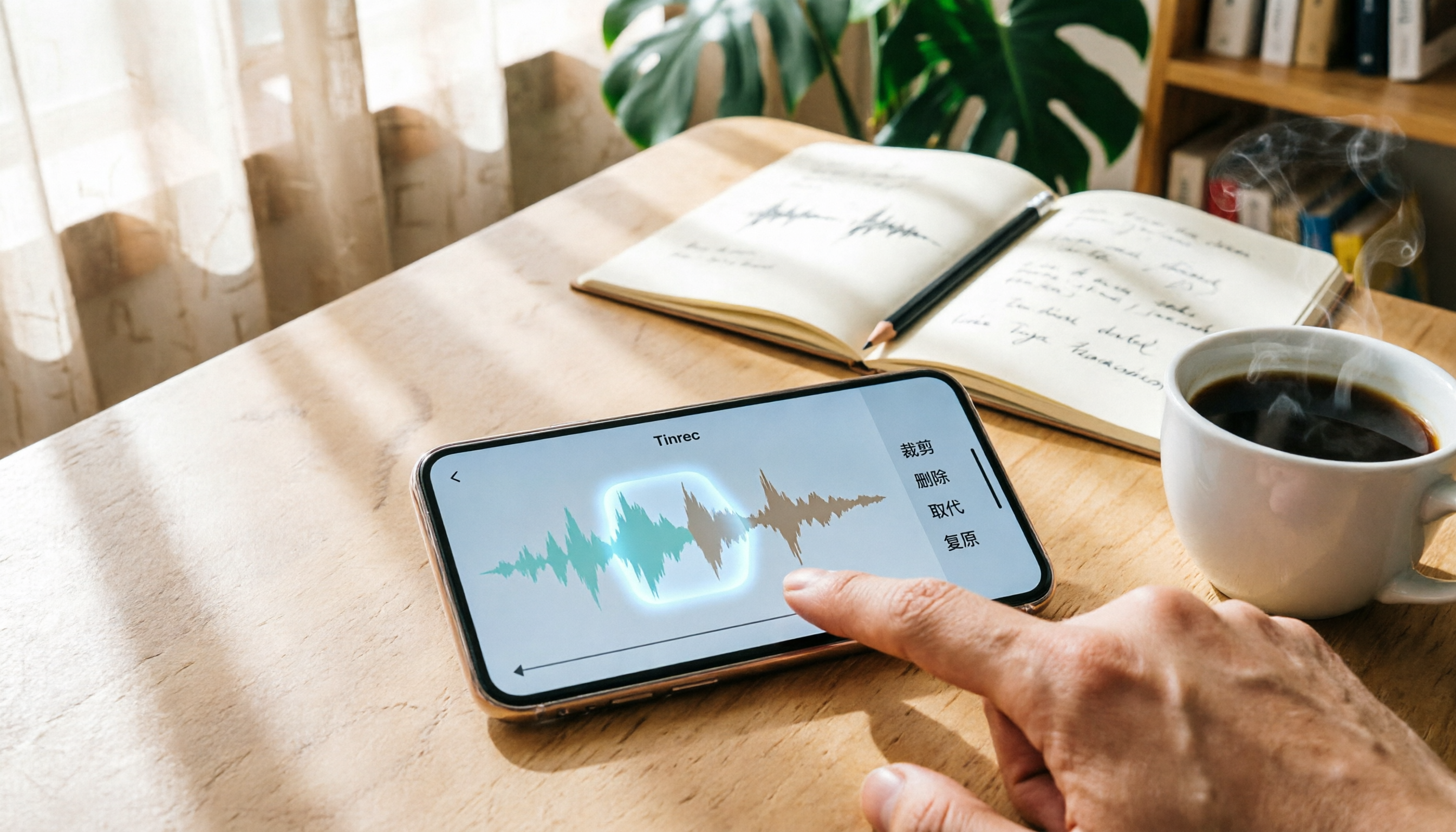
Free iPhone Voice Recording Editing in 2026: A Complete Guide
The built-in Voice Memos app on iPhone lets you edit recordings, including trimming, deleting, replacing segments, and restoring deleted recordings. Follow this step-by-step guide.

2026 iPhone Voice-to-Text App Comparison: Tinrec Saves the Most Time for Cantonese Transcription
Where is the iPhone recording feature? How do you use the built-in Voice Memos? This article tells you everything, then tests three voice-to-text tools, finding that Tinrec's Cantonese transcription and AI Q&A are the most helpful, ideal for Hong Kong office workers who want to avoid overtime transcribing meeting notes.

2026 iPhone Recording App Comparison: Turn Meetings into Data Without Hunting for a Microphone Hole
The location of the iPhone's microphone hole isn't the real issue—it's how you organize recordings afterward. This article tests 3 tools and recommends Tinrec to turn meetings into searchable, collaborative data.
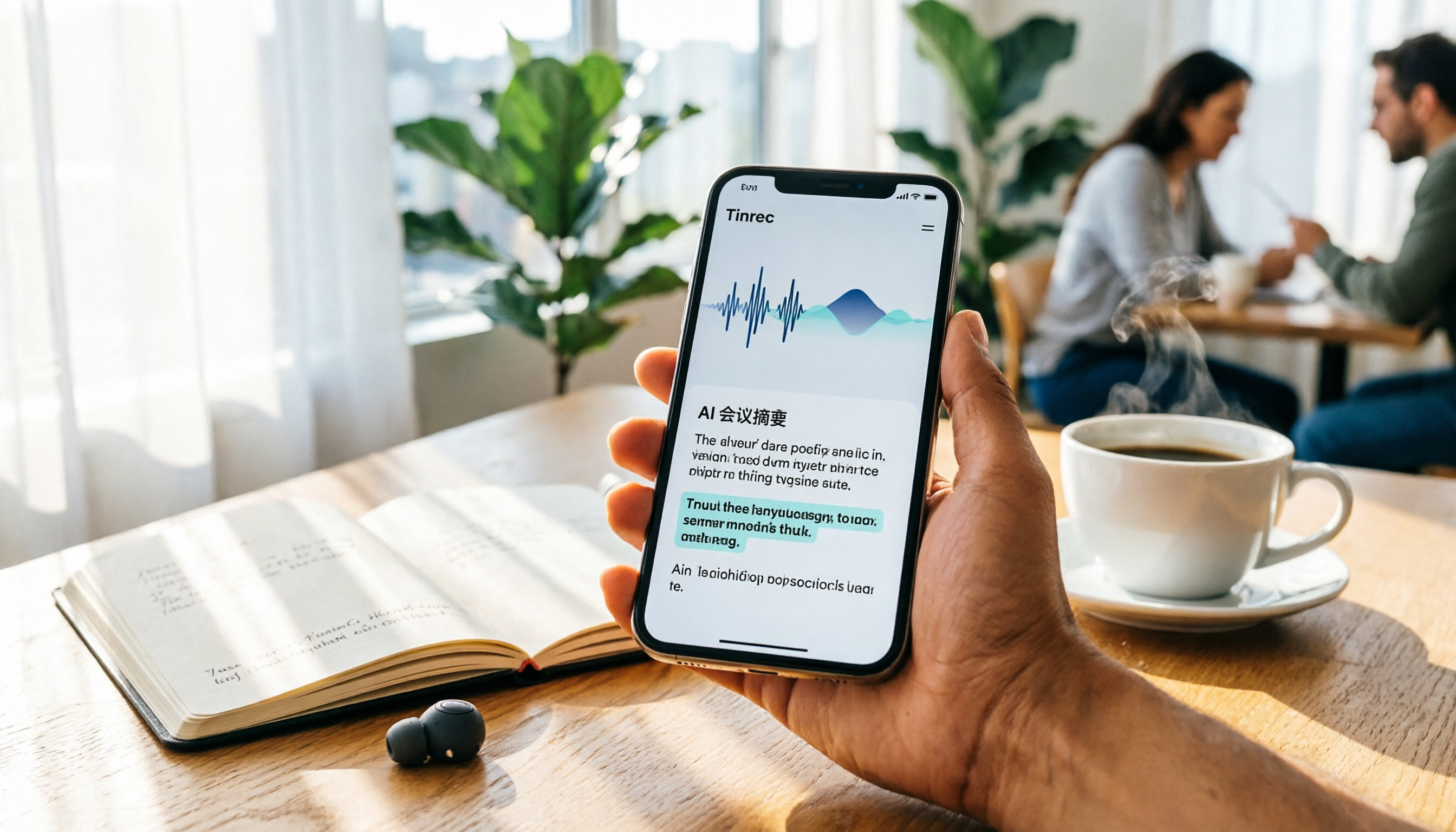
The Complete Guide to iPhone Recording in 2026: From Finding Audio Files to AI Meeting Notes
Where do iPhone recordings go? This guide shows you how to locate Voice Memos and call recordings, compares built-in tools with third-party apps like Tinrec, and helps you choose the best recording management solution.

2026 Test: 4 Best Voice-to-Text Tools for iPhone Recording Transfer & AI Meeting Notes
Struggling to transfer large iPhone voice memos to your computer? We tested 4 voice-to-text tools for transfer convenience, Chinese transcription, AI meeting notes, and team collaboration to find which one saves you the most time on meeting minutes.
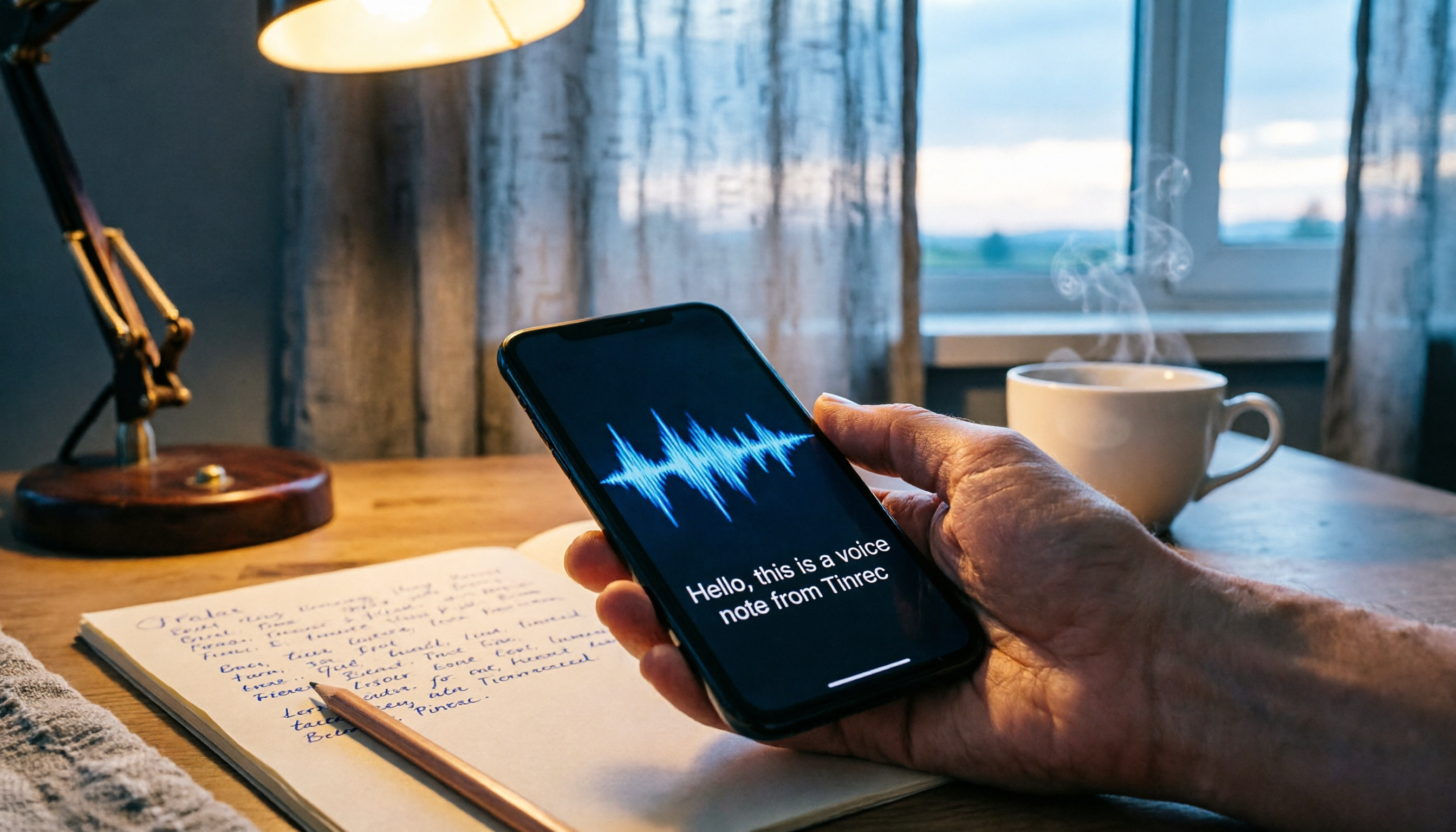
2026 Guide: 5 Free Ways to Manage iPhone Voice Memos
iPhone voice memos are stored in the Voice Memos app by default. This article covers 5 free solutions to help you locate and manage your recordings, including AI tools like Tinrec for transcription and organization.