
Turn recordings into transcripts and summaries in minutes
Upload audio or video for multilingual transcription, AI notes, and action items
In the fast-paced workplace environments of Hong Kong and Taiwan, meeting notes are often one of the most time-consuming administrative tasks. Especially in scenarios involving Cantonese or English-Chinese code-switching, traditional manual transcription is not only inefficient but also prone to missing key points—simply replaying audio recordings can be exhausting.
To help you reduce decision-making costs, this article will review the 6 most popular speech-to-text tools on the market in 2026. We'll provide a multi-dimensional comparison table (including language support, real-time capabilities, AI summaries, etc.) and offer practical step-by-step guides for mobile use and a common FAQ to get you up to speed quickly.
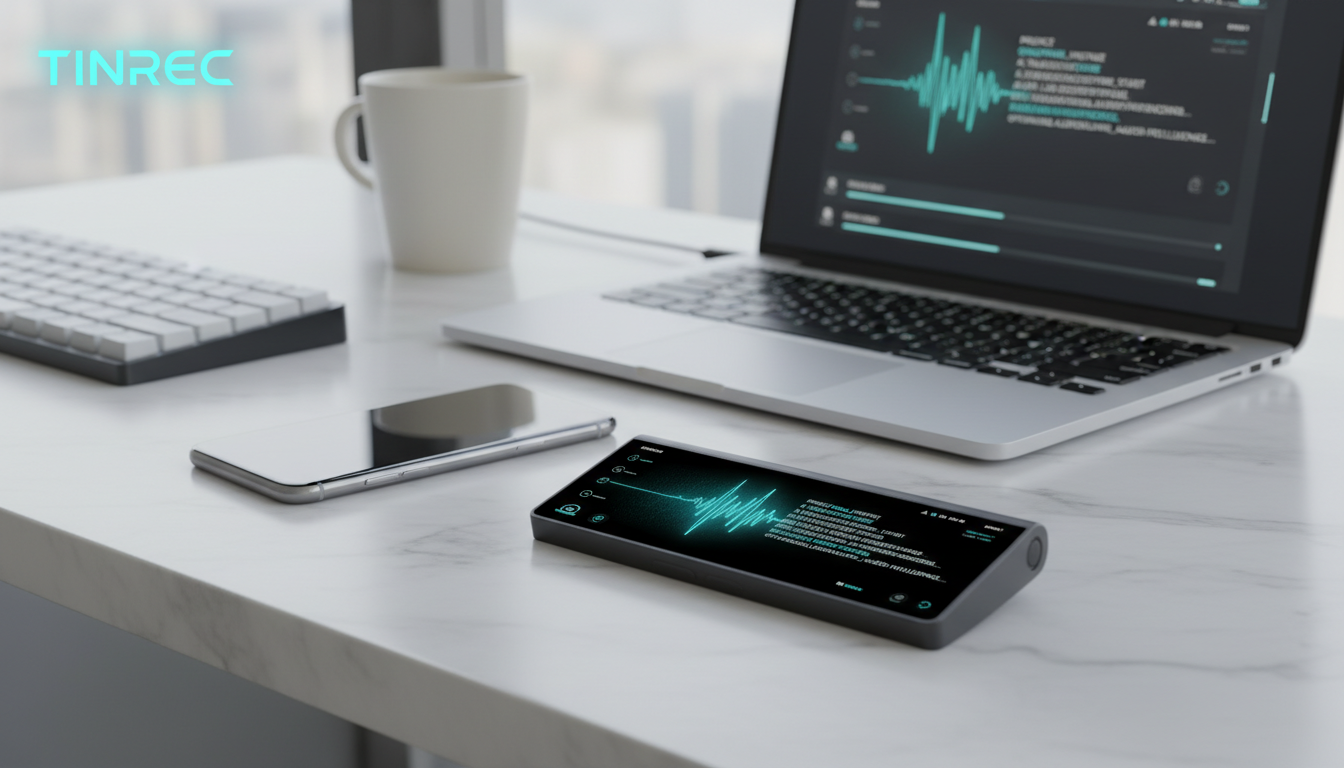
Quick navigation suggestions:
- If you have a generous budget and prefer a physical recorder: prioritize Plaud Note or iFLYTEK.
- If you don't want to carry extra hardware and seek cross-platform collaboration and AI summaries: try Tinrec or Monica.
- If you are a developer or tech enthusiast: Whisper by OpenAI is a powerful open-source choice.
1. Why Is Cantonese Voice-to-Text So Difficult? (Current Pain Points)
When looking for a good Cantonese voice-to-text tool, users typically face three major pain points:
- Difficulty recognizing code-switching: Hong Kong and foreign corporate environments often feature "Chinglish" or Cantonese mixed with English technical terms, causing many single-language recognition tools to produce garbled text.
- Only transcripts, no conclusions: Most traditional tools output transcripts of thousands of words, making them costly to read and lacking actionable "to-do items" after meetings.
- Difficulty revisiting audio: For 2-hour-long interviews or lectures, traditional transcripts rely on Ctrl+F to search keywords, without the ability to query semantically.
2. In-Depth Review of Popular Cantonese Speech-to-Text Tools in 2026
Based on market buzz and actual features, here is an analysis of 6 mainstream tools for Cantonese and Chinese users:
1. Plaud AI (Note / NotePin)
This tool has recently been highly discussed on social media, featuring an "AI recording card" hardware device combined with software service.
- Core features: Supports Cantonese, Mandarin, and 112 other languages. The hardware is slim and portable, ideal for business professionals to attach to the back of their phones.
- Price barrier: Requires purchasing the hardware first, followed by a monthly transcription quota in most plans.
2. Tinrec
Unlike hardware-tied tools, Tinrec is a "software-first" multi-platform AI recording assistant supporting iOS, Android, and Web. It focuses on the complete workflow from recording to action.
- Core features: Supports mixed recognition of Cantonese, Traditional Chinese, and English. Besides real-time transcription, it automatically generates meeting minutes and to-do lists. Its standout feature is "AI Chat Query," allowing users to ask the AI questions about the recording content.
- Price barrier: Free plan available (100 minutes of transcription per month), no hardware purchase required.
3. iFLYTEK
A long-standing leader in Chinese speech recognition, known for high accuracy with physical recording pens.
- Core features: Extremely high recognition accuracy for dialects (including Cantonese) and technical terms, suitable for legal, medical, and other serious scenarios demanding precision.
- Price barrier: High hardware cost, primarily one-time purchase.
4. Otter.ai
An internationally renowned meeting note tool, the top choice for English environments.
- Core features: Excellent English recognition and speaker differentiation with high automation.
- Limitation: Limited support for Cantonese and Chinese. If meetings include Chinese or Cantonese, it's not recommended as the primary tool.

5. Whisper by OpenAI
An open-source powerful speech recognition model by OpenAI.
Stop organizing recordings by hand
Upload audio or video and automatically get a transcript, summary, and action items
- Core features: Extremely high recognition accuracy, supports multiple languages, and is completely free (if self-hosted).
- Price barrier: High entry barrier, requires programming skills or high-performance computing, no user-friendly interface.
6. Monica
A comprehensive AI assistant browser extension, with voice-to-text as an add-on feature.
- Core features: User-friendly interface, simple operation, supports Cantonese recognition.
- Price barrier: Offers a short trial period, then requires a subscription.
3. Tool Specification Comparison Table: Which One Suits You Best?
To reduce your selection effort, we've compiled a comparison table across 6 core dimensions:
| Dimension | Tinrec | Plaud Note | iFLYTEK | Otter.ai | Whisper (OpenAI) |
|---|---|---|---|---|---|
| Hardware Required | No (phone/web) | Yes (physical recording card) | Yes (physical recorder) | No | Yes (high-end computing) |
| Cantonese Support | ⭕ Supported (incl. mixed EN/CN) | ⭕ Supported | ⭕ Precise support | ❌ Poor | ⭕ Supported |
| Key Advantage | AI chat queries, extract to-do items | Physical recording quality, call recording | High accuracy in professional fields | Strong English recognition | Open source, free, privacy control |
| Summary/Action Items | ✅ Auto-generate meeting minutes | ✅ Auto-generate | Partial high-end models support | ✅ Supported (English only) | Requires integration with LLM |
| Export & Integration | Word, PDF, Markdown | Export via dedicated app | Export via dedicated software | Supports standard formats | Depends on developer interface |
| Free Quota/Price | Free 100 min/month | Hardware purchase required (plans vary) | None (hardware purchase) | Limited trial | Unlimited (self-hosted) |
4. Practical Tutorial: How to Produce High-Quality Meeting Minutes on Phone and Computer
For users who don't want to carry extra hardware, software solutions offer great flexibility. Using a cross-platform software tool as an example, here are steps for 4 common scenarios:
Step 1: In-Person Meeting - Real-Time Transcription
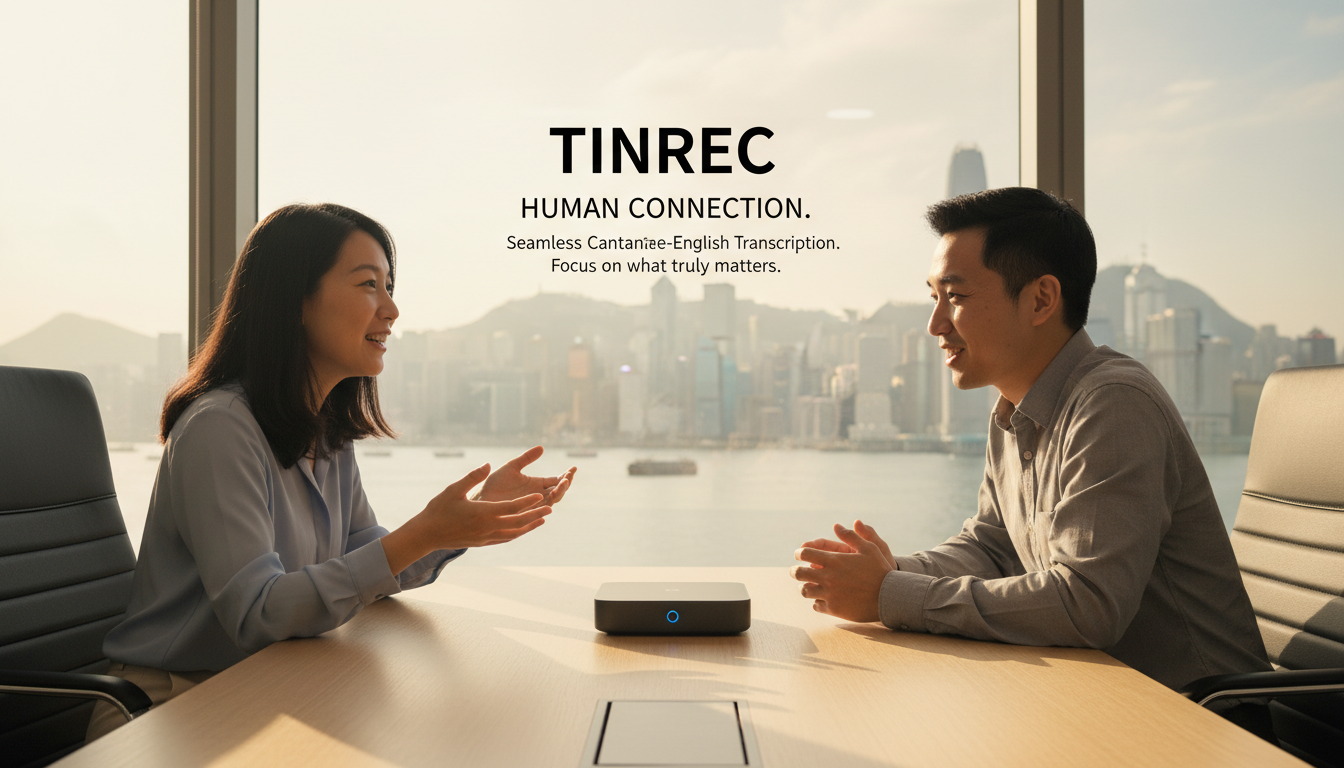
In a face-to-face meeting, open the mobile app or web version and go to the Live Recording to Text interface. The system will display audio waveforms and start recognition in real time. Make sure to set the language to "Cantonese" or "Traditional Chinese" in settings, and the system will adapt to mixed English-Chinese contexts automatically.
Step 2: Existing Recording - Audio File to Text
If you usually use the iPhone's built-in Voice Memos or receive an MP3 interview file from a colleague, use the Audio File to Text feature. After uploading, the system not only generates a transcript but also automatically identifies different speakers.
Step 3: Online Learning - Podcast/Online Video to Text
Learners often need to summarize YouTube tutorials or podcast content. Using the Podcast/Online Video to Text feature, simply paste the video link without downloading the file to directly get key summaries and transcripts, saving significant note-taking time.
Step 4: Post-Meeting Review - AI Chat Query and Action Item Extraction
This is the biggest differentiator of modern AI tools. After recording, don't waste time replaying. You can directly view the system-generated "To-Do List" or use the AI Chat Query feature. For example, ask "What was the Q3 budget the boss mentioned?" and the system will answer directly from the recording content, turning audio into actionable decision support.
5. FAQ
Q1: Can these tools really understand Cantonese mixed with English? Yes, mainstream tools optimized for the Asian market already have mature support for Cantonese and mixed English-Chinese. However, accuracy may vary with heavy accents or rare technical terms, so it's advisable to choose software that allows post-editing of transcripts.
Q2: Can iPhone call recordings be transcribed? Due to iOS strict privacy restrictions, it's difficult for general apps to perform system-level call recording. Two solutions: purchase a hardware attachment like Plaud, or put the call on speakerphone and record with another device or app, then transcribe.
Q3: Is the free quota enough for me? For example, Tinrec offers 100 minutes free per month, which is quite sufficient for light users who occasionally need meeting notes or short interviews. For more demand, consider upgrading to a basic plan.
Q4: How to handle online meetings like Teams or Google Meet? If you use software not tied to a phone, log into the web version and upload the recorded meeting video from Teams or Meet for transcription. Some tools also support parsing cloud links.
Q5: How is privacy and security of meeting notes ensured? When dealing with corporate secrets, always check the privacy policy. Most enterprise or paid software encrypts data and does not use private data for public AI model training.
Q6: Can I directly transcribe YouTube videos into text? Yes. Many modern AI recording assistants have integrated online link parsing. Just paste a YouTube link to generate bilingual transcripts and key summaries, ideal for quickly digesting long online courses or speeches.
Turn every recording into actionable outcomes
Get 60 free transcription minutes when you sign in. No credit card required.
Related Reading
You might also like

for mac google meet: Audio Permissions, Recording, and Transcript Handoff for Google Meet on Mac
Recording Google Meet on a Mac usually gets stuck not because you cannot find the record button, but because macOS separates 'capture system audio' and 'use microphone' into two independent authorizations. This article proceeds in three parts—permission setup, recording, and post-meeting organization—explaining how to determine which layer is causing meeting audio not to be recorded, and how to organize the recording into a transcript, summary, and to-dos and hand it off to a colleague.

How to Change Your Google Meet Background on Mobile: Check Account and Version Requirements First, Then Follow the Pre-Meeting or In-Meeting Path
When you're told to join a client-facing meeting and only have your phone on hand, the last thing you want is to discover five minutes before the call that you can't find the background option. This article first explains what's required to use backgrounds on mobile (account type, app version, device permissions), then walks through two paths step by step—one before you join the meeting and one during it—and closes with a pre-meeting checklist and alternatives if you can't find the option.

Google Meet 2026 APK Installed: Choosing a Meeting Notes Tool on Android — First Look at the Mobile vs. Desktop Organization Gap
Installing the Google Meet 2026 APK is just the first step. This article uses four dimensions to narrow down meeting notes tools that claim to 'support Google Meet' to two or three options, focusing on the real-world gap between Android mobile and desktop post-meeting organization. Each dimension includes specific questions you should confirm with the product page or vendor.

Google Meet 2026 Meeting Notes Capability Review: Where Built-in Transcription Ends and How to Split Post-Meeting Action Items and Deliverables
A practical mid-level manager's review of Google Meet 2026 recording and transcription coverage, explaining the responsibility boundaries for post-meeting summaries, action items, and deliverables, with recommendations for Chinese and mixed Chinese-English meetings, data storage, and team handoffs.

Which Google Meet 2026 APK Should You Install? Android Install Source Guide, Meeting Prerequisites, and Backup Recording Handoff Order When Nothing Was Recorded
When you're assigned to join a Google Meet on an Android phone and handle post-meeting notes, first clarify whether you're attending, hosting, or responsible for organizing. Then decide whether to install from the official app store or a third-party APK source, what prerequisites are needed to sign in, and how to use audio recording and transcription in order to fill in the transcript and action items and hand them off when the meeting wasn't recorded.

Google Meet 2026 Meeting Notes Capabilities: Where Built-In Transcription Ends and How to Split Post-Meeting To-Dos and Deliverables
Google Meet 2026 recording and transcription are not automatically enabled by default, and post-meeting summaries, to-dos, and deliverables still have coverage boundaries. This article walks through the actual workflow to assess built-in platform capabilities, explains the differences in organizing Chinese and mixed Chinese-English meetings, the distinction between data storage and team spaces, and offers recommendations for dividing post-meeting to-dos, deliverables, and data storage.
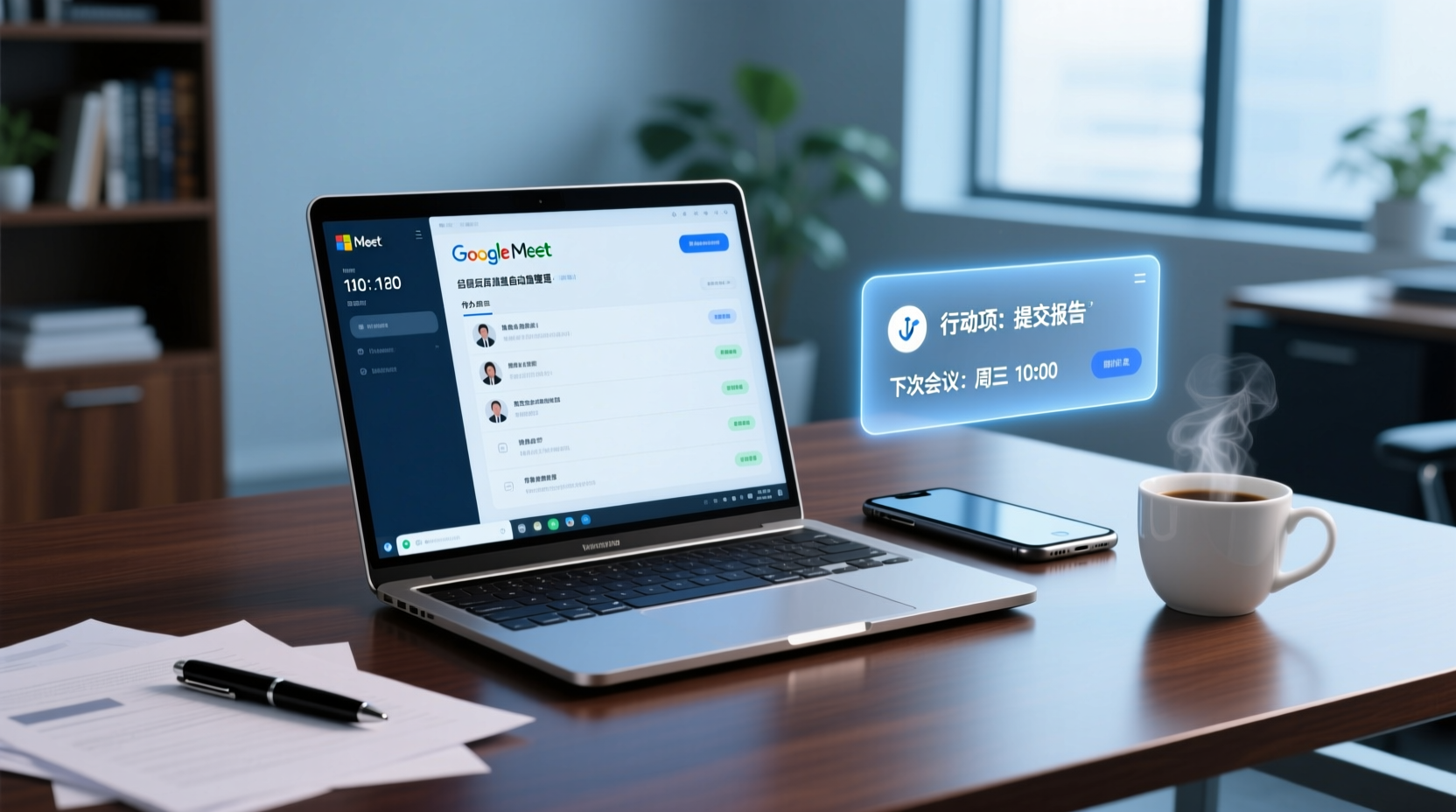
How to Choose a Google Meet Note-Taking Tool for Windows: Four Dimensions to Narrow Down from Cross-Device Gaps to Two or Three Options
Meetings happen on Google Meet on a Windows PC, but organizing often gets picked up on a phone or another device. This article uses four dimensions (how audio gets in, how far post-meeting output goes, the organizing gap between Windows and phone, and whether data stays in a personal or team space) to narrow down candidate tools to two or three, with specific questions to ask product pages or vendors for each dimension.
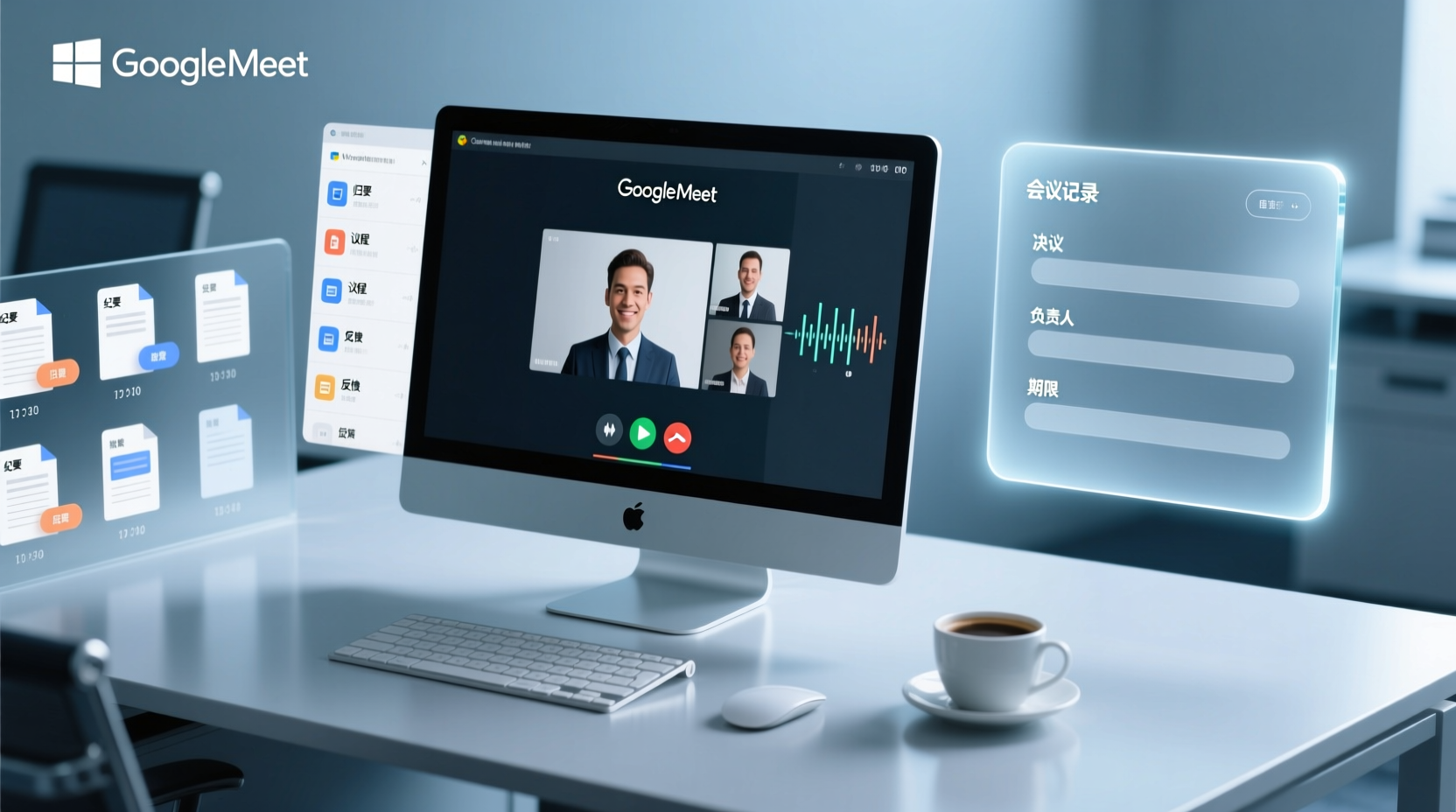
How to Choose a Google Meet Meeting Notes Tool for PC: Narrow a Dozen Options to Two or Three with Four Dimensions, and What to Confirm with Vendors for Each
After a Google Meet call on a Windows PC, what you actually need to deliver is decisions, owners, deadlines, and an archivable record. This article uses four dimensions to help you narrow a dozen tools that claim Google Meet support down to two or three, with specific questions to confirm on product pages or with vendors for each dimension.

What You Need for Google Meet: Pre-Meeting Role Checklist and Post-Meeting Handoff
From the perspective of administrative assistants and project coordinators, this guide breaks down the prerequisites for joining or hosting a Google Meet by role, including account requirements, organizational settings, recording permissions, and extra conditions for external attendees. It also provides a pre-meeting checklist and a post-meeting handoff sequence for transcripts, decisions, and action items.