
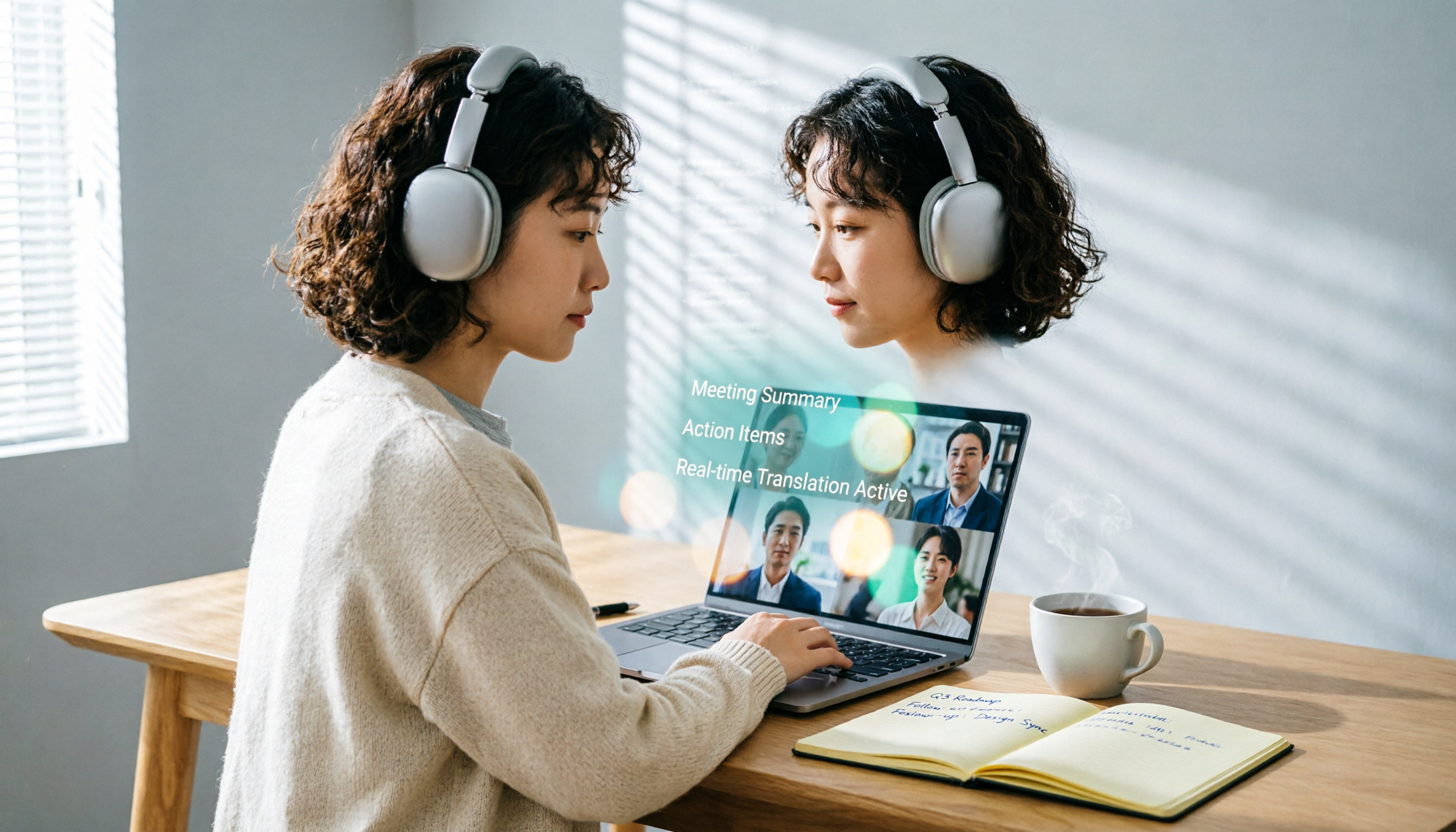
Turn recordings into transcripts and summaries in minutes
Upload audio or video for multilingual transcription, AI notes, and action items
Have you ever calculated how many hours you spent in meetings throughout 2024, and then how many more hours you spent organizing meeting records—recording, replaying, re-listening, manually transcribing—all to produce a summary that no one would ever read again?
Google Meet did roll out quite a few updates in 2024, but what most people tend to overlook is this: just because the platform's built-in features have been updated doesn't mean your meeting workflow has automatically improved.
This article recaps the key changes to Google Meet in 2024 and also discusses more practical approaches if your core pain point is that post-meeting organization takes too much time.
2024 Google Meet Update Recap
1. AI Meeting Notes and Summaries
Throughout 2024, Google Meet continued to enhance its AI capabilities, including automatic meeting notes and key summaries.
For users, this means getting a structured recap more quickly after a meeting ends, without having to rewatch the entire recording.
However, it's worth noting that these features are often tied to specific Google Workspace editions or the Gemini add-on, so free-tier users may not have access.
2. Real-Time Translated Captions Expanded to More Languages
In 2024, Google Meet's translated captions added support for 52 new languages, making it easier for cross-language teams to understand each other during meetings.
This is especially useful for teams with overseas clients or members from multiple countries.
But according to the source material, translated captions will be limited to specific Gemini for Google Workspace add-on plans starting in early 2025, so users who have relied on this feature may need to reassess their plans.
3. Automatic Picture-in-Picture Mode
Google Meet introduced an automatic picture-in-picture mode that shrinks the meeting window into a small overlay when you switch to another tab or application.
This is handy for those who need to look up information or use other tools while in a meeting, eliminating the need to manually adjust windows.
4. Enhanced Screen Sharing and Direct Content Sharing
In 2024, Google Meet improved the screen sharing experience and strengthened integration with Google Workspace, making it easier to share presentations, documents, and other content directly into meetings.
This reduces those awkward moments of switching windows and not being able to find the file.
5. Google Meet Hardware and Digital Whiteboard Updates
There were also several advancements on the hardware front, including a new digital whiteboard experience, support for devices like the Logitech Rally Bar Huddle, and stability and security updates.
However, for the average office worker, hardware updates usually only become noticeable when the company purchases new equipment, so the short-term impact is limited.
Additionally, Google removed Voice Actions (the "Hey Google" voice command) from Google Meet hardware on November 4, 2024. If you were used to starting meetings with your voice, you'll need to switch back to manual controls.
Many Updates, but the Post-Meeting Pain Point Remains
To be honest, most of Google Meet's updates have focused on the "during-meeting" experience: captions, picture-in-picture, screen sharing, and whiteboards.
But the most time-consuming part for most office workers is what happens "after the meeting": re-listening to recordings, identifying key points, organizing action items, and writing up conclusions into a document.
Google Meet's built-in transcription and summarization features still have limitations in terms of language support and subsequent editing. Especially for meetings conducted in Chinese, when you need to export to other tools for further processing, or when you want to centrally manage historical meetings, relying solely on the platform's built-in features often falls short.
If You Need a More Complete Meeting Recording Workflow, Here's What You Can Do
Instead of manually organizing after every meeting, consider separating "recording" from "organizing" into two distinct tasks.
Stop organizing recordings by hand
Upload audio or video and automatically get a transcript, summary, and action items
During the meeting, using Google Meet to hold the meeting and discuss is perfectly fine.
For post-meeting transcription, summaries, action items, and archiving, you can turn to dedicated AI meeting recording tools.
Take Tinrec, for example. Its desktop version can directly capture your computer's system audio, so there's no need to add a meeting bot to your Google Meet. It generates a transcript in real time during the meeting and automatically organizes summaries, chapters, and action items once the meeting ends.
What's even more practical is that you can ask follow-up questions about the meeting content, such as "What was the conclusion of this meeting?" or "Who is responsible for what?" without having to manually sift through dozens of pages of transcript.
When Choosing a Meeting Recording Tool, Keep These Points in Mind
1. Whether a Meeting Bot Needs to Join
Some tools require a bot to join the meeting as a participant, which might trigger the host's approval process or feel intrusive to other attendees.
Choosing a tool that allows bot-free recording feels more natural.
2. Chinese and Multilingual Support
If you frequently have meetings in Chinese or mixed Chinese-English content, the tool's language support and translation capabilities are crucial.
When testing, prepare a real meeting recording to see if the transcription quality meets your expectations.
3. Whether Post-Meeting Content Can Be Further Processed
The transcript is just the starting point. Features like summaries, action items, AI Q&A, and export to Google Docs or Notion are where the real time savings come in.
4. Whether Historical Meetings Can Be Centrally Managed
If meeting materials are scattered across personal devices and chat histories, they become hard to find over time.
Choosing a tool with a team space design allows meeting materials to be stored centrally, making them easy to search and hand over.
5. Limitations of Free Plans
Don't just look at whether there's a free version; check the quotas and feature limitations of the free plan.
For example, how many minutes of transcription you get per month, whether there's a time limit per recording, and whether you can export—all of these affect the actual experience.
Summary: 2024 Google Meet Updates Are Worth Noting, but Don't Overlook Post-Meeting Efficiency
Overall, Google Meet's updates in 2024 have made the in-meeting experience smoother, especially with the enhancements to picture-in-picture, translated captions, and content sharing.
But if your pain point is that post-meeting organization takes too much time, relying solely on the platform's built-in features may not be enough.
We recommend trying a dedicated AI meeting recording tool with a free plan first, and testing the transcription and summary quality with your own real meeting recordings.
This is more direct than reading any review and will help you determine whether it's worth using in the long run.
Frequently Asked Questions
What are the most important Google Meet updates in 2024?
The main updates focus on AI meeting notes, translated captions expanded to 52 new languages, automatic picture-in-picture, enhanced screen sharing, and hardware-side digital whiteboard and stability updates.
Does Google Meet's translated captions feature require payment?
According to the source material, translated captions will be limited to specific Gemini for Google Workspace add-on plans starting in early 2025. It's best to refer to Google's official announcements for the latest information.
Will voice commands on Google Meet hardware still be available?
No. Google removed Voice Actions (the "Hey Google" voice command) from Google Meet hardware on November 4, 2024.
Are there alternative meeting recording methods if I don't use Google Meet's built-in features?
Yes, you can consider dedicated AI meeting recording tools. For example, Tinrec's desktop version can capture system audio without a bot, transcribe in real time, and organize summaries and action items, with support for exporting to tools like Google Docs.
Are free meeting recording tools sufficient?
It depends on your usage frequency and needs. If you occasionally need to organize a recording, a free plan might be enough. If you have meetings to organize every week, it's worth evaluating the quotas and features of paid plans.
What should I be aware of when using meeting recording and transcription tools?
Recording and transcription involve privacy and legal issues. You should comply with local laws and obtain consent from all participants when necessary.
References
- Highlights from 2024: Google Meet Update Recap – Gecko Technology Partners
- Google Meet Updates: Smarter Meetings & Hardware | Cloudfresh
- Google Meet REST API release notes | Google for Developers
- September 2024: Google Meet and Google Workspace Update Recap – Gecko Technology Partners
- What's new in Google Meet hardware? | Meet Hardware | Google Workspace Help
Turn every recording into actionable outcomes
Get 60 free transcription minutes when you sign in. No credit card required.
Related Reading
You might also like
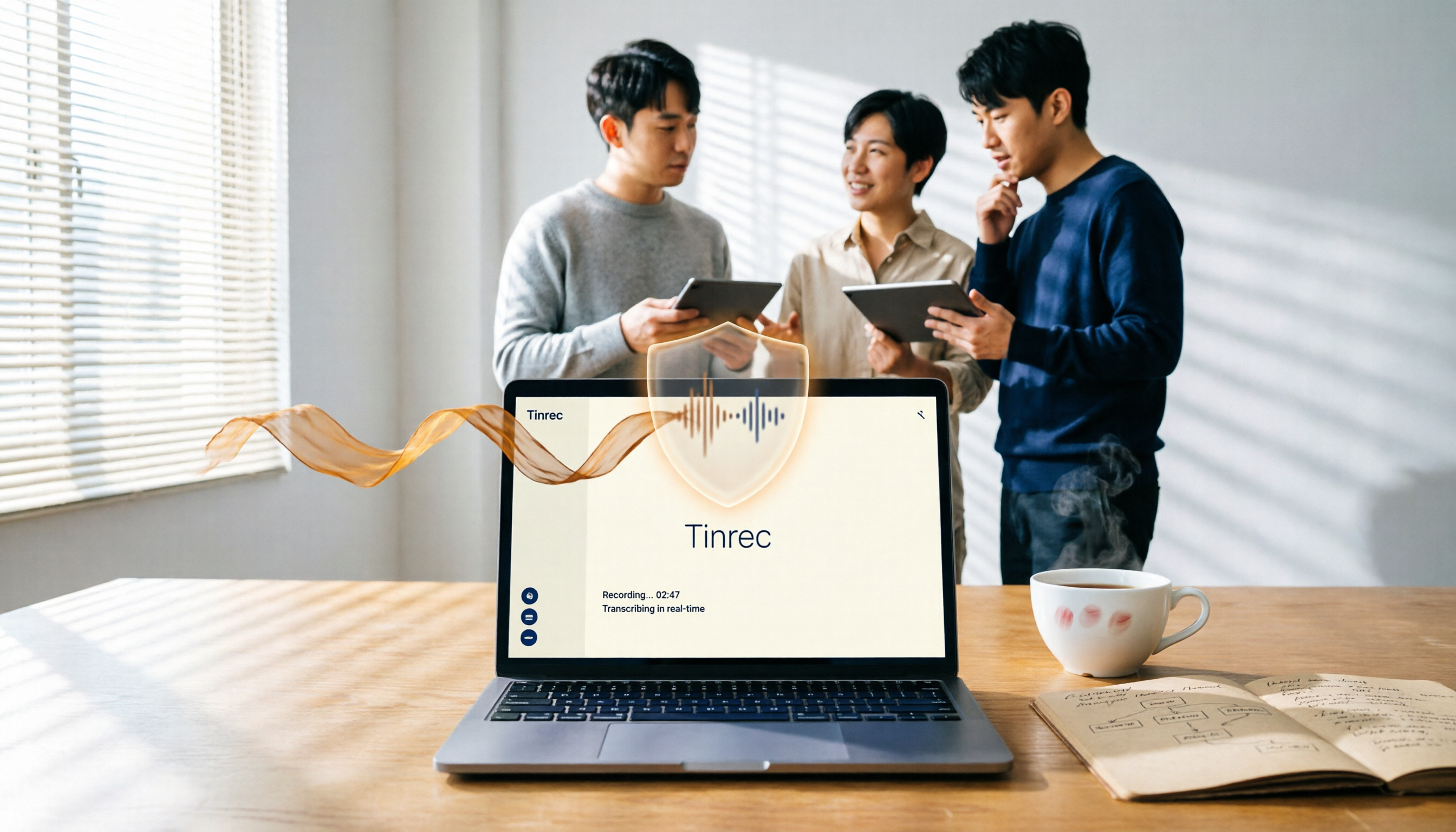
Good Tape vs Tinrec 2026: A 4-Dimension Comparison for Security and Team Fit
Good Tape promotes Danish GDPR compliance and automatic audio deletion, but when compared side-by-side with Tinrec, the definition of security differs. This article tests both tools across 4 dimensions to help you decide which is better suited for small and medium teams.
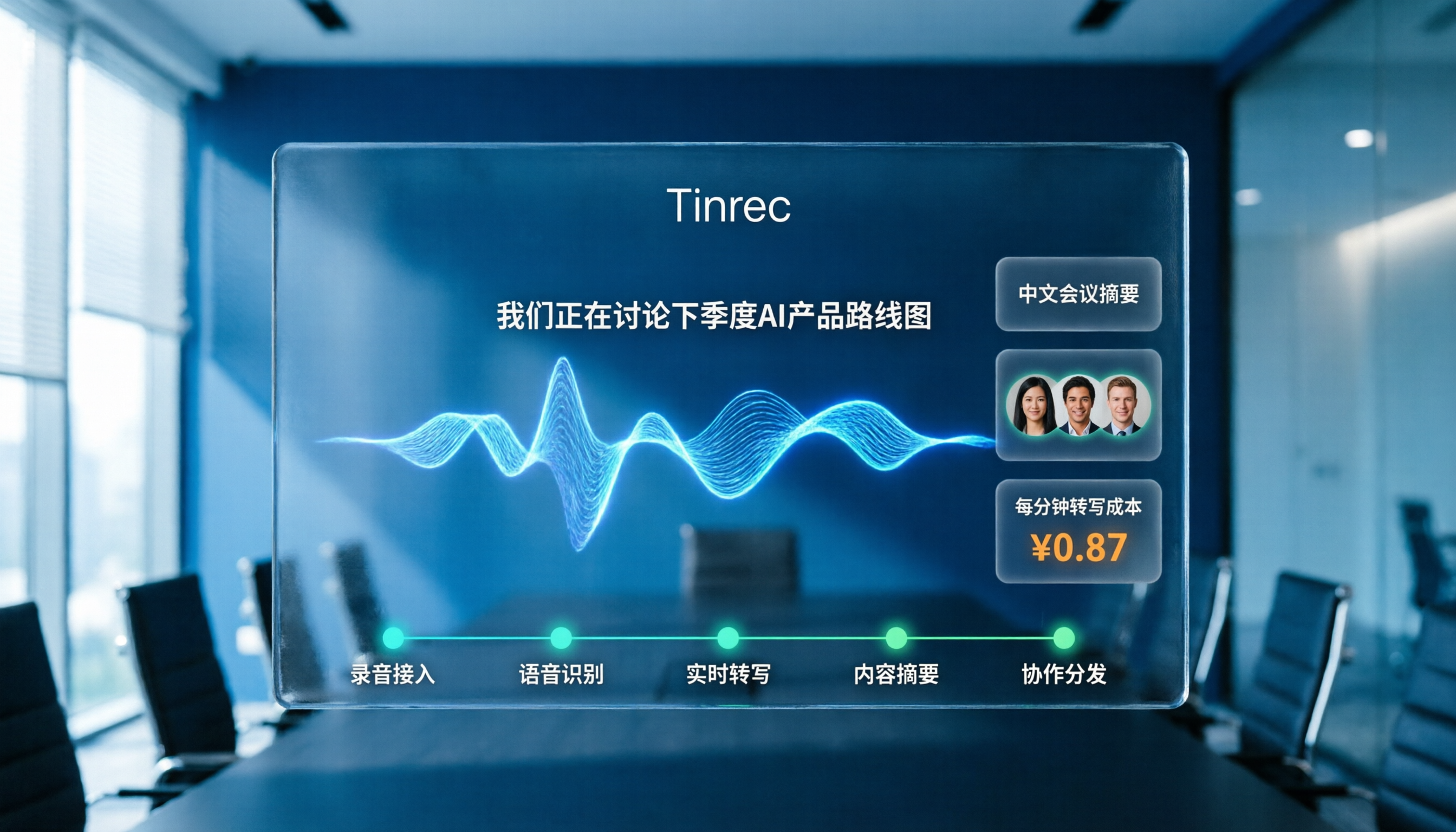
How to Choose a Speech-to-Text Tool in 2026: 5 Steps to Understand Good Tape Pricing and Alternatives
Is Good Tape's pricing worth it? This guide walks you through 5 steps—from free plans to paid tiers and alternatives—to calculate the true cost per minute, so you don't sacrifice Chinese meeting support, team collaboration, or AI summarization for a low price.

2026 Notta Alternatives Tested: Why More Users Are Switching to Tinrec?
Is Notta AI's free plan sufficient? This article tests Notta's free tier limitations and presents Tinrec as an alternative, comparing features like bot-free recording, Chinese meeting transcription, AI Q&A, and team spaces to help you decide which tool suits your daily meeting needs.

Tinrec vs Notta 2026: 5-Dimension Comparison for Chinese Meeting Notes & Team Collaboration
Tired of spending hours on meeting notes every week? This article, from the perspective of a mid-level manager, compares Tinrec and Notta across 5 dimensions: bot-free recording, Chinese transcription, AI Q&A, team spaces, and pricing, to help you decide which tool is better suited to turn meetings into searchable, trackable team knowledge.

Notta Free Plan Tested in 2026: Is 120 Minutes Enough? 4 Limitations to Know First
Notta does offer a free plan, but many users overlook the 120-minute monthly cap and the 3-minute per-file limit. This article breaks down what you can actually do with Notta's free tier, how much the paid plans cost, and who should consider alternative tools instead.

4 AI Meeting Recorder Tools Compared in 2026: Which Free Plan Is Actually Worth It?
Looking for a free AI meeting recorder? This hands-on comparison breaks down the free plans of Notta, Otter, Fireflies, and Tinrec—covering transcription minutes, per-session limits, Chinese-language support, and team collaboration—to help you find the one that truly saves you time.

Google Meet vs FaceTime in 2026: The Complete Guide to Cross-Platform Support, Video Quality, and Use Cases
Still trying to decide between Google Meet and FaceTime? This article breaks down platform support, call quality, participant limits, meeting features, and costs to help you choose the right video calling tool for your needs.
Google Meet vs Zoom 2026: Free Plan, Video Quality & AI Features Compared
Choosing between Google Meet and Zoom? This hands-on comparison evaluates free plan limits, call quality, screen sharing, AI features, and mobile experience to help you decide which is better for daily meetings, client calls, and remote collaboration.

Good Tape Free Transcription Test 2026: Is the 1-Hour Free Trial Really Enough?
Good Tape is an AI-powered transcription tool from Denmark, offering EU-based servers, GDPR compliance, and support for 100+ languages. This article tests the actual limitations of Good Tape's free plan and free trial, helping US users quickly decide if it's worth trying.