

Turn recordings into transcripts and summaries in minutes
Upload audio or video for multilingual transcription, AI notes, and action items
Phone Recording vs Tinrec: Quick Overview
Almost everyone has a built-in voice recorder on their phone. Just open the app and hit record—perfect for jotting down quick ideas or short meetings. But when you need to turn a 1-hour interview, lecture, or meeting into usable material, the phone recorder only gives you an audio file—the rest (transcribing, summarizing, creating action items) is up to you.
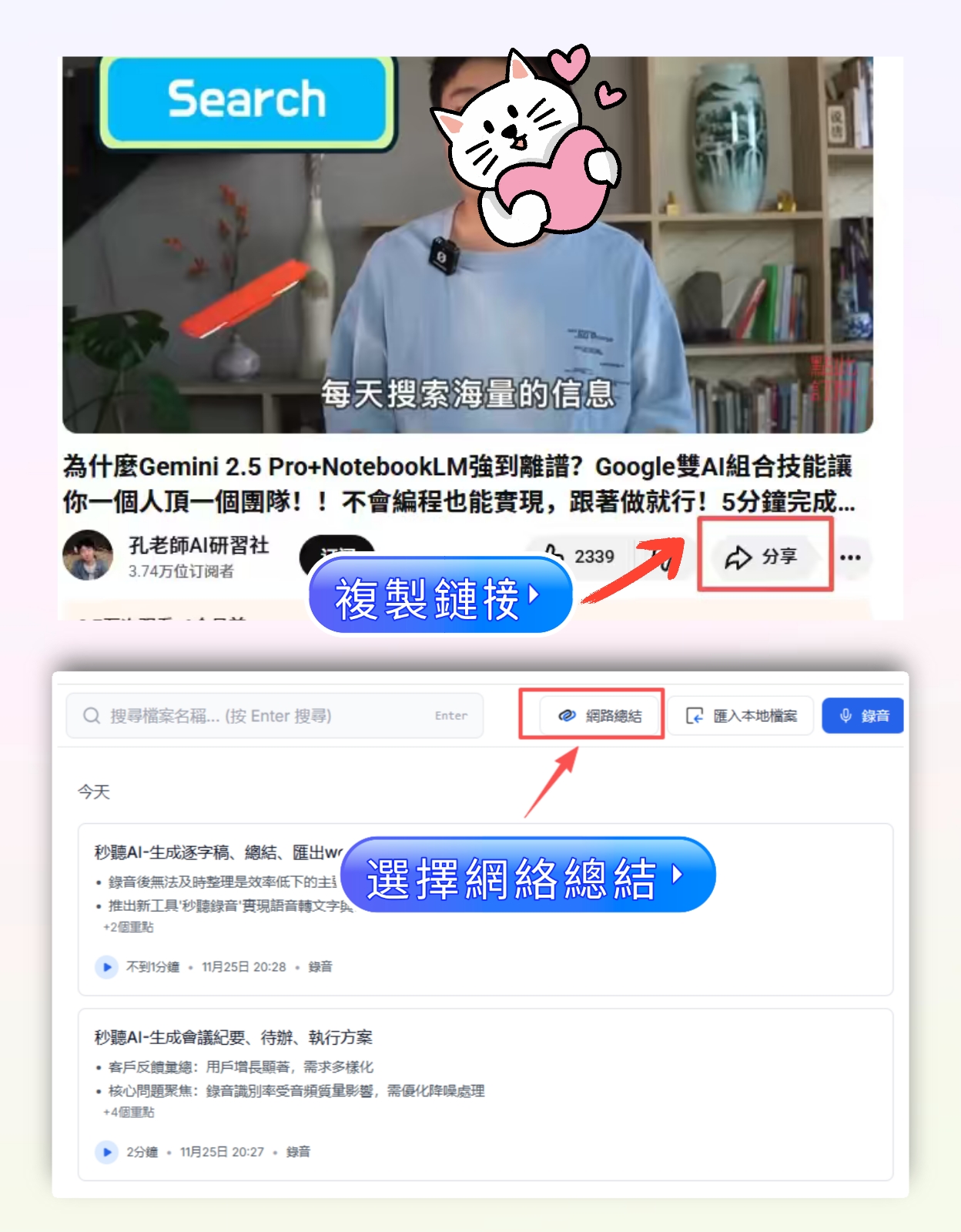
Tinrec is an AI tool designed to "turn audio into knowledge." It doesn't just record—it transcribes in real time, auto-generates summaries, extracts action items, and even highlights key sections. Below, we break down the differences across 5 key dimensions.
| Comparison | Phone Built-in Recorder | Tinrec |
|---|---|---|
| Core Purpose | Simple recording tool | AI recording & audio/video processing workspace |
| Transcription | None (or basic voice input only) | Real-time transcription + post-upload file transcription |
| Input Sources | Live recording only | Live recording, audio/video files, online video links |
| Output | mp3 / m4a audio file | Transcripts, summaries, chapters, action items, subtitles, multi-format exports |
| Cross-Platform | Single device | iOS, Android, web (sync across devices) |
Dimension 1: Transcription & AI Processing
Built-in phone recorders may offer basic speech-to-text (like iPhone's live captions), but accuracy is inconsistent, and they won't segment the text, add headings, or label speakers. After recording, you're left with a long audio file—finding a specific part means listening from start to finish.
Tinrec's real-time transcription achieves a word error rate below 10% in clear audio. It automatically differentiates speakers, splits into chapters, and generates a one-sentence AI summary. In our test of a 30-minute Chinese meeting recording (iPhone 13, quiet office), Tinrec produced a transcript within 3 seconds and listed 3 action items, saving at least 40 minutes of manual processing.
-> This dimension: Tinrec clearly wins.
Dimension 2: Input Source Variety
Phone recording only captures live audio on the spot. It can't handle existing audio files, videos from friends, or public YouTube courses. To process those, you'd need a separate transcription tool or manual work—fragmented and often abandoned.
Tinrec supports three input sources: live recording, uploading audio/video files, and pasting online video links (YouTube, TikTok, Bilibili, etc.). Whether it's last year's meeting recording, a podcast interview, or an online course, Tinrec can import and transcribe it, consolidating all audio/video content into one database.
Stop organizing recordings by hand
Upload audio or video and automatically get a transcript, summary, and action items
-> This dimension: Tinrec covers more ground; phone recording is limited to live.
Dimension 3: Processing & Outputs
Phone recording apps output a single audio file, at best shareable via the share menu. To turn it into meeting notes, study notes, or subtitles, you need to open separate software, listen and type, and format—lots of repetitive work.
After transcription, Tinrec instantly generates: AI summary, chapter headings, key points, action items, mind maps, subtitle files (SRT), and exports to PDF, Word, TXT, Notion, Google Docs, and more. You can even ask questions about the recording, like "What was the decision about the budget in this meeting?" Tinrec answers like a search engine.
-> This dimension: Tinrec's output value far exceeds a simple audio file—ideal for those who need to use the content further.
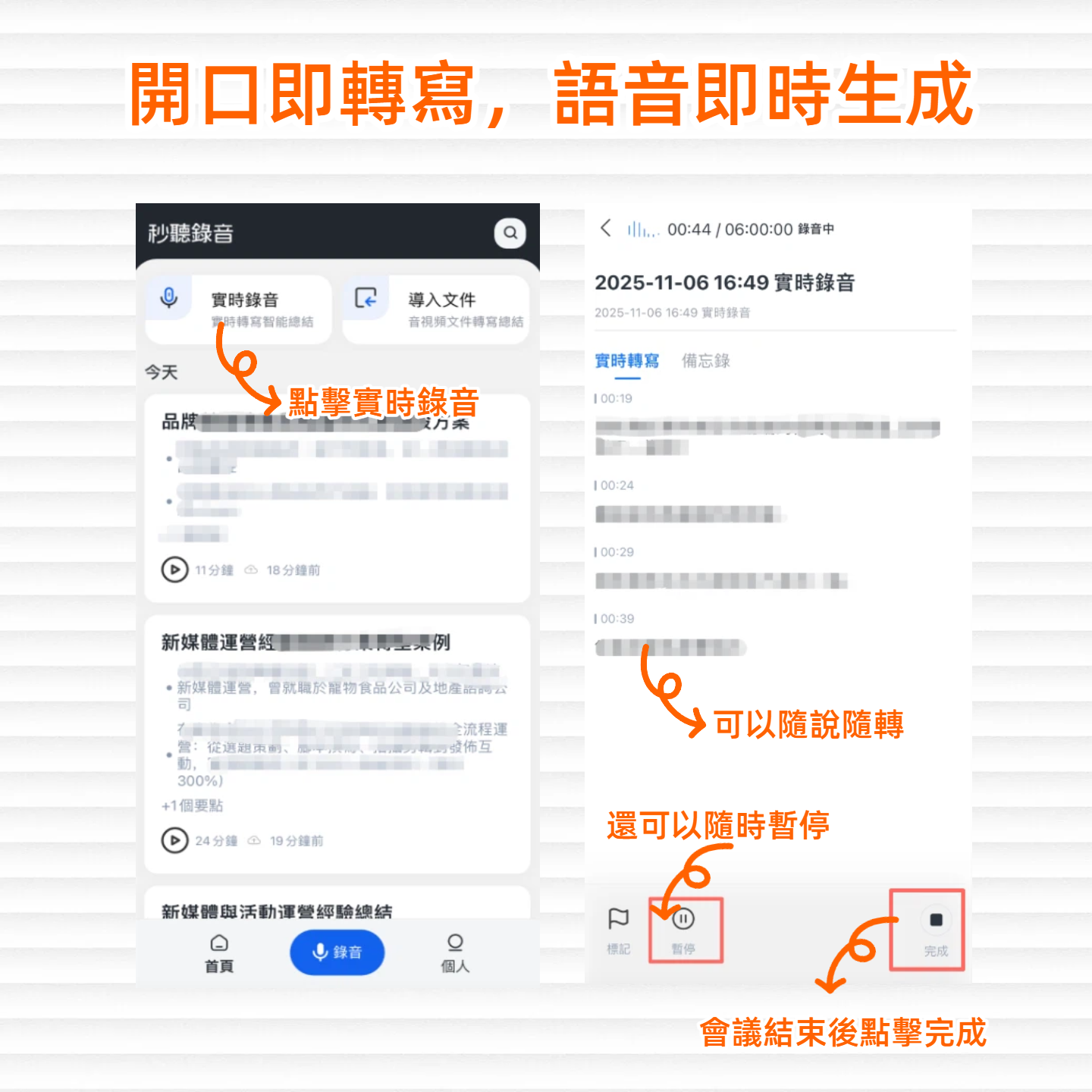
Dimension 4: Cross-Device & Sync
Phone recording files live only on the device where you recorded. Transferring to a computer for editing or sharing usually requires cloud storage or a cable. And if you want to check key points on your computer mid-recording, sync isn't possible.
Tinrec offers iOS, Android apps, and a web version—all recordings, transcripts, and AI summaries sync instantly to the cloud. Record a meeting on your phone, then continue editing summaries or exporting files from your computer in the office, with no interruption.
-> This dimension: Tinrec's cross-platform sync is seamless; phone recording relies on manual transfer.
Dimension 5: Long-Term Cost & Knowledge Accumulation
Phone recording seems free, but hidden costs are high: listening time (about 4–6 hours to process a 1-hour recording), hunting for old recordings, and risk of missing key points. The return is scattered audio files that can't be searched or reviewed as a knowledge base.
Tinrec's free plan offers basic monthly transcription credits, enough for light use. For frequent meetings or courses, the Pro annual plan costs less than a coffee per month on average, saving you dozens of hours of transcription and processing. More importantly, all historical recordings can be queried via AI chat—the more content, the higher the value.
-> This dimension: Considering time cost and knowledge compounding, Tinrec delivers significantly higher long-term value than phone recording.
Unique Advantages of Each
Tinrec's Unique Advantages
- AI Processing to Action: Not just transcription—auto summaries, action items, chapter segmentation—recordings become actionable work items.
- All-Source Support: The same workflow handles live recording, old files, and online videos, breaking single-input limits.
- Cross-Device Sync: Seamless switching between phone and computer, ideal for multi-device workers.
- Conversational Query: Like a ChatGPT for your recording database, quickly find key passages.
Phone Built-in Recorder's Unique Advantages
- Zero-Friction Use: No app download needed—just tap to record, perfect for 10-second idea memos.
- Fully Offline: Works without internet, still functional in emergencies.
Conclusion: Which Should You Choose?
- If you only occasionally record short notes or a few minutes of ideas and don't need transcription or processing → Phone built-in recorder is enough.
- If you have meetings, classes, interviews, or video content that you need to "turn into data" and want to avoid manual transcription → Tinrec saves you dozens of hours.
- If you want your recordings to be a searchable, reviewable knowledge base, not just audio files → Tinrec is currently the most complete solution.
In a nutshell: Phone recording helps you "capture it," Tinrec helps you "use it." For users who need to turn audio content into productivity, Tinrec is the smarter choice. Start with the free plan and test it with your own recordings to feel the efficiency boost from AI processing.
Turn every recording into actionable outcomes
Get 60 free transcription minutes when you sign in. No credit card required.
Related Reading
You might also like
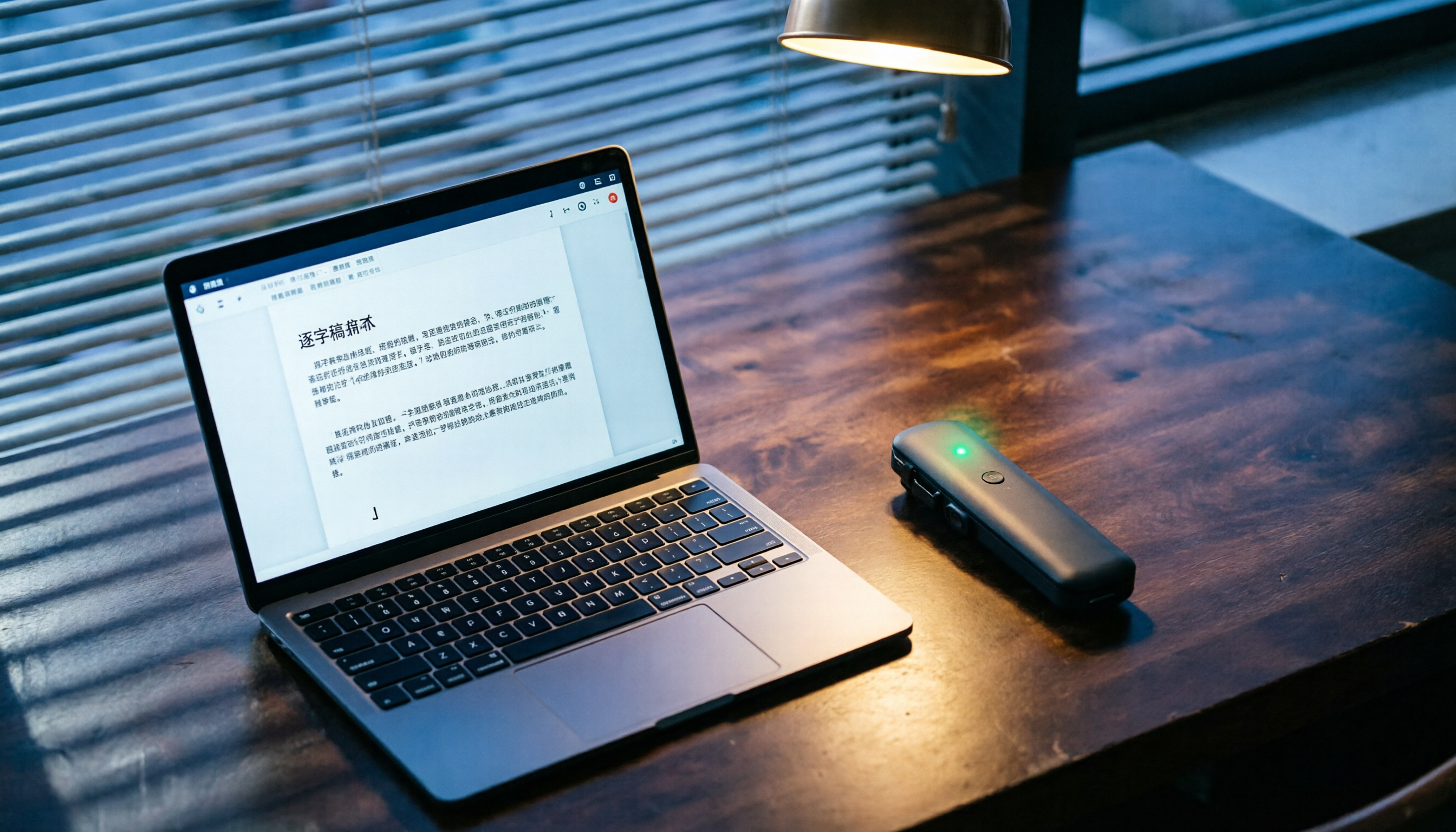
2026 Speech-to-Text Tool Buying Guide: Tinrec vs Plaud Note Hands-On Review and Recommendations
A senior MIS student tested both apps for a semester, comparing Tinrec and Plaud Note on price, cross-platform support, AI features, and more to help you decide which is best for students.

Complete Guide to Speech-to-Text Open Platforms in 2026: Features, Tool Selection, and Usage Tutorial
Want to know what a speech-to-text open platform can do for you? This complete guide covers core features, practical scenarios, and key purchasing points, using Tinrec as an example to demonstrate how to turn audio files from meetings, classes, interviews, etc., into immediately usable text.

A 2025 Comparison of 5 Speech-to-Text Tools: From Free to Paid
A curated selection of 5 major types of speech-to-text tools in 2025, from AI meeting bots to multi-source organization platforms, comparing features, pricing, and use cases. Using Tinrec as an example, this article provides a complete tutorial and FAQ.

2026 Comparison of 3 Speech-to-Text Input Methods: Real-time Transcription and Organization, This One Saves the Most Time
Looking for a speech-to-text input method? Our team tested 3 tools and found that Tinrec's instant transcription not only converts speech to text in real time but also automatically organizes key points and to-do items. It's great for meetings, classes, and interviews, offering excellent value.

2026 Speech-to-Text Tool Buying Guide: 3 Major Types Tested and Selection Tips
Wondering if speech-to-text tools are effective? This article tests 3 major types, uses Tinrec as an example, and shares buying tips, FAQs, and real-world use cases to help you find the best solution.

4 Best Speech-to-Text Tools in 2026: From Real-Time Transcription to AI Q&A
I tested multiple speech-to-text tools and narrowed down the top 4 recommendations for 2026. Using Tinrec as an example, I’ll show you how to turn recordings into actionable insights for meetings, classes, and interviews.

The Complete 2026 Guide to Transcription: Features, Use Cases, and How to Choose the Right Tool
A comprehensive comparison of the latest speech-to-text tools in 2026, from free options to professional AI transcription assistants. Dive deep into the features, pricing, and ideal use cases of Tinrec, Notta, Otter.ai, and more to find the perfect voice-to-text solution for you.
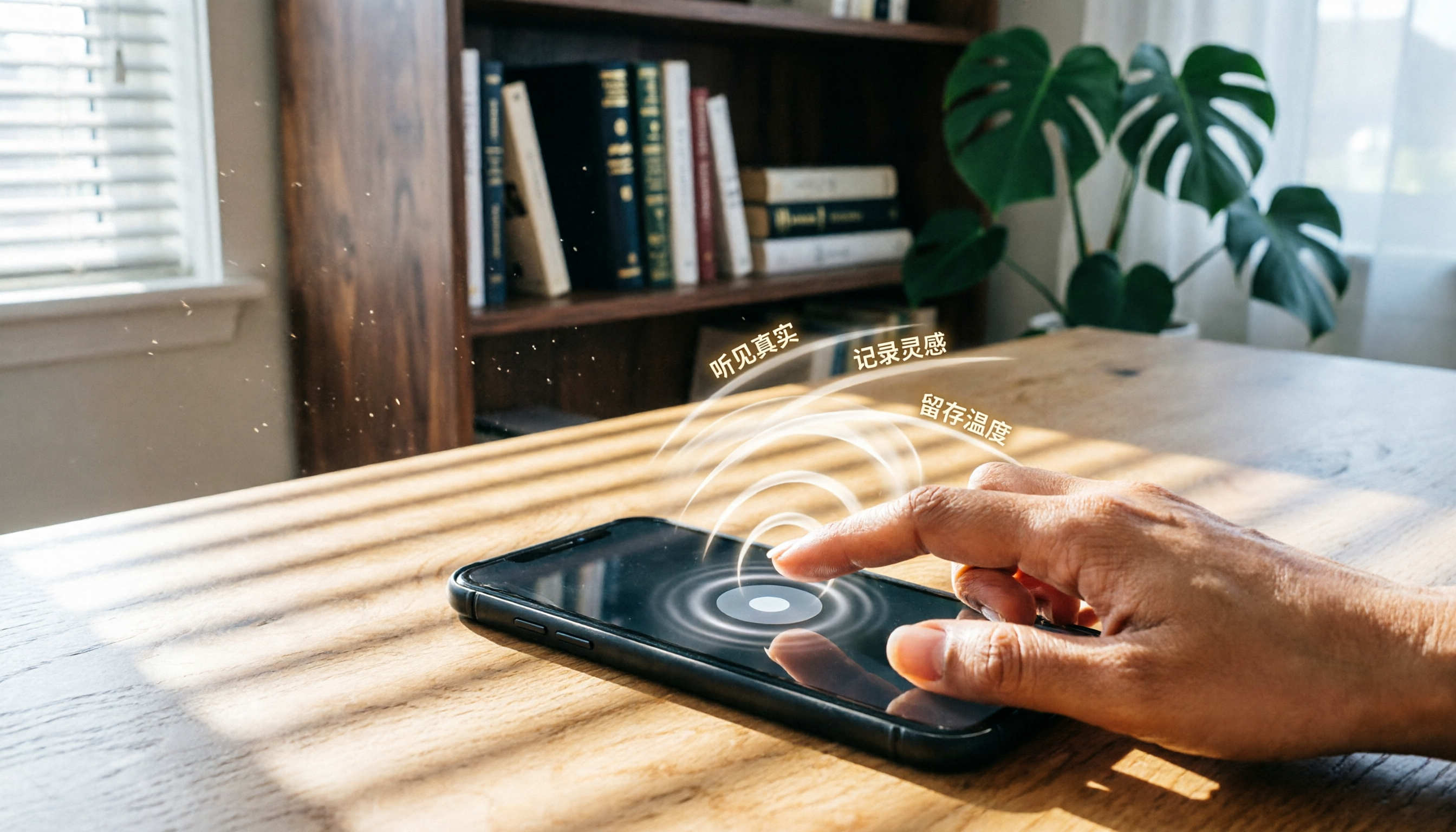
2026 Tinrec vs Otter.ai: 5-Dimension Showdown, Which Free Voice-to-Text App Suits You Best?
Compare Tinrec and Otter.ai across five dimensions: accuracy, Chinese language support, free tier, post-processing capabilities, and multi-scenario adaptability, to help you choose the best free voice-to-text tool.

Tinrec vs Notta 2026: 4-Dimension Comparison for Students – Best Alternative for Speech-to-Text
A senior student's semester-long comparison of Tinrec and Notta across free quotas, AI summarization, Chinese language support, and study scenarios to help you pick the best value speech-to-text tool.