

Turn recordings into transcripts and summaries in minutes
Upload audio or video for multilingual transcription, AI notes, and action items
2026 Google Meet Recording Methods Compared: Manual vs AI – Which Saves More Time?
The Annoying Google Meet Time Limit
I have 15 meetings a week, half of them on Google Meet. Sync with the team, update clients on projects, report performance to my boss – everything is online. The most frustrating thing about free Google Meet is not the features, but the "60 minutes and you're out" mechanism.
Once, while discussing contract details with an important client, the client was explaining a revised clause when the screen suddenly popped up "Meeting ending soon." I didn't have time to take notes. Afterward, I could only piece together the meeting from fragmented memory and a few lines of notes, missing two key commitments that took several back-and-forth emails to clarify.
From then on, I seriously looked into how to record Google Meet sessions completely. The solutions on the market fall into three categories, each with pros and cons. Here's a clear breakdown based on my team's real-world testing.
Three Core Google Meet Recording Methods
Option A: Google Meet Built-in Recording
Google Meet offers built-in meeting recording, automatically saved to Google Drive.
- Pros: Completely free, no extra tools needed.
- Cons from testing: You only get a video file, so you have to re-listen to extract key points. A one-hour meeting means another hour replaying it. Also, recordings are stored in the cloud; searching for a specific discussion requires scrubbing the timeline – very inefficient.
- Best for: Those who occasionally need a meeting backup and don't mind post-meeting processing time.
Option B: Manual Typing or Separate Audio Recording
Some people type notes in a separate document during the meeting or record audio with their phone.
- Pros: Zero cost, no need to learn new tools.
- Cons from testing: Listening and typing simultaneously is distracting; you fall behind when conversation speeds up. Phone recordings often pick up background noise, and you still have to re-listen to organize – no time saved.
- Best for: Those with very few meetings, needing only a few key points per session.
Option C: AI Voice Transcription Tools (Example: Tinrec)
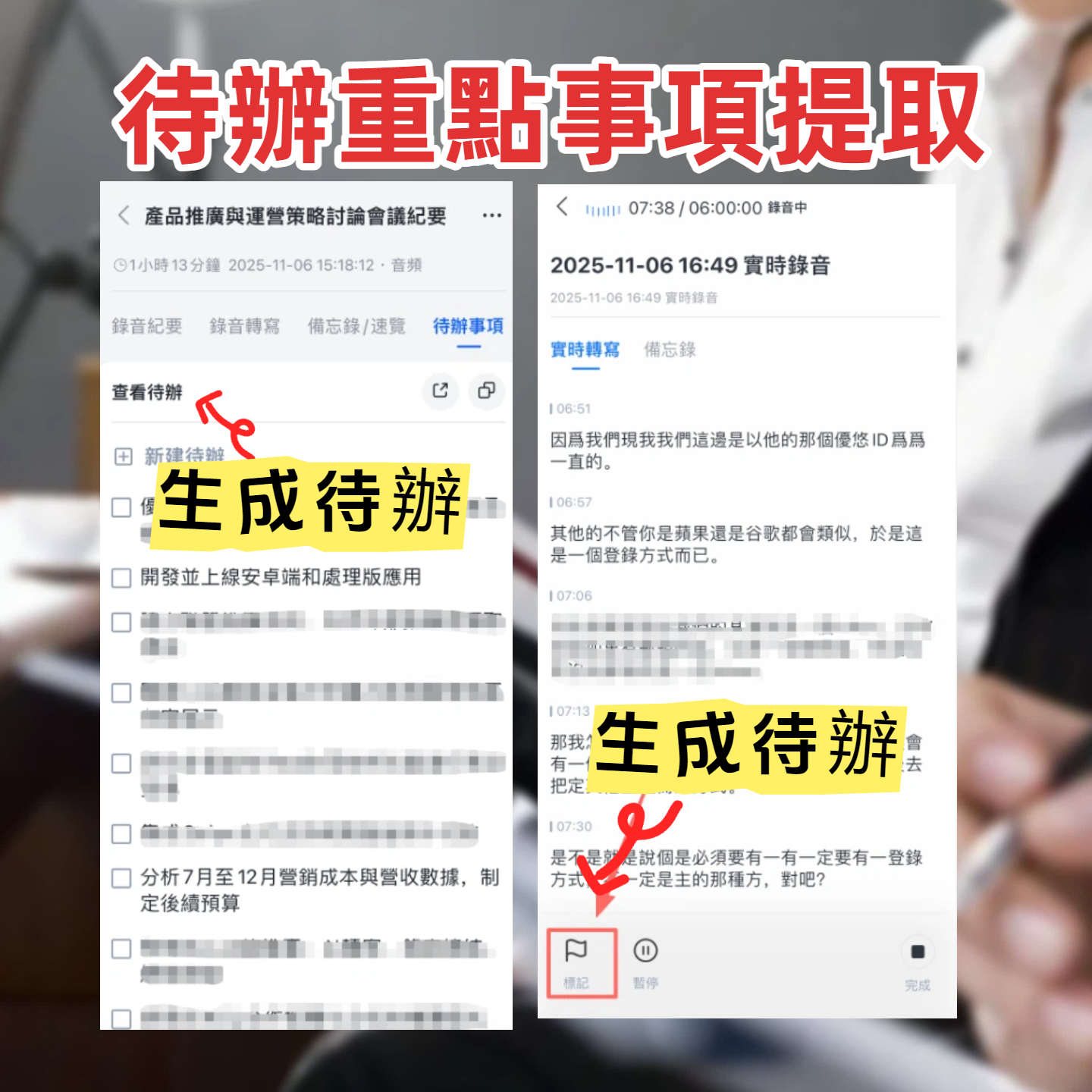
This is our team's primary recording method. Tinrec, for instance, can directly record Google Meet system audio on your computer, transcribe in real-time, and automatically generate summaries, action items, and even allow AI-powered Q&A about the meeting content.
- Pros: Recording, transcription, and organization are done in one go. You get structured meeting minutes within 5 minutes after the meeting ends.
- Honest limitations: Accuracy can be affected by call audio quality and overlapping speakers; important details still need cross-checking with the original transcript. But for our team's 10+ weekly meetings, it saves at least 70% of manual note-taking time.
- Best for: Mid-level managers and project leads with high meeting frequency who need to manage up and delegate down.
Stop organizing recordings by hand
Upload audio or video and automatically get a transcript, summary, and action items
Practical Scenarios: Three Typical Google Meet Situations
Scenario 1: Weekly Team Sync
Our team has a quick Monday morning Google Meet to align on weekly tasks. Before, I had to organize scattered notes into who does what and deadlines. Now with Tinrec, as soon as the meeting ends, action items and owners are auto-listed. I just screenshot and share to the group, saving 30 minutes of manual work.
Scenario 2: Client Project Progress Meeting
Client Google Meets usually cover a mix of topics from technical issues to contract details. After recording with Tinrec, if my boss later asks, "What was the client's attitude on pricing?" I don't have to replay the audio. I just ask the question in Tinrec's AI chat, and it extracts relevant statements from the transcript, even with timestamps.
Scenario 3: One-on-One Performance Reviews
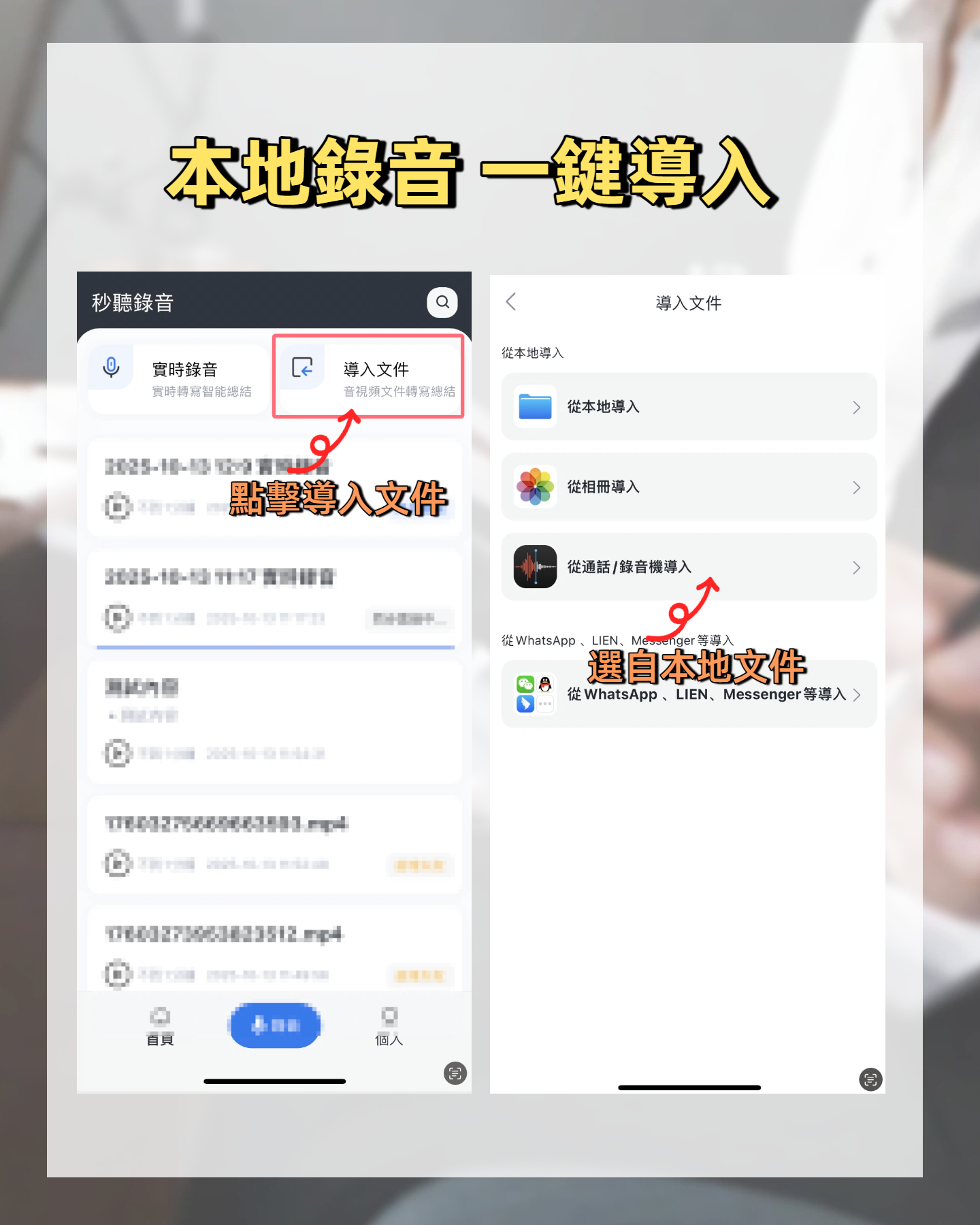
During performance reviews with team members, I need to focus on the conversation without typing. Tinrec generates a summary afterward, letting me quickly review key points. At the next meeting, I can seamlessly pick up where we left off without missing any commitments.
3 Things to Consider When Choosing a Meeting Recording Tool
1. Does it support Google Meet system audio recording?
Some tools only record microphone input, capturing only your voice and missing others. Tinrec supports system audio recording, so it captures all participants' speech in Google Meet.
2. Can transcription be auto-organized into summaries and action items?
Mere audio-to-text is just the first step. The real time-saver is post-processing. Tinrec doesn't just give a verbatim transcript; it automatically divides into sections, extracts summaries, and lists action items, turning meeting notes into an executable to-do list.
3. Does it offer AI query functionality?
With many historical meetings, finding information is like finding a needle in a haystack. Tinrec's AI chat lets you ask natural language questions like "Who mentioned the budget in the last meeting?" and get answers directly, without searching through all transcripts.
Frequently Asked Questions
Q: Does the free Google Meet 60-minute limit affect Tinrec recording? Will it be interrupted?
A: Recording itself is not affected by the meeting duration. As long as you start Tinrec's system audio recording when the meeting begins, even if Google Meet kicks you out at 60 minutes, the captured audio remains and gets transcribed. However, it's advisable to start a new meeting before the 60-minute mark to avoid missing subsequent discussion.
Q: When recording a Google Meet with Tinrec, do I need to notify other participants?
A: Out of respect and privacy, it's recommended to inform everyone at the start that you're recording for note-taking purposes. In most business settings, as long as you explain the purpose, participants are fine with it.
Q: How accurate is Tinrec's transcription?
A: In clear audio environments like Google Meet, the word error rate is around 8%, meaning fewer than one wrong word per ten sentences. However, if multiple people speak simultaneously or network issues cause audio glitches, accuracy drops. For important decisions, cross-check with the original audio.
Q: Is the free version of Tinrec sufficient?
A: The free version offers 100 minutes of transcription per month. If you have only 3 or fewer Google Meets weekly, it's barely enough. For 10+ meetings a week like me, subscribing to the Pro monthly plan is more practical – it costs less than two Starbucks lattes a month.
Summary
Google Meet's 60-minute limit is annoying, but rather than racing against time, it's better to establish a reliable meeting recording workflow. From manual typing, built-in recording, to AI transcription, I've tried all three. Honestly, none is perfect, but for a mid-level manager constantly buried in meetings and documents, a tool like Tinrec that "records and organizes for you" saves the most time.
If you're reading this and feel that meeting notes are too time-consuming, download the free version of Tinrec first. Use your 100 monthly minutes to try recording a couple of Google Meet sessions, and experience firsthand how AI auto-generates summaries and action items.
Turn every recording into actionable outcomes
Get 60 free transcription minutes when you sign in. No credit card required.
Related Reading
You might also like
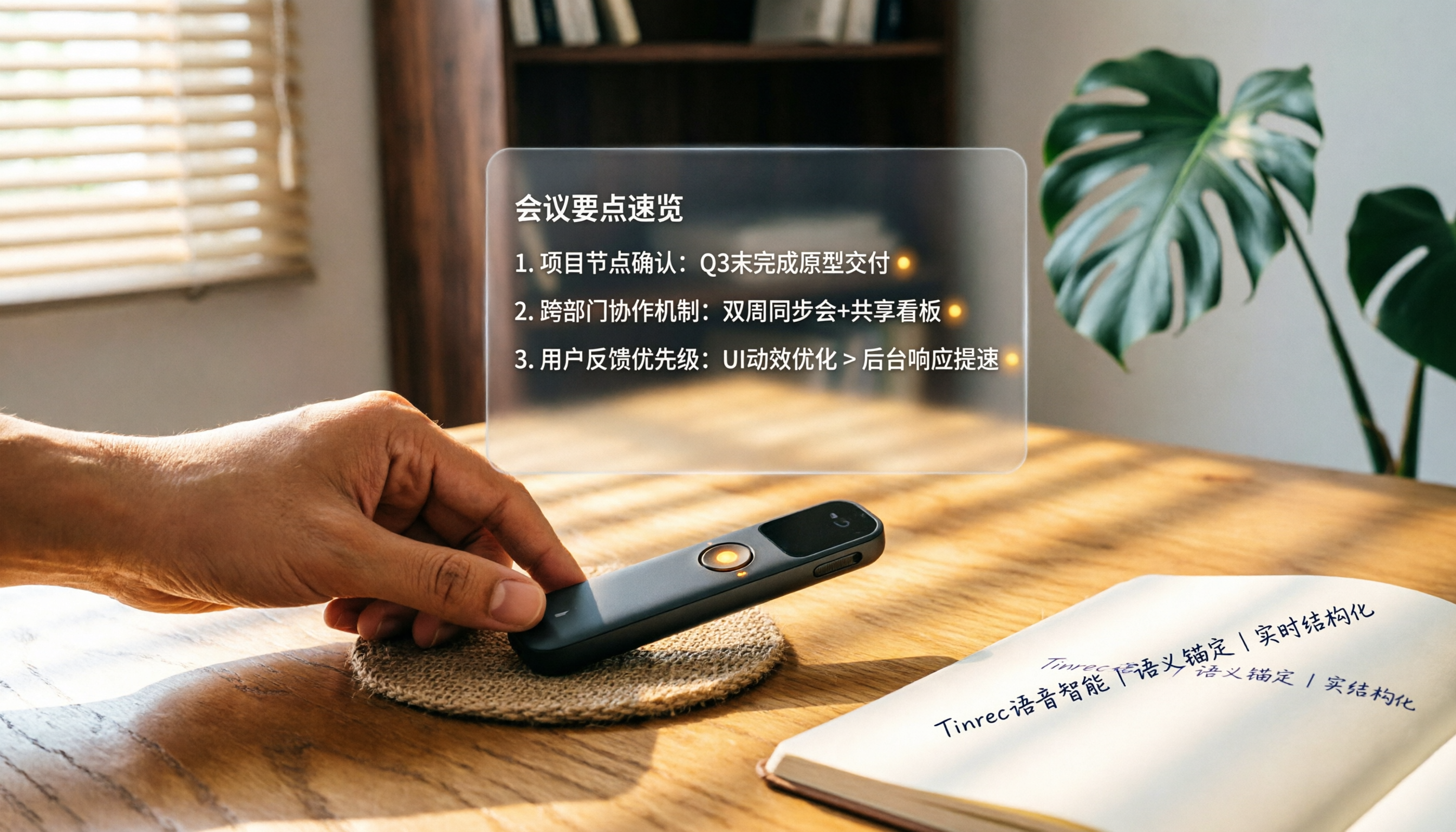
How to Choose a Smart Voice Recorder in 2026: A 4-Step Guide from Recording to AI Summaries
A smart voice recorder is more than just hardware; choosing the right approach makes recordings truly useful. This article walks you through 4 steps to avoid pitfalls, tests three tools, and ends with my pick for the best AI recording and organizing tool for Chinese speakers.
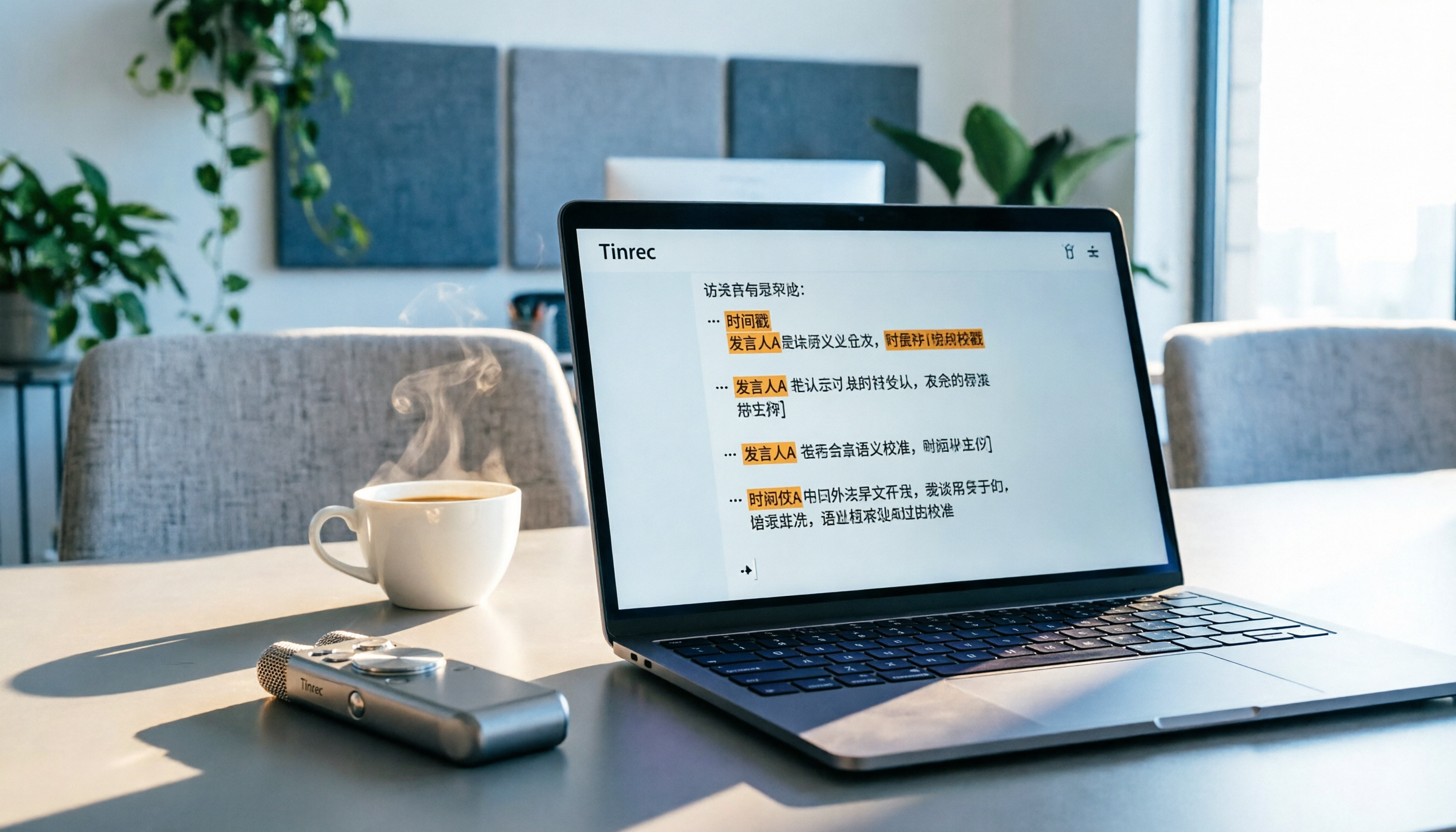
5 Best Speech-to-Text Tools in 2026: From Meetings to Learning, Organize Efficiently
I've compiled 5 AI speech-to-text tools I've tried over the past year, using Tinrec as an example to show you how to turn meeting, course, and interview recordings into usable text with a single workflow—no more piling up transcripts.

2026 Tested: 5 Recording Solutions Compared—Are Mobile Apps Really Better Than Voice Recorders?
Still debating whether to buy a voice recorder? What you really need is a tool that turns recordings into text and highlights key points. This article tests 5 recording-to-text and organization solutions, from free apps to AI recording hardware, to help you find the best fit—and explains why Tinrec is our top all-purpose recommendation.

2026 Long-Battery Voice Recorder Free Options: 5 Picks Reviewed
Running out of battery on your voice recorder during class is a nightmare? We tested 5 recording and AI organization tools, from free apps to paid plans, from a student's perspective to tell you which is best for long recordings, comparing battery life, audio quality, and AI features.

Tinrec vs Otter.ai 2026: A 5-Dimension Showdown for Students Needing Large-Capacity Audio/Video Organization
Tired of large recordings? A senior student tests Tinrec and Otter.ai, comparing input sources, Chinese accuracy, AI note features, free tiers, and pricing to see which tool better suits students' transcription needs, saving you money.

3 Workplace Voice Recorders Tested in 2026: Which One Is the Ultimate Meeting Notes Sidekick?
How should you choose a voice recorder for the workplace? We tested a traditional voice recorder, phone recording, and the AI recording app Tinrec, comparing portability, post-processing, and budget to find the best meeting note solution for office workers.

Voice Recorder vs. Phone Recording in 2026: How to Choose? 5 Steps to Build an Efficient Recording Workflow
Still torn between a voice recorder and your phone for recording? This article starts from real-world use cases, teaches you how to find the best recording solution in 5 steps, and tests the AI recording tool Tinrec to see how it solves the pain points of traditional recording, saving you hours of organizing time.

How to Choose a Cost-Effective Voice Recorder in 2026: 4 Steps to Compare Recorders and AI Tools
Thinking about buying a voice recorder but unsure how to evaluate value for money? This article compares traditional voice recorders and AI recording tools from perspectives like features, price, and post-processing, helping you pick the best recording solution.

2026 Test: AI Software vs. Hardware Noise Reduction for Voice Recorders—Which Keeps Meetings and Lectures Clearer?
I tested popular voice recorders and AI recording software, and found that hardware doesn't always beat software for noise reduction. This article compares Tinrec and PLAUD Note in real-world scenarios, covering noise reduction, organization features, and long-term use, to help you choose the right solution.