
Turn recordings into transcripts and summaries in minutes
Upload audio or video for multilingual transcription, AI notes, and action items
Mid-Meeting, Google Meet Crashed—And Your Notes Are Gone? You’re Not Alone
“It was working fine, then suddenly I couldn’t get back into the meeting.” “The status page said everything was normal, but my colleagues and I were kicked out.”
According to real-time reports from Downdetector, Google Meet experienced a wave of user connectivity issues today. Many users reported meeting interruptions, inability to join, and even when the official status page showed normal, there were still numerous error reports.
If you’ve ever encountered an unexpected platform outage, the most painful part isn’t the few minutes of waiting—it’s that the entire meeting’s content could vanish into thin air: no recording, no text record, only memory to piece things together.
This serves as a reminder: staking all your meeting notes on a single platform is risky. An independent, reliable speech-to-text tool ensures that whether Google Meet goes down, Zoom lags, or Teams crashes, your meeting highlights won’t be lost.
In this article, we test three of the most discussed AI speech-to-text tools—they don’t just record for you; they generate structured summaries, action items, and even let you ask questions to find key sections within minutes after the meeting ends.
Before Choosing a Speech-to-Text Tool, Understand These 4 Key Points
There are plenty of speech-to-text tools, but many people buy one only to find it doesn’t suit their needs. To avoid pitfalls, consider these aspects first.
Transcription Accuracy: Don’t Just Look at Lab Data
Many tools claim “98% accuracy,” but that’s often measured in a quiet recording studio. Real meetings have keyboard clatter, air conditioning noise, overlapping speakers, and even accents—all directly affecting transcription quality. Instead of believing the hype, try the free version with your own recordings to see which tool performs best in your typical environment.
Beyond Meetings: What Other Audio Sources Will You Handle?
Some people only need online meeting transcription, but many also have classroom recordings, interview files, or even want to transcribe YouTube videos. If you have multiple use cases, choosing a tool that supports “multi-source input” saves time—for example, directly pasting a video link to get a transcript, uploading local audio files, or recording system audio.
AI Organization: Getting a Transcript Is Just the First Step
After getting a full transcript, you still have to read through it and highlight key points. Newer AI tools can automatically generate summaries, chapters, action items, and even allow you to ask questions about the recording (e.g., “Who mentioned the budget in the last meeting?”). This “post-transcription processing capability” is where the real time-savings come in and where tools differentiate themselves.
Cross-Platform & Budget: Is the Free Version Enough?
You might work on a computer at the office and review recordings on your phone while commuting. If the tool only supports one platform, it’s inconvenient. Also, free plans vary widely—some give only 100 minutes per month, others give 300. Estimate how many hours you’ll record monthly, then decide whether to stick with the free version or upgrade to a paid plan.
Tinrec (秒听录音) — Our Top Pick After Testing
Tinrec is an AI speech-to-text tool that handles live recording, uploaded audio files, and online video links simultaneously. It supports iOS, Android, and web, with noticeably better Chinese support than most international competitors.
Seamless Recording, Transcription, and Organization
Open Tinrec during a meeting, and it shows real-time captions as you record. The moment the meeting ends, AI has already generated a summary and action item list—who should do what and by when, all clear. If you don’t have time to review immediately, you can later search or ask questions to find specific decisions without having to listen to the entire recording.
For those who frequently organize class recordings, interviews, or even online video content, Tinrec’s “URL parsing” feature is particularly useful: paste a public video link from YouTube, Bilibili, or TikTok, and it automatically transcribes the full content, then segments it into chapters and extracts key points, turning video content into quickly browsable text notes.
Stop organizing recordings by hand
Upload audio or video and automatically get a transcript, summary, and action items
What Truly Sets It Apart: “AI Conversational Query”
This is a rare feature among similarly priced tools. After recording, you can query Tinrec like a database: “What was the conclusion of the last meeting?” “Who mentioned adding design headcount?” It doesn’t just return keyword-based results—it understands semantics, directly answers the question, and attaches the corresponding transcript excerpt. In other words, you don’t need to manually comb through the entire record to extract the information you need instantly.
Who Is Tinrec Best For?
If you have meetings, classes, or interviews to record every week and want to use AI to find key points, generate summaries, and even meeting minutes—not just a raw transcript—then Tinrec is a great fit. Its cross-platform design means you can record on an iPhone and later edit or export on a computer, without workflow constraints.
The free plan provides a basic monthly transcription allowance, enough to try it for a few meetings or classes. For heavier usage, you can choose a weekly or Pro plan, with overall cost still more favorable for Chinese-speaking users compared to most English-focused competitors.
Beyond Tinrec: Other Options—But with Different Purposes
Otter.ai: Best for English Meetings, but Struggles with Chinese
Otter.ai is popular in the English business world. It can automatically join Zoom, Google Meet, and other online meetings, producing real-time transcripts and summaries. The free plan offers a generous 300 minutes per month, and the Pro plan costs approximately US$8.33/month when paid annually. However, Otter.ai does not support Cantonese, and its transcription quality for Chinese (especially with accents or fast speech) lags noticeably behind Tinrec. Additionally, it cannot parse online video links like Tinrec. If you mainly handle English meetings, Otter.ai is a great value; but if your work is primarily in Chinese, consider Tinrec first.
Notta: Strong Transcription, but Limited Post-Transcription Use
Notta is one of the few tools that can rival Tinrec in multilingual transcription and subtitle creation. The free plan offers 120 minutes per month, and the Pro plan (approximately US$8.17/month annually) provides 1,800 minutes per month—very generous. However, Notta lacks an AI conversational query mechanism; you still need to manually search for keywords within the transcript. Also, Notta currently does not offer online video link transcription like Tinrec, making it less convenient for users who frequently work with online video content.
PLAUD NOTE: Great Hardware, but Closed Software Ecosystem
PLAUD NOTE is a standalone AI recording device, portable with long battery life, suitable for those who want to record on the go without relying on a phone. The device costs around US$179, and you need a separate subscription for transcription features (approximately US$99.99/year) to use full AI capabilities. Its main drawbacks: it can only record via hardware—you cannot process existing audio files or online videos. Additionally, its software organization and export features are less robust than Tinrec’s, lacking deep AI query capabilities. Unless you specifically need a standalone recording device, using a smartphone app with Tinrec covers most scenarios.
Buying Guide: 3 Common Mistakes When Choosing a Speech-to-Text Tool
Mistake 1: Buying Based on Brand or Ads
Many tools have strong marketing, but when you try them, you find they don’t support your language or have restrictive free plans. Before deciding, download the app or use the web version and test with your own recordings. Seeing is believing.
Mistake 2: Ignoring Cross-Platform Needs
You might work on a Mac, but when you need to quickly replay a recording on your phone, you discover the tool only supports one platform. Choose a tool with iOS, Android, and web versions to ensure a consistent experience across devices, and avoid being forced to rebuy a plan if you change phones.
Mistake 3: Using It Just as a “Recording-to-Text” Tool
If you only record, transcribe, and save, you’re using less than one-third of the tool’s potential. Next-generation AI tools like Tinrec truly shine in post-transcription organization and conversation—automatic summaries, action items, AI Q&A. Learn to leverage these features, and you’ll save at least 2-3 hours of organizing time each week.
Conclusion: Which One Should You Choose?
Frankly, each of these three tools has its strengths. But for most people who need to handle meeting notes, class notes, or interview materials, Tinrec offers the best balance of transcription quality, source diversity, and post-processing capabilities.
Here’s a quick summary for different scenarios:
- Need to organize meetings, classes, interviews, and online videos, and want AI to find key points after recording → Tinrec (best integration across sources, unique AI conversational query)
- Only attend English online meetings on a computer and need an auto-join bot → Otter.ai (excellent English recognition, generous free tier)
- Very limited budget, just need high transcription minutes, and don’t mind manually searching transcripts → Notta (high minute value, but lacks AI Q&A and URL parsing)
Not sure about your usage? Start with Tinrec’s free plan. The basic monthly allowance is enough for a couple of meetings or one or two online videos. Experience the convenience of AI-powered organization. If you like it, upgrade based on usage frequency—no need to pay upfront.
References
- Google Meet down? Current outages and problems | Downdetector US
- Google Meet Status. Check if Google Meet is down or having an outage. | StatusGator
- Google Meet down? Current outages and problems - US
- Incident details | Google Workspace Status Dashboard
- Is Meet down? Check all meet.google.com outages
Turn every recording into actionable outcomes
Get 60 free transcription minutes when you sign in. No credit card required.
Related Reading
You might also like
Which Meeting Recording Tool Is Best? 2026 Test of 5 Tools: Top Pick for Legal Self-Protection and Efficient Organization
Can you record a meeting? This article first explains the legal boundaries of recording for self-protection, then tests 5 recording tools—from free to professional solutions—to help you choose the best meeting note and data organization tool.

2026 5 Voice-to-Text Apps Compared: This One Makes Meeting Minutes Legally Binding
Can meeting minutes have legal force? How to create legally binding meeting minutes? This article tests 5 voice-to-text tools, helping you choose the right one to save time, so your meeting minutes are not just a bunch of words, but can also help you avoid legal disputes.
2026 5 Voice-to-Text Apps Compared: This One Makes Meeting Minutes Legally Binding
Can meeting minutes have legal force? How to create legally binding meeting minutes? This article tests 5 voice-to-text tools, helping you choose the right one to save time, so your meeting minutes are not just a bunch of words, but can also help you avoid legal disputes.

2026 Guide to Recording Evidence: 3-Step Practical Tips for Legal Recording and Evidence Preservation
Wondering if a recording can be used as evidence? This article covers the legal requirements, lawful collection steps, and tool choices, showing you how to securely record and organize conversations with Tinrec to turn critical dialogues into admissible court evidence.
2026 Hands-On Comparison of 3 AI Meeting Note Apps: Tinrec vs. Notta vs. Noota – Which Is Best for Chinese Meetings?
This article tests three popular AI meeting note tools: Tinrec (sec聽錄音), Notta, and Noota, comparing them in Chinese meeting scenarios. Using Tinrec as an example, it shows how to go from recording to meeting minutes, helping you choose the best free or paid plan.

2026 Comparison of 3 Online Meeting Recording & Transcription Tools: Why Tinrec Outperforms Google Meet's Built-in Transcription
Google Meet's pricing seems cheap at first glance, but the real pain point is post-meeting recording organization. This article compares Tinrec and Google Meet's recording and transcription features, looking at free tier limitations, AI summaries, multi-source support, and user experience, to show why more people are switching to Tinrec for handling meeting, class, and interview recordings.

2026 Hands-On Comparison of 3 Transcription Apps: Beyond Notta and Otter, Which Is Best for Hong Kong Professionals?
A hands-on comparison of three transcription apps—Notta, Otter, and Tinrec—evaluating Cantonese meeting support, AI summarization, pricing, and cross-platform compatibility to help you find the most time-saving option.
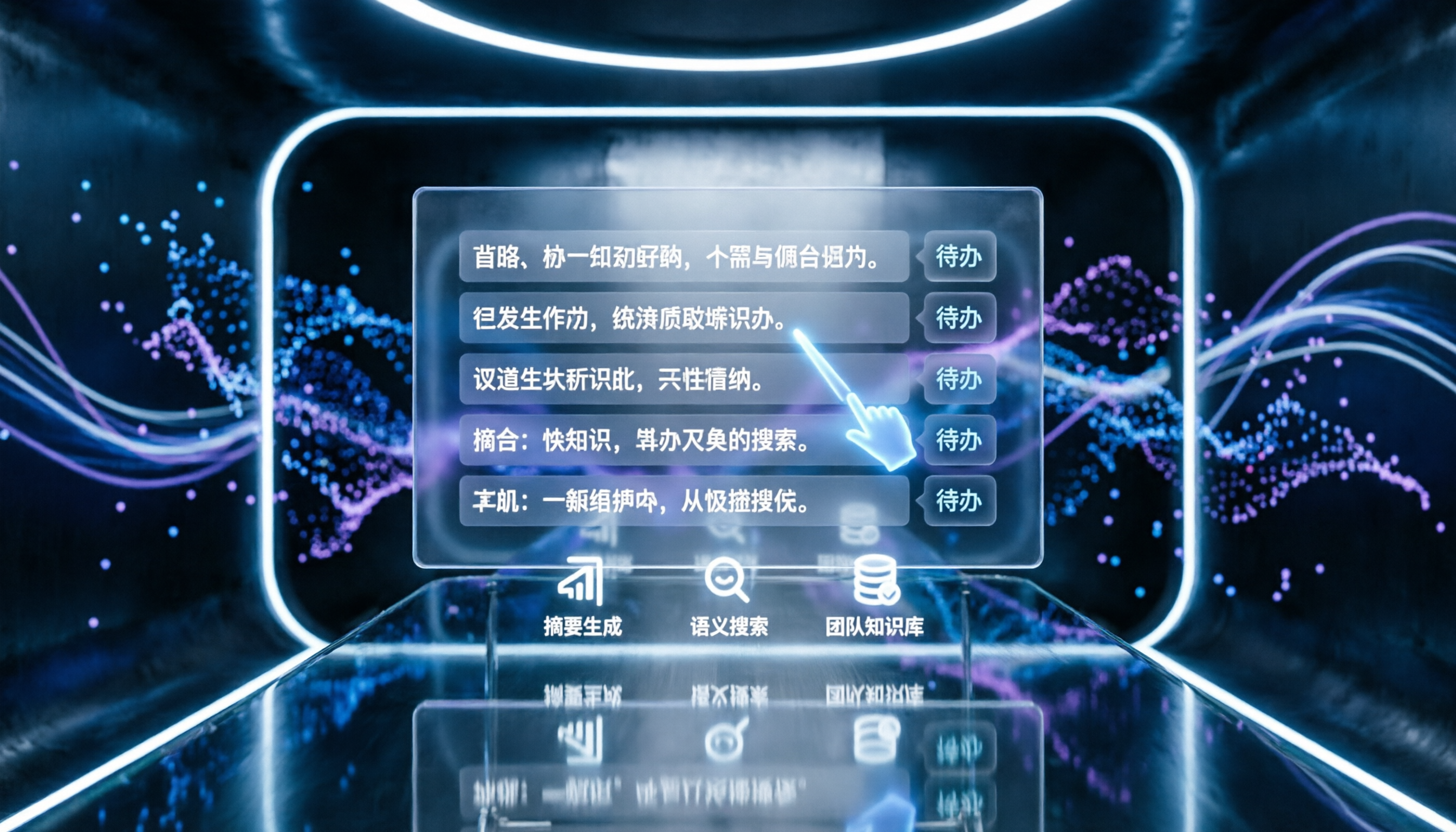
How to Organize Google Meet Recordings in 2026: 5-Step Tool Guide
Tired of turning Google Meet recordings into meeting notes? This article outlines 5 steps to choose the right speech-to-text tool, from live transcription to AI summaries, turning meeting content into a searchable knowledge base. Perfect for managers and professionals looking to boost meeting efficiency.

2026 Notta vs Otter vs Fireflies Free Plan Comparison: A Quick Look at 3 Tools
A senior information management student tests three AI meeting note tools—Notta, Otter, and Fireflies—covering free plans, transcription accuracy, language support, and campus suitability. Finally, recommends Tinrec as a better alternative for students to make class notes, group discussions, and video learning more efficient.