

Turn recordings into transcripts and summaries in minutes
Upload audio or video for multilingual transcription, AI notes, and action items
Meetings, classes, interviews, learning from YouTube—you've definitely been there. You record tons of audio, but when it's time to organize, you realize you have no time to relisten, and transcribing manually is a pain. There are two main solutions on the market: one is AI recording hardware like PLAUD Note, a standalone device you can carry around; the other is pure software tools like Tinrec, which work on your phone, computer, and even process online videos.
But the question is: which route is more cost-effective and easier to use? This article directly compares them across five dimensions to give you a clear picture.
Tinrec vs PLAUD Note|Quick Overview
Tinrec is an AI recording and audio/video organization tool that can record and transcribe in real-time on your phone, computer, or web browser. It also supports uploading existing audio files, pasting YouTube links for transcription, and automatically generating summaries, tasks, chapters. You can even ask AI questions about the recording.
PLAUD Note is a standalone AI recording hardware device, known for being lightweight, portable, with long battery life and one-button recording. After recording, you transcribe and generate summaries through its app.
Quick comparison:
| Feature | Tinrec | PLAUD Note |
|---|---|---|
| Price | Free tier available; weekly, monthly, yearly plans flexible | Hardware starting at $179; additional plans required for transcription (monthly fee starting at $0) |
| Input Sources | Live recording, audio file upload, online video links, online meetings | Primarily hardware recording; app assists |
| Post-transcription Features | AI summary, chapters, tasks, Q&A, mind maps, export | AI summary, basic templates, Q&A |
| Platforms | iOS, Android, Web, PC | Hardware + App (iOS/Android) |
Below, we dive deep into five key dimensions with data to show you which one is worth your money.
Dimension 1|Hardware Dependency vs Software Convenience
PLAUD Note's advantage lies in "physical security": a standalone device means you don't worry about phone battery or notification interruptions—just pull it out and press a button to record. But the trade-off is you have to carry an extra device, and after recording, you still need the app to transcribe—you can't see the text instantly. If you need to record a meeting on the spot but forgot the hardware, you're out of luck.
Tinrec requires no hardware at all. You download the app or open a webpage on your phone, and you're ready to record anytime. We tested it: from opening the app to starting real-time transcription takes about 5 seconds. For most people, skipping the extra device is simply more convenient.
→ This dimension: Tinrec clearly wins.
Dimension 2|Input Source Diversity
PLAUD Note is essentially a "voice recorder + AI transcription"—all content must first be recorded through the hardware, then transferred to the app for processing. If you want to organize a meeting recording from three years ago stored on your computer, or convert an English YouTube video into Chinese notes, PLAUD cannot directly handle non-hardware audio files.
Tinrec's input sources are much broader: besides live recording, you can directly upload audio files, video files, or even paste public online video links (YouTube, Bilibili, TikTok supported). It also supports recording and organizing online meetings like Zoom and Teams. For anyone who needs to consolidate materials from various sources, Tinrec acts as a unified audio/video organization hub—something pure hardware cannot do.
→ This dimension: Tinrec is far more comprehensive and wins decisively.
Dimension 3|AI Post-processing and Organization Capabilities
PLAUD Note's app can generate summaries and offers several templates for meetings, interviews, etc., plus basic Q&A. But the output is relatively fixed—usually "a transcript + a summary." If you need to further organize into task lists, mind maps, or export to Notion or Google Docs for collaboration, PLAUD is limited.
Stop organizing recordings by hand
Upload audio or video and automatically get a transcript, summary, and action items
Tinrec's post-transcription "processing power" is on another level: not only summaries, but also automatic chapter detection, task extraction, subtitle generation, one-click mind map conversion, and even the ability to ask AI follow-up questions like "What was the decision from the last meeting?" or "What are the key formulas from this lesson?" Additionally, Tinrec supports Agent post-processing to further generate formal meeting minutes, reports, or tables based on the recording. These features make Tinrec more than just a "transcription tool"; it's a workstation that turns audio into usable data.
→ This dimension: Tinrec wins in both depth and breadth.
Dimension 4|Cost Efficiency and Long-term Use
PLAUD Note requires an upfront hardware cost (Note Pro pre-order $179, NotePin pre-order $169), and the free monthly transcription allowance is only 300 minutes. If you record more than 10 minutes daily, you'll run out in a month; upgrading to 1200 minutes costs $99.99/year, and unlimited costs $239.99/year. For light users or those on a budget, the hardware purchase plus annual fees add up over time.
Tinrec is designed as "software as a service"—no need to buy any device upfront. The free tier provides basic monthly transcription minutes, enough for occasional meeting notes or study organization. During busy project or exam seasons, you can use a weekly card for short-term expansion. Regular users can subscribe to a Pro monthly or yearly plan, with the annual plan offering lower monthly cost. For personal use, Tinrec's pricing flexibility is far higher than hardware solutions, with no large initial investment.
→ This dimension: Tinrec wins with low cost barrier and high flexibility.
Dimension 5|Chinese Content and Cross-platform Experience
PLAUD Note supports multiple languages including Chinese, and the app interface is friendly. However, its transcription engine is less stable for scenarios mixing Chinese with English, Cantonese, or Taiwanese. Also, the hardware + app combination works well on mobile but lacks a dedicated desktop app, making it cumbersome to organize recordings on a computer.
Tinrec has clearly focused on Chinese scenarios from its early stages, with excellent recognition and organization for Traditional Chinese, Simplified Chinese, and mixed Chinese-English. This makes it especially suitable for everyday meetings, classes, and interviews in Taiwan. Additionally, Tinrec offers full cross-platform support: iOS, Android, Web, and even via a computer browser. All data syncs across the cloud, allowing seamless organization regardless of device.
→ This dimension: Tinrec is more friendly to Chinese users and offers better cross-platform experience.
Unique Advantages of Each?
Tinrec's Unique Advantages
- One-stop multi-source organization: Whether it's recordings, old files, YouTube videos, or online meetings, everything fits into one workflow without switching between tools.
- Comprehensive AI post-processing ecosystem: Automatic summaries, chapters, tasks, Q&A, mind maps, export to Notion/Google Docs, etc. You get usable documents directly after transcription, not just raw text.
- Extremely flexible pricing: No hardware needed. Free tier available, with weekly/monthly/yearly plans. Pay as you go—students, office workers, and freelancers can all find a suitable plan.
- Particularly strong for Chinese content: Optimized for Taiwanese Chinese and mixed Chinese-English scenarios, producing summaries and highlights that match local usage habits.
PLAUD Note's Unique Advantages
- Standalone hardware for quick recording: No phone needed, no interruptions—just press a button to record. Ideal for situations requiring high concentration or when it's inconvenient to use a phone.
- Long battery life and premium build: Battery lasts all day for meetings or classes. The metal body gives a professional feel.
Summary: Which One Should You Choose?
After looking at the five dimensions, the answer should be clear for most people. Here are direct recommendations based on different scenarios:
- If you want a single tool to handle meetings, classes, interviews, and online videos without carrying extra devices → Tinrec is incredibly convenient.
- If you need more than just a transcript—you want automatic tasks, chapters, mind maps, and even direct AI Q&A on key points → Tinrec's post-processing far exceeds hardware.
- If you're price-sensitive, don't want to spend nearly $180 on hardware upfront, and want to try a free version first → Start with Tinrec's free tier; pay later only if needed.
- If you frequently switch between computer and phone to organize recordings and need cross-platform sync → Tinrec's full platform support is ideal.
- If you value the ritual of dedicated recording hardware and your recording scenarios are simple (e.g., only capturing ideas or regular meetings) → PLAUD Note's standalone hardware experience still has appeal.
In a nutshell: For 90% of users, Tinrec's software solution is more flexible, more feature-rich, and cheaper in the long run. Instead of buying another device, just install Tinrec and test it with your own recordings.
References
Turn every recording into actionable outcomes
Get 60 free transcription minutes when you sign in. No credit card required.
Related Reading
You might also like

Tinrec 2026 Tutorial: Turn YouTube Videos into Notes & AI Summaries in One Click
Want to turn YouTube learning videos into easy-to-review notes? Tinrec lets you paste a video link to automatically generate transcripts, AI summaries, and key chapters. Export to Notion or Google Docs. The free plan includes monthly credits—perfect for students, professionals, and self-learners.

Which Academic Video Summarizer Is Best? 2026 Tinrec vs Otter.ai Test – This One Suits Hong Kong Students Better
We tested two AI academic video summarizers, comparing Chinese accuracy, summary quality, AI Q&A, and more, to see which is best for Hong Kong students and working professionals.

Tinrec vs Notta in 2026: 5-Dimension Comparison—Which Is Better for Chinese Video-to-Text?
We tested Tinrec vs Notta for video-to-text, comparing 5 dimensions including accuracy, AI features, and video source support to help you pick the best app for organizing Chinese videos.

How to Use a Free Speech-to-Text App in 2026? A Complete 5-Step Guide
How do you convert meeting and class recordings to text for free? This article teaches you how to use Tinrec (秒听录音) to turn audio files, YouTube videos, and meeting recordings into transcripts and summaries in 5 steps. There's also a free trial, perfect for Hong Kong office workers who want to save time.

2026 5 Image-to-Text Recognition Tools Compared: Which Free OCR Is Most Accurate?
This article tests 5 online image-to-text tools, comparing recognition accuracy, supported formats, and free limitations to help you find the best OCR solution for your needs, complete with a full tutorial and FAQ.

2026 Free Text-to-Speech Solutions: 4 Tools to Try
Looking for text-to-speech tools to read articles or documents? This article covers 4 free options for 2026, plus a more advanced approach: turning meeting and course recordings into actionable knowledge.
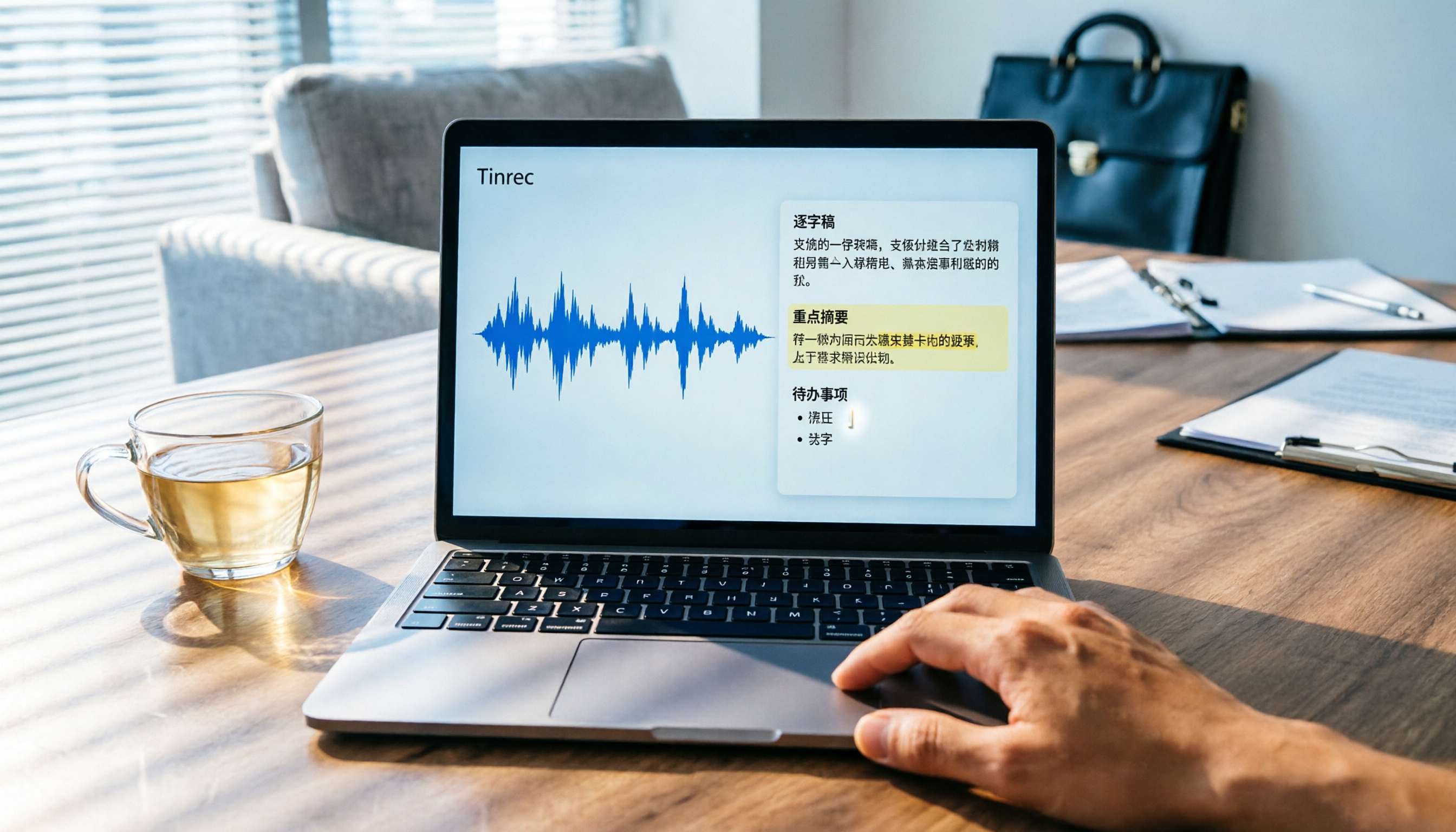
2026 Tinrec Mediation Committee Recording Guide: Legal Recording Tips + Auto Meeting Minutes
Want to record a mediation committee session but worried about legality? This article explains the legal requirements and consent guidelines, and shows you how to use Tinrec to convert recordings into transcripts, summaries, and action items, making meeting minutes a breeze.
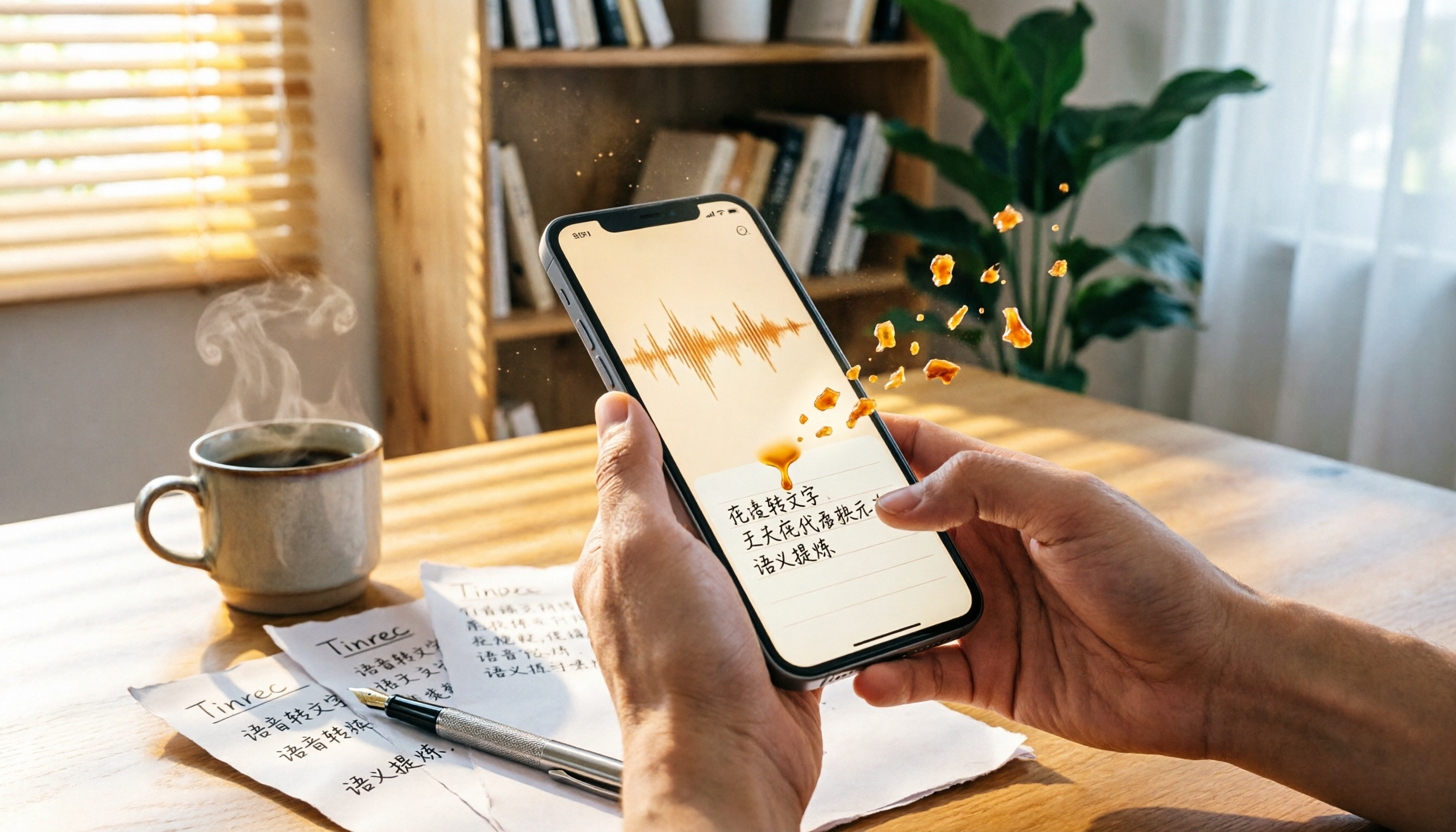
2026 Apple Voice-to-Text Software Complete Guide: From Built-in Features to Third-Party Tools at a Glance
Introduces various voice-to-text tools available on iPhone/iPad, including the built-in Voice Memos, Tinrec, and other free/paid options, helping you quickly organize meetings, classes, and interviews.

How to Choose Speech-to-Text Software in 2026? 4-Step Comparison of Tinrec and Otter.ai
Need to convert recordings, meetings, or videos into text? Tinrec and Otter.ai are popular AI speech-to-text tools, but one excels at Chinese content organization while the other specializes in English meeting notes. This article compares them across 4 key dimensions to help you quickly find the right one.