

Turn recordings into transcripts and summaries in minutes
Upload audio or video for multilingual transcription, AI notes, and action items
Before You Start | What You'll Need
- A computer or phone (Tinrec supports iOS, Android, web, and desktop; Otter also has web and app versions)
- A Tinrec account (you can sign in with Google or Apple ID; Otter supports Google/Microsoft sign-in)
- A meeting recording to transcribe, or use the live recording feature
- A stable internet connection (real-time transcription requires internet; if you need offline use, check if the tool supports it)
Step 1 | Record Your Content with Tinrec
The goal here is to get a clear audio file, which is the foundation for everything that follows.
Open the Tinrec app or desktop version and hit the record button to start. For online meetings, the desktop version can directly capture your computer's system audio, so you don't need to invite a meeting bot. Otter can also record online meetings, but it requires adding a bot or using the desktop app, which involves more steps.
When recording, keep the device close to the speaker—the closer, the clearer. For one-on-one interviews, placing the phone between the two people works; for group meetings, put it in the center of the table. Why emphasize recording quality? Because AI transcription accuracy depends on audio quality. Spending an extra 30 seconds to check placement beats spending time correcting errors later.
Once done, you'll see the recording on Tinrec's main screen, with duration and file size displayed.
Step 2 | Let AI Transcribe It
Tinrec transcribes in real time as you record, and you can also upload existing audio or video files for transcription. Otter also supports Chinese speech-to-text, but its interface is primarily in English; Tinrec offers a full Traditional Chinese interface, which is more user-friendly for Chinese speakers.
After transcription, you can view the transcript in Tinrec, with keyword search and click-to-jump to the corresponding audio position. This feature is especially handy when you need to double-check a specific statement.
Step 3 | Quickly Proofread the Transcript
AI transcription inevitably has errors, especially with proper nouns or heavy accents. Tinrec lets you click directly on the transcript text to edit, and changes are saved automatically.
If you're using it with a team, you can set team keywords so Tinrec recognizes company-specific terms more accurately. Otter requires manual editing and lacks Chinese keyword optimization.
When proofreading, you don't need to check every word—focus on names, numbers, and key decision terms. That way, the AI summary and action items will be more accurate.
Step 4 | Generate Meeting Minutes with AI
Tinrec automatically generates summaries, chapters, key points, and action items, breaking long meetings into easy-to-browse sections. You can quickly review the "Meeting Highlights" to grasp the main discussion, or check "Action Items" for next steps.
What's even better is that you can ask Tinrec questions in Chinese, like "What was the budget conclusion from last week's discussion?" or "What requirements did the client mention?" Tinrec will answer based on the meeting content and provide timestamps. Otter also has an AI Chat feature, but its Chinese Q&A may not be as effective as English.
Stop organizing recordings by hand
Upload audio or video and automatically get a transcript, summary, and action items
Step 5 | Export and Share
After organizing your meeting content, Tinrec lets you export to Word, PDF, TXT, SRT, and other formats, or sync to third-party tools like Notion, Google Docs, OneNote, and Dropbox. This is very convenient for users who need to share meeting notes with managers, clients, or store them in a company knowledge base.
Otter also offers export options, but with fewer formats and third-party integrations. If you're used to managing documents in specific tools, Tinrec offers more flexibility.
FAQ and Troubleshooting
Q: How do I use Otter in Chinese? Does it have a Chinese interface?
A: Otter supports Chinese speech-to-text, but its interface is primarily in English. If you want a fully Chinese experience with Chinese meeting organization, Tinrec offers a complete Chinese interface, Chinese AI summaries, and Chinese Q&A, with a lower learning curve.
Q: Is Tinrec's free plan sufficient?
A: The free plan provides basic quotas, allowing you to try recording, transcription, and summaries—enough to test if it fits your needs. Otter's free plan offers 300 minutes per month, but some advanced features are limited. If you only occasionally organize meetings, starting with the free plan is fine.
Q: How accurate is the audio-to-text transcription?
A: Both are affected by recording quality, background noise, accents, and overlapping speech. Tinrec performs well with clear Chinese meetings and supports team keywords to improve professional term recognition; Otter is stronger in English, but Chinese needs real-world testing. We recommend recording as close to the speaker as possible and minimizing environmental interference.
Q: What if I don't want a bot to join my online meeting?
A: Tinrec's desktop version can directly capture system audio, so you don't need to invite a bot to Zoom, Google Meet, or Microsoft Teams meetings. Just open Tinrec and start recording before the meeting begins.
Pro Tips | 3 Ways to Double Your Efficiency with Tinrec
- Use AI Q&A to quickly find key points: After the meeting, ask Tinrec in Chinese, "What's the conclusion?" or "What are the action items?" It will answer based on multiple recordings, which is much faster than listening to the entire audio.
- Set team keywords: The team plan lets you maintain company-specific terms, such as product names or project codes, improving transcription accuracy—especially helpful for technical, medical, or legal fields.
- Record online meetings without a bot: The desktop version captures system audio directly, so no extra bot participants appear in the meeting, avoiding disruption and making it easy to record cross-platform meetings.
If You Don't Use Tinrec, Here Are Alternatives
- Otter.ai: Suitable for English meetings and users who need mature English summaries and integrations. The free plan offers 300 minutes per month, but Chinese interface and Chinese organization features are weaker.
- Notta: Strong multilingual transcription and translation, with a Chinese interface, but lacks bot-free recording and team space management features that Tinrec offers.
If you primarily handle Chinese meetings, want an intuitive interface, and need team knowledge management, Tinrec remains the better choice.
Conclusion
With the steps above, you can now use Tinrec to turn meeting recordings into transcripts, automatically generate meeting minutes, and use Chinese Q&A to quickly find key points. While Otter supports Chinese transcription, its interface is primarily in English, and team features are more basic. If you often meet in Chinese, Tinrec is more direct and efficient. Next step: download Tinrec's free version, try it with your own meeting recording, and experience the convenience of Chinese AI meeting notes.
References
Turn every recording into actionable outcomes
Get 60 free transcription minutes when you sign in. No credit card required.
Related Reading
You might also like

How to Trim Audio Recordings on iPhone in 2026: Built-in vs. Third-Party Apps
Trimming iPhone recordings isn't limited to the Voice Memos app. This article compares the trimming workflows and use cases of the built-in Voice Memos, GarageBand, and third-party apps, and recommends pairing with Tinrec for transcription and management after trimming—ideal for users who need to organize meeting or interview recordings.

2026 iPhone Recording Apps Compared: Where's Call Recording? AI Summaries Save Time
iPhone call recording is built into iOS 18.1 and later, accessible via the top-left corner of the call screen, but it only offers recording and transcripts, lacking AI summaries, Q&A, and team collaboration. This article tests 4 iPhone recording solutions, from built-in call recording to Tinrec AI meeting notes, to help you find a truly time-saving option.

2026 iPhone Recording Apps Compared: Never Lose Your Audio Files Again, AI Summaries Save Time
Where do iPhone recordings go? This hands-on comparison breaks down Voice Memos, Tinrec, and Otter.ai, covering storage location, AI organization, and cross-platform support to help you find the tool that turns recordings into action.

2026 iPhone Recording Free Solutions: 3 Features to See at a Glance
This article explains where the iPhone microphones are located and introduces free recording organization solutions, using Tinrec as an example to show how to turn recordings into usable meeting notes and to-do lists.

Tinrec vs Otter.ai in 2026: A 5-Dimension Comparison for Chinese Meetings
How to choose an AI meeting notes tool in 2026? This article compares Tinrec and Otter.ai across five dimensions: meeting capture method, input sources, post-meeting outputs, Chinese language experience, and team management. It also briefly reviews Notta and PLAUD to help you find the best solution for Chinese meetings and team collaboration.

2026 Hands-On Comparison of 3 Recording-to-Text Tools: Good Tape Latest vs. Tinrec—Which One Understands Chinese Meetings Better?
If you're searching for 'Good Tape latest version,' you're likely looking for a transcription tool that truly saves you meeting time. This article tests Good Tape, Tinrec, and Otter.ai, covering accuracy, AI features, cross-platform support, and team collaboration to help you avoid common pitfalls and make a confident choice.

Best Tapes in 2026: Which Type to Choose? We Tested 5 Categories—This One Is the Safest Bet
Before picking a tape in 2026, know your purpose: cassette tapes, reel-to-reel, or packing tape have different needs. This article shares hands-on testing insights and selection tips to help you avoid common issues like mold, tape jams, and weak adhesion.

2026 Hands-On Comparison of 3 Recording-to-Text Apps: No Cracks Needed, Which Is Better Value: Tinrec or Good Tape?
Looking for a Good Tape crack? Legal free options work even better. A Hong Kong-style hands-on test of Tinrec, Good Tape, and Notta helps you pick the most time-saving recording-to-text app.
2026 Tinrec Audio-to-Text: Robot-Free Meeting Minutes + AI Q&A
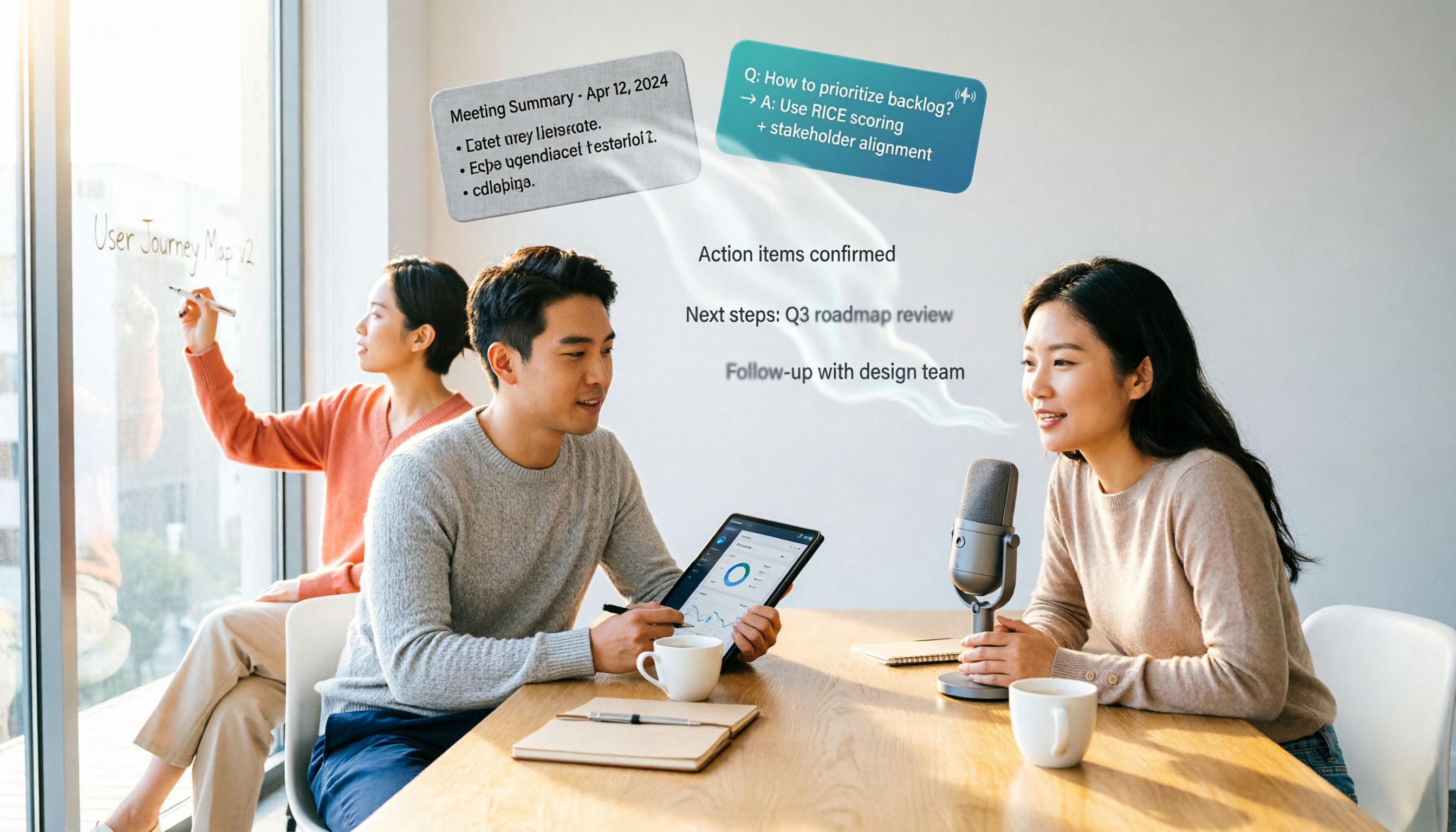
How to choose an audio-to-text tool in 2026? We tested Tinrec for robot-free meeting minutes, AI Q&A, and team collaboration, and compared it with 6 tools including Good Tape, Otter, and Notta to save you time and effort.