

Turn recordings into transcripts and summaries in minutes
Upload audio or video for multilingual transcription, AI notes, and action items
Why AI Speech-to-Text Is More Than Transcription: From Recording to Action
After a meeting ends, the real work begins. A 1-hour discussion often requires another 1–2 hours to organize the transcript, highlight key points, and list action items. Traditional recording software only handles "recording," and basic transcription tools only "convert to text." What truly consumes time is turning meeting content into actionable next steps.
Next-generation AI speech-to-text tools, such as Tinrec (Instant Voice Recorder), extend the workflow beyond transcription: they automatically generate summaries, chapters, key points, and action items, and even allow AI Q&A about the meeting content. They can further process action items into action plans, follow-up materials, reports, and tables. This means you get not just a static transcript, but a working document you can continue to use.
Therefore, when choosing a tool, don't just ask "which one transcribes more accurately." First ask yourself: How do my meetings typically run? What do I need beyond a transcript?
4 Key Dimensions for Choosing an AI Speech-to-Text Tool: Meeting Type, Chinese Quality, Post-Meeting Deliverables, and Team Collaboration
When selecting a tool, consider these four aspects:
| Dimension | Questions to Ask | Why It Matters |
|---|---|---|
| Meeting Type | Are your meetings online or in-person? Do you need real-time recording or do you process existing audio files? | Determines whether you need a desktop tool that captures system audio, a mobile recording app, or a service that supports file uploads. |
| Chinese Quality | Can the tool accurately transcribe Traditional Chinese, Taiwanese usage, or mixed Chinese-English content? | Chinese transcription quality varies widely, directly affecting downstream organization efficiency and reliability. |
| Post-Meeting Deliverables | Besides the transcript, can it automatically generate summaries, action items, or even reports and tables? | Determines whether you get static text or actionable data you can use directly. |
| Team Collaboration | Can meeting data be shared, searched, and accumulated over time? | Affects cross-departmental collaboration, historical meeting retrieval, and team knowledge accumulation. |
Comparison of Mainstream AI Tools: Tinrec, Otter, Fireflies, Notta, Granola, TurboScribe
Different tools have distinct core positioning and use cases. The table below compares mainstream products across several key dimensions:
| Tool | Core Positioning | Meeting Capture Method | Chinese Experience | Post-Meeting Deliverables |
|---|---|---|---|---|
| Tinrec | AI meeting notes and team collaboration | Desktop app captures system audio without a bot | Chinese, Traditional Chinese, and multilingual, with real-time translation support | Summaries, chapters, action items, Q&A, translation, multi-format export, Agent post-processing |
| Otter.ai | AI meeting assistant | Bot and desktop app, among other methods | Stronger for English business meetings | Summaries, action items, AI Chat, team analytics |
| Fireflies.ai | Meeting automation and sales analytics | Primarily meeting bots | Stronger for English business meetings | Summaries, action items, AskFred, team analytics, extensive integrations |
| Notta | Transcription, translation, and document processing | Meeting bot, desktop app, or upload | Strong multilingual support | Subtitles, translation, summaries |
| Granola | Bot-free AI meeting notes | Desktop app captures without a bot | Stronger for English meeting notes | Note enhancement, Q&A, integrations |
| TurboScribe | High-value document transcription | File upload | Multilingual, strong for long files and batch processing | Subtitles, translation, transcripts |
Tinrec suits users who need Chinese meeting notes, bot-free recording, and team knowledge accumulation. Otter and Fireflies are more mature for English business meetings and sales analytics. Notta is well-rounded for multilingual and file processing. Granola emphasizes bot-free note-taking and cross-meeting context. TurboScribe excels at long-file and batch transcription.
Stop organizing recordings by hand
Upload audio or video and automatically get a transcript, summary, and action items
Bot-Free Recording vs. Meeting Bots: Which Is Better for Your Online Meetings
How you record online meetings directly affects which type of tool you choose.
Meeting Bots
Meeting bots (such as Otter's and Fireflies' bots) join the meeting as participants and automatically record and transcribe. The advantage is that you can "join and go" without manual operation. The downside is that some companies or meeting hosts may not allow external bots, and bots take up a participant slot.
Bot-Free Desktop Recording
Bot-free desktop recording (such as Tinrec and Granola) captures system audio directly via a desktop app, without needing an additional bot to join the meeting. Users need to actively start the tool to begin recording, but it doesn't disrupt the meeting flow and avoids the issue of bots being blocked.
Which is better for you? If you often host or attend external meetings where inviting a bot is inconvenient, bot-free desktop recording is more suitable. If you want meetings to be recorded automatically and your meeting environment allows bots, consider a meeting bot solution.
From Transcript to Actionable Data: How AI Turns Meetings into Tasks
Traditional transcription tools stop at the transcript, but next-generation AI tools extend the workflow beyond transcription:
1. Automatic summaries and chapters: Quickly grasp the structure and key points of long meetings.
2. Extract action items: List follow-up actions from the discussion to avoid missing anything.
3. AI Q&A: When you need to confirm details, you can directly ask questions about the meeting content.
4. Agent post-processing: Based on meeting notes and context, help further process action items into action plans, follow-up materials, reports, tables, or documents.
For example, with Tinrec, after a meeting, the AI assistant can take an action item like "prepare a quote before the next client visit" and turn it into a follow-up document that includes client needs, decision points, and next steps. For important commitments, external communications, and key decisions, manual review is still recommended.
Recommendations by Work Style: Sales, Product/R&D, and Institutional Staff
Sales, Business Development, and Account Managers
Meetings in these roles often involve client visits, requirement discussions, and solution reviews. After meetings, you need to quickly organize client needs, commitments, and follow-ups. Recommended priorities:
- A mobile app that can record and transcribe in real time, convenient for on-the-go use.
- A tool that automatically extracts action items and commitments to avoid missing anything.
- A tool that can turn meeting content into client follow-up materials.
Product, R&D, and Design Professionals
Product and R&D meetings often involve requirement reviews, technical discussions, and task assignments. After meetings, you need to accurately preserve decisions and action items. Recommended priorities:
- A tool that handles online meetings (e.g., Zoom, Meet, Teams).
- A tool that generates structured notes and decision lists.
- A tool that can convert action items into PRDs, tasks, or draft acceptance documents.
Institutional Staff
Institutional meetings often involve internal briefings, communications, and discussions, with high requirements for data privacy and accuracy. Recommended priorities:
- A tool that can work offline or locally, reducing cloud dependency.
- A tool that generates structured notes and responsibility assignments.
- A tool that can store and retrieve historical meeting data over the long term.
Important Considerations: Accuracy, Privacy, and the Boundaries of Manual Review
- Accuracy is affected by multiple factors: Recording quality, background noise, accents, overlapping speech, and technical jargon can all impact transcription results. Don't expect 100% accuracy.
- Important content requires manual review: AI-generated summaries, action items, and documents may miss or misinterpret details. For content involving decisions, commitments, and external communications, always cross-check against the transcript and recording.
- Privacy and legal compliance: Before recording and transcribing, comply with local laws and obtain consent from participants when required.
- Pricing and plans may change: Free quotas and paid plans for each tool can change. Always refer to the official pages before use.
Conclusion: A Framework for Choosing from Transcript to Actionable Meeting Data
When choosing an AI speech-to-text tool, the key is not "which one is the strongest," but "which one best fits your workflow." First identify your meeting types, Chinese language needs, post-meeting deliverables, and team collaboration methods, then filter from the tools above to find the one that truly saves you time and turns meetings into actionable data.
If you need to handle Chinese meetings, want to record online meetings without a meeting bot, and want to turn meeting data into searchable team assets, you can start by evaluating Tinrec to see if it fits your daily work scenarios.
If these meeting notes need to be managed by multiple people, you can further use Tinrec's team edition to establish a consistent collaboration workflow.
References
- Tested: 4 Best "Speech-to-Text" Online Tools Recommended, Free to Convert Audio Files to Transcripts Instantly
- SoundType AI: Ultra-Accurate Transcripts, Speech-to-Text, AI Dictation
- Online AI Speech, Video, and Audio File Auto-Transcription - Free Trial - cSubtitle
- AI Speech-to-Text Tool Recommendations: 8 Compared, Which Is Best for Meeting Notes, Transcripts, and Voice Input? — Leading Age
- Online AI Speech-to-Text: Free to Convert MP3 or Audio Files to Text Transcripts
Turn every recording into actionable outcomes
Get 60 free transcription minutes when you sign in. No credit card required.
Related Reading
You might also like

How to Use Free AI Speech-to-Text Tools? Beginners Should Understand Quota Limits First
When using free AI speech-to-text tools for the first time, the most common issue is how to use the free quota. This article helps you understand quotas, per-session duration limits, and feature restrictions, compares free plans of mainstream tools, and provides a workflow to complete meeting minutes with zero budget, helping you decide if the free version is sufficient.
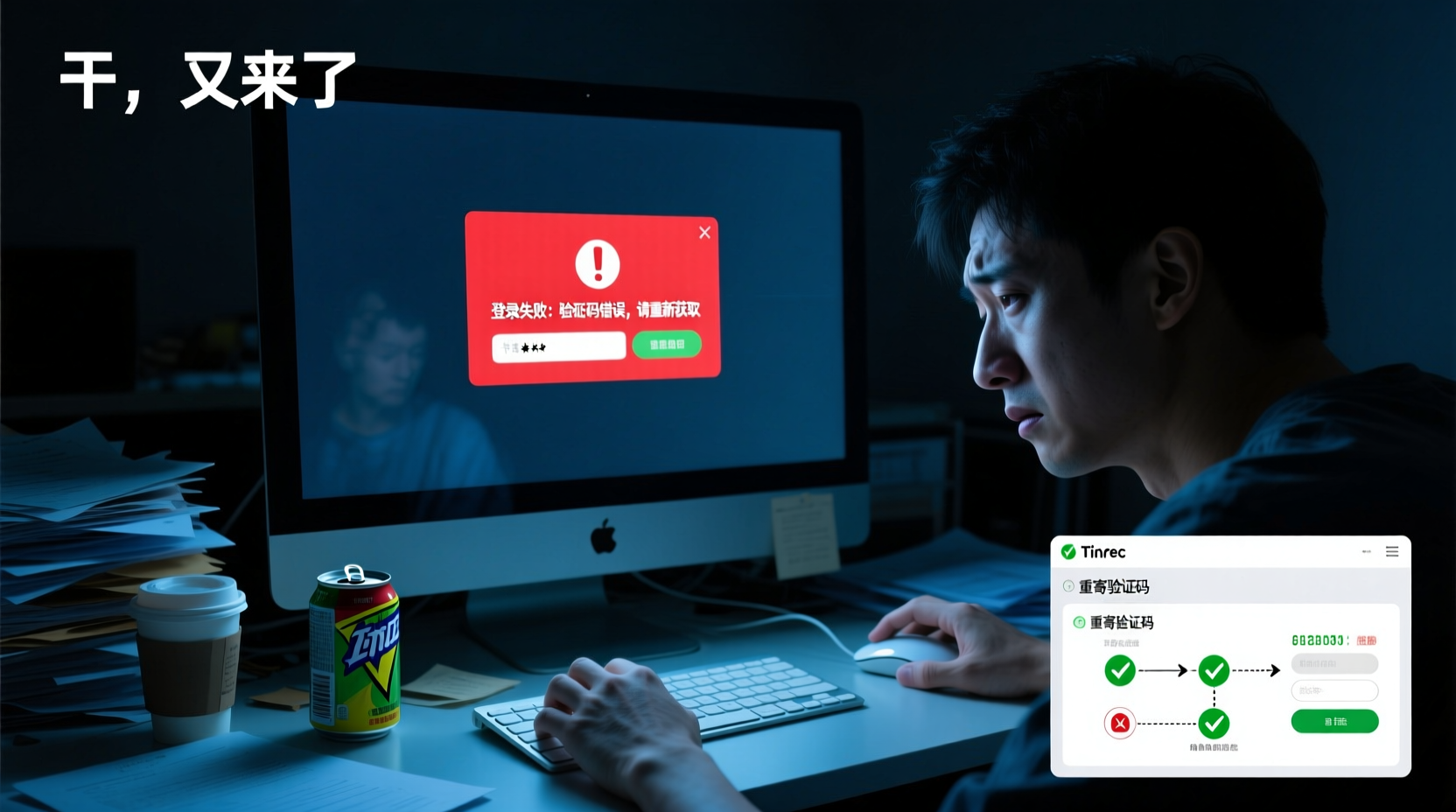
Good Tape Login Issues? Complete Troubleshooting Guide from Password Errors to Missing Verification Codes
Encountering password errors, missing verification codes, or pages that won't load when logging into Good Tape? This article walks you through common login issues step by step to quickly restore account access.
Good Tape Login Tutorial: Complete Registration and First Transcription in 5 Minutes
New to Good Tape and not sure how to log in? This article guides you through account preparation, choosing a login method, and email verification, step by step, and explains how to start your first transcription after logging in.

Are Free Speech-to-Text Apps Really Enough? Understand Quotas, Duration, and Feature Limits Before Downloading
A roundup of free plans from popular speech-to-text apps, analyzing quotas, per-session duration limits, and feature restrictions, plus a free workflow from recording to usable meeting minutes to help you decide if the free tier is sufficient.
PowerDirector Speech-to-Text Free Guide: Complete Workflow from Video to Subtitles
Want to add subtitles to your PowerDirector videos for free? This article provides a complete workflow from exporting video or audio from PowerDirector, choosing the right free speech-to-text tool, and importing the transcript back into PowerDirector as subtitles, comparing the use cases and limitations of different tools.

How to Choose a Free Online Speech-to-Text Tool: Convenience of No Installation and Cross-Device Use, and Real Limitations
A roundup of free online speech-to-text tools, analyzing the convenience of no-install, cross-device use, and limitations on quotas, duration, and features, with workflow tips from recording to usable meeting minutes.

How to Choose a Free AI Speech-to-Text Plan? Understand Three Hidden Limitations of Free Versions First
A roundup of free plans from mainstream AI speech-to-text tools, analyzing quotas, per-session duration limits, and feature restrictions, with a suggested free workflow from recording to usable meeting minutes.

How to Choose a Free Speech-to-Text App? Understand the Hidden Limitations of Free Plans Before Downloading
A roundup of free plans from popular speech-to-text apps, analyzing quotas, per-session duration limits, and feature restrictions. Provides a free workflow from recording to usable meeting minutes to help you decide if a free plan is sufficient.
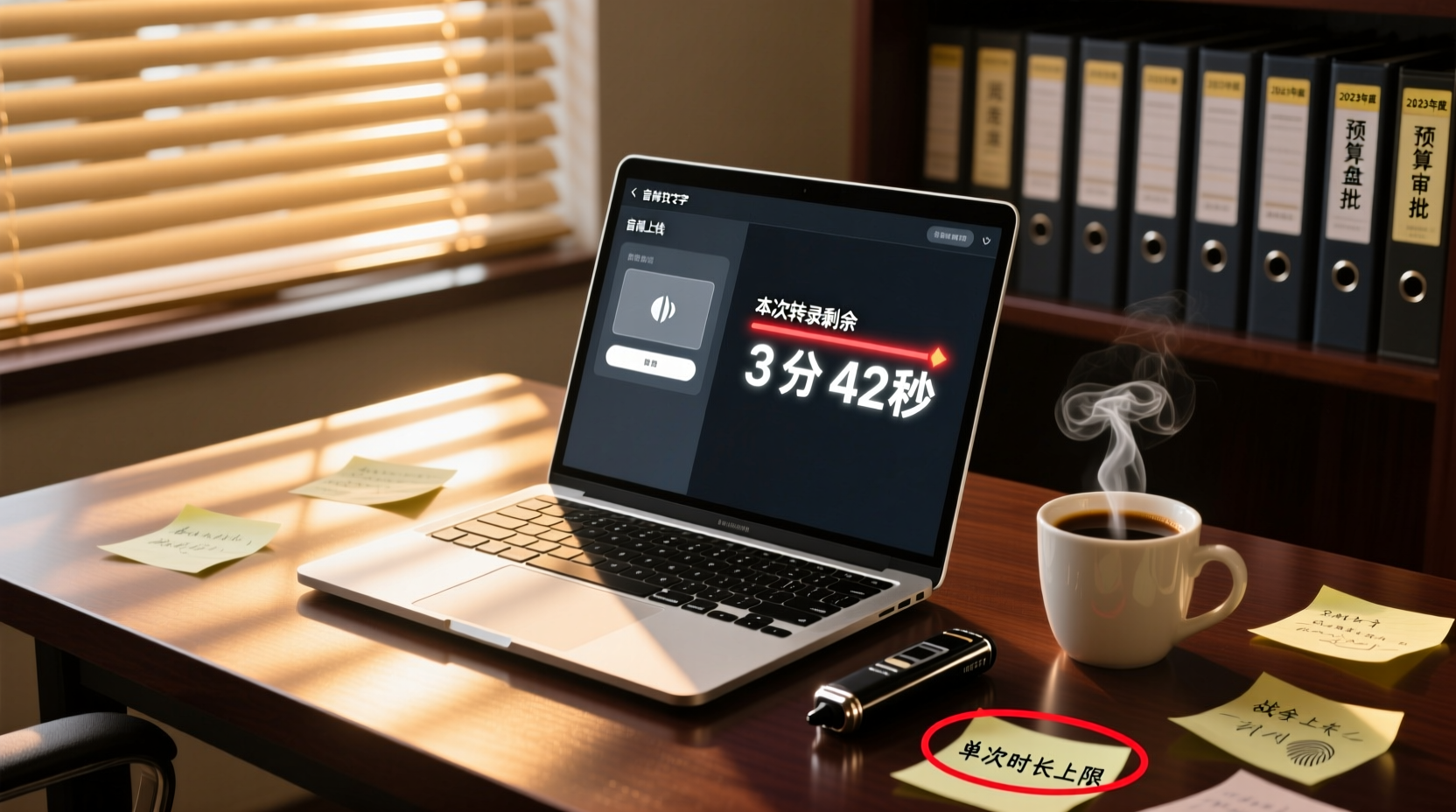
Which Speech-to-Text Is Free? Understand the Three Hidden Limitations of Free Plans Before Deciding
A roundup of free plans from leading speech-to-text tools, analyzing quotas, per-session duration limits, and feature restrictions, plus a free workflow from recording to usable meeting minutes to help you decide if a free plan is sufficient.