

Turn recordings into transcripts and summaries in minutes
Upload audio or video for multilingual transcription, AI notes, and action items
When you search for "AI speech to text free," you typically see phrases like "free trial" or "free credits," but in practice, you'll often encounter three hidden limitations: quota limits, per-session duration limits, and feature restrictions. This article doesn't just list tools; it first helps you understand the real limitations of free plans, then compares the free versions of mainstream tools, and finally offers a free workflow from recording to usable meeting minutes, helping you decide if a free plan is sufficient.
Three Hidden Limitations of Free AI Speech-to-Text: Quota, Per-Session Duration, and Feature Restrictions
Free plans are free for a reason, usually accompanied by three types of limitations that often surface only after you start using them:
- Quota limits: Most tools provide a fixed number of minutes per month, e.g., Otter.ai offers 300 minutes per month, Notta offers 120 minutes per month. Exceeding that means waiting until the next period or upgrading to a paid plan.
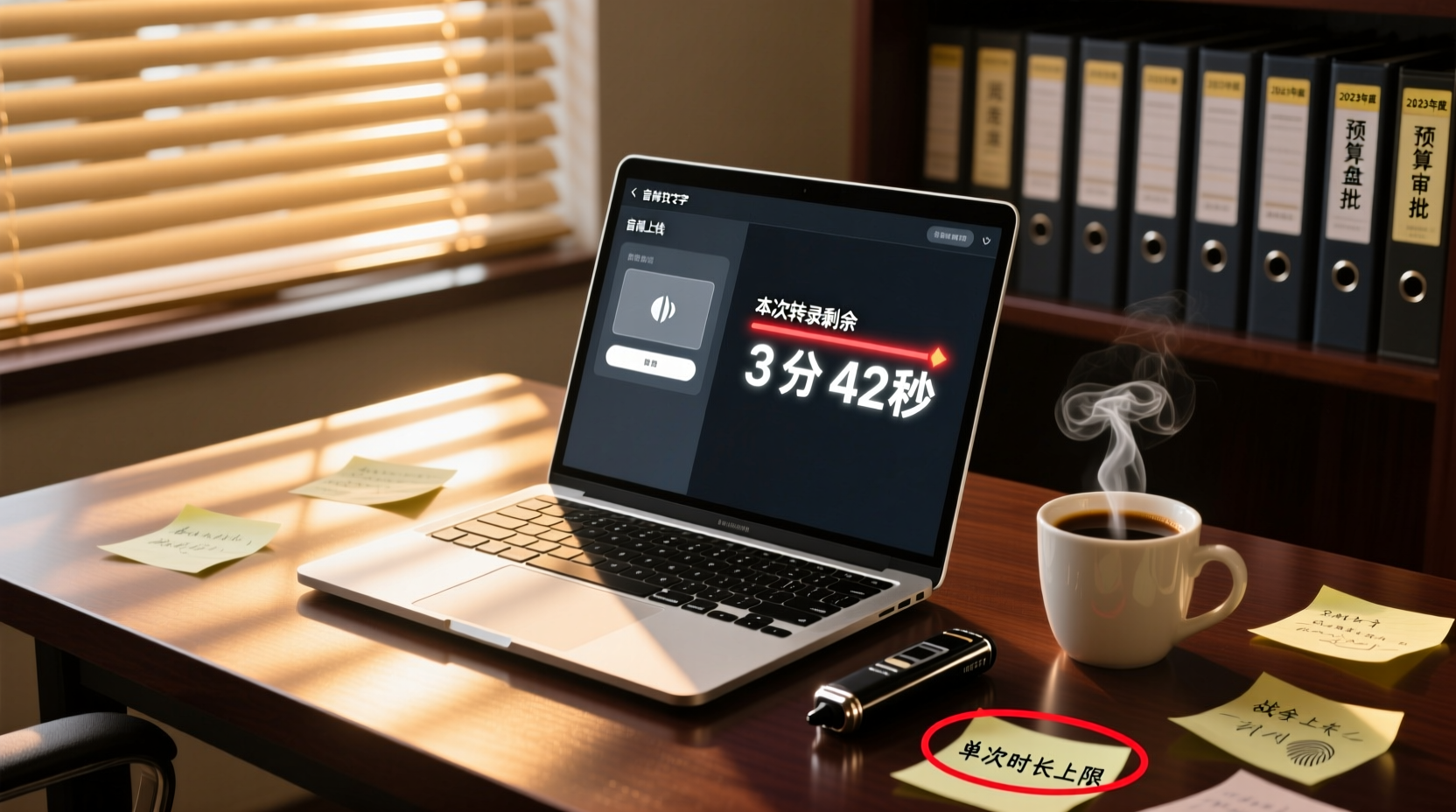
- Per-session duration limits: Some tools limit the length of audio you can transcribe in one go, e.g., Notta's free version allows up to 3 minutes per session, TurboScribe's free version allows up to 30 minutes per file. Long meeting recordings cannot be processed in one go.
- Feature restrictions: Free versions typically do not include advanced features like AI summaries, action item extraction, translation, or team collaboration; you only get the transcript, and you have to do the subsequent organization yourself.
In other words, free plans are suitable for "occasional use with short recordings." If you handle multiple meetings weekly, your free quota will run out quickly, and you'll need to switch tools or upgrade to a paid plan.
Comparison of Free Plans from Mainstream Tools: Otter, Notta, TurboScribe, Fireflies, Granola, Tinrec
Below is a comparison of free plans from several common tools, based on official pages. Actual benefits may change, so please verify before use.
| Tool | Free Quota | Per-Session Duration Limit | Main Limitations |
|---|---|---|---|
| Otter.ai | 300 minutes per month | Check official page | Advanced features require payment |
| Notta | 120 minutes per month | Up to 3 minutes per session | Long recordings need to be split |
| TurboScribe | 3 files per day | Up to 30 minutes per file | Long files require payment |
| Fireflies.ai | Free plan | Check official page | Unlimited transcription is not entirely without limits |
| Granola | Free plan | Does not support uploading pre-recorded audio files | Live meetings only |
| Tinrec | Basic quota | Check official page | Advanced features require payment |
How Free Plans Can Meet Meeting Notes Needs: A Workflow from Recording to Usable Minutes
Although free plans have limitations, they can still handle basic tasks for those who occasionally need to organize meeting recordings. Here is a viable free workflow:
1. Record: Use your phone or a voice recorder to capture the meeting, or directly record online meetings.
2. Transcribe: Upload the audio file to a free tool to get a transcript.
3. Organize: Manually extract key points, decisions, and action items from the transcript to produce meeting minutes.
This workflow saves you the time of "listening and typing," but you still need to do the summarizing and action item extraction yourself. If you want automatic summaries and action items, free versions typically cannot meet that need, and you may need to consider paid plans.
The Line Between Free and Paid: When Is It Worth Upgrading?
Free plans are suitable for "occasional use with short recordings." When you encounter the following situations, it might be worth considering an upgrade:
Stop organizing recordings by hand
Upload audio or video and automatically get a transcript, summary, and action items
- Multiple meetings every week: Free quotas run out quickly; upgrading provides more minutes.
- Need AI summaries and action item extraction: Free versions typically lack these features; upgrading can significantly save organization time.
- Need to process long recordings: Per-session duration limits in free versions prevent you from processing long meetings in one go.
- Need team collaboration: Free versions usually lack team spaces; upgrading allows sharing meeting materials.
Before upgrading, assess your usage frequency and needs; don't pay for features you won't use.
Free Plan Recommendations for Different User Groups: Office Workers, Freelancers, and Students
Office Workers
If you work in a company and your meetings are primarily online, prioritize tools that can handle online meetings, such as Otter.ai or Tinrec. The free version can be used for occasional meeting notes, but if you have frequent weekly meetings, consider upgrading to get AI summaries and action items.
Freelancers
Freelancers often need to handle client interviews or project meetings, so choose tools that support file import, such as Notta or TurboScribe. The free version works for short recordings, but long interviews may require splitting or upgrading.
Students
If you occasionally need to organize lecture recordings or group discussions, free versions are usually sufficient. Choose tools that are simple to use and offer adequate free quotas, such as Notta or TurboScribe. For long-term use, consider upgrading for more features.
When Free Quotas Run Out and Meeting Materials Need to Be Shared: How Tinrec Team Edition Can Take Over
The biggest pain points of free plans, besides quota and feature limitations, include "meeting materials scattered across personal accounts, making sharing and follow-up difficult." If you encounter the following scenarios, Tinrec Team Edition can help you continue:
Scenario 1: After a meeting, you need to hand off minutes and action items to colleagues for follow-up
The traditional approach is to copy the transcript into emails or messaging apps, but messages often get buried. Tinrec Team Edition provides a "Team Space" where you can centrally store meeting recordings, transcripts, summaries, and action items. After inviting members, they can view, search, and continue working on them. For example, after a project meeting, you place the meeting materials in the Team Space, and the responsible person can directly view action items and update progress without back-and-forth file transfers.
Scenario 2: When a member leaves or is on leave, meeting materials need to be handed over
Data in personal accounts often follows the individual; when a member leaves, historical meeting records may be lost. Tinrec Team Edition makes meeting materials team-owned. When a member exits, their resources can be transferred to other active members, ensuring meeting knowledge is not interrupted by personnel changes. For example, when a salesperson leaves, their client meeting records can be transferred to the successor, allowing them to quickly grasp client needs and commitments.
If you are currently using it individually, the free or personal version may suffice; but when you start needing to share meeting materials with colleagues and jointly follow up on action items, consider Tinrec Team Edition to turn meeting content into a searchable, collaborative team asset.
Notes: Accuracy, Privacy, and the Boundary of Human Review
- Accuracy: AI transcription accuracy is affected by recording quality, background noise, accents, and technical jargon. Free plans typically do not guarantee accuracy; for important content, cross-check with the recording.
- Privacy: When uploading recordings to cloud tools, be mindful of data security. If meeting content is confidential, choose tools with clear privacy policies and avoid uploading sensitive information.
- Human review: AI-generated summaries and action items may miss details or misinterpret meaning; important decisions and action items still require human review and should not be fully relied upon.
Free plans are a starting point, not the end. Understand the limitations first, then choose the right tool based on your needs, so AI speech-to-text truly saves you time rather than adding hassle.
Tinrec does more than generate transcripts. After producing summaries, key points, and action items, the Agent can help further process action items into action plans, follow-up materials, reports, tables, or documents based on meeting context. Human confirmation is still recommended for important commitments and external communications.
Tinrec Team Edition places meeting materials, action items, and post-meeting outputs in a shared team space, allowing members to continue follow-up, search context, and accumulate knowledge over time. The capabilities selected for this scenario include "Team Space, Shared Meeting Materials."
If these meeting notes need to be managed collaboratively by multiple people, you can further use Tinrec Team Edition to establish a consistent collaboration workflow.
References
- Online AI Speech, Video, and Audio File to Text - Free Trial - cSubtitle
- Audio to Text - Free Speech-to-Text Tool
- Online AI Speech-to-Text, Free MP3 or Audio File to Text Transcript
- Tested 4 Best "Speech-to-Text" Online Tools Recommended, Free Instant Audio File to Transcript
- Speech to Text Converter – Free Online | TicNote Cloud
Turn every recording into actionable outcomes
Get 60 free transcription minutes when you sign in. No credit card required.
Related Reading
You might also like

How to Use Free AI Speech-to-Text Tools? Beginners Should Understand Quota Limits First
When using free AI speech-to-text tools for the first time, the most common issue is how to use the free quota. This article helps you understand quotas, per-session duration limits, and feature restrictions, compares free plans of mainstream tools, and provides a workflow to complete meeting minutes with zero budget, helping you decide if the free version is sufficient.
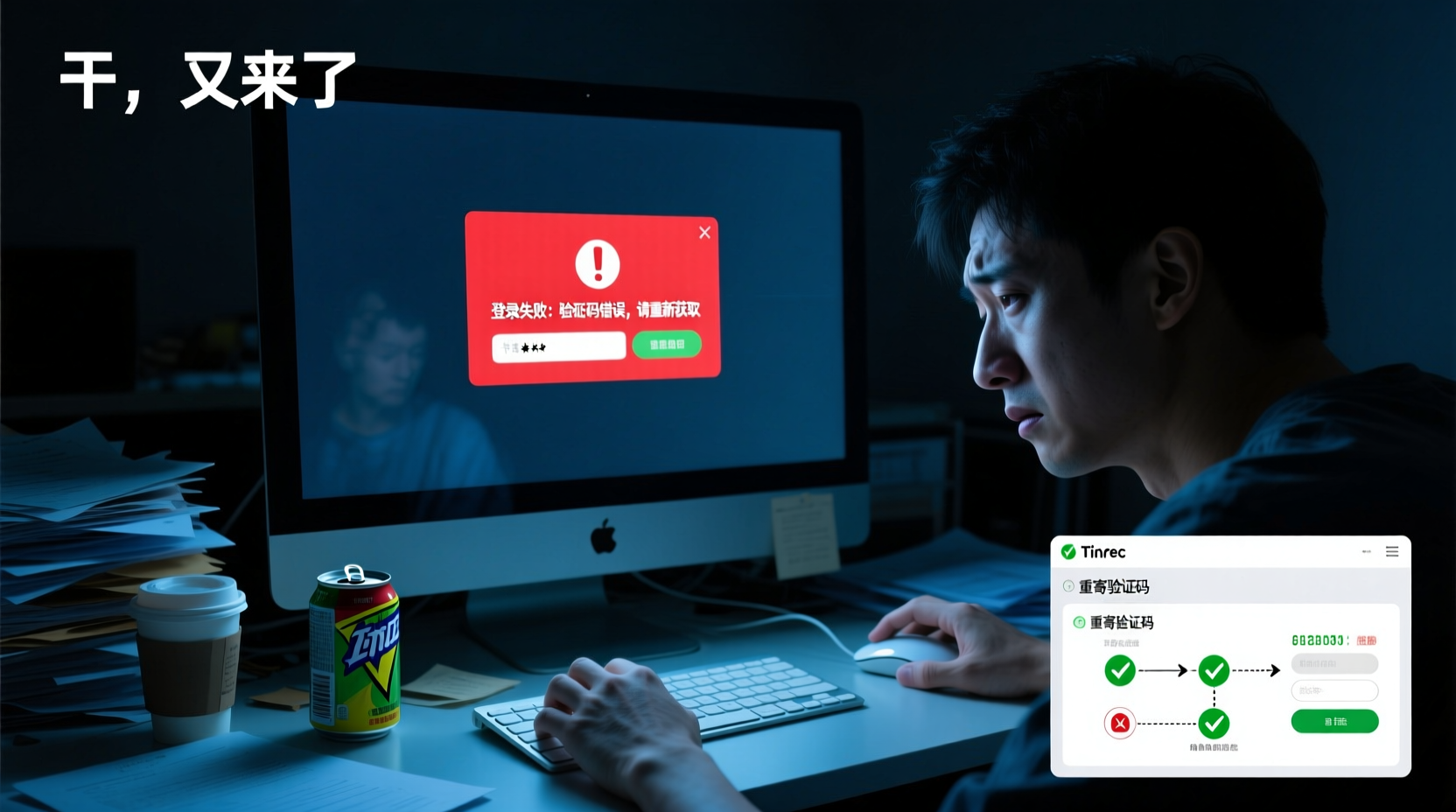
Good Tape Login Issues? Complete Troubleshooting Guide from Password Errors to Missing Verification Codes
Encountering password errors, missing verification codes, or pages that won't load when logging into Good Tape? This article walks you through common login issues step by step to quickly restore account access.
Good Tape Login Tutorial: Complete Registration and First Transcription in 5 Minutes
New to Good Tape and not sure how to log in? This article guides you through account preparation, choosing a login method, and email verification, step by step, and explains how to start your first transcription after logging in.

Are Free Speech-to-Text Apps Really Enough? Understand Quotas, Duration, and Feature Limits Before Downloading
A roundup of free plans from popular speech-to-text apps, analyzing quotas, per-session duration limits, and feature restrictions, plus a free workflow from recording to usable meeting minutes to help you decide if the free tier is sufficient.
PowerDirector Speech-to-Text Free Guide: Complete Workflow from Video to Subtitles
Want to add subtitles to your PowerDirector videos for free? This article provides a complete workflow from exporting video or audio from PowerDirector, choosing the right free speech-to-text tool, and importing the transcript back into PowerDirector as subtitles, comparing the use cases and limitations of different tools.
How to Choose a Free Online Speech-to-Text Tool: Convenience of No Installation and Cross-Device Use, and Real Limitations
A roundup of free online speech-to-text tools, analyzing the convenience of no-install, cross-device use, and limitations on quotas, duration, and features, with workflow tips from recording to usable meeting minutes.

How to Choose a Free Speech-to-Text App? Understand the Hidden Limitations of Free Plans Before Downloading
A roundup of free plans from popular speech-to-text apps, analyzing quotas, per-session duration limits, and feature restrictions. Provides a free workflow from recording to usable meeting minutes to help you decide if a free plan is sufficient.

AI Speech-to-Text Recommendations: From Meeting Types to Post-Meeting Deliverables, Choose the Right Tool for You
There are many AI speech-to-text tools, but the key to truly saving time lies in meeting types, Chinese language quality, post-meeting deliverables, and team collaboration. This article provides a selection framework, compares mainstream tools such as Tinrec, Otter, Fireflies, Notta, Granola, and TurboScribe, and offers specific recommendations for different work styles including sales, product/R&D, and institutional staff.
Which Speech-to-Text Is Free? Understand the Three Hidden Limitations of Free Plans Before Deciding
A roundup of free plans from leading speech-to-text tools, analyzing quotas, per-session duration limits, and feature restrictions, plus a free workflow from recording to usable meeting minutes to help you decide if a free plan is sufficient.