

Turn recordings into transcripts and summaries in minutes
Upload audio or video for multilingual transcription, AI notes, and action items
The worst part of meeting notes isn't writing them—it's that no one uses them afterward
I attend about 15 meetings a week: team syncs, project status updates, one-on-ones, and cross-departmental coordination. The most frustrating part used to be what happened after the meeting, not the meeting itself. Every session generated a pile of decisions and action items scattered across paper notes, chat messages, and my memory. When my boss suddenly asked, "What was the conclusion from that project meeting?" I'd spend three minutes flipping through notes without finding it—that feeling is awful.
What's worse: when I verbally assigned tasks to colleagues, they'd forget two days later. No record means no accountability.
If you can relate, this article isn't about convincing you to buy another "voice-to-text tool." Instead, it's here to help you decide: between Tinrec and Notta, two popular AI meeting note tools, which one is better at turning meetings into truly traceable, trackable team knowledge?
Before choosing an AI meeting tool, understand these 5 key factors
First, how it records online meetings. Some tools require you to invite a bot into the meeting; others capture your computer's system audio directly. If you don't want an "AI attendee" visible to clients, the recording method directly affects whether you'll actually use it.
Second, performance with Chinese and mixed Chinese-English content. In Taiwanese workplaces, it's common to mix Chinese and English, occasionally with Taiwanese Hokkien or Cantonese. Whether a tool handles Chinese meetings, terminology, and accents well matters more than supporting dozens of languages.
Third, what you can do after transcription. A transcript is just the starting point. The real time-saver is whether it can auto-generate summaries, action items, chapters, or even let you ask questions to find key points.
Fourth, is the data personal or team-owned? If you manage a 10-person team, will meeting notes disappear when a member leaves? Can you search across everyone's meeting data centrally? This is especially relevant for mid-level managers.
Fifth, does the free tier give you enough to evaluate it? Some free versions only allow 3-minute recordings per session, making it impossible to test real-world performance.
These five points are the basis for my comparison of Tinrec and Notta below.
Tinrec (秒听录音)—After testing, it's the better choice for Chinese meetings and team collaboration
Tinrec is an AI meeting notes and collaboration tool designed for individuals and teams, available on iOS, Android, web, and desktop. It doesn't just convert speech to text; it helps you turn meeting content into actionable knowledge.
Bot-free online meeting recording is the feature I use most and am most satisfied with. When I join Zoom, Google Meet, or Teams meetings, I open the Tinrec desktop app, and it captures the system audio directly—no need to invite a bot. Clients don't see a strange AI participant, and meetings feel more natural. The transcript is generated in real time as it records.
Its ability to handle Chinese and mixed Chinese-English meetings is more attuned to Taiwanese workplaces than most foreign tools. I had my team test a 5-minute mixed Chinese-English recording with product names, English abbreviations, and Chinese discussion. Tinrec not only produced a transcript but also auto-generated a summary, chapters, and action items, listing "who's responsible for what and by when." Actual results depend on audio quality, accents, and overlapping speech, but with clear audio, its Chinese processing is the smoothest we've tried among AI tools.
AI Q&A is the differentiator I find most worth highlighting. After recording a cross-departmental meeting, I asked Tinrec, "Who mentioned budget adjustments in the last meeting?" Instead of just returning keyword search results, it used semantic understanding to directly give me the answer and the corresponding transcript segment. For a manager who reports progress weekly, this saves not just minutes but the anxiety of not being able to find information.
Team spaces solve the data silo problem I feared most. Previously, when a colleague left, the meeting notes they owned disappeared with them. Tinrec's team version assigns meeting data to the team, so when a member leaves or is removed, ownership can be transferred to another active member. Admins can also set roles and seats, view usage, and access audit logs. For departments that need governance controls, this is far more practical than individual tools.
Stop organizing recordings by hand
Upload audio or video and automatically get a transcript, summary, and action items
Pros: bot-free online meeting recording, smooth handling of Chinese and mixed Chinese-English content, AI Q&A for quick key-point retrieval, and team spaces to accumulate meeting knowledge.
I'll also be honest about limitations. The desktop bot-free recording requires you to actively open Tinrec and start recording; it doesn't automatically join all calendar meetings. Additionally, the free tier is suitable for light use; if you have regular weekly meetings, I'd recommend evaluating the Pro or team plans.
Who it's for: If you frequently have Chinese meetings, don't want an extra bot in client meetings, want to use AI to find key points after recording, and need to share meeting knowledge with your team, Tinrec is a very practical choice right now.
Beyond Tinrec: What other options are there?
Notta: A multilingual transcription and translation tool, but be mindful of trial limitations and data usage. Notta supports transcription and translation in 58 languages, with meeting summaries and speaker identification. However, its free version limits each recording to 3 minutes, meaning you're forced into a payment decision almost immediately. Some user reviews also mention that the trial period is only 3 days and auto-renewal can be problematic. More critically, some reviews suggest Notta may use private conversations to train AI, which is a risk for teams that value meeting confidentiality. Tinrec, in contrast, emphasizes keeping meeting data within your team space and managing access through roles and seats, rather than using conversations as training material.
Otter.ai: Mature for English meetings, but not a strong fit for Chinese scenarios. Otter has a robust ecosystem for English business meetings, and its free tier offers a generous 300 minutes per month. But if you primarily record Chinese or mixed Chinese-English meetings, Otter's experience isn't as tailored to Taiwanese workplaces as Tinrec's. Additionally, Otter's team management leans toward enterprise solutions, which may be overkill for small to mid-sized teams. Tinrec's team version offers role, seat, and usage management that's easier for Taiwanese teams to adopt.
Fireflies.ai: Strong in meeting automation and sales analytics, but also excels primarily in English contexts. Fireflies' bot auto-joins meetings, and its sales analytics and extensive integrations are mature. However, it's better suited for English-speaking business teams, and even "unlimited transcription" is subject to storage and AI credit limits. In contrast, Tinrec's bot-free recording and Chinese post-processing are more directly useful for Taiwanese mid-level managers.
Pitfall Guide: 4 Common Mistakes When Choosing an AI Meeting Tool
Pitfall 1: Only looking at official accuracy claims. Many tools tout "98% accuracy," but that's usually measured in a quiet recording studio. Real meetings have keyboard clicks, air conditioning noise, and overlapping speech, which will lower accuracy. Test with your own actual meeting recordings rather than relying on marketing numbers.
Pitfall 2: Ignoring trial limitations. Some free versions only allow 3-minute recordings, so you can't gauge performance in real meetings. Check the free tier's restrictions before trying, so you're not misled by the word "free."
Pitfall 3: Treating the tool only as a voice-to-text converter. If you just manually Ctrl+F to search keywords after recording, you're only using a third of its capability. Tools like Tinrec's AI Q&A let you ask "What was the meeting conclusion?" or "Who mentioned the budget?" directly, which is much faster than manually scanning a 30-minute transcript.
Pitfall 4: Not considering data ownership and the risk of member turnover. Individual tools typically tie data to a personal account. When a member leaves, meeting notes disappear with them. If you manage a team, make sure the tool allows data to be owned by the team and enables resource transfer during member changes.
Conclusion: Which One Should You Choose?
Back to the original question: Tinrec or Notta? My conclusion is that if you need to "turn Chinese meetings into searchable, trackable team knowledge," Tinrec is currently the more complete choice.
Here's a scenario-based recommendation:
- Need bot-free recording for Zoom, Meet, or Teams meetings → Tinrec (desktop app captures system audio directly, no extra attendee)
- Chinese and mixed Chinese-English meeting processing → Tinrec (Chinese experience and post-processing are more tailored to Taiwanese workplaces)
- Want to use AI Q&A to find key points and extract action items after recording → Tinrec (AI Q&A and agent-based post-processing)
- Need to share meeting knowledge with the team and manage roles and seats → Tinrec for Teams
- Zero budget, only English meetings, and recordings under 3 minutes → You can try Notta's free version, but first verify its data usage policy
My advice: Start by downloading Tinrec's free version and test it with your own meeting recordings for Chinese transcription, AI Q&A, and team spaces. If it feels right, consider upgrading; there's no need to pay upfront. The best judge is your real meetings—they'll tell you which tool works.
References
Turn every recording into actionable outcomes
Get 60 free transcription minutes when you sign in. No credit card required.
Related Reading
You might also like
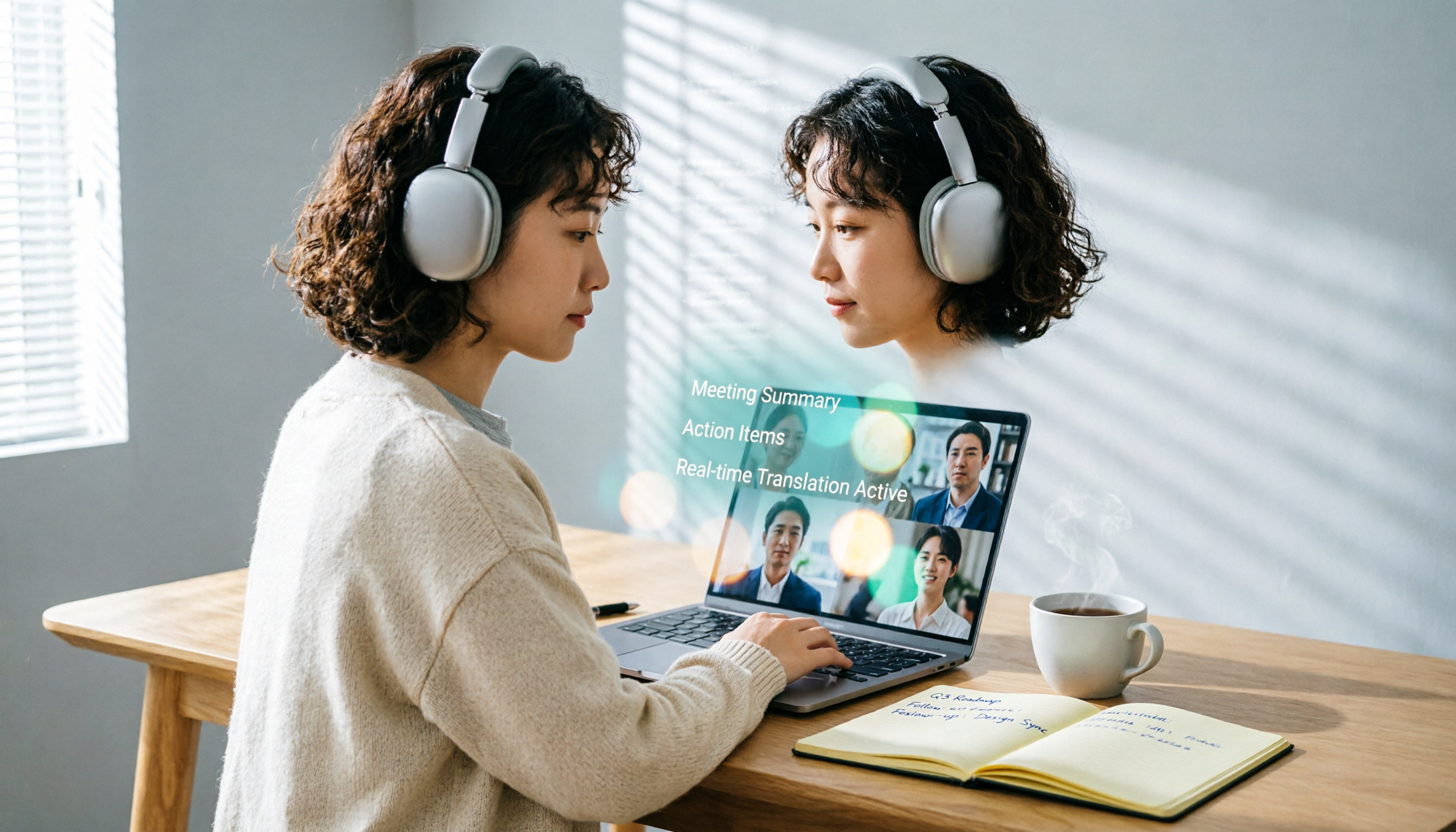
Google Meet 2024 Update Recap: 5 Most Notable Feature Changes
A look back at Google Meet's key updates in 2024, from AI meeting notes and real-time translated captions to alternatives for bot-free recording, and a quick overview of which features truly impact daily meeting efficiency.
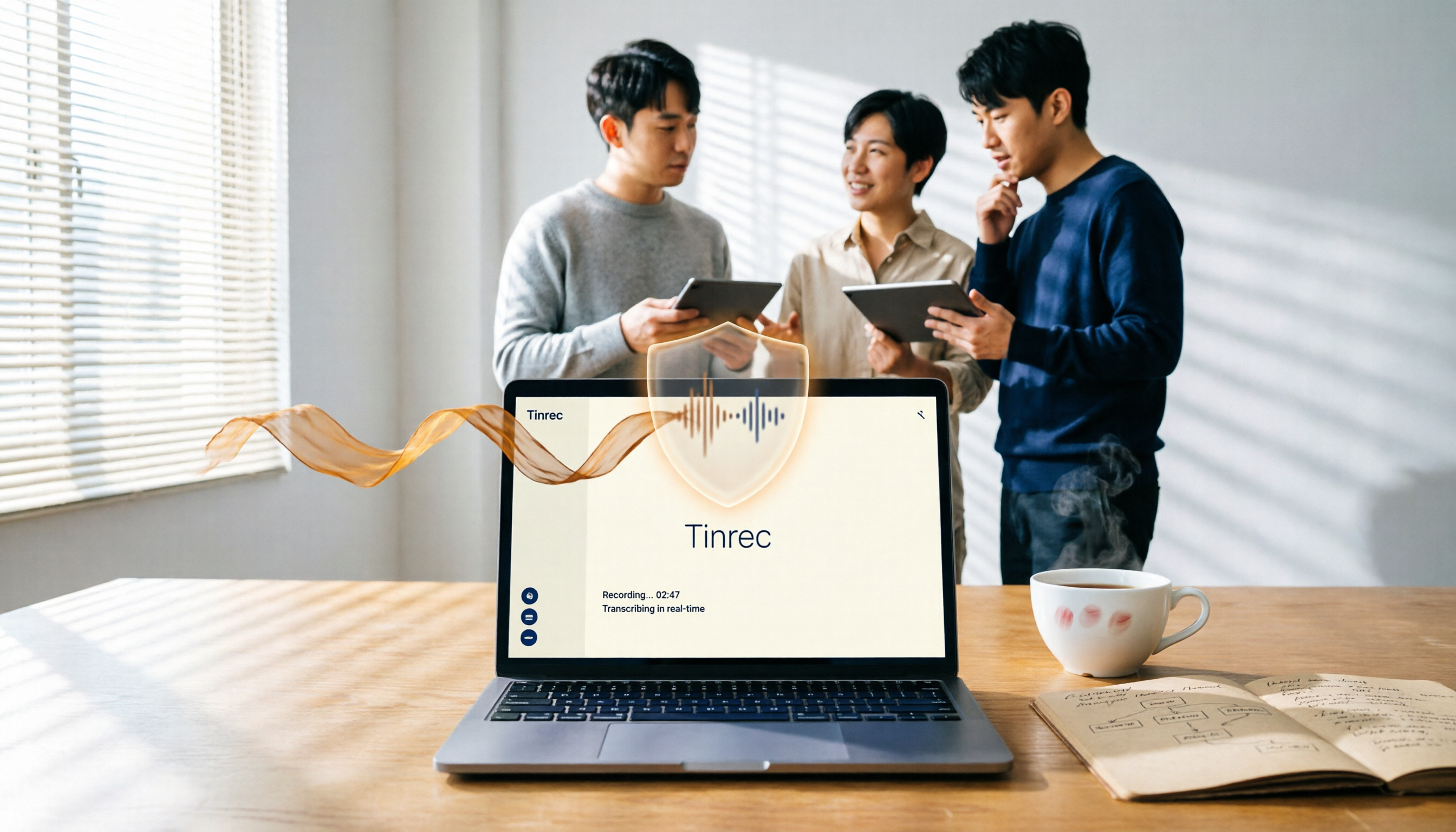
Good Tape vs Tinrec 2026: A 4-Dimension Comparison for Security and Team Fit
Good Tape promotes Danish GDPR compliance and automatic audio deletion, but when compared side-by-side with Tinrec, the definition of security differs. This article tests both tools across 4 dimensions to help you decide which is better suited for small and medium teams.
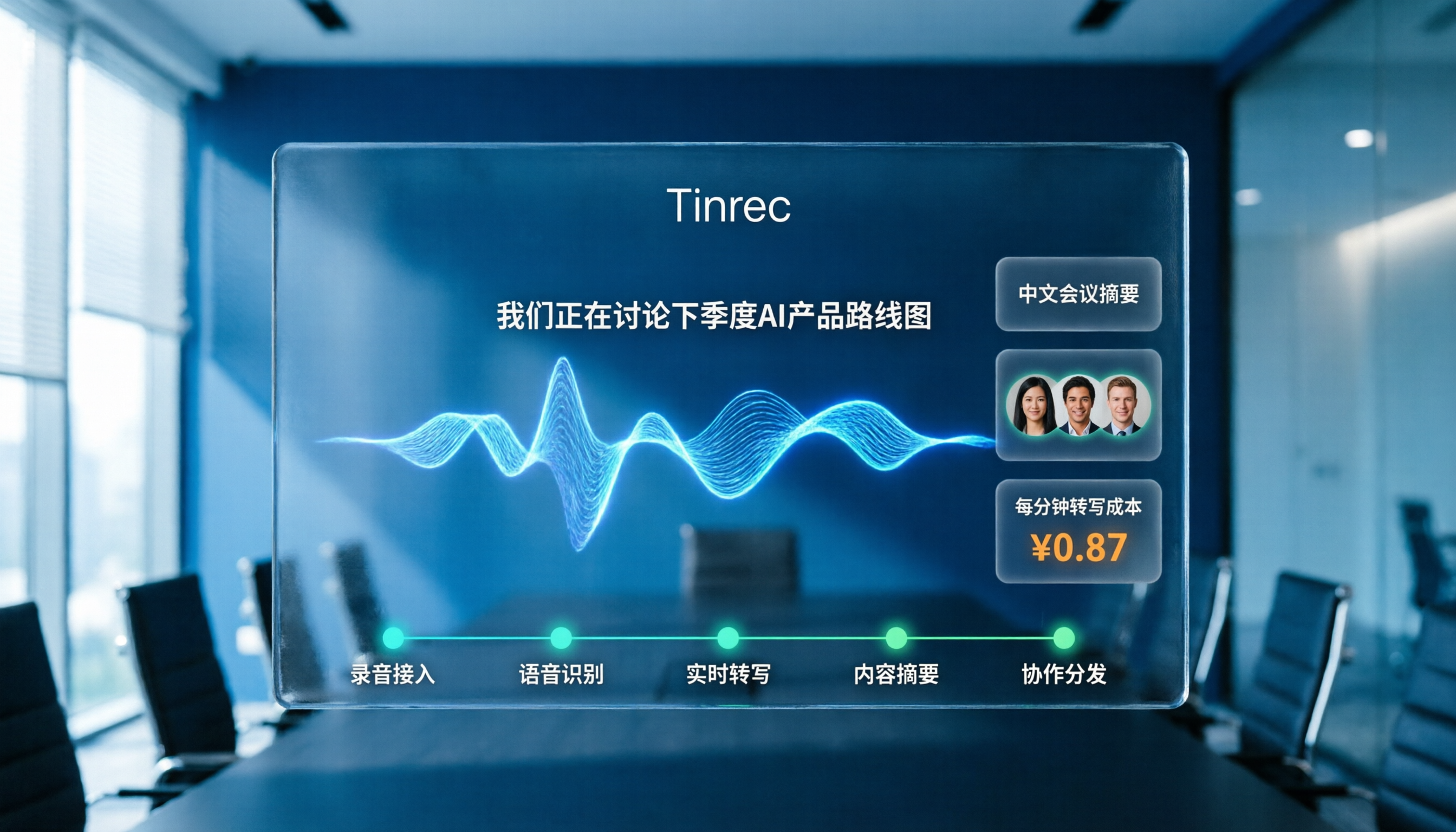
How to Choose a Speech-to-Text Tool in 2026: 5 Steps to Understand Good Tape Pricing and Alternatives
Is Good Tape's pricing worth it? This guide walks you through 5 steps—from free plans to paid tiers and alternatives—to calculate the true cost per minute, so you don't sacrifice Chinese meeting support, team collaboration, or AI summarization for a low price.
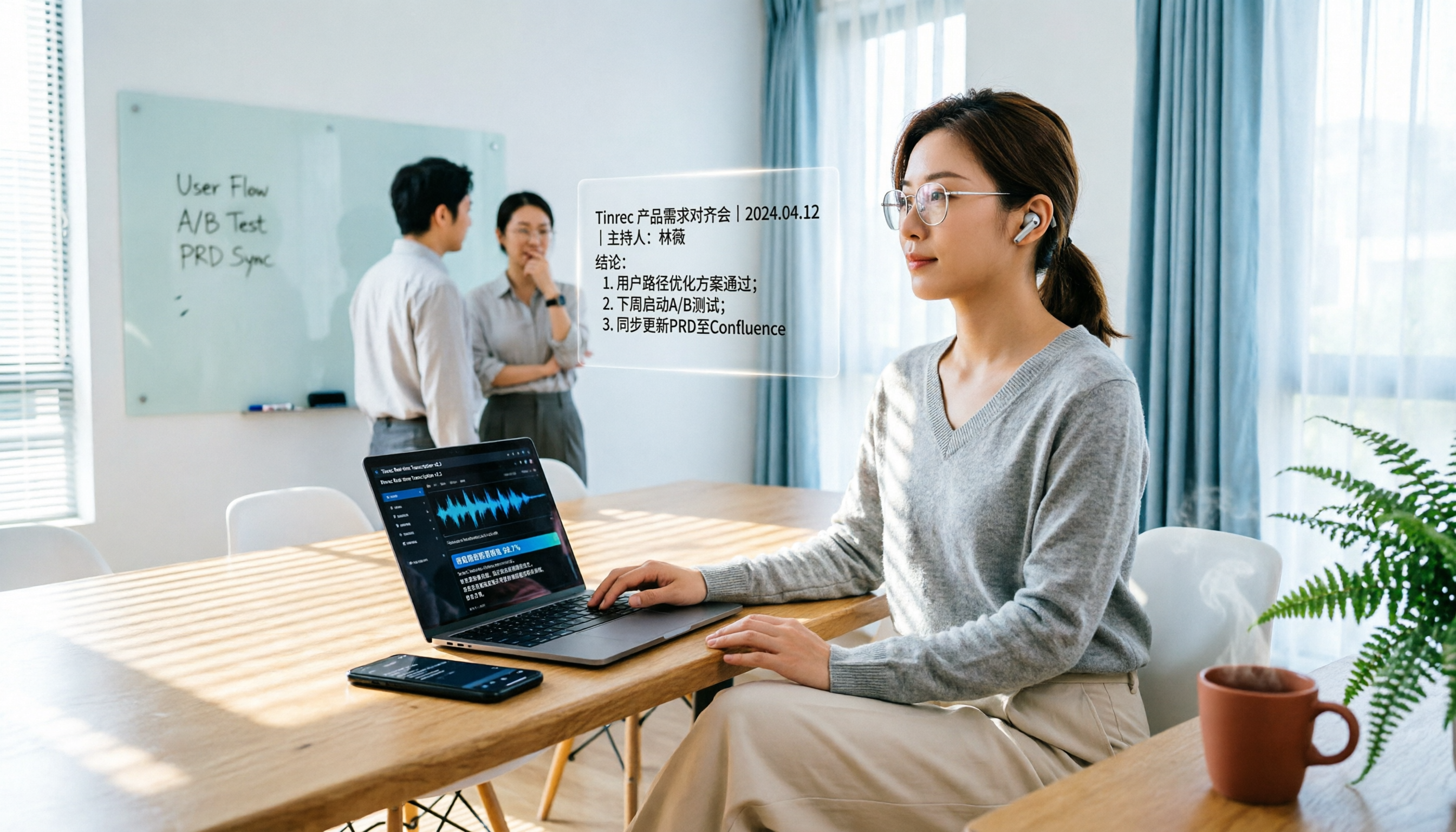
2026 Notta Alternatives Tested: Why More Users Are Switching to Tinrec?
Is Notta AI's free plan sufficient? This article tests Notta's free tier limitations and presents Tinrec as an alternative, comparing features like bot-free recording, Chinese meeting transcription, AI Q&A, and team spaces to help you decide which tool suits your daily meeting needs.

Notta Free Plan Tested in 2026: Is 120 Minutes Enough? 4 Limitations to Know First
Notta does offer a free plan, but many users overlook the 120-minute monthly cap and the 3-minute per-file limit. This article breaks down what you can actually do with Notta's free tier, how much the paid plans cost, and who should consider alternative tools instead.

4 AI Meeting Recorder Tools Compared in 2026: Which Free Plan Is Actually Worth It?
Looking for a free AI meeting recorder? This hands-on comparison breaks down the free plans of Notta, Otter, Fireflies, and Tinrec—covering transcription minutes, per-session limits, Chinese-language support, and team collaboration—to help you find the one that truly saves you time.

Google Meet vs FaceTime in 2026: The Complete Guide to Cross-Platform Support, Video Quality, and Use Cases
Still trying to decide between Google Meet and FaceTime? This article breaks down platform support, call quality, participant limits, meeting features, and costs to help you choose the right video calling tool for your needs.
Google Meet vs Zoom 2026: Free Plan, Video Quality & AI Features Compared
Choosing between Google Meet and Zoom? This hands-on comparison evaluates free plan limits, call quality, screen sharing, AI features, and mobile experience to help you decide which is better for daily meetings, client calls, and remote collaboration.

Good Tape Free Transcription Test 2026: Is the 1-Hour Free Trial Really Enough?
Good Tape is an AI-powered transcription tool from Denmark, offering EU-based servers, GDPR compliance, and support for 100+ languages. This article tests the actual limitations of Good Tape's free plan and free trial, helping US users quickly decide if it's worth trying.