

Turn recordings into transcripts and summaries in minutes
Upload audio or video for multilingual transcription, AI notes, and action items
Your Problem Isn't "No Meeting Notes"—It's Notes You Can't Actually Use
Many people think their problem is "can't record meetings." That's not really it.
The real issue: after recording a two-hour Google Meet, you still spend another two hours re-listening, typing, and organizing key points.
What's worse is Chinese-language meetings. Teams in Taiwan often mix Chinese and English—switching between project codenames and client names. Generic transcription tools often produce transcripts that make you wonder if you were even in the same meeting.
There's also a third scenario: meeting notes stored on a colleague's computer. When they leave, the notes disappear with them.
If you've experienced any of these, this article is for you.
Before Choosing an AI Meeting Note Tool, Think Through These 4 Things
First: How Does It "Get Into" Your Meeting?
This is the most critical—and most overlooked—difference.
Some tools require you to invite a bot to join your Google Meet, then wait for it to email you the notes after the meeting. The upside is automation; the downside is that some company policies don't allow external bots, and participants may get distracted by an unfamiliar attendee.
The other approach is "bot-free recording," where the tool directly captures the meeting audio from your computer. You don't need to invite any extra participants—just open the tool, hit record, and that's it.
My advice: if your meetings involve sensitive information or your company has strict restrictions on external apps, prioritize bot-free solutions.
Second: Does It Offer More Than Just a Transcript?
A transcript is the baseline, not the whole picture.
What really saves time is what comes after: automatic summaries, chapter segmentation, and action item extraction. Some tools stop at transcription, leaving you to dig through three pages of text for the key points.
You want a tool that "helps you understand the meeting after transcription."
Third: How Well Does It Handle Chinese?
This dimension is rarely emphasized in English-language reviews, but it matters most for users in Taiwan.
Meetings with mixed Chinese-English, local Taiwanese expressions, and industry jargon—that's the daily reality. Many internationally known AI meeting tools aren't as reliable at Chinese transcription as you'd expect.
Fourth: Where Do Your Meeting Notes End Up?
For personal use, notes are stored in your individual account. For team use, you need a shared space where everyone can search and review past meetings.
Otherwise, when someone leaves, the data vanishes into thin air.
Tinrec: My Top Pick After Hands-On Testing
Tinrec is an AI meeting note and collaboration tool for individuals and teams. What impressed me most is that it doesn't position itself as just a "voice-to-text tool"—it turns meetings into searchable, queryable, and further-processable data.
Record Google Meet Directly Without Inviting a Bot
The Tinrec desktop app captures your computer's system audio directly. Open Google Meet, start your meeting, then open Tinrec and hit record—it transcribes in real time in the background.
No bot joins, no unfamiliar participants, no need to explain to your company's IT department, "This is my meeting assistant."
That alone solves a real pain point for many enterprise users.
After Transcription Is Where Tinrec Really Shines
The transcript is just the starting point.
Tinrec automatically generates summaries and chapters, breaking a two-hour meeting into a structure you can quickly scan. It also extracts action items from the discussion—who's responsible for what and by when—so you don't have to fish them out of the transcript yourself.
But what impressed me most is the AI Q&A feature.
You can directly ask: "Who mentioned the budget in the last meeting?" "What was the client's biggest concern about this proposal?" It answers based on the meeting content, rather than just throwing a bunch of keyword search results at you.
This effectively turns every meeting into a queryable database.
Chinese and Mixed-Language Content Is Its Strong Suit
I specifically tested it with a product discussion recording that mixed Chinese and English, including project codenames, English product names, and Taiwanese colloquialisms. Tinrec's transcription was noticeably closer to the actual conversation than several international tools, requiring far less manual correction afterward.
It also supports real-time translation and bilingual transcripts, letting you toggle between the original and translated text during cross-language meetings.
Export Meeting Notes to Your Existing Workflow
Tinrec supports multiple export formats, letting you bring transcripts, summaries, or meeting minutes into tools like Notion, Google Docs, OneNote, and Dropbox.
This is practical for teams with established document workflows—you don't have to change how you work just to use Tinrec.
Team Plan Turns Meeting Data into a Team Asset
This is what I think makes Tinrec most worth considering for teams.
The team plan isn't just "multiple people sharing one account"—it's a dedicated collaboration space. Meeting data belongs to the team, and new members can access historical meetings immediately. When someone leaves, the data doesn't disappear with them.
Stop organizing recordings by hand
Upload audio or video and automatically get a transcript, summary, and action items
Admins can manage roles, seats, usage, and audit logs, and can also set team-specific keywords to improve recognition of industry jargon.
Limitations to Keep in Mind
Tinrec's free plan includes a basic quota; heavy users will need to pay. File imports consume shared team quota, so it's not unlimited.
Also, "bot-free recording" requires you to manually open Tinrec and start recording—it won't automatically join all your calendar meetings. For those seeking full automation, that's an extra step.
But from another angle, manual initiation also gives you complete control over when recording starts.
Who It's For
If you primarily hold Chinese-language meetings, care about bot-free recording, want AI to quickly organize key points and action items after meetings, or need to consolidate meeting data into a team space—Tinrec is currently the option most worth trying first.
Beyond Tinrec: What Other Options Are There?
Otter.ai: A Mature Choice for English Meetings
Otter is a representative AI meeting assistant product, with highly mature English transcription and meeting summarization, and it supports multiple platforms like Zoom, Meet, and Teams. However, its strength lies in English content; the Chinese meeting experience isn't as strong as English. If you primarily hold English business meetings, Otter is worth considering. But if you value Chinese performance, bot-free recording, and multi-format post-meeting organization, Tinrec better fits the needs of users in Taiwan.
Notta: A Direct Competitor with Similar Features
Notta and Tinrec have significant feature overlap—both support multi-device transcription, meeting notes, file imports, and translation. Notta's multilingual capabilities are solid, but Tinrec is more complete in bot-free online meeting recording and team data consolidation. Notta suits users who need heavy file transcription and subtitle translation, but if you want an end-to-end flow from meeting notes to team collaboration, Tinrec's team space and AI Q&A are more worth trying.
Granola: Another Route for Bot-Free Note-Taking
Granola also follows the bot-free approach, emphasizing "user notes plus AI enhancement," ideal for those who like jotting down key points during meetings. However, it doesn't support uploading pre-recorded audio files or retaining meeting audio. In comparison, Tinrec supports file imports, audio retention, real-time Chinese translation, and more export options, making it suitable for users who want to consolidate historical and live meetings in one place.
Google Meet's Built-In Transcription: The Easiest Starting Point
If you subscribe to an eligible Google Workspace plan, Google Meet's built-in "Take notes for me" feature can generate meeting notes directly to Google Docs. The advantages are zero additional installation and deep integration with Workspace. The limitation is that language support currently focuses on English, French, German, Italian, and others, with limited applicability for Chinese scenarios. Plus, it's tied to the Google ecosystem—if you need cross-platform organization or richer post-meeting processing, a standalone tool offers more flexibility.
Pitfall Guide: 4 Common Mistakes When Choosing AI Meeting Note Tools
Pitfall 1: Comparing Only Price, Not "What Happens After Transcription"
Many people focus solely on monthly cost and minute quotas. But what truly drives efficiency differences is the functionality after transcription.
With the same transcript, some tools stop there, while others can generate summaries, extract action items, and answer questions. The latter is where real time savings happen.
Pitfall 2: Ignoring Data Ownership When Team Members Leave
With personal tools, meeting notes get scattered across individual accounts. When someone leaves, their meeting notes disappear with them.
If you're using a tool as a team, make sure to confirm data ownership and handover mechanisms. This matters more than any transcription accuracy rate.
Pitfall 3: Assuming "Auto-Join Meetings" Is Always Better
Meeting bots are convenient, but not every scenario suits them. Company security policies, attendee privacy, and meeting sensitivity can all make bot-based solutions impractical.
Bot-free recording, while requiring manual initiation, gives users greater control and a lower adoption barrier.
Pitfall 4: Treating AI Meeting Notes as "Zero Proofreading Needed"
AI transcription can drastically reduce manual organization time, but it's not 100% accurate. Accents, background noise, and overlapping speech can all affect results.
My approach: use AI to generate a draft and key points, then verify important decisions against the transcript and recording. This way, you're both fast and thorough.
Summary: Which One Should You Choose?
If you hold Chinese-language Google Meet meetings, need bot-free recording, AI post-meeting organization, and want to turn meeting data into a team asset—Tinrec is my top pick after hands-on testing.
Here's a scenario-based recommendation:
- Primarily Chinese meetings, want bot-free recording → Tinrec (excellent Chinese performance, desktop app captures system audio directly)
- Want to use AI to find key points and ask questions after meetings → Tinrec (AI Q&A and action item extraction are core strengths)
- Need team-shared meeting data, member and usage management → Tinrec Team Plan (dedicated space, role and seat management)
- Only English meetings, limited budget → Otter.ai free plan (300 minutes per month, mature English support)
- Already subscribed to Google Workspace and only use English → Google Meet built-in notes (zero extra cost, but limited Chinese support)
Start with Tinrec's free plan, test transcription and organization with your own real meeting recordings, then decide whether to upgrade. Only your own meeting content can tell you which tool truly works.
References
- Use AI in meetings and video conferences | Google Workspace
- Google Meet's "Take notes for me" feature - Computer - Google Meet Help
- AI meeting notes and "Take notes for me" in Google Meet with Gemini | Google Workspace
- Recently, many people have asked me if there's an AI tool for meeting notes. They still type manually, often can't multitask, and it's quite time-consuming. My answer is always — SeaMeet. Why recommend it? Here are the key points: -Tied to Google Meet, online meetings get real-time transcription with instant summaries, super convenient. -No need to reorganize; after the meeting, it emails all participants directly. -So easy to use, I taught middle-aged and older people with zero AI experience in 10 minutes. -In-person meetings
- Meeting Ink - AI Meeting Note Assistant, Auto-Transcribe and Summarize Meeting Notes
Turn every recording into actionable outcomes
Get 60 free transcription minutes when you sign in. No credit card required.
Related Reading
You might also like
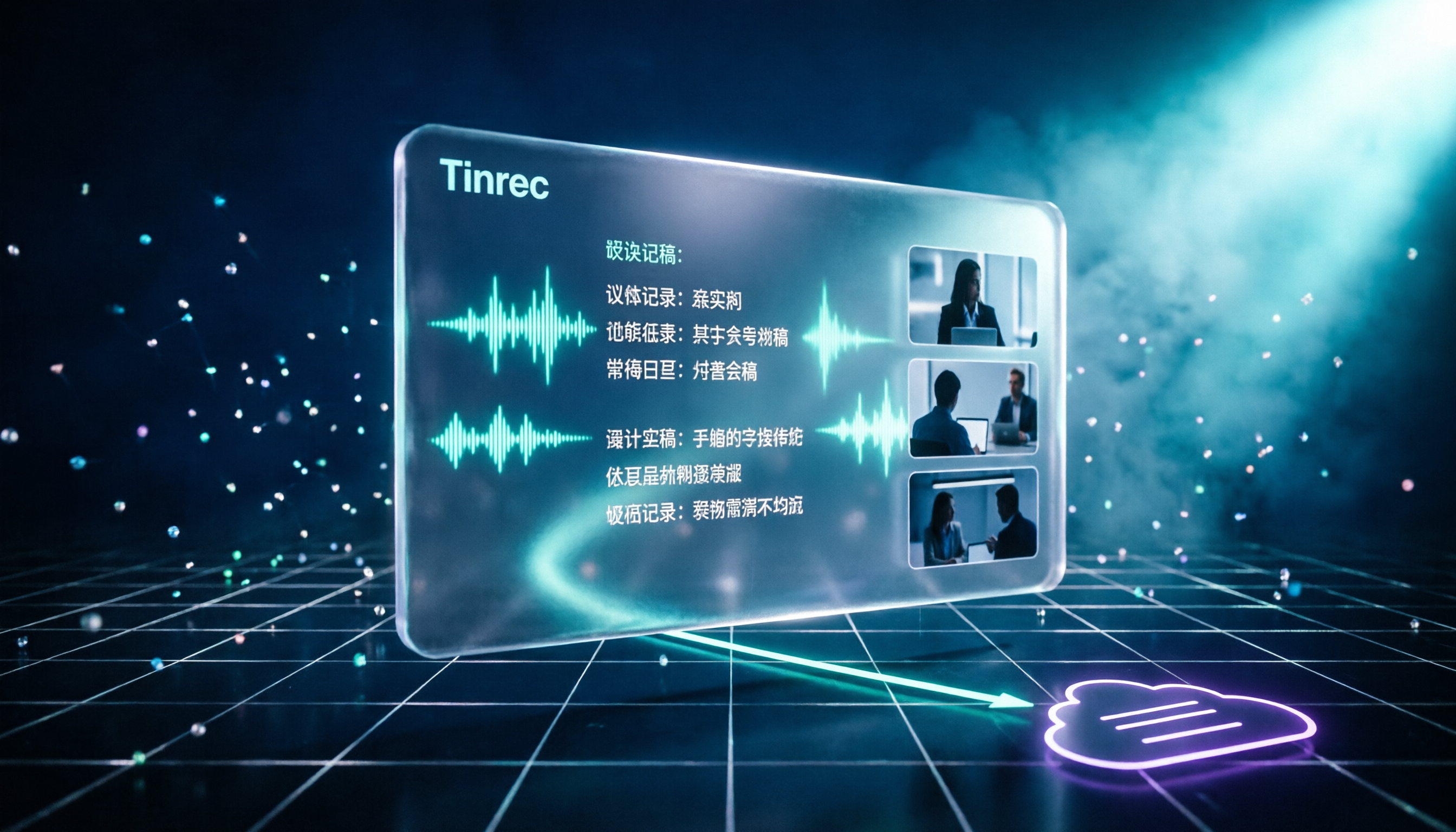
2026 Hands-On Comparison of 3 AI Meeting Recorders: How to Choose a Free Option for Google Ecosystem Users?
Do you use Google Meet for meetings and Google Docs for organizing notes, but still rely on manual meeting minutes? This hands-on comparison tests 3 AI meeting recorders, covering bot-free recording, Chinese transcripts, free tiers, and Google Docs export, to help you find the most time-saving solution for Google ecosystem users.

5 Best AI Meeting Transcription Tools in 2026: Free vs Paid Plans Compared
Struggling to keep up with meeting notes? This article compares 5 AI meeting transcription tools, covering bot-free recording, Chinese speech recognition, AI summaries, and team collaboration. We break down free plan limits and offer practical recommendations to help you find the perfect meeting note assistant.

5 Best AI Meeting Recorder & Note-Taking Tools in 2026: Which Free Plan Is Actually Enough?
AI voice-to-text and meeting note tools come with varying free-tier limits. This article compares 5 practical tools—covering free quotas, recording methods, transcripts, summaries, and team collaboration—to help you decide which fits your meeting scenarios best.

6 Best AI Transcription Tools Compared in 2026: Which Free Plan Is Worth It?
A practical comparison of AI transcription and speech-to-text tools worth trying in 2026, including Tinrec, NotebookLM, Yating, Vocol.ai, cSubtitle, and Notta. We break down free allowances, Chinese recognition accuracy, meeting notes, and team collaboration features to help you find the best fit.

5 Best AI Meeting Note Tools Tested in 2026: Which Free Plan Is Worth It?
Choosing the right AI meeting notes tool can be tricky. This article tests five tools, including Tinrec, on transcription, summarization, team collaboration, and free-tier limits to help you find the most time-saving solution for Chinese and online meetings.

Notion AI Meeting Notes in 2026: Is the Free Plan Enough? 3 Limitations You Should Know
Notion AI Meeting Notes can automatically record, transcribe, and generate summaries, but the free plan, browser version, and mobile app each have their own limitations. This hands-on review covers step-by-step instructions, cross-device differences, audio file locations, and FAQs to help you decide if it's worth using.

Is Notta Safe in 2026? A 4-Factor Hands-On Comparison: Privacy, Security, Pricing, and Alternatives
Is Notta safe? This article helps you determine whether Notta is trustworthy by examining four key areas: data encryption, compliance certifications, privacy policies, and user reviews. It also compares Notta and Tinrec across transcription, meeting summarization, and team collaboration to help you make a more informed choice.
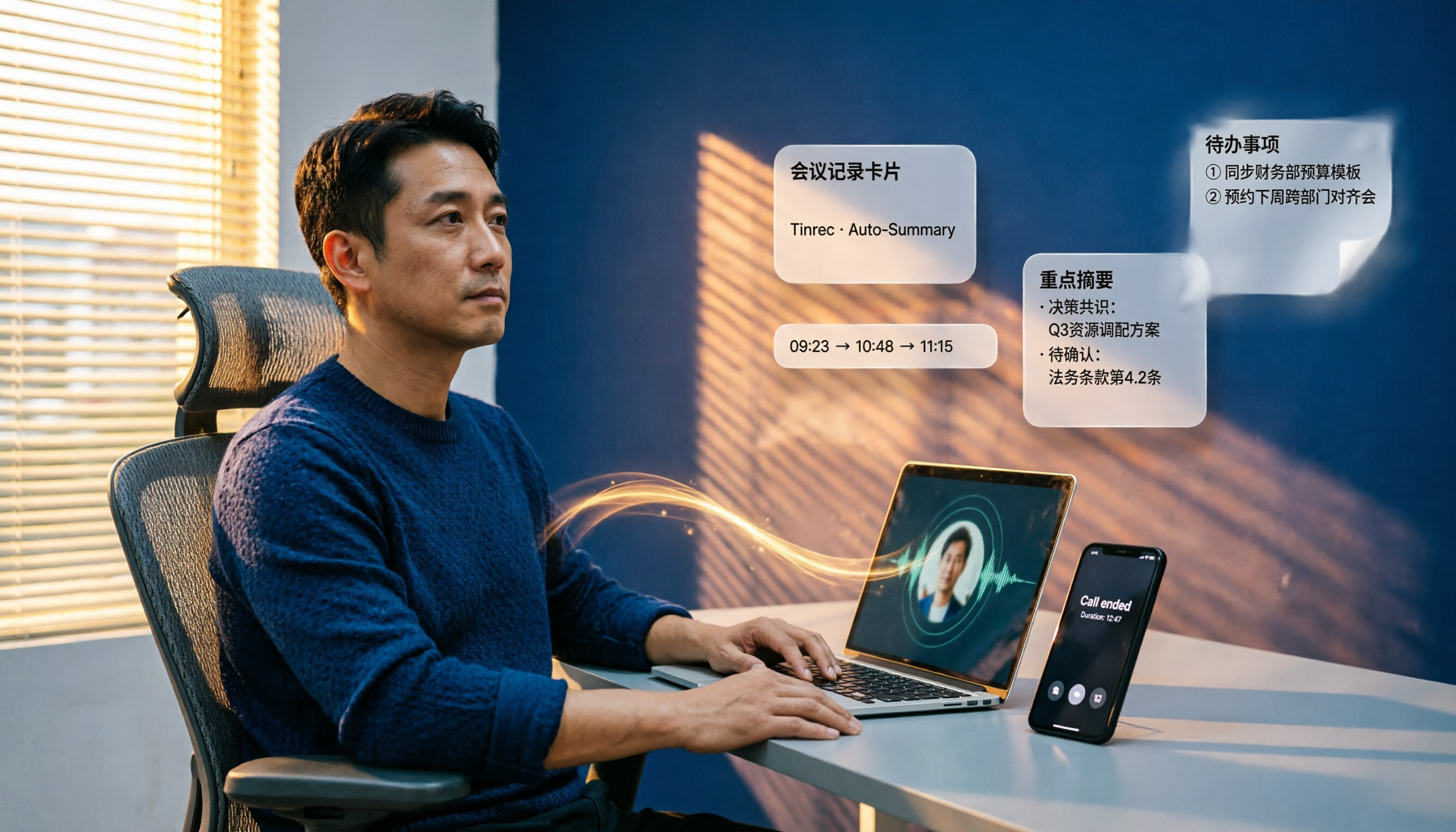
Google Meet vs Facebook Messenger in 2026: Which One for Meetings and Calls?
Based on real meeting needs of a mid-level manager, this article compares Google Meet and Facebook Messenger in terms of meeting records, call quality, cross-platform support, and team collaboration, and explains why tools like Tinrec are needed to fill the gaps after meetings.

Google Meet vs Microsoft Teams in 2026: Which One Should Small Teams Choose?
After using Google Meet and Microsoft Teams, I found that most teams don't need to pick just one. This article covers real meetings, file collaboration, learning curves, and cross-platform experiences to help you decide which tool fits which scenario—and why adding a bot-free AI meeting notes tool can unify your meeting records across both platforms.