
Turn recordings into transcripts and summaries in minutes
Upload audio or video for multilingual transcription, AI notes, and action items
Why Is Google Meet Camera Not Working? Don't Rush to Restart
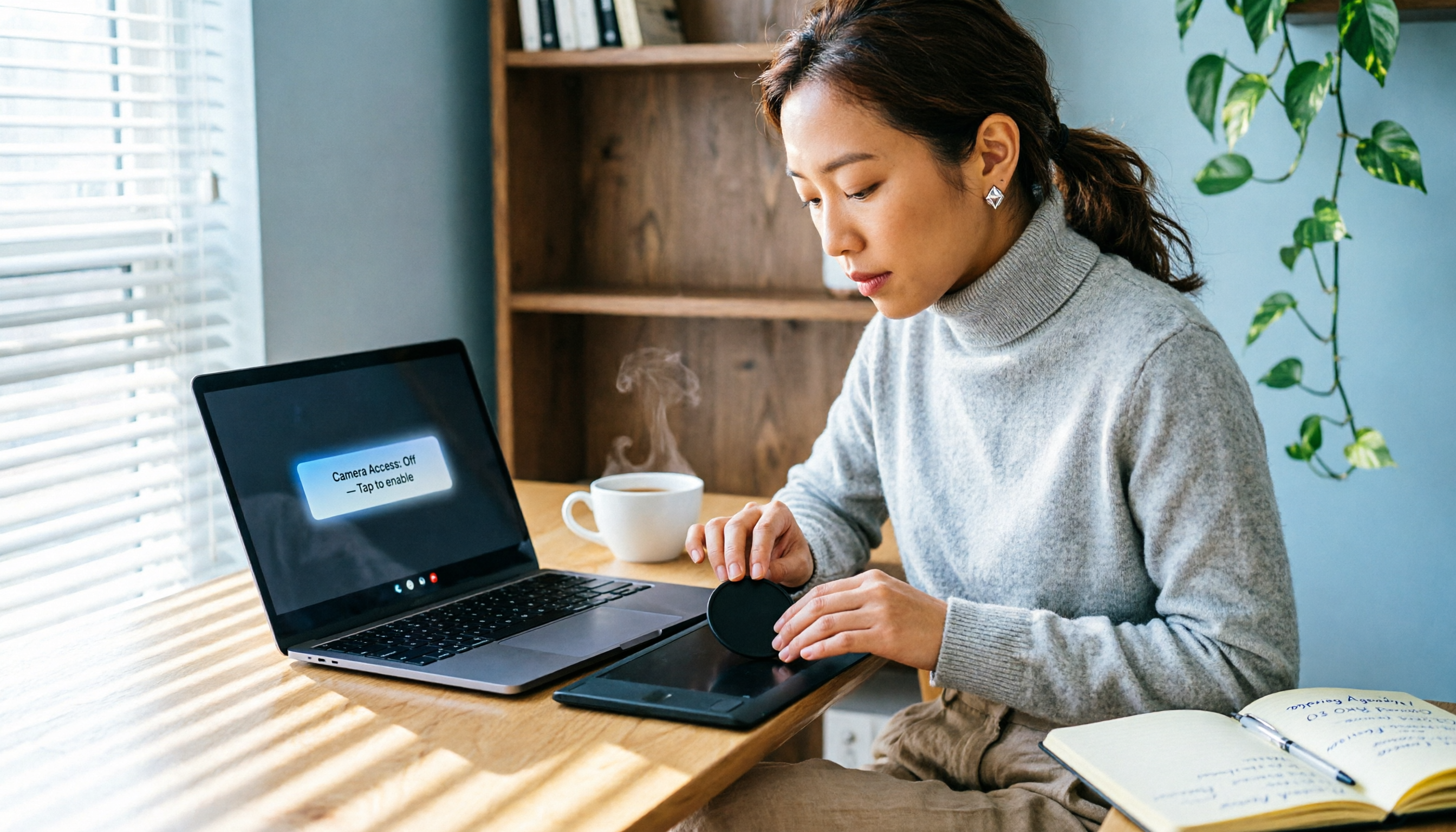
When you open Google Meet before a meeting, the screen is either completely black or shows a 'camera not found' error. What's more frustrating is that the same camera works fine in Zoom, Teams, or the Windows Camera app—only Meet fails to detect it.
This issue can occur with both built-in laptop cameras and external webcams. In most cases, the lens isn't broken; the problem lies in browser permissions, system settings, or Meet's device selection. Below, we'll walk through troubleshooting steps in order, starting with the most common and quickest fixes.
4 Key Checks Before Troubleshooting
1. Is the Camera Actually Detected by the System?
First, test with the system's built-in camera app. On Windows, use the 'Camera' app; on macOS, use Photo Booth. If you don't see a picture there, the issue is usually with the driver, privacy shutter, or hardware connection—not Google Meet.
2. Is the External Camera Selected Correctly?
Meet sometimes auto-selects a virtual camera, capture card, or screen share. Go to Meet's 'Settings' → 'Video' and make sure you've selected the physical camera name, not something like OBS Virtual Camera or EpocCam.
3. Is the Privacy Shutter or Switch Closed?
Some laptops have a physical shutter above or beside the lens. When closed, the system may still show the camera as present, but the screen will be black. Some models use an orange or red LED to indicate the privacy switch is active.
4. Is Another App Using the Camera?
Having Zoom, Teams, OBS, or other video services open in another browser tab can prevent Meet from accessing the camera. Close all programs that might use the camera, then refresh the Meet page.
Google Meet Camera Not Working: 5 Troubleshooting Steps Tested
Step 1: Check Browser Permissions
Google Meet requires explicit camera authorization. Click the lock or settings icon on the left side of the address bar, find the 'Camera' option, and ensure it's set to 'Allow.' If you accidentally blocked it before, Meet will keep showing that it can't access the camera.
Step 2: Disable Browser Hardware Acceleration
This is the most overlooked yet effective method in practice. In Chrome, go to 'Settings' → 'System' → turn off 'Use graphics acceleration when available,' then restart Chrome. Some users see their Meet camera recover immediately after disabling hardware acceleration.
Note that disabling hardware acceleration may prevent Meet's background effects from working, but having a functional camera is more important.
Step 3: Clear Browser Cache and Site Data
Outdated cache or corrupted site data can affect Meet's camera access. After clearing browsing history, cookies, and cache, log back into your Google account and test again. Before clearing, make sure to back up bookmarks and other personal data.
Stop organizing recordings by hand
Upload audio or video and automatically get a transcript, summary, and action items
Step 4: Update or Reinstall Camera Drivers
In 'Device Manager,' find 'Imaging devices' or 'Cameras,' uninstall the device, then scan for hardware changes to let the system reinstall the driver automatically. For external webcams, it's recommended to download the latest driver from the manufacturer's official website.
Step 5: Reset Browser Settings or Use Incognito Mode
If the above steps fail, open Meet in incognito mode to rule out extension interference. Some ad blockers, privacy, or video-related extensions can block camera permissions. If incognito works but normal mode doesn't, the issue lies in extensions or browser settings.
Beyond Self-Troubleshooting: What Else to Watch For?
- Company or School Devices: Administrators may disable camera permissions via policy. For such devices, you'll need to ask IT staff to adjust settings.
- Outdated Browser Version: Meet has minimum browser version requirements. Update to the latest Chrome, Edge, or Firefox.
- Firewall or Antivirus Software: Some security software may block video streams. Temporarily disable them to test, then re-enable after confirmation.
Pitfall Guide: 3 Common Mistakes When Troubleshooting Google Meet Camera
Pitfall 1: Judging the Camera as Broken Based Only on Meet's Error Message
'Camera not found' doesn't equal hardware failure. First, test with the system camera app. If the system works but Meet doesn't, the problem is almost always in browser or permission settings.
Pitfall 2: Changing Too Many Settings at Once
If you disable hardware acceleration, clear cache, and reinstall drivers simultaneously, you won't know which step actually fixed it. Change one variable at a time to build your own troubleshooting experience.
Pitfall 3: Ignoring Extension Interference
Many people install multiple video or privacy-related extensions but forget they might conflict. Using incognito mode for a quick test can save a lot of back-and-forth time.
Summary: When Google Meet Camera Fails, Do These 3 Things First
When the camera doesn't work in Meet, the most efficient diagnostic sequence is:
- Other apps can't detect the camera either → Check hardware shutter, drivers, and system camera settings
- Only Meet can't detect the camera → Check browser permissions, hardware acceleration, and extensions
- External camera shows no picture → Confirm Meet has selected the correct device and reconnect the USB port
If you're using a company or school device, ask IT staff to check device management policies—it's more time-efficient than repeated self-testing. Most Meet camera issues can be diagnosed within 10 minutes, so there's no need to rush into repairs or buying a new lens.
References
- Troubleshoot camera issues in a meeting - Google Meet Help
- camera in google meet not working - Microsoft Q&A
- r/techsupport on Reddit: Why is my camera not working for google meet but it works for other things like zoom?
- Why is My Google Meet Camera Not Working? | Claap
- "camera not found" in google meet - Google Meet Community
Turn every recording into actionable outcomes
Get 60 free transcription minutes when you sign in. No credit card required.
Related Reading
You might also like

The Complete Guide to Google Meet Recording in 2026: Does Recording Stop When the Host Leaves? Everything You Need to Know
Does Google Meet recording stop when the host leaves? This article explains the conditions for recording to stop, where recordings are saved, and how long they are kept, based on real meeting scenarios. It also compares the difference with Tinrec's desktop recorder, which works without a bot, helping you avoid losing meeting records.

Google Meet Whiteboard Tools Tested in 2025: Which of the 3 Free Options Is Best?
Want to use a whiteboard in Google Meet? This article tests 3 whiteboard tools that work directly in meetings, comparing installation, collaboration smoothness, and storage/export capabilities to help you decide which is best for remote meetings and online co-creation.
Google Meet Microphone Not Working in 2026: 8-Step Troubleshooting Guide
A silent microphone in Google Meet can disrupt your meeting. This guide covers 8 actionable steps—from browser permissions and system settings to hardware connections—to help you get your audio back quickly.
Why Is Google Meet Free in 2026? 3 Truths About the Free Plan and Its Limitations—Tested and Compared
Google Meet isn't free because Google is being generous—it's because the cost is shifted to your time and data. This article breaks down the real differences between the free plan and paid Workspace tiers, helping you decide when to stick with the free version and when to upgrade.

4 Best Video Conferencing Tools Compared in 2026: From Free Plans to Large Meetings
Want to use Microsoft Teams for video conferencing but unsure how the free plan, paid plans, and other tools differ? This guide breaks down Teams' core video meeting features, step-by-step setup, and how it stacks up against other popular tools—so you can quickly decide if it's right for you.

The Complete Guide to LINE IN Recording in 2026: From Wiring Basics to Classroom Recording
LINE IN recording is not the same as recording LINE calls—it involves using a 3.5mm audio cable to directly capture sound from an external device into a recorder. This guide explains what LINE IN is, the required equipment, how to connect everything, common pitfalls, and practical applications for recording classes and tutoring sessions.

How to Record Microsoft Teams Meetings in 2026: A 5-Step Guide from Start to Archive Management
Recording a Teams meeting is more than just hitting a button. This guide walks you through permissions, storage locations, and expiration settings in 5 repeatable steps, so you never lose a recording or miss a save before it expires.

3 Ways to Start a New Meeting in Teams in 2026: Which One Won't Mess Up Your Workflow?
There's more than one way to start a new meeting in Teams, but using the wrong method can scatter your meeting notifications, calendar, and chat history. This article takes a methodological approach to help you rethink the process behind 'creating a meeting.'

How to Join a Teams Meeting in 2026: Anonymous, Guest, and Verified Access Explained
Do you need to sign in to join a Teams meeting? This guide covers real-world scenarios like meeting links, browser access, mobile devices, and one-time passcodes, outlining the limits of joining without an account and the features you unlock when signed in—so you can pick the best way to join.