

Turn recordings into transcripts and summaries in minutes
Upload audio or video for multilingual transcription, AI notes, and action items
Starting with a Common Misconception
Many people get stuck on the idea of "buying Google Meet."
They think they need "better call quality" or "more complete meeting features."
But looking back, what really bothers them is often something else: after the meeting ends, the content just fades away.
Decisions discussed, agreed action items, key client requirements—all remain trapped in a recording or vague memory.
So, instead of rushing to compare which Google Meet plan is the best deal, first clarify: are you solving a "meeting" problem or a "post-meeting organization" problem?
In this article, I'll draw on my experience coaching teams to help you rethink this.
First, Clarify: "Buying Google Meet" Usually Means One of Three Things
Option 1: You Want a Google Workspace Subscription
Many people search for "buy google meet" because they want to unlock advanced Google Meet features.
For example, longer meeting durations, recording, attendance reports, or AI meeting summaries.
These features are mostly bundled into paid Google Workspace plans, not sold separately for Google Meet.
I'd suggest you first determine: do you need features "during the meeting" or "after the meeting"?
If it's the former, a Workspace subscription might be enough.
If it's the latter, keep reading.
Option 2: You Want Google Meet Room Hardware
If your team has a dedicated meeting room, you might consider purchasing Google-certified Meet hardware devices.
The value of these devices is that people in the room can join meetings with one click, without everyone huddling around a laptop.
However, note that Meet hardware requires a Google Workspace subscription, and each device needs a corresponding license.
Hardware kits typically don't include a display; you'll need to buy a screen separately.
So, this route suits teams with physical meeting rooms that frequently hold hybrid meetings.
If your team mostly joins meetings from their own desks, hardware isn't a priority.
Option 3: What You Really Want Is "Meeting Content That Stays, Is Findable, and Usable"
This is the real need I see most often.
Everyone is engaged during the meeting, but a week later, when you need to find "what was that decision again," you end up digging through emails and chat logs.
So, rather than just buying a "meeting tool," think about how to turn meeting content into a long-term team asset.
Comparing 4 Common Approaches
Approach 1: Google Meet Built-in Recording + Manual Organization
This is most people's initial choice.
Press record during the meeting, then listen back, take notes, and organize key points afterward.
The advantage is no extra cost; the downside is high post-meeting effort.
A one-hour meeting might take another half hour to listen back and organize.
If you have five meetings a week, the accumulated time is significant.
Approach 2: Meeting Bot Joins to Record
Some tools join Google Meet as a bot, automatically recording and generating transcripts.
This is convenient, but some people are uncomfortable with an extra "participant" in the meeting.
For external client meetings, the perception of a bot joining also needs consideration.
Approach 3: Bot-Free Desktop Recording + AI Organization
This is the method I currently prefer.
For example, Tinrec's desktop app captures your computer's system audio directly, so no extra bot needs to join the meeting.
You open Tinrec, start recording, and it transcribes Google Meet audio in the background.
When the meeting ends, the transcript, summary, chapters, and action items are already organized.
You don't need to re-listen to the recording or open a separate document to type notes.
Approach 4: Google Meet Hardware + Standalone AI Recording
If your team already has meeting room hardware, you can pair it with a standalone AI recording tool.
The hardware ensures smoother meetings, while the AI tool captures and organizes the content.
They don't conflict; they complement each other.
Why I've Come to Prefer "Bot-Free Recording + AI Organization"
It Turns "Post-Meeting Organization" from a Burden into Something Automatic
Previously, after a meeting, my first task was to open a note-taking app and quickly jot down key points while my memory was fresh.
Stop organizing recordings by hand
Upload audio or video and automatically get a transcript, summary, and action items
Now, I just open Tinrec before the meeting, and after it ends, I directly review the generated summary and action items.
Who said what, what conclusions were reached, and what needs follow-up—all already organized.
It Makes Meeting Content Searchable and Queryable
This is what I find most valuable.
In the past, meeting notes were written and stored in some document, and finding a specific detail later meant relying on memory.
Now, I can directly ask Tinrec: "What were the client's concerns about pricing last time?"
It answers based on the meeting content, rather than just handing me the entire transcript.
It Keeps Meeting Data Within the Team
The biggest problem with personal notes is that once that person leaves, the data disappears with them.
Tinrec's team space centrally stores meeting data, and members can view historical meeting content.
Admins can manage seats and permissions, and also see team usage and activity logs.
For teams that need to accumulate meeting assets over time, this is a practical benefit.
5 Things to Watch When Choosing a Meeting Recording Solution
1. Confirm Whether "Post-Meeting Organization" Is Your Real Pain Point
If you only meet occasionally, manual organization might be manageable.
But if you have more than three meetings a week and often spend time organizing afterward, it's worth investing in a smoother approach.
Tinrec's value lies in automating the organization step, not just recording audio.
2. Consider Whether the Recording Method Disrupts the Meeting
Some solutions require a bot to join the meeting, which can be disruptive both internally and externally.
Tinrec uses bot-free desktop recording, so no extra participant is needed, keeping the meeting atmosphere natural.
3. Check What Comes After the Transcript
Transcription is just the first step.
More importantly: are there summaries, action items, AI Q&A, and export features?
Tinrec doesn't just provide transcripts; it also organizes meeting content into reports, tables, and documents.
4. Ensure Language Support Matches Your Meeting Scenarios
If you often hold meetings in Chinese or mixed Chinese-English, the tool's Chinese processing capability is crucial.
Tinrec supports Chinese and multilingual meetings, and also offers real-time translation.
5. Separate Personal Use from Team Needs
For personal use, you can start with a free version or a short-term plan.
For team use, confirm there are member management, seat allocation, usage analytics, and data handover mechanisms.
Tinrec's team version provides a dedicated space where meeting data belongs to the team, and data doesn't leave with individuals when members change.
Frequently Asked Questions
Can Google Meet be purchased separately?
Regular users cannot purchase Google Meet separately. Advanced Google Meet features are mostly included in paid Google Workspace plans. If you need more comprehensive meeting organization, you can pair it with a standalone AI recording tool.
How can I record Google Meet without a meeting bot?
You can use a bot-free desktop recording tool. For example, Tinrec's desktop app captures your computer's system audio, so no extra bot needs to join the meeting, and it can transcribe meeting content in real time.
What else can be done after converting meeting audio to text?
Good tools don't just provide transcripts. Tinrec further generates summaries, chapters, and action items, and supports AI Q&A, multi-format export, and exporting content to tools like Notion and Google Docs for continued use.
Will meeting data disappear when a team member leaves?
If you use personal notes, data likely goes with the individual. Tinrec's team version assigns meeting data to the team, and when a member exits or loses their seat, their resources can be handed over to other members.
What should I be particularly careful about when using such tools?
Recording and transcribing involve others' voices, so be sure to comply with local regulations and obtain participants' consent when necessary.
Conclusion
Going back to the initial search: "buy google meet."
What you really need might not be "buying a meeting tool," but rather establishing a workflow where "meeting content can be preserved, found, and used."
Google Meet solves "how to hold a meeting," but post-meeting organization, follow-up, and accumulation are what truly determine team efficiency.
If you have online meetings every week and want to stop being tied down by post-meeting organization, give Tinrec a try.
Start with the free version, record a meeting, and experience what it feels like when "the organization is already done by the time the meeting ends."
Test it step by step, and you'll gradually master this approach.
References
Turn every recording into actionable outcomes
Get 60 free transcription minutes when you sign in. No credit card required.
Related Reading
You might also like

Google Meet Time Limits Explained: Free 60-Minute Rule, Paid Plan Differences, and How to Recover After a Meeting Ends
Google Meet's meeting time limits aren't a single number—they depend on your account type and how many people are in the meeting. This article explains the difference between group meetings and one-on-one calls on free personal accounts, what Workspace paid plans can lift, how admin settings can affect limits, and practical ways to turn an interrupted meeting into a transcript and action items.
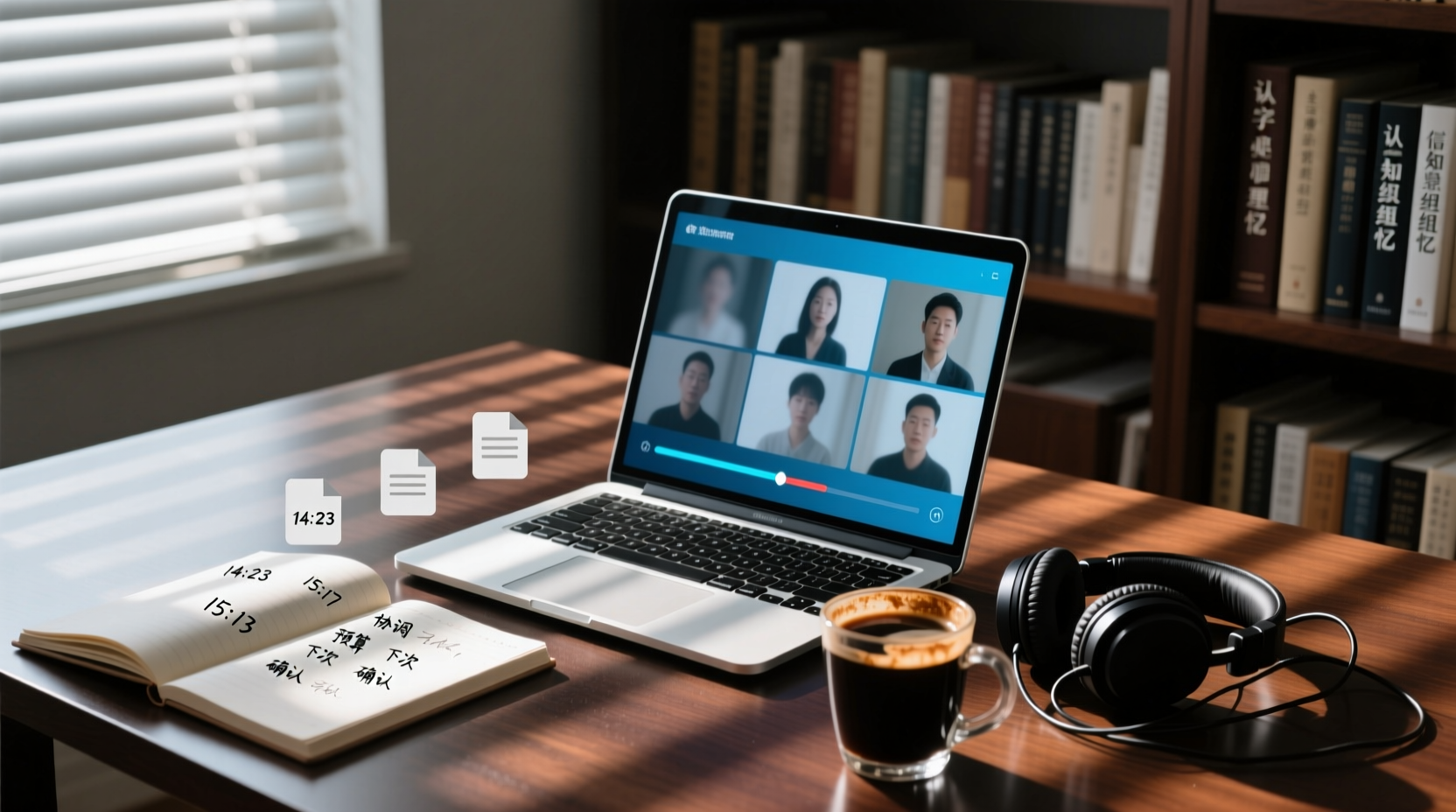
What Is Google Meet Recording? It Leaves a Video File, Not Meeting Minutes
Google Meet's built-in recording is a Workspace plan feature that requires a participant to start it manually, and it leaves a video file stored in the meeting organizer's Google Drive. This article explains the prerequisites, file ownership, and sharing methods, and covers the post-meeting workflow from video file to transcript, summary, and action items.
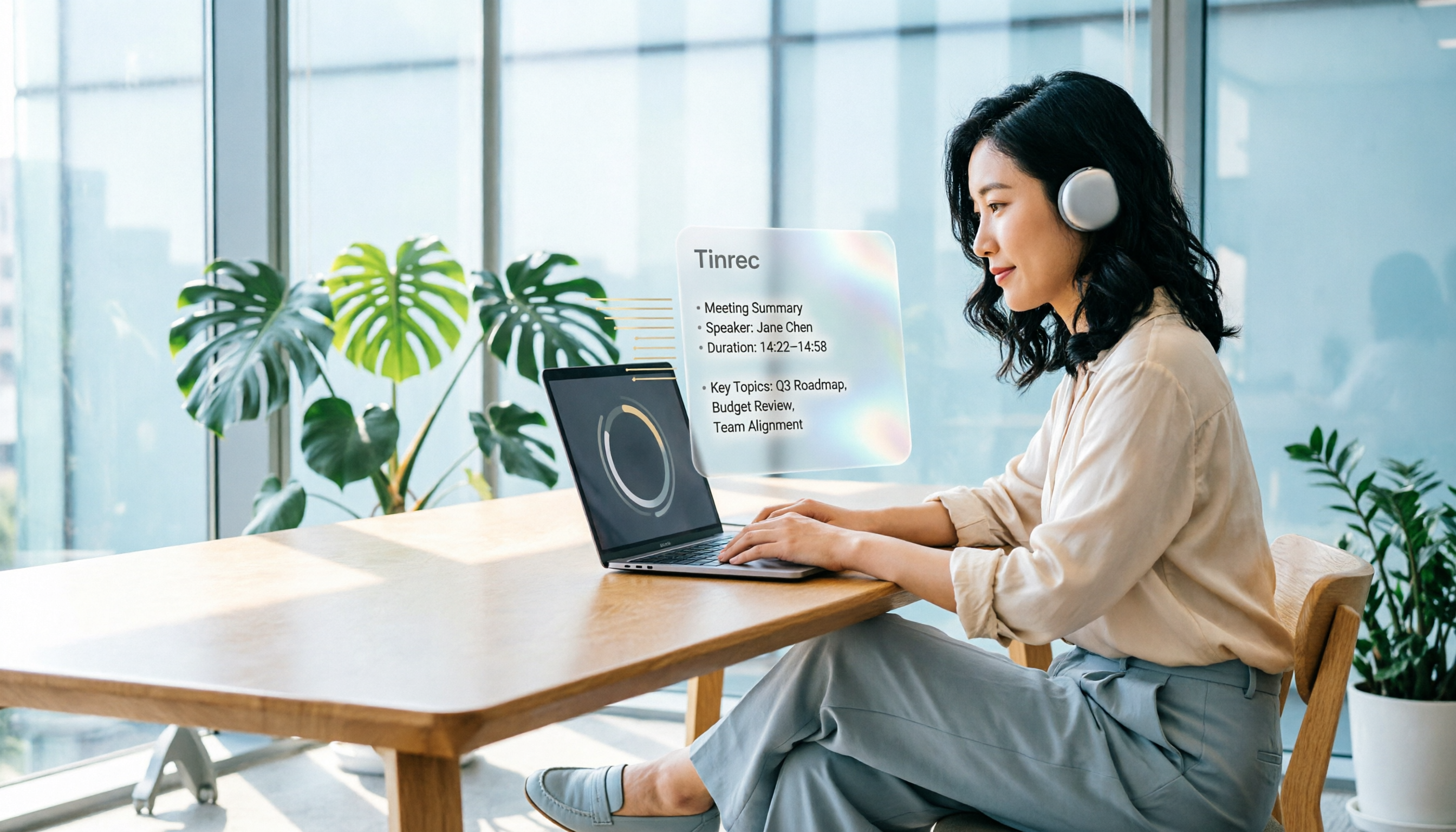
7 Best Google Meet Extensions Tested in 2026: Which One Saves You the Most Time on Meeting Notes and Control?
This article tests 7 Google Meet extensions, comparing meeting notes, time management, and AI transcription features, along with free vs. paid plans, to help you find the best fit for your workflow.
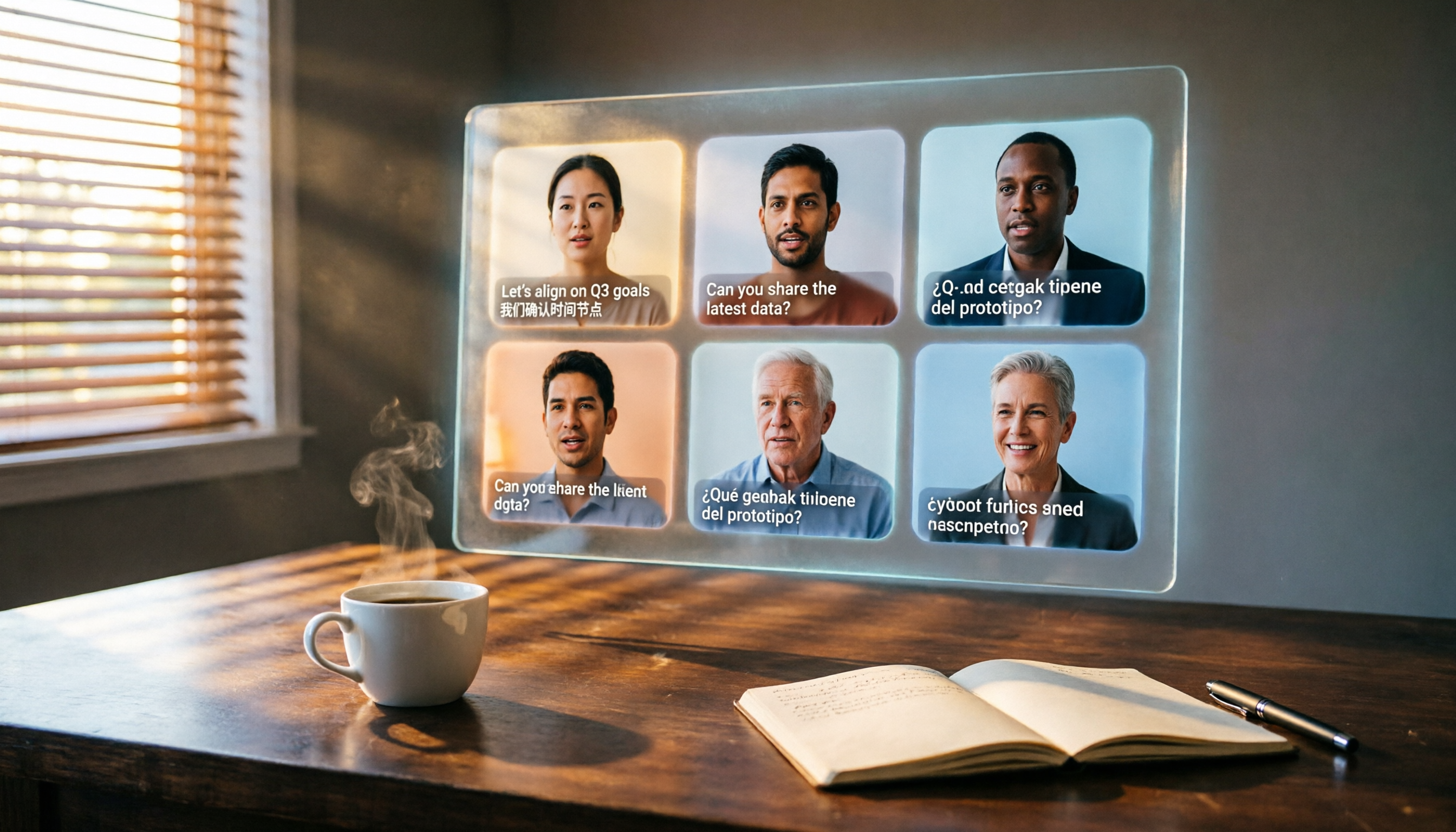
Google Meet Breakout Rooms in 2025: A Practical Guide to 3 Setup Methods and Hosting Workflow
Google Meet breakout rooms are a key feature for online meetings, classes, and workshops. This article covers the 2025 availability requirements, differences between desktop and mobile, the host's step-by-step workflow, and common issues around recording, transcription, and participant limits—helping you quickly determine if your meetings are a good fit.

4 Best Google Meet Headsets Tested in 2026: Which Offers the Best Call Clarity and Noise Cancellation?
When using Google Meet, microphone clarity and noise cancellation matter more than audio quality. This article tests 4 headsets ideal for Google Meet, evaluating call quality, microphone noise reduction, comfort, and connection stability to help you find the best choice for remote meetings.

Best Headsets for Google Meet in 2026: 7 Tested Picks for Clear Remote Meetings
Choosing the right headset for Google Meet? This guide reviews 7 top headsets and meeting audio solutions for 2026, comparing microphone noise cancellation, connection stability, comfort, and budget to help you find the best option for remote work.

Google Meet Pro in 2026: A Hands-On Comparison of 4 Upgrade Options Before You Pay
People searching for 'buy google meet pro' usually aren't looking for an official Google product but for an advanced solution that fills gaps like recording, transcription, and AI summaries. This article compares official Google Workspace upgrades, Meet extensions, and third-party AI meeting tools, covering price, features, and who each is best for.

Google Meet Subscription Guide 2026: Free Plan, Gemini, and Upgrade Options Explained
Trying to buy a Google Meet subscription but unsure whether to choose Google Workspace or Google One AI Premium? This article covers Google Meet free plan limitations, how to unlock advanced features, subscription purchase steps, and FAQs to help you quickly decide which plan suits office workers, individual users, and small to medium teams.

5 Best Google Meet Backgrounds Tested in 2026: Professional Picks Without the Guesswork
Tired of messy or dull meeting backgrounds? This hands-on guide tests multiple Google Meet virtual background sources, from free stock libraries to dynamic options, and covers resolution, system requirements, and step-by-step replacement instructions to help you find the perfect meeting background.