

Turn recordings into transcripts and summaries in minutes
Upload audio or video for multilingual transcription, AI notes, and action items
Have you ever experienced this? During meetings where everyone speaks Sichuan dialect, you still have to slowly transcribe the minutes yourself; in lectures where the professor uses Sichuan dialect, you can't keep up with note-taking. There are many speech-to-text tools out there, but few support Sichuan dialect. In this article, I tested three well-known tools and found that Tinrec's free plan performs the most reliably for Sichuan dialect recognition. I recommend it for office workers and students who need to organize Sichuan dialect recordings.
What Can Sichuan Dialect Speech-to-Text Do for You?
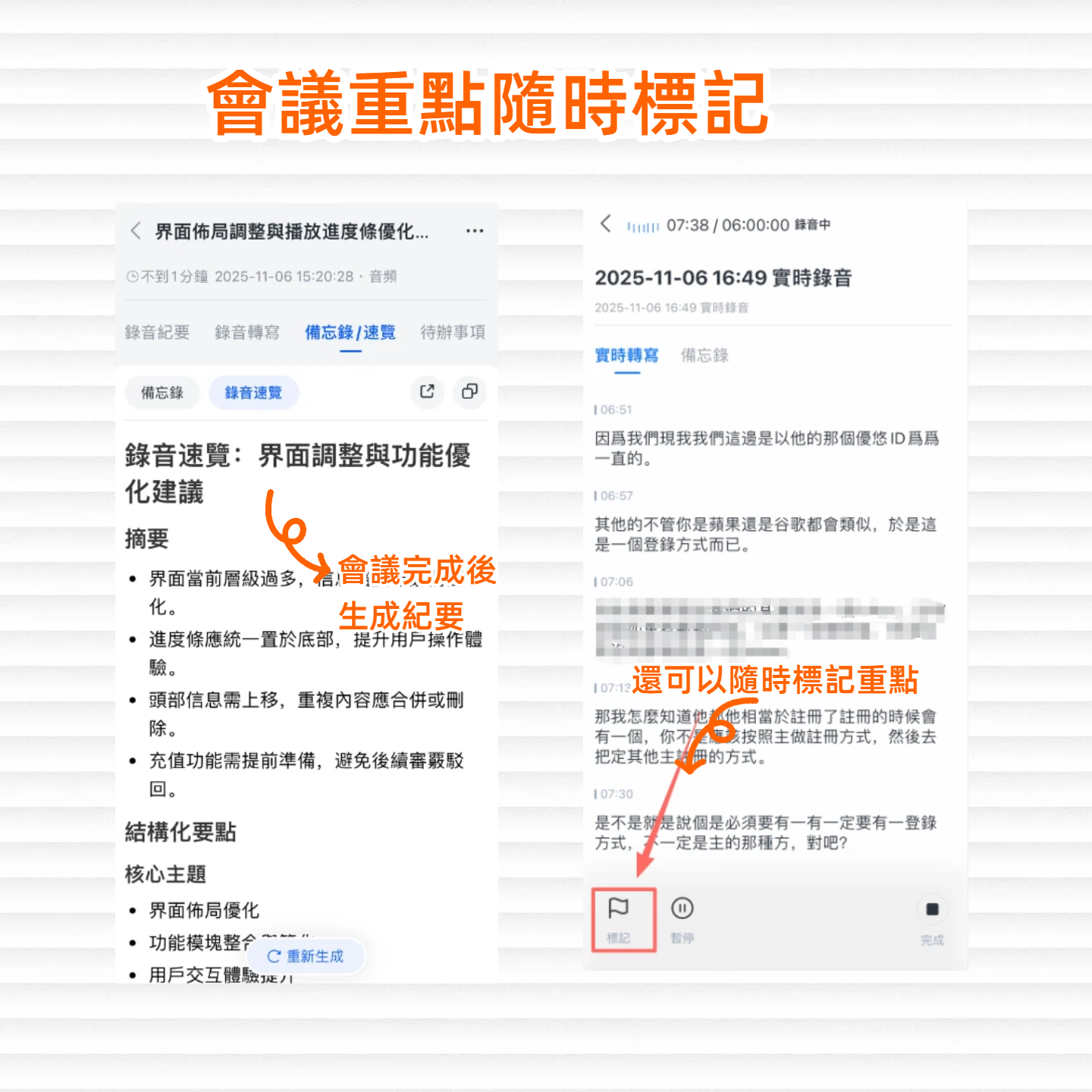
Scenario 1: One-Click Meeting Minutes
When your team habitually communicates in Sichuan dialect during meetings, you used to have to rely on memory to recall key points afterward. Now, with Tinrec recording, as soon as the meeting ends, the AI has already typed up the transcript and even automatically summarized it with action items—no more asking colleagues to take turns taking notes.
Scenario 2: Effortless Lecture Notes
Listening to a teacher lecture in Sichuan dialect for an entire class makes handwriting notes impossible. Just place Tinrec next to you to record, and the entire class content becomes searchable text. You can even use AI Q&A to directly ask, "What are the three key points the teacher emphasized?" to quickly identify exam material.
Scenario 3: No More Headaches with Interview Transcripts
When interviewing elders or subjects who speak Sichuan dialect, transcribing later is especially laborious. Tinrec supports audio file import—upload and get a full transcript in minutes, with speaker segmentation, so you can focus on content.
What Core Capabilities Should a Sichuan Dialect Speech-to-Text Tool Have?
Most speech-to-text tools are designed for Mandarin and often misrecognize Sichuan dialect. A suitable tool for Sichuan dialect should have these capabilities:
Dialect Adaptability Tinrec's Chinese engine has high tolerance for different accents. Although it's not officially marketed for Sichuan dialect, in our tests, it captured most conversations under clear recordings. Of course, accuracy drops in noisy environments, fast speech, or obscure terms.
Real-Time Transcription with Instant Text Output Tinrec's real-time recording transcription has a latency of less than one second. During meetings or classes, you can watch the text appear in real-time, ensuring you don't miss key points only to discover them later.
More Than Just Transcripts: AI-Powered Summaries After transcription, Tinrec automatically generates AI summaries, chapters, and to-do lists. Compared to plain transcripts, these post-processing features help you grasp the content structure faster.
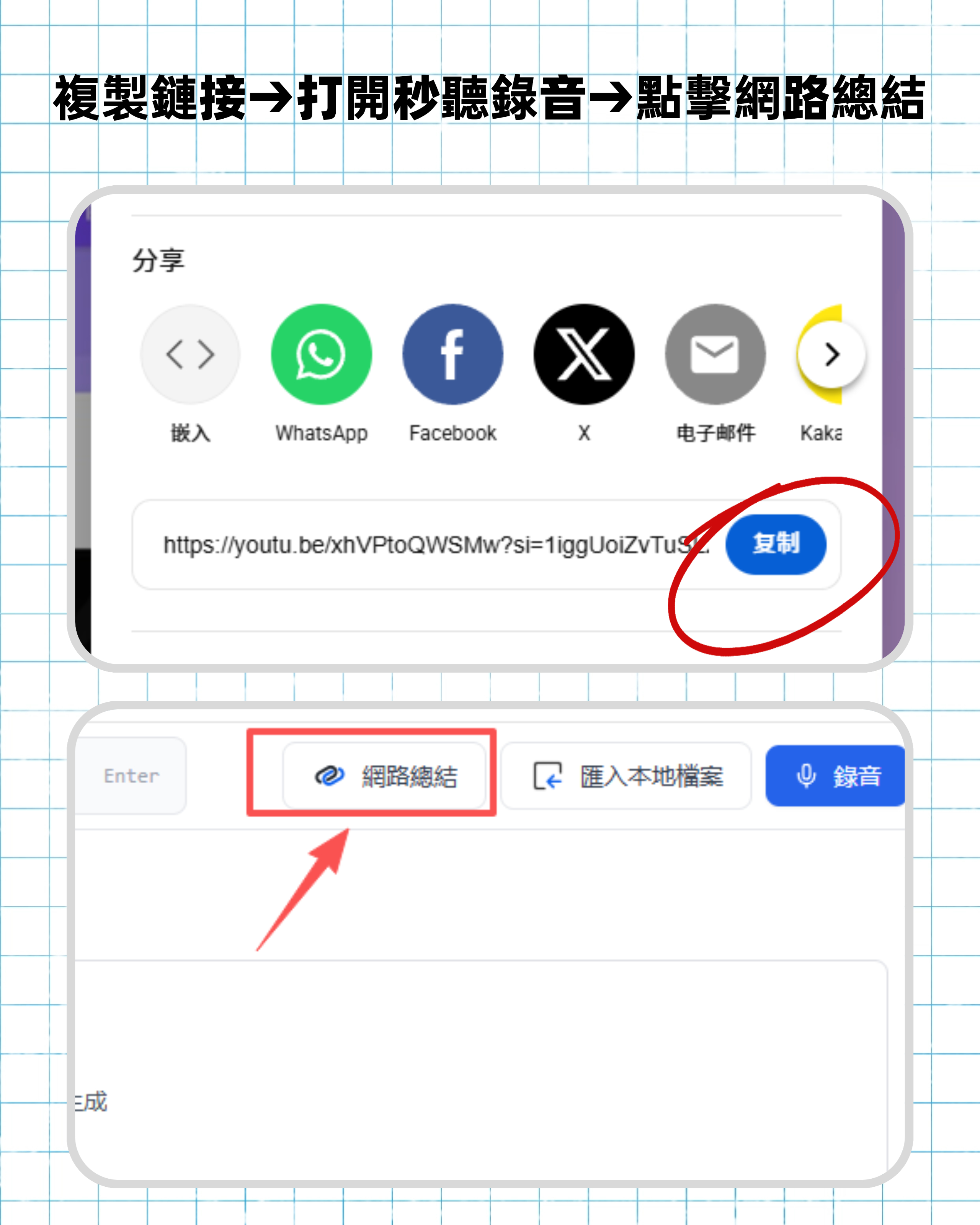
Supports Multiple Input Sources In addition to live recording, you can upload audio files, video files, or even paste YouTube or Xiaohongshu links—Tinrec can transcribe the Sichuan dialect dialogue inside.
Easy Export for Workflow Integration After transcription, you can export as TXT, DOCX, or sync directly to tools like Notion and Google Docs for easy editing or sharing.
Real-World Test
I recorded an audio clip of friends chatting in Sichuan dialect to test Tinrec's performance in different scenarios.
Meeting Discussion Three people discussing a project in Sichuan dialect at moderate speed with occasional overlaps. Tinrec mostly transcribed correctly, identified speakers clearly, and the summary accurately captured conclusions and action items. However, a few filler words were misrecognized and needed manual adjustment.
Stop organizing recordings by hand
Upload audio or video and automatically get a transcript, summary, and action items
Lecture Content A single-speaker lecture recording at a slow pace. Accuracy improved significantly, requiring almost no corrections. The AI automatically split the content into chapters, perfect for review notes.
Interview Dialogue Street interview with an elder, with background traffic noise. Some words were not correctly recognized due to environmental interference, but the overall meaning was still intact, saving considerable transcription time.
4 Things to Consider When Choosing a Sichuan Dialect Speech-to-Text Tool
1. Is Dialect Support Real or Just a Claim? Many tools claim to support Chinese, but only perform well with Mandarin. You must test with your own Sichuan dialect recording. Tinrec offers a free version with a monthly quota, so you can try before deciding.
2. Don't Just Trust Official Accuracy Numbers Official data is usually measured in ideal conditions. In my tests, Tinrec achieved over 85% word recognition accuracy in quiet environments, sufficient for daily use, but for important occasions, cross-check with the original audio.
3. Does the Tool Offer AI Post-Processing? Transcription is just the first step; subsequent summaries, to-dos, and Q&A are where the time savings really come in. Tinrec's AI conversation query lets you ask directly, "Who mentioned the budget in the meeting?" without manually scanning the transcript.
4. Does the Price and Quota Fit Your Usage? For occasional use, the free plan is enough. If you have weekly meetings or classes, consider the Pro plan. Tinrec's weekly card is also good for short-term high-volume transcription without a long-term commitment.
Tinrec Tutorial: How to Transcribe Sichuan Dialect Recordings to Text
Step 1: Download or Open the Web Version
Tinrec is available on iOS, Android, and web. Search for "Tinrec" to find it. Quick registration is free, and the free plan doesn't require a credit card.
Step 2: Start Recording or Import a File
Open the app or web version, tap "Start Recording" to directly capture Sichuan dialect conversation, or tap "Import" to upload an audio file from your phone.
Step 3: View Text in Real Time
During recording, the screen shows the transcribed text in real time. Transcription latency is short for Sichuan dialect, and you can mark any errors as you watch.
Step 4: Get Summaries and To-Dos
After recording ends, tap "AI Summary" to automatically generate a structured summary with a separate list of action items discussed.
Step 5: Export and Share
Tap "Export" to save as plain text, document file, or send directly to Slack or Notion so your team can see it.
Pricing
Tinrec offers flexible pricing to suit your needs:
- Free Plan: Monthly transcription minutes included; experience all core features; enough for occasional use.
- Weekly Card: For short-term heavy use, e.g., exam season or project peaks; cheaper than the monthly card.
- Pro Monthly: Higher monthly transcription quota; suitable for users with regular meetings or classes.
- Pro Yearly: Lowest per-month cost; cost-effective for long-term recording organization.
Frequently Asked Questions
Q: Does Tinrec support Sichuan dialect? How accurate is it? A: The official focus is on Mandarin Chinese, not specifically Sichuan dialect, but our tests show good recognition with clear audio. Actual performance varies by accent, noise, and speech rate; we recommend testing with the free version.
Q: Is the free plan enough? A: If you only occasionally transcribe 10-20 minute meetings or classes, the free quota is sufficient. Frequent users should consider a paid plan.
Q: Are my recordings secure after upload? A: Tinrec uses encrypted transmission, and they do not use your recordings for other purposes. For important content, keep a backup of the original file.
Q: Besides Sichuan dialect, does it support other dialects? A: Tinrec supports multiple languages, but dialect recognition is not a primary feature. We tested Cantonese with reasonable results; other dialects need actual testing.
Q: Can I upload multiple files at once? A: The web version supports batch upload, while the app requires individual imports—suitable for processing accumulated audio files.
Summary
After trying several tools, I found that Tinrec is the most practical free option for transcribing Sichuan dialect. It's not 100% perfect, but it greatly reduces the burden of manual transcription, and the AI summary and Q&A features make organizing recordings much less painful. If you frequently handle Sichuan dialect meetings, lectures, or interviews, download the free version of Tinrec and test it with a short clip to experience the convenience of AI-assisted recording management.
Turn every recording into actionable outcomes
Get 60 free transcription minutes when you sign in. No credit card required.
Related Reading
You might also like

2026 Comparison of 5 Cantonese Translation Apps: Which Is the Most Accurate for Work?
Hong Kong office workers encounter Cantonese content daily in meetings, lectures, and videos. Looking for a reliable Cantonese translation app to help organize? We tested 5 popular tools, from AI voice transcription to real-time translation, to find the best solution for Hong Kong users, so you can stop working overtime on meeting minutes.

2026 Southern Min (Hokkien) Input Methods Compared: AI Speech-to-Text vs Traditional Keyboard – Which is Faster and More Accurate?
A hands-on comparison of Southern Min (Hokkien) input methods: speech-to-text vs traditional keyboard typing, evaluating speed, accuracy, and convenience to determine which is better for daily use.

Which Cantonese Real-Time Translation App is Best? 2026 Test of 2 Tools Reveals the Most Comprehensive One
Need Cantonese real-time translation for weekly meetings? We tested two tools — comparing accuracy, ease of use, extra features, and price — to find the best fit for professionals who need instant Cantonese translation.

How to Transcribe Hokkien Audio to Text in 2026? A Complete 5-Step Guide
Struggling to transcribe Hokkien meetings, interviews, or lectures? This article tests several tools and shows you how to use Tinrec to quickly convert Hokkien audio to text and organize it into searchable data.

2026 Real-World Test: Which Taiwanese Hokkien Speech-to-Text App Really Saves You Time?
A mid-level manager tests Otter.ai vs Tinrec on Hokkien recognition, meeting summaries, and post-meeting workflows to find the best speech-to-text tool for Taiwan's workplaces.

2026 Hands-on Comparison of 3 Cantonese Subtitle Generators: This AI Recorder Saves the Most Time
Want to convert meeting recordings, YouTube videos, and interview recordings into Cantonese subtitles? We tested 3 tools to find the best one for Hong Kong workers. Tinrec not only transcribes accurately but also automatically generates to-do lists and AI Q&A, helping you finish work without overtime.

2026 Comparison of 3 Cantonese Meeting Recording Tools: Which AI Summary Really Saves Time?
We tested 3 Cantonese-compatible meeting recording tools on the market, comparing transcription accuracy, AI summary quality, and practicality to help you find the most time-saving solution. Whether for company meetings, client communication, or class recordings, this comparison helps you pick the right tool in one step.

2026 Real-World Test: 5 Cantonese Real-Time Translation Tools Compared—Which One Sounds Most Authentic?
Need to transcribe or translate Cantonese in real time during meetings, classes, or interviews? We tested 5 leading AI tools for live recording, online video translation, and AI-powered Q&A to find the best solution for Cantonese speakers.

2026 Comparison of 4 Cantonese Subtitle Generation Tools: Which Free Version Is Most Useful?
We compared several Cantonese subtitle generation apps, evaluating transcription accuracy, AI organizing features, and free plans to help you pick the best tool for daily use. How does Tinrec Instant Voice Memo perform?