
Turn recordings into transcripts and summaries in minutes
Upload audio or video for multilingual transcription, AI notes, and action items
Facing foreign-language videos without subtitles or needing to transcribe hours of meeting recordings into text, manual dictation is often the least efficient option. Many workers and creators are looking for the fastest way to extract subtitles from videos.
This article reviews the hottest tools on the market in 2026. Whether you need to simply download YouTube subtitles, extract text from local video files, or need advanced AI summaries and action item organization, we have solutions for you.
Quick Navigation Conclusion:
- To download existing YouTube subtitles: Recommended online tools like DownSub or SubtitleVideo.
- To extract and edit from video files: Suitable tools include HitPaw Edimakor or VLC.
- For "transcription + AI key takeaways": Choose an AI tool with semantic understanding like Tinrec.
1. Why Do You Need a Professional Subtitle Extraction Tool?
According to current digital content trends, subtitles are not just an aid; they are key to increasing global audience engagement with your videos. For content creators, extracting and translating subtitles can significantly boost online visibility and SEO performance. For professionals or students, converting video content into searchable text files is an essential skill for improving learning and work efficiency.
Traditional subtitle processing requires manual dictation line by line, which is time-consuming and error-prone. Modern tools use OCR (Optical Character Recognition) or ASR (Automatic Speech Recognition) technology to process hours of video in minutes.
2. Review of 5 Popular Video Subtitle Extraction Tools
Below we selected 5 solutions covering "desktop software," "online web tools," and "AI productivity tools":
1. DownSub
This is a free online tool focused on downloading existing subtitle files from platforms like YouTube, Viki, and VIU.
- Pros: No installation needed; paste the URL to download SRT, TXT formats.
- Cons: Only downloads subtitles that already exist on the video platform; cannot generate subtitles if the video has none.
2. HitPaw Edimakor
HitPaw Edimakor is an AI-powered video editor with speech-to-text functionality.
- Pros: Supports Windows and Mac, smooth operation, can extract subtitles from local or online videos and directly edit the video.
- Use case: Creators who need to edit videos while adding subtitles.
3. VLC Media Player
As a free, open-source media player, VLC includes the VLsub feature.
- Pros: Completely free, no ads, cross-platform support.
- Cons: Primarily searches databases for matching subtitles rather than AI-generated dictation; accuracy depends on the database source.
4. Tinrec (Quick Voice Recorder)
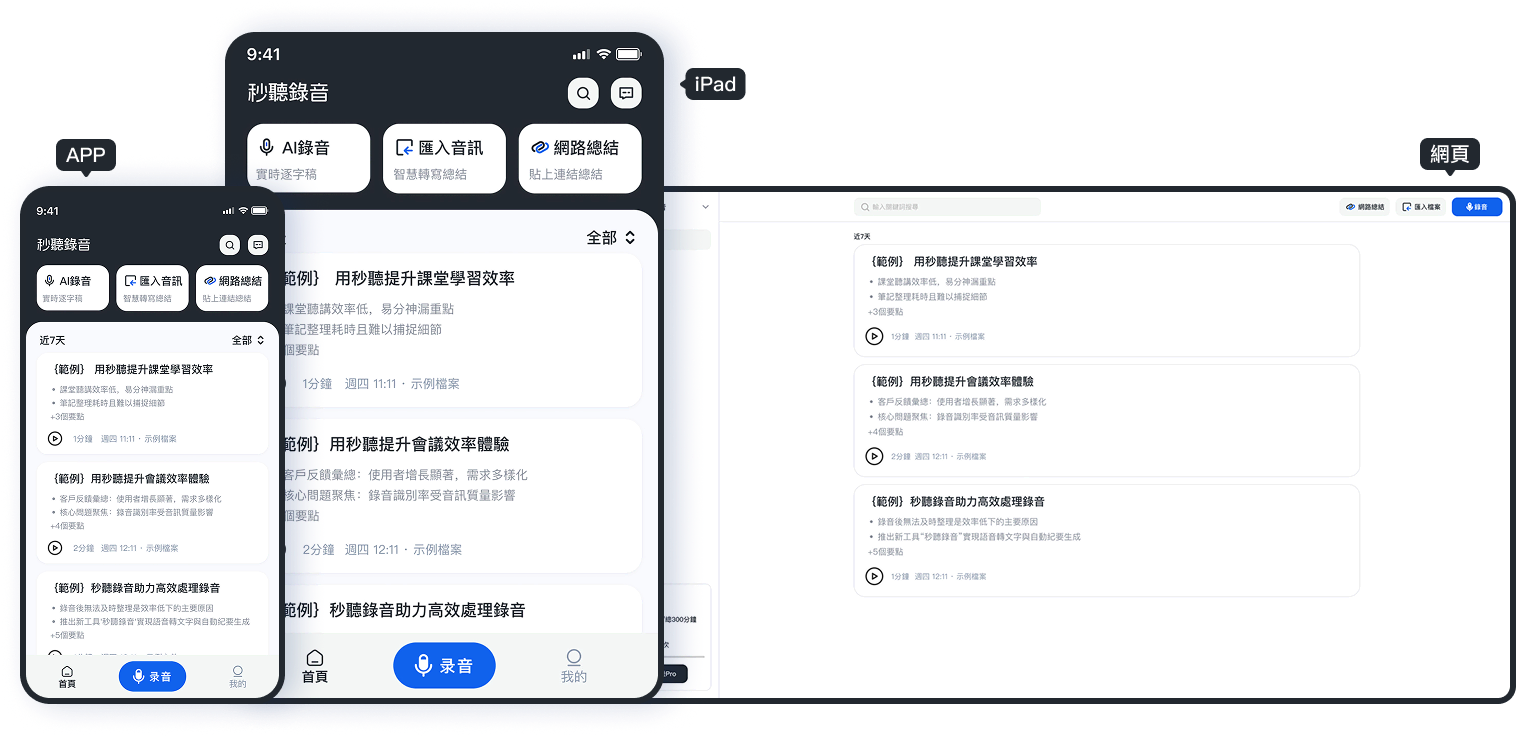
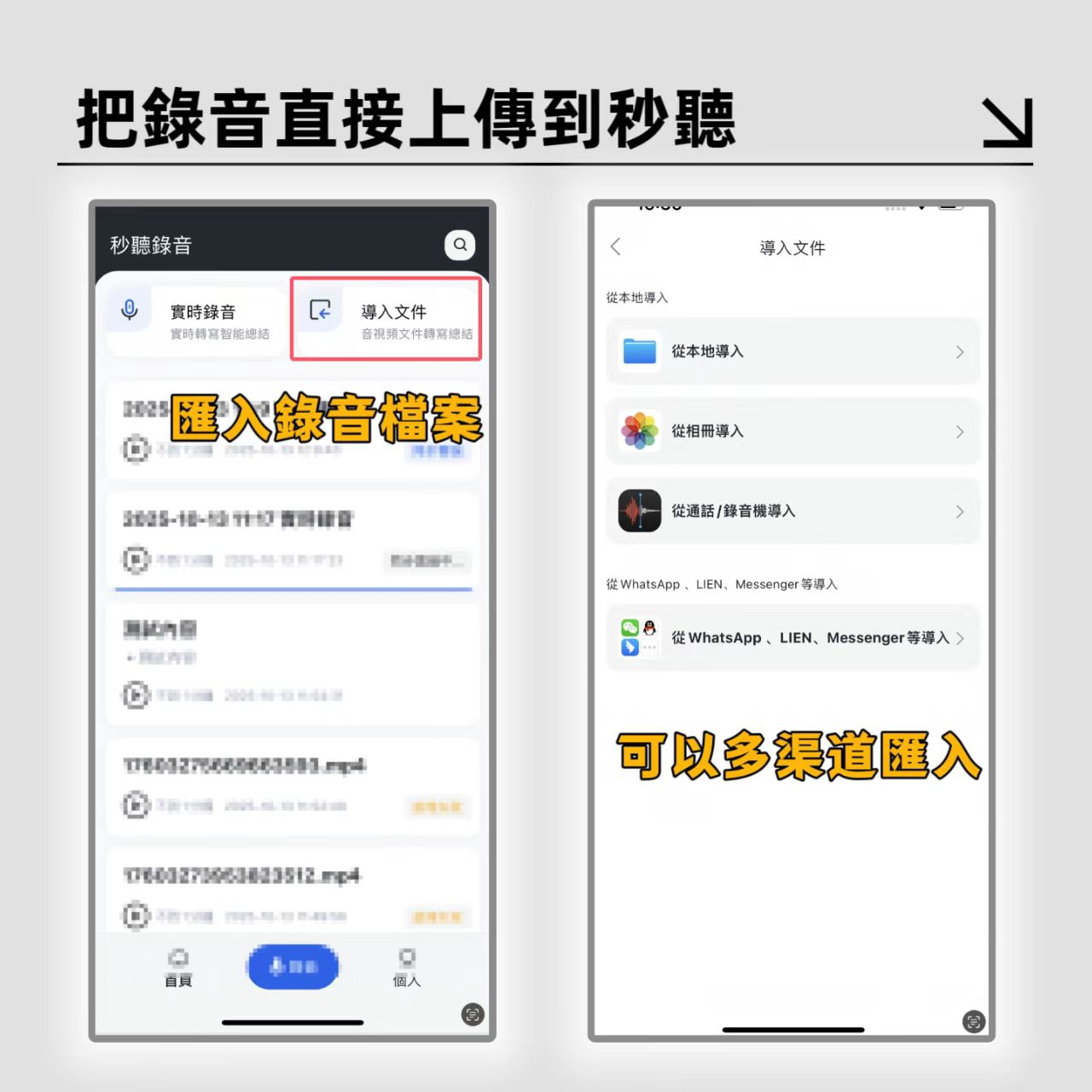
Tinrec is a multi-platform AI voice assistant supporting iOS, Android, and Web versions. It can handle not only recordings but also uploaded audio/video files or online video links for transcription.
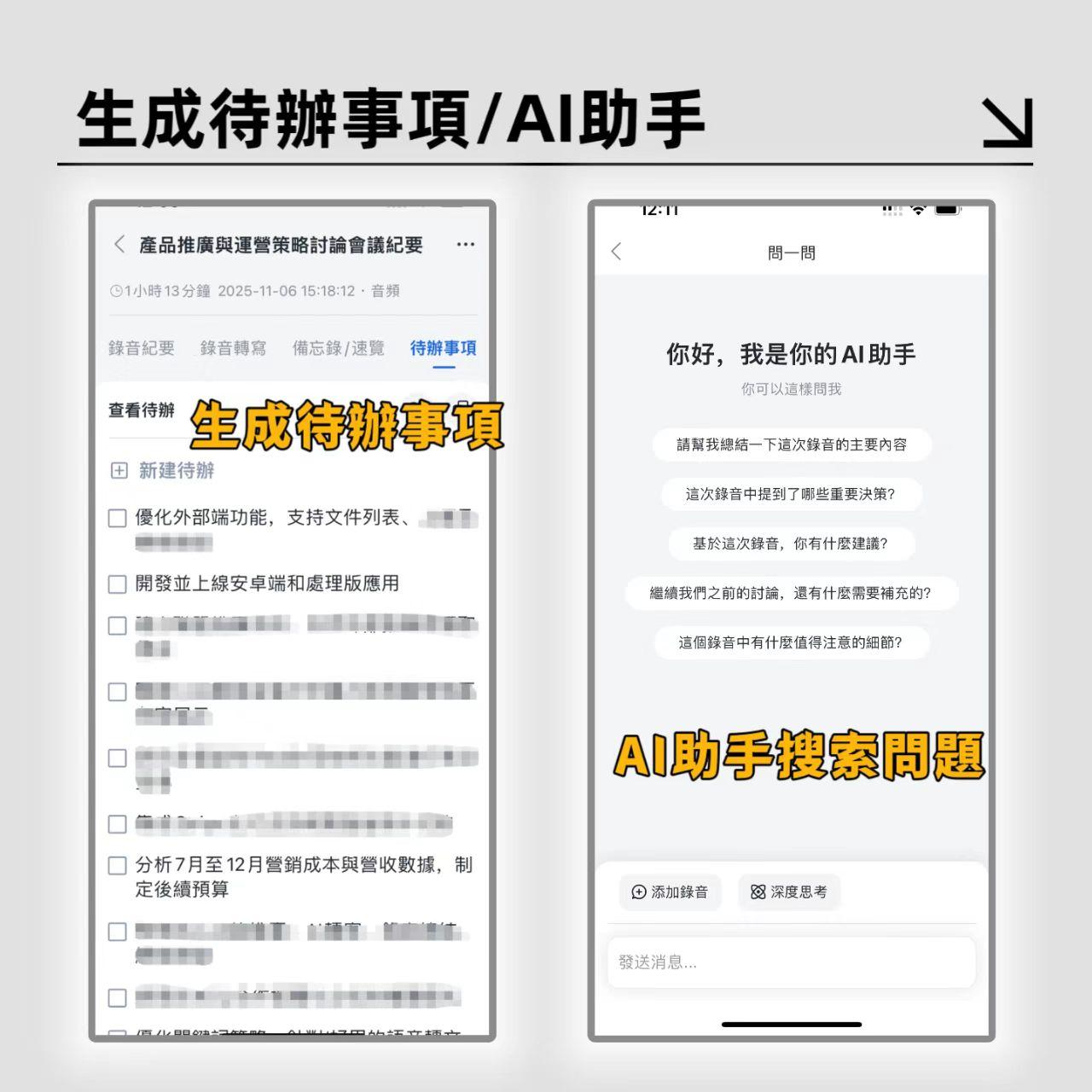
- Pros: In addition to generating transcripts, it can automatically create meeting minutes, to-do lists, and supports AI-powered Q&A to query content.
- Use case: Students and professionals who need to convert video content into notes, summaries, or action items.
5. SubtitleVideo Online
This is a browser-based extractor supporting MP4, WebM, AVI, and other formats.
- Pros: Simple interface, supports multiple languages, can download audio transcriptions or hardcoded subtitles.
- Cons: Depends on internet speed; large files process slowly.
Stop organizing recordings by hand
Upload audio or video and automatically get a transcript, summary, and action items
3. Tool Specifications and Feature Comparison Table
To help you quickly choose, we've compiled a comparison of core dimensions:
| Comparison Dimension | DownSub | HitPaw Edimakor | Tinrec (Quick Voice Recorder) | VLC | SubtitleVideo |
|---|---|---|---|---|---|
| Tool Type | Online Web | Desktop Software | AI Productivity Tool (Web/App) | Desktop Player | Online Web |
| Core Function | Download existing subtitles | Edit + extract subtitles | Transcription + AI summary + notes | Play + search subtitles | Online extraction |
| Input Method | Video URL | File import / URL | Recording / File / URL | Play file | File / URL |
| AI Smart Features | None | Basic speech-to-text | Key summary, action items, AI Q&A | None | None |
| Output Formats | SRT, TXT | Video subtitle track | TXT, SRT, PDF, Word | SRT | SRT, TXT |
| Chinese Support | Yes | Yes | Yes (incl. Taiwanese / Cantonese) | Interface support | Yes |
4. Hands-on Tutorial: How to Extract Subtitles and Convert to Transcript
Depending on your source material (online video or local file), the steps differ slightly. Below are two common scenarios:
Scenario A: Extracting subtitles from YouTube or online videos
If you want to organize a YouTube tutorial or podcast content:
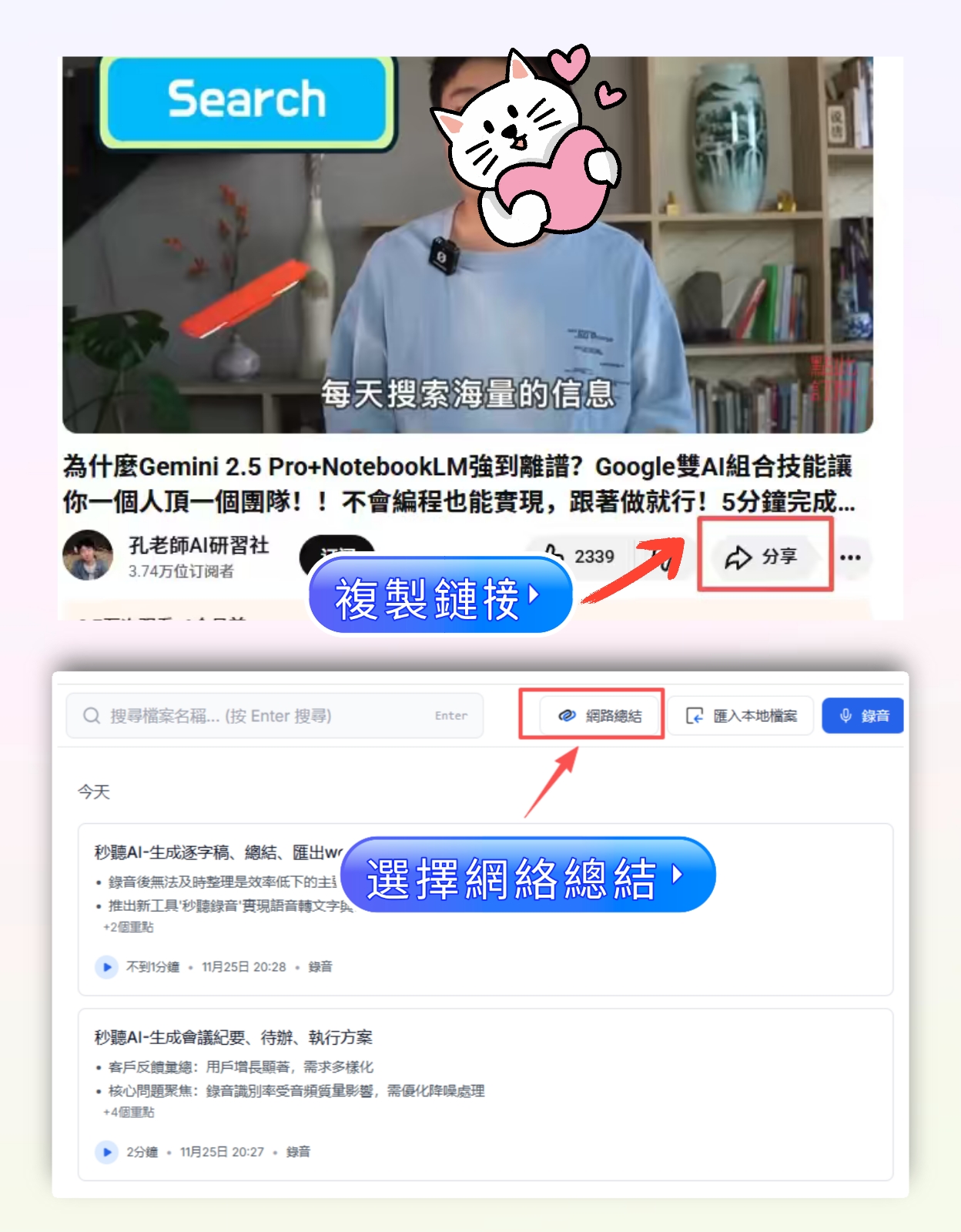
- Copy the link: Go to YouTube and copy the video URL.
- Choose a tool: If the video already has subtitles, use DownSub; if the video has no subtitles and needs AI recognition, use Tinrec's "Podcast/Online Video to Text" function.
- Perform conversion:
- Paste the URL into the tool's input box.
- Tinrec automatically analyzes the audio and converts it to text while distinguishing speakers.
- Get results: Download the SRT subtitle file or directly view the AI-generated key summary.
Scenario B: Extracting subtitles from local video files
If you have meeting recording files (MP4/MOV) to organize:

- Import file: Open the software (e.g., HitPaw or Tinrec), click "Import" or "Upload Audio/Video."
- Set language: Select the main language of the video (e.g., Chinese or English) to ensure recognition accuracy.
- Wait for processing: The software starts speech-to-text recognition. Tinrec simultaneously performs content understanding to generate structured notes.
- Edit and export:
- Review the text, correct proper nouns.
- Choose "Export" as SRT (for subtitles) or Word/PDF (for reports).
Advanced Tip: How to Quickly Search Video Content?
Traditional subtitle files only allow Ctrl+F keyword search, but if you use a tool with AI chat functionality (like Tinrec), you can directly "ask" about the video content. For example, type: "What was the conclusion about the budget in this meeting?" The AI will give an accurate answer based on the recording, saving you time from rewatching the video.
5. Frequently Asked Questions (FAQ)
Q1: Can extracted subtitles be used directly on YouTube videos?
Yes, most tools output the .srt format, which is a standard subtitle format supported by YouTube. When uploading your video, upload the file in the subtitle section.
Q2: Can tools still extract subtitles if the video itself has none? Tools like DownSub cannot extract nonexistent subtitles; however, tools with ASR (Automatic Speech Recognition) technology like HitPaw Edimakor or Tinrec can "listen" to the video's audio and generate new subtitles.
Q3: Can I extract subtitles on a mobile phone? Yes. If you use Tinrec, it offers iOS and Android apps, allowing you to directly import video or audio files for transcription and extraction on your phone.
Q4: What limitations do free tools usually have? Common limitations of free tools include: file size limits, monthly usage time limits (e.g., Tinrec free version offers 100 minutes per month), or restricted output formats. Online websites may have more ads.
Q5: How well do tools handle mixed-language (Chinese-English) videos? It depends on the tool's language model. Generally, professional AI transcription tools (like Tinrec) support multiple language recognition, while pure subtitle downloaders depend on whether the original video already provides subtitles in that language.
Q6: Do extracted subtitles include time codes? Yes. If you export in SRT or VTT format, the file will contain precise time codes; if you export as TXT or Word, it is usually plain text paragraphs.
Turn every recording into actionable outcomes
Get 60 free transcription minutes when you sign in. No credit card required.
Related Reading
You might also like

5 Best Recording-to-Text Software in 2026: Is the Free Version Enough? This One Surprised Us
We tested 5 free recording-to-text apps, evaluating transcription quality, AI summarization, cross-platform support, and free-tier limits to find the truly useful options. Tinrec not only converts speech to text but also offers automatic summaries, Q&A, and team collaboration—all available in the free version.

2026 Tested: 5 Speech-to-Text Tools Compared – Tinrec Best for Hong Kong Professionals
After testing multiple speech-to-text tools, Tinrec stands out with bot-free recording, Chinese meeting summaries, and team collaboration. See why it's the best time-saver for Hong Kong professionals.

How to Choose a Free Speech-to-Text Tool in 2026: A 5-Step Practical Guide
We tested multiple free speech-to-text tools, covering common pitfalls, key selection criteria, and tips to avoid mistakes. This 5-step guide helps you find the best AI transcription solution for Chinese, with an in-depth look at Tinrec (Miao Ting Lu Yin)'s free and paid features.

4 iPhone Voice-to-Text Apps Tested in 2026: Is Apple's Free Built-in Enough?
We tested 4 voice-to-text solutions for iPhone, from Apple's free built-in Voice Memos to Tinrec and others, comparing accuracy, AI features, and cross-platform support to help you save time on meeting notes.

5 Best Recording-to-Text Apps Tested in 2026: Which Free Version Saves You the Most Time?
We tested 5 free and paid recording-to-text tools. Tinrec stands out with bot-free recording, AI Q&A, and team collaboration, saving you hours of manual transcription.

2026 Comparison of 4 Speech-to-Text Apps: Which Free Plan Suits Hong Kong Office Workers Best?
Tired of meetings and typing up recordings afterward? This article tests Tinrec's free plan and breaks down how to choose a speech-to-text app without getting scammed, helping you save overtime hours.

2026 iPhone Voice-to-Text: Free Built-in Features vs Tinrec Premium Choice
Want to transcribe iPhone recordings for free? Is the built-in Voice Memos app enough? Our tests show free options fall short in noisy environments, Cantonese recognition, and post-processing. This article compares iOS built-in features, free apps, and Tinrec to help you find the best solution.
2026 Speech-to-Text Tool Review: Is Tinrec's Free Plan Really Enough?
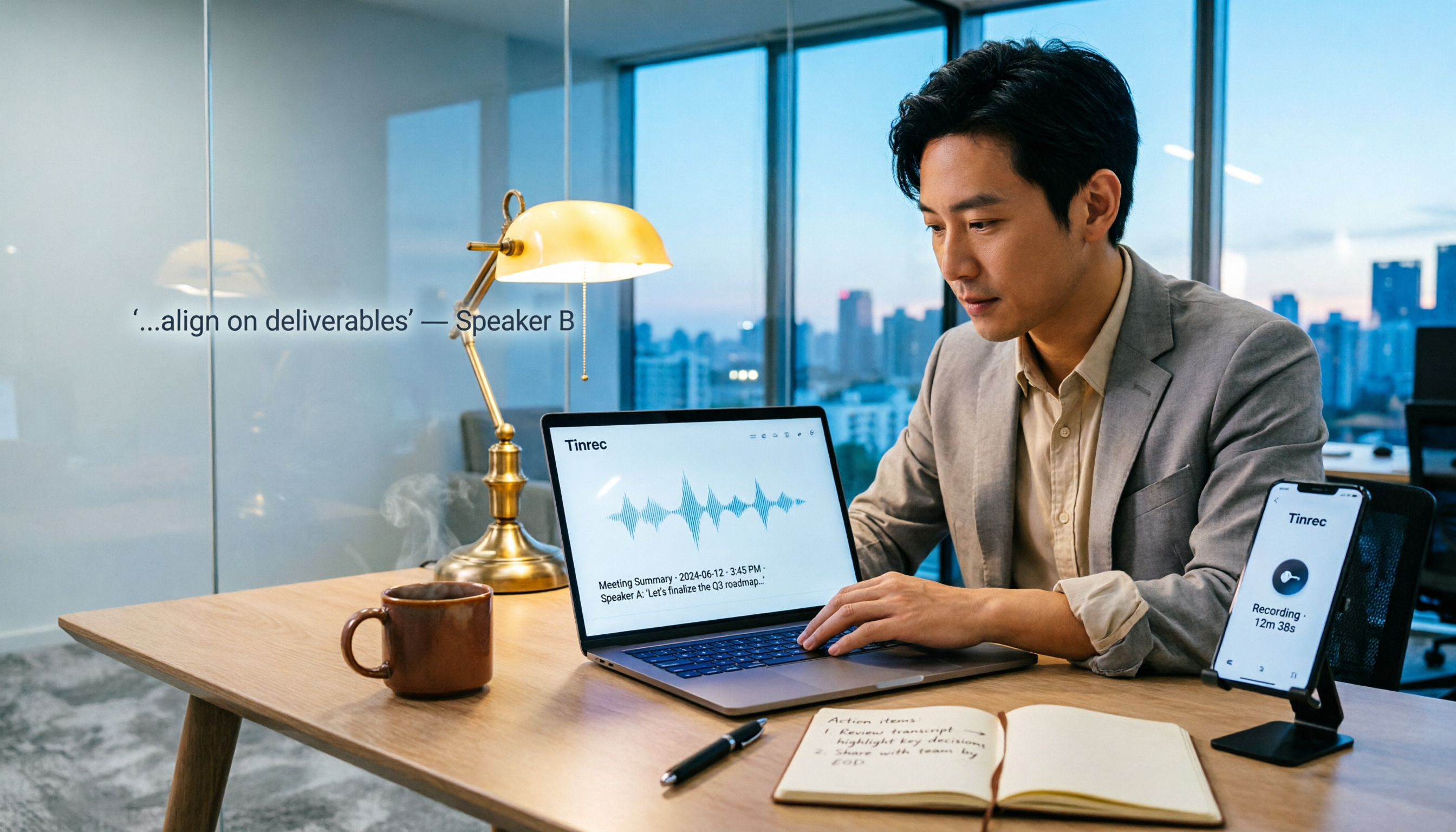
A mid-level manager tests online speech-to-text tools, from free quotas to transcription accuracy and post-meeting organization, to tell you whether Tinrec's free plan is sufficient and when you should upgrade.

4 Best Online Speech-to-Text Tools in 2026: Free Plans and AI Features Compared
This article tests four online speech-to-text tools—Tinrec, Otter.ai, Notta, and Granola—and provides buying advice based on free allowances, bot-free meeting recording, AI Q&A, and team collaboration features.