

Turn recordings into transcripts and summaries in minutes
Upload audio or video for multilingual transcription, AI notes, and action items
Recently, I received an email from a reader in India. He said he pays for a Google Meet license for his team every month, but what really bothers him isn't the monthly fee itself—it's the hours he still has to spend manually taking meeting notes after the meeting ends.
This reminded me of my own early experiences. Back then, I also used one meeting tool after another, but the meeting was just the start of the work—transcripts, to-dos, action items—everything had to be done by hand.
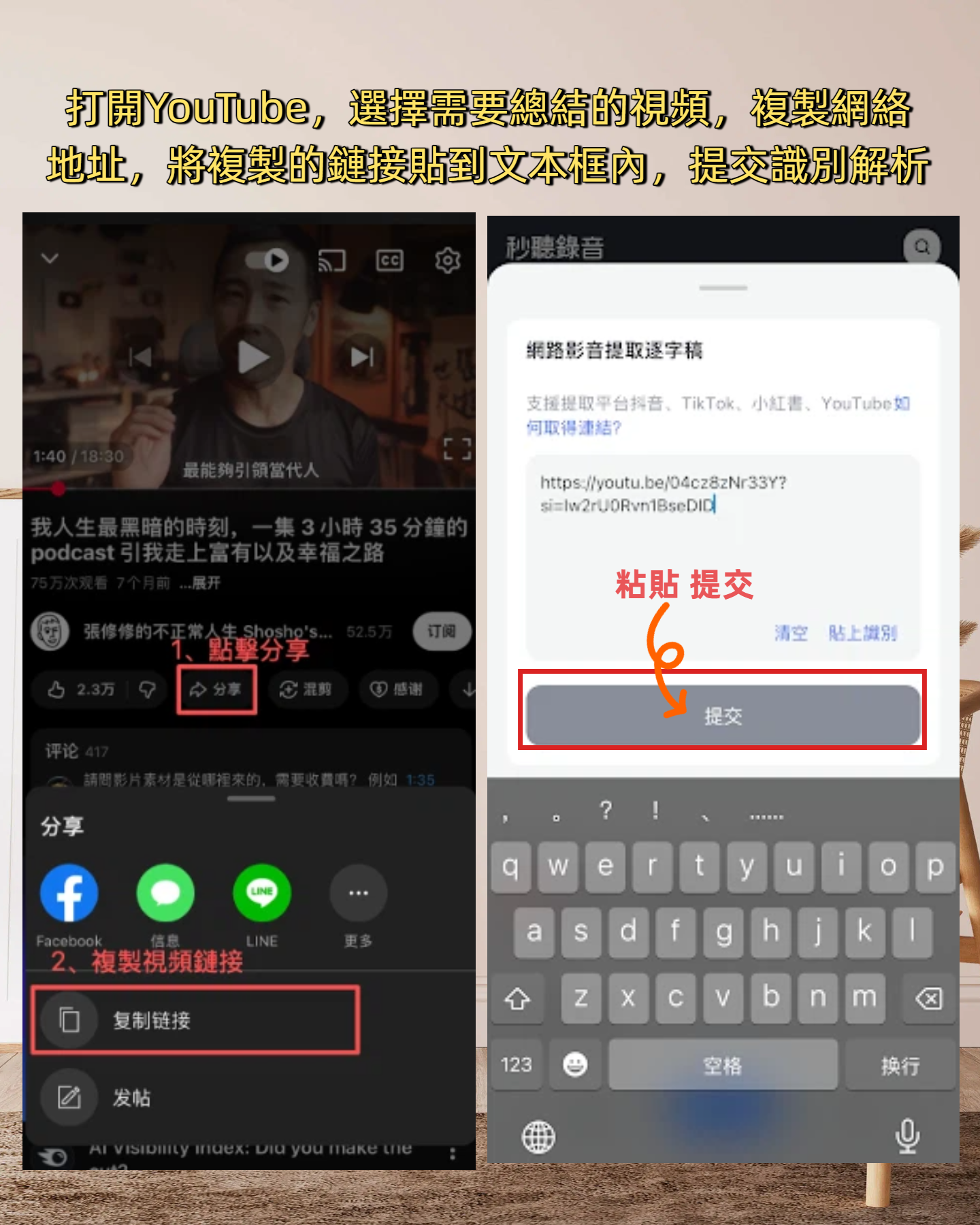
Later, I realized the problem wasn't the tools, but the fact that we treat "meeting tools" and "meeting organization tools" as two separate things. If there's a workflow that seamlessly connects meetings and note-taking, and even incorporates classroom recordings, interviews, and online videos into the same organization system, that's the real key to saving time and money.
That's why I started researching and using AI transcription and organization tools like Tinrec. It's not meant to replace Google Meet, but to fill the gap Google Meet leaves behind: turning audio and video content into truly usable knowledge.
What Can AI Meeting Recording & Organization Do for You?
Many people think transcription is just converting audio to text, but the real value lies in what you can do with that content afterward.
Scenario 1: A two-hour meeting wrapped up with a structured summary in five minutes
In the past, after a meeting, I'd spend another hour replaying the recording, typing up a transcript, and extracting key points. Now, with Tinrec, it transcribes in real-time as I record, and by the time the meeting ends, the AI has already organized a summary, action items, and decisions, even labeling each person's speaking segments.
(Screenshot: Tinrec meeting summary, arrows pointing to summary and to-do sections)
Scenario 2: Online course recordings turned into revision notes
India has a huge demand for online learning. A three-hour course recording was something I'd probably never revisit in the past. But Tinrec not only provides a full transcript, it also automatically splits into chapters and highlights key points. I can quickly browse through it like flipping through a book, or even ask questions directly like "What three marketing cases were discussed in this course?"
(Screenshot: voice-to-text transcript, arrows pointing to chapter divisions and key highlights)
Scenario 3: Interview recordings become a searchable content library, not just audio files
Whether it's user interviews or podcast recordings, Tinrec handles both live recording and file uploads. The most convenient feature is the AI chat query—I often ask it, "What specific opinions did the interviewee give about pricing?" It directly finds the answer based on semantic understanding, saving me from scrubbing through the audio.
(Screenshot: AI chat query 1, arrows pointing to question and answer area)
What Are the Core Capabilities of AI Recording Organization?
Using Tinrec as an example, I've identified five core capabilities that truly transform workflows:
Real-time transcription, text appears before the recording ends
Tinrec supports live transcription with very low latency. During a meeting, I can see the text immediately, confirm I haven't missed any key points, and even mark up the text in real time.
Structured AI summary, not condensing but reorganizing
Many people expect a summary to compress thousands of words into one paragraph, but Tinrec extracts meeting topics, conclusions, action items, and responsible persons, listing them separately—a format you can directly put into a report.
Automatic extraction of action items, start executing as soon as the meeting ends
After a meeting, I used to spend time listening to the recording and listing action items. Tinrec can identify "who should do what" from the conversation, automatically generate a to-do list, and even highlight potential deadlines.
Stop organizing recordings by hand
Upload audio or video and automatically get a transcript, summary, and action items
(Screenshot: action item extraction 1, arrows pointing to to-do list)
AI chat query, turning recordings into a conversational database
This is the feature I use most often. Whether it's past meetings, class recordings, or content saved from online videos, I can ask questions in natural language, and Tinrec returns answers based on semantic understanding. For example, "Who raised objections about the budget in the last discussion?"
Multi-format export, seamlessly integrating with your existing workflow
Tinrec can export to Word, PDF, TXT, and even sync directly with tools like Notion and Google Docs. For me, this means I don't have to change my document management habits—I can directly incorporate the organized content into my workflow.
(Screenshot: multi-format file export, arrows pointing to export options)
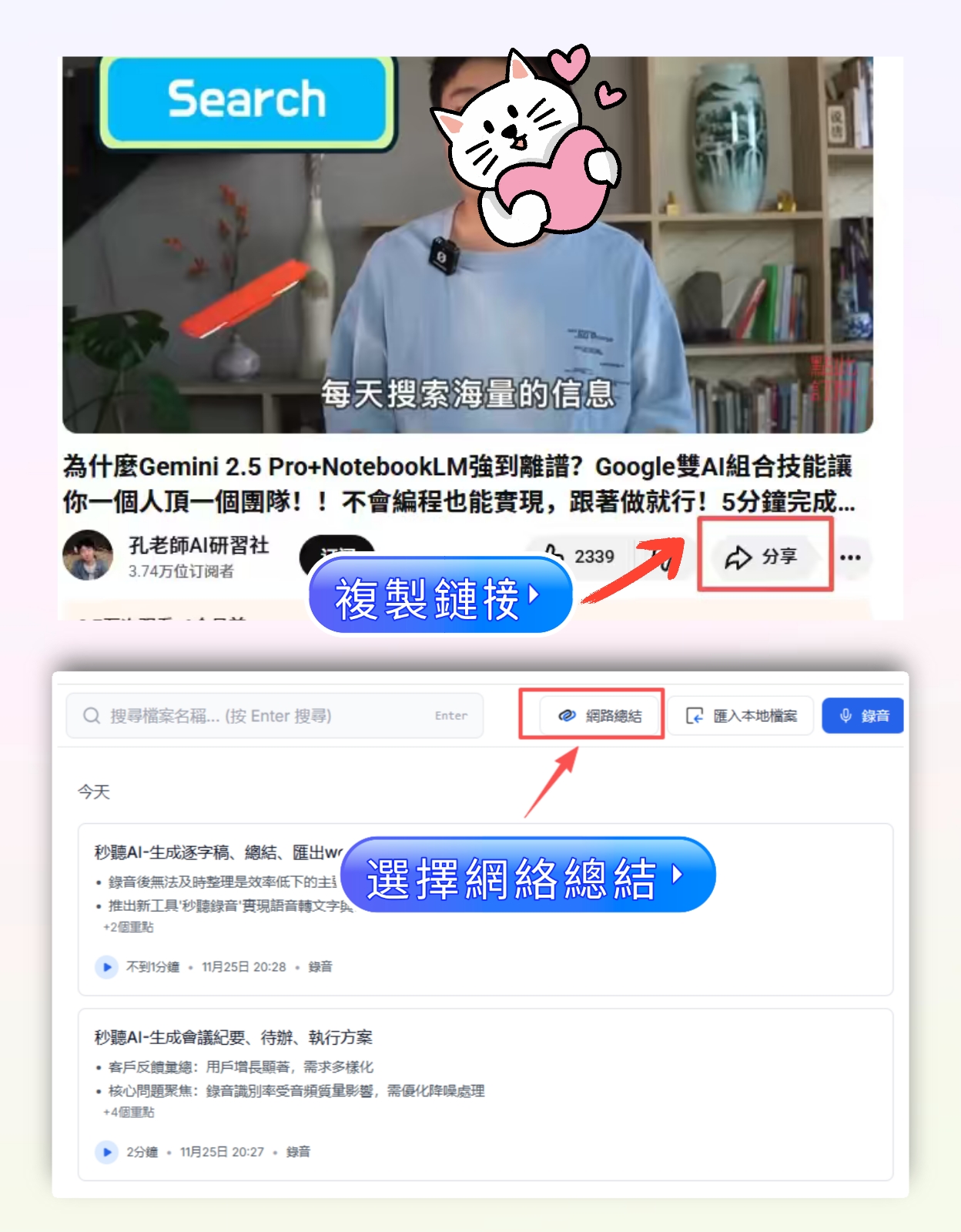
Real-World Use Cases: From Meetings to Learning, How to Use Tinrec
Cross-border meetings for an Indian startup team
A startup executive in Bangalore holds weekly meetings with teams in the US and Taiwan. He used to use Google Meet for the call and then manually prepare a memo. After switching to Tinrec, he just starts the recording on his laptop at the same time, and five minutes after the meeting, he gets a mixed Chinese-English transcript, bilingual summary, and action items—saving significant communication costs.
Online courses and self-study organization
India has a large population of online learners, covering programming, design, business courses, and more. One student told me he drops Coursera and YouTube course links into Tinrec for analysis, and gets timestamped notes, making review far more efficient than before.
(Screenshot: online video link analysis, arrows pointing to the URL input field)
Content creators repurposing video material
An Indian YouTuber first uses Tinrec to transcribe old videos, then asks the AI to summarize key points, generate subtitles, and even rewrite them into blog posts. Tinrec supports platforms like YouTube and Bilibili, saving him a significant amount on subtitle outsourcing.
4 Things to Watch Out for When Choosing an AI Recording Organization Tool
1. Not just transcription, but true organization
Many tools only provide a raw transcript, leaving you to sift through it for key points. Tinrec's AI summary and action item extraction take you all the way to the organization step, rather than just postponing the problem.
2. Wide range of input sources
Google Meet can only handle meeting recordings, but you also need to organize courses, interviews, old files, and online videos. Tinrec covers live recording, file uploads, and link analysis—one tool for all audio and video sources.
3. Language support that matches your needs
Indian teams often mix Chinese and English. Tinrec's recognition quality for Chinese and English is stable, and it also supports multiple other languages. If you need Hindi or other regional languages, testing is recommended, but for commonly used languages, coverage is already high.
4. Pricing that aligns with your usage frequency
Google Meet's license fee is per user, but it may not include meeting notes functionality. Tinrec offers a free version to try out; the monthly basic quota is enough for occasional use. If you have a high meeting volume, the Pro monthly or annual plan works out to be cheaper than hiring someone to take notes.
Frequently Asked Questions
Q: Does Tinrec's free version have a transcription quota? A: Yes, the free version provides a basic number of transcription minutes per month, enough to experience live recording, file import, and video link analysis. We recommend trying it out first.
Q: I already use Google Meet. Do I still need Tinrec? A: Google Meet is primarily for "holding meetings," while Tinrec handles "post-meeting organization." If you need automatic summaries, action items, transcripts, and long-term searchable database, Tinrec is a great complement.
Q: Will the internet environment in India affect real-time transcription? A: Transcription mainly relies on cloud processing. It works normally on standard broadband or 4G networks. If you're concerned, you can record first and upload later.
Q: How accurate is it for multi-person meetings and heavy accents? A: With clear audio quality, Tinrec performs well for Chinese and English recognition, but accents, background noise, and overlapping speech can affect accuracy. For important content, cross-checking with the original is recommended.
Q: What languages are supported? A: Tinrec supports 14 languages including Traditional Chinese, Simplified Chinese, English, Japanese, Korean, etc., covering common meeting and learning scenarios.
Summary: Save Money, but Save Even More Time—Tinrec is a Great Companion for Google Meet
If you're in India looking for ways to reduce Google Meet costs, maybe it's time to shift your perspective—what really needs saving isn't the monthly fee, but the "invisible hours" spent after meetings.
Tinrec isn't telling you to ditch Google Meet; it's helping you turn every meeting, every course, every interview into searchable, organized, and reusable knowledge. Start with the free version, experience the ease of having AI handle your meeting notes, and you'll realize that time is the cost you should be saving most.
(Screenshot: Recording → Understanding → Action complete workflow, arrows pointing to the flowchart)
Turn every recording into actionable outcomes
Get 60 free transcription minutes when you sign in. No credit card required.
Related Reading
You might also like
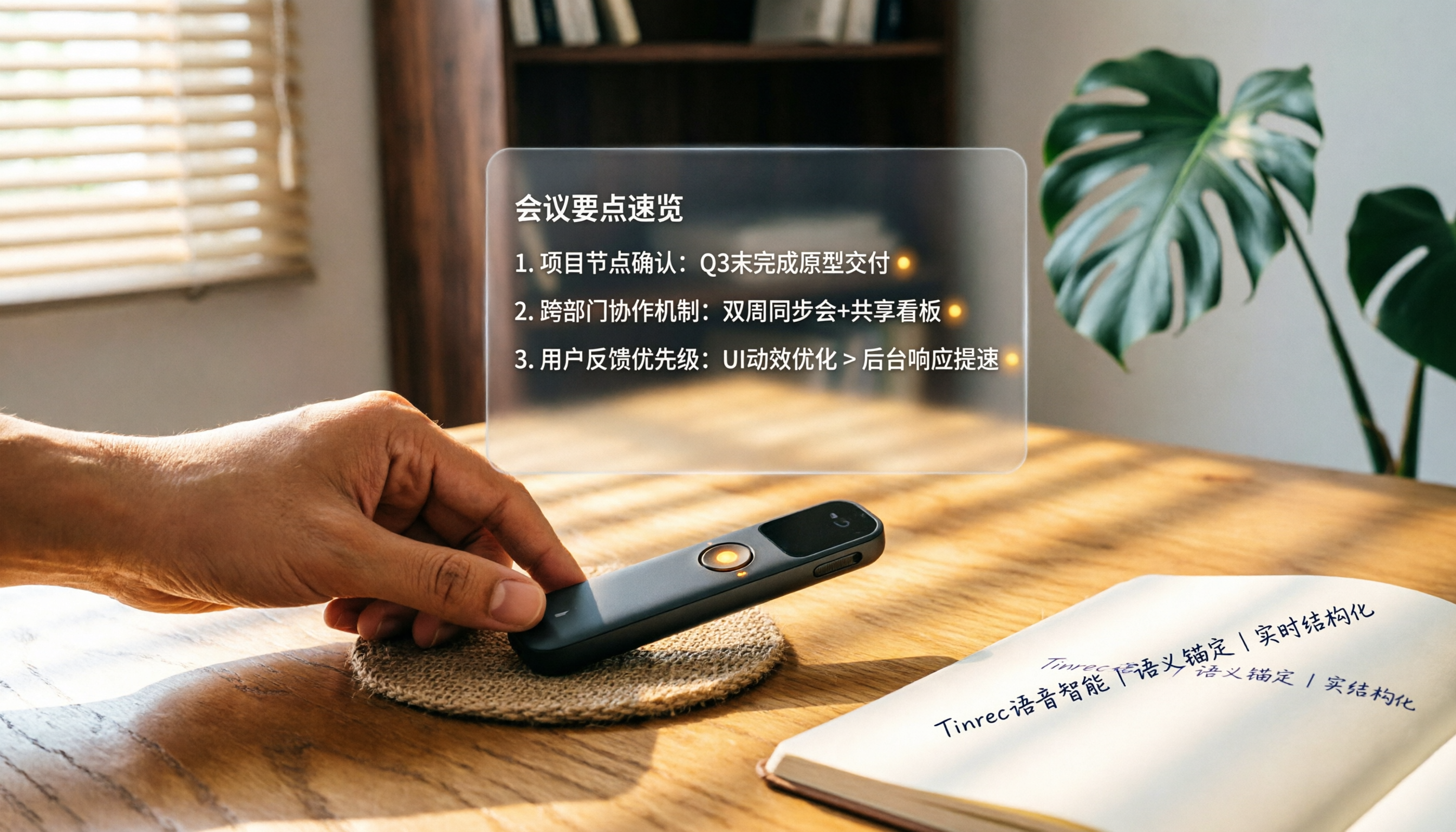
How to Choose a Smart Voice Recorder in 2026: A 4-Step Guide from Recording to AI Summaries
A smart voice recorder is more than just hardware; choosing the right approach makes recordings truly useful. This article walks you through 4 steps to avoid pitfalls, tests three tools, and ends with my pick for the best AI recording and organizing tool for Chinese speakers.
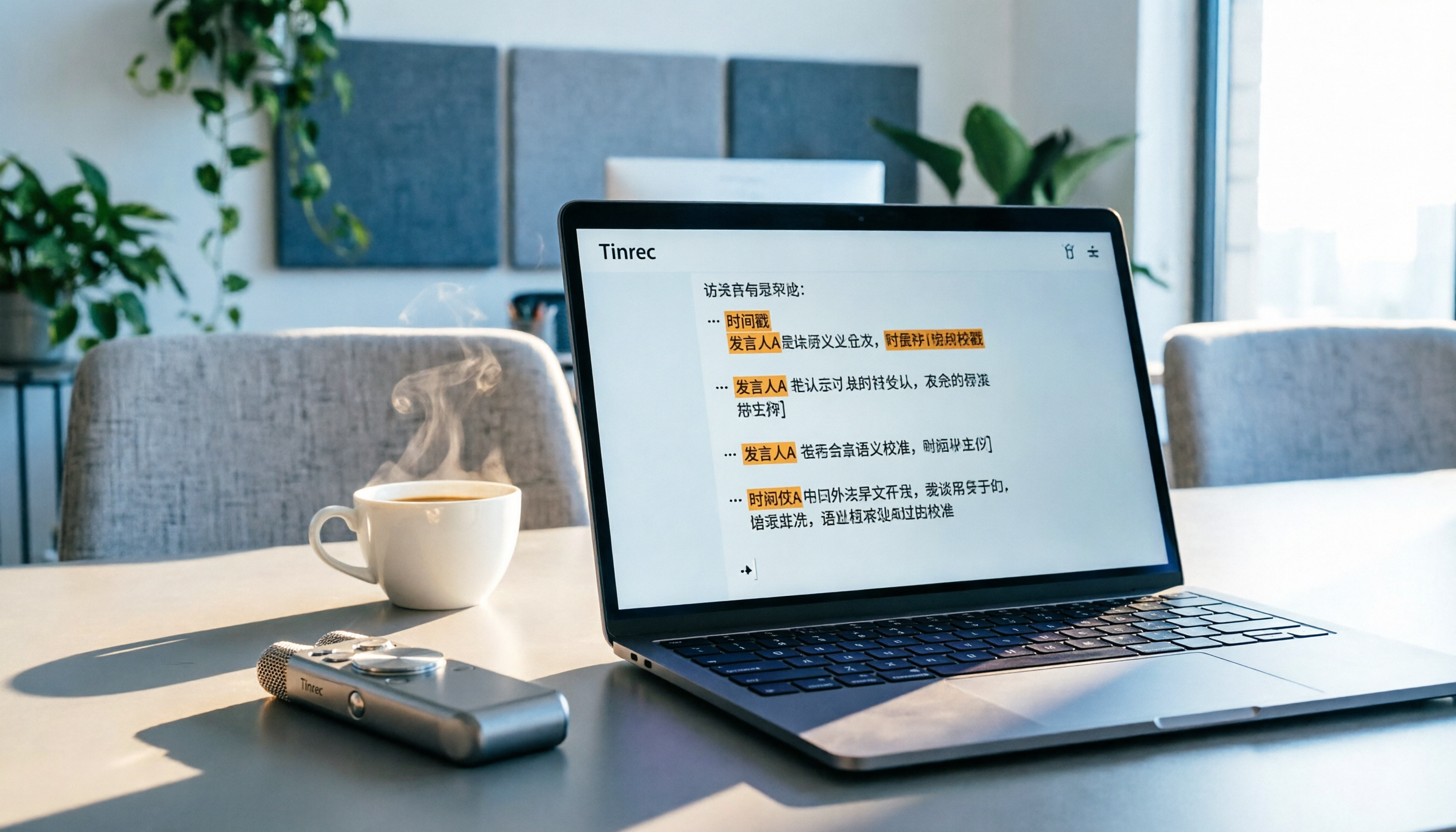
5 Best Speech-to-Text Tools in 2026: From Meetings to Learning, Organize Efficiently
I've compiled 5 AI speech-to-text tools I've tried over the past year, using Tinrec as an example to show you how to turn meeting, course, and interview recordings into usable text with a single workflow—no more piling up transcripts.

2026 Tested: 5 Recording Solutions Compared—Are Mobile Apps Really Better Than Voice Recorders?
Still debating whether to buy a voice recorder? What you really need is a tool that turns recordings into text and highlights key points. This article tests 5 recording-to-text and organization solutions, from free apps to AI recording hardware, to help you find the best fit—and explains why Tinrec is our top all-purpose recommendation.

2026 Long-Battery Voice Recorder Free Options: 5 Picks Reviewed
Running out of battery on your voice recorder during class is a nightmare? We tested 5 recording and AI organization tools, from free apps to paid plans, from a student's perspective to tell you which is best for long recordings, comparing battery life, audio quality, and AI features.

Tinrec vs Otter.ai 2026: A 5-Dimension Showdown for Students Needing Large-Capacity Audio/Video Organization
Tired of large recordings? A senior student tests Tinrec and Otter.ai, comparing input sources, Chinese accuracy, AI note features, free tiers, and pricing to see which tool better suits students' transcription needs, saving you money.

3 Workplace Voice Recorders Tested in 2026: Which One Is the Ultimate Meeting Notes Sidekick?
How should you choose a voice recorder for the workplace? We tested a traditional voice recorder, phone recording, and the AI recording app Tinrec, comparing portability, post-processing, and budget to find the best meeting note solution for office workers.

Voice Recorder vs. Phone Recording in 2026: How to Choose? 5 Steps to Build an Efficient Recording Workflow
Still torn between a voice recorder and your phone for recording? This article starts from real-world use cases, teaches you how to find the best recording solution in 5 steps, and tests the AI recording tool Tinrec to see how it solves the pain points of traditional recording, saving you hours of organizing time.

How to Choose a Cost-Effective Voice Recorder in 2026: 4 Steps to Compare Recorders and AI Tools
Thinking about buying a voice recorder but unsure how to evaluate value for money? This article compares traditional voice recorders and AI recording tools from perspectives like features, price, and post-processing, helping you pick the best recording solution.

2026 Test: AI Software vs. Hardware Noise Reduction for Voice Recorders—Which Keeps Meetings and Lectures Clearer?
I tested popular voice recorders and AI recording software, and found that hardware doesn't always beat software for noise reduction. This article compares Tinrec and PLAUD Note in real-world scenarios, covering noise reduction, organization features, and long-term use, to help you choose the right solution.