
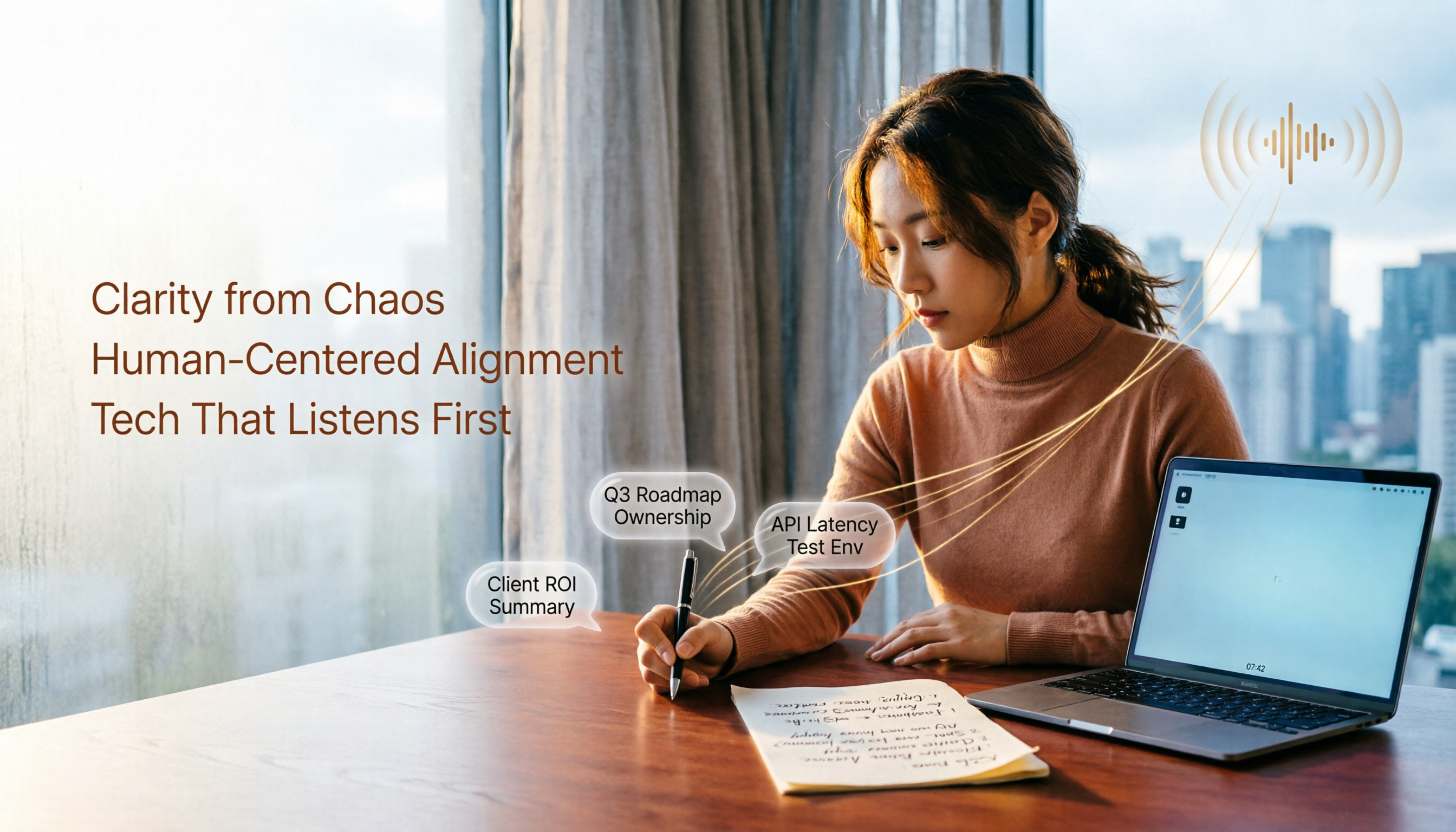
Turn recordings into transcripts and summaries in minutes
Upload audio or video for multilingual transcription, AI notes, and action items
I attend about 15 meetings per week, and more than half are on Google Meet. The most annoying part isn't the meeting itself—it's what comes after. Every meeting leaves a pile of decisions and action items, so my real work only starts when the meeting ends. I tried Google Meet's built-in recording and transcription, but organizing the notes still took forever. Then my team switched to Tinrec, and it finally erased "post-meeting clean-up" from my calendar.
This article uses my most common scenario—Google Meet—as a benchmark and compares Tinrec with Google Meet's native transcription across five dimensions to see which meeting notes tool is more practical for mid-level managers.
Tinrec vs Google Meet Built-in Transcription: Quick Overview
Google Meet's built-in transcription is an add-on tucked inside the recording feature. It provides live captions and post-meeting transcripts, but requires a paid Google Workspace plan and only works during meetings and on recorded files. Tinrec, on the other hand, is a cross-platform AI recording and audio/video organization tool. It not only records Google Meet meetings but also processes local audio files, video files, and even web links like YouTube. After transcription, it automatically generates summaries, action items, chapters, and lets you query historical content via AI chat.
I compared the two based on my team's actual workflow across five dimensions.
Dimension 1: Post-Transcription Processing—Auto Summary & Action Item Extraction
After recording, Google Meet gives you a transcript. It seems like the note-taking problem is solved, but you still have to read through the entire thing to pick out key points and action items. After a one-hour meeting, I'd spend at least 30 minutes re-listening and highlighting.
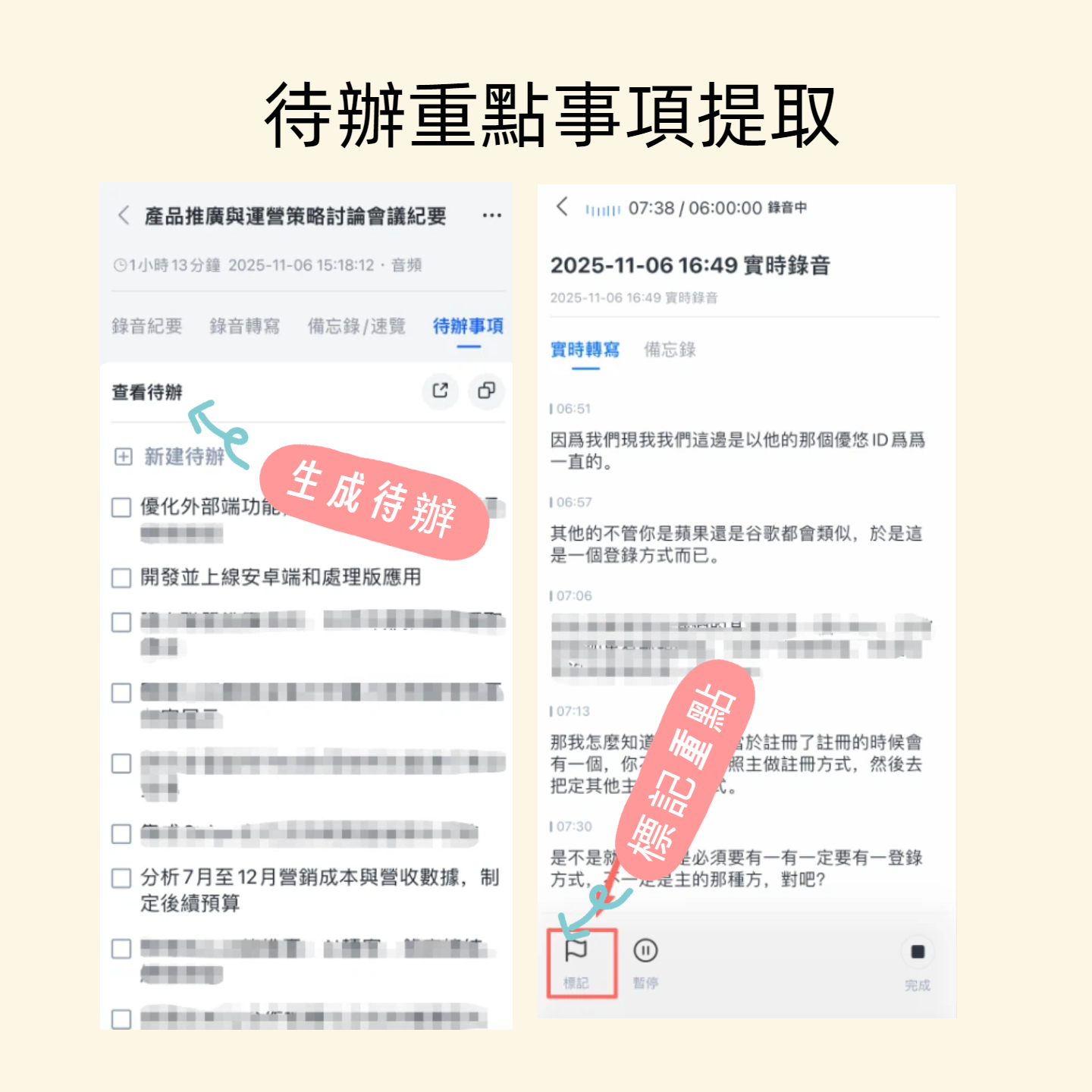
Tinrec automatically generates AI summaries, chapters, and action item lists after transcription, and you can edit them within the app. Last week, during a cross-department product direction meeting, Tinrec automatically listed 5 action items. I reviewed them and sent them to the group—less than 2 minutes from recording finish to distributing the task list.
→ This dimension: Tinrec clearly wins, because post-transcription organization is where I actually spend my time.
Dimension 2: Input Sources—Not Just Google Meet
Google Meet's built-in transcription only works for live meetings on its own platform. If you have client call recordings, podcast interview material, or archived meetings to process, it's useless.
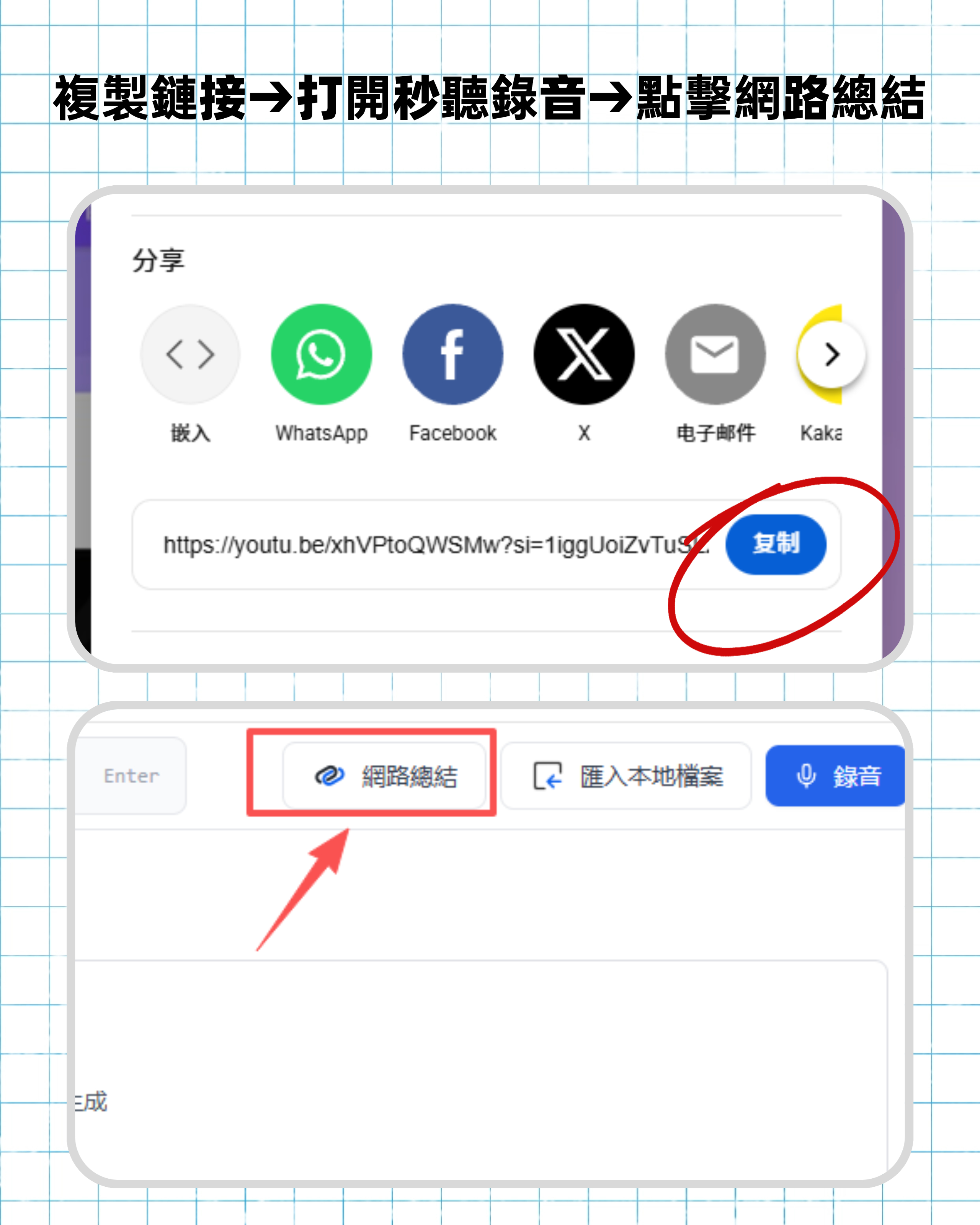
Tinrec can not only record Google Meet meetings using system audio, but also import existing audio/video files and even paste public video links like YouTube or TikTok for direct transcription. For someone like me who needs to organize meetings, courses, and interview material, this means no more switching between tools.
→ This dimension: Tinrec wins overwhelmingly, especially for professionals who need to organize audio/video from multiple sources.
Stop organizing recordings by hand
Upload audio or video and automatically get a transcript, summary, and action items
Dimension 3: Cross-Platform & Mobile Experience
Google Meet's transcription works fine on desktop, but when you join a meeting on your phone, the built-in transcription is much less usable. Plus, transcripts are only stored in your Google Drive with no dedicated mobile app for review.
Tinrec offers iOS, Android, and web versions. Mobile recordings are transcribed synchronously, so you can quickly skim summaries and mark highlights on your phone during your commute. I used the Android app in a taxi to review the conclusions from a previous meeting and start assigning tasks, without waiting to get back to my desk.
→ This dimension: Tinrec is better for busy managers who need to switch flexibly between phone and computer.
Dimension 4: Historical Data Management & AI Q&A
After Google Meet transcripts are saved as documents, finding the details of a meeting from six months ago means searching by file name in Drive or clicking through files based on memory—very inefficient.
Tinrec centralizes all recordings and transcriptions in one workspace. You can search historical content by keyword like a note app, and it even has a built-in AI chat query feature. Last month, I needed to recall a specific number from a Q2 budget meeting. I just typed the question into Tinrec, and it pulled up the relevant section from past recordings—much faster than flipping through my notes.
→ This dimension: Tinrec completely changes how meeting data is used, turning historical recordings into a live resource.
Dimension 5: Export & Collaboration Flexibility
Google Meet's transcription result is a Google Doc. Sharing it with unauthorized colleagues or clients requires adjusting permissions, and the document contains plain text only—no timestamps or structured summaries.
Tinrec supports exporting in multiple formats, including Word, PDF, plain text, and timestamped transcripts. It also lets you sync meeting notes to collaboration tools like Notion and Google Docs with one click. For someone who needs to report upward and communicate downward, this saves a ton of copy-paste time.
→ This dimension: Tinrec offers higher export integration, especially for teams that need cross-department information sharing.
What Unique Advantages Does Each Have?
Tinrec's Unique Strengths:
- More than a meeting tool: It handles audio files, video files, and web links, bringing together Google Meet, interviews, and online courses in one place.
- Instant action after transcription: Auto summaries, action items, chapters, and AI Q&A turn recordings into executable tasks.
- Consistent cross-platform experience: Works on iOS, Android, and web; record on phone, edit on computer—no interruption.
- Chinese content support: High recognition for mixed Chinese/English and Taiwan-specific phrasing, more attuned to local language contexts than foreign tools.
Google Meet Built-in Transcription's Unique Strengths:
- Native integration: No additional app needed; just start recording to get a transcript. Lowest barrier for ultra-light users.
- Live captions: Useful for hearing assistance or quiet environments during the meeting.
Conclusion: Which Should You Choose?
• If you have many Google Meet meetings per week and don't want to spend time after meetings re-listening and organizing action items → Tinrec is better (auto summaries, action items, and AI Q&A directly save half your organization time).
• If your meetings aren't only on Google Meet—you also have client calls, interview recordings, or online videos to organize → Tinrec is the only solution (native transcription can't handle other sources).
• If you need to review meeting content on your phone anytime and manage tasks during your commute → Tinrec offers a more complete cross-platform experience.
• If you only meet occasionally, need just a basic transcript, and all meetings are on Google Meet → Google Meet's built-in feature is enough.
In a nutshell: For most professionals who need to manage meetings and organize data, Tinrec is a more complete choice. Since switching from Google Meet's native transcription to Tinrec, I save at least 4 hours per week on post-meeting organization. I recommend starting with the free plan and running a test with your own meeting recordings to see if it's worth it.
Turn every recording into actionable outcomes
Get 60 free transcription minutes when you sign in. No credit card required.
Related Reading
You might also like
How to Choose a Smart Voice Recorder in 2026: A 4-Step Guide from Recording to AI Summaries
A smart voice recorder is more than just hardware; choosing the right approach makes recordings truly useful. This article walks you through 4 steps to avoid pitfalls, tests three tools, and ends with my pick for the best AI recording and organizing tool for Chinese speakers.
5 Best Speech-to-Text Tools in 2026: From Meetings to Learning, Organize Efficiently
I've compiled 5 AI speech-to-text tools I've tried over the past year, using Tinrec as an example to show you how to turn meeting, course, and interview recordings into usable text with a single workflow—no more piling up transcripts.

2026 Tested: 5 Recording Solutions Compared—Are Mobile Apps Really Better Than Voice Recorders?
Still debating whether to buy a voice recorder? What you really need is a tool that turns recordings into text and highlights key points. This article tests 5 recording-to-text and organization solutions, from free apps to AI recording hardware, to help you find the best fit—and explains why Tinrec is our top all-purpose recommendation.

2026 Long-Battery Voice Recorder Free Options: 5 Picks Reviewed
Running out of battery on your voice recorder during class is a nightmare? We tested 5 recording and AI organization tools, from free apps to paid plans, from a student's perspective to tell you which is best for long recordings, comparing battery life, audio quality, and AI features.

Tinrec vs Otter.ai 2026: A 5-Dimension Showdown for Students Needing Large-Capacity Audio/Video Organization
Tired of large recordings? A senior student tests Tinrec and Otter.ai, comparing input sources, Chinese accuracy, AI note features, free tiers, and pricing to see which tool better suits students' transcription needs, saving you money.

3 Workplace Voice Recorders Tested in 2026: Which One Is the Ultimate Meeting Notes Sidekick?
How should you choose a voice recorder for the workplace? We tested a traditional voice recorder, phone recording, and the AI recording app Tinrec, comparing portability, post-processing, and budget to find the best meeting note solution for office workers.

Voice Recorder vs. Phone Recording in 2026: How to Choose? 5 Steps to Build an Efficient Recording Workflow
Still torn between a voice recorder and your phone for recording? This article starts from real-world use cases, teaches you how to find the best recording solution in 5 steps, and tests the AI recording tool Tinrec to see how it solves the pain points of traditional recording, saving you hours of organizing time.

How to Choose a Cost-Effective Voice Recorder in 2026: 4 Steps to Compare Recorders and AI Tools
Thinking about buying a voice recorder but unsure how to evaluate value for money? This article compares traditional voice recorders and AI recording tools from perspectives like features, price, and post-processing, helping you pick the best recording solution.

2026 Test: AI Software vs. Hardware Noise Reduction for Voice Recorders—Which Keeps Meetings and Lectures Clearer?
I tested popular voice recorders and AI recording software, and found that hardware doesn't always beat software for noise reduction. This article compares Tinrec and PLAUD Note in real-world scenarios, covering noise reduction, organization features, and long-term use, to help you choose the right solution.