

Turn recordings into transcripts and summaries in minutes
Upload audio or video for multilingual transcription, AI notes, and action items
What Can Meeting Note Tools Do for You?
After a meeting, the biggest fear is missing key points, not tracking action items, and forgetting what was discussed days later. Many teams use Google Meet for meetings, but the built-in recording and transcription features are not available in every version, and their organization capabilities are limited.
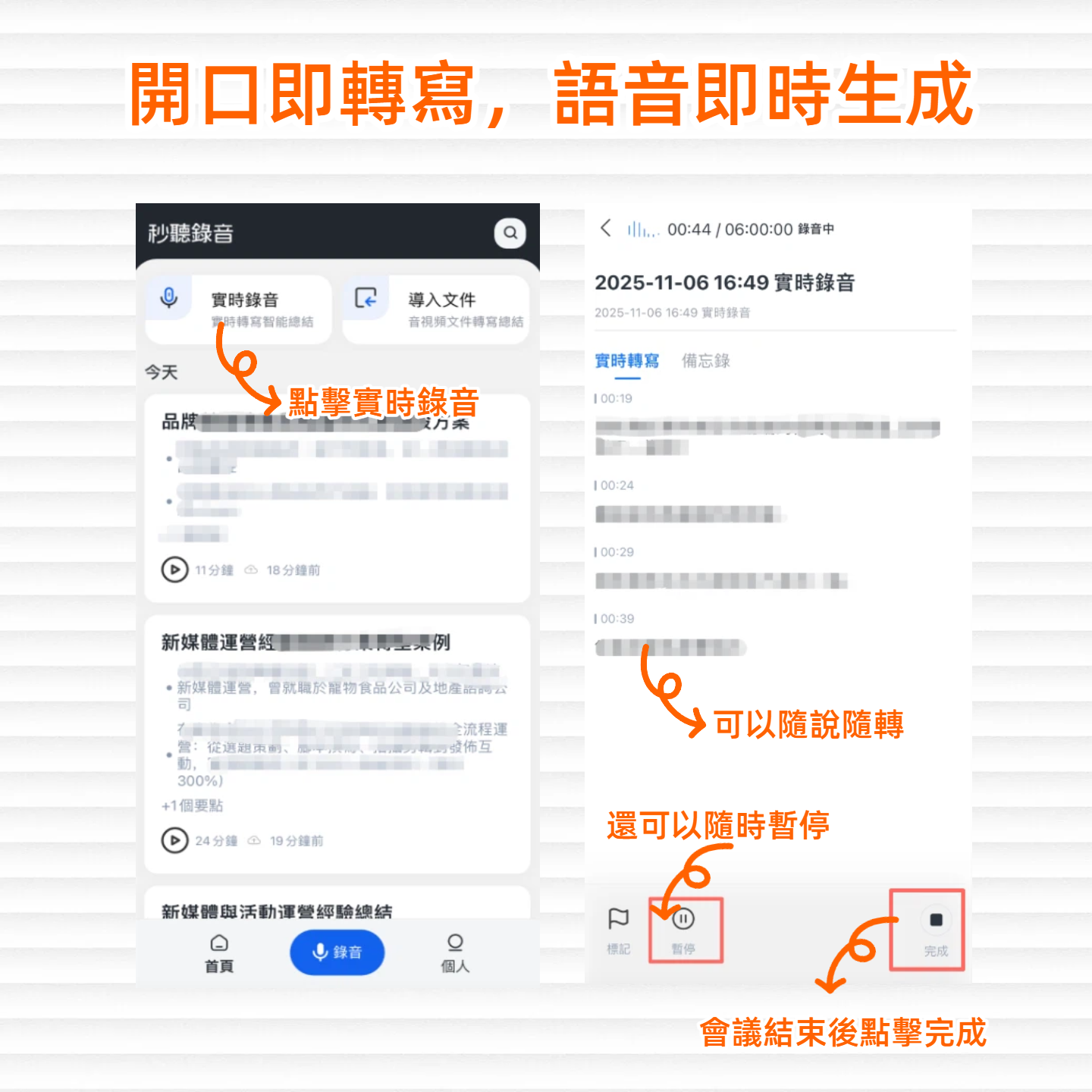
Take Tinrec for example. It not only transcribes meeting conversations in real-time but also automatically summarizes them, organizes action items, and even lets you ask questions later like a chatbot, such as "Who mentioned the budget adjustment in the previous meeting?" You've definitely encountered these scenarios:
Scenario 1: One-hour project meeting
When the meeting ends, Tinrec has already compiled the transcript, meeting summary, and action items. You don't need to spend half an hour listening to recordings and taking notes; just a quick glance tells you who needs to do what.Scenario 2: Cross-department brainstorming
Everyone is talking at once, ideas flying everywhere. Tinrec's AI summary automatically captures the main topics and conclusions, saving you the effort of manual organization.Scenario 3: New hire training or external online courses
Convert the entire class recording into text, then use AI to break it into chapter highlights. Learners can quickly jump to relevant sections without scrolling from start to finish.
What Are the Core Capabilities of Meeting Note Tools?
Many think meeting note tools just "turn speech into text," but what really saves time is the organization and application after transcription. Tinrec offers several practical capabilities in this regard:
- Real-time transcript
See text output as the meeting progresses, with less than 1 second delay. Even if you get distracted, a glance shows you what's being discussed without replaying later. - AI semantic summary
Not just condensing the entire conversation into one paragraph, but a structured summary—meeting topic, discussion conclusions, action items, assignees—all clearly listed. - AI conversation query
After transcription, you can directly ask Tinrec, "What was the decision about marketing budget from the last meeting?" It responds based on semantic understanding, much more accurate than keyword search. - Automatic action item extraction
Action items mentioned in the meeting are automatically extracted, showing who is responsible and the deadline at a glance.
Practical Application Scenarios
1. Weekly Department Meetings
After the PM finishes the meeting on Google Meet, the recording is imported into Tinrec, and within 3 minutes, meeting minutes and individual action items are ready to be pasted into Notion for team sync.
Stop organizing recordings by hand
Upload audio or video and automatically get a transcript, summary, and action items
2. User Interview Research
UX researchers conduct remote interviews, using Tinrec for real-time recording and transcription. Later, they use AI Q&A to quickly extract all pain points mentioned by interviewees, saving hours compared to manual transcription.
3. Online Course Learning
Students upload a two-hour lecture recording to Tinrec; the system automatically divides it into chapters and summarizes key points. For exam review, they can directly read the summary and notes, saving time re-listening.
4. Content Creation and Repurposing
Podcasters convert interview audio to text, then use Tinrec's AI summary as show notes to increase audience reach and improve search engine discoverability.
Key Considerations When Choosing a Meeting Note Tool
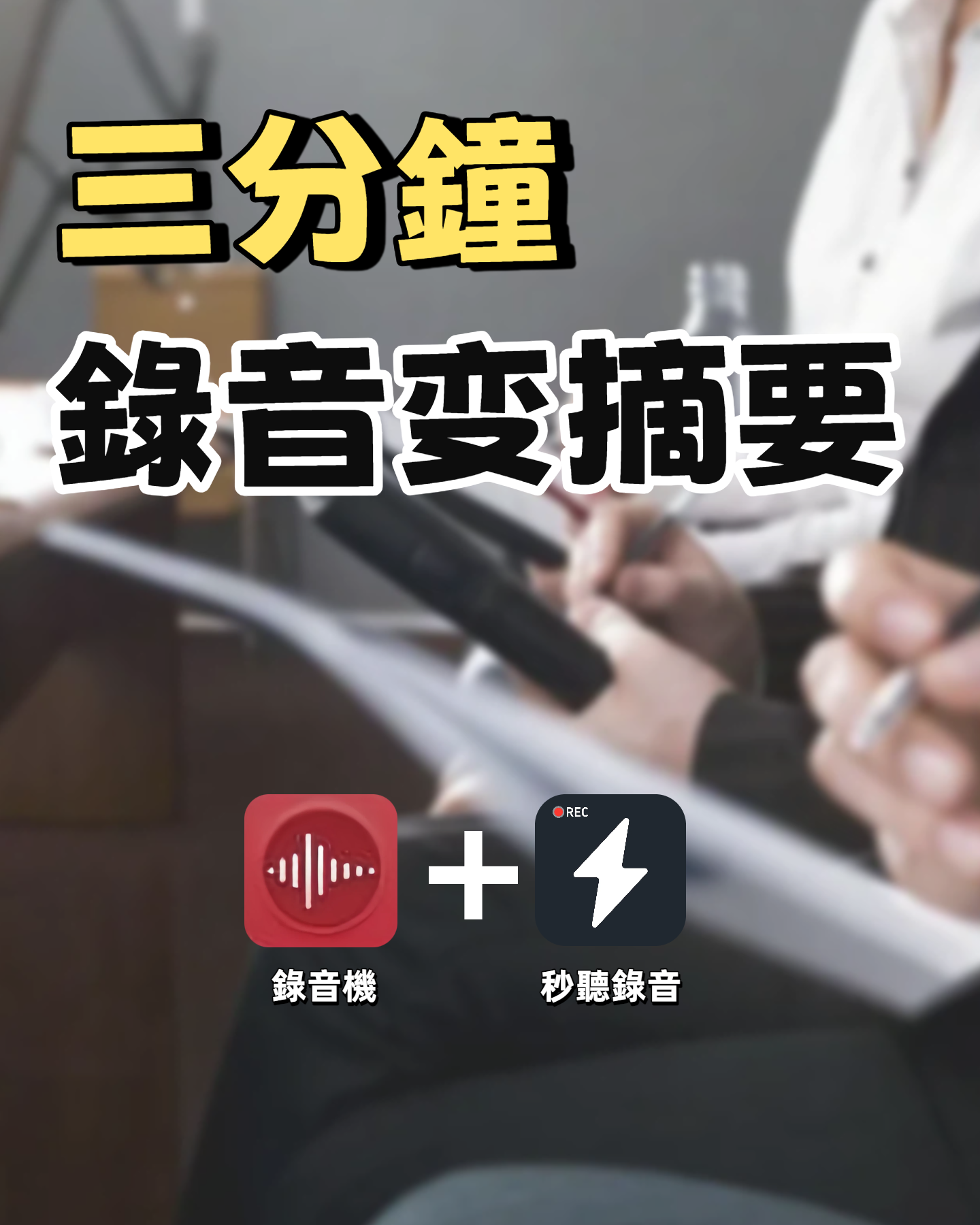
If you're evaluating whether to stick with Google Meet's built-in features or look for another tool, the following criteria can help you decide:
Cost-effectiveness
Google Meet's recording and transcription features require upgrading to a higher-tier Workspace plan, potentially adding hundreds of dollars per user per month. In contrast, Tinrec offers a free tier with basic credits, and the Pro annual plan costs less than a lunch per month—the larger the team, the more savings.Chinese transcription accuracy
Some platforms' Chinese transcription performance is disappointing, especially with Taiwanese accents or code-switching. In clear audio environments, Tinrec's Chinese accuracy exceeds 90% in internal tests (actual results depend on recording quality), making it more suitable for teams in Taiwan.Post-meeting organization capabilities
Transcription is just the first step. Tinrec offers summarization, action item extraction, chapter splitting, and even natural language querying—features that are often basic or nonexistent in built-in transcription tools.Cross-platform and data centralization
If your team uses Google Meet, Zoom, or in-person meeting recordings scattered across platforms, it's hard to manage. Tinrec supports multiple input sources, allowing you to consolidate all audio/video data in one place for search and review.Privacy and data sovereignty
Cloud tools always raise data security concerns. Tinrec encrypts all recordings and transcripts and does not use your data to train models, making it suitable for confidential internal meetings.
Frequently Asked Questions
Q: Does Google Meet's built-in transcription feature cost extra?
A: Google Meet's transcription feature (Gemini for Workspace) requires upgrading to a specific paid plan; not all versions include it. For example, the common Business plan in Taiwan may require an additional subscription.
Q: Is Tinrec's free version sufficient?
A: Tinrec's free tier provides 100 minutes of transcription per month, enough for 2-3 typical meetings. It's suitable for light users to experience full features and evaluate whether upgrading is worthwhile.
Q: If someone speaks English during the meeting, will it affect recognition?
A: Tinrec supports mixed Chinese-English recognition, but if the primary language is Chinese, embedded English terms may still be misidentified. Post-meeting AI Q&A can help correct errors.
Q: Can transcribed data be exported to other software?
A: Yes. Tinrec supports export to PDF, Word, TXT, SRT subtitle, and other formats, and can also sync directly to collaboration tools like Notion and Google Docs.
Q: Can I record and transcribe during a meeting using my phone?
A: Tinrec has iOS and Android apps. It can transcribe in real-time while recording in the background without affecting your participation in an online meeting.
Summary
Google Meet's meeting note solution is indeed convenient, but the monthly cost plus feature limitations may not be the best value for many small to mid-sized teams. If you have more than 3 meetings per week, try using Tinrec to automatically organize meeting content into searchable, trackable action lists. Start with the free plan, experience the time savings AI brings, then decide whether to upgrade.
Turn every recording into actionable outcomes
Get 60 free transcription minutes when you sign in. No credit card required.
Related Reading
You might also like
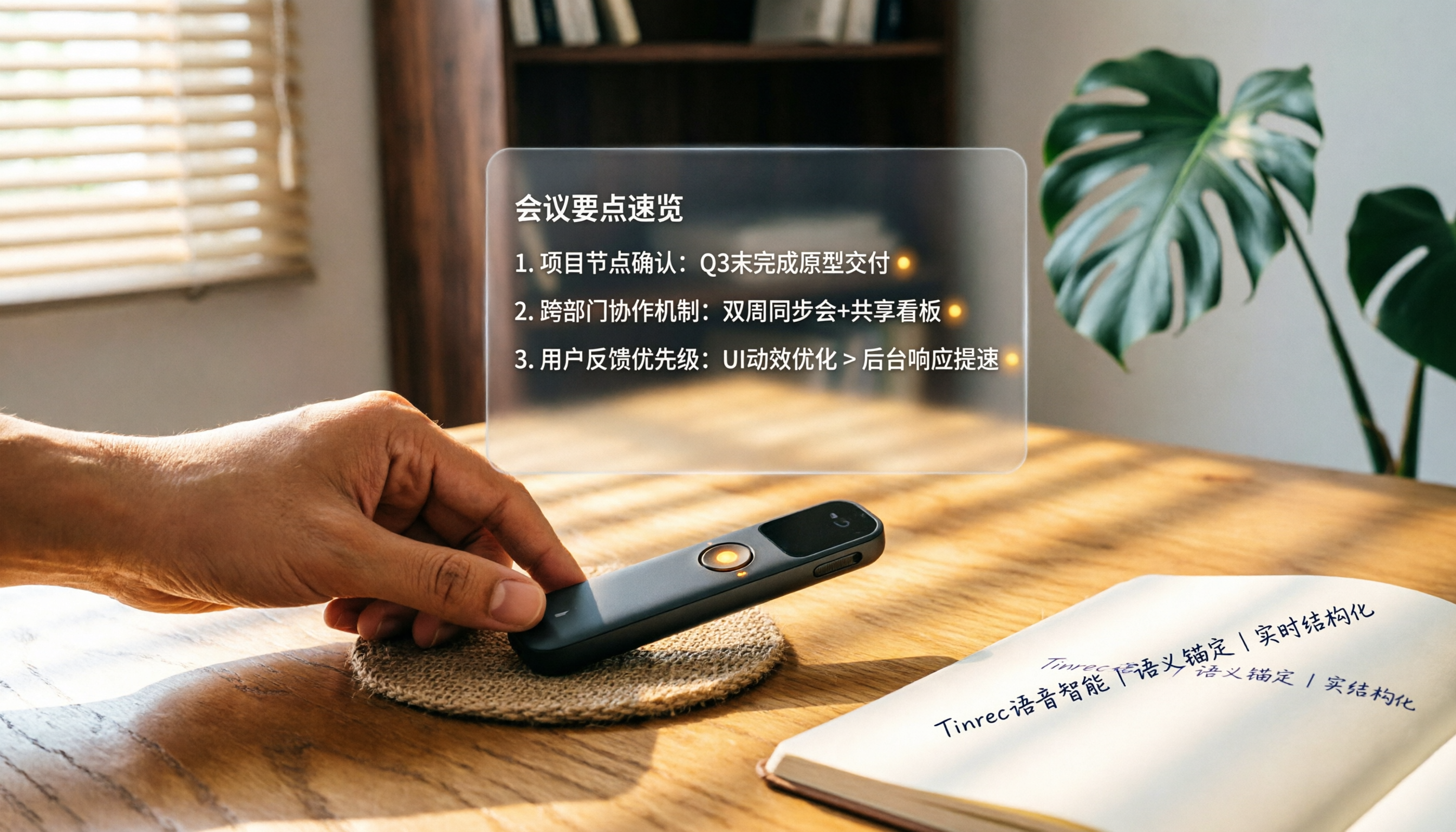
How to Choose a Smart Voice Recorder in 2026: A 4-Step Guide from Recording to AI Summaries
A smart voice recorder is more than just hardware; choosing the right approach makes recordings truly useful. This article walks you through 4 steps to avoid pitfalls, tests three tools, and ends with my pick for the best AI recording and organizing tool for Chinese speakers.
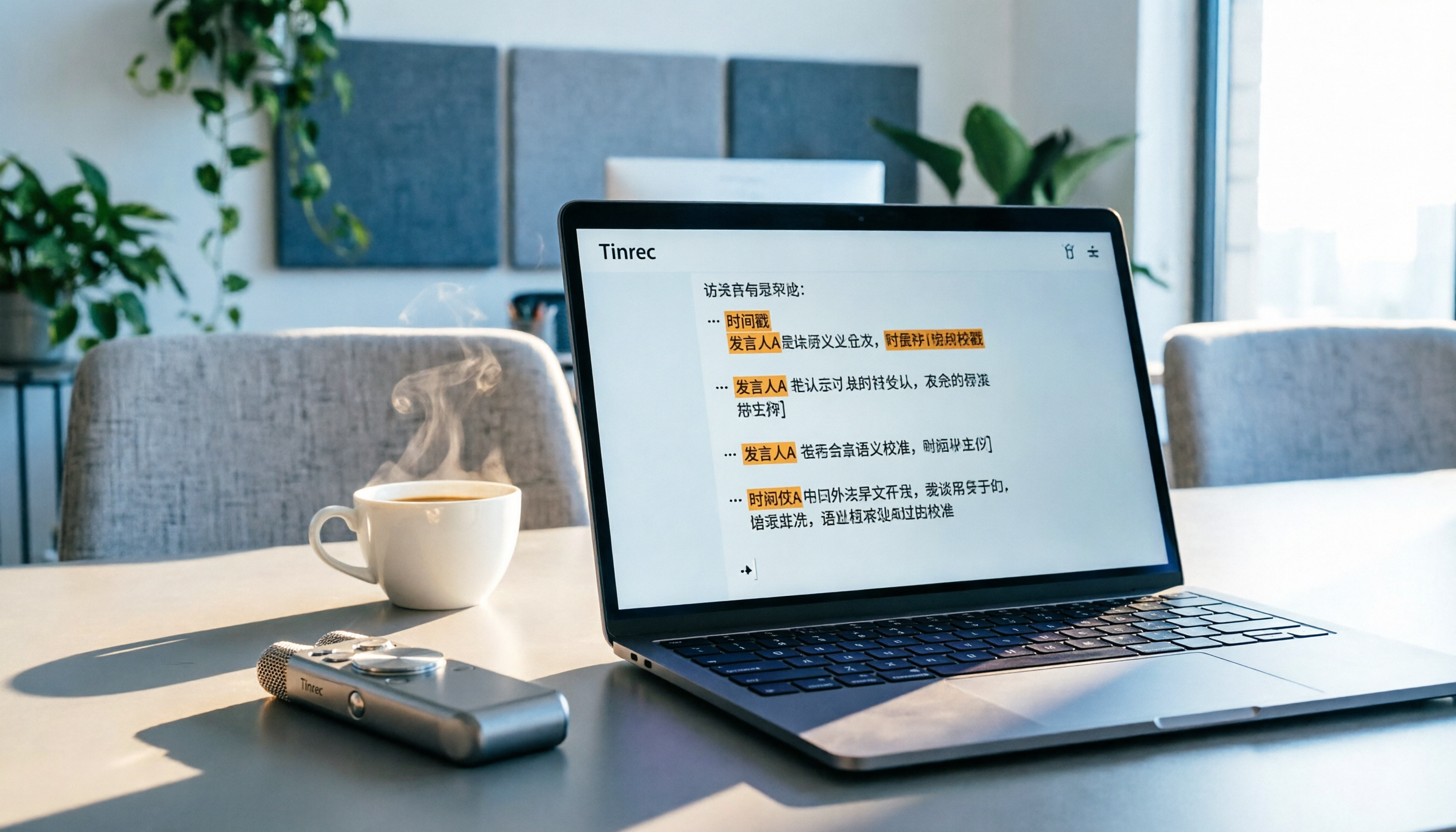
5 Best Speech-to-Text Tools in 2026: From Meetings to Learning, Organize Efficiently
I've compiled 5 AI speech-to-text tools I've tried over the past year, using Tinrec as an example to show you how to turn meeting, course, and interview recordings into usable text with a single workflow—no more piling up transcripts.

2026 Tested: 5 Recording Solutions Compared—Are Mobile Apps Really Better Than Voice Recorders?
Still debating whether to buy a voice recorder? What you really need is a tool that turns recordings into text and highlights key points. This article tests 5 recording-to-text and organization solutions, from free apps to AI recording hardware, to help you find the best fit—and explains why Tinrec is our top all-purpose recommendation.

2026 Long-Battery Voice Recorder Free Options: 5 Picks Reviewed
Running out of battery on your voice recorder during class is a nightmare? We tested 5 recording and AI organization tools, from free apps to paid plans, from a student's perspective to tell you which is best for long recordings, comparing battery life, audio quality, and AI features.

Tinrec vs Otter.ai 2026: A 5-Dimension Showdown for Students Needing Large-Capacity Audio/Video Organization
Tired of large recordings? A senior student tests Tinrec and Otter.ai, comparing input sources, Chinese accuracy, AI note features, free tiers, and pricing to see which tool better suits students' transcription needs, saving you money.

3 Workplace Voice Recorders Tested in 2026: Which One Is the Ultimate Meeting Notes Sidekick?
How should you choose a voice recorder for the workplace? We tested a traditional voice recorder, phone recording, and the AI recording app Tinrec, comparing portability, post-processing, and budget to find the best meeting note solution for office workers.

Voice Recorder vs. Phone Recording in 2026: How to Choose? 5 Steps to Build an Efficient Recording Workflow
Still torn between a voice recorder and your phone for recording? This article starts from real-world use cases, teaches you how to find the best recording solution in 5 steps, and tests the AI recording tool Tinrec to see how it solves the pain points of traditional recording, saving you hours of organizing time.

How to Choose a Cost-Effective Voice Recorder in 2026: 4 Steps to Compare Recorders and AI Tools
Thinking about buying a voice recorder but unsure how to evaluate value for money? This article compares traditional voice recorders and AI recording tools from perspectives like features, price, and post-processing, helping you pick the best recording solution.

2026 Test: AI Software vs. Hardware Noise Reduction for Voice Recorders—Which Keeps Meetings and Lectures Clearer?
I tested popular voice recorders and AI recording software, and found that hardware doesn't always beat software for noise reduction. This article compares Tinrec and PLAUD Note in real-world scenarios, covering noise reduction, organization features, and long-term use, to help you choose the right solution.