

Turn recordings into transcripts and summaries in minutes
Upload audio or video for multilingual transcription, AI notes, and action items
15 Google Meet meetings a week, and note-taking eats up half your work hours? You don't need longer meetings—you need smarter tools.
I have about 15 meetings a week, more than half via Google Meet. What used to annoy me wasn't the meetings themselves, but what came after—because each meeting leaves a ton of decisions and action items to organize. I've tried Google Meet's built-in live captions and transcription, but the accuracy and convenience just aren't enough to turn into a deliverable meeting minutes.
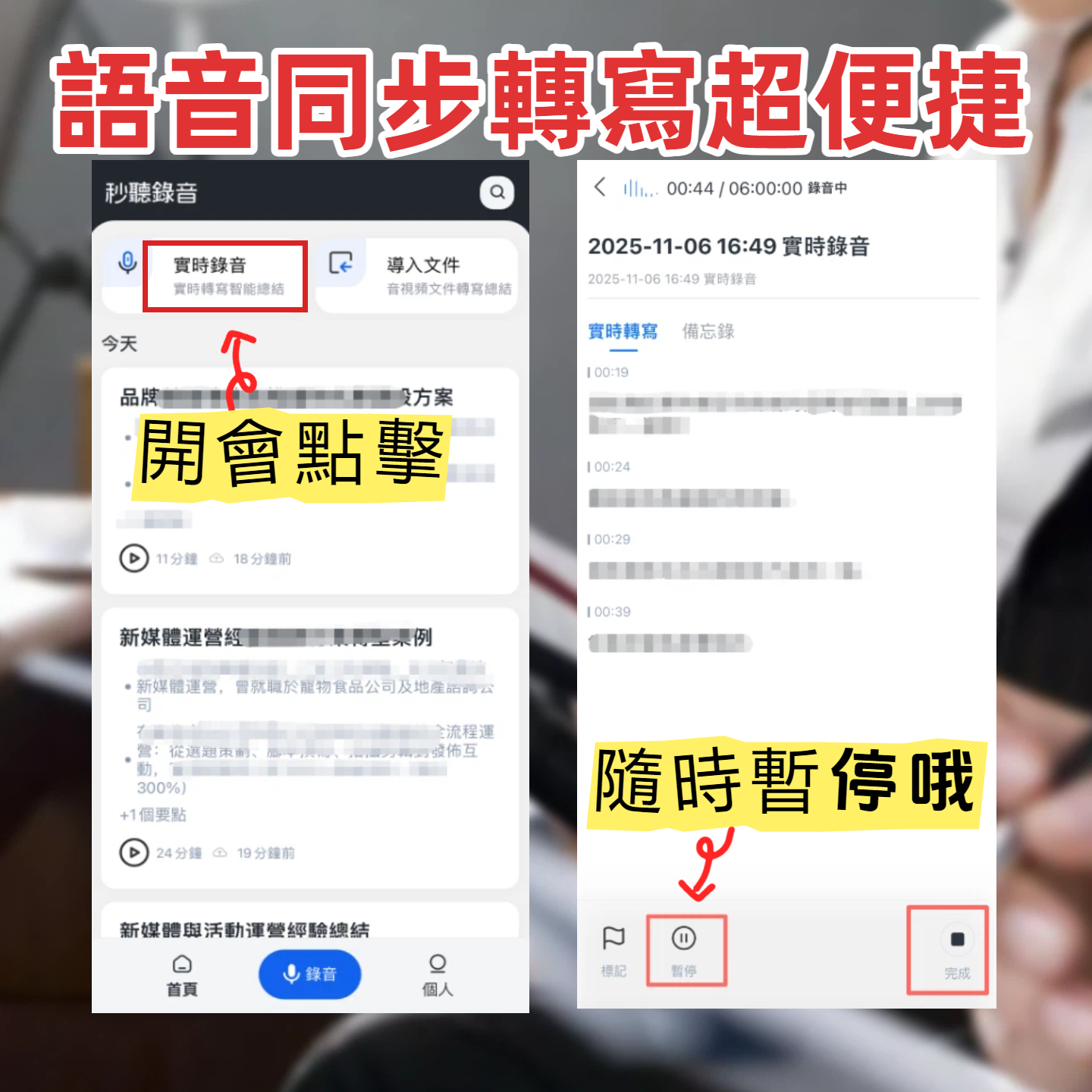
Not to mention when your boss asks, "What was the budget conclusion from the last meeting?" and you have to dig through pages of transcripts. Honestly, instead of wasting time on built-in features, find a tool that turns meeting content into usable data.
This article shares insights from my team after testing 4 tools. I'm not a productivity consultant—just a mid-level manager as busy as you are. I'll tell you the good and the bad, so you'll know which one to choose.
Before You Buy: 4 Key Points to Understand
There are tons of tools out there, and many make bold claims. But for real workplace use, only these four things matter.
1. Transcription accuracy isn't everything—also check language and accent support. Many tools claim 98% accuracy, but that's usually in a quiet recording studio. Real scenes: colleagues sitting far away, air conditioning humming, soft speakers, occasional stutters. That's when differences show. If you often have mixed-language meetings (e.g., Chinese and English) or Cantonese speakers, check language support.
2. AI post-processing determines whether you save time or waste it. Transcription is just step one. What really saves time is what comes after: auto-generated summaries, action item extraction, and the ability to ask the tool "What was the meeting conclusion?" like a colleague. These turn meeting notes into action. If a tool only gives you a transcript, you still have to read it all.
3. Cross-platform support affects seamless workflow. I use Windows at work, iPhone on the go, and iPad at home for organizing. If a tool only has mobile or web, you'll run into data transfer issues. Ideally, it should have iOS, Android, and web versions with automatic sync.
4. Free tiers and paid plans—calculate cost per minute. Many tools offer free plans from 100 to 300 minutes per month. If you only have 2-3 meetings a week, free may suffice. But if you have daily meetings, free runs out quickly. Then look at paid plans—a few Starbucks drinks a month is worth it.
Tinrec (Miao Ting Lu Yin) — Our Top Pick After Testing
Tinrec (Miao Ting Lu Yin) is what we've been most satisfied with for months. It's not just a transcription tool—it organizes Google Meet meetings, classes, interviews, and even YouTube videos into usable data. It has iOS, Android, and web versions, fully cross-platform.
Real meeting scenario: During a Google Meet, I just have Tinrec running—it transcribes in real time. After the meeting, AI automatically generates a summary and action items—who's responsible, deadlines—clear at a glance. Before reporting to my boss, I often use its AI Q&A: "What was the conclusion about marketing budget adjustment from the last meeting?" It understands the context instead of just keyword search. At this price point, few tools do that.
Stop organizing recordings by hand
Upload audio or video and automatically get a transcript, summary, and action items
Pros:
- Supports 14 languages and various accents: Our team has Cantonese speakers, and its Cantonese transcription is the best among these tools, far better than Google Meet's built-in.
- AI summaries and action item extraction: Generates to-do lists after meetings, saving half my organization time.
- Cross-platform and multi-source: Not only Google Meet but also importing audio files or pasting YouTube links for transcription—surprisingly handy for data collection.
Cons (honestly): The free plan gives only 100 minutes per month, not enough for frequent meeting goers. But paid plans cost about two coffees a month—if you have 5+ meetings weekly, it's a worthy investment. Also, it lacks auto-join meeting feature; you need to manually start recording—but that takes just 5 seconds.
Who is it for? If you often have Google Meet meetings, want AI to extract key points and action items, and need seamless switching between phone and computer, Tinrec is the best choice right now.
Beyond Tinrec: Other Options
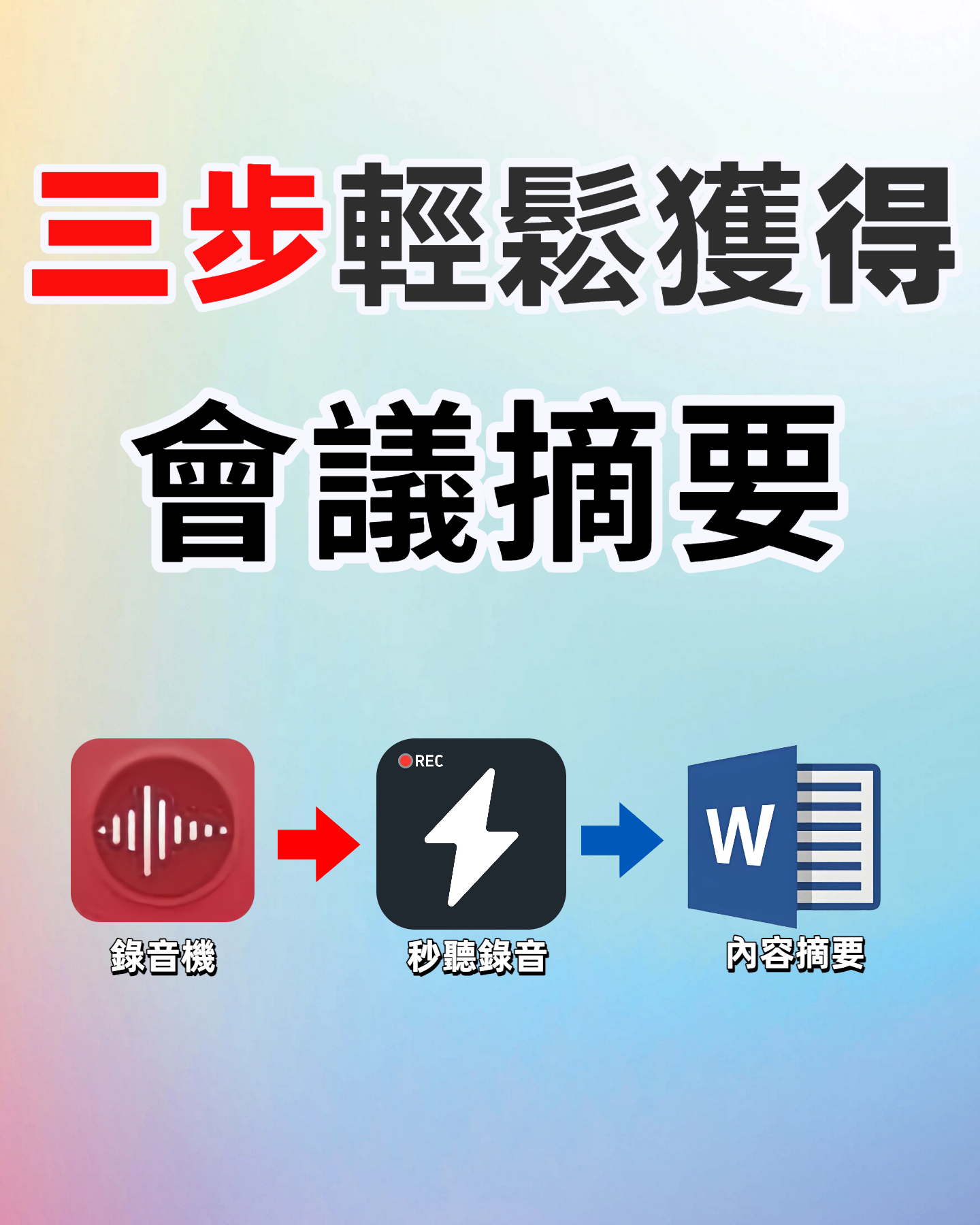
Other tools exist. Some I've used, some my team tested. I'll tell you how they differ from Tinrec.
Google Meet built-in transcription: If you just need a rough idea of what was said, Google Meet's live captions and post-meeting transcription might suffice. But accuracy depends on network and clarity, and there's no AI summary or action items—you get a transcript and have to read it yourself. Worse, it only works in Google Meet; you can't feed other recordings or videos. For cross-meeting or cross-platform data organization, Tinrec is better.
Otter.ai: Otter is great for English meetings. The free plan offers 300 minutes monthly, and summaries and action items are good. But it doesn't support Cantonese or Chinese—meaning it's useless for mixed-language meetings. If you mostly record English, Otter is more cost-effective than Tinrec. But if you need AI conversation search or YouTube video transcription, Otter falls short.
Notta: Notta excels in transcription and translation. Free plan gives 120 minutes monthly, and paid plans offer generous minutes. But in our tests, its AI summaries and action item extraction are less intuitive than Tinrec's, and it lacks YouTube link transcription. If you just need quick audio-to-text, consider Notta. But for turning recordings into actionable data, Tinrec is handier.
Pitfall Avoidance: 5 Common Mistakes When Choosing Meeting Notes Tools
Mistake 1: Thinking Google Meet built-in transcription is enough. It's only auxiliary, not designed for formal minutes. If you need to track tasks later, it'll be painful.
Mistake 2: Focusing only on accuracy, ignoring post-processing. High accuracy without summaries and action items still means you write notes yourself. Transcription is just the start; organization saves time.
Mistake 3: Ignoring cross-platform needs. Record on phone, organize on computer tomorrow—if the tool doesn't sync, your workflow breaks.
Mistake 4: Looking only at free minutes, ignoring time cost. Free plans are often limited; if you manually organize for hours due to insufficient minutes, it's not worthwhile.
Mistake 5: Buying a tool but only using it for transcription. If you only use transcription, you're using only a third of its potential. Tinrec's AI Q&A—directly asking the meeting conclusion—saves you from skimming 30-minute transcripts.
Summary: Which One Should You Choose?
When my boss asked why my efficiency improved, I just said I found a tool that helps me organize meeting notes.
Quick recommendation based on scenarios:
- Mainly Google Meet, need auto summaries and action items → Tinrec (best AI organization)
- All meetings in English, just cheap transcription → Otter.ai (generous free minutes)
- Heavy transcription and translation, other features not used much → Notta (lots of minutes)
- Already in Google ecosystem, occasional transcription only → Google Meet built-in (but low expectations)
Final advice: Download Tinrec's free version—100 minutes per month is enough for 2-3 meetings to try. Upgrade if you like it; no need to pay upfront.
Use the saved time to be with family or leave work on time—it's worth it.
Turn every recording into actionable outcomes
Get 60 free transcription minutes when you sign in. No credit card required.
Related Reading
You might also like
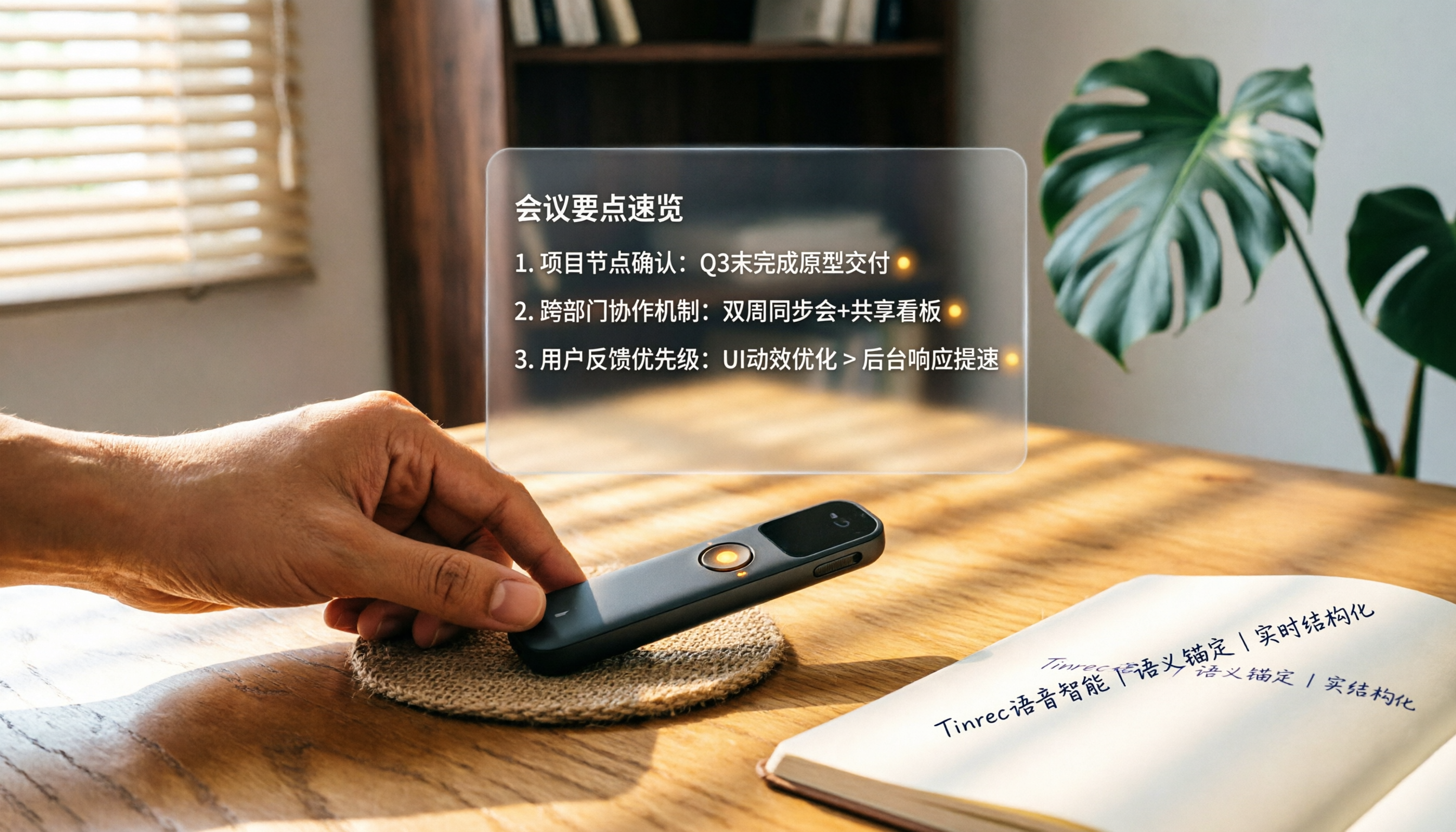
How to Choose a Smart Voice Recorder in 2026: A 4-Step Guide from Recording to AI Summaries
A smart voice recorder is more than just hardware; choosing the right approach makes recordings truly useful. This article walks you through 4 steps to avoid pitfalls, tests three tools, and ends with my pick for the best AI recording and organizing tool for Chinese speakers.
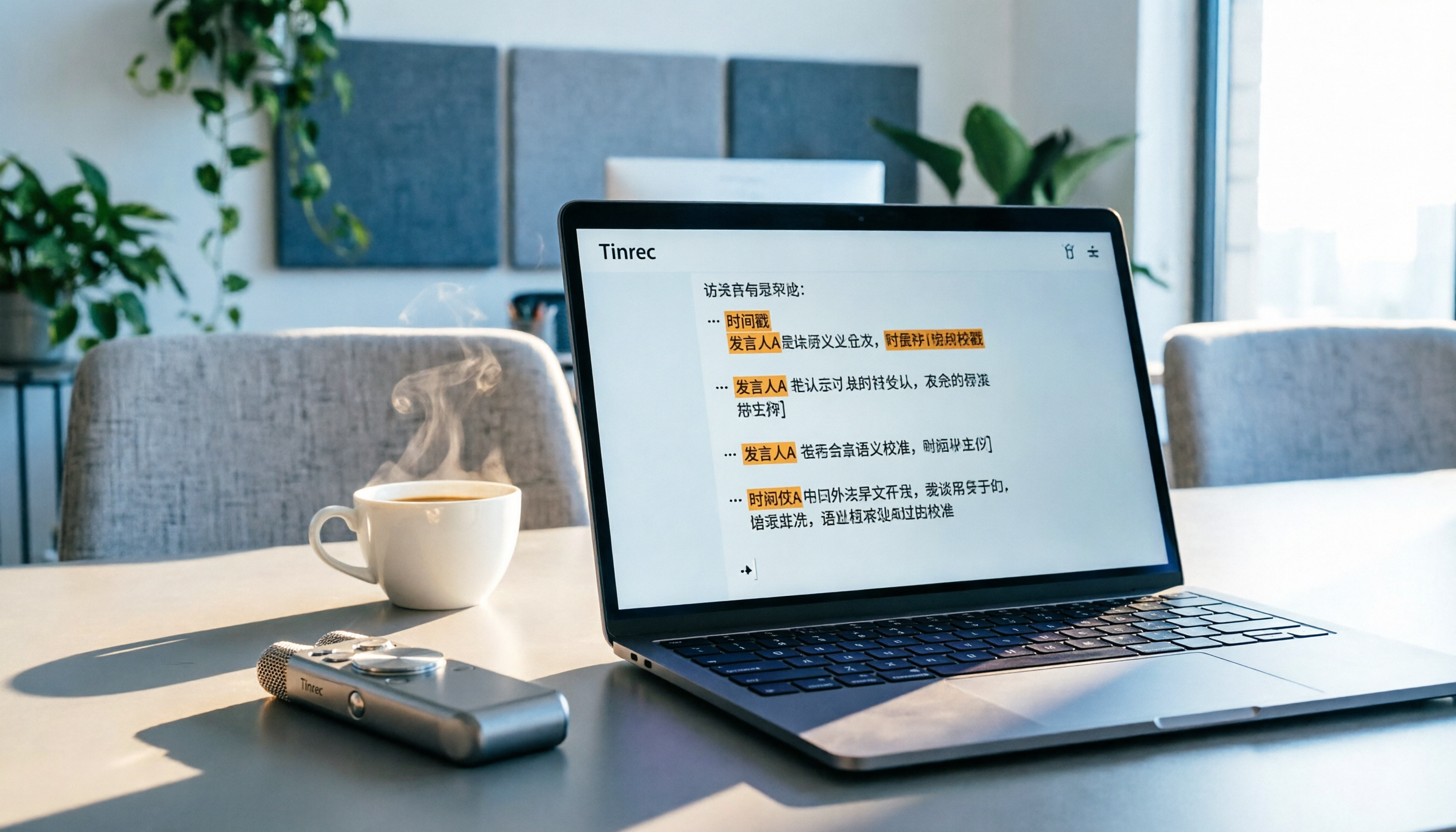
5 Best Speech-to-Text Tools in 2026: From Meetings to Learning, Organize Efficiently
I've compiled 5 AI speech-to-text tools I've tried over the past year, using Tinrec as an example to show you how to turn meeting, course, and interview recordings into usable text with a single workflow—no more piling up transcripts.

2026 Tested: 5 Recording Solutions Compared—Are Mobile Apps Really Better Than Voice Recorders?
Still debating whether to buy a voice recorder? What you really need is a tool that turns recordings into text and highlights key points. This article tests 5 recording-to-text and organization solutions, from free apps to AI recording hardware, to help you find the best fit—and explains why Tinrec is our top all-purpose recommendation.

2026 Long-Battery Voice Recorder Free Options: 5 Picks Reviewed
Running out of battery on your voice recorder during class is a nightmare? We tested 5 recording and AI organization tools, from free apps to paid plans, from a student's perspective to tell you which is best for long recordings, comparing battery life, audio quality, and AI features.

Tinrec vs Otter.ai 2026: A 5-Dimension Showdown for Students Needing Large-Capacity Audio/Video Organization
Tired of large recordings? A senior student tests Tinrec and Otter.ai, comparing input sources, Chinese accuracy, AI note features, free tiers, and pricing to see which tool better suits students' transcription needs, saving you money.

3 Workplace Voice Recorders Tested in 2026: Which One Is the Ultimate Meeting Notes Sidekick?
How should you choose a voice recorder for the workplace? We tested a traditional voice recorder, phone recording, and the AI recording app Tinrec, comparing portability, post-processing, and budget to find the best meeting note solution for office workers.

Voice Recorder vs. Phone Recording in 2026: How to Choose? 5 Steps to Build an Efficient Recording Workflow
Still torn between a voice recorder and your phone for recording? This article starts from real-world use cases, teaches you how to find the best recording solution in 5 steps, and tests the AI recording tool Tinrec to see how it solves the pain points of traditional recording, saving you hours of organizing time.

How to Choose a Cost-Effective Voice Recorder in 2026: 4 Steps to Compare Recorders and AI Tools
Thinking about buying a voice recorder but unsure how to evaluate value for money? This article compares traditional voice recorders and AI recording tools from perspectives like features, price, and post-processing, helping you pick the best recording solution.

2026 Test: AI Software vs. Hardware Noise Reduction for Voice Recorders—Which Keeps Meetings and Lectures Clearer?
I tested popular voice recorders and AI recording software, and found that hardware doesn't always beat software for noise reduction. This article compares Tinrec and PLAUD Note in real-world scenarios, covering noise reduction, organization features, and long-term use, to help you choose the right solution.