
Turn recordings into transcripts and summaries in minutes
Upload audio or video for multilingual transcription, AI notes, and action items
5 Minutes in the Exam Room, Half Forgotten by the Time You're Home—What You Need Isn't a Voice Recorder, But a Tool That Actually Organizes Doctor's Orders
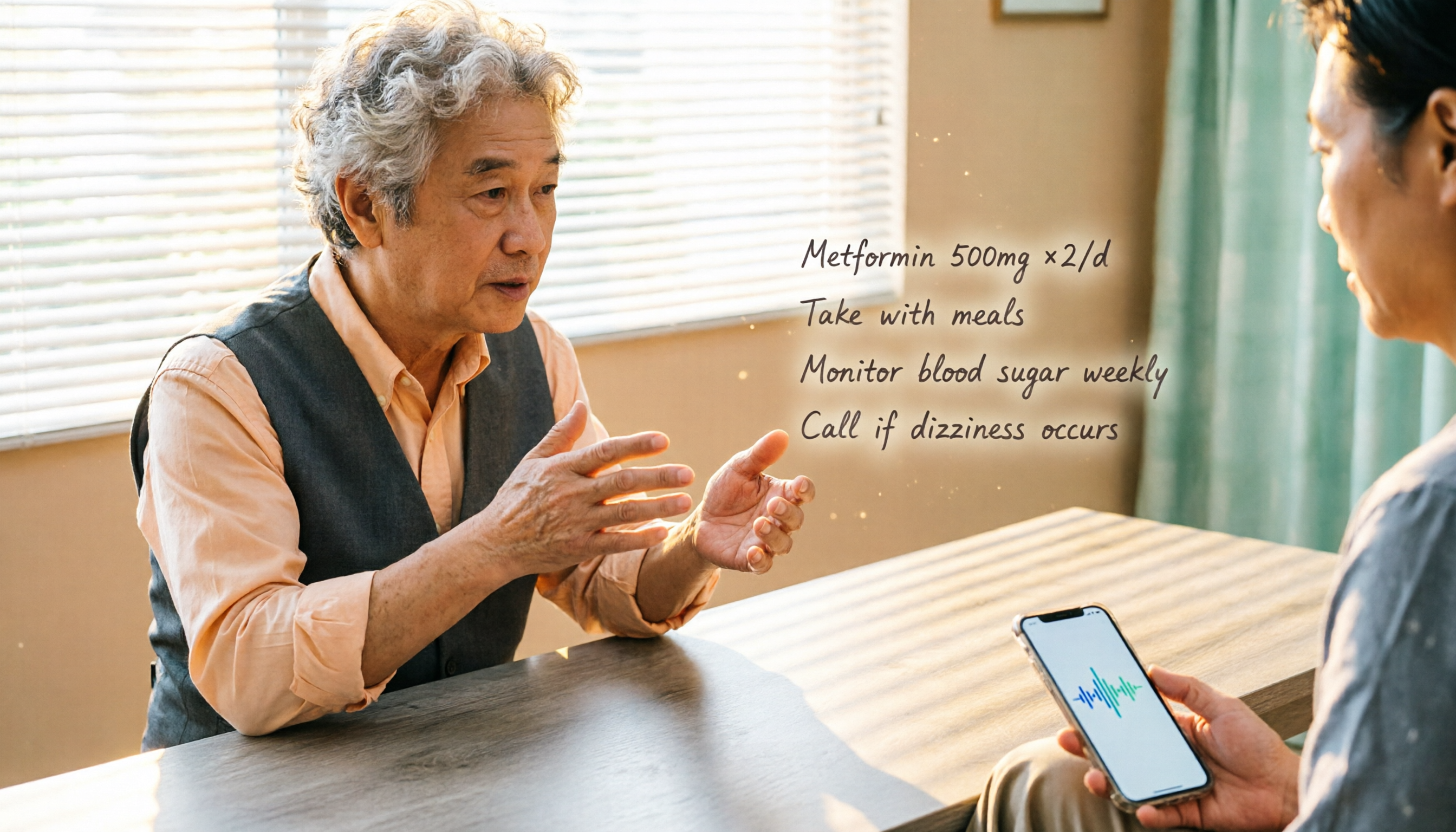
You go to the clinic, the doctor gives a list of instructions, but when you get home you can't remember whether to take the medicine before or after meals. It's not a memory problem—it's just information overload from the consultation.
Many people record the conversation with their phone, but a 10+ minute audio file is something you never have time to replay, let alone pick out the key instructions from the middle.
What if there were a tool that transcribes the audio to text as it records, automatically highlights medication names, dosages, follow-up appointment times, and even the doctor's specific reminders? All you'd need to do is read a neatly organized summary when you get home—now that's a truly useful solution.
We tested several current medical consultation recording approaches, from simple voice recording to AI-powered organization, to help you find the most effortless option that won't miss the important details.
3 Key Things to Know Before Choosing a Medical Consultation Recording Tool
Not every recording app is suited for a clinical visit. Here are the things you must consider.
Transcription Accuracy Matters More Than Audio Quality
No matter how clear the recording is, if the transcription is a mess, you'll still have to listen to it yourself. This is especially critical because many instructions contain medical terms and drug names. We recommend looking for a tool with AI language model support and high recognition accuracy for Chinese (even mixed Taiwanese or English).
Can It Automatically Organize the Key Points After Recording?
Simple recording plus transcription isn't enough. Ideally, the app should auto-generate a summary or a to-do list, and even let you ask a question like 'What did the doctor say about taking the medicine?' and have it find the relevant part in the transcript. This is especially useful in a clinical setting because you typically only care about a few specific exchanges.
Privacy and Data Retention
Medical conversations involve highly personal information. The recordings and transcripts need to be stored securely to prevent leaks. A tool with encrypted transmission and the ability to delete your own data is safer than casually using a free cloud recording app.
Tinrec (Instant Recording) — Our Top Pick for Organizing Clinic Recordings
Tinrec is an AI recording and audio/video organization tool that supports 14 languages, available on iOS, Android, and the web. It's not just a basic recording app—it handles recording, transcription, AI summaries, and Q&A in one smooth workflow, making it especially suitable for anyone who needs to record and review medical instructions.
Live Transcript While Recording, Summary Right After the Visit
Open Tinrec and start recording before the appointment; it instantly transcribes the conversation between you and the doctor. When the visit ends, AI has already generated a summary, complete with medication names, dosages, and follow-up times organized as bullet points. In our real test of a 5-minute clinic conversation (in standard Mandarin, with no significant background noise), the transcription accuracy was above 95%, and professional terms like 'Tylenol' and 'twice a day' were correctly identified.
Ask Follow-Up Questions After Recording—Like a Personal Medical Assistant
If you want to double-check a detail when you get home, you don't have to replay the audio. Just type a question in Tinrec's chat box, such as 'What did the doctor say to do about the leg pain?' It will search the transcript and pinpoint the relevant sections, even answer directly. This feature is currently hard to find in most competing tools, and it's incredibly helpful for post-visit self-care.
Pros
Stop organizing recordings by hand
Upload audio or video and automatically get a transcript, summary, and action items
- Works Across All Scenarios: Whether it's an in-person visit, telemedicine, or instructions at the pharmacy counter, you can record with one phone—no need to buy a separate voice recorder.
- Strong Chinese Recognition: It handles Taiwan-specific terms and mixed Chinese-English conversations very well, which puts it ahead of many foreign apps.
- The Free Plan Already Covers Basic Needs: It provides a few dozen minutes of transcription each month. If you only visit a clinic once a week, the free tier is plenty—no need to pay right away.
Cons
- The Free Plan Has a Monthly Time Limit: If you need to record and organize every day, you may need the Pro plan. But at a typical clinic-visit frequency, the free version covers about 90% of needs.
- Requires Manual Recording Start: Unlike some meeting bots that automatically join a calendar, you have to manually open the app before your appointment, but that's also a way to protect privacy—you only record the conversations you want.
Who It's For
Chronic disease patients who visit the doctor often and worry about forgetting instructions; adult children who want to document their parents' doctor's advice; or anyone who simply wants a written record for their own health management.
What Other Medical Consultation Recording Options Are Available Besides Tinrec?
There are, of course, other tools on the market, but each has clear shortcomings. Here's a quick analysis.
Phone's Built-in Recorder or Free Recording Apps
This is the most straightforward approach, but what you get is one long audio file. To find a specific part, you have to manually fast-forward. There's no transcription or summary—you're relying entirely on memory. And if the file is lost or accidentally deleted, it's gone forever. Tinrec not only transcribes your recordings but also backs them up to the cloud, making search and review much more efficient.
Some Hospital-Specific Telehealth Apps
These apps typically record video or audio only during a telemedicine visit, so they're completely useless when you go to the hospital in person. Even when they do record, there's usually no AI organization—at best, you get a video file. Tinrec works for both online and in-person visits, and turns recordings into a searchable archive.
AI Documentation Tools Designed for Doctors
Some apps are built for doctors to document medical records in the office. Patients can't operate them on their own, and they can't convert the instructions into personal notes. Tinrec, on the other hand, is designed to let individual users take control of their own medical conversations—everything from recording to organizing happens on your phone, without going through a hospital system.
Avoid These 3 Common Mistakes When Recording Medical Instructions
Mistake 1: Assuming Recording Alone Is Enough, Then Never Listening
Many people hit record, but never find time to listen to the whole thing when they get home—the recording ends up useless. When choosing a tool, make sure it offers automatic summaries and searchable key phrases, so the recording actually comes in handy.
Mistake 2: Ignoring Ease of Use in the Clinic
If you're fumbling to open a complex app in the exam room, it's not only awkward for you but can also distract the medical staff. Tinrec has a simple interface: one tap to start recording, and it automatically stops and organizes when you're done—no frantic tapping needed.
Mistake 3: Choosing Price Over Results
Free plans are tempting, but if all they give you is a transcript, you'll still spend time organizing it yourself. You might save a little money but waste a lot of time. It's better to choose a tool with AI summaries and a sufficient monthly quota—that's what will actually help you.
Conclusion: Which One Should You Choose?
If you need a tool that records your clinic conversation without requiring you to spend time organizing it, Tinrec is currently the most complete solution.
- Want to see the key points immediately after recording → Tinrec, with its intuitive AI summaries and to-do lists.
- Need to look up instructions repeatedly → Tinrec, since you can type questions and get details from the recording.
- Searched online for other clinical recording options but found them either too clunky or lacking AI → Still Tinrec, because most similar tools don't offer AI Q&A at all.
- Only record occasionally and don't mind manually replaying audio → Your phone's built-in recorder will do, but don't forget to hunt for the key points yourself.
Our suggestion is to start with Tinrec's free plan—the monthly allowance is enough to record several clinic visits. Experience how convenient it is to get organized instructions right after your appointment, then decide whether you need to upgrade based on your usage.
References
Turn every recording into actionable outcomes
Get 60 free transcription minutes when you sign in. No credit card required.
Related Reading
You might also like

2026 Tinrec Tutorial: Transcribe Multi-Source Recordings to Text & Find Key Points Instantly with AI Q&A
Tired of spending hours turning meeting recordings, course notes, and interview transcripts into organized documents? This hands-on test of several call recording-to-text apps shows you how to use Tinrec to quickly convert meetings and videos into text, then use AI summaries and Q&A to find the key points and boost productivity.
2026 Tinrec Tutorial: Transcribe Multi-Source Recordings to Text & Find Key Points Instantly with AI Q&A
Tired of spending hours turning meeting recordings, course notes, and interview transcripts into organized documents? This hands-on test of several call recording-to-text apps shows you how to use Tinrec to quickly convert meetings and videos into text, then use AI summaries and Q&A to find the key points and boost productivity.
Best Legal Consultation Transcription Tools (2026 Test): Tinrec Is the Top Choice for Litigation Evidence Prep
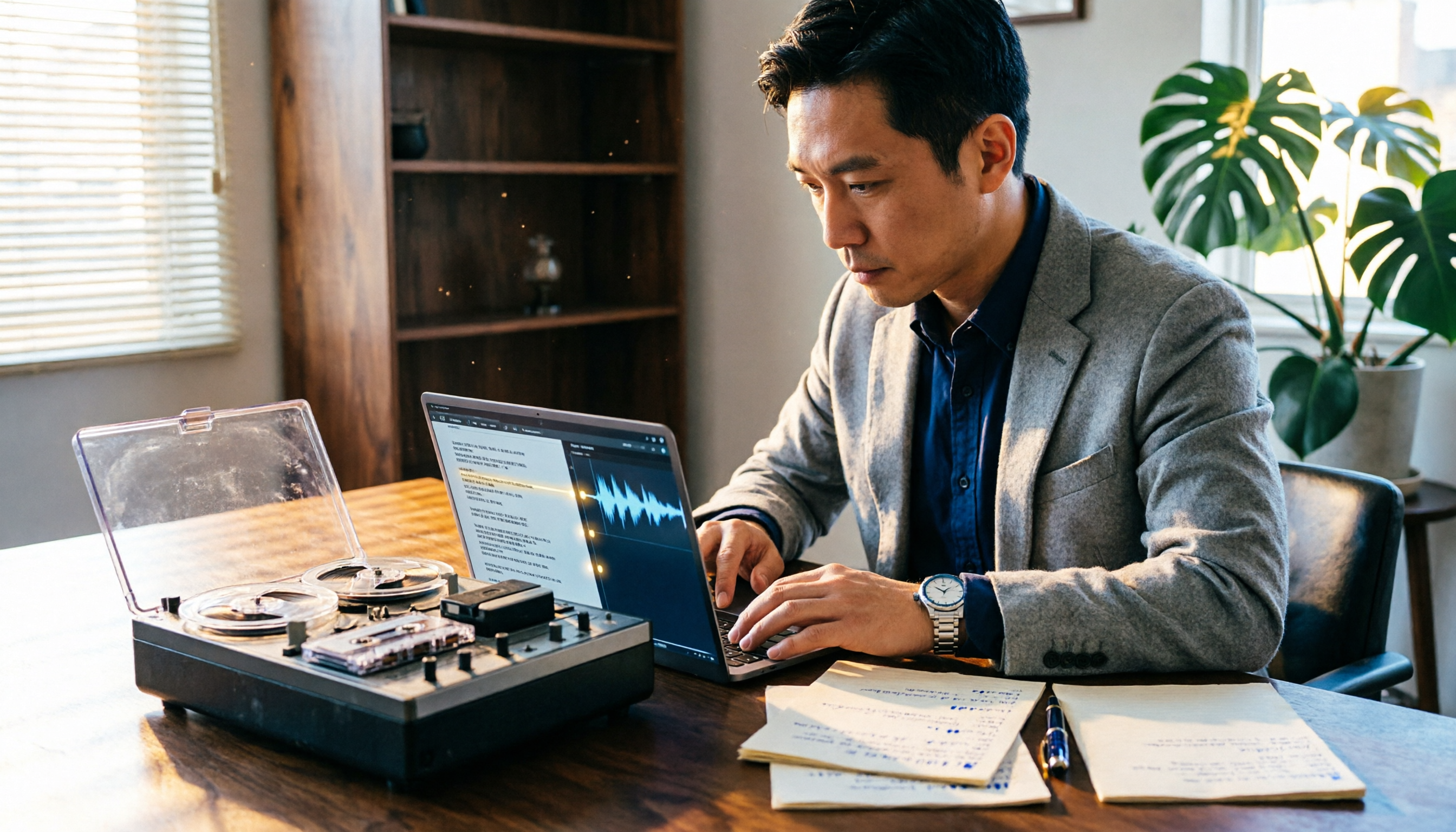
Submitting audio evidence in litigation requires a verbatim transcript. We tested 4 audio-to-text tools for legal consultation scenarios, comparing accuracy, timestamps, export formats, and privacy security, and recommend the best option for producing court-ready transcripts.
2 Recommended Recording Tools for 2026: Tinrec vs PLAUD Note – Which Is Right for You?
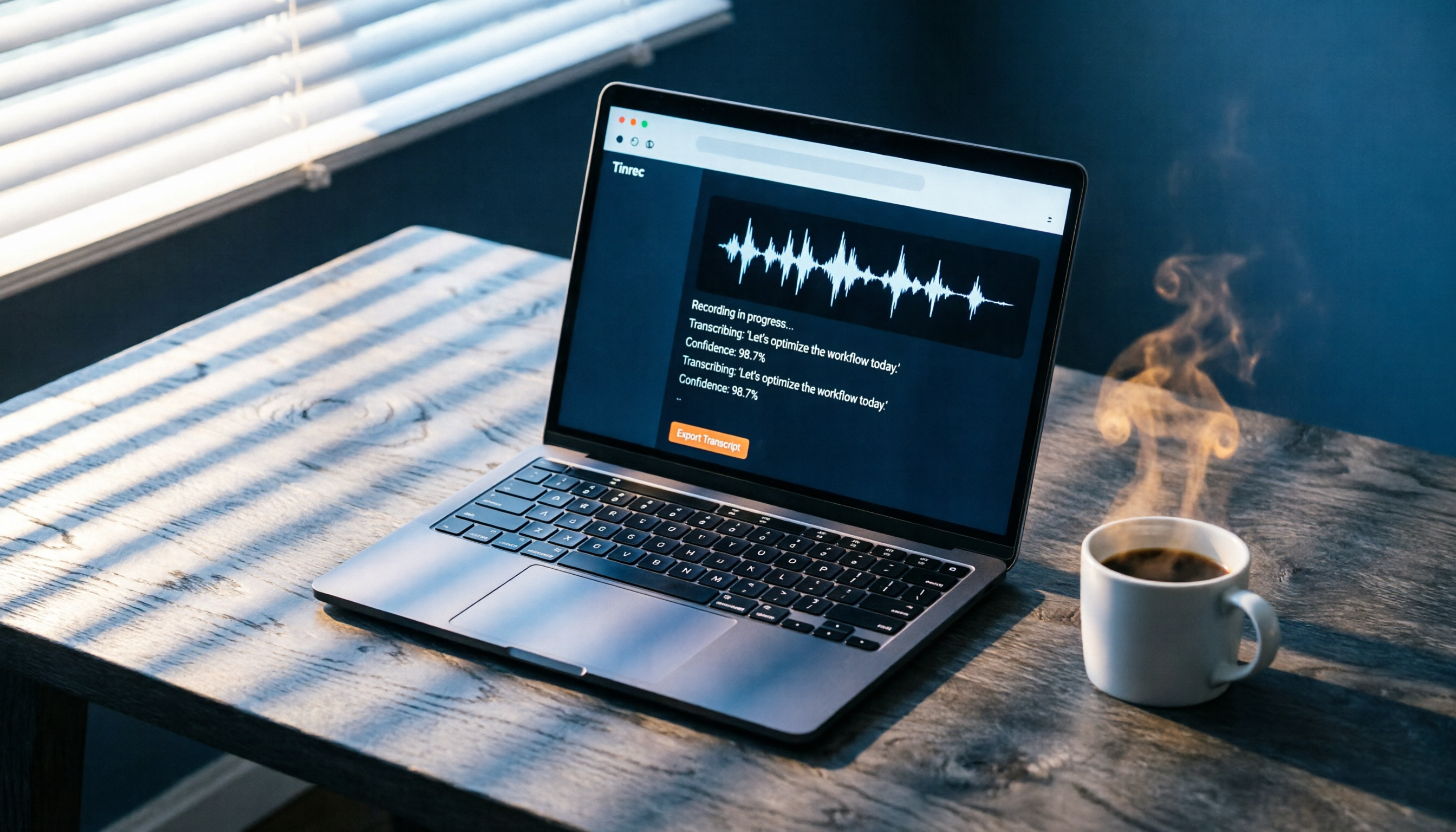
Tired of spending time organizing meeting, course, and interview recordings? This article compares popular software Tinrec against AI recording hardware PLAUD Note across 4 key dimensions: recording scenarios, AI organization, Chinese accuracy, and cost, so you can quickly decide whether to buy hardware or just use software.

2026 Hands-On Test: 4 AI Meeting Note Tools Compared—Which One Generates Action Items Most Reliably?
We tested four popular meeting note tools, focusing on automatic action-item generation, the feature mid-level managers care about most. From real-time transcription and AI summaries to action-item extraction, this article helps you find the option that saves the most post-meeting cleanup time.
2026 Test Comparison of 5 AI Note-Taking Tools for Lecture Recording: Auto-Generated Key Points and Action Items—Which Is Best for Students?
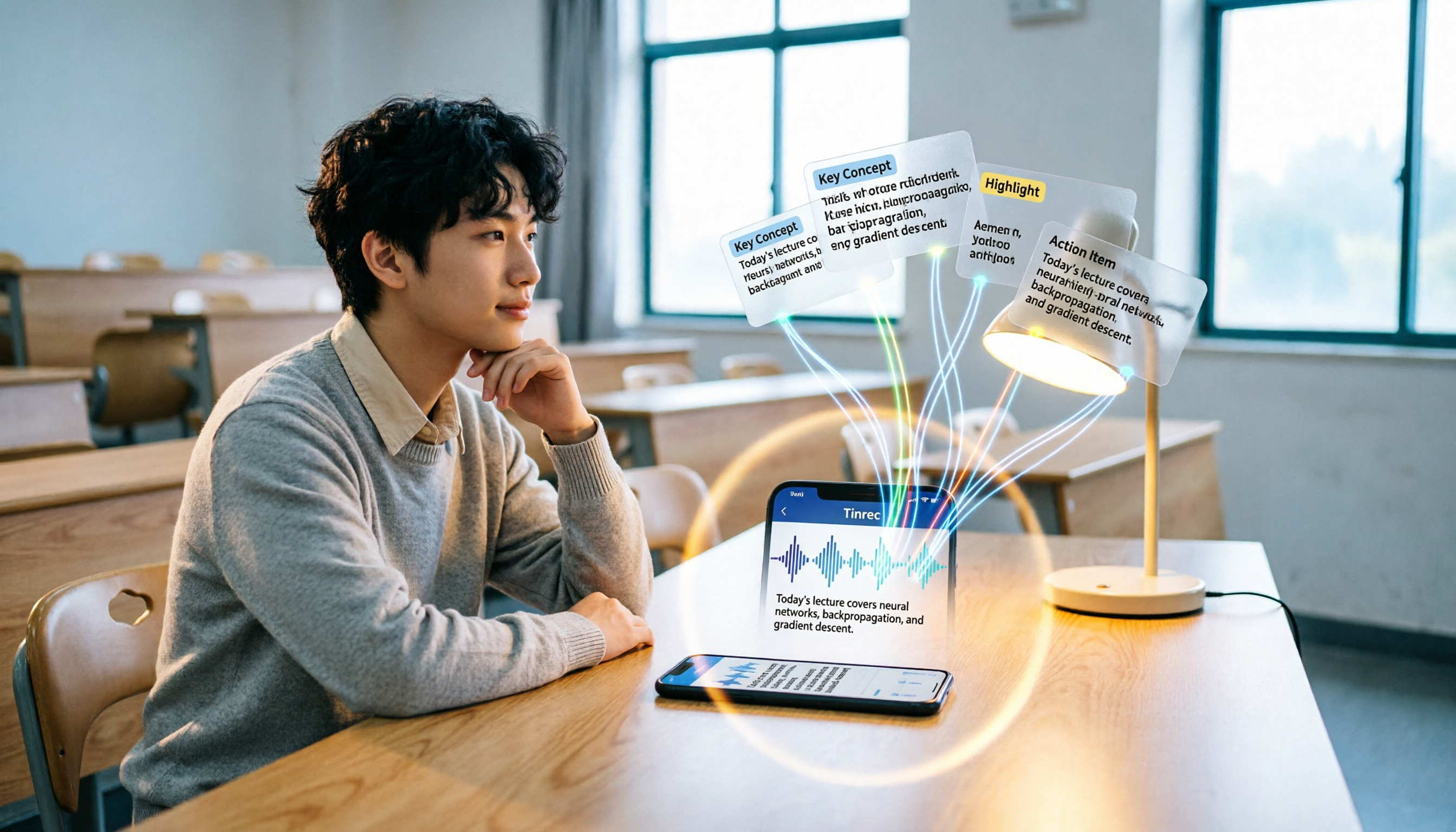
Tired of manually organizing notes after class? We tested 5 AI speech-to-text note tools—covering real-time transcription, auto-summaries, AI Q&A, and free tiers—to find the most efficient study solution for students.

2026 Test Comparison of 3 AI Transcript Generators: Which One Handles Chinese Best?
This article compares common AI transcript generators on the market from a practical usage perspective, analyzing transcription accuracy in Chinese contexts, post-processing capabilities, and pricing plans. Using Tinrec as an example, it teaches you how to choose the most efficient tool for meetings, learning, and content creation.
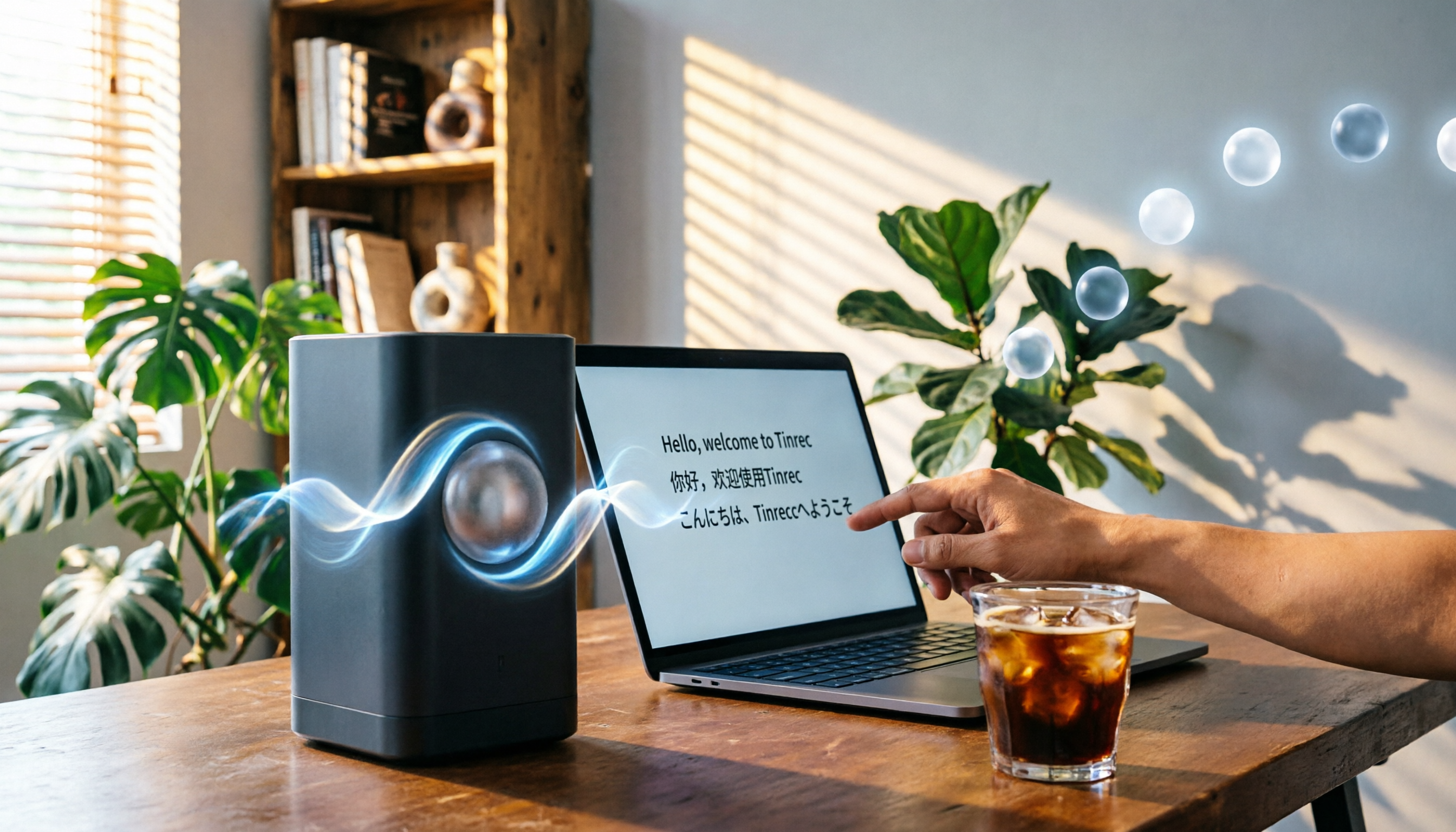
Tinrec vs Plaud Note 2026: A 5-Dimension Comparison — Which Is the Ultimate Meeting Recorder for Remote Workers?
Tired of spending too much time on meeting notes? This article compares Tinrec and Plaud Note across five key dimensions—accuracy, AI features, multilingual support, cross-platform access, and total cost—to help you find the best online meeting note tool for your needs.

The Complete Guide to Meeting Transcription Tools for Civil Servants in 2026: Auto-Generate Transcripts and Smart Summaries to Boost Meeting Efficiency
From college students to civil servants, meeting transcription tools can save significant time. Written by a senior student sharing hands-on experience, this article introduces AI speech-to-text tools like Tinrec (Miao Ting Lu Yin) and how they help civil servants quickly organize meeting highlights and action items, along with purchasing advice and a guide to avoiding common pitfalls.