
Turn recordings into transcripts and summaries in minutes
Upload audio or video for multilingual transcription, AI notes, and action items
Spent an hour in a meeting but need two hours to organize the transcript? This is a common pain point for administrative staff, students, and researchers. In an era of information overload, "recording" is easy, but turning "audio" into "usable text" is a huge time sink. The market is flooded with tools claiming to do "voice-to-text," from built-in phone features to professional paid software. Which one has the best Traditional Chinese recognition? Which one can automatically generate meeting minutes?
This article references mybest expert rankings and the latest 2026 market tools, compiling 10 popular audio-to-text app recommendations with multidimensional comparison tables and hands-on tutorials.
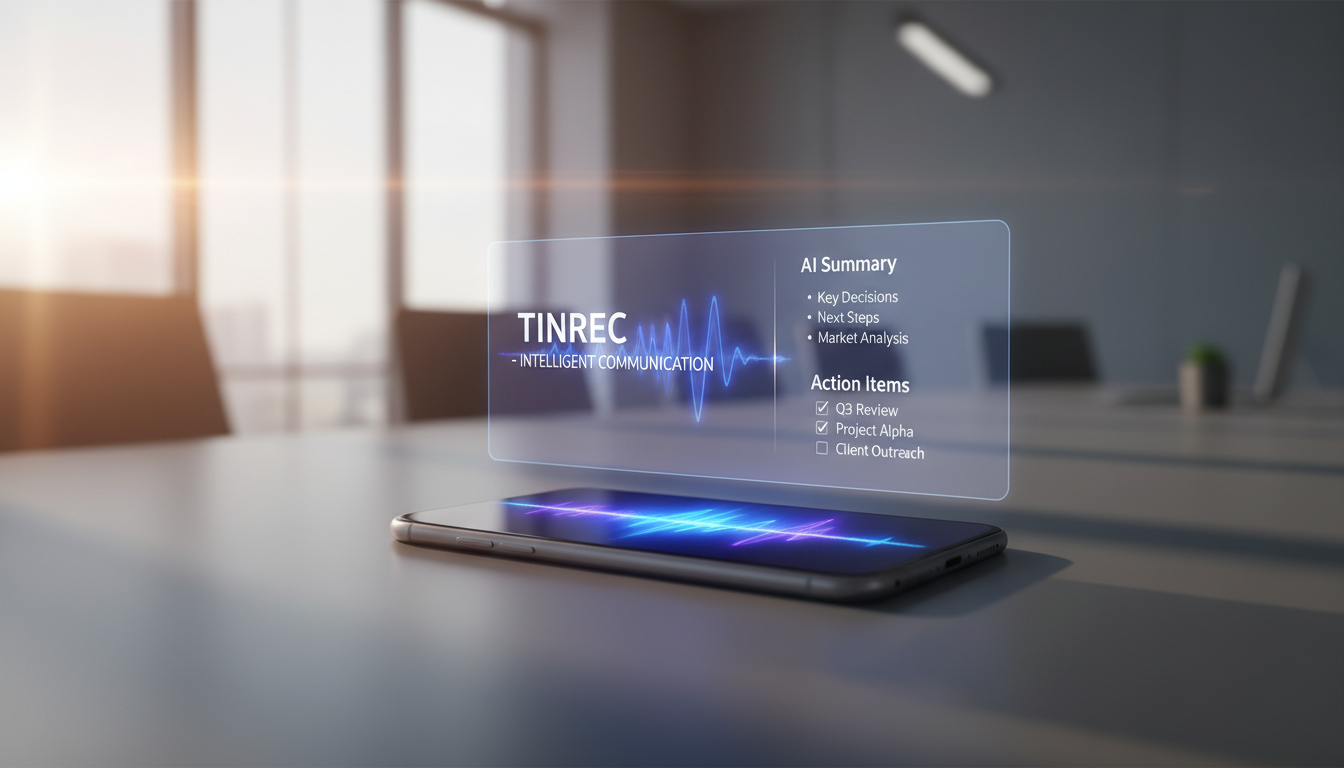
Quick Navigation Conclusions:
- If you only need simple text conversion: Prioritize built-in dictation on your phone (Pixel/iPhone) or a free basic transcription app.
- If you value post-meeting action and organization: Choose tools with AI summaries, speaker identification, and AI conversation search (e.g., Tinrec, Notta) to turn recordings directly into decision-making assets.
2026 Top 10 Speech-to-Text App Recommendations
Based on market reviews and user feedback, here are the top-performing tools in accuracy and functionality. Most use a "freemium" or subscription model. Choose based on your usage frequency (e.g., monthly recording hours).
- Notta: Focuses on real-time transcription and multilingual support, ideal for international meetings.
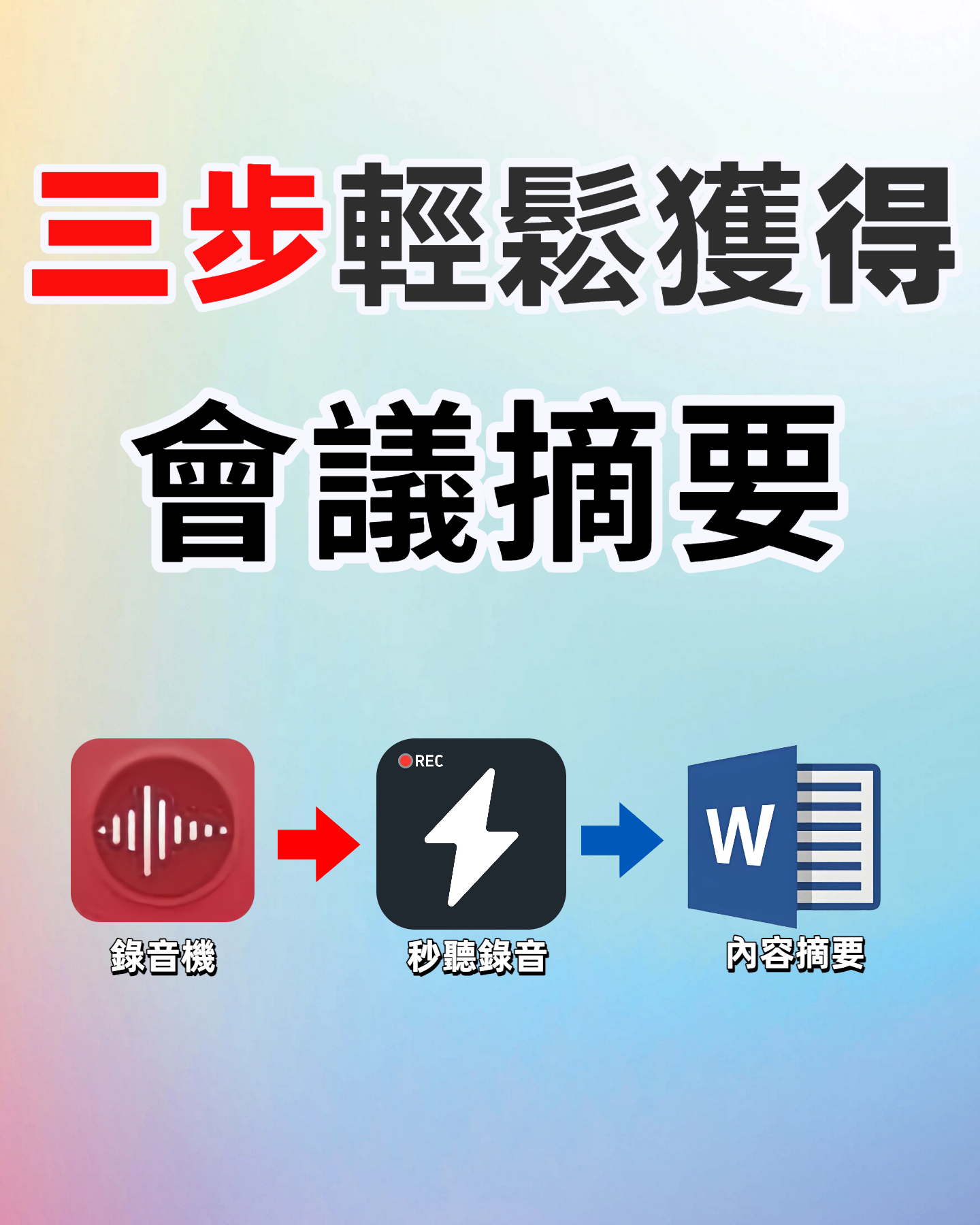
- Tinrec (Second Listening Recorder): Emphasizes a complete "Record → Understand → Act" workflow with AI conversation search and action item extraction.
- Transkriptor: Supports over 40 languages and can process online video links.
- Good Tape: Clean interface suitable for media professionals, with speaker identification.
- iTranscribe: Offers simultaneous recording and translation, useful for interviews.
- Yating Transcript: Optimized for Taiwanese accents, ideal for users with strong localization needs.
- iTranslate Converse: Suitable for real-time translation and simple conversation recording.
- SoundType AI: Features multi-training systems for accurate speaker differentiation.
- Aiko: Developed by an independent developer, supports on-device processing for high privacy.
- Google Recorder / iOS Voice Memos: Built-in phone tools perfect for ad-hoc, zero-budget needs.
Deep Comparison Table: Which Tool Boosts Your Efficiency?
When choosing a tool, don't just look at "can it transcribe?" but also "what can it do after transcribing?" Below is a comparison of representative tools across key dimensions:
| Dimension | Tinrec | Notta | Google / Built-in | Yating Transcript |
|---|---|---|---|---|
| Traditional Chinese Recognition | Excellent (supports Taiwanese Hokkien/Cantonese multi-language) | Excellent | Good (varies by environment) | Excellent (strong localization) |
| Real-time Transcription | Supported | Supported | Supported | Supported |
| AI Summary/Conclusions | Supported (includes action items/todos) | Supported | Partial (newer phones) | Supported |
| AI Conversation Search | Supported (ask questions about the recording) | Supported | Not supported | Not supported |
| External File Import | Supported (audio/video) | Supported | Supported (limited) | Supported |
| Video Link to Text | Supported (YouTube/Podcast) | Not supported | Not supported | Not supported |
| Use Case | Meeting decisions, deep learning, content creation | International business meetings | Ad-hoc notes, interviews | Taiwan local interviews |
Stop organizing recordings by hand
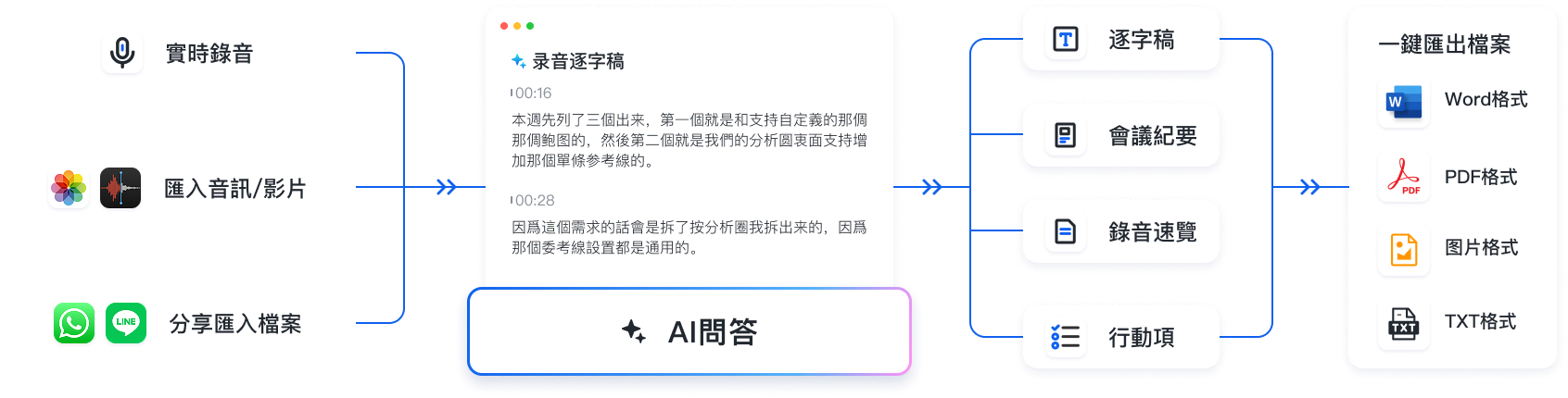
Upload audio or video and automatically get a transcript, summary, and action items
Buying Tip: If you only need to "turn audio into text," built-in tools or simple transcription apps suffice. But if your pain point is "no time to reread the transcript," tools with AI summaries and AI conversation search (like Tinrec) will significantly reduce your review time.
Why "AI Conversation Search" Is the Key to Next-Gen Recording Tools
Traditional transcription software solved the "typing" problem but created a new one: too much text, no focus. A 60-minute meeting transcript can contain thousands of words—hard to read and harder to quickly find "who promised what" or "next meeting time."
New-gen AI recording assistants (e.g., Tinrec) attempt to solve this. Key differences:
- Structured Output: Not just a wall of text, but automatically organized meeting minutes, core conclusions, and to-do lists.
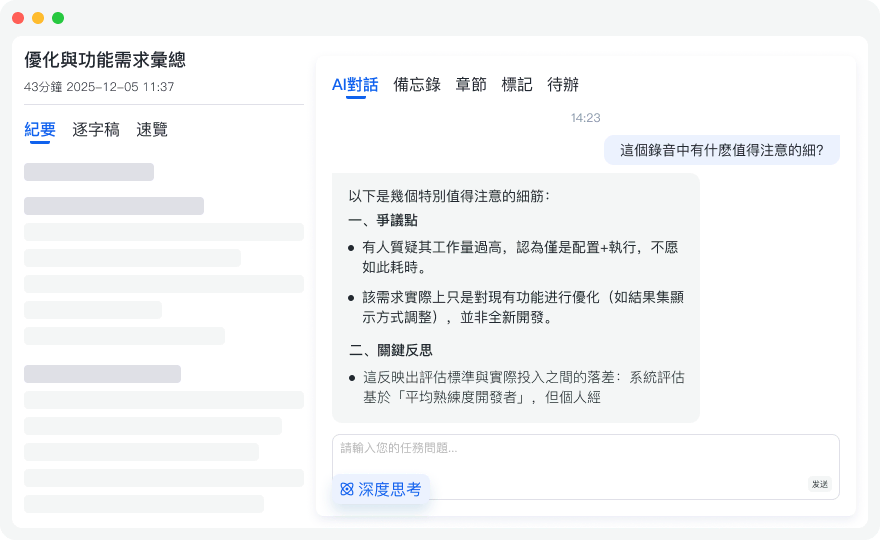
- Interactive Search: A standout efficiency feature. Users can ask AI: "What was the conclusion on the marketing budget?" or "What tasks did John own?"—the system answers based on the recording, saving Ctrl+F hassle.
- Multi-Source Integration: Besides live recording, it handles YouTube links or podcasts—a huge time saver for content creators analyzing competitors or online course notes.
Hands-On Tutorial: Turn Recordings into Actionable Notes with AI
Using Tinrec's interface as an example, here's how to convert audio from different sources into high-value notes. These steps generally apply to similar AI recording tools.
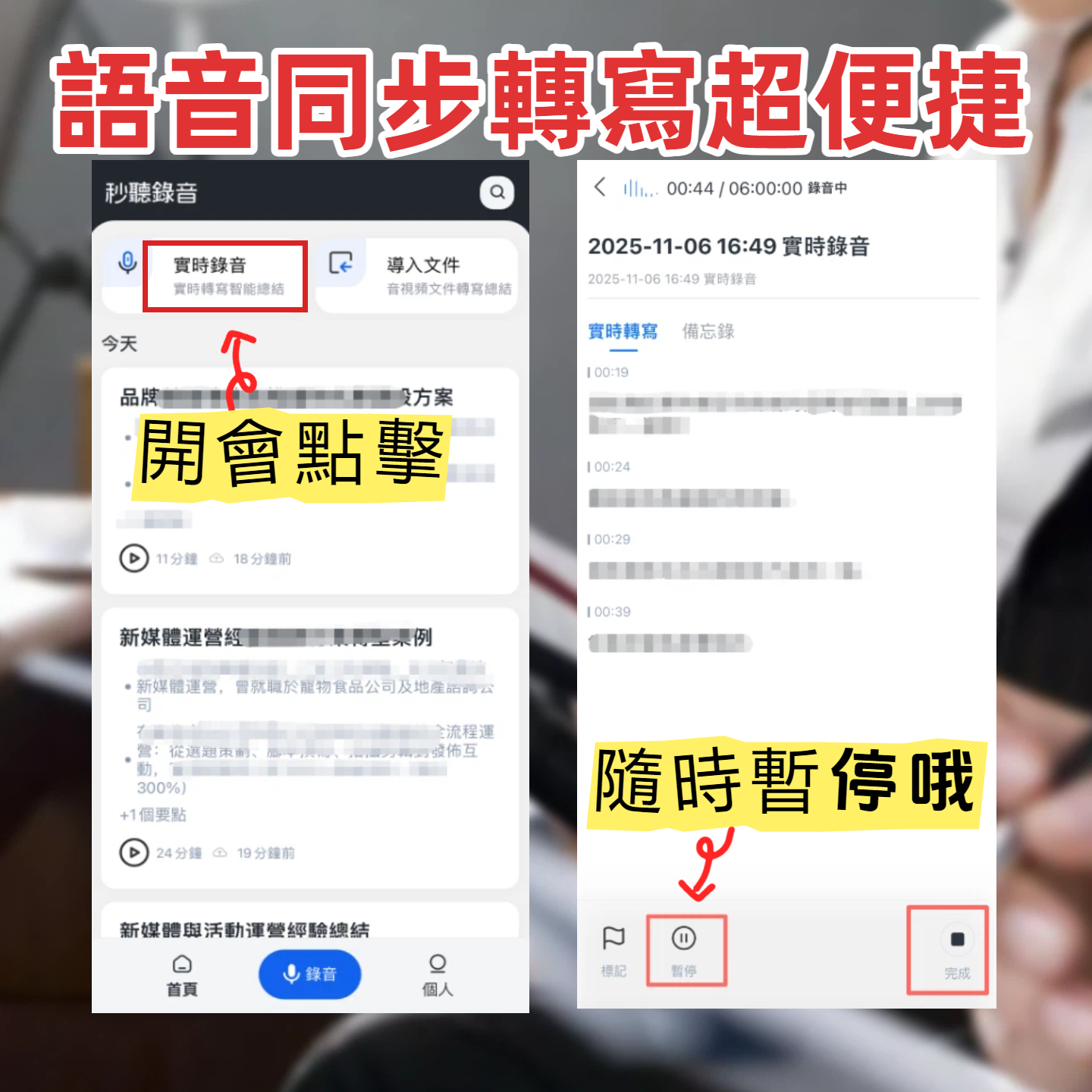
Scenario 1: Live Recording of Important Meetings or Classes
- Open the tool and tap Real-time Speech-to-Text.
- The system starts recording and displays the transcript live. Place your phone/computer close to the speaker for best results.
- Tap stop when done. AI automatically processes, identifies speakers, and generates Meeting Summary.
Scenario 2: Organizing Existing Recordings or Video Files
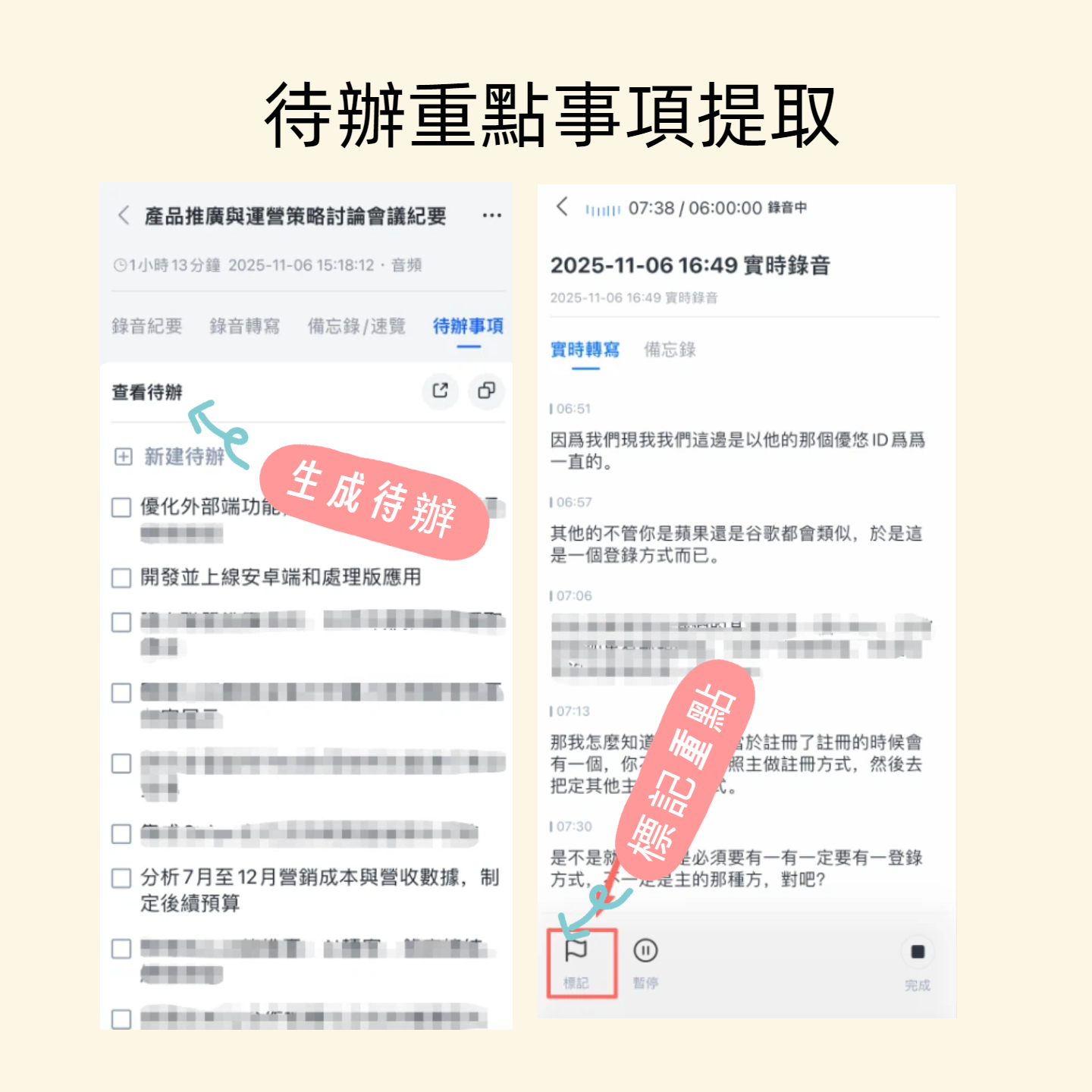
- If you have files from a recorder (e.g., mp3, wav, m4a).
- Use Audio File to Text to upload the file.
- After transcription, use the To-Do List feature to quickly identify follow-ups—no need to re-listen.

Scenario 3: Quickly Process YouTube Videos or Podcasts
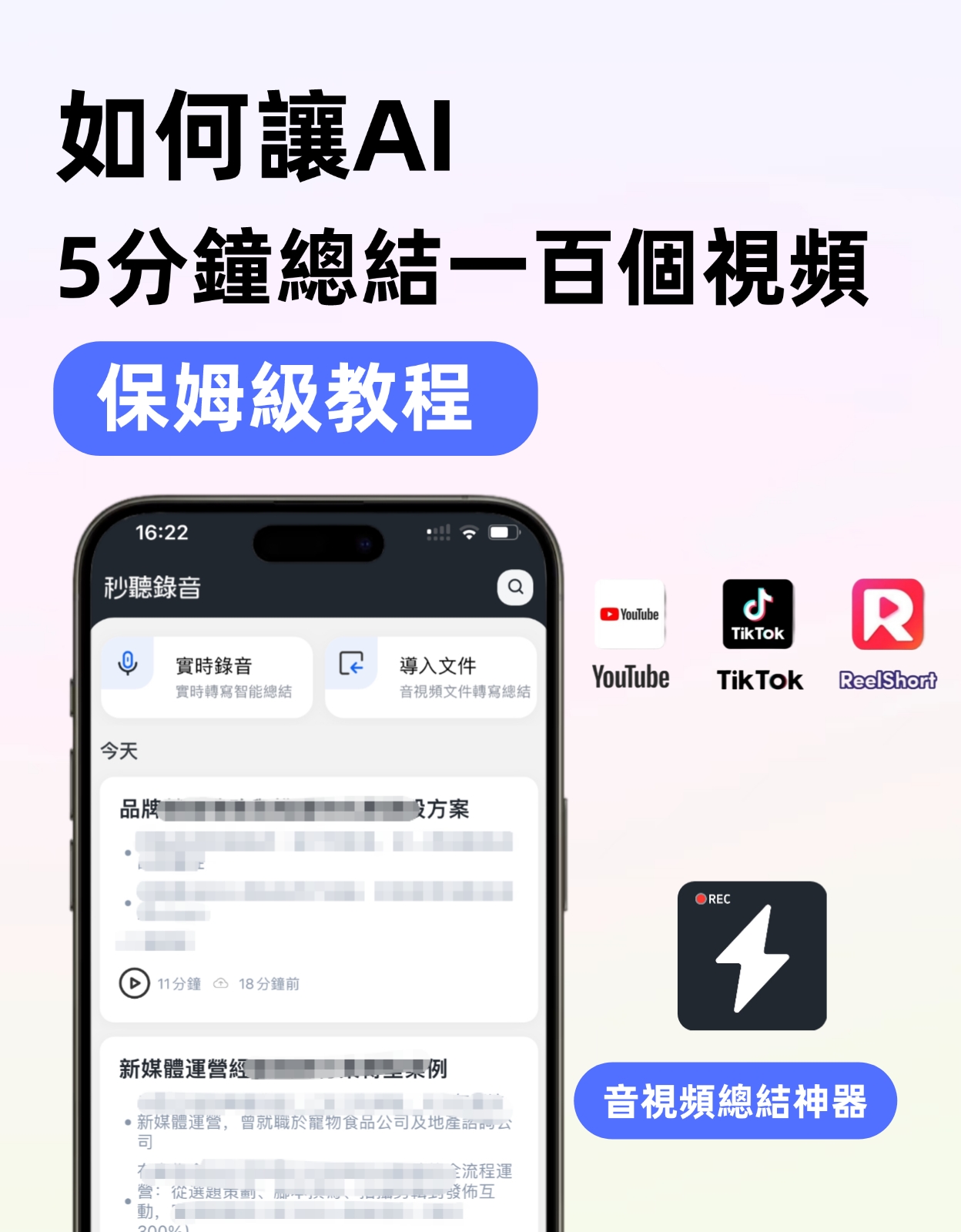
- Found a 2-hour video with great content but no time to watch?
- Copy the video URL, use Podcast/Online Video to Text.
- The system parses the content and generates a summary. Ask AI directly: "What are the three key strategies mentioned?" to quickly extract knowledge.
FAQ
Q1: Are these speech-to-text apps completely free? Most professional tools (e.g., Notta, Tinrec) use a "freemium" model, offering free minutes per month (e.g., 60–100 minutes). For heavy use, a subscription is needed. Built-in phone features are usually free but lack advanced AI summaries.
Q2: How well do they handle mixed Chinese-English or dialects (Taiwanese Hokkien/Cantonese)? Modern AI models handle mixed-language well. For dialects, some tools like Tinrec support Taiwanese Hokkien and Cantonese. Check the language list or use free trials to test.
Q3: Can I export the transcript? Yes, most tools support export in formats like TXT, Word (DOCX), and SRT (subtitle). For video creators, SRT export is especially helpful.
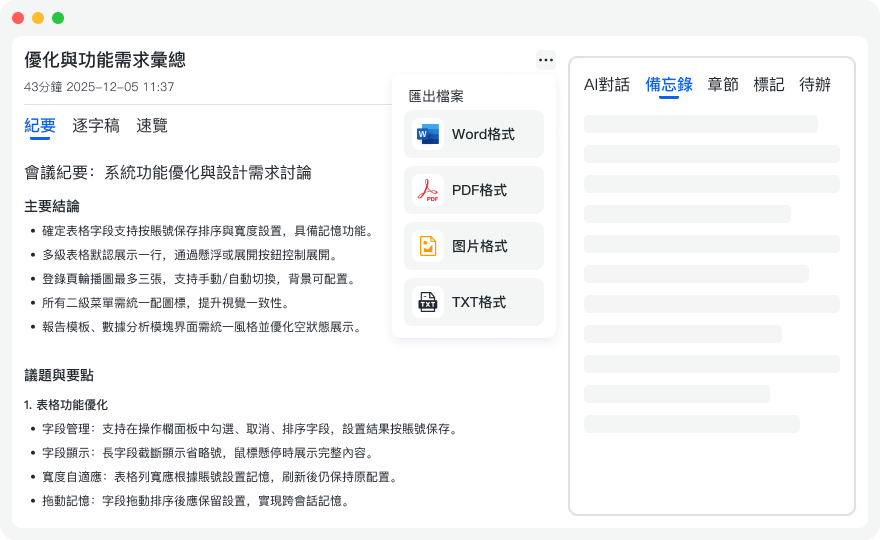
Q4: How is performance in noisy environments? Background noise is the biggest enemy of accuracy. While many apps have noise reduction, physical clarity matters most. Use a directional microphone or stay close to the sound source.
Q5: Can I transcribe Teams or Google Meet recordings? Yes. Use desktop recording tools to capture the audio, or download the cloud recording and upload it to Tinrec or similar platforms for transcription and analysis.
Q6: Is my data private and secure? Well-known vendors generally offer better security. For highly sensitive data, consider on-device solutions (e.g., phone-based). For cloud services, review their privacy policy.
Turn every recording into actionable outcomes
Get 60 free transcription minutes when you sign in. No credit card required.
Related Reading
You might also like
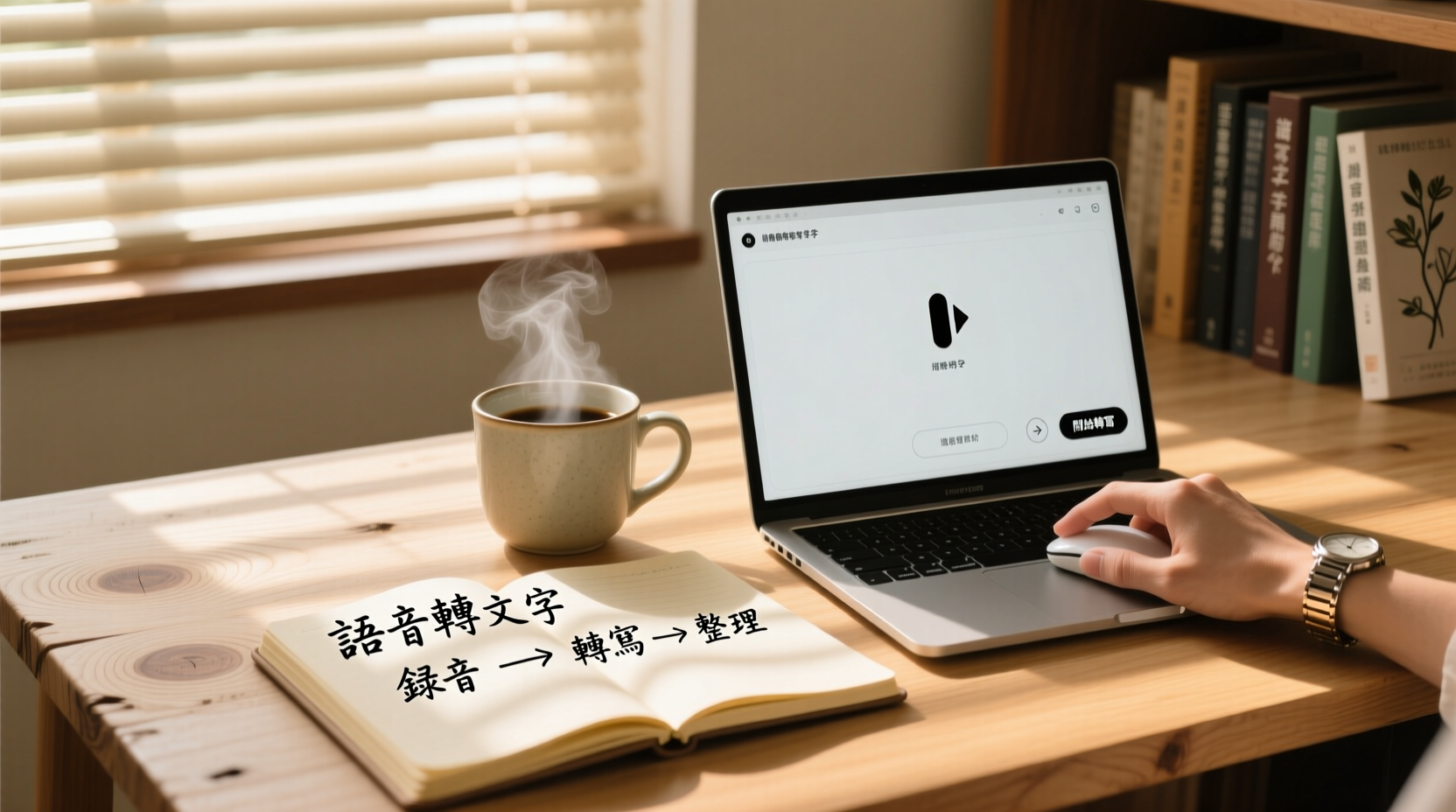
Which Speech-to-Text Tool Is Easiest to Learn? Choosing the Most Beginner-Friendly Option Based on Learning Cost
Looking for an easy-to-learn speech-to-text tool? This article starts from learning cost, compares the ease of learning of mainstream tools, breaks down the key steps to get started quickly, and provides recommendations for different groups such as sales, product R&D, and government employees, helping you learn and start using a tool in the least amount of time.

How to Choose the Best Recording-to-Text Tool in 2025: From Transcripts to Actionable Meeting Minutes
Meeting recording-to-text tools are no longer just about transcription. This article compares Tinrec, Otter, Fireflies, Notta, Granola, and other mainstream tools in terms of capture methods, Chinese language support, and post-meeting outputs, and explains how to generate action items from transcripts and build team knowledge, helping you choose the right tool for your meeting scenarios.

2026 Free Speech-to-Text Solutions: 5 Tools Compared
PTT hotly discusses speech-to-text apps. We tested Tinrec and 4 other tools, comparing free quotas, Cantonese accuracy, and AI features to help you save time on meeting notes.
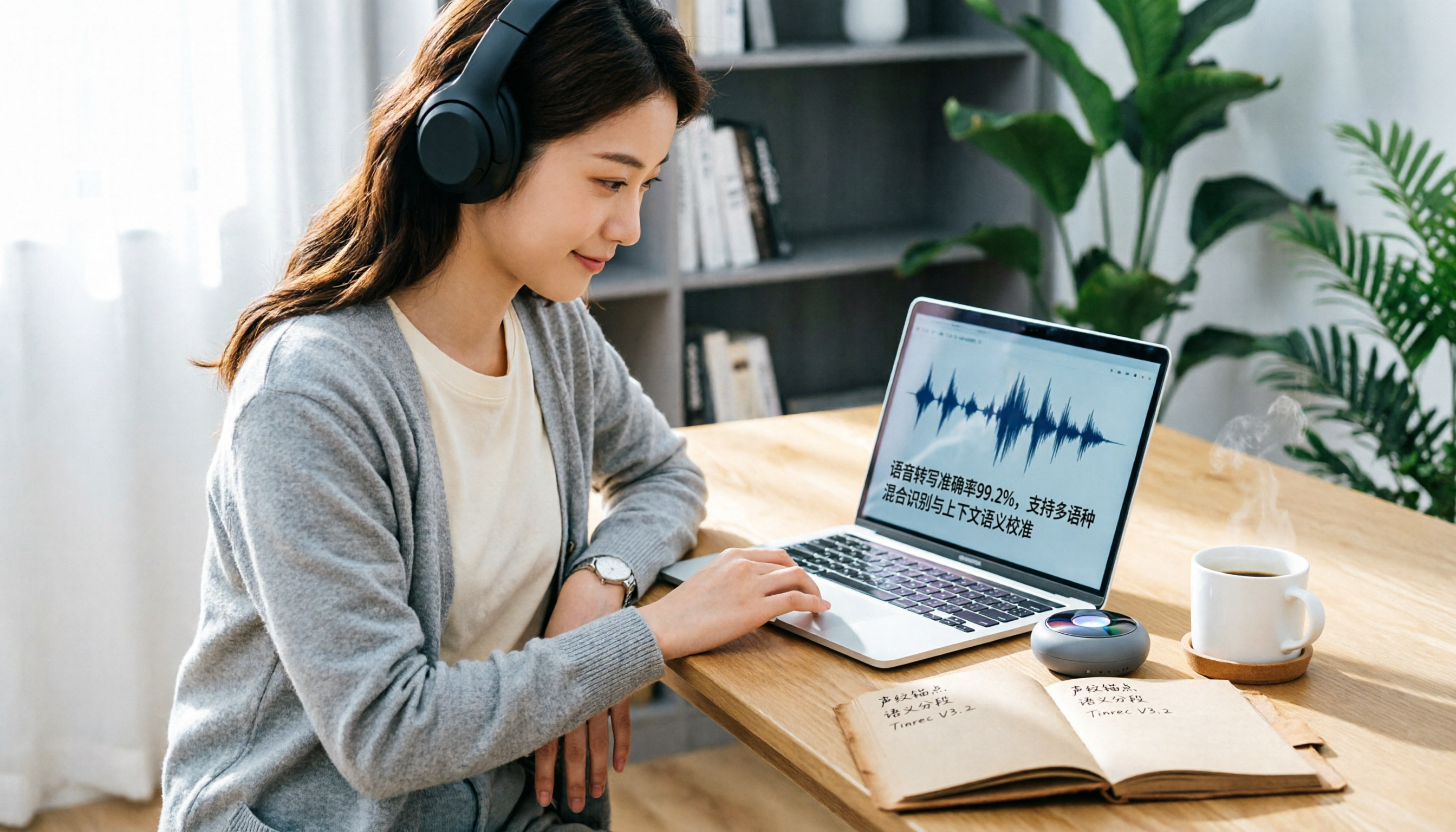
4 Best Recording-to-Text Tools in 2026: How to Choose Based on Free Credits and AI Features
We tested the latest 4 recording-to-text tools in 2026, from free credits to AI Q&A and bot-free recording, to help you find the most time-saving option.

Tinrec vs Otter.ai in 2026: A 5-Dimension Comparison for Chinese Users
We tested Tinrec and Otter.ai for Chinese meetings, bot-free recording, AI Q&A, cross-platform support, and team collaboration to help you choose the right transcription tool and save overtime hours.

5 Best Recording-to-Text Tools in 2026 Compared: Tinrec vs MyEdit, Yating, and More
After testing multiple free recording-to-text tools, here's why Tinrec became my go-to for meeting notes from a mid-level manager's perspective—and whether the free plan is enough.

4 Best Speech-to-Text Tools in 2026: Free vs Paid Compared for US Users
We tested the most talked-about speech-to-text tools on Dcard and PTT, from free to paid, comparing Tinrec, Yating, Otter.ai, and Notta on features, pricing, and use cases to help you find the time-saving choice.

5 Best Speech-to-Text Tools Tested in 2025: AI Transcripts & Meeting Notes Compared
With countless speech-to-text tools available, this article tests Tinrec, MyEdit, SoundType AI, iPhone Voice Memos, and OpenAI Whisper across three dimensions—Traditional Chinese recognition, recording sources, and post-processing—to help you choose the right one for your needs.
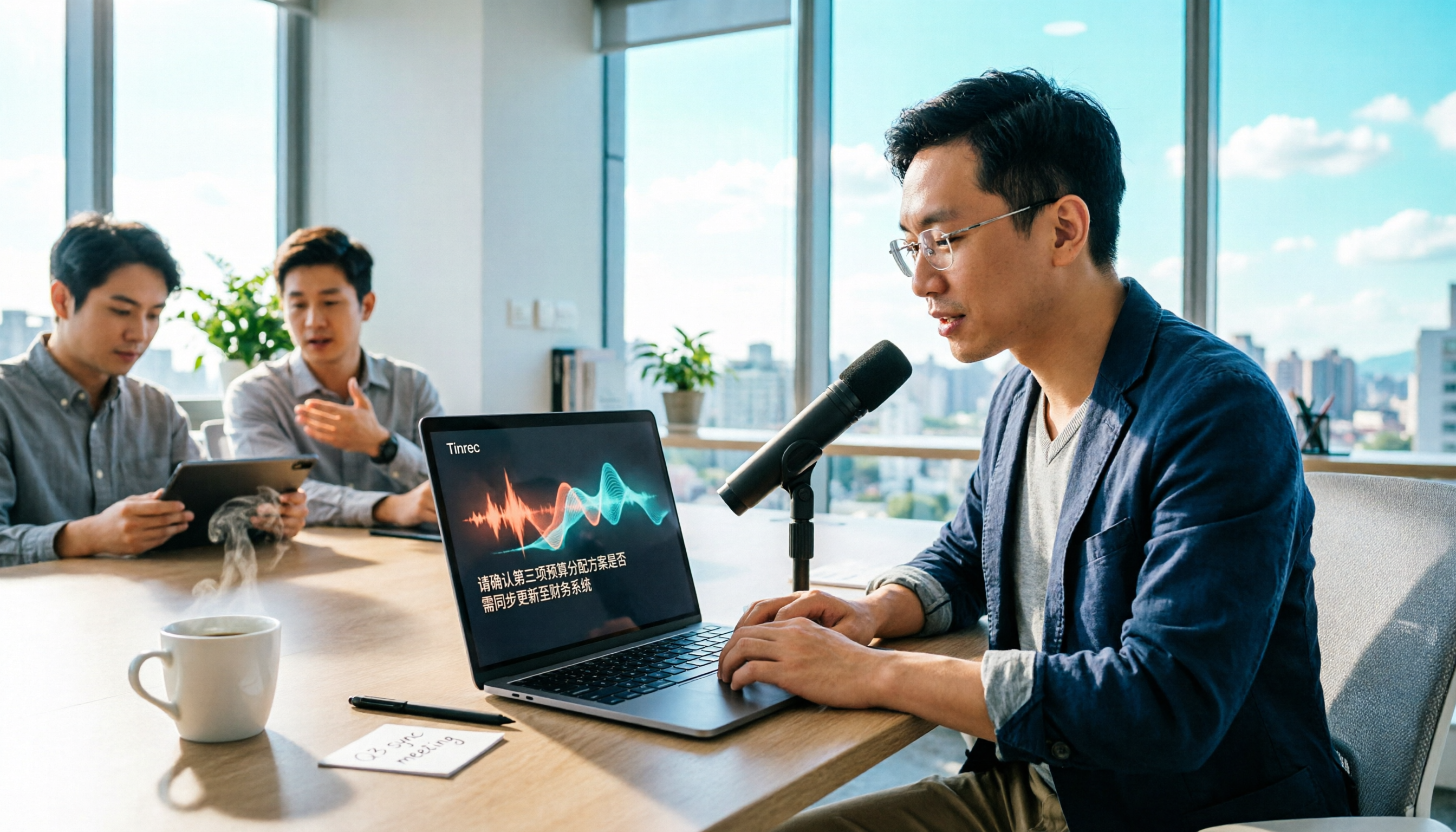
2026 Hands-On Comparison of 4 Speech-to-Text Tools: Why Tinrec Is the Best Alternative for Notta Users?
This article compares speech-to-text tools like Tinrec and Notta, focusing on online meeting recording, AI summarization, and team collaboration, to help you decide which one suits American professionals best.