
Turn recordings into transcripts and summaries in minutes
Upload audio or video for multilingual transcription, AI notes, and action items
How to Choose Mailing Tape? Avoid These 3 Common Mistakes
Many people treat tape as "anything that sticks" when shipping packages. But different tapes serve very different purposes, and using the wrong one can lead to unscannable barcodes, peeling labels, or falling house numbers.
Common Mistake 1: Assuming all clear tapes are suitable for covering address labels. Common Mistake 2: Using regular double-sided tape for outdoor house numbers, only to have them fall off within months. Common Mistake 3: Mixing up packing tape and office tape, overlooking differences in weather resistance and adhesion.
This article outlines the correct uses of mailing tape, outdoor double-sided tape, and clear tape, helping you choose the right tape for your specific situation.
What Can Mailing Tape Do for You?
Scenario 1: Protect Address Labels from Wear During Transit
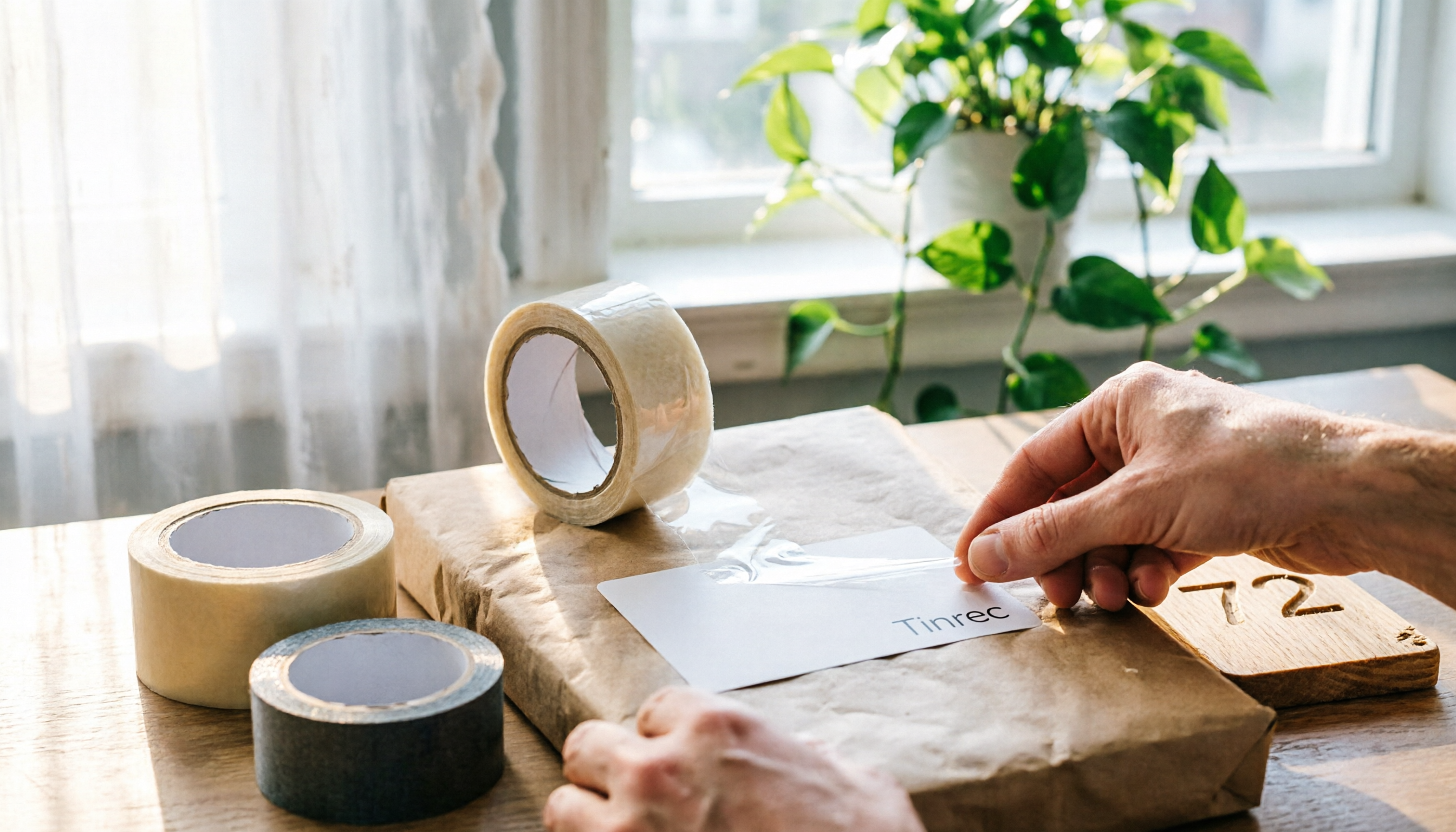
Packages go through conveyor belts, stacking, and handling during shipping. If address labels aren't protected, they can become illegible from friction. Covering labels with clear packing tape reduces the chance of damage.
Scenario 2: Mount House Numbers Without Drilling
When drilling isn't practical on aluminum garage doors or stainless steel entry doors, outdoor double-sided tape is a common alternative. Choosing tape with sufficient weather resistance ensures house numbers stay secure long-term.
Scenario 3: Seal Boxes and Cover Labels in One Step
Using clear packing tape, you can seal the box and cover the label edges simultaneously, reducing extra materials. The key is to apply the tape smoothly, avoiding bubbles or wrinkles that could interfere with barcode scanning.
What Are the Core Capabilities of Mailing Tape?
Clear Packing Tape: The Go-To for Covering Labels
Clear packing tape has stronger adhesion than regular office tape and is better suited in width for covering address labels. When applying, ensure the tape is smooth with no wrinkles or bubbles, as these can affect barcode readability.
Outdoor Double-Sided Tape: Top Choice for House Numbers
Outdoor double-sided tape needs weather resistance and high adhesion to withstand sun, rain, and temperature fluctuations. 3M VHB tape is frequently mentioned in online discussions; this type of tape is commonly used for automotive trim and is suitable for outdoor metal or plastic surfaces.
Regular Clear Tape: Only for Office Use
Regular clear tape has lower adhesion and isn't recommended for package shipping or outdoor mounting. Based on user experiences, this tape tends to peel or tear in shipping environments.
Practical Application Scenarios
Shipping Packages: How to Cover Labels
If using clear packing tape to cover address labels, apply it to the four edges of the label, then cover the sender's address, recipient's address, and the middle of the label. Tape horizontally (left to right) rather than vertically to avoid tape seams interfering with the scanning area.
Stop organizing recordings by hand
Upload audio or video and automatically get a transcript, summary, and action items
Outdoor House Number Installation: Surface Cleaning Is Key
Before applying house numbers, clean aluminum or metal surfaces with alcohol to remove dust and grease. After applying the tape, press firmly for at least 30 seconds to ensure proper bonding. In cold conditions, warm the surface slightly with a hairdryer to improve initial adhesion.
Documents and Envelopes: Avoid Covering Handwritten Addresses with Tape
To protect handwritten addresses, use clear label stickers instead of regular clear tape. Regular clear tape can peel off during shipping and may tear the address text along with it.
4 Key Points When Buying Mailing Tape
- Adhesion and Tape Type: Clear packing tape is suitable for covering labels; regular office tape isn't recommended for packages. Check that the tape is rated for packaging use.
- Weather Resistance: For outdoor house numbers, choose double-sided tape that's UV-resistant, waterproof, and tolerant of high and low temperatures. 3M VHB is a common reference option.
- Width and Smoothness: Tape covering barcodes should be wide enough, and application should avoid bubbles and wrinkles. Tape seams shouldn't fall directly over the center of the barcode.
- Surface Material: Aluminum, stainless steel, plastic, and other materials affect tape adhesion differently. Clean the surface before application, and warm it if necessary to boost adhesion.
Frequently Asked Questions
Can I cover package address labels with clear tape?
Yes. Many users have long covered address labels with clear packing tape. As long as the tape is smooth with no bubbles or wrinkles, it typically doesn't affect barcode scanning. However, it's recommended to use packing tape, not regular office clear tape.
Are there risks to covering addresses with regular clear tape?
Yes. Regular clear tape lacks sufficient adhesion and durability, making it prone to peeling or tearing in shipping environments. If the tape peels and tears the address text, it becomes even harder to read.
What tape is best for house numbers without drilling?
Outdoor double-sided tape, such as 3M VHB, is recommended. This type of tape offers higher weather resistance and adhesion, is commonly used for automotive trim, and suits outdoor surfaces like aluminum doors and garage doors.
What preparation is needed before applying house numbers?
Clean the surface with alcohol to remove dust and grease. In cold conditions, warm the surface slightly with a hairdryer, then press firmly for at least 30 seconds after application to ensure proper bonding.
Can clear tape and packing tape be used interchangeably?
No. Each tape has different adhesion, durability, and weather resistance. Use packing tape for sealing boxes, clear packing tape for covering labels, and regular clear tape only for office tasks.
Summary
The key to choosing mailing tape is "purpose" and "environment." When shipping packages, clear packing tape can protect address labels, but it must be applied smoothly without bubbles; for outdoor house numbers, choose double-sided tape with sufficient weather resistance. Regular clear tape is only for office use and isn't recommended for packages or outdoor applications. Before your next shipment or house number installation, confirm the tape type to save yourself the hassle of reshipping or reapplying.
References
- USPS labels: cover with clear tape or not? - Bogleheads.org
- r/HomeImprovement on Reddit: Best adhesive tape for address numbers on aluminum garage door?
- Can you put clear Scotch tape over written addresses on a package/envelope? - Quora
- Clear packing tape vs. adhesive label? - The eBay Community
- Good Tape Magazine + Studio
Turn every recording into actionable outcomes
Get 60 free transcription minutes when you sign in. No credit card required.
Related Reading
You might also like

4 Free Recording Tools Tested in 2026: Is PLAUD's Free 300 Minutes Enough?
PLAUD's "free" offer is actually 300 transcription minutes per month; the hardware still costs money. This article compares Tinrec, PLAUD, Notta, and Otter.ai in real meeting scenarios, looking at free quotas, post-meeting organization, and team collaboration to help you decide which one is worth trying first.

2026 AI Recording Tools Compared: Plaud Recorder vs. Bot-Free Meeting Notes
People searching for an online Plaud recorder usually face the same decision: buy a physical recording device or use software for online meetings? This guide compares six options by positioning, quotas, and best-fit users, and explains the real limitations of Plaud Note and NotePin hardware in online meeting scenarios so you can choose the right tool within budget.

2026 AI Voice Recorder Comparison: PLAUD File Organization vs. Meeting Notes—Which Saves More Time?
Starting from the question 'How do I organize PLAUD recording files?', this article compares four AI voice tools: Tinrec, PLAUD, Otter.ai, and Notta. It covers input sources, post-transcription processing, Chinese-language experience, team collaboration, and pricing structure. PLAUD is suited for on-the-go recording, while Tinrec turns recording files into searchable, queryable meeting data. The article also includes buying tips and scenario-based recommendations.

How to Transcribe Audio for Free in 2026: A Complete 5-Step Guide
Many people search for 'plaud recording free 2024' to find out if they can turn recordings into transcripts without paying. This guide compares PLAUD and Tinrec across five key points—free quotas, hardware costs, online meeting recording, and post-meeting organization—and outlines common pitfalls and selection advice to help you decide if a free plan is enough.

2026 AI Voice Recorder Comparison: Is PLAUD Worth It? Decide If You Need Extra Hardware
Is PLAUD worth it? This article compares PLAUD, Tinrec, Notta, and Otter.ai from two decision points: 'recording' and 'using the recording directly.' It covers key buying factors, pricing, and pitfalls to help you choose between hardware and a software workflow.

2026 Comparison of 2 Free Audio-to-Text Tools: How to Choose Between Plaud and Tinrec Free Tiers?
People searching for "free Plaud recording files" fall into two groups: those who already own a Plaud device and want to know how the 300 minutes are calculated, and those who haven't bought hardware and just want to turn recordings into free transcripts. This article first breaks down the actual scope and limitations of Plaud's free plan, then explains what Tinrec's free version can do without buying a device, along with buying checkpoints and FAQs.

2026 Comparison of 3 Free AI Transcription Solutions: Quotas, Summaries, and Team Collaboration Explained
Is free audio transcription enough? Based on real experience from a mid-level manager with 15 meetings per week, this article compares three free approaches: AI recording hardware, pure transcription services, and meeting note tools like Tinrec. It breaks down differences in free quotas, summary capabilities, action item extraction, and team data retention, and provides 5 purchase decision points and FAQs to help you decide where to spend your free quota.

2026 AI Voice Recorder Comparison: PLAUD vs Tinrec — Which One Should You Choose?
PLAUD is a hardware-based portable AI voice recorder, while Tinrec is a software-based AI meeting notes tool that requires no extra device. This comparison covers hardware needs, online meeting capture, post-meeting organization, legacy audio files, team collaboration, and pricing structure to help you decide which approach fits your workflow.

2026 Recording-to-Text Tools Compared: PLAUD Online, Otter, and Tinrec — Which Should You Choose?
Can you use PLAUD's online recording version? This article starts from real-world pain points and compares PLAUD, Otter.ai, Notta, and Tinrec on online meeting recording, Chinese transcription, post-meeting organization, and team collaboration. It also highlights key buying factors and common pitfalls to help you choose a tool you'll actually use long-term.