
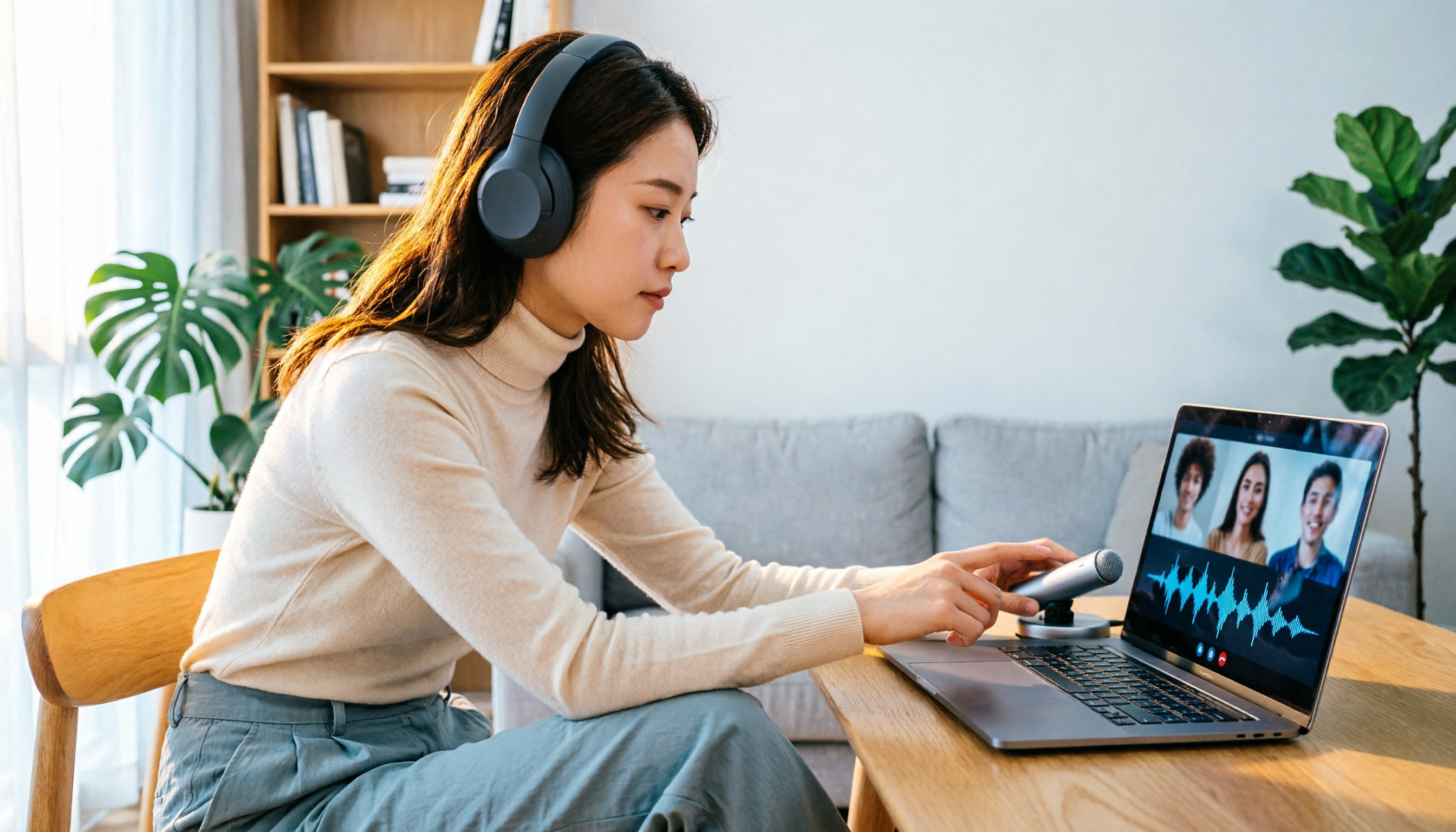
Turn recordings into transcripts and summaries in minutes
Upload audio or video for multilingual transcription, AI notes, and action items
The Meeting Started, but You're Stuck Typing
In online meetings, the biggest fear isn't unstable internet—it's a microphone that suddenly goes silent. You speak into the mic, but your colleagues ask in the chat: "Can you hear us?"
This issue is usually not a broken microphone but a misconfigured setting. Instead of panicking and restarting your computer, follow these 8 steps in order, starting with the most common causes and moving to hardware issues.
Start with These 4 Most Common Causes
1. Check the Microphone Icon at the Bottom of the Meeting Screen
After joining a Google Meet meeting, look at the microphone icon at the bottom of the screen. If the icon has a red slash, you are muted.
Simply click the icon to unmute, then test by speaking. This is the most common cause, yet it's often overlooked in a panic.
2. Browser Permissions Might Be Blocked
Google Meet requires browser permission to access your microphone. If you accidentally clicked "Block" earlier, Meet won't receive any audio.
For example, in Chrome: Click the "View site information" icon on the left side of the address bar, find the "Microphone" option, and ensure the permission is set to "Allow." If it shows "Block," change it to "Allow" and refresh the meeting page.
3. Select the Correct Microphone Before Joining the Meeting
On the "Ready to join" screen in Google Meet, there's a settings gear on the right. Click it, go to the "Audio" tab, and confirm the dropdown menu shows the microphone you're using.
If you're using an external USB microphone or headset, the system might default to the laptop's built-in mic. After selecting the correct device, speak into the mic and check if the input volume bar moves.
4. Check for Other Apps Using the Microphone
Some communication apps, recording software, or web pages might be using the microphone in the background, preventing Google Meet from accessing the audio input.
Open Task Manager (Windows) or Activity Monitor (macOS), and close any unnecessary programs that might be using the mic. After closing them, return to Meet and test again.
Still No Sound? Check System and Hardware
5. Verify Operating System Microphone Permissions
Browser permissions being correct doesn't mean the OS is also allowing access.
On Windows, go to "Settings" → "Privacy & security" → "Microphone" and ensure "Let apps access your microphone" is enabled. On macOS, go to "System Settings" → "Privacy & Security" → "Microphone" and confirm Chrome or Edge is checked.
6. Check External Microphone Connections
If you're using a USB mic, headset, or Bluetooth headphones, first check that the cable is securely plugged in. For USB devices, try a different port. For Bluetooth devices, ensure they are paired successfully and have sufficient battery.
Once physical connections are fine, go back to the OS sound settings and confirm the input device is set to the external device, not the built-in mic.
Stop organizing recordings by hand
Upload audio or video and automatically get a transcript, summary, and action items
7. Don't Speak in Companion Mode
Google Meet's Companion mode is mainly for projecting or collaborating; in this mode, both the microphone and speaker are disabled. If you're using Companion mode in a meeting room, you'll usually see a prompt on the screen.
Exit Companion mode and rejoin using the regular meeting mode to restore microphone functionality.
8. Test Hardware with System Recording
If you've tried all the above and Google Meet still isn't picking up audio, test the microphone using the OS's built-in recording app.
On Windows, open "Voice Recorder"; on macOS, open "Voice Memos." If even the system recording captures no sound, the issue is likely with the hardware itself. Try a different microphone or connect the external device to another computer to confirm.
An Easy-to-Miss Detail: Windows Communications Settings
If you're on Windows, there's another setting that can affect Meet's audio. Windows has a feature that automatically lowers other sounds or microphone volume when it detects communication activity.
Go to "Settings" → "System" → "Sound" → "Communications" and ensure it's not set to overly suppress. If your audio fluctuates during meetings, adjusting this option often helps.
Summary: Troubleshoot in Order, Don't Rush to Restart
Google Meet microphone issues are often due to permissions or wrong device selection, not actual hardware failure. We recommend checking in this order: "In-meeting mute → Browser permissions → Meet audio settings → Background apps → System permissions → Hardware connections." This usually resolves the issue within minutes.
If all settings are correct and system recording works, but Meet still doesn't pick up audio, try clearing the browser cache or testing with a different browser. These methods are conservative but effective in ruling out browser cache-related issues.
Frequently Asked Questions
Why is the Google Meet microphone icon red?
A red microphone icon means you are muted. Click the icon to unmute.
I allowed microphone permission, but there's still no sound. Why?
It could be that OS-level permissions are not enabled, or the Meet audio settings have selected the wrong input device. Check the system privacy settings and the Meet audio tab in order.
Can I use Bluetooth headphones with Google Meet?
Yes, but Bluetooth headphones may switch to a lower-quality mode during calls. If others can't hear you clearly, try wired headphones or a USB microphone instead.
What if my external microphone isn't found in Meet?
First, ensure the device is properly connected and recognized by the OS. If the system sees it but Meet doesn't, refreshing the meeting page or restarting the browser usually resolves it.
How do I fix a silent microphone on the Google Meet mobile app?
First, confirm the app has microphone permission enabled, then check if the phone is on silent or Do Not Disturb mode. If the issue persists, reinstalling the app is another option to try.
References
- Why Is Google Meet Microphone Not Working? Full Fix Guide
- Fix audio issues in Google Meet - Computer - Google Meet Help
- Cannot get microphone to work on Google Meet - Google Meet Community
- Microphone not working in Google Meet - Google Meet Community
- Why is my Google Meet Microphone not Working? | Claap
Turn every recording into actionable outcomes
Get 60 free transcription minutes when you sign in. No credit card required.
Related Reading
You might also like

The Complete Guide to Google Meet Recording in 2026: Does Recording Stop When the Host Leaves? Everything You Need to Know
Does Google Meet recording stop when the host leaves? This article explains the conditions for recording to stop, where recordings are saved, and how long they are kept, based on real meeting scenarios. It also compares the difference with Tinrec's desktop recorder, which works without a bot, helping you avoid losing meeting records.

Google Meet Whiteboard Tools Tested in 2025: Which of the 3 Free Options Is Best?
Want to use a whiteboard in Google Meet? This article tests 3 whiteboard tools that work directly in meetings, comparing installation, collaboration smoothness, and storage/export capabilities to help you decide which is best for remote meetings and online co-creation.
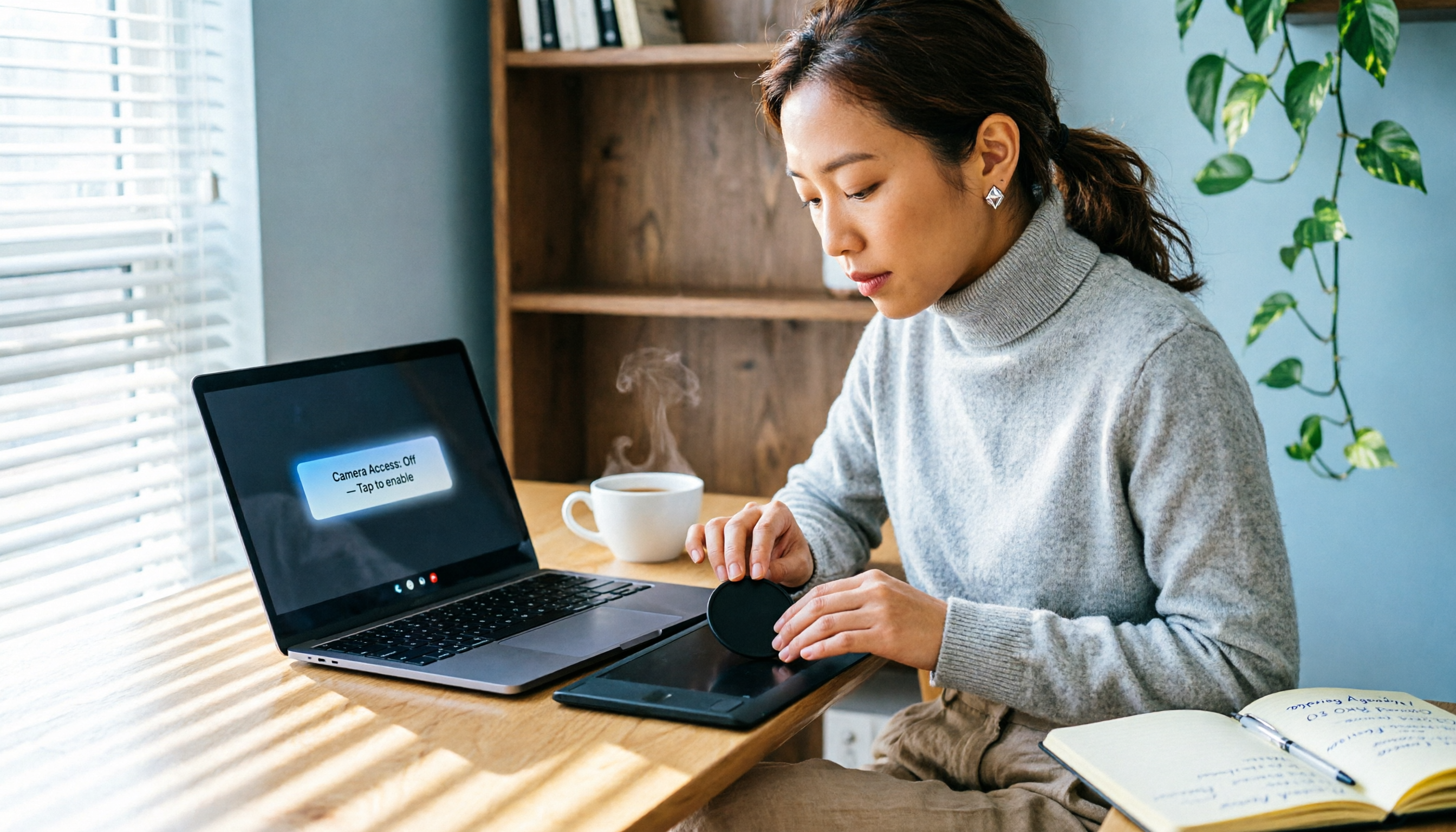
Google Meet Camera Not Working in 2026: Which of 5 Troubleshooting Steps Actually Works?
Is your Google Meet camera showing a black screen, failing to open, or displaying a 'camera not found' error? This hands-on guide breaks down 5 troubleshooting steps—browser permissions, hardware acceleration, camera privacy shutters, and drivers—to help you quickly identify the root cause.
Why Is Google Meet Free in 2026? 3 Truths About the Free Plan and Its Limitations—Tested and Compared
Google Meet isn't free because Google is being generous—it's because the cost is shifted to your time and data. This article breaks down the real differences between the free plan and paid Workspace tiers, helping you decide when to stick with the free version and when to upgrade.

4 Best Video Conferencing Tools Compared in 2026: From Free Plans to Large Meetings
Want to use Microsoft Teams for video conferencing but unsure how the free plan, paid plans, and other tools differ? This guide breaks down Teams' core video meeting features, step-by-step setup, and how it stacks up against other popular tools—so you can quickly decide if it's right for you.

The Complete Guide to LINE IN Recording in 2026: From Wiring Basics to Classroom Recording
LINE IN recording is not the same as recording LINE calls—it involves using a 3.5mm audio cable to directly capture sound from an external device into a recorder. This guide explains what LINE IN is, the required equipment, how to connect everything, common pitfalls, and practical applications for recording classes and tutoring sessions.
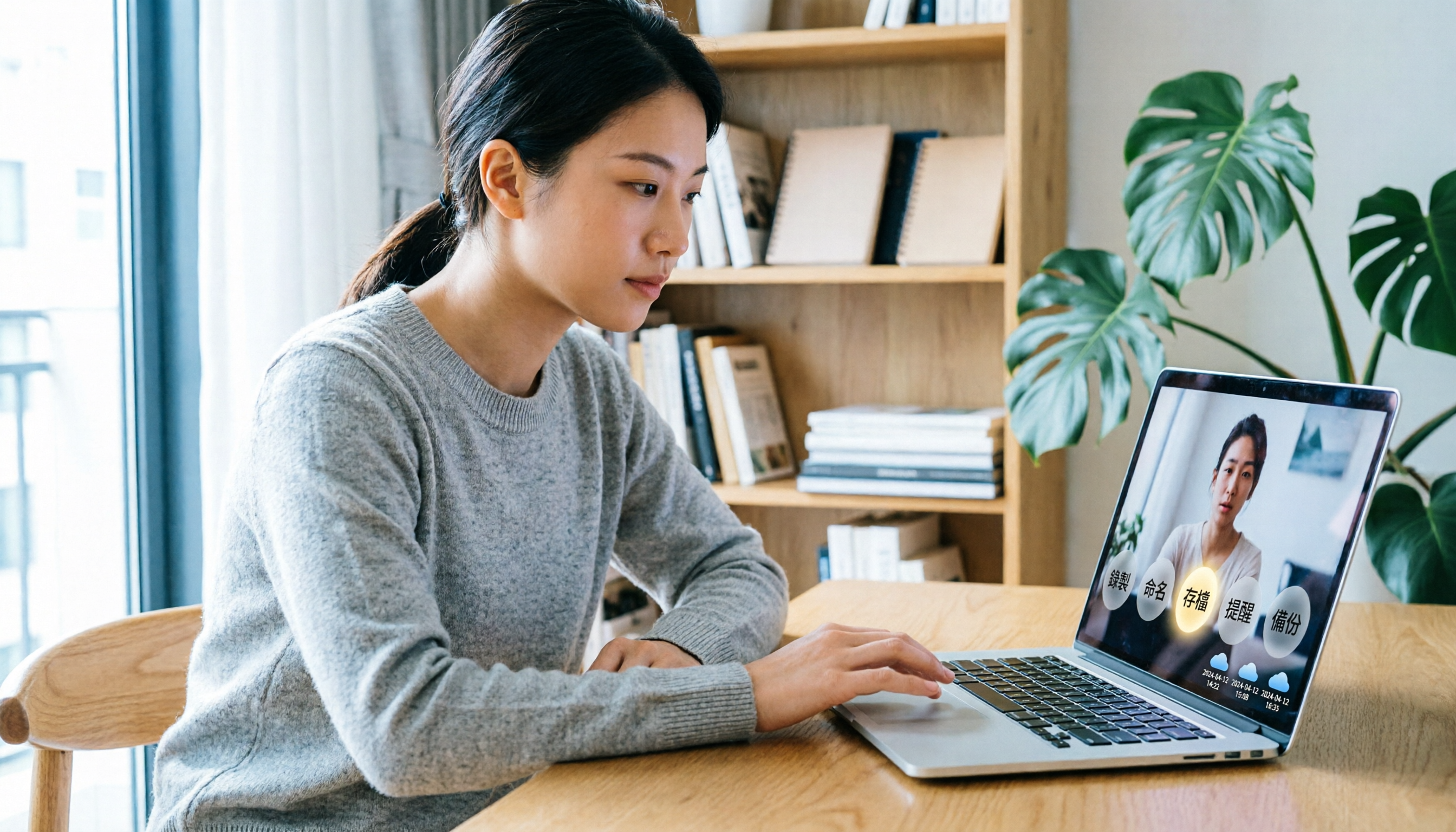
How to Record Microsoft Teams Meetings in 2026: A 5-Step Guide from Start to Archive Management
Recording a Teams meeting is more than just hitting a button. This guide walks you through permissions, storage locations, and expiration settings in 5 repeatable steps, so you never lose a recording or miss a save before it expires.

3 Ways to Start a New Meeting in Teams in 2026: Which One Won't Mess Up Your Workflow?
There's more than one way to start a new meeting in Teams, but using the wrong method can scatter your meeting notifications, calendar, and chat history. This article takes a methodological approach to help you rethink the process behind 'creating a meeting.'

How to Join a Teams Meeting in 2026: Anonymous, Guest, and Verified Access Explained
Do you need to sign in to join a Teams meeting? This guide covers real-world scenarios like meeting links, browser access, mobile devices, and one-time passcodes, outlining the limits of joining without an account and the features you unlock when signed in—so you can pick the best way to join.