

Turn recordings into transcripts and summaries in minutes
Upload audio or video for multilingual transcription, AI notes, and action items
Video Summarization Software Paid Plans in 2026: 5 Options Compared
The value of paid video summarization software isn't just watching a video to the end—it's turning content into searchable, quotable, actionable data. Instead of only looking at free quotas, first figure out your usage frequency and team needs. Below, we use Tinrec's five plans to help you understand options from individual to team use.
What Can Paid Video Summarization Software Do for You?
Scenario 1: After a meeting, you don't want to spend another hour organizing notes. Tinrec's desktop app can directly capture your computer's system audio to handle online meetings on Zoom, Google Meet, Microsoft Teams, Webex, and more—no meeting bot required. After the meeting ends, the transcript, summary, chapters, and action items are already organized.
Scenario 2: Online courses or lectures are too long, and you only want the key points. Import audio or video files into Tinrec, and AI will generate summaries and chapters, breaking long content into browsable sections so you can jump to key points when reviewing.
Scenario 3: Interviews or client communications require quoting exact words. Tinrec preserves transcripts, allowing you to search keywords, review timestamps, and ask follow-up questions about the content to quickly find customer needs and objections.
Scenario 4: Teams want to retain meeting data. Tinrec's Team plan provides an independent team space where meeting recordings, transcripts, summaries, and action items belong to the team, and new members can view historical data.
What Are the Core Capabilities of Paid Video Summarization Software?
Real-time recording to text: Tinrec supports transcribing while recording, suitable for in-person meetings, interviews, and on-site notes, so you can confirm content as the meeting progresses.
Bot-free online meeting recording: By capturing system audio through the desktop app, no extra bot needs to be invited to the meeting. This is especially useful for external client meetings, as no unfamiliar account joins.
AI summaries and chapters: Tinrec automatically generates summaries, chapters, and key points, structuring long meetings or videos without you having to drag the timeline yourself.
Action item extraction and AI Q&A: The system organizes action items from discussions and lets you ask questions about single or multiple meetings, such as "Who is responsible for the budget?" or "What was the client's feedback?"
Multi-format export and team space: Tinrec supports exporting to common formats and third-party tools. The Team plan also centrally stores meeting data and manages members, roles, seats, usage, and audit logs.
Practical Use Cases
Meeting notes: Weekly stand-ups, project reviews, cross-department discussions—use Tinrec to transcribe in real time and automatically generate action items, then assign tasks right after the meeting.
Classes and lectures: Import course recordings or videos into Tinrec to generate summaries and chapters, and review with transcripts—much faster than rewatching the entire video.
Interviews and research: User interviews, expert interviews, customer needs interviews—use Tinrec to preserve transcripts and quotes, then cross-compare viewpoints with AI Q&A afterward.
Stop organizing recordings by hand
Upload audio or video and automatically get a transcript, summary, and action items
Content creation: Turn interviews or livestreams into transcripts, then use Tinrec to organize them into summaries, outlines, or social media post material, reducing repetitive listening and typing time.
5 Things to Consider When Buying Paid Video Summarization Software
How quotas are calculated: The Free plan is suitable for light use, while paid plans depend on monthly minutes and import rules. Tinrec's Team plan paid seats provide 2,000 minutes of shared team import quota per month; real-time recording is currently not deducted by minutes under an active subscription and seat.
Team seats and roles: The Team plan is not multiple people sharing one account. Tinrec distinguishes roles and seats. Members without a seat can still view, play, and read team data; only after obtaining a seat can they record, upload, edit, and export.
Whether audio is retained: Some tools only provide summaries and do not retain original audio. Tinrec supports audio storage and a recycle bin, so accidentally deleted team audio can be restored before permanent cleanup.
Chinese and multilingual support: If you often handle Chinese, mixed Chinese-English, or multilingual meetings, confirm whether the tool supports real-time translation and bilingual transcripts. Tinrec covers Chinese, Traditional Chinese, and multilingual scenarios, and can maintain team hotwords.
Post-meeting workflow: Transcription is only the first step. Tinrec can also turn meeting content into summaries, action items, reports, tables, and documents, and export to Notion, Google Docs, OneNote, Dropbox, and other tools for continued use.
Frequently Asked Questions
Q1: Do I have to buy paid video summarization software? A: It depends on how often you use it. For occasional recording organization, you can start with Tinrec's Free plan; for short-term intensive meetings or interviews, consider the Weekly Pass; for steady weekly use, Pro Monthly or Annual is more suitable.
Q2: What's the difference between Tinrec's Team plan and Personal plan? A: Personal plan data is managed under an individual account. The Team plan provides an independent team space where meeting data belongs to the team, plus members, roles, seats, shared benefits, usage analytics, audit logs, and a recycle bin.
Q3: Can all team members see all data? A: Tinrec's Team plan currently focuses on team-level sharing. Active members can read team data; usage permissions are controlled by seats, not file-level granular permissions.
Q4: Which meeting platforms are supported? A: Tinrec's desktop app can handle meeting audio played on your computer from Zoom, Google Meet, Microsoft Teams, Webex, and more. This captures system audio; it is not an official partnership and does not automatically join all calendar meetings.
Q5: Is transcription accuracy guaranteed? A: We do not recommend promising a fixed accuracy rate. Actual results are affected by recording quality, noise, accents, overlapping speakers, and technical terminology. For important content, verify with transcript timestamps and audio playback.
Conclusion
Paid video summarization software isn't just about converting speech to text—it's about saving time on re-listening, organizing, and follow-ups. Tinrec combines real-time recording, bot-free online meetings, AI summaries, action items, Q&A, export, and team space into one workflow. If you're an individual user, start with the Free plan or Pro plan; if you need team collaboration and seat management, the Team plan offers a 7-day trial, 1 free seat, and 300 minutes of shared import quota, making it suitable for validating the workflow before deciding on paid seats. Prices and benefits are subject to the official purchase page.
References
- Free AI Video Summary Tool—Accurate, Fast, with Timestamps
- Summarize YouTube with GPT: Free Online Video Summary Tool
- Free AI Video Summarizer - Monica
- Video too long to watch? Essential for learning and fandom! Quickly summarize long videos and translate foreign videos! - PanSci
- Glarity—Generate summaries and translations with ChatGPT4, supports YouTube videos (free, no ads) - Chrome Web Store
Turn every recording into actionable outcomes
Get 60 free transcription minutes when you sign in. No credit card required.
Related Reading
You might also like
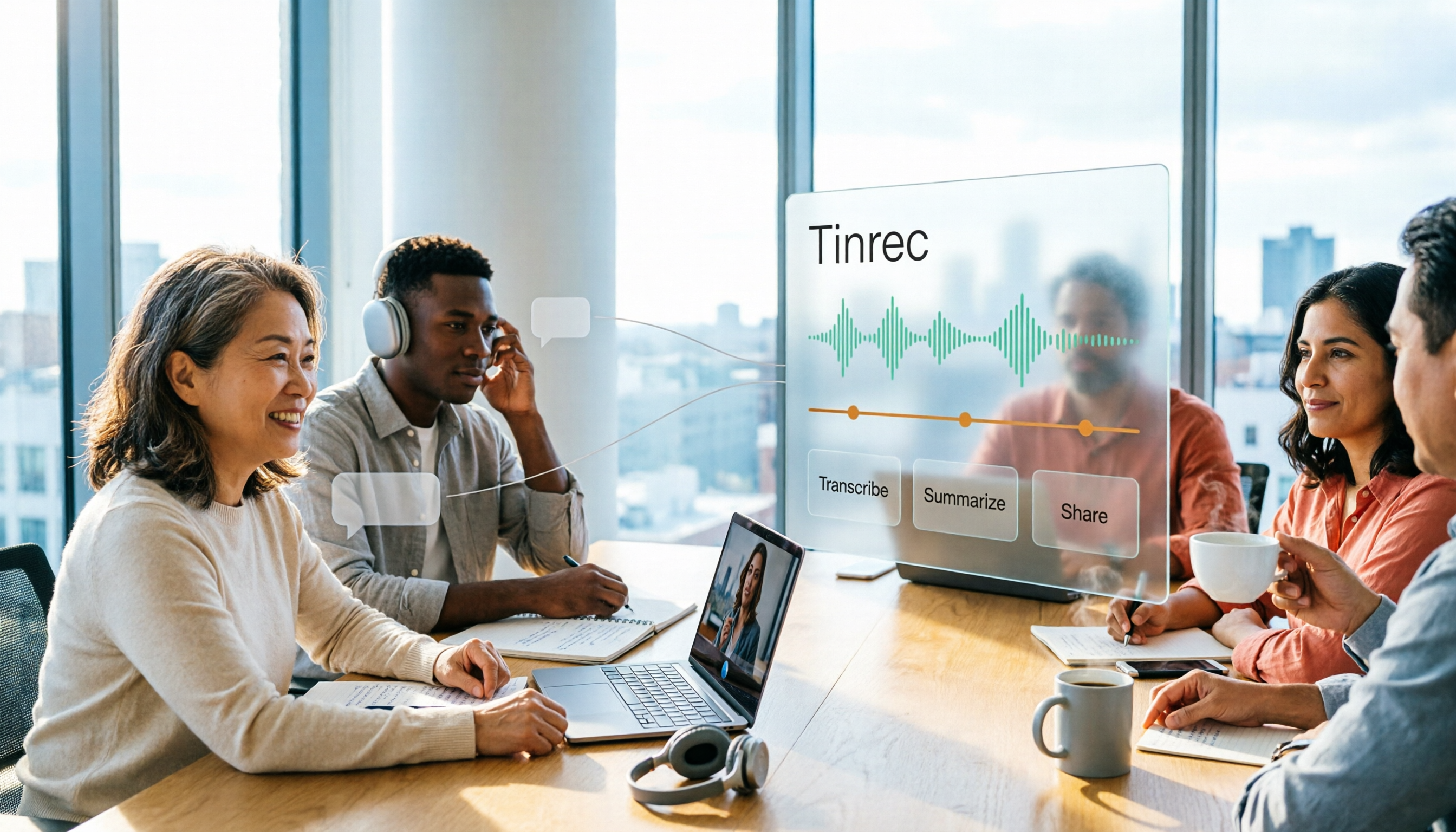
Tinrec vs Notta: 2 AI Voice Tools Tested for Meeting Notes & Transcription in 2026
Many people search for voice generation software, but the real pain point is organizing meeting audio. This hands-on comparison of Tinrec and Notta covers meeting capture, post-meeting organization, Chinese language experience, team collaboration, and data retention to help you choose the right tool for your workflow.

2026 Comparison of 4 Workplace Short Video Learning Summary Tools: Is Tinrec's AI Summary and Review Good Enough?
Forget short work videos right after watching? This article starts from the criteria of 'summary—notes—review' and compares Tinrec with general note-taking tools, bookmarking tools, and pure transcription tools in short video learning. It organizes 4 key comparisons, real usage scenarios for campus and internships, and concerns about free quotas and paid options to help you choose a workflow that truly helps you remember.

5 Best Free Speech-to-Text Online Tools in 2026: A Complete Guide
Compare 5 free speech-to-text online tools in 2026, including Tinrec, MyEdit, cSubtitle, TurboScribe, and Otter.ai. Review free quotas, Chinese language support, export formats, and use cases, with selection tips and usage notes.
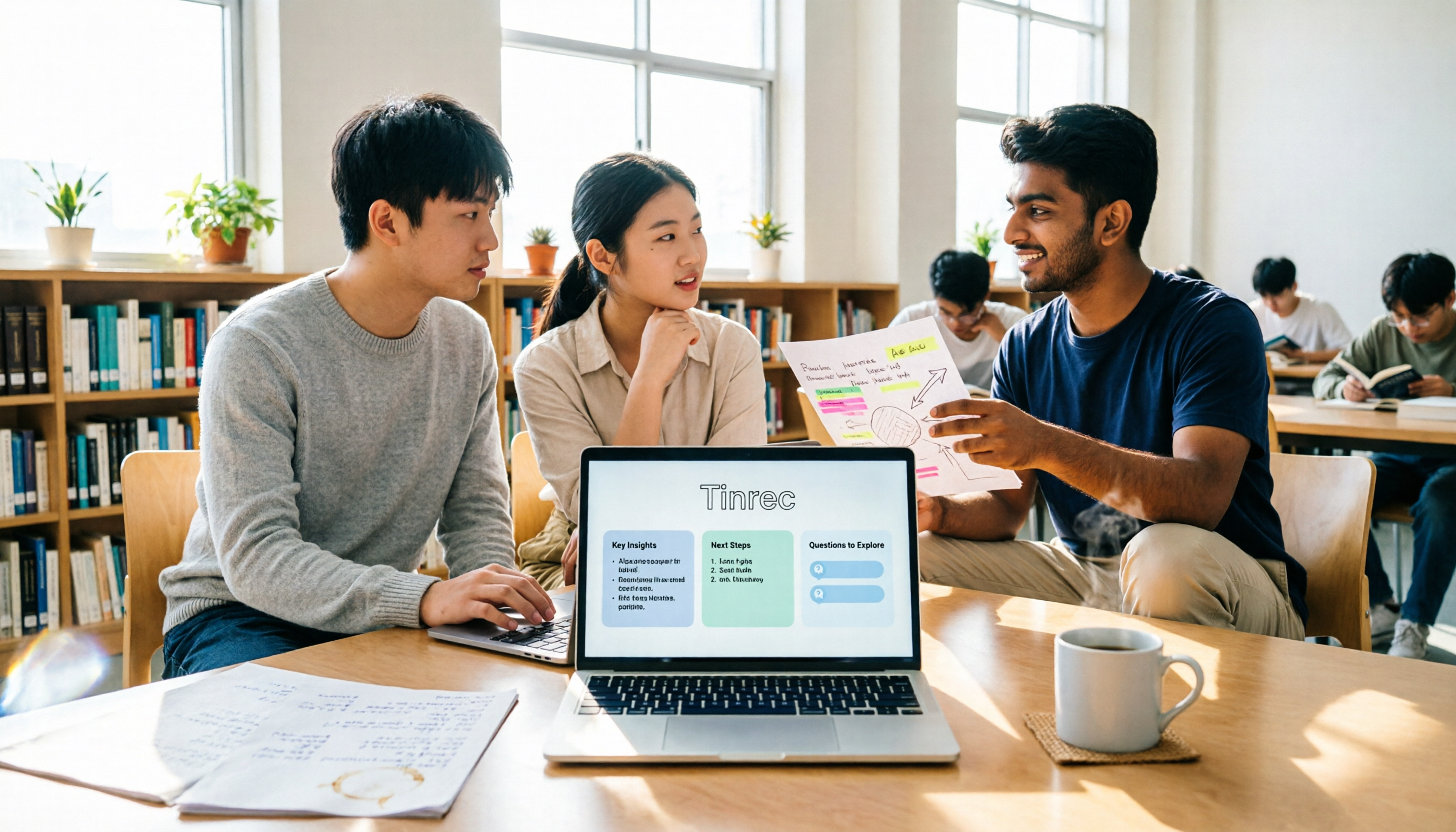
2026 Video Summarization Software Ranking Guide: Student-Tested Choices from Notta to Tinrec
This article starts from students' actual needs, organizes the key points for choosing video summarization software in 2026, and uses Tinrec as the core to compare the pain point that ordinary tools only provide transcripts. The content covers classroom notes, group reports, online courses, and interviews, helping you understand how AI summaries, to-do extraction, AI Q&A, and team collaboration can truly save time, and finally gives recommendations for students.

2026 Video Summarization Tools Compared: The Real Test Is Whether You Can Ask Follow-Up Questions and Keep Your Data
There are many video summarization tools, but most people only compare summary length. This article uses four angles—can you jump back to timestamps, can you ask follow-up questions, can you turn insights into action, and can team data be retained—to review the positioning and limitations of Tinrec, Felo AI, Monica, and WayinVideo, helping you find the right approach.

How to Transcribe Audio to Text in 2026: 5 Steps from Recording to Transcript
How do you choose an audio-to-text tool? This article covers 4 key buying factors, explains why a transcript alone isn't enough, and compares Tinrec, Otter.ai, Notta, and PLAUD in terms of positioning, pricing, and limitations, with final recommendations based on use case.

4 Best Automatic Video Summarizers in 2026: Which One Handles Chinese Summaries, Timestamps, and Team Records Best?
Too long to watch? This article starts with common pitfalls and outlines 4 key criteria for choosing an automatic video summarizer. It compares Tinrec, WayinVideo, Monica AI, and Notta on Chinese summaries, timestamp verification, post-meeting action items, and team data management, with a guide to avoid mistakes and pricing plans to help you find a tool that truly saves organization time.

4 Phone Recording-to-Text Assistants Tested and Compared in 2026: Is the Free Version Enough or Should You Go Team?
How do you choose a phone recording-to-text tool in 2026? This article examines four key points: on-site recording and online meetings, post-transcription processing, free quota traps, and team governance. It compares four solutions—Tinrec, Notta, Granola, and PLAUD—explaining their suitable scenarios, limitations, and team pricing, helping you decide whether to start with a free version or purchase directly for your team.
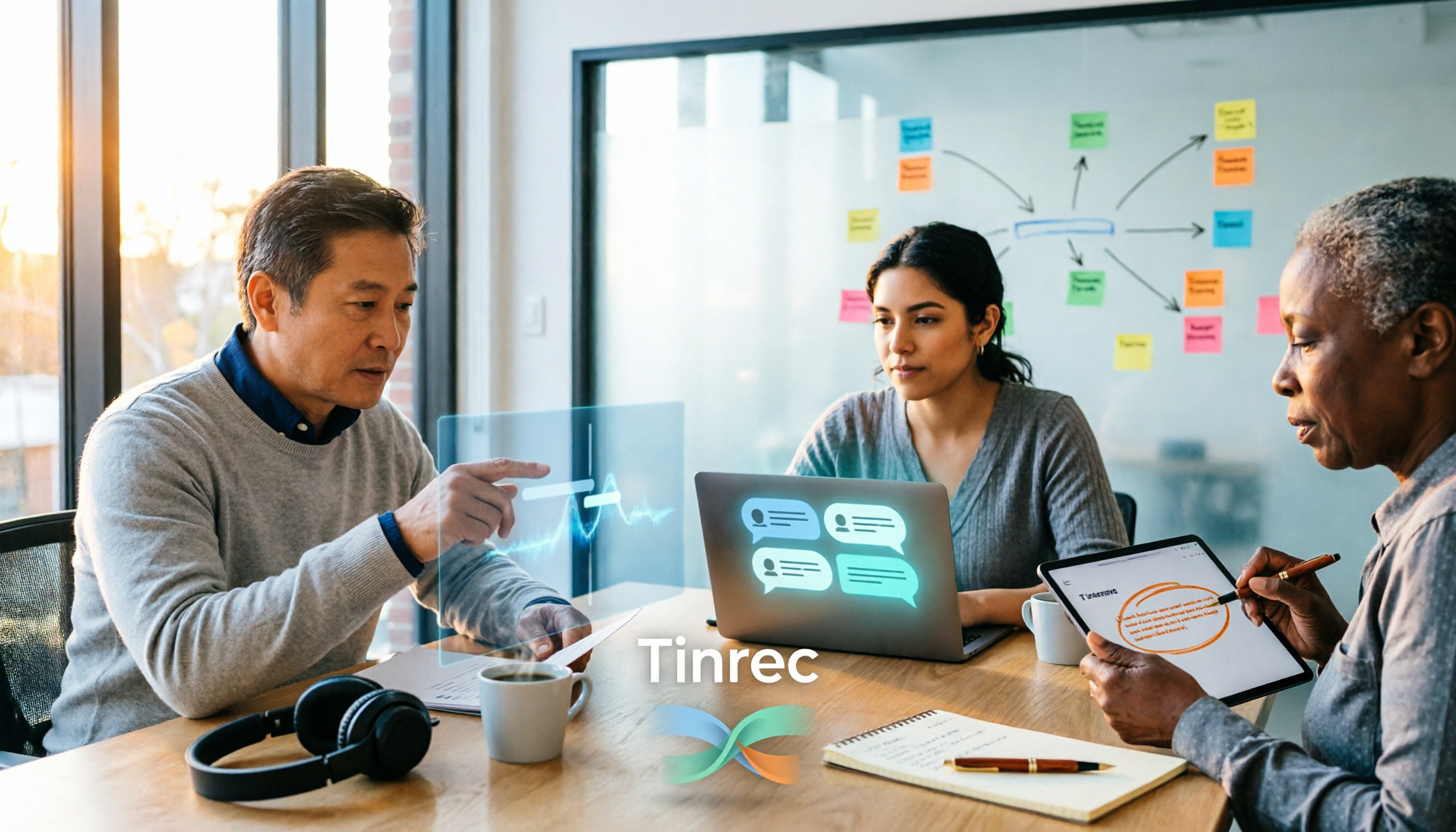
4 Video Summarization Tools Tested in 2026: Which AI Q&A and Team Knowledge Base Is Best?
We tested four video summarization tools in 2026, comparing Tinrec, WayinVideo, Monica, and Notta across supported sources, AI Q&A, cross-platform support, and team collaboration to help you find the most time-saving and practical option.