
Productivity Tips

How to Transcribe Mixed Chinese-English Meetings in 2026: Tinrec's No-Bot Recording + Bilingual Transcripts
Meetings that mix Chinese and English are the hardest to capture. This guide uses the same mixed-language recording to compare Tinrec and Otter.ai across five dimensions: recognition, recording method, post-meeting workflow, real-time translation, and team collaboration. It also includes pricing and use cases for both to help you decide which tool fits your needs.

3 Cantonese Speech-to-Text Tools Tested for 2026: Which Free Version Works for Cantonese Meetings?
Transcribing Cantonese recordings is never about listening—it's about typing. This article examines three common pitfalls of free tools, compares Tinrec and Otter.ai on Cantonese handling, meeting recording methods, post-meeting organization, free quotas, and team collaboration, and includes Notta in the overview to help you decide if a free plan is enough.

4 Best Code-Switching Transcription Tools in 2026: Which Saves the Most Cleanup Time?
Meetings with mixed Chinese and English are the hardest to transcribe. We tested Tinrec, Yating, Notta, and Otter.ai on the same real meeting recording, comparing recognition accuracy and post-meeting workflows. Here are the key factors to consider and common pitfalls to avoid, so you can pick the tool that truly saves you time.

How to Transcribe Mixed Chinese-English Audio in 2026: A Complete 5-Step Guide
Recordings that mix Chinese and English often break transcription tools. This guide starts with common mistakes, then walks through a 5-step process, key buying factors, and practical Tinrec use cases to turn mixed-language audio into editable text files, summaries, and action items.
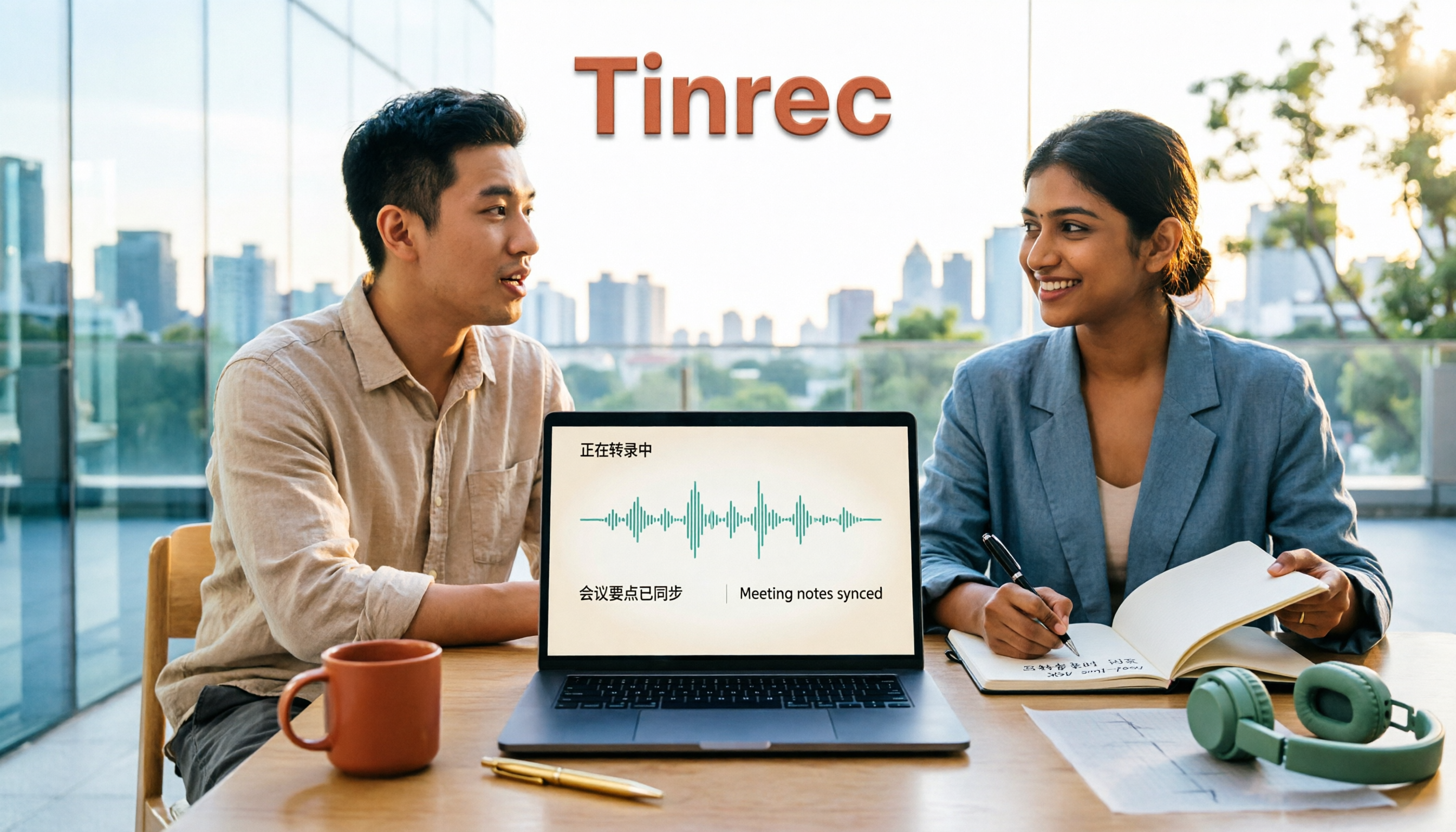
2026 Comparison of 2 Tools for Transcribing Mixed Chinese-English Audio: Which Free Tier and Transcript Actually Works?
The biggest pitfalls when transcribing mixed Chinese-English recordings for free: minute limits, file length caps, paid exports, and poor recognition of code-switching. This article addresses common misconceptions and compares Tinrec and Otter.ai across five dimensions: free tier, mixed Chinese-English recognition, meeting recording and input sources, post-transcription organization and output, and team governance. It provides checkpoints for choosing a free version and clear recommendations.

Tinrec vs Notta 2026: 5-Dimension Hands-On Test — Which Saves More Time for Chinese-English Mixed Transcription?
Meetings and interviews with mixed Chinese and English often trip up transcription tools. This article uses Tinrec as the primary hands-on tool to test language switching, summarization, action items, AI Q&A, export, and team collaboration, and provides practical testing methods and buying tips for Chinese-English mixed transcription, with FAQ answers to common questions.

4 Best Code-Switching Transcription Tools in 2026: How to Choose the Right One
Struggling to pick a transcription tool for mixed Chinese-English meetings? This guide covers 4 key buying factors and compares Tinrec, Otter.ai, Notta, and TurboScribe on code-switching accuracy, real-time translation, post-meeting summaries, and team collaboration. We also highlight 4 common pitfalls and give clear recommendations based on budget and use case.

2026 Comparison of 2 Code-Switching Transcription Apps: Which One Should You Choose for Chinese Meetings?
In meetings with mixed Chinese and English, the biggest fear is transcription that jumbles the two languages. This article compares Tinrec and Otter.ai across five dimensions: handling of code-switching, meeting recording methods, post-meeting AI organization, file import, and team collaboration. It also lists free quotas and paid prices to help you decide which app better suits your meeting scenario.