
Productivity Tips
How to Use Cantonese Speech-to-Text in 2026: A 6-Step Tinrec Tutorial
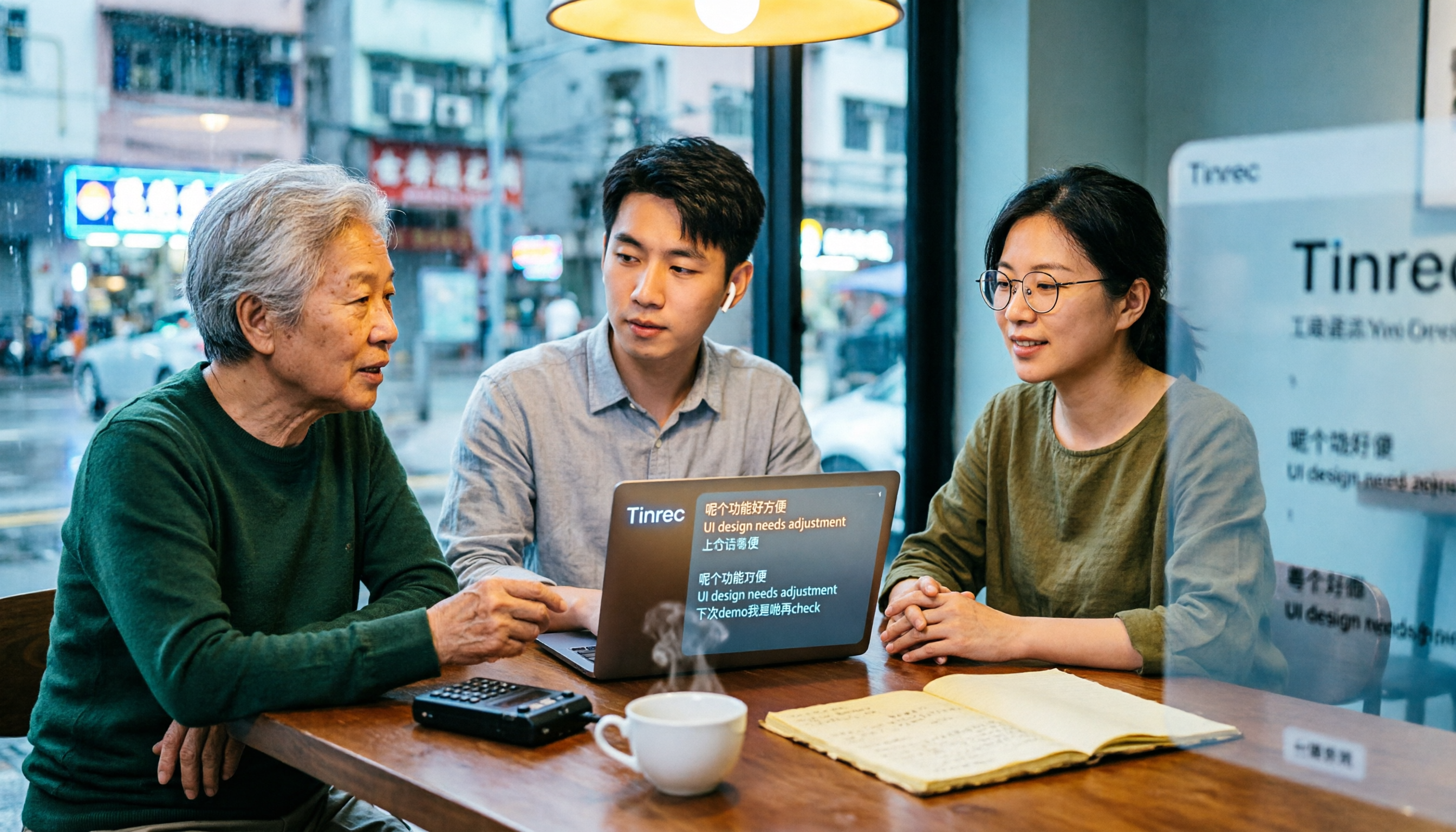
How do you use Cantonese speech-to-text? This article starts with deciding between live recording and organizing old files, then demonstrates in 6 steps how Tinrec handles Cantonese meetings and mixed Chinese-English recordings. It also compares differences with Cantonese transcription tools like Subanana, and summarizes key points to consider when choosing a tool and team plan benefits.

2026 Cantonese Speech-to-Text Showdown: Tinrec vs Otter.ai for Chinese Meetings
Many assume English meeting tools can handle Cantonese, but the transcripts are often a mess. This article tackles common misconceptions and compares Tinrec and Otter.ai across Chinese and Cantonese support, meeting recording methods, post-meeting AI organization, cross-platform access, and team collaboration to help you find the best Cantonese speech-to-text tool.

2026 Comparison of 4 Cantonese Audio-to-Text Tools: Which Is Most Time-Efficient for Cantonese Recognition and Post-Meeting Organization?
Cantonese meeting recordings often fail to transcribe accurately, and you still have to organize the results yourself. This article addresses three common misconceptions, compares Tinrec, Notta, TurboScribe, and Otter.ai, and provides key purchasing points, pitfalls to avoid, and selection advice to help you find the best Cantonese audio-to-text solution for your workflow.

4 Cantonese Speech-to-Text Tools Tested in 2026: The Fastest Way to Get a Cantonese Transcript
Cantonese has many colloquial characters and mixes Chinese and English, so using a Mandarin model often produces terrible results. This article shares hands-on testing of 4 Cantonese speech-to-text tools, covering model selection, accuracy testing conditions, and post-meeting workflows to help you find the most time-saving approach.

How to Use Tinrec for Cantonese Speech-to-Text in 2026: Step-by-Step Guide + Automatic Meeting Notes
How do you choose a Cantonese speech-to-text tool that's easy to use? This guide uses real meeting scenarios to cover core capabilities like live transcription, AI summaries, action item extraction, multi-format export, and team collaboration. Using Tinrec as an example, it walks you through key selection criteria, the onboarding process, and common questions.
4 Cantonese Speech-to-Text Tools Tested: How to Choose a Free Option (2026)
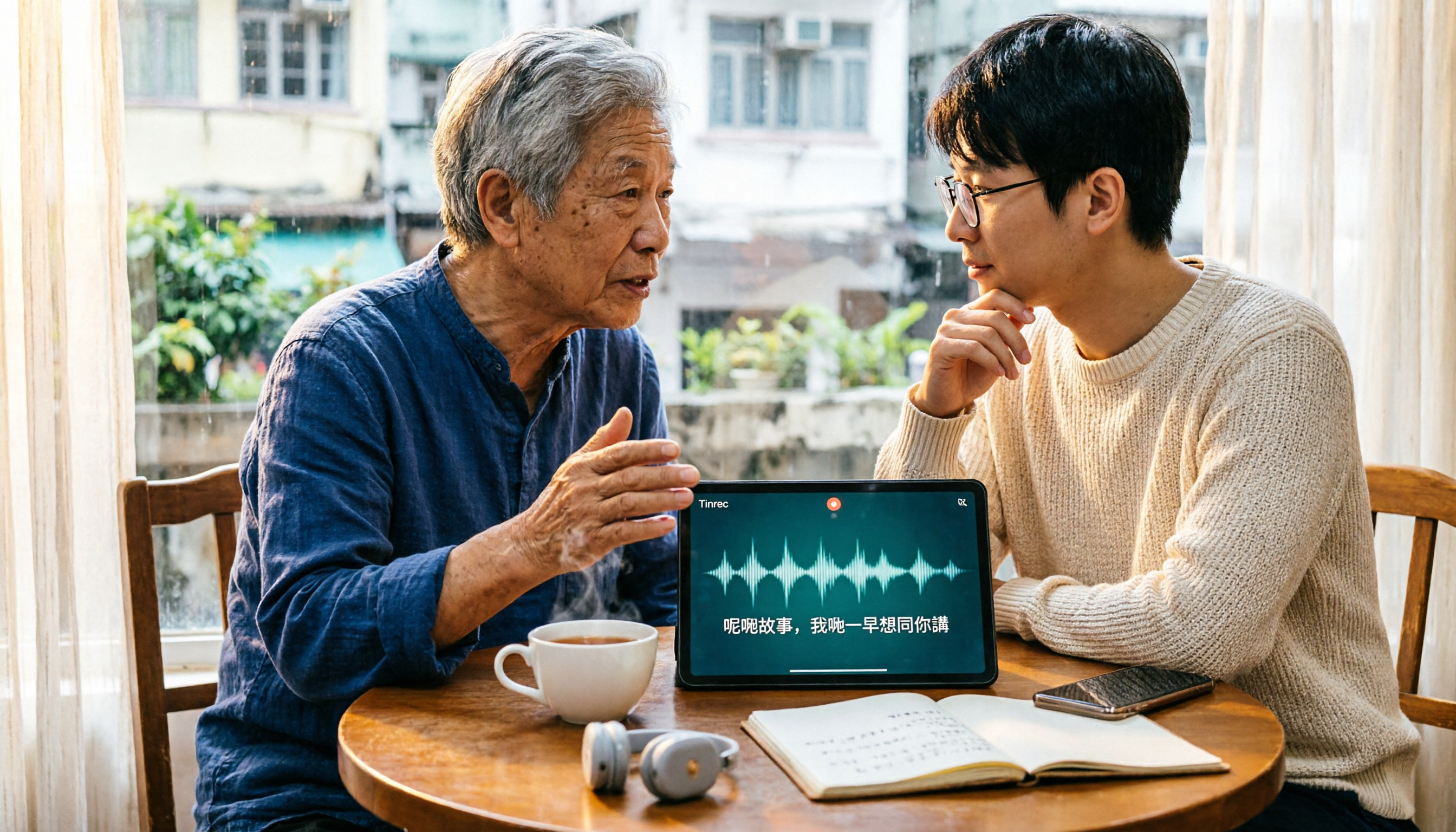
PTT users often ask how to choose a free Cantonese speech-to-text tool. This article compares Tinrec, Subanana, cSubtitle, and Google AI Studio from four angles: free quota, Cantonese recognition, post-meeting organization, and team collaboration, with a guide to avoiding pitfalls and selection advice.

4 Cantonese Speech-to-Text Apps Tested for 2026: Which One Handles Cantonese Recognition and Post-Meeting Organization Best?
From Cantonese recognition and mixed Chinese-English handling to transcript readability and post-meeting AI organization, we tested and compared Tinrec, Subanana, Otter.ai, and PLAUD. We also outline 4 key points and common pitfalls when choosing a Cantonese speech-to-text app, helping you find the one that truly saves time.

4 Cantonese Speech-to-Text Tools Tested in 2026: Which One Actually Saves You Time?
Cantonese recordings often get stuck because tools only recognize Mandarin, only handle files, and transcripts become useless after one use. This article addresses common misconceptions, breaks down 4 key buying factors, compares Tinrec, cantosubai, Notta, and Otter.ai, and lists 4 common pitfalls to help you find a workflow that truly saves time.