

Turn recordings into transcripts and summaries in minutes
Upload audio or video for multilingual transcription, AI notes, and action items
2026 Tinrec vs Otter.ai: 5-Aspect Showdown – Which Transcription Tool Suits You Best?
Tinrec vs Otter.ai: Quick Overview
When we need to transcribe meetings, lectures, interviews, or videos, Otter.ai often comes to mind first—it's one of the pioneers of AI meeting notes. But if you handle not just meetings but also large volumes of Chinese courses, online videos, or past recordings, Tinrec might be a better fit.
- Focus: Tinrec is an "AI recording and audio/video transcription tool"; Otter.ai is an "AI meeting notes tool."
- Platform Support: Both offer iOS, Android, and web versions, but Tinrec also emphasizes integration with computer meeting recording (Zoom, Teams, etc.).
- Free Plan: Otter provides 300 transcription minutes per month; Tinrec offers a basic free tier with flexible week, month, and annual passes.
- Key Difference: Tinrec handles a wider variety of input sources (live recording, uploaded audio, online video links) and offers more comprehensive post-transcription features; Otter excels in meeting collaboration and team management.
Below, I compare them across five practical use cases so you can decide which one to start using.
Dimension 1: Input Source Variety
Otter.ai's biggest strength is automatically joining online meetings (Zoom, Google Meet, etc.) and providing real-time transcription with speaker labeling—great for frequent internal meetings. However, if you want to transcribe a pre-recorded interview MP3 or a public YouTube course, Otter does support file uploads but with limits (Pro plan: 10 files per month), and it cannot directly process online video links.
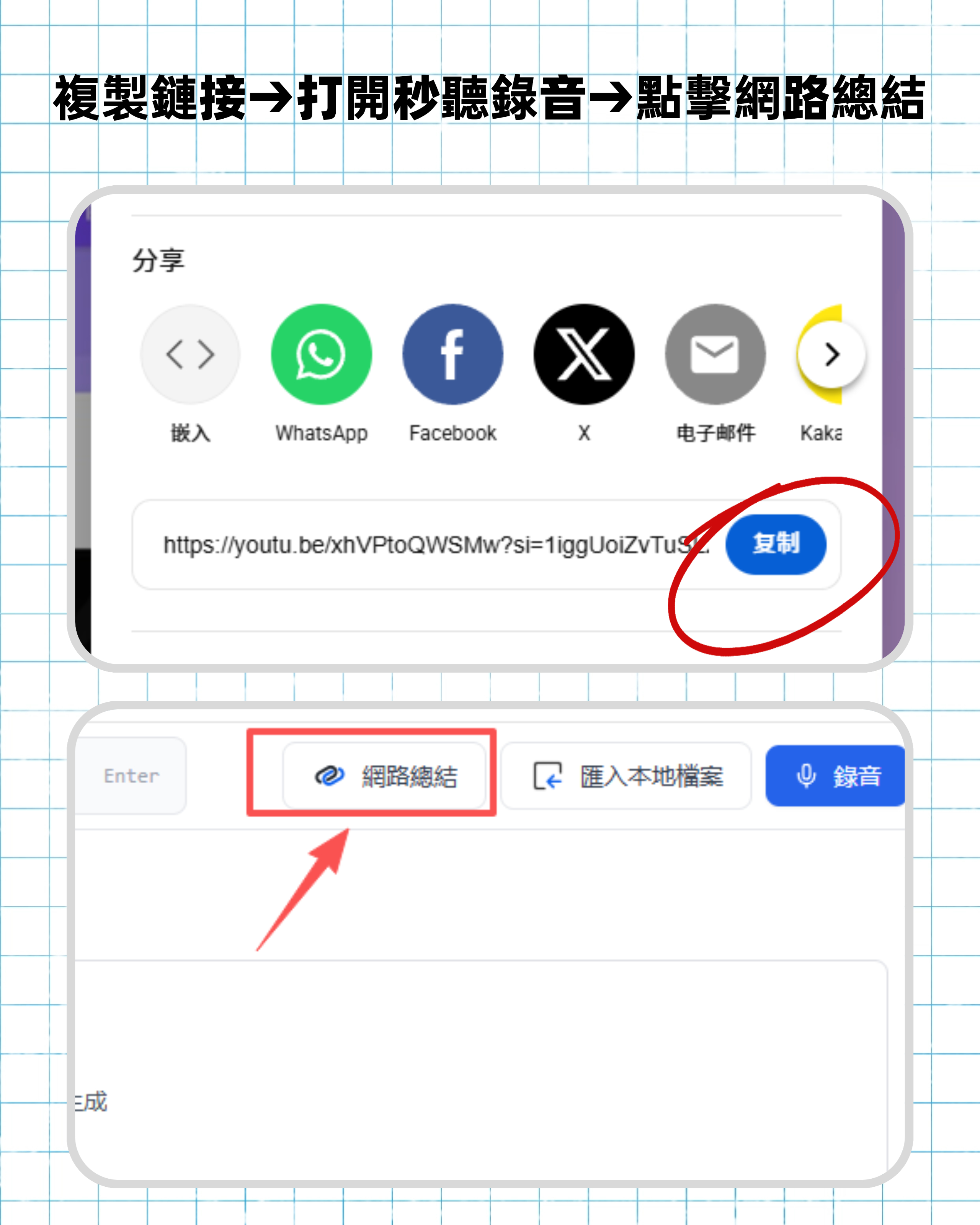
Tinrec offers much more flexibility: besides live recording, you can upload audio or video files, and most conveniently, paste public video links—YouTube, TikTok, Xiaohongshu, Bilibili—all can be parsed and transcribed, saving tons of time for those who collect online material.
→ This dimension: Tinrec clearly wins, especially for users who frequently need to transcribe lectures, interviews, or videos.
Dimension 2: Chinese Content Transcription Experience
Although Otter has improved Chinese transcription in recent years, its core R&D and training data are still English-focused. When dealing with mixed Chinese-English content, Taiwanese accents, or many proper nouns, error rates increase noticeably. Its interface and output files are also more English-oriented, requiring some adjustment for pure Chinese users.
Tinrec has prioritized Chinese, Traditional Chinese, and multilingual scenarios from the start. Its product copy and interface fully support Traditional Chinese (Taiwan). In a test with a 10-minute NTU Open Course recording (lecturer explanation, student questions, Chinese-English mix), Tinrec's verbatim transcript was almost directly readable, and its summaries and chapter divisions were spot-on.
→ This dimension: Tinrec wins big. If you want clean Chinese transcripts, go with Tinrec.
Dimension 3: Post-Transcription Organization and Usage
Many think "transcription" is the endpoint, but you then have to read and highlight key points from thousands of words. Both tools offer AI summaries, but differently.
Otter automatically extracts action items and key discussion points from meetings, but its summary is more of a "meeting summary" framework. For courses or interviews, it may capture the flow but miss the real highlights.
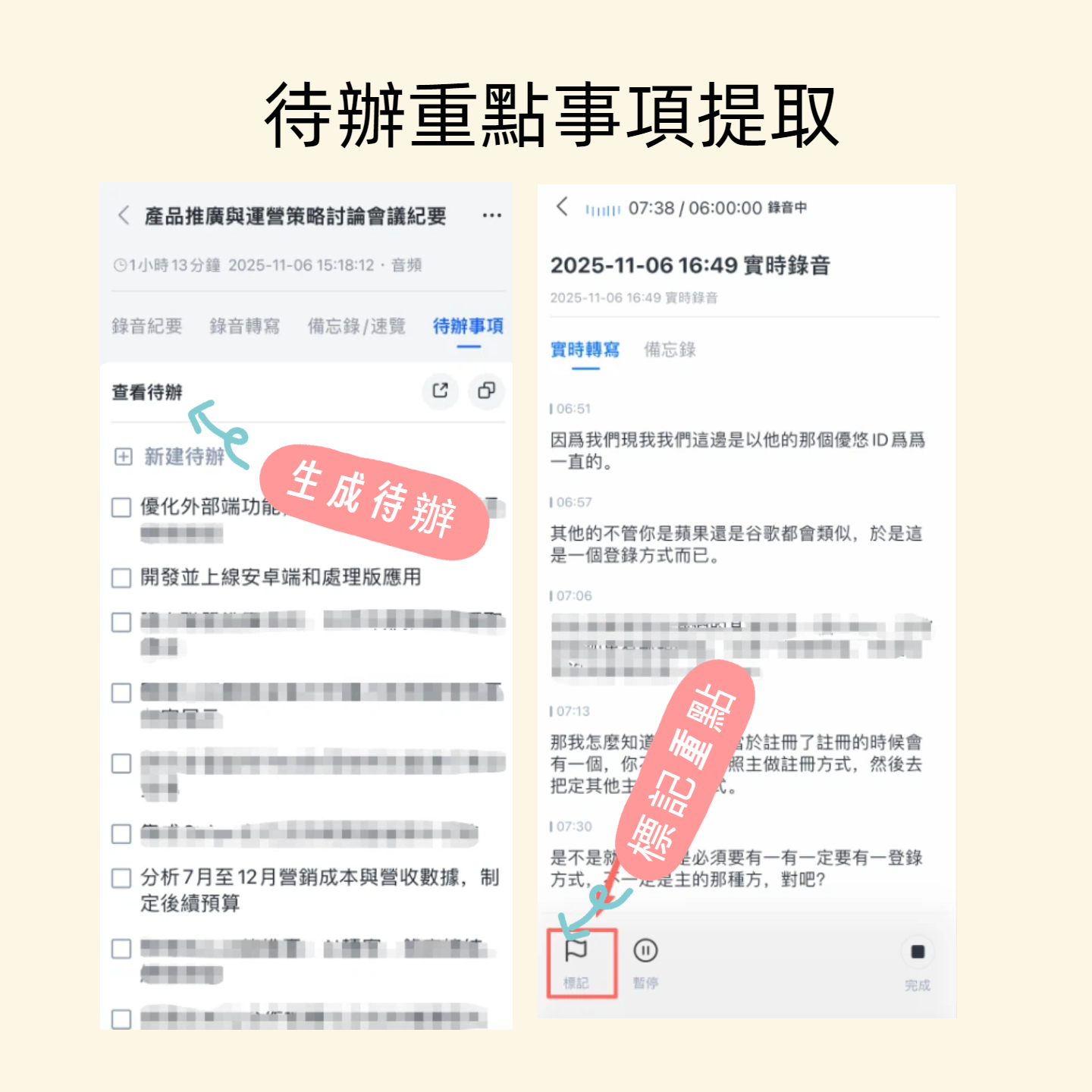
Tinrec is designed as an "organization workstation": it not only provides summaries but also auto-splits chapters, extracts key notes, to-do items, and even generates mind maps. Better yet, these results can be exported in multiple formats (plain text, Markdown, PDF, etc.) or synced to Notion, Google Docs, etc., for further report writing or presentations.
Stop organizing recordings by hand
Upload audio or video and automatically get a transcript, summary, and action items
→ This dimension: Tinrec wins completely. It goes deeper into "what else you can do after transcription," not just giving you a text file.
Dimension 4: AI Chat Query
Otter has "Otter AI Chat," allowing you to ask questions like "Who mentioned the budget in this meeting?" or "What was the last decision?" This is very helpful for frequent team project meetings.
Tinrec also has built-in AI chat query, and it's not limited to meeting recordings—you can feed in courses, interviews, and online videos from the past year and ask questions naturally, like "Did the professor mention the trigger of World War II?" or "What three pain points did the client mention in the last interview?" It finds answers from the corresponding recordings without manually scanning transcripts.
→ This dimension: Tinrec slightly edges ahead, as its AI Q&A works across more content types, not just meetings.
Dimension 5: Pricing Plans and Flexibility
Otter's free plan offers 300 transcription minutes per month, enough for 1–2 meetings per week. The Pro plan costs $8.33/month (billed annually, about $100/year), providing 1,200 minutes and limited file uploads. For larger file processing or team features, you need the Business plan, which is pricier.
Tinrec's free plan also offers basic credits to test the service. Paid plans include Pro monthly and annual passes (lower monthly cost for long-term use), and a clever "week pass"—if you have a sudden intensive week of courses, project interviews, or want to batch-process backlogged videos, you can buy a week's worth of credits instead of committing to a monthly subscription.
→ This dimension: Tinrec's pricing is more flexible for different usage frequencies, especially the week pass for short-term heavy transcription needs.
Unique Advantages of Each
Tinrec's Unique Advantages
- Multi-source all-in-one: live recording, file upload, and online link—covers almost any audio/video content.
- Chinese optimized and Taiwan localized: interface, transcription, and summaries are especially friendly to Traditional Chinese.
- Post-transcription processing: chapters, to-dos, mind maps, multiple export formats—directly usable for further work.
- Flexible payment options: week pass for short sprints, annual pass for long-term knowledge accumulation.
Otter.ai's Unique Advantages
- Team meeting collaboration: auto speaker labeling, integration with Slack, Teams, etc., ideal for department routine meetings.
- Meeting-specific features: meeting note sharing, real-time highlight prompts, mature team collaboration experience.
Summary: Which Should You Choose?
- If you need a tool to handle Chinese courses, interviews, and online videos comprehensively → Tinrec
- If you want to turn recordings into a searchable, queryable knowledge base, not just one-time transcription → Tinrec
- If you often have short-term, focused transcription needs (exam week, project period) → Tinrec Week Pass
- If your team mainly has English online meetings and needs powerful meeting bots and collaboration → Otter.ai
- If you only need simple recording-to-text with no further processing → try both free versions
In a nutshell: For most Chinese-speaking users who need flexible handling of various audio/video content, Tinrec is a more comprehensive choice. Download the free version, test it with your own recordings, and then consider upgrading if you like it.
Frequently Asked Questions
Q1: Is Tinrec's free version sufficient?
For 1-2 lectures or meetings per week, the free credits should be enough. Start with the free version and upgrade when you need more minutes or advanced features.
Q2: Is the Chinese transcription accuracy really as high as claimed online?
In a clear recording environment (no heavy background noise, clear speech), accuracy can reach 95% or above. Background noise, overlapping speech, or specialized terms may affect accuracy; we recommend double-checking important content against the original recording.
Q3: Are there copyright issues with transcribing online videos?
Tinrec provides a tool; users must comply with each platform's terms and copyright laws. Personal learning and note-taking generally fall under fair use, but be cautious about publicly distributing transcriptions.
Q4: Can I export Tinrec's organized content to other note-taking apps?
Yes, Tinrec supports export as TXT, PDF, Markdown, etc., and can sync directly to Notion, Google Docs, OneNote, and other common tools.
Q5: Can I use Otter.ai and Tinrec together?
Absolutely. If your company meetings are mostly in English and require team collaboration, Otter is still a good choice. For personal learning, Chinese courses, or video material transcription, adding Tinrec as a supplement is not conflicting.
Turn every recording into actionable outcomes
Get 60 free transcription minutes when you sign in. No credit card required.
Related Reading
You might also like

Tutorial: 2026 Real-Time Translation App – No Headphones Needed, Multilingual, Use Tinrec
Real-time translation earbuds are popular, but you don't need to buy extra hardware – a mobile app can do the same. This tutorial shows how to use Tinrec's instant recording feature for real-time voice translation, supporting multilingual mutual translation and speak-and-translate, great for travel, meetings, and online classes.

How to Write Meeting Minutes in 2026? 5 Steps from Recording to AI Summary
I attend 15 meetings a week, and organizing meeting notes used to take half my time—until I found AI tools. This article shares a middle manager's practical perspective, teaching you 5 steps from recording to AI summary, so you can choose the right tool and never fear your boss asking about last meeting's conclusions again.

2026 Tinrec vs Meeting Minutes Templates: A 5-Dimension Showdown – Which is Better for Students?
Still filling out meeting minutes with Word templates? Here's my experience using Tinrec to auto-generate meeting notes. A 5-dimension comparison shows why AI tools save more time and effort than traditional templates.

2026 Review of 5 AI Meeting Minutes Generators: Which Saves the Most Time?
Still manually organizing meeting notes? This article compares 5 AI meeting minutes tools, from free to paid, to help you find the best solution for automated meeting minutes, saving up to 80% of your time.
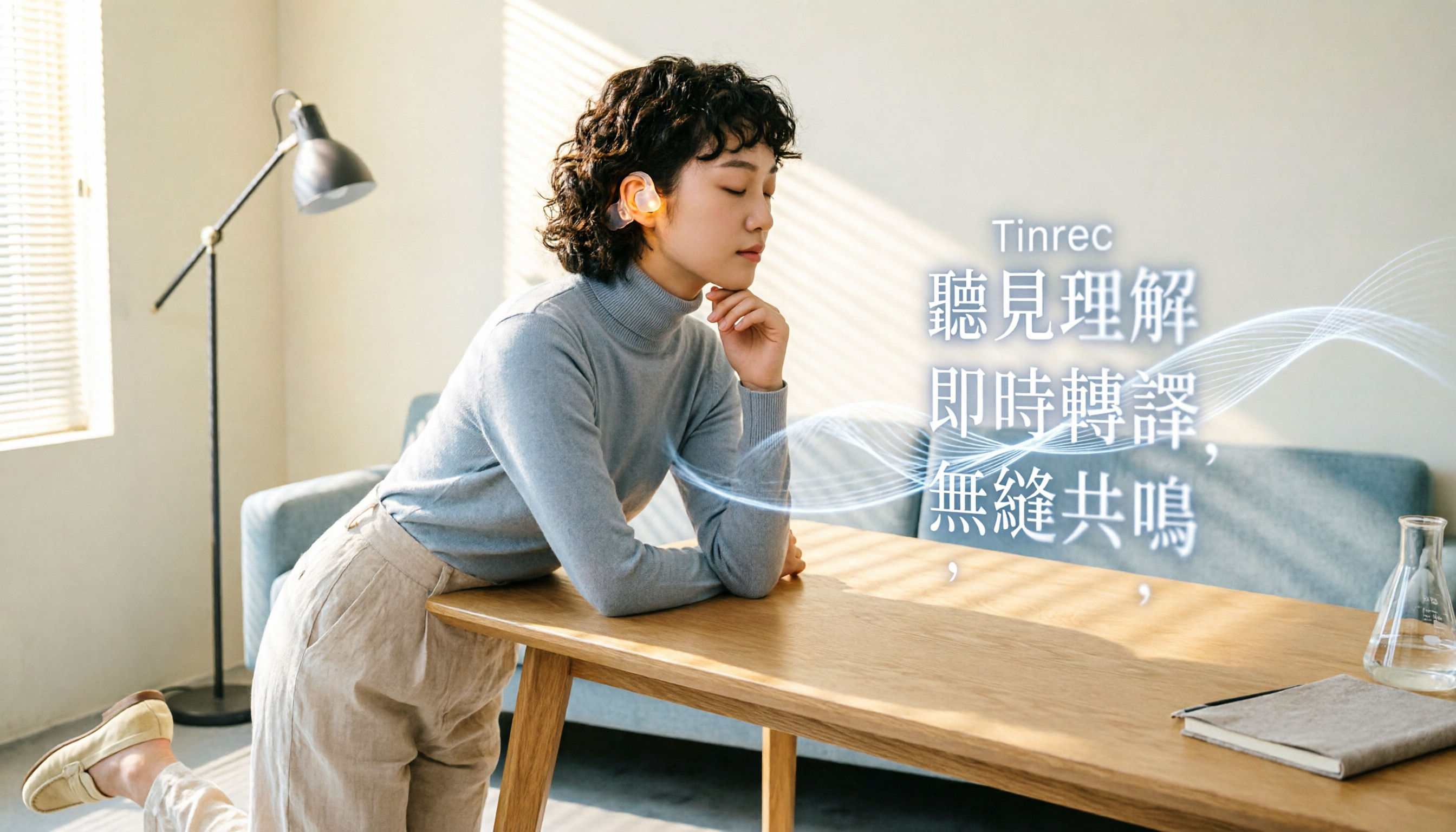
2026 Speech-to-Text Tool Showdown: Tinrec vs Otter.ai – Which is Better for Chinese Meetings and Learning?
Stuck choosing between Otter.ai and Tinrec for meetings, classes, or interview transcription? This head-to-head comparison covers input sources, Chinese accuracy, AI post-processing, and pricing to tell you which one is worth paying for.

2026 Comparison of 3 Meeting Transcription Tools: Which One Is Best for Chinese Meetings?
Still manually taking meeting minutes? We tested 3 mainstream tools, from free credits to AI summaries and Chinese accuracy, to help you find the best option for Chinese meetings.

Tinrec vs Notta (2026): A 4-Dimension Showdown for Chinese Transcription – Which One Reigns?
A middle manager tests two popular voice-to-text tools across 4 key dimensions: transcription accuracy, AI summaries & Q&A, free plan limits, and cross-scenario usability. Find out which one saves the most time for Chinese users.
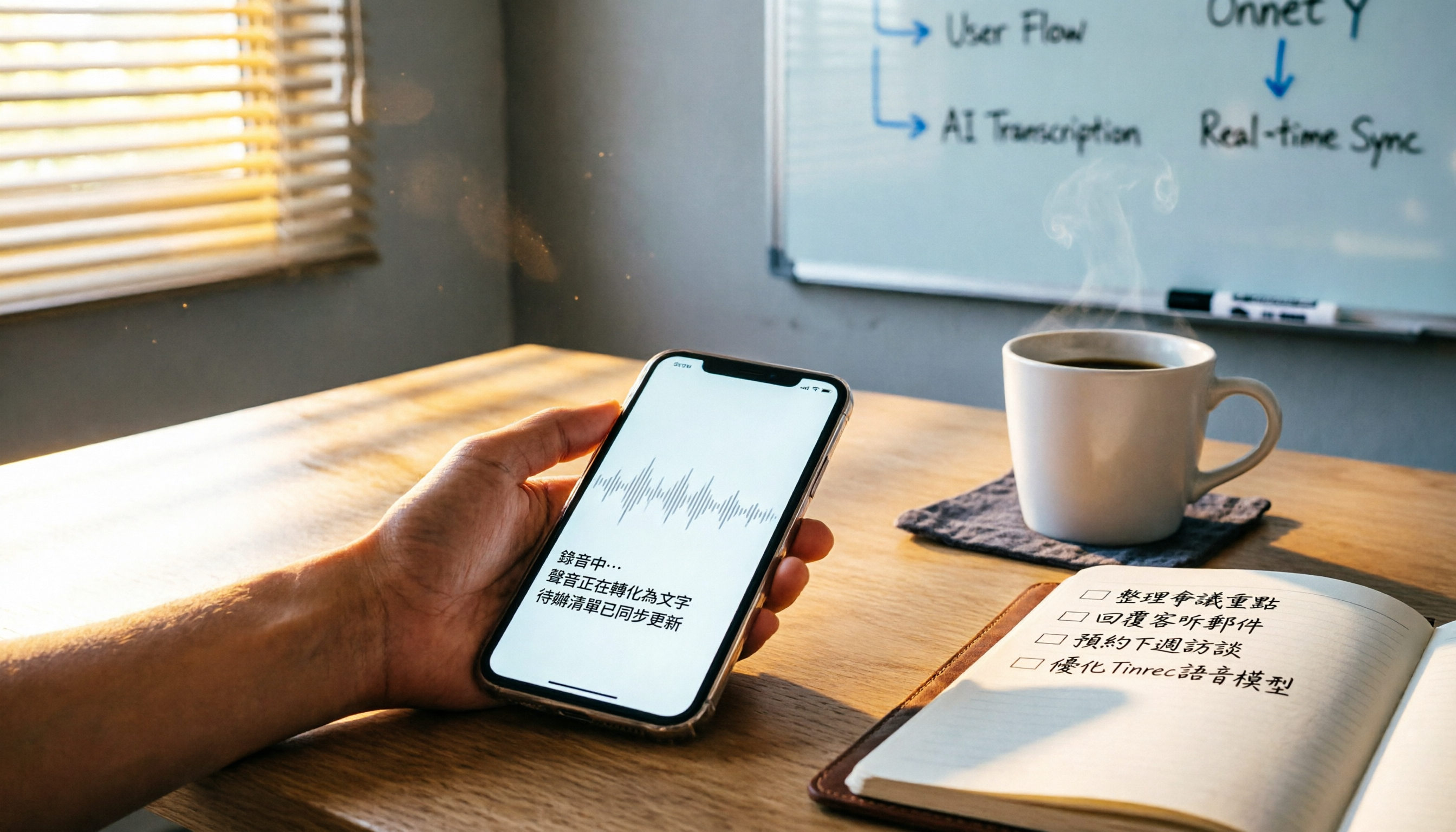
How to Take Meeting Minutes in 2026? A Complete Guide from Recording to AI Meeting Notes in 4 Steps
Tired of marathon meetings? Our test recommends Tinrec – an app that handles Cantonese audio transcription, AI summaries, and to-do lists. Say goodbye to overtime on meeting minutes.

2026 Side-by-Side Comparison: 2 Best Speech-to-Text Tools for Busy Professionals
A mid-level manager puts Tinrec and Plaud Note head-to-head across five dimensions — input sources, AI summarization, cross-platform convenience, cost, and Chinese accuracy — to help you decide whether to buy hardware or just use your phone for meeting notes.