
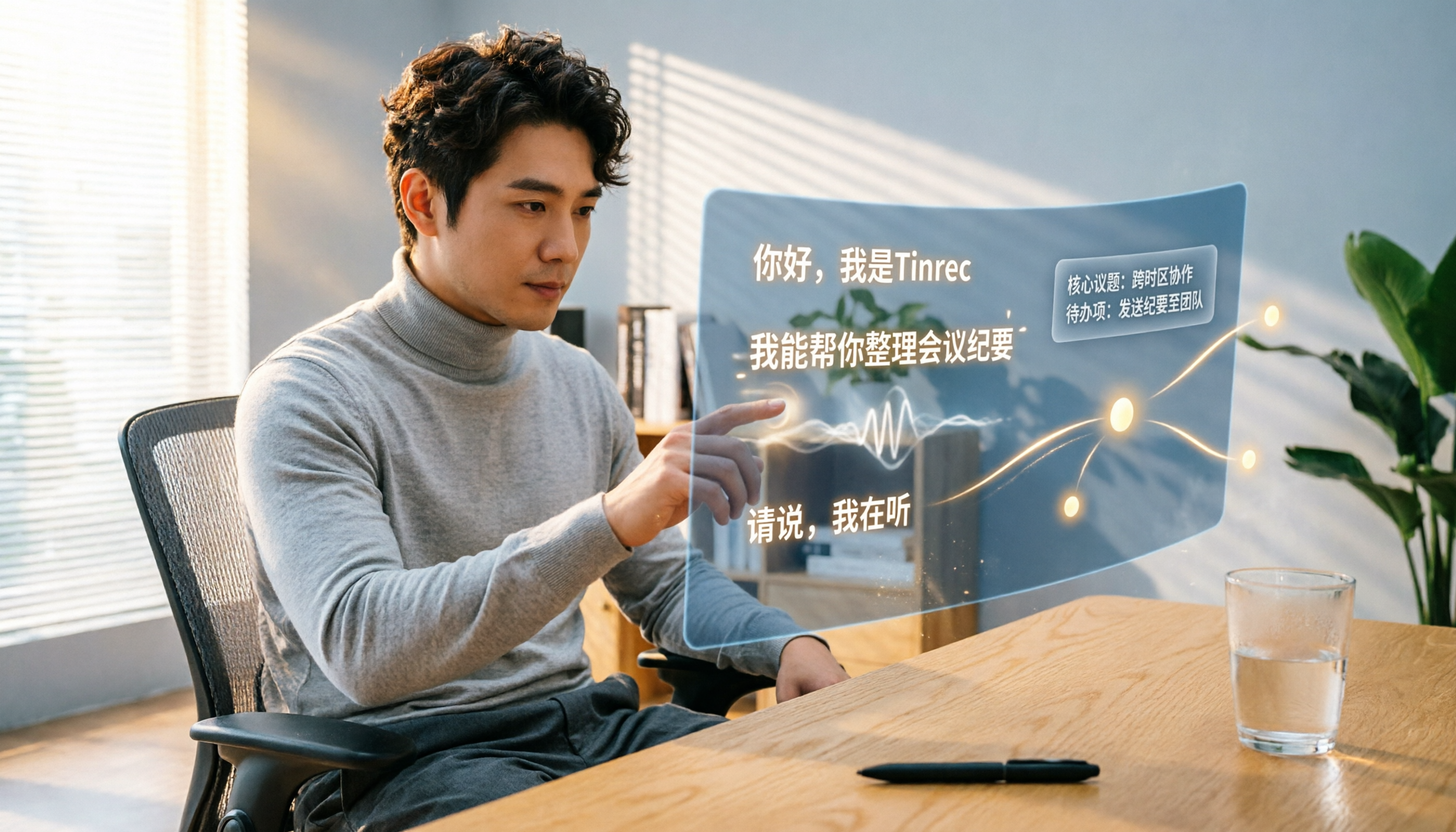
Turn recordings into transcripts and summaries in minutes
Upload audio or video for multilingual transcription, AI notes, and action items
Tinrec (formerly Miaoshen Record) is an audio/video workstation that integrates speech-to-text, video link parsing, and AI-powered smart organization. It supports iOS, Android, and web. The free plan offers basic monthly transcription credits, making it suitable for office workers, students, and creators who need to process meetings, lectures, interviews, or online videos.
Why Are People Looking for Alternatives to Notta?

Notta is a popular choice for transcription tools, supporting multi-device recording, meeting notes, and translation, with a free plan offering 120 minutes per month. However, as use cases expand, some users find they need more than just transcription: better content organization, higher-quality summaries for Chinese contexts, or an all-in-one tool for meetings, videos, and legacy files. If you have similar needs, Tinrec is worth a look.
Tinrec vs Notta: What Are the Core Differences?
Language Support and Chinese Optimization: For users in Taiwan and Hong Kong, Chinese recognition quality directly impacts efficiency. Tinrec is enhanced for Traditional Chinese, Cantonese, and mixed-language environments, maintaining stable transcription performance in common scenarios like meetings and lectures. In contrast, while Notta supports multiple languages, Tinrec's tuning is more aligned with local usage habits, especially for colloquial Chinese and English-mixed content. If you frequently process Chinese content, you'll notice the difference.
Input Source Variety: Notta focuses on recording and meeting transcription, and also allows audio file uploads. But Tinrec goes further by directly supporting video link transcription from YouTube, TikTok, Bilibili, and other platforms, as well as local audio/video file imports. For content creators who need to extract material from videos, or students who want to organize online courses, Tinrec saves significant download and conversion time.
AI Post-Processing Capabilities: Transcription is just the first step; quickly capturing key points is crucial. Beyond AI summaries, Tinrec can automatically split chapters, extract action items, and even use AI Q&A to query details from recordings. For example, after a meeting, you can ask Tinrec “What was the conclusion?” or “Who is responsible for which task?” and it will extract answers from the transcript. Notta also offers summaries and translation, but for “post-transcription thinking tools” like Q&A and action item extraction, Tinrec's design is more comprehensive.
Free Plan Practicality: Tinrec's free version provides basic transcription credits, and all features like real-time transcription, AI summaries, and web video parsing are available without feature restrictions – ideal for those who want to try everything. Notta's free plan offers 120 minutes per month, sufficient for light users, but if you want to test all features, Tinrec's free experience is more open.
Cross-Platform Coverage: Both tools support iOS, Android, and web, but Tinrec's web version is more feature-rich, allowing you to upload files and manage all recordings directly on your computer without switching devices – more convenient for those who work between office and phone.
Tinrec Core Features at a Glance
Real-Time Speech-to-Text: Open Tinrec, and text displays simultaneously with recording, with extremely low latency. During meetings or lectures, you can read the text and confirm key points; the transcript is ready the moment the recording ends.
Audio/Video File Transcription: Import existing audio or video files into Tinrec to get transcripts. Supports multiple formats without requiring conversion, saving you hassle.
Stop organizing recordings by hand
Upload audio or video and automatically get a transcript, summary, and action items
Web Video Link Parsing: Paste a link from YouTube, TikTok, Xiaohongshu, etc., and Tinrec converts the content into text and generates a summary. This is very useful for content creators to extract inspiration from video material.
AI Summary and Q&A: Long recordings can be hard to navigate. Tinrec automatically generates summaries and allows you to ask questions about the content, such as “What were the three main points of this lecture?” or “Who proposed the budget adjustment in the meeting?” No manual scanning needed; Tinrec answers directly.
Multi-Format Export and Action Item Extraction: Export organized content as TXT, PDF, Word, etc., or extract action items mentioned in meetings into a to-do list for easy follow-up.
Practical Use Cases
Meeting Notes: Record meetings live with Tinrec; transcripts, summaries, and action items are ready immediately after, shareable with colleagues. Compared to manual note-taking, it saves time and ensures no decisions are missed.
Classroom Learning: Tinrec converts lecture recordings into text, splits them into chapters, and automatically summarizes key points. During review, use AI Q&A to ask “What is the core concept of this chapter?” – more efficient than listening from start to finish.
Content Creation: To repurpose YouTube videos or podcasts, simply paste the link to get the transcript. Tinrec automatically summarizes, helping you quickly find usable material and perspectives, saving hours of manual transcription.
Interview Organization: Importing interview recordings into Tinrec quickly yields response summaries for each question and allows you to use the Q&A feature to query specific topics, making report writing and citation easier.
Key Considerations When Choosing a Speech-to-Text Tool
Chinese Content Processing Ability: Not all transcription tools handle Chinese well. Test with a recording that includes colloquial speech and code-switching to see if the text is coherent. Tinrec has invested heavily in Chinese optimization, which is particularly important for users in Taiwan.
Input Source Breadth: If you need to process not just recordings but also online videos or legacy files, a multi-source input tool is more efficient. Tinrec covers this comprehensively, from live recording to web links.
Post-Transcription Organization Features: Getting a transcript is just the start; summaries, chapters, action items, and even AI Q&A are where time is truly saved. Tinrec's post-processing capabilities set it apart from simple transcription tools.
Cross-Platform and Sync: Seamless switching between phone, tablet, and computer impacts where and when you can organize data. Tinrec supports iOS, Android, and web with real-time sync, not tied to a single device.
Free Plan Generosity: Some tools lock core features in their free version. Tinrec's free plan gives access to all major features, so you can fully evaluate before deciding to pay – a practical approach.
Conclusion: Is Tinrec Worth Trying?
If you're looking for an AI subtitle generator that goes beyond transcription to truly help you “understand content,” Tinrec is one of the few options on the market that combines multi-source input, Chinese optimization, and AI post-processing. Especially for users who need to process meetings, lectures, interviews, and web videos, Tinrec's design aligns closely with real workflows. We recommend downloading the free version of Tinrec and testing it with your own recordings and videos – that's more direct than any review.
Frequently Asked Questions
Which is better, Tinrec or Notta? There's no absolute winner; it depends on your needs. If you only need simple meeting transcription, both work; but if you need to process web videos, legacy files, or deep AI organization after transcription, Tinrec is more suitable.
How many minutes does Tinrec's free plan offer? The free plan provides basic monthly transcription credits; the exact amount may adjust with updates, but it's enough for several meetings or lectures, and all core features are accessible.
What languages does Tinrec support? It supports multiple languages, including Chinese, English, Cantonese, etc., with special optimization for colloquial Chinese and Traditional Chinese – very convenient for users in Taiwan.
Are there copyright issues with transcribing web videos using Tinrec? Transcribing public video content for personal notes or learning is generally fine as long as it's not reproduced or distributed publicly. For public use, adhere to the original platform's terms and copyright laws.
What accuracy can I expect? In clear recording environments, Tinrec's transcription quality is very high. However, background noise, overlapping speech, or heavy accents can affect results. We recommend testing with your own recordings.
What export formats are available? Supports TXT, PDF, Word, and other formats, as well as direct link sharing for easy editing or archiving.
Turn every recording into actionable outcomes
Get 60 free transcription minutes when you sign in. No credit card required.
Related Reading
You might also like
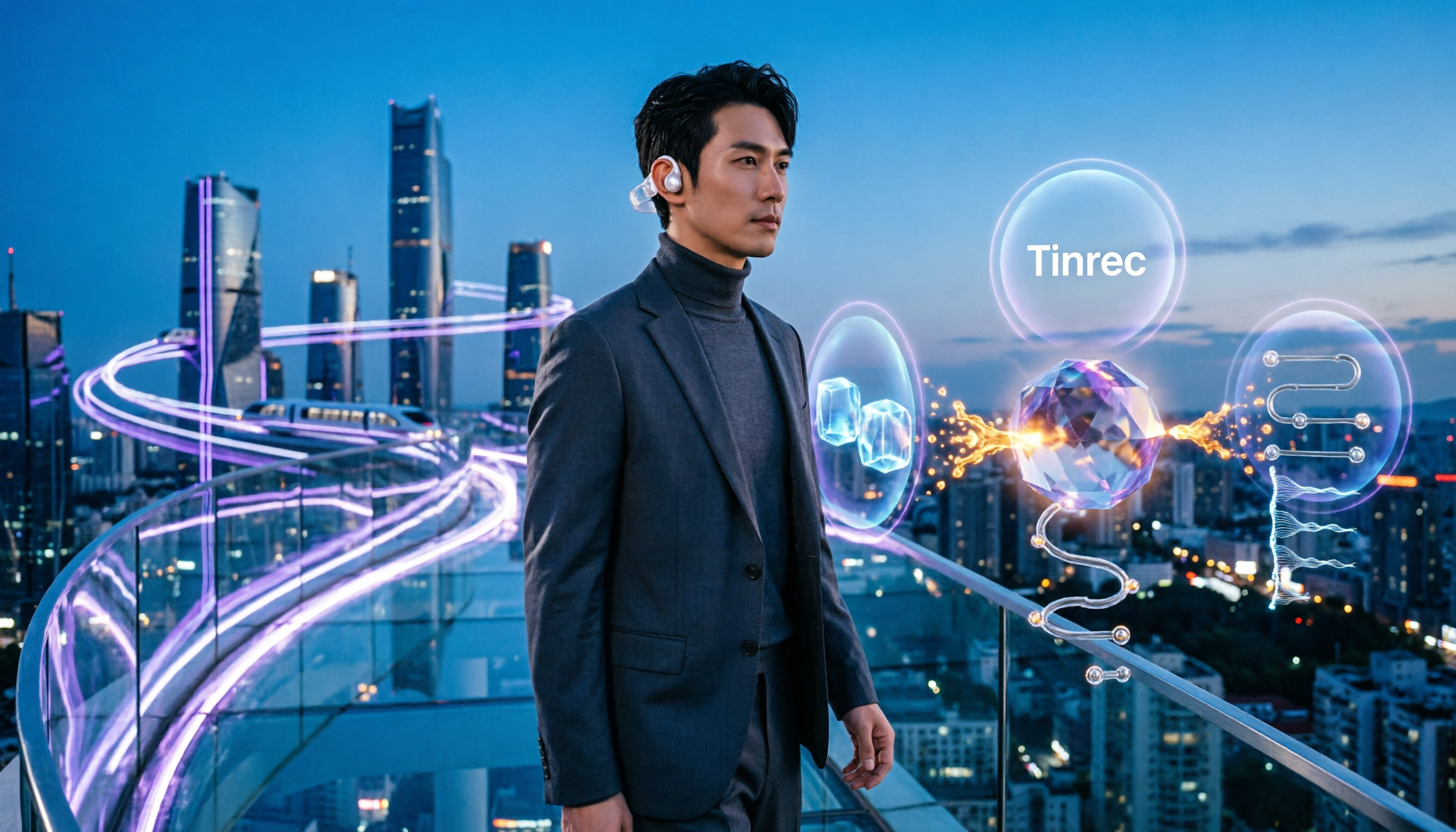
How to Stay Focused While on a Mobile Meeting? Complete Guide to Google Meet On-the-Go Mode and Meeting Notes Tips
This guide walks you through setting up Google Meet On-the-Go mode to join meetings smoothly while commuting, walking, or moving, and explains how to use recording tools to quickly convert meeting content into transcripts, summaries, and action items.

How to Start a New Google Meet and Turn Recordings into Reusable Content: From Link Creation to AI Summary Export
This hands-on tutorial walks you through quickly creating a new Google Meet from Gmail, Google Calendar, or meet.google.com, and shows you how to use Tinrec to convert meeting recordings into transcripts, summaries, and action items—turning every discussion into searchable, organizable text assets.

2026 Comparison of 3 Google Meet Recording and Transcription Tools: Which Free Plan for Windows Users Is Best?
Using Google Meet on Windows has no built-in recording feature, making meeting notes cumbersome. This article tests 3 recording and transcription tools, showing how to pair them with PWA for efficiency and find the best free plan for Chinese users.
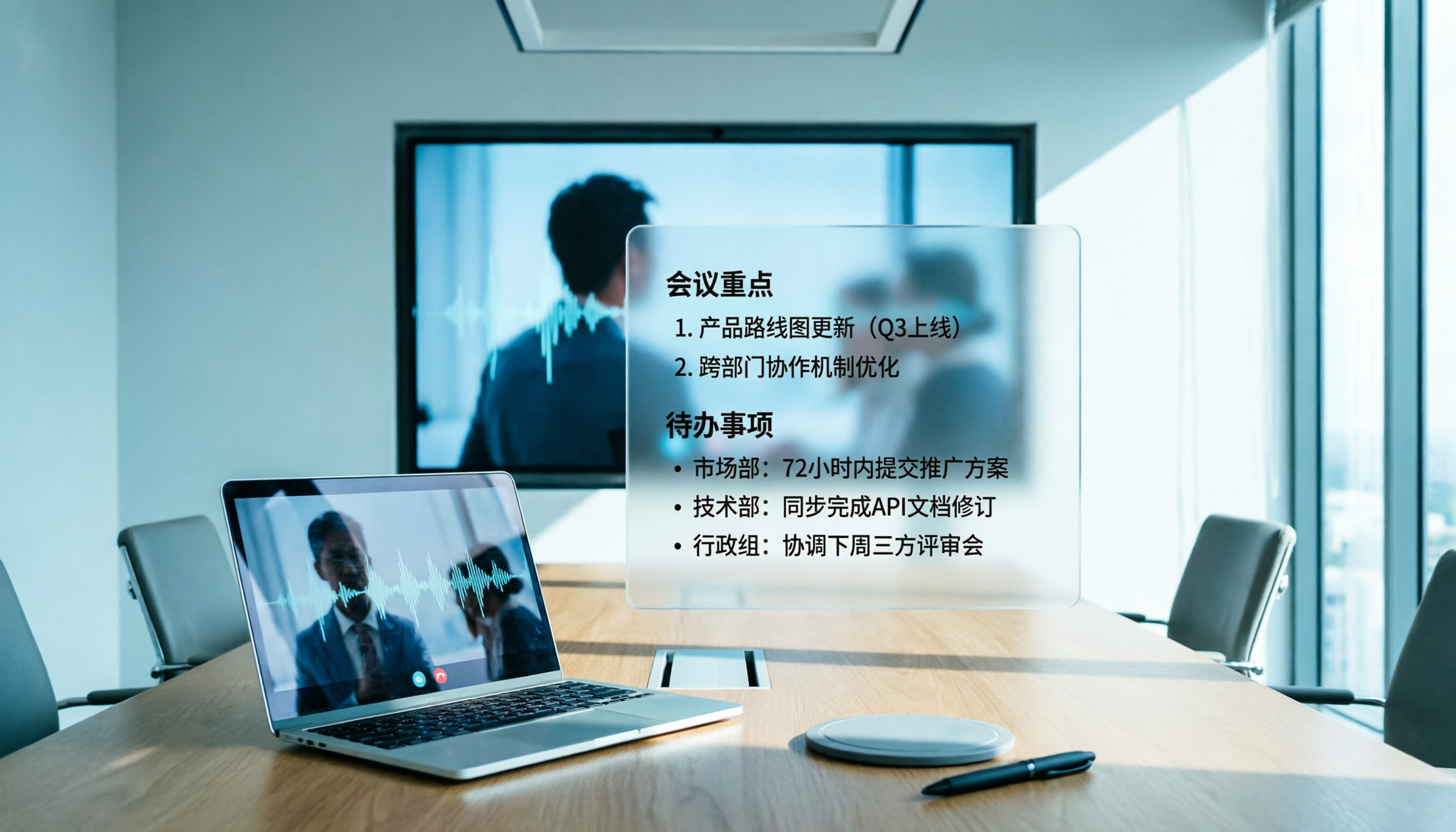
4 Google Meet Transcription Tools Compared in 2026: Which AI Summary Saves You the Most Time?
Struggling to record Google Meet meetings on your TV? This article tests Tinrec, Otter.ai, Notta, and Yating transcript, comparing cross-platform support, Chinese accuracy, and AI summarization to help you find the best meeting recording tool.

2026 Comparison of 4 Auto Video Captioning Tools: Which Free Plan Is Most Useful?
Tested multiple auto video captioning tools, analyzed free version limitations and real-world experience, and recommend the best solution for Taiwan users that supports Chinese and has sufficient free quota.
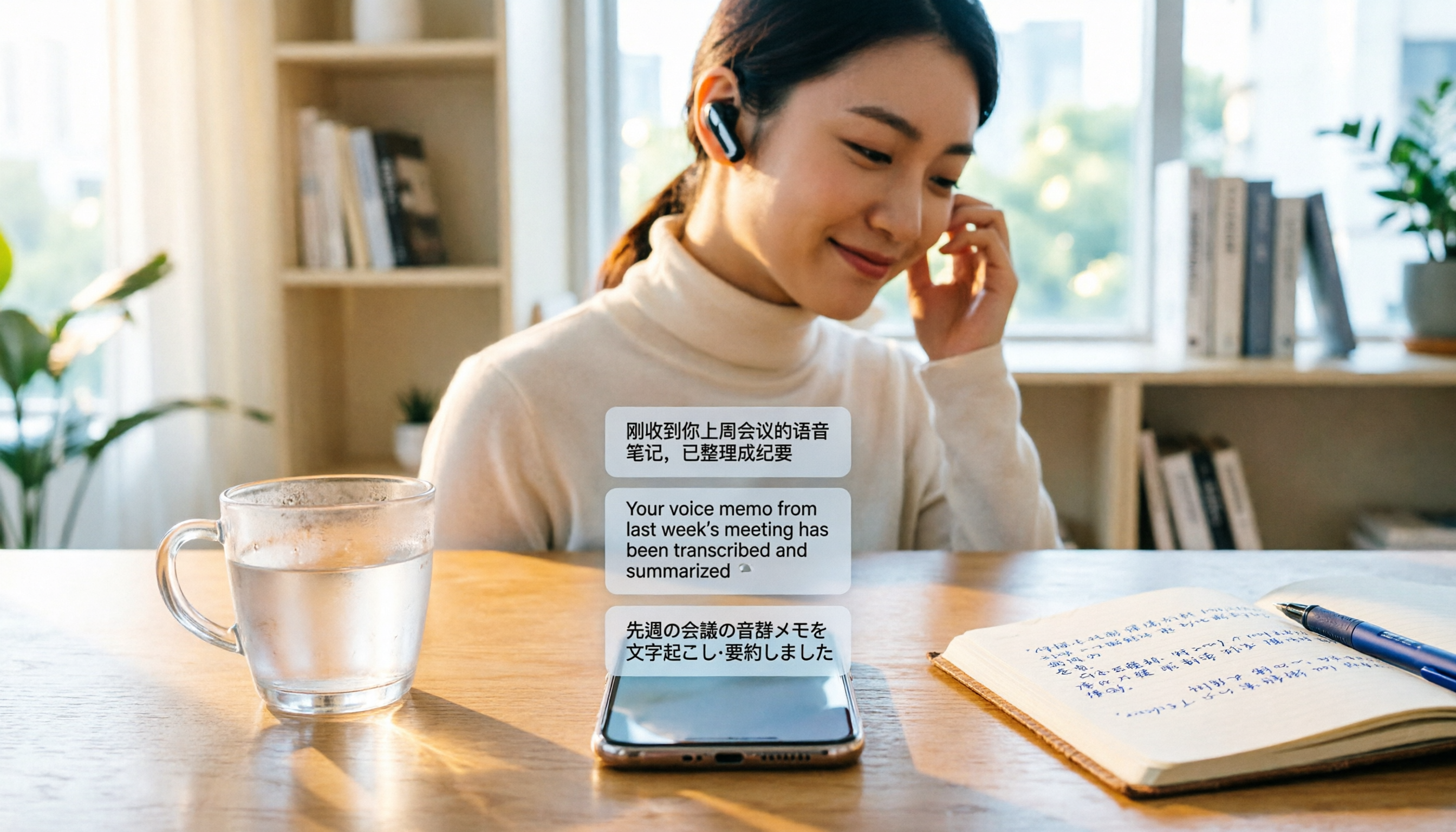
2026 Free Recording Transcription Apps: 3 Top Options Compared
A review of 3 free recording transcription apps, including hands-on experience, key buying tips, and common pitfalls to avoid. Find the best voice-to-text tool for your needs.

A Complete Guide to AI Subtitle Generation in 2026: How to Auto-Generate Video Subtitles
Need subtitles for your lecture recordings? Learn these 5 steps to quickly transcribe videos and auto-generate subtitles with Tinrec, saving you manual typing time. Tested by students – the free tier is enough!
2026 Tinrec vs Notta: A 5-Dimension Comparison — Which Is More Comprehensive for Meeting Notes and Knowledge Management?
Still using real-time translation tools but struggling to organize transcripts? This article compares Tinrec and Notta across 5 dimensions—language support, post-processing capabilities, use cases, and more—to help you choose the best tool for meeting notes and knowledge management.
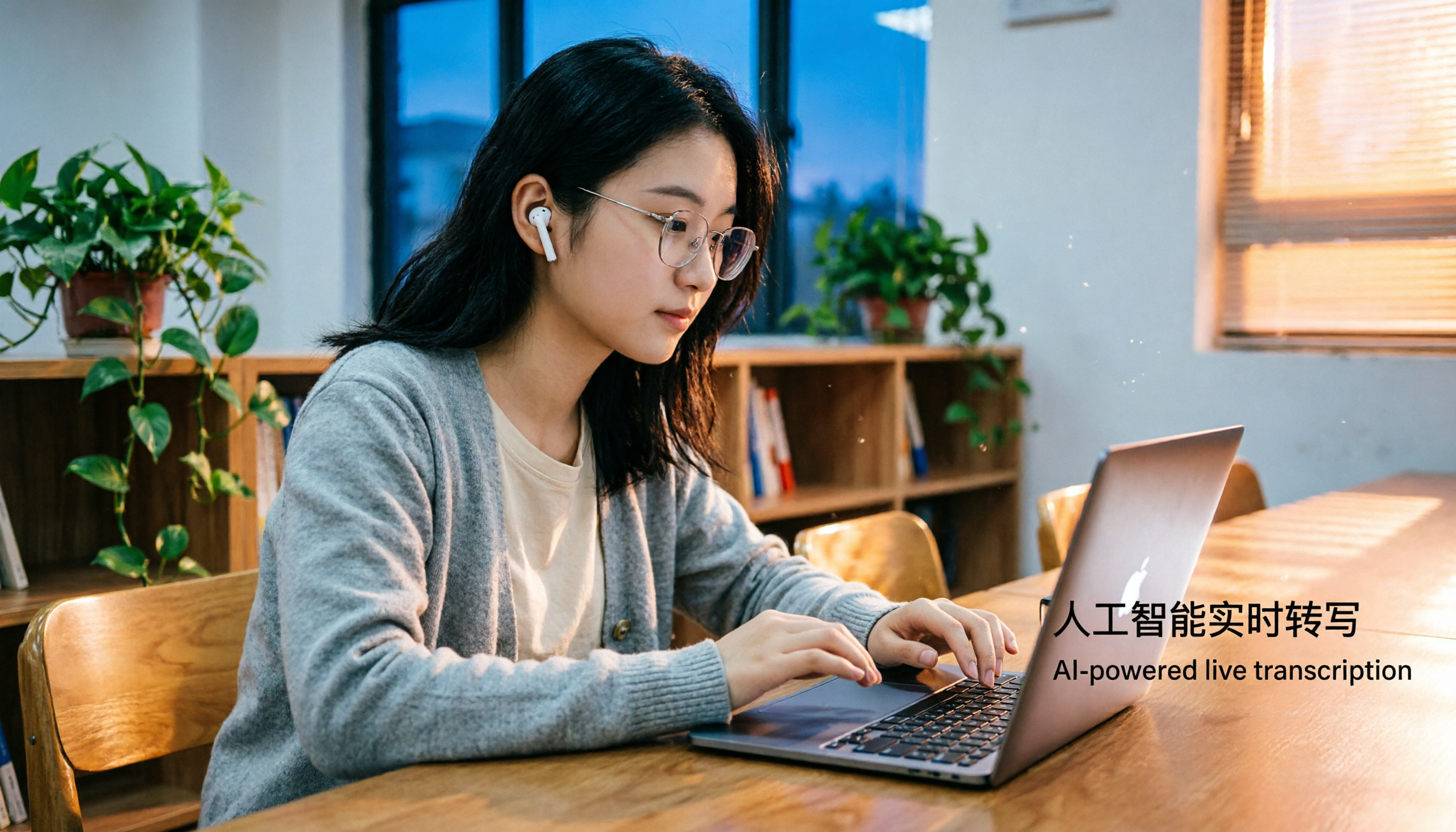
2026 Tinrec Online Subtitle Generator: No Installation, AI-Powered Multilingual Subtitles
Struggling to follow lectures or keep up with meeting notes? This article, tested by a senior student, compares 5 online subtitle generators, including Tinrec, Otter.ai, and Notta, from free plans to paid value, helping you find the best subtitle tool for students.