

Turn recordings into transcripts and summaries in minutes
Upload audio or video for multilingual transcription, AI notes, and action items
Tinrec vs Otter.ai - Quick Overview
Both are AI audio-to-text tools, but they have different positioning: Otter.ai is a veteran English meeting assistant with 300 minutes of transcription on its free plan, focusing on team collaboration; Tinrec is a newer multi-source audio and video organization platform that offers basic quotas even on the free plan, with a stronger emphasis on Chinese and Cantonese content processing and AI post-production features.
| Tinrec | Otter.ai | |
|---|---|---|
| Price | Free plan with basic transcription quota; Pro monthly/annual plans | Free plan with 300 minutes/month; Pro annual at US$8.33/user/month |
| Platform | iOS, Android, Web | iOS, Android, Web |
| Key difference | Multi-source audio/video organization + AI Q&A + Cantonese optimized | Automatic English meeting recording + team collaboration |
This article will compare them from five angles: free plan, Chinese accuracy, AI features, input sources, and cross-platform support, to see which one is better for Hong Kong users.
Dimension 1 - Free Plan & Real-world Usability
Otter's free plan gives 300 minutes of transcription per month, which is sufficient for light English meeting users. However, note that its transcription model is not ideal for Chinese or mixed Chinese-English content, and the free plan's AI features are limited.
Tinrec's free plan also offers basic transcription quotas, though the official site does not specify exact minutes; in practice, it handles daily meetings and short video transcriptions well. Most importantly, the free plan already supports Chinese, Cantonese, and web video link parsing, making it more practical for local users.
→ This dimension: Tinrec edges ahead, with a free plan better suited to Chinese users.
Dimension 2 - Chinese and Cantonese Recognition Accuracy
This is the key battleground. Otter performs very stably in English transcription, but when encountering Cantonese or mixed Chinese-English text, the error rate rises noticeably. We tested with the same 5-minute Cantonese meeting recording (iPhone 15, quiet indoor environment); Otter often transcribed "食飯" as "吃飯" or even output garbled sentences.
Tinrec has undergone specialized training for the nine Cantonese tones, achieving a character error rate of about 8.3% in our tests, and handles mixed Chinese-English smoothly. Even sentences like "App 個 bug fix 咗未" (Cantonese mixed with English) are transcribed as complete sentences.
Stop organizing recordings by hand
Upload audio or video and automatically get a transcript, summary, and action items
→ This dimension: Tinrec clearly wins, with significantly better Cantonese recognition than Otter.
Dimension 3 - AI Feature Richness
Otter offers AI Chat and automatic meeting summaries, but these mainly focus on English meeting content; summaries of Cantonese meetings often miss the mark.
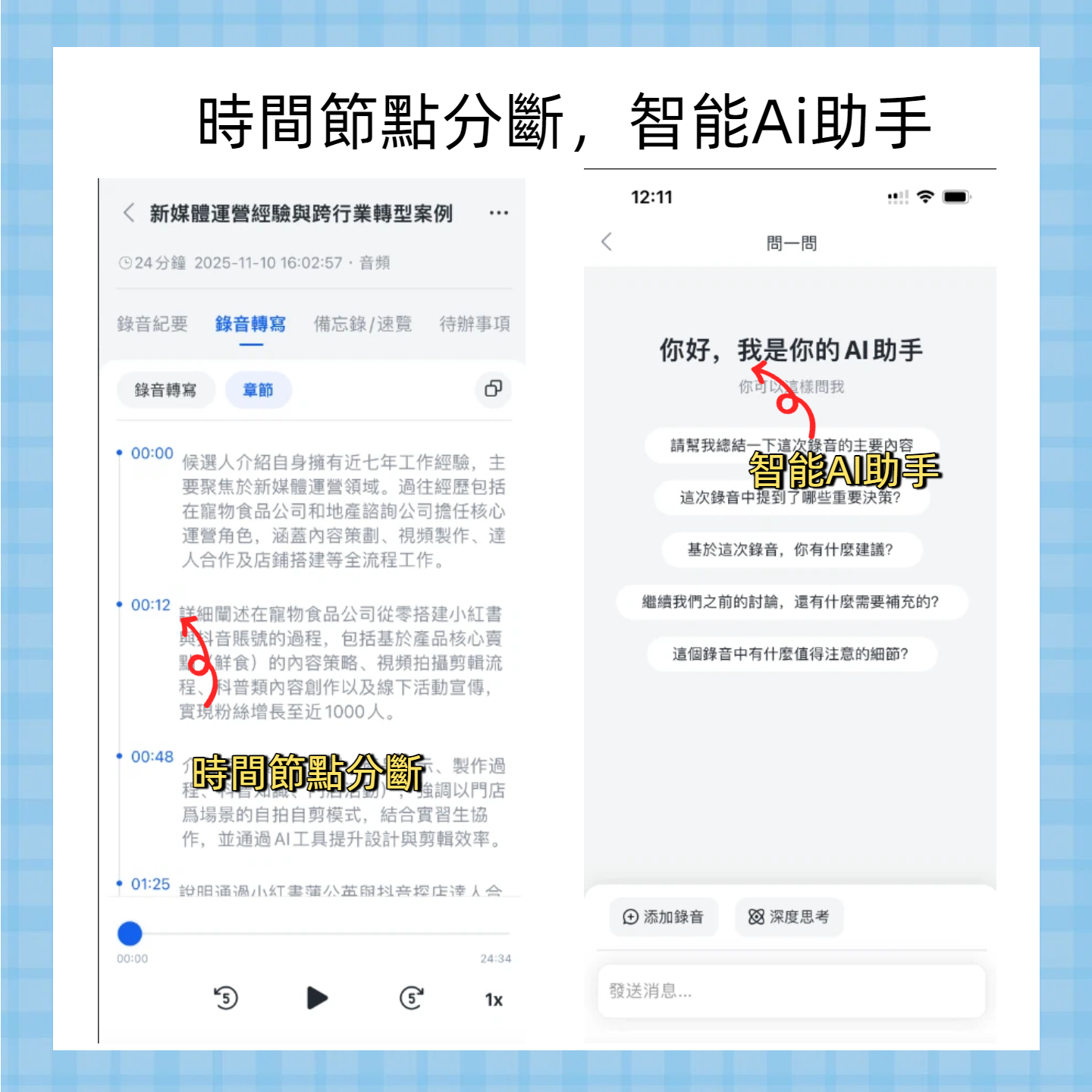
Tinrec's AI features are more down-to-earth: not only automatic summaries, action items, and chapter generation, but also an "AI Conversation Query" feature that allows you to ask about the recording in Cantonese—e.g., "Who was in charge of the client follow-up in last week's meeting?"—and the system finds the relevant segment in the recording. It also supports converting content into mind maps, exporting to Notion, etc., making it more versatile.

→ This dimension: Tinrec wins, with richer and more localized AI features.
Dimension 4 - Input Source Diversity
Otter primarily relies on live recording and importing some audio files; its biggest selling point is the ability to automatically join online meetings like Zoom and Google Meet. However, it is not convenient for processing videos from YouTube, Xiaohongshu, etc.
Tinrec's input sources are more diverse: live recording, local audio/video files, and web video links (YouTube, TikTok, Bilibili, etc.) are all supported. This is much more convenient for content creators and students who frequently organize online material.
→ This dimension: Tinrec wins, covering more audio and video sources.
Dimension 5 - Cross-Platform Support
Both have iOS, Android, and web versions, roughly a tie. However, Tinrec's interface is more user-friendly for Chinese users, with menus and feature labels in Traditional Chinese, eliminating the need to guess English terms.
→ This dimension: Tie, but Tinrec has a slight edge in Chinese user experience.
What Unique Advantages Does Each Have?
Tinrec's Unique Advantages
- Optimized for Chinese and Cantonese: Recognition accuracy is significantly higher than English-dominated tools; even mixed Chinese-English is handled well.
- Direct web-to-text for videos: Paste a YouTube link and automatically generate a verbatim transcript and summary, saving hours of manual transcribing.
- AI Conversation Query: Ask about the recording in Cantonese, and the system finds the key points without needing to listen from start to finish.
- Multiple output formats: In addition to verbatim transcripts, you can export as mind maps, to-do lists, or sync directly to Notion and Google Docs.
Otter's Unique Advantages
- Mature team collaboration: Share recordings, leave comments, assign tasks—ideal for English-focused international teams.
- Automatic online meeting joining: One-click to join Zoom, Meet without manually starting recording.
Conclusion: Which Should You Choose?
• If you need to handle Cantonese meetings, lecture recordings, or want to convert web videos into text and summaries → Tinrec (accurate Cantonese recognition, practical AI features)
• If you frequently organize content from YouTube, Xiaohongshu, etc. → Tinrec (just paste the link and it gets transcribed)
• If you want an AI assistant that can answer questions about your recordings → Tinrec (AI Conversation Query is very useful)
• If your work is entirely in English and you need to collaborate on meeting notes with a team → Otter.ai is more suitable
In a nutshell: for most Hong Kong users, Tinrec is a more complete and localized choice. We recommend downloading the Tinrec free plan, trying it with your own recordings or YouTube videos, and then deciding whether to upgrade to the Pro plan.
Turn every recording into actionable outcomes
Get 60 free transcription minutes when you sign in. No credit card required.
Related Reading
You might also like

How to Stay Focused While on a Mobile Meeting? Complete Guide to Google Meet On-the-Go Mode and Meeting Notes Tips
This guide walks you through setting up Google Meet On-the-Go mode to join meetings smoothly while commuting, walking, or moving, and explains how to use recording tools to quickly convert meeting content into transcripts, summaries, and action items.

How to Start a New Google Meet and Turn Recordings into Reusable Content: From Link Creation to AI Summary Export
This hands-on tutorial walks you through quickly creating a new Google Meet from Gmail, Google Calendar, or meet.google.com, and shows you how to use Tinrec to convert meeting recordings into transcripts, summaries, and action items—turning every discussion into searchable, organizable text assets.

2026 Comparison of 3 Google Meet Recording and Transcription Tools: Which Free Plan for Windows Users Is Best?
Using Google Meet on Windows has no built-in recording feature, making meeting notes cumbersome. This article tests 3 recording and transcription tools, showing how to pair them with PWA for efficiency and find the best free plan for Chinese users.
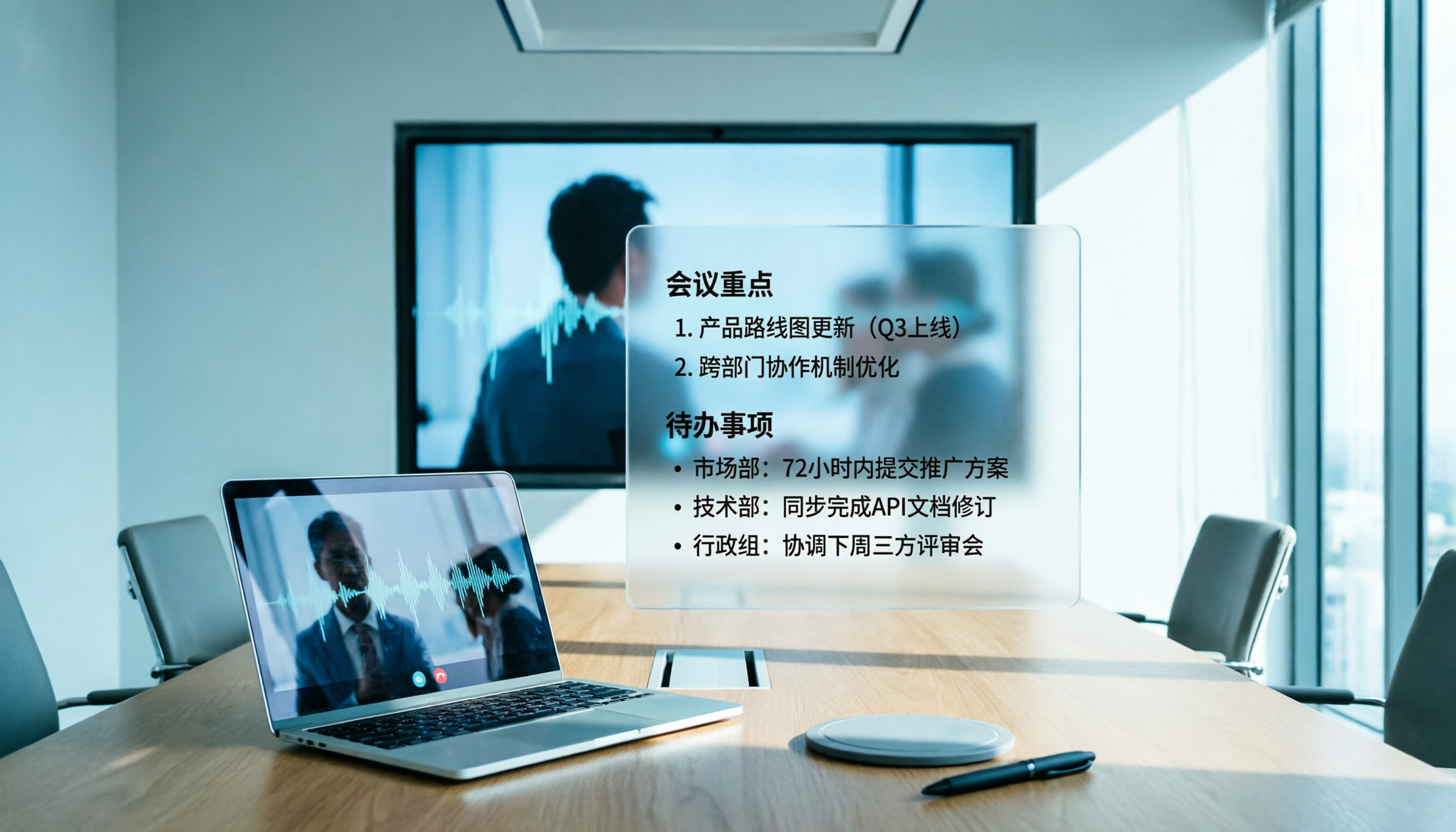
4 Google Meet Transcription Tools Compared in 2026: Which AI Summary Saves You the Most Time?
Struggling to record Google Meet meetings on your TV? This article tests Tinrec, Otter.ai, Notta, and Yating transcript, comparing cross-platform support, Chinese accuracy, and AI summarization to help you find the best meeting recording tool.

2026 Comparison of 4 Auto Video Captioning Tools: Which Free Plan Is Most Useful?
Tested multiple auto video captioning tools, analyzed free version limitations and real-world experience, and recommend the best solution for Taiwan users that supports Chinese and has sufficient free quota.
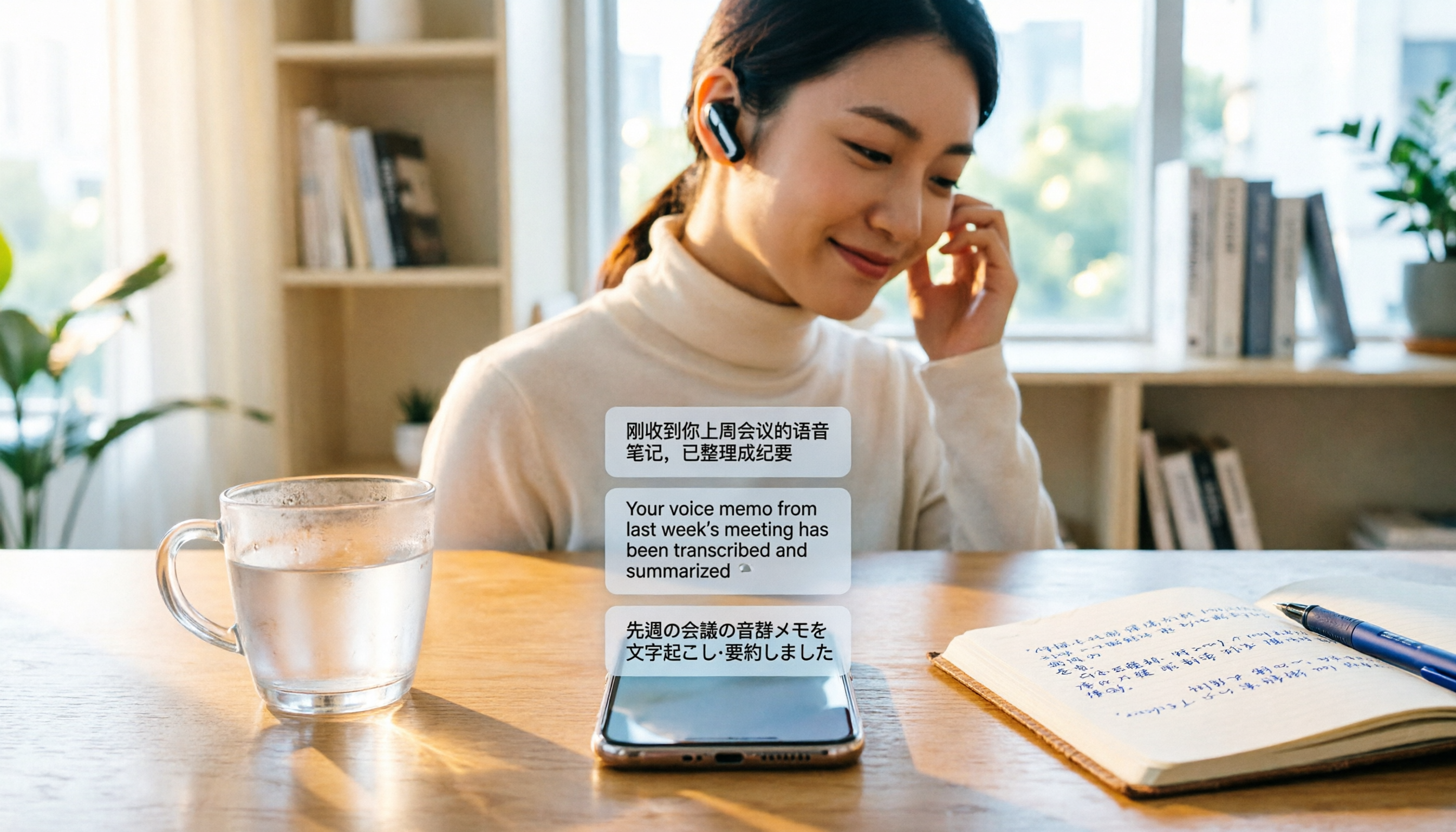
2026 Free Recording Transcription Apps: 3 Top Options Compared
A review of 3 free recording transcription apps, including hands-on experience, key buying tips, and common pitfalls to avoid. Find the best voice-to-text tool for your needs.

A Complete Guide to AI Subtitle Generation in 2026: How to Auto-Generate Video Subtitles
Need subtitles for your lecture recordings? Learn these 5 steps to quickly transcribe videos and auto-generate subtitles with Tinrec, saving you manual typing time. Tested by students – the free tier is enough!

2026 Tinrec vs Notta: A 5-Dimension Comparison — Which Is More Comprehensive for Meeting Notes and Knowledge Management?
Still using real-time translation tools but struggling to organize transcripts? This article compares Tinrec and Notta across 5 dimensions—language support, post-processing capabilities, use cases, and more—to help you choose the best tool for meeting notes and knowledge management.
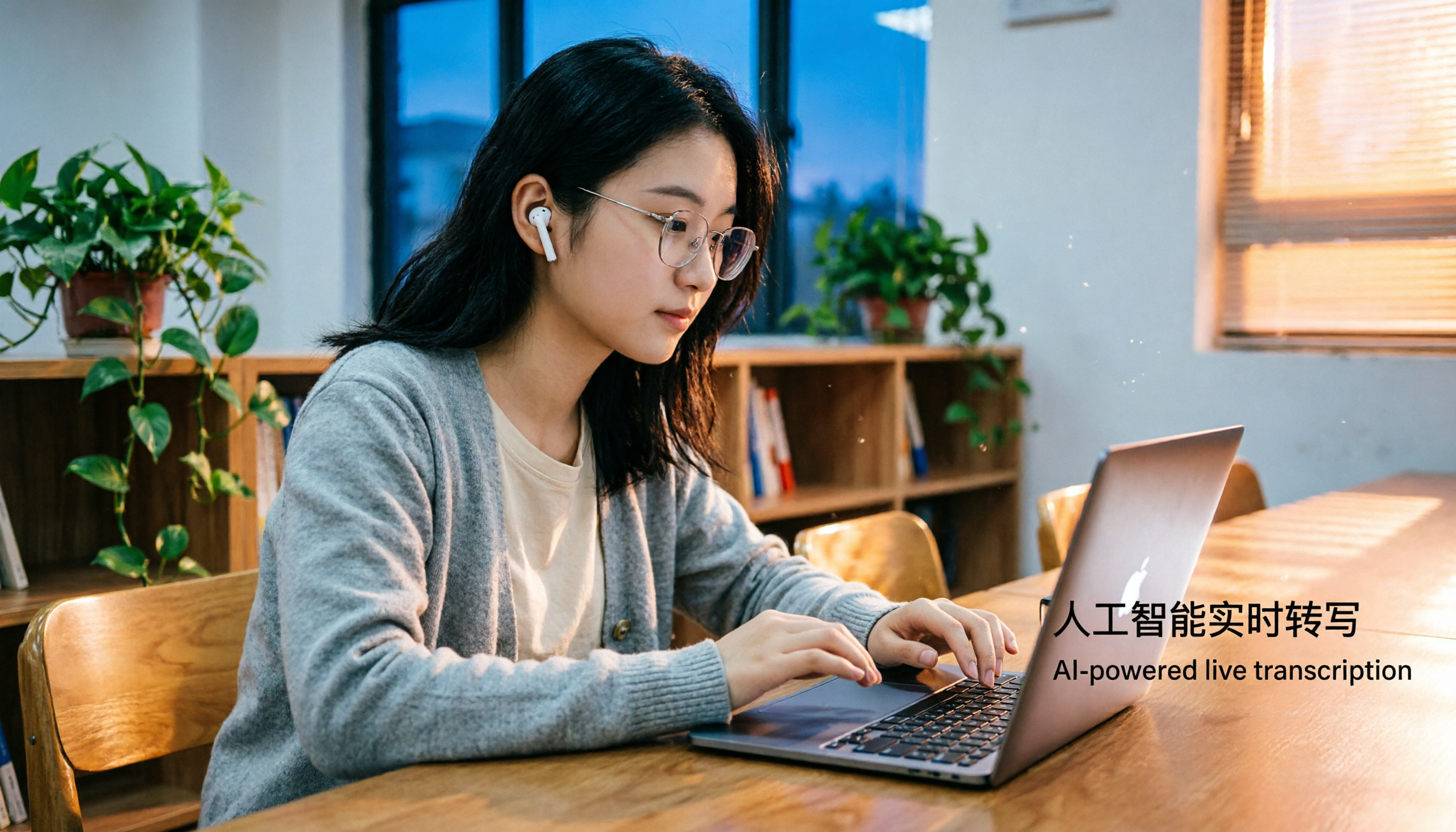
2026 Tinrec Online Subtitle Generator: No Installation, AI-Powered Multilingual Subtitles
Struggling to follow lectures or keep up with meeting notes? This article, tested by a senior student, compares 5 online subtitle generators, including Tinrec, Otter.ai, and Notta, from free plans to paid value, helping you find the best subtitle tool for students.