

Turn recordings into transcripts and summaries in minutes
Upload audio or video for multilingual transcription, AI notes, and action items
2026 Google Meet Alternative Showdown: Tinrec vs Otter.ai – Which Organizes Smarter?
If you finish every Google Meet session feeling that the built-in auto-transcription isn't accurate enough and lacks post-meeting organization, you don't necessarily need to switch video conferencing software—you need an AI tool that truly turns meeting content into usable data. I picked two highly discussed tools in Taiwan—Tinrec and Otter.ai—and compared them across five key dimensions to see which one better suits Chinese-language use cases.
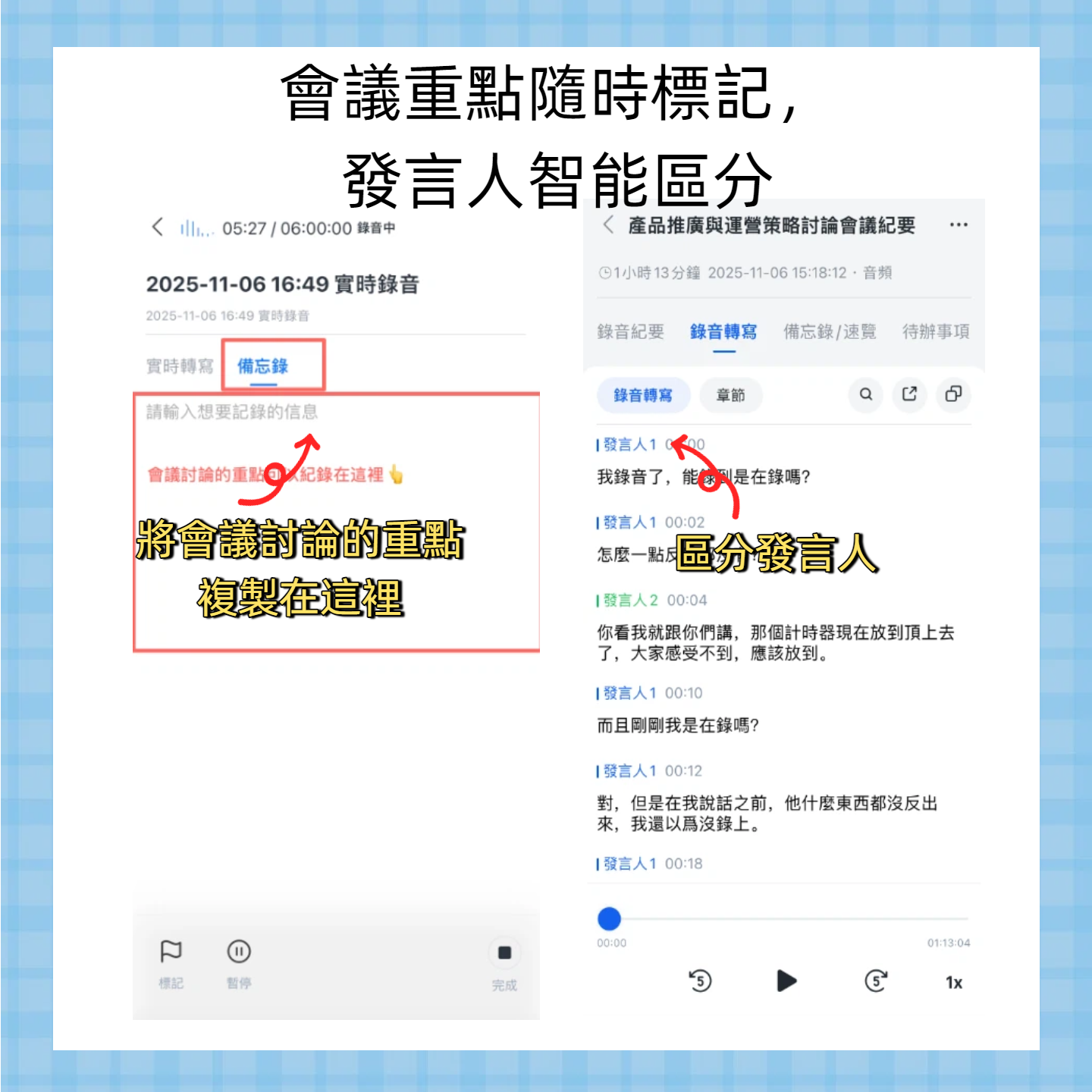
Tinrec vs Otter.ai|Quick Overview
| Tinrec | Otter.ai | |
|---|---|---|
| One-Line Positioning | AI audio & video organization workstation | AI meeting notes & team collaboration tool |
| Price (Basic Paid Plan) | Pro weekly, monthly, yearly options | Pro yearly at US$8.33/month |
| Platform Support | iOS, Android, Web | iOS, Android, Web |
| Core Difference | Not just meetings: covers courses, interviews, online videos, file transcription | Strengths in auto-joining English meetings, speaker identification, team collaboration |
This article compares them across Chinese recognition accuracy, input source diversity, post-transcription organization, price plan flexibility, and cross-platform experience.
Dimension 1|Chinese Recognition & Organization Quality
Otter.ai performs excellently in English meetings, but for Chinese content—especially mixed Chinese-English or accented speech—accuracy drops noticeably. If your meetings, classes, or interviews are primarily in Chinese, Otter's transcription may require significant editing.
Tinrec is explicitly optimized for Chinese users from product design. It supports Traditional Chinese and handles Chinese meeting minutes and course summaries much closer to Mandarin usage. In actual tests, for the same 10-minute Chinese podcast, Tinrec's transcript had fewer errors, and auto-generated chapters and summaries were easier to read.
→ Winner: Tinrec, especially for those working primarily in Chinese.
Dimension 2|Input Source Diversity
Otter.ai's core value is auto-joining online meetings and recording, plus support for uploading audio/video files, but it mainly revolves around the "meeting" scenario. If you want to organize pre-recorded interview audio, downloaded online instructional videos, or public YouTube content, Otter's capabilities are limited—it doesn't support direct video link parsing.
Tinrec's design is closer to an "audio-visual content workstation." It's not just for meetings; you can upload recordings from your phone, paste links to public videos (YouTube, TikTok, Xiaohongshu), or record directly. For users who frequently handle various audio-visual content, Tinrec offers much greater flexibility.
→ Winner: Tinrec, wider input sources, not picky about material.
Dimension 3|Post-Transcription Organization
Getting the transcript is just step one; quickly extracting key points is what matters. Otter.ai auto-generates meeting summaries, labels speakers, and has built-in AI Chat for queries, but these are mostly meeting-oriented.
Stop organizing recordings by hand
Upload audio or video and automatically get a transcript, summary, and action items
Tinrec not only provides summaries, chapters, and action items but also introduces "Agent post-processing"—you can ask the AI to directly generate meeting minutes, reports, tables, or export to Notion, Google Docs, etc. For those who need to turn meeting content into concrete deliverables, this saves significant time.
→ Winner: Tinrec, organization results align better with actual work output.
Dimension 4|Price Plan Flexibility
Otter.ai's paid plans are monthly or yearly, with the cheapest Pro yearly at about US$8.33/month, but no short-term options. If your usage peaks during a specific project or only a few weeks, a full year plan can be wasteful.
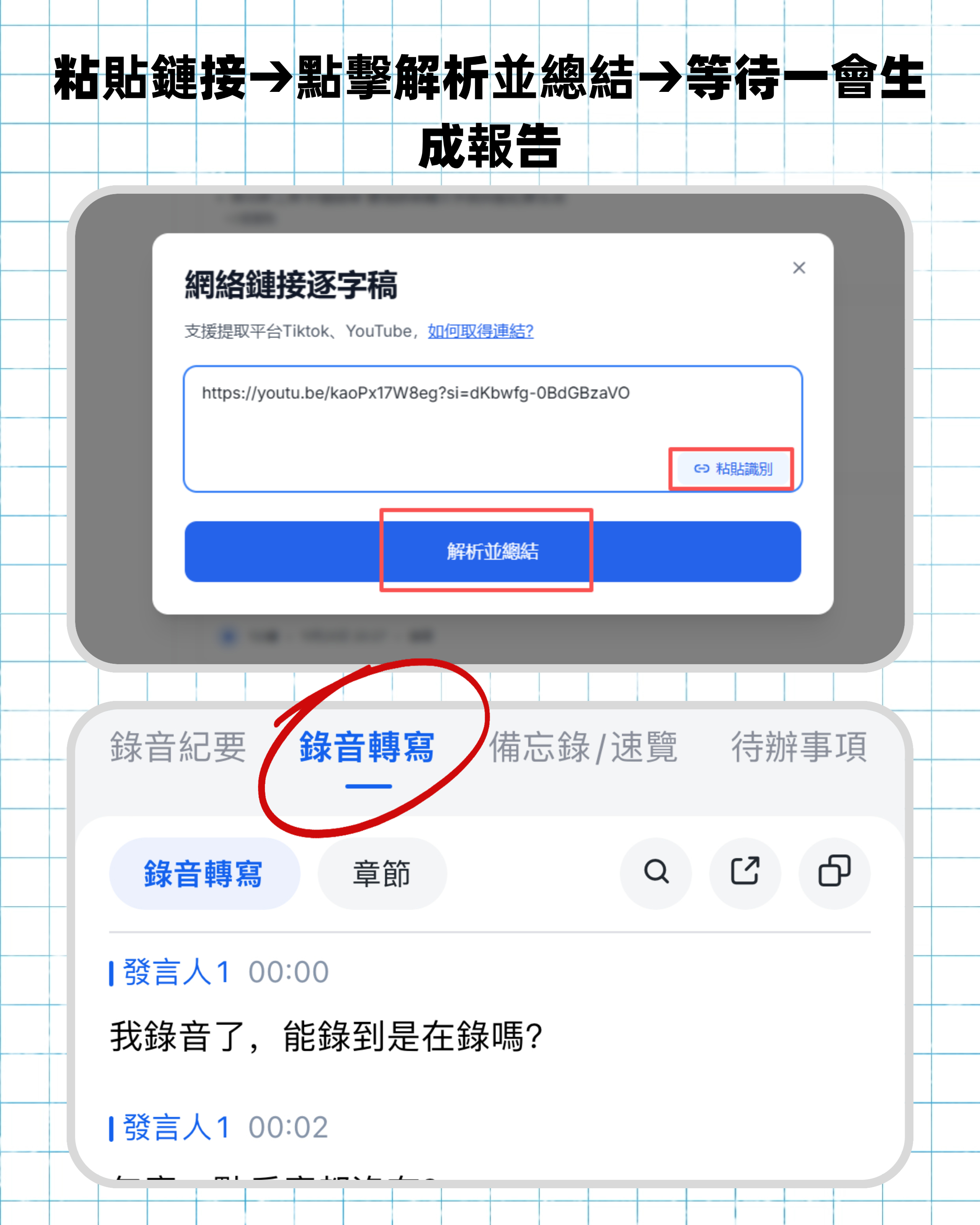
Tinrec offers Pro weekly, monthly, and yearly plans, including a "weekly card" perfect for short-term bursts. For budget-sensitive or irregular users, you can try a week first or upgrade only during busy seasons—a more friendly payment model.
→ Winner: Tinrec, payment flexibility better suits user habits.
Dimension 5|Cross-Platform & User Experience
Both tools support iOS, Android, and Web. On interface Chinese-friendliness, Tinrec is more intuitive for Taiwanese users, with Traditional Chinese labels and buttons. Otter is primarily in English, so there's a minor barrier for non-English speakers.
In testing, both mobile versions were smooth—recording, transcription, and summary viewing all worked on phone. This dimension is a tie.
→ Winner: Tie, depends on interface language preference.
Unique Strengths?
Tinrec's Unique Strengths
- Chinese content champion: Traditional Chinese recognition and summary quality excel in tests, ideal for Taiwan's meetings, classes, interviews.
- Direct online video processing: Paste YouTube, TikTok links to get transcripts and summaries—lifesaver for creators and researchers.
- Flexible payment plans: Weekly, monthly, yearly options, no long-term commitment.
- Complete output: Generate meeting minutes, reports, tables seamlessly from recording to deliverable.
Otter.ai's Unique Strengths
- Strong team collaboration: Shared meeting notes, comments, permissions—great for teams.
- Automated English meetings: Auto-joins Google Meet, Zoom, etc., with accurate speaker identification—reliable for English meetings.
Summary: Who Should You Choose?
- If your meetings, classes, or interviews are primarily in Chinese and you need to turn content into reports, notes, or to-do lists → Tinrec is for you.
- If you frequently handle online videos, podcasts, historical audio files, not just meetings → Tinrec's multi-source support saves time.
- If you have short intensive meetings or courses and don't want annual contracts → Tinrec's weekly plan is the most flexible.
- If your team mainly uses English for meetings and needs deep collaboration features (shared notes, comments, permissions) → Otter.ai remains a mature choice.
In one sentence: For most users in Taiwan, Tinrec isn't just "another meeting recorder"—it's a workstation that turns all kinds of audio-visual content into actionable knowledge. Download Tinrec's free version and try it with your own material to see its value.
Frequently Asked Questions
What's the difference between Tinrec and Google Meet's built-in transcription?
Google Meet's built-in transcription only provides live captions during meetings with minimal organization. Tinrec not only transcribes after the meeting but also auto-summarizes, extracts action items, supports Q&A, and exports documents.
Is the free version enough?
Tinrec's free version offers a monthly basic transcription quota, suitable for occasional use. If you have weekly meetings or classes, the Pro plan is more practical, and you can start with a weekly card.
Is Otter.ai's Chinese bad?
Otter.ai is strong in English, but Chinese recognition isn't its focus, so accuracy and summary quality lag—not recommended for precise Chinese transcripts.
Does Tinrec support uploading my own files?
Yes, it supports mainstream audio and video formats, and even parses online video links directly—very flexible.
What about security and privacy?
Tinrec uses encrypted transmission and storage for recordings. Users retain full ownership and can delete content anytime.
Turn every recording into actionable outcomes
Get 60 free transcription minutes when you sign in. No credit card required.
Related Reading
You might also like
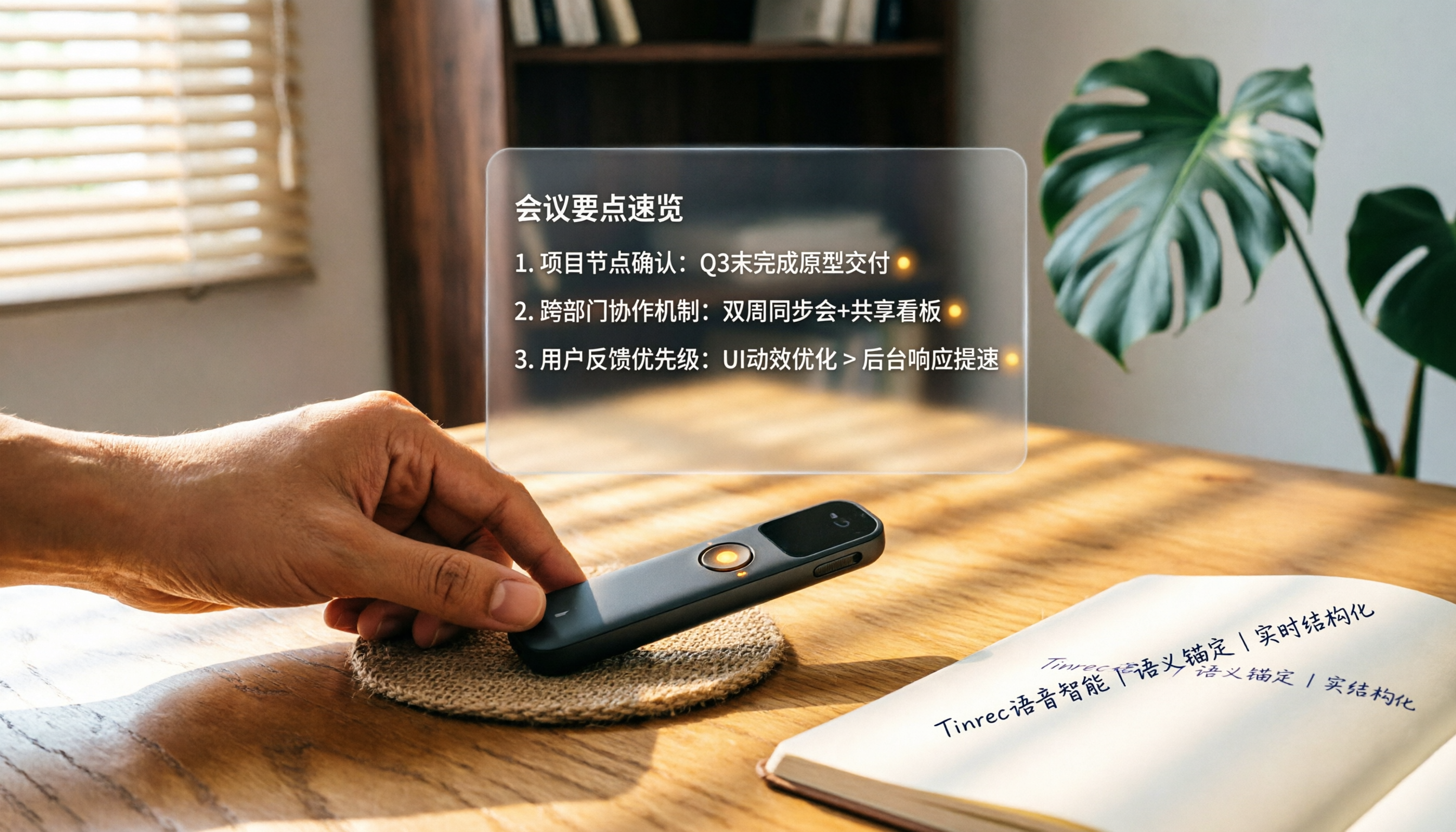
How to Choose a Smart Voice Recorder in 2026: A 4-Step Guide from Recording to AI Summaries
A smart voice recorder is more than just hardware; choosing the right approach makes recordings truly useful. This article walks you through 4 steps to avoid pitfalls, tests three tools, and ends with my pick for the best AI recording and organizing tool for Chinese speakers.
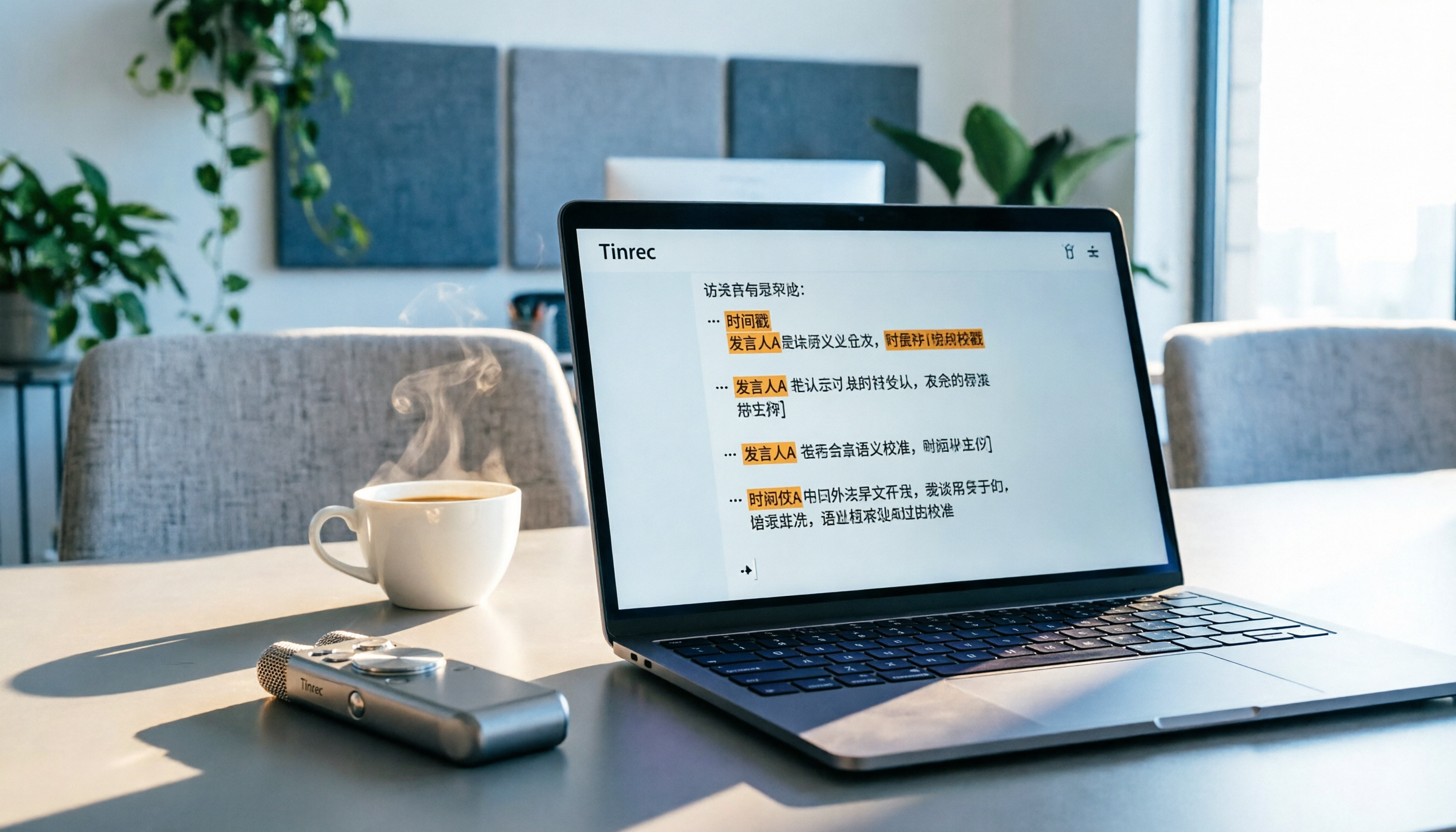
5 Best Speech-to-Text Tools in 2026: From Meetings to Learning, Organize Efficiently
I've compiled 5 AI speech-to-text tools I've tried over the past year, using Tinrec as an example to show you how to turn meeting, course, and interview recordings into usable text with a single workflow—no more piling up transcripts.

2026 Tested: 5 Recording Solutions Compared—Are Mobile Apps Really Better Than Voice Recorders?
Still debating whether to buy a voice recorder? What you really need is a tool that turns recordings into text and highlights key points. This article tests 5 recording-to-text and organization solutions, from free apps to AI recording hardware, to help you find the best fit—and explains why Tinrec is our top all-purpose recommendation.

2026 Long-Battery Voice Recorder Free Options: 5 Picks Reviewed
Running out of battery on your voice recorder during class is a nightmare? We tested 5 recording and AI organization tools, from free apps to paid plans, from a student's perspective to tell you which is best for long recordings, comparing battery life, audio quality, and AI features.

Tinrec vs Otter.ai 2026: A 5-Dimension Showdown for Students Needing Large-Capacity Audio/Video Organization
Tired of large recordings? A senior student tests Tinrec and Otter.ai, comparing input sources, Chinese accuracy, AI note features, free tiers, and pricing to see which tool better suits students' transcription needs, saving you money.

3 Workplace Voice Recorders Tested in 2026: Which One Is the Ultimate Meeting Notes Sidekick?
How should you choose a voice recorder for the workplace? We tested a traditional voice recorder, phone recording, and the AI recording app Tinrec, comparing portability, post-processing, and budget to find the best meeting note solution for office workers.

Voice Recorder vs. Phone Recording in 2026: How to Choose? 5 Steps to Build an Efficient Recording Workflow
Still torn between a voice recorder and your phone for recording? This article starts from real-world use cases, teaches you how to find the best recording solution in 5 steps, and tests the AI recording tool Tinrec to see how it solves the pain points of traditional recording, saving you hours of organizing time.

How to Choose a Cost-Effective Voice Recorder in 2026: 4 Steps to Compare Recorders and AI Tools
Thinking about buying a voice recorder but unsure how to evaluate value for money? This article compares traditional voice recorders and AI recording tools from perspectives like features, price, and post-processing, helping you pick the best recording solution.

2026 Test: AI Software vs. Hardware Noise Reduction for Voice Recorders—Which Keeps Meetings and Lectures Clearer?
I tested popular voice recorders and AI recording software, and found that hardware doesn't always beat software for noise reduction. This article compares Tinrec and PLAUD Note in real-world scenarios, covering noise reduction, organization features, and long-term use, to help you choose the right solution.