

Turn recordings into transcripts and summaries in minutes
Upload audio or video for multilingual transcription, AI notes, and action items
2026 Tinrec vs Otter.ai: A 5-Dimension Showdown – Which is Better for Chinese Users?
If you often need to organize meeting recordings, course audio, or online videos, chances are you've heard of Otter.ai — it's a veteran AI meeting note-taker. But Tinrec has recently emerged, claiming to "turn audio and video into actionable knowledge" with a strong emphasis on Chinese-language scenarios. What exactly sets these two tools apart? This article breaks it down from 5 key dimensions.
Tinrec vs Otter.ai: Quick Overview
Tinrec is an AI-powered recording and audio/video organization tool designed for meetings, learning, interviews, and content creation. It doesn't just transcribe; it also generates summaries, action items, chapters, and lets you query the content like a database. Otter.ai is the established AI meeting note-taker, known for automatically joining online meetings, real-time transcription, speaker identification, and team collaboration.
| Feature | Tinrec | Otter.ai |
|---|---|---|
| Core Focus | Multi-source audio/video organization workspace | AI meeting notes & collaboration |
| Supported Platforms | iOS, Android, Web, Desktop | iOS, Android, Web |
| Free Transcription Quota | Monthly base quota | 300 minutes per month |
| Paid Plans | Weekly, monthly, yearly | Pro $8.33/month (annual), Business $19.99/month (annual) |
| Chinese Support | Optimized for Chinese; suitable for Traditional/Simplified | Stronger in English; Chinese performance average |
Next, we dive deeper into five dimensions to see how they differ.
Dimension 1: Chinese Transcription Accuracy
For Chinese users, transcription accuracy is key. Otter.ai supports Chinese, but it performs noticeably better with English meetings. When there's code-switching between Chinese and English, colloquial speech, or background noise, the error rate for Chinese transcription tends to be higher.
Tinrec, on the other hand, has been optimized for Chinese environments. Based on the product copy and use cases, it aligns more closely with Chinese speakers' communication habits. Whether for meetings, courses, or online videos, the Chinese transcription is generally smoother and more ready to use. While no official accuracy rate is claimed, in practice Tinrec delivers finer recognition and sentence segmentation for Chinese content.
→ This dimension: Tinrec is better for Chinese users.
Dimension 2: Input Source Diversity
Otter.ai's strength lies in online meetings; it can directly join Zoom, Google Meet, Microsoft Teams, etc. to automatically transcribe. It also supports live recording via its mobile app. However, support for local audio/video files or online video links is relatively limited.
Tinrec is more flexible here. Besides live recording, it can directly upload audio or video files for transcription, and even paste links from YouTube, Bilibili, TikTok, etc. to extract text and summaries. This is very convenient for anyone needing to organize online courses, podcasts, or social media video content.
→ This dimension: Tinrec wins with more input sources.
Dimension 3: Post-Transcription Organization
Transcription is just the first step; what matters is whether the content can be turned into useful material. Otter.ai offers AI summaries, keywords, speaker labels, and searchable history. But when it comes to transforming content into deliverables (like meeting minutes, to-do lists), the features are relatively basic.
Tinrec goes much further in organization. In addition to verbatim transcripts, it automatically generates segmented chapters, action items, and lets you ask questions about the recording (e.g., "Show me the part about budget discussion"). It also exports in multiple formats and can even generate reports or tables. This design means recordings aren't just archived but actually drive the next step of work.
→ This dimension: Tinrec clearly leads in organization depth.
Stop organizing recordings by hand
Upload audio or video and automatically get a transcript, summary, and action items
Dimension 4: Pricing & Free Tier
Price is always a big concern. Otter.ai's free plan offers 300 minutes per month, enough for light users, but you'll need to upgrade for more. The Pro plan is $8.33/month when billed annually, with 1,200 minutes, suitable for regular users.
Tinrec also offers a free tier with a base quota for you to try. If you need more minutes, you can choose weekly, monthly, or yearly cards, offering flexible options. Although exact amounts may vary, the weekly plan is especially friendly for short-term intensive use (e.g., exam week or project sprint) without committing to a long subscription.
→ This dimension: Each suits different groups; it's a tie. But Tinrec offers more flexible plans.
Dimension 5: Cross-Platform Support
Otter.ai has iOS, Android apps, and a web version, allowing recording anytime, anywhere. However, desktop operation relies heavily on a browser.
Tinrec also supports mobile and computer, and provides a desktop app for a more complete experience on laptops or desktops. Switching between devices is seamless, whether for recording meetings, lectures, or for subsequent editing.
→ This dimension: Tinrec edges ahead in desktop integration.
What Unique Advantages Does Each Have?
Tinrec's Unique Advantages
- Online video to text: Paste YouTube, Bilibili, etc. links to get text and summaries, saving you the hassle of downloading.
- AI Q&A feature: Instead of listening to the entire recording, ask the AI to find specific paragraphs or highlights.
- Flexible payment options: In addition to monthly and yearly plans, a weekly card is available for short-term high-intensity use.
- Multiple export formats and post-processing: Export results to Notion, Google Docs, etc., or generate reports and tables.
Otter.ai's Unique Advantages
- Automated meeting bot: Can schedule and join online meetings automatically, no manual operation needed.
- Team collaboration features: Great for teams sharing meeting notes and tagging action items.
Conclusion: Which One Should You Choose?
Overall, these two tools have different core focuses. When deciding, first consider your primary use case.
- If you frequently attend English online meetings and need automated meeting joining and team collaboration → Otter.ai is the more intuitive choice.
- If you often handle Chinese meetings, courses, interviews, or online videos and want not just transcription but deep organization, Q&A, and export → Tinrec better suits your needs.
- If your usage is irregular — sometimes several sessions a day, sometimes weeks apart → Tinrec's flexible plans (especially the weekly card) may be more cost-effective.
In short, for most Chinese-speaking users, Tinrec offers a more complete audio/video organization experience. Start with the free tier and test it with your own recordings.
Frequently Asked Questions
Q1: Which has better Chinese transcription, Tinrec or Otter.ai? In Chinese environments, Tinrec generally delivers smoother transcription with more natural sentence breaks, especially with code-switching or online video content. However, accuracy still depends on recording quality.
Q2: Is the free version sufficient? Both have free versions. Otter offers 300 minutes/month, likely enough for light meetings; Tinrec also has a base quota for you to try core features. If you only need it occasionally, the free version can solve many problems.
Q3: Can Tinrec automatically join Zoom meetings like Otter? Currently, Tinrec focuses on manual recording and import; it does not emphasize automated meeting scheduling. If you need a meeting bot, Otter is more suitable.
Q4: I often need to transcribe YouTube videos. Which do you recommend? Tinrec directly supports pasting YouTube links for transcription, which is very convenient. Otter's capability in this area is more basic.
Q5: Which tool is better for students making class notes? Tinrec is better suited because it can handle lecture recordings and online course videos, plus generate chapters and highlights to turn long courses into revision notes.
Q6: My team needs to share meeting notes. Which should we choose? If your meetings are mostly in English and you need multi-user collaboration, Otter's team features are more mature. For Chinese meetings or mixed scenarios, Tinrec's organization and export capabilities can also meet most team needs.
References
- Bandicam Best Audio Recording Software | Free Recorder with System & Mic (Windows)
- [2025 Best Audio Recorders] 6 Free Recording Programs - EaseUS
- 9 Most Practical Audio Recording Software in 2026, Easily Handle Audio and Video Editing!
- 14 Best Free Audio Recording Software [2026 Comprehensive Review]
- 4 Best Methods for Computer Recording [2026 Best Recording Software Recommendations]
Turn every recording into actionable outcomes
Get 60 free transcription minutes when you sign in. No credit card required.
Related Reading
You might also like

Which AI Speech-to-Text Tool is Best? 2026 Hands-on Comparison of 2 Solutions - Software is More Comprehensive
Still debating whether to buy recording hardware or just use an app? This article compares Tinrec and PLAUD Note across five dimensions—hardware dependency, input sources, AI organization capabilities, long-term cost, and Chinese language experience—to help you find the best speech-to-text solution.

2026 Free Text-to-Speech Solutions: 4 Tools to Try
Looking for text-to-speech tools to read articles or documents? This article covers 4 free options for 2026, plus a more advanced approach: turning meeting and course recordings into actionable knowledge.
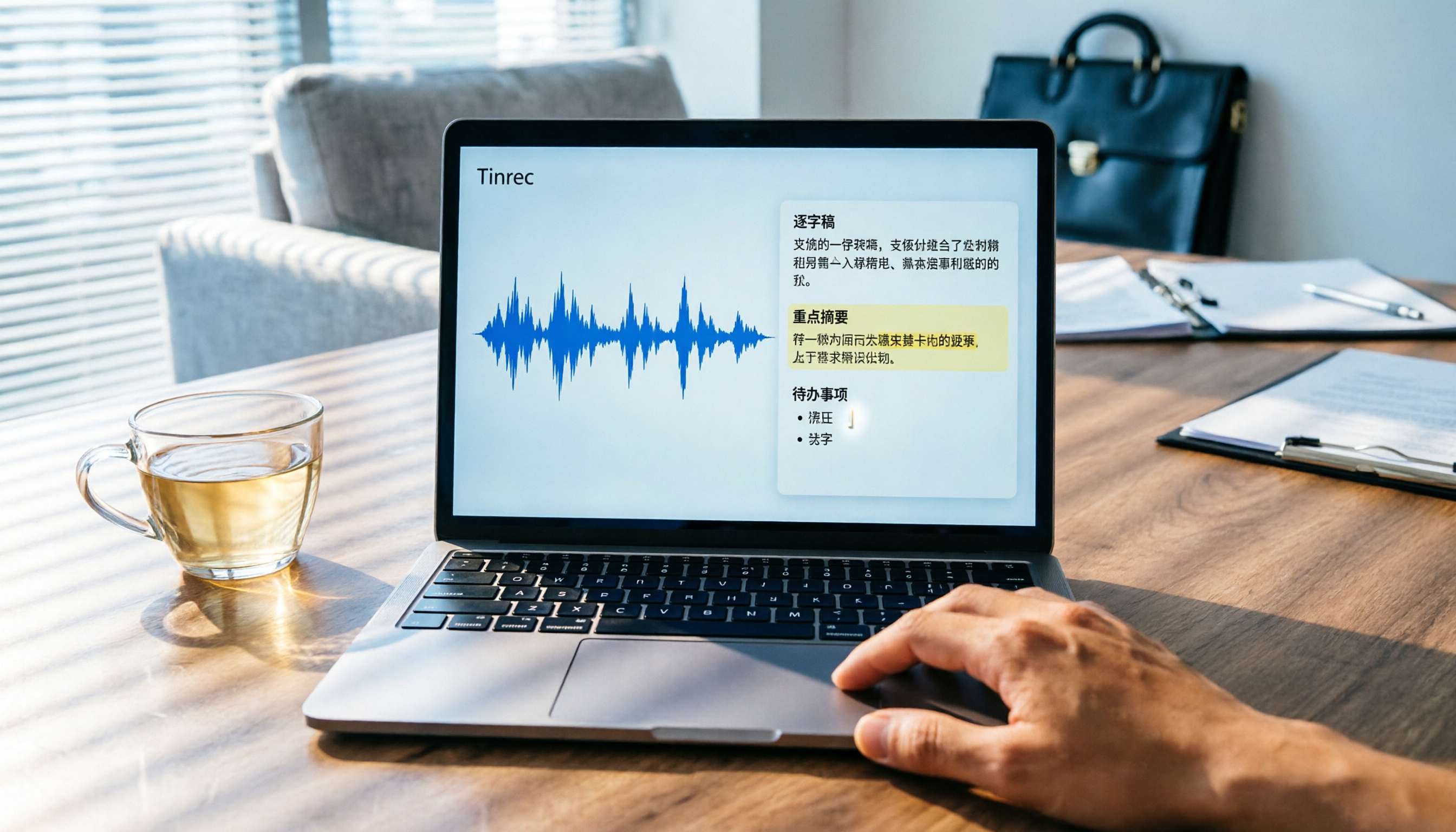
2026 Tinrec Mediation Committee Recording Guide: Legal Recording Tips + Auto Meeting Minutes
Want to record a mediation committee session but worried about legality? This article explains the legal requirements and consent guidelines, and shows you how to use Tinrec to convert recordings into transcripts, summaries, and action items, making meeting minutes a breeze.
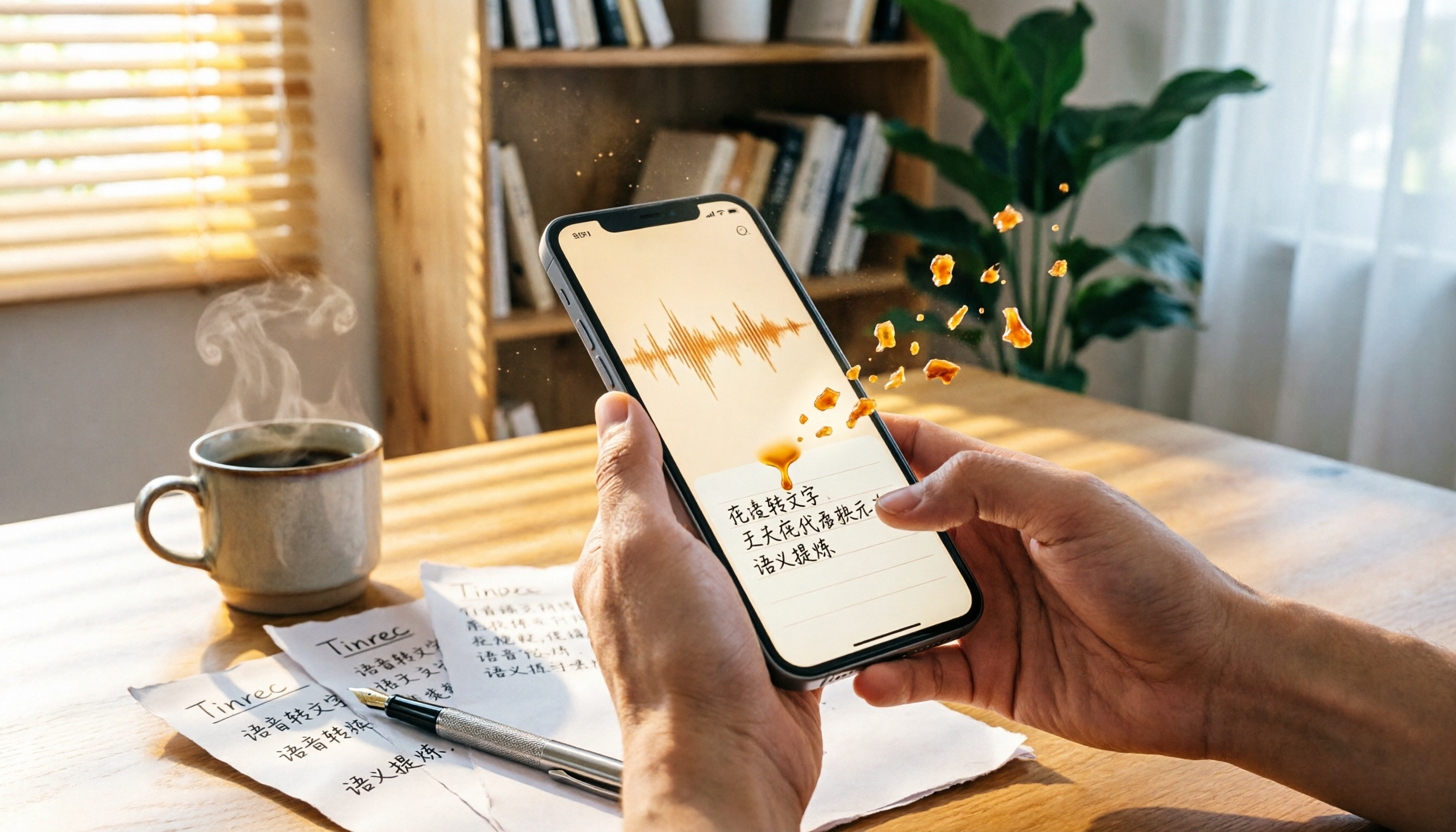
2026 Apple Voice-to-Text Software Complete Guide: From Built-in Features to Third-Party Tools at a Glance
Introduces various voice-to-text tools available on iPhone/iPad, including the built-in Voice Memos, Tinrec, and other free/paid options, helping you quickly organize meetings, classes, and interviews.

How to Choose Speech-to-Text Software in 2026? 4-Step Comparison of Tinrec and Otter.ai
Need to convert recordings, meetings, or videos into text? Tinrec and Otter.ai are popular AI speech-to-text tools, but one excels at Chinese content organization while the other specializes in English meeting notes. This article compares them across 4 key dimensions to help you quickly find the right one.
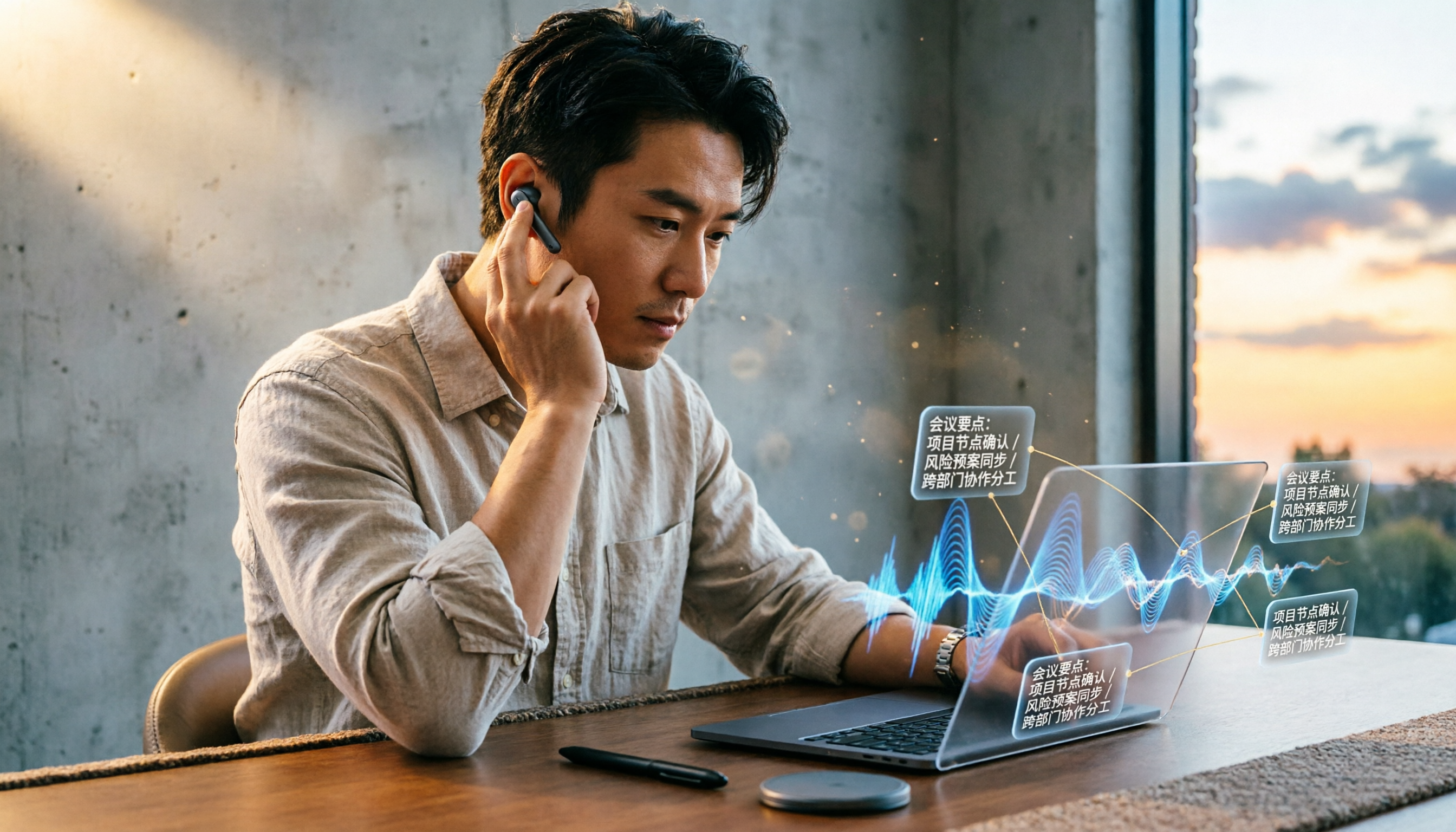
5 Office Document Summary Apps Compared in 2026: From Free to Paid, Which One Fits Your Workflow?
This article compares five office document summary apps, analyzing their features and best use cases. Using Tinrec as an example, it shows how AI can automatically generate structured summaries from meeting recordings and interview audio to boost office efficiency.
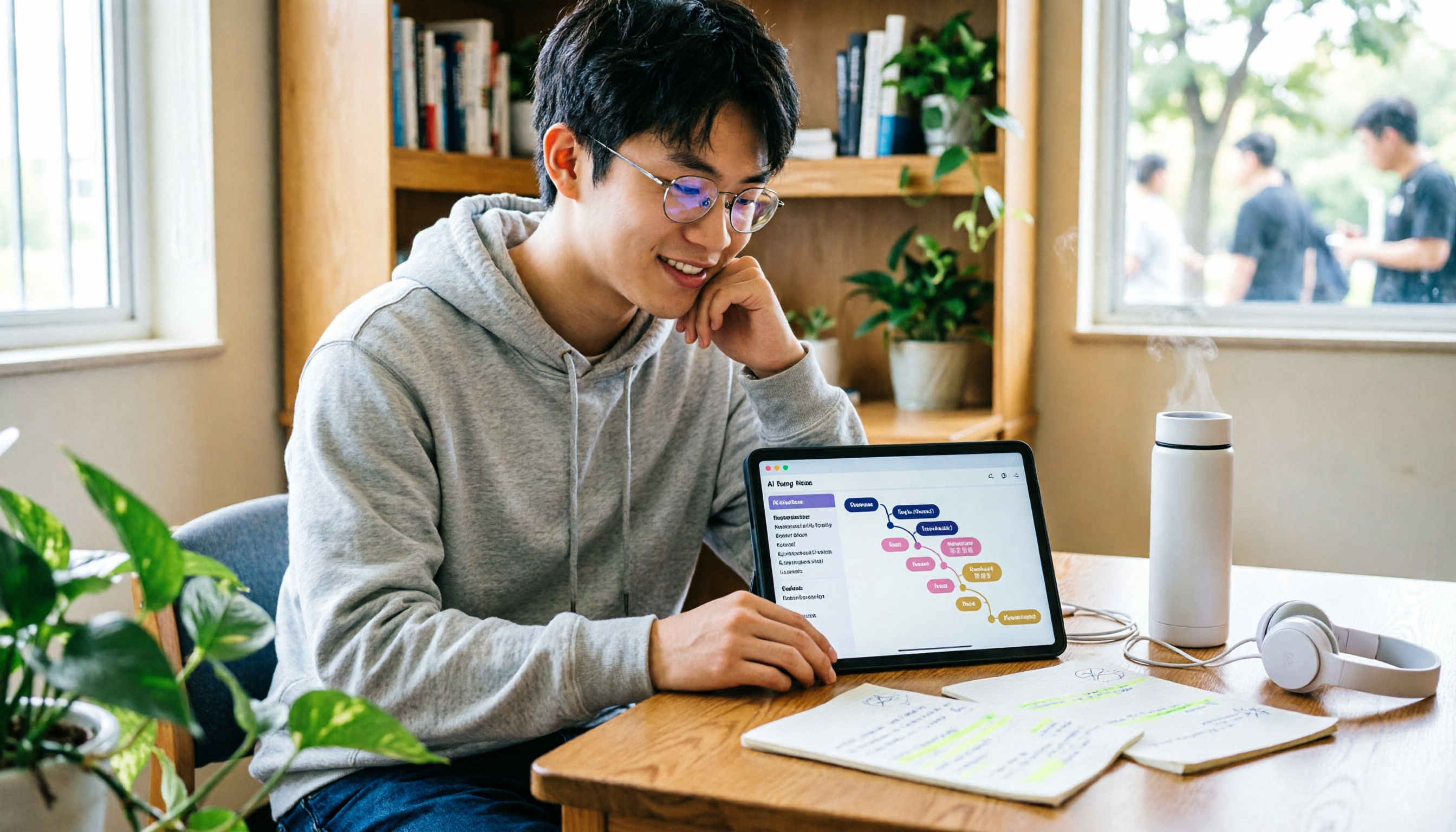
2026 Tinrec vs Notta: 5-Dimension Hands-On Comparison – Which Saves Students More Time on Note-Taking?
Struggling with transcribing lecture recordings? I tested two popular AI transcription tools—Tinrec and Notta—comparing them across 5 dimensions: transcription accuracy, AI note-taking, free tier, cross-platform, and student scenarios. The result: for students who need to turn lecture recordings into study notes, Tinrec outperforms in most cases, especially with its AI summaries and Q&A, saving me tons of organizing time.
![How to Convert Video Links to Text with Tinrec in 2026 [Tutorial]](https://record-img.tos-accelerate.volces.com/images/2026/07/31/1785430580739309066.png)
How to Convert Video Links to Text with Tinrec in 2026 [Tutorial]
Struggling to turn voice from meetings, classes, or online videos into editable, searchable text? This hands-on review of Tinrec shows how to upload video links to get transcripts, summaries, and action items. We also compare alternatives and share tips to choose the best speech-to-text solution.
How to Extract Text from Images in 2026: A Complete 5-Step Guide
Want to extract text from images, photos, or screenshots but don't know where to start? This article compiles 5 free OCR text recognition tools, from online services to advanced AI, and teaches you how to easily convert images to text in 5 steps—perfect for students, office workers, and content creators.