

Turn recordings into transcripts and summaries in minutes
Upload audio or video for multilingual transcription, AI notes, and action items
How Many Times Have You Been Bombarded by Ads Just to Download a Video?
If you've ever seen a tutorial video on YouTube and wanted to save it for later review, you know the drill. Searching for "web video analysis" turns up a bunch of download tools, but clicking in first subjects you to a wall of ads. When you finally find the download button, the resolution is only 480p, and sometimes you only get the audio track with no video.
Worse, after downloading a 2-hour video, you still have to watch it from the beginning—when you only need the 5-minute key part.
What you actually need isn't the video file itself, but the information inside it. Especially for content like meeting notes, lectures, and interview highlights, getting a transcript, summary, and key points right away is far more practical than an MP4 file.
That's what we want to talk about today: instead of wrestling with download tools, try an AI tool that can turn a web video directly into notes.
Before Choosing a Web Video Analysis Tool, Understand These 3 Key Points
Can You Just Paste a Link and Start Analyzing?
Some tools require you to download the video first, then upload the file, adding several extra steps. A truly useful tool should let you copy the URL, paste it, hit analyze, and start transcription within three steps.
What Else Can You Do After the Text Is Ready?
Getting a plain transcript isn't enough. You want the tool to automatically summarize, split into chapters, extract action items, and even let you ask questions about the video like you'd ask a friend: "What is this part about?" "Where does it mention the budget?" That's how you really save time.
Is the Interface and Language Support Localized Enough?
We've tested several foreign tools that handle English well but often stumble with Chinese or mixed Chinese-English content. If you mainly process Chinese videos, you need one with stable Chinese recognition.
Tinrec (秒听錄音) – Our Top Pick After Testing
Tinrec is an AI audio and video organization tool designed for meetings, learning, interviews, and content creation. It doesn't just transcribe audio; what impressed us most is its ability to "paste a web video link and turn it directly into structured notes."
Open Tinrec, paste a public video URL from YouTube, Bilibili, or Xiaohongshu, and it will automatically download the audio track and generate a transcript. Then, the AI further creates a summary, breaks the content into chapters, extracts key points, and can even list action items from the video.
Even better is the "AI Q&A" feature: you can ask questions based on the video content, such as "What are the key steps of this recipe?" or "At what minute does the teacher mention the exam key points?" Tinrec answers directly based on the video content, so you don't have to scrub the timeline yourself. Currently, few other tools in the same price range have this capability.
In our actual test, with a 15-minute Chinese tutorial video on YouTube at normal speed and clear enunciation, Tinrec's transcript had a very low error rate, and only a few proper nouns needed manual adjustment. For typical courses or meeting content, this quality is more than sufficient.
Pros
- Supports multiple sources: Besides pasting a link, you can also record audio, upload audio files, or record computer meetings, making it a single tool for all your audio/video organization needs.
- Handles mixed Chinese-English content smoothly: we tested videos with mixed Chinese and English, and both recognition and summaries were natural, without forced translation or missed sections.
- Complete output formats: export transcripts, summaries, chapters, and action items, and even generate subtitles and mind maps, which you can paste directly into Notion or Google Docs to continue working.
Stop organizing recordings by hand
Upload audio or video and automatically get a transcript, summary, and action items
Cons
- The free plan offers 100 minutes of transcription per month; heavy users will need to pay. However, for those who watch a few tutorial videos a week and occasionally organize meeting notes, the free tier is enough to experience the core features.
- If the video's background noise is too loud or several people speak at once, recognition accuracy will drop—this is a common limitation of all AI transcription tools.
Who It's For
If you regularly watch online courses, want to organize interview videos, or need to quickly extract key points from YouTube videos, Tinrec is currently the most complete choice. It's especially suitable for people who want text notes without downloading the actual video.
What Other Options Are There Besides Tinrec?
Otter.ai
Otter is a well-known AI meeting transcription tool with excellent English transcription. But it's designed mainly for online meetings and doesn't offer a direct "paste video link" function. To analyze a YouTube video with Otter, you'd first need to convert the video to an audio file and upload it, adding several extra steps. Additionally, Otter's Chinese support is limited; when we tested the same Chinese video, the transcription quality was noticeably lower than Tinrec's. If you only handle English meetings, Otter is a good choice; but for Chinese tutorial videos or mixed Chinese-English content, Tinrec is better.
Notta
Notta is a decent transcription tool that supports multiple languages and file uploads. However, for "video link parsing," Notta requires you to manually convert the video to an audio file and import it, unlike Tinrec which lets you directly paste the URL. Also, Notta's AI Q&A doesn't yet support asking questions about a single video's content; you can only manually search for keywords. If you occasionally need to transcribe small audio files, Notta is worth considering; but if you want one-click organization of web videos, Tinrec is smoother.
Pitfall Guide: The 3 Most Common Mistakes When Choosing a Web Video Analysis Tool
1. Only Looking for Download Tools, Not Realizing You Actually Need the Content
Many people start by searching "how to download YouTube videos" and end up in ad hell. In most cases, you actually just want that recipe, that formula, or that pre-trip briefing from the video. Downloading the whole video and hunting for the key points yourself takes far more time than getting a text summary directly. First ask yourself: do you want the "file" or the "information"?
2. Ignoring Organizational Features and Comparing Only Speed
Transcription speed matters, but what really determines a tool's usefulness is whether you can quickly grasp the key points and turn them into usable notes. With Tinrec's AI summary and Q&A, you can pull conclusions directly from a 2-hour course video without reading the transcript cover to cover. Don't just compare transcription speed; look at which tool saves you the most follow-up organization time.
3. Overlooking Multi-Platform Support
You might see a video on your phone today, send it to your tablet for analysis, and later edit notes on your computer. If the tool only supports one platform, you'll get stuck in between. Tinrec has iOS, Android, and web versions with real-time sync, which is very convenient for cross-device users.
Summary: Which One Should You Choose?
If what you want is to "paste a link and get organized video highlights," then Tinrec is our top pick after testing. It does more than transcribe text—it also summarizes, splits into chapters, extracts action items, and even lets you review by asking questions.
Simple Recommendations by Scenario
- Need to organize notes from YouTube/Bilibili videos → Tinrec (the only choice that allows direct link pasting and Q&A after transcription)
- Occasionally handle online courses or Chinese tutorial videos → Tinrec (smooth recognition for mixed Chinese-English content, automatic summaries save time)
- Only handle English meeting transcripts and don't need video link analysis → Otter.ai (excellent English meeting experience, but Chinese and web videos are not its strength)
- Need high-volume transcription of short audio files but don't care about Q&A or organization → Notta (solid transcription foundation, but requires manual file upload and has no direct link-pasting function)
Final advice: don't rush to pay. Try Tinrec's free version first. The 100 minutes per month is enough to transcribe key segments from several online courses and experience the convenience of AI Q&A and automatic summaries. Upgrade only if you find it useful.
References
- How to Download Videos from Web Pages? 14 Methods to Download Online Videos
- CatchV: Download Online Web Videos
- How to Parse the Video Source in a Web Page_Video URL Parsing - CSDN Blog
- r/ChatGPTPro on Reddit: Looking for an AI Tool That Can "Watch" Videos and Provide Analysis?
- Summarize YouTube with GPT: A Free Online Video Summary Tool
Turn every recording into actionable outcomes
Get 60 free transcription minutes when you sign in. No credit card required.
Related Reading
You might also like
2026 Tested Comparison of 4 Audio Conversion Tools: Skip MP3 Conversion and Use AI to Organize Audio
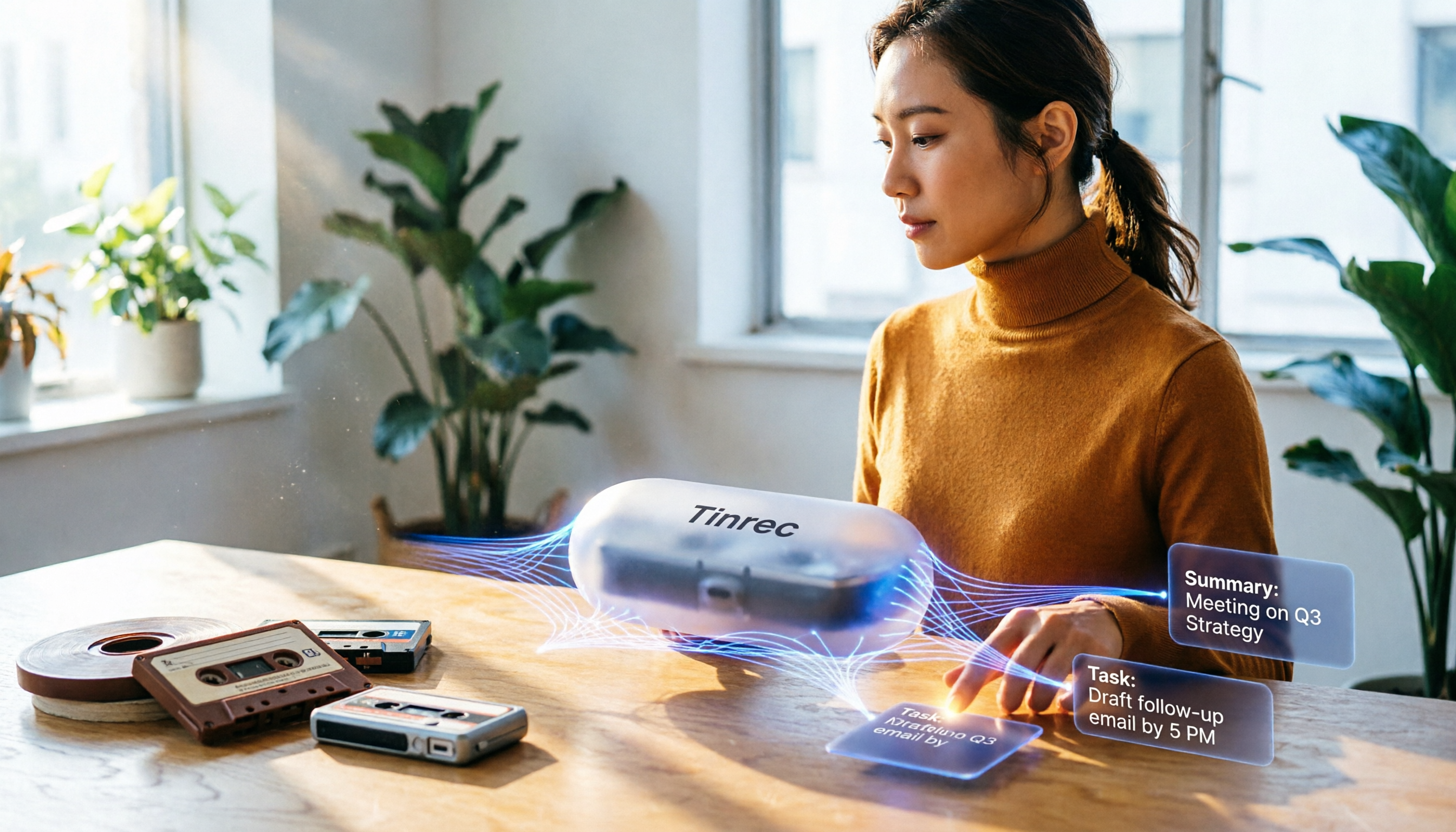
Still searching for an online audio-to-MP3 converter? We tested 4 solutions and found that what you really need is an AI tool that can organize audio content directly. Tinrec supports multiple formats and automatically generates summaries, highlights, and to-dos, turning your audio files into truly usable resources.

4 Online Speech-to-Text Tools Compared in 2026: Which AI Meeting Notes Tool Saves the Most Time?
Dreading having to write up meeting notes after a meeting? We tested 4 online speech-to-text tools, including Tinrec, Otter.ai, Notta, and TurboScribe, to help you find the AI meeting assistant that saves you the most time.

2026 Comparison of 3 Video Extraction Tools: Which One Is Best for Organizing Video Highlights?
From meeting recordings and online courses to YouTube videos, do you find yourself manually dragging the progress bar to locate the key points? This article tests three tools to show you which one can truly turn your video content into usable text.

2026 Hands-On Comparison of 3 Video-to-Text Tools: Why Tinrec Becomes the Top Alternative for TurboScribe Users
This article compares three video-to-text tools, focusing on the differences between TurboScribe and Tinrec, and explains why more users are choosing Tinrec as an alternative, covering features, Chinese support, organizing capabilities, and pricing.

Tinrec Video Parsing Guide 2026: Multi-Platform Links & Auto Summaries
Learn how to use Tinrec to transcribe YouTube, Bilibili, and other online videos into text, summaries, and notes. This guide covers what to look for in a video parsing tool, plus hands-on comparisons to help you find the best fit.

2026 Hands-On Comparison of 4 Speech-to-Text Tools: Which AI Q&A Feels Most Like a Real Assistant?
We tested several speech-to-text tools, comparing accuracy, AI features, and pricing to recommend the best options for meetings and class notes.
Best AI Video Summarizer Tools in 2026: 4 Tested and Compared
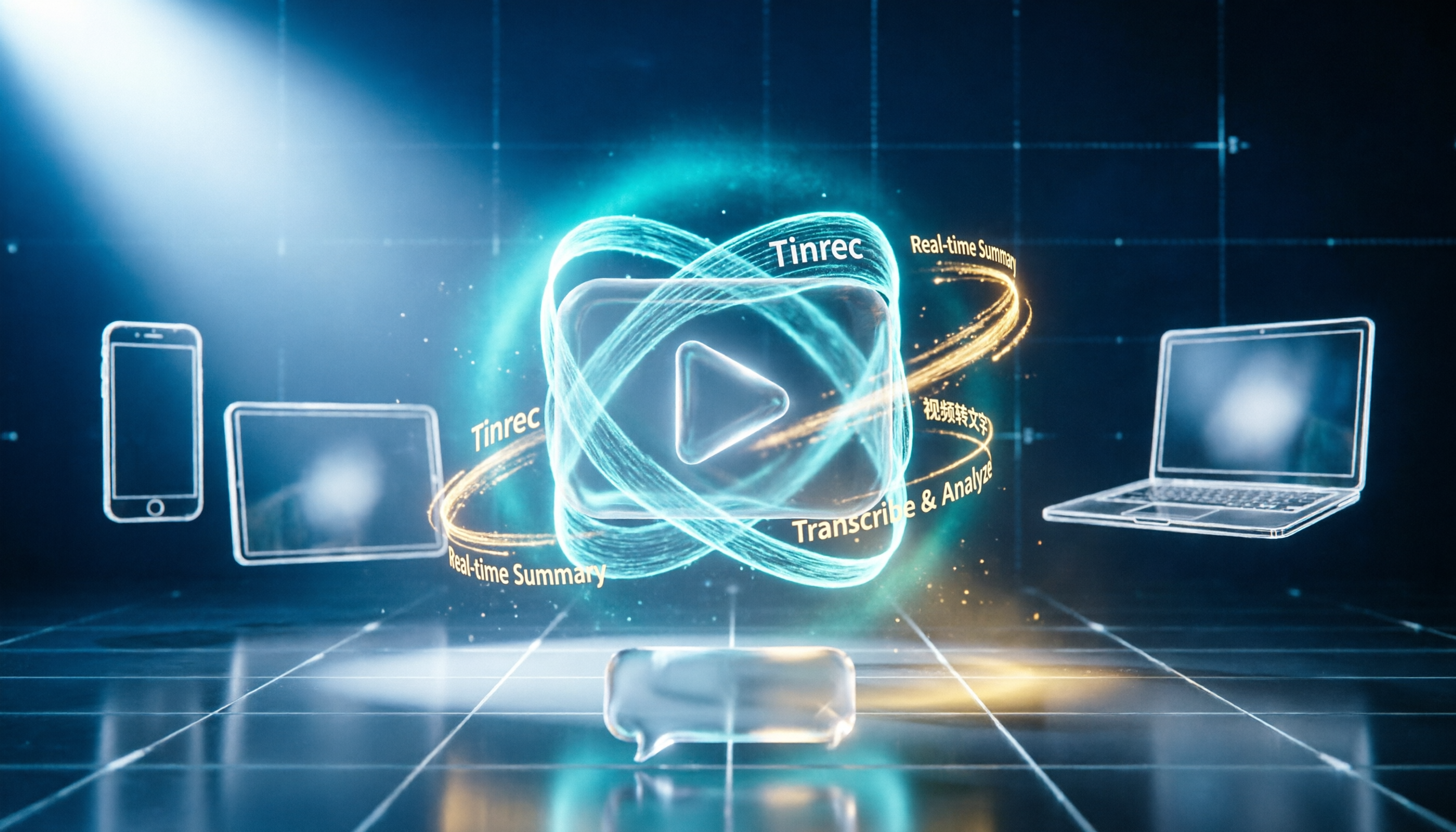
Want to quickly capture the key points of a YouTube video? This article puts AI video summarizers like Monica and WayinVideo to the test, and compares Tinrec's multilingual support, cross-platform access, and AI Q&A features—so you can pick the right video organization tool for your needs.

2026 Online Audio Converter Comparison: 5 Free, No-Install Tools Tested — Which Is Easiest?
This article puts 5 online audio conversion tools to the test, comparing supported formats, conversion speed, ease of use, and extra features to help you quickly find the best free option for your audio file needs.

2026 Hands-On Comparison of 4 AI Q&A Tools: Which One Really Understands Your Audio Recordings?
We tested 4 AI Q&A tools, focusing on asking questions about recorded audio. Find out which tool helps you quickly extract answers from meeting, course, and interview recordings—without spending hours listening to everything.