
Turn recordings into transcripts and summaries in minutes
Upload audio or video for multilingual transcription, AI notes, and action items
Staring at a recording after a meeting, not knowing where to start? Or in class, the professor talks too fast and you can never keep up with notes? These are common pain points for professionals and students alike. "Real-time speech recognition apps" don't just convert voice to text; modern tools can auto-summarize, highlight key points, and even turn content into a searchable knowledge base.
This article reviews 7 noteworthy speech recognition tools of 2026, from completely free built-in system features to professional software with AI analysis capabilities. We'll use detailed comparison dimensions, a feature comparison table, and practical step-by-step guides to help you find the best digital assistant. If you want a quick conclusion: for occasional light use, try your phone's built-in feature; if you value post-meeting organization and AI analysis (like meeting minutes, action items), choose professional tools like Tinrec or Otter.
1. Why You Need a Real-Time Speech Recognition App? Common Pain Points
Before choosing a tool, let's clarify the main use cases and pain points for transcribing audio to text, which will determine the type of tool you need:
- Meeting note hell: A 1-hour meeting can take 2-3 hours to transcribe manually, extremely inefficient.
- Hard to find information: Recordings are "linear," making it difficult to Ctrl+F search keywords like in a document, so important decisions are easily forgotten.
- Multilingual barriers: In international meetings or foreign language classes, if you can't keep up with listening, you easily miss key information.
- Unclear action items: Even with a transcript, if it's not organized into "to-dos," it's just a pile of text.
To address these needs, tools on the market mainly fall into two categories: "system built-in (lightweight/free)" and "AI productivity (professional/feature-rich)."
2. Ready-to-Use Built-In System Tools (Completely Free)
If you only need occasional recording or real-time assistance, the free built-in tools on your phone or computer are usually sufficient.
1. Google Live Transcribe
A powerful tool from Google for Android users, supporting over 80 languages (including Traditional Chinese). It converts speech to text in real time on the screen and can even identify environmental sounds (e.g., knocking).
- Pros: Completely free, high accuracy, designed for hearing assistance.
- Cons: Android only, cannot import audio files, recordings saved for only 3 days (must be copied out manually).
2. Apple Dictation
The built-in dictation feature on iPhone, iPad, and Mac, integrated into the keyboard.
- Pros: Supports offline use (some models), high privacy, works across Apple ecosystem.
- Cons: Not suitable for long recordings (tends to stop), lacks annotation and summary features.
3. Windows / Word Voice Typing
On Windows 11, press Win + H to activate; Word online also offers dictation.
- Pros: Convenient for document work, Word subscribers get 300 minutes of audio upload per month.
- Cons: Requires Microsoft account and internet connection.
3. AI-Powered Professional Productivity Tools (Ideal for Work and Study)
If you need to process long recordings, differentiate speakers, or need AI to summarize key points, the following tools offer more complete solutions.
1. Tinrec (秒聽錄音)
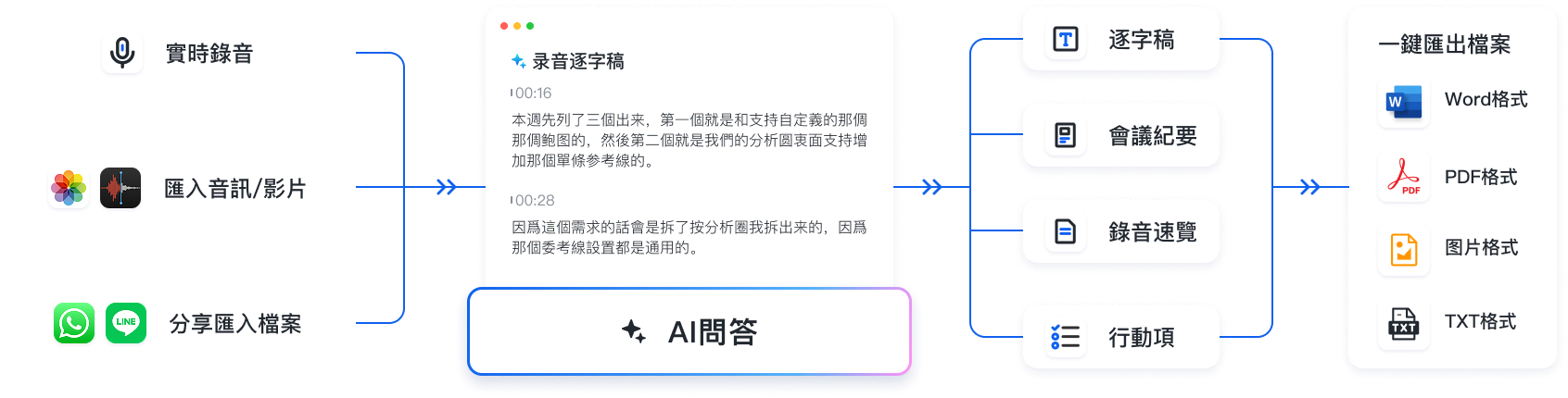 Tinrec is a multi-platform AI assistant that emphasizes "from recording to action." Unlike traditional tools, it not only provides transcripts but focuses on "understanding" content. It supports recognition of 10 languages including Chinese, English, Japanese, and Korean, and can differentiate speakers.
- Key Features: In addition to real-time recording transcription, it supports importing YouTube/Podcast links. Its AI chat function allows users to query recording content like "asking a person" (e.g., "What was the budget mentioned in the meeting?") and automatically generates meeting minutes and action items.
- Use Cases: Office workers needing quick meeting conclusions, students organizing class notes.
2. Otter.ai
An internationally renowned English meeting transcription tool, often integrated with Zoom and Google Meet.
- Key Features: Strong English recognition and real-time annotation capabilities.
- Cons: Does not support Chinese. This is a major barrier for users in Chinese-speaking regions, suitable only for all-English work environments.
Stop organizing recordings by hand
Upload audio or video and automatically get a transcript, summary, and action items
3. OpenAI Whisper (and related derivatives)
An open-source model from OpenAI with extremely high recognition accuracy.
- Key Features: Supports multilingual translation, high tolerance for accents.
- Cons: The original version requires programming skills (Python) or third-party wrappers (like Whisper Desktop), is resource-intensive, and is usually offline with weak real-time performance.
4. 2026 Popular Speech Recognition Tool Specification Comparison Table
To help you decide quickly, we've compiled a comparison table across 5 key dimensions:
| Dimension | Tinrec (秒聽錄音) | Google Live Transcribe | Otter.ai | Apple Dictation | OpenAI Whisper |
|---|---|---|---|---|---|
| Chinese Support | Excellent (supports Traditional Chinese, Taiwanese, etc.) | Excellent | Not supported | Excellent | Excellent |
| Real-time Transcription | Yes | Yes | Yes | Yes | No (usually post-processing) |
| AI Summary/Action Items | Auto-generates summary and to-dos | No | Yes (English only) | No | No (transcription only) |
| AI Chat Query | Yes (ask about content) | No | Yes (English only) | No | No |
| File/Link Import | Supports audio files, video links | No | Yes | No | Yes |
| Price/Free Tier | Free: 100 min/month | Completely free (Android only) | Free: 300 min/month | Completely free | Free (open source) |
5. Practical Tutorial: How to Build an Efficient Note-Taking Workflow with AI Tools
Choosing the right tool is just the first step; establishing a correct workflow truly saves time. Using Tinrec's operation logic as an example, here's how to turn "audio" into "actionable notes."
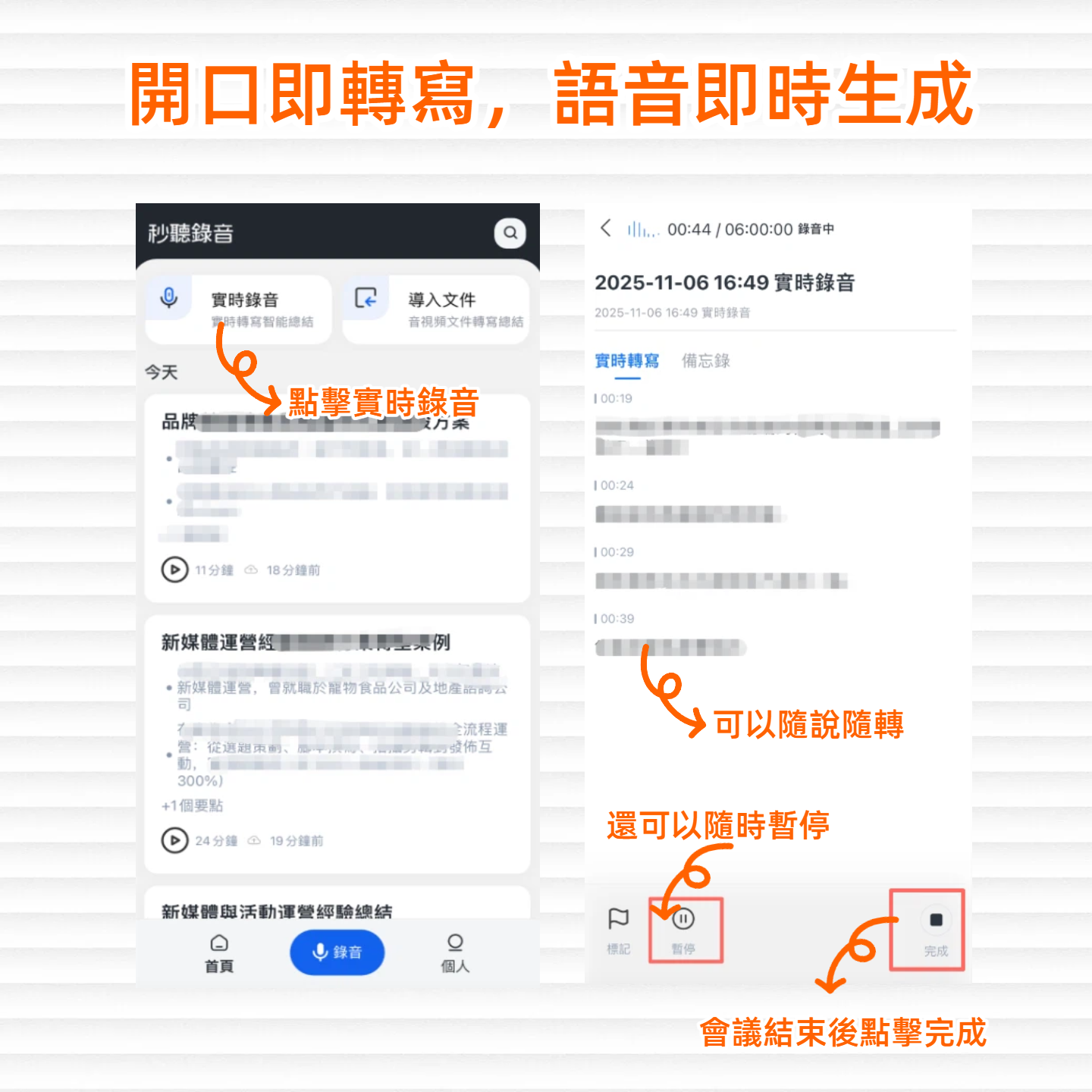
Step 1: Start Recording and Real-Time Transcription
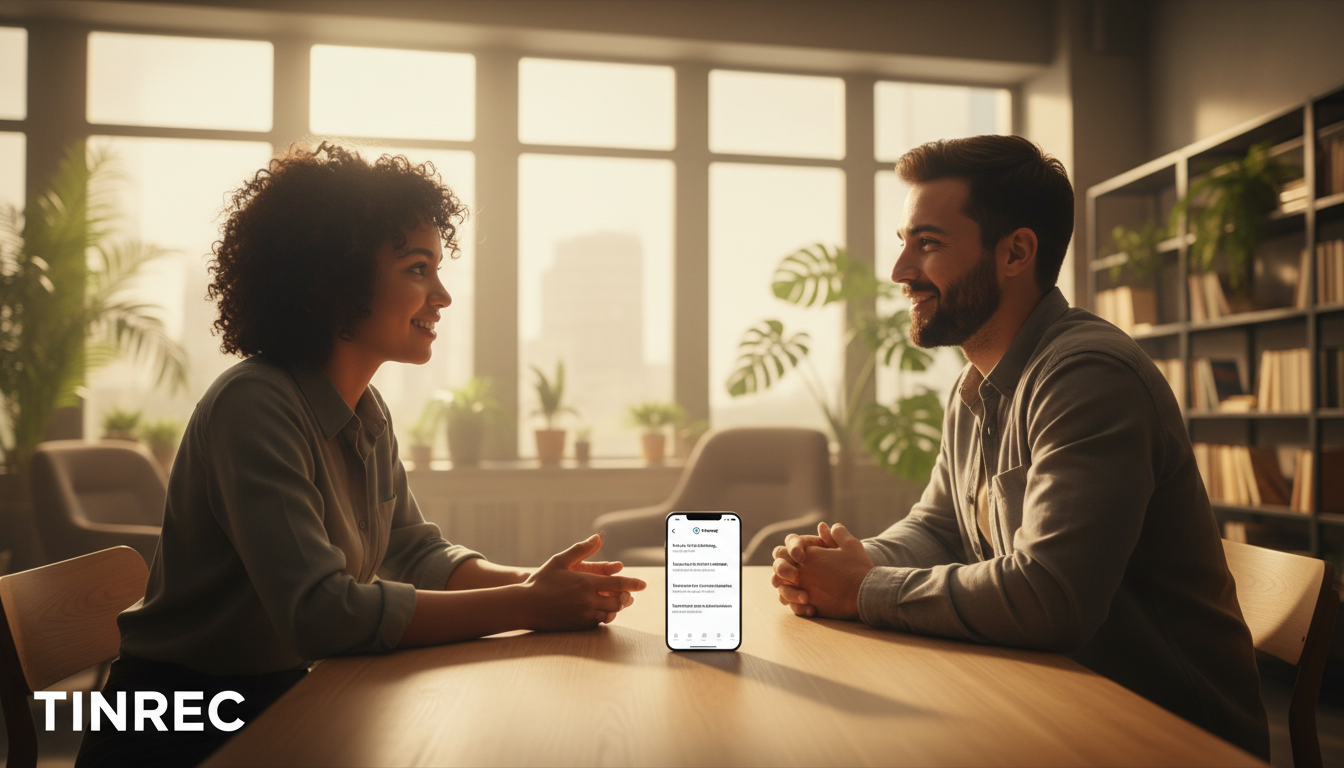
At the start of a meeting or class, use the mobile or web version to start real-time recording. Ensure the microphone picks up clear audio—this significantly improves accuracy. The system produces a text transcript in real time, allowing you to mark key points on the fly.
- Entry Reference: Real-time Recording to Text Feature
Step 2: Import External Audio Files or Video Links
If you already have recordings or need to organize content from YouTube courses or podcasts, there's no need to listen again. Simply upload the file or paste the video URL, and the AI will automatically process it.
- Tips: Supports common formats like MP3, M4A; for video links, just paste the URL.
- Entry Reference: Audio File to Text | Online Video to Text
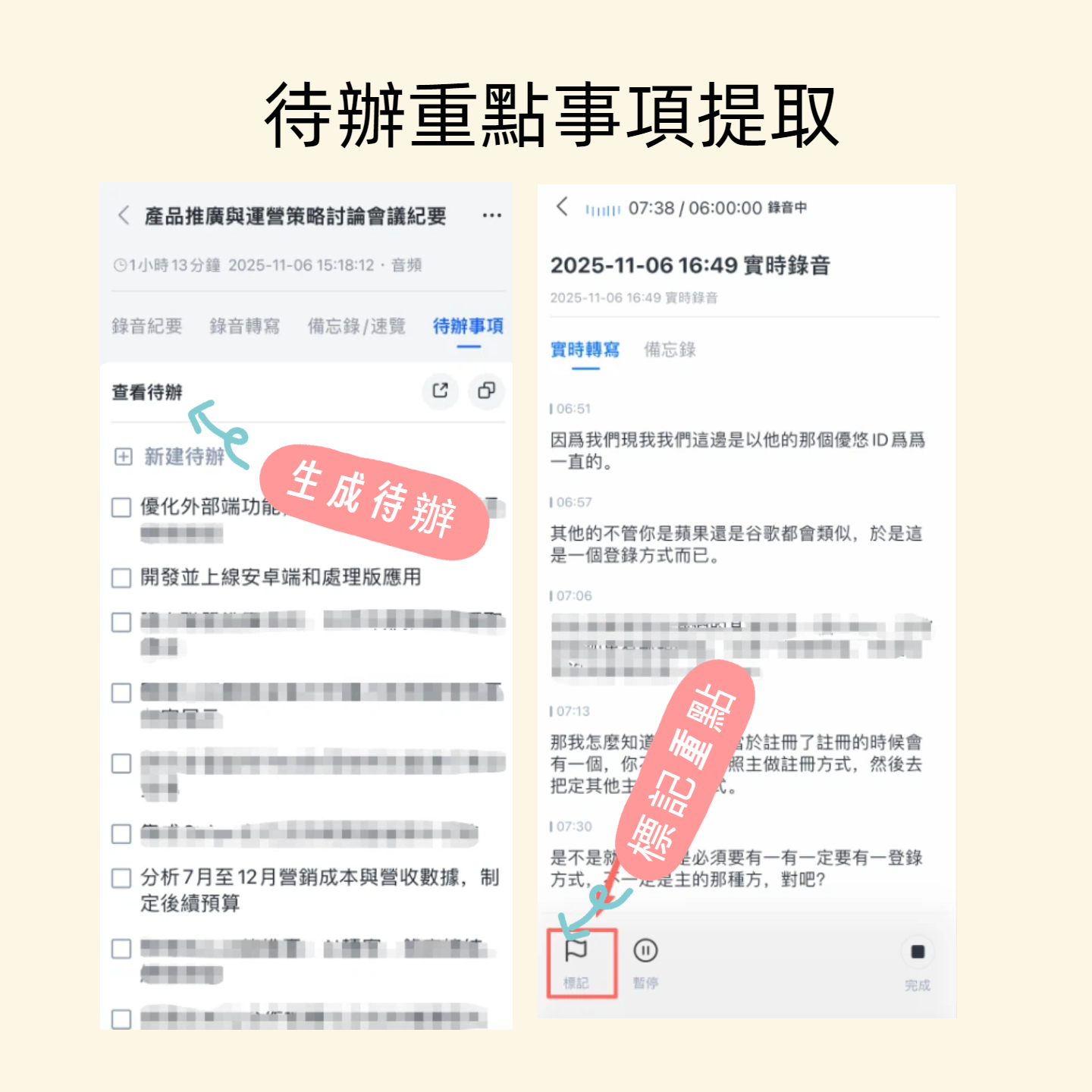
Step 3: Generate AI Meeting Minutes and Action Items
After transcription, reading the full transcript is still time-consuming. Use the built-in AI to generate a "summary" and "to-do list" with one click. This filters out small talk and filler words, directly extracting conclusions.
Step 4: Use AI Chat to Query Details
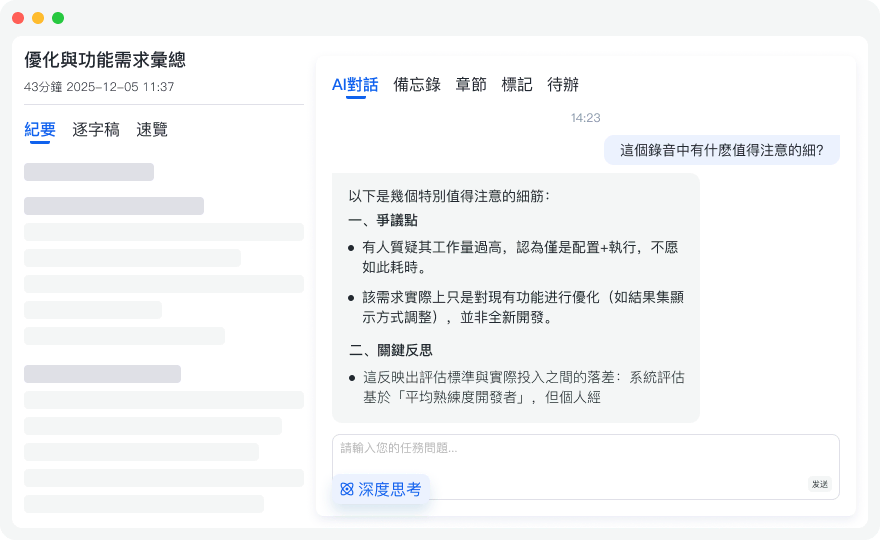
This is the biggest difference between modern AI tools and traditional transcripts. If you forget "the deadline for a project" or "a specific suggestion from a speaker," no need to search through long text. Just type your question in the chat box, and the AI answers based on the recording content.
- Use Cases: Reviewing exam key points, confirming meeting decision details.
- Entry Reference: AI Chat Query
6. Frequently Asked Questions (FAQ)
Q1: Is the accuracy of free speech recognition tools sufficient? For daily simple conversations, Google or Apple built-in features achieve over 90% accuracy. However, in multi-speaker meetings, noisy environments, or with specialized terminology, professional tools with speaker differentiation and AI noise reduction (like Tinrec, Otter) perform better.
Q2: What are the limitations for iPhone users? Apple's privacy policy is stricter; the built-in dictation isn't suitable for long continuous recordings (it tends to stop automatically). For long recordings, use third-party apps like Tinrec's iOS version, or record with a voice recorder and then upload for transcription.
Q3: Do these tools support Teams or Google Meet? Some tools like Otter can be directly plugged into meetings. Tools like Tinrec typically achieve this by "recording system audio via the web version" or "placing the phone near the computer to record," which is the most universal method and not limited by video conferencing software.
Q4: What formats can transcripts be exported to? Most tools support TXT text files. Advanced tools support exporting to Word, PDF, or even SRT subtitle files with timestamps, convenient for video creators.
Q5: What if I have a large number of historical recordings to organize? Use cloud services that support "batch upload." Note that free plans usually have monthly minute limits (e.g., Tinrec free: 100 min/month). For high demand, subscribing to a paid plan is usually much cheaper than manual transcription (e.g., Tinrec Basic plan around $4.9 for 600 minutes).
Q6: Is data privacy secure? Check the privacy policy when choosing a tool. Generally, Apple Dictation and local Whisper versions offer the highest privacy. For cloud services, check if data is encrypted during storage. Tinrec emphasizes not using user data for AI model training and has robust data protection mechanisms.
Summary
When choosing a speech recognition app, start from your core needs:
- Students/life recording: Google Live Transcribe (Android), Apple Dictation (iOS).
- Work meetings/content creation: Recommend Tinrec, which integrates recording, transcription, AI summaries, and chat queries, truly turning "audio" into actionable "deeds," solving the problem of traditional transcripts that are only stored but not used.
Turn every recording into actionable outcomes
Get 60 free transcription minutes when you sign in. No credit card required.
Related Reading
You might also like
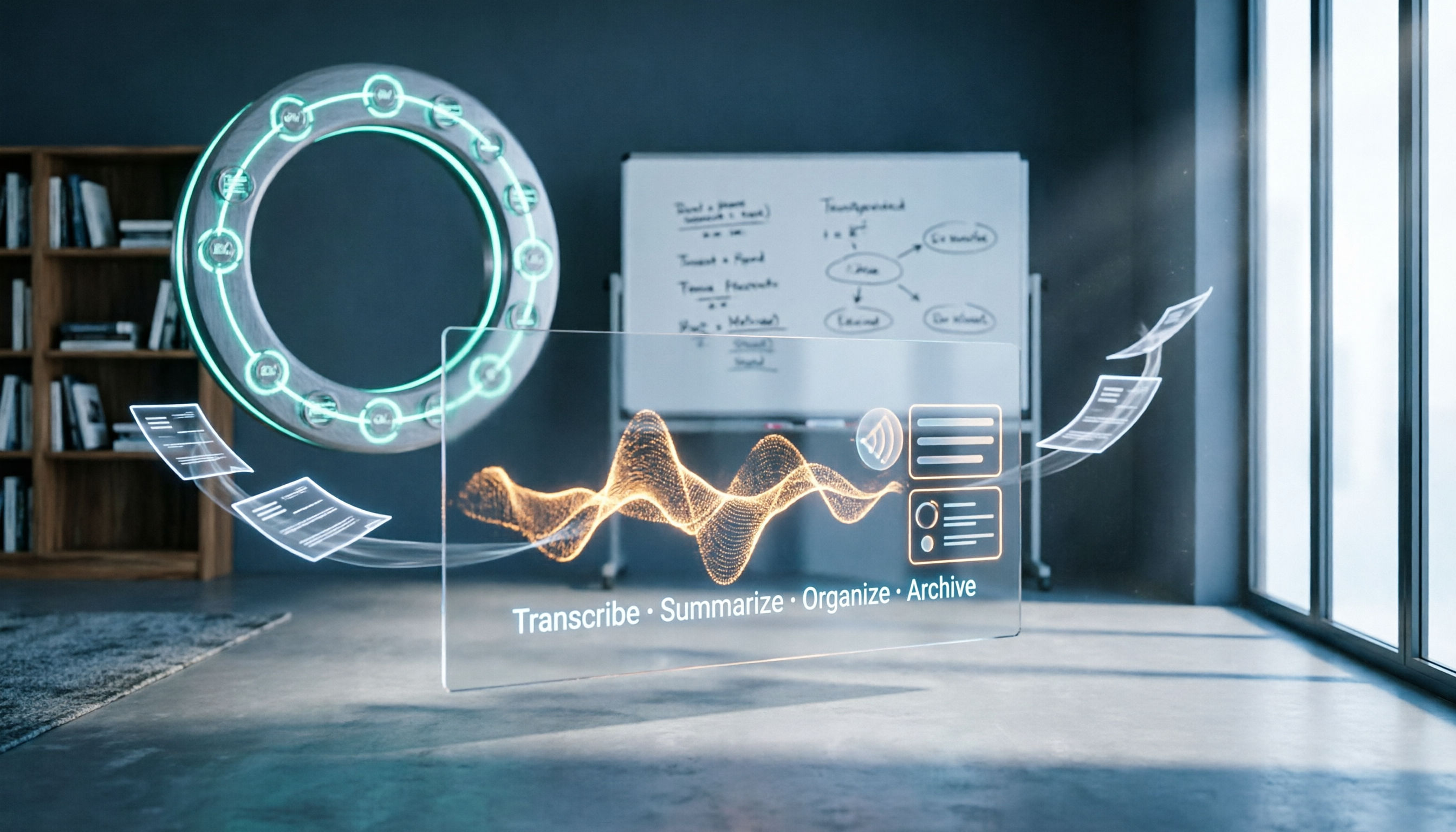
2026 Complete Guide to vocol ai: Turn Meeting, Class, and Interview Recordings into Actionable Data
A comprehensive guide for knowledge workers on vocol ai voice-to-text tools. Using Tinrec as an example, learn how AI can automatically transform meetings, classes, interviews, and online videos into searchable, summarized, and queryable structured data. Includes key buying considerations and a step-by-step walkthrough to help you stop drowning in audio files.
2026 Real-World Comparison of 3 Notta Alternatives: Which Performs Better for Chinese Meetings and AI Q&A?
Still looking for a Notta alternative? We tested Tinrec, Plaud Note, and Otter.ai across transcription quality, AI features, and pricing to help you pick the best voice-to-text tool for your needs.
2026 Review of 3 Transcription Apps for Students: Notta Isn't the Top Pick—Here's Why
A senior student tests three speech-to-text tools for lectures and group discussions, comparing free minute limits, Chinese accuracy, and AI features of Notta, Otter.ai, and Tinrec to find the best fit for students.

2026 Real-World Comparison of 4 Notta Alternatives: Which Saves the Most Time for Chinese Meeting Minutes?
What are the alternatives to Notta? This article tests 4 recording-to-text tools including Tinrec, evaluating Chinese transcription, AI summaries, multi-platform support, and pricing to help you choose the best app for meetings, classes, and interviews.
2026 Hands-on Comparison of 3 AI Recording & Transcription Tools: Which Works Best for Chinese Meetings and Learning?
It's not just about transcribing audio to text; it's about organizing it into usable knowledge. This article hands-on tests three tools: Tinrec, Notta, and Fireflies, evaluating them on Chinese accuracy, AI summarization, multi-source support, and real-world experience to help you find the best AI recording assistant for meetings, courses, and online videos.

2025 Hands-On Review of 3 AI Recording Tools for Students: Tinrec's Free Tier Is the Most Surprising
A senior student tested these tools for a semester, comparing Tinrec, Notta, and Otter.ai on free tiers, AI summarization, cross-platform support, and student plans. Find out which one is best for lecture recording and exam review.
2026 Four Transcription Tools Tested and Compared: From Plaud Note Pro to Tinrec, My Journey to Choosing the Right One
After seeing heated discussions about Plaud Note Pro on Dcard, I actually tested four transcription tools. This article shares my trial journey from hardware recorders to software solutions, and why I ultimately chose Tinrec as my productivity core.

2026 Hands-On Comparison of 3 Speech-to-Text Apps: A Time-Saving Tool for Recording Natural Gas and Propane Prices in Nottawa
When comparing natural gas and propane prices in Nottawa, the most time-consuming part is recording calls and organizing quotes. This article tests three speech-to-text apps—Tinrec, Otter.ai, and Notta—evaluating Chinese recognition, AI summaries, cross-platform use, and free tiers to help you choose the best tool for recording supplier quotes and service details.

2026 Comparison of 4 Speech-to-Text Apps: Notta AI Not the Best? This App is the Top Pick
Hong Kong office workers test 4 speech-to-text tools including Notta and Tinrec to see which one offers the best Cantonese recognition, most useful AI features, and biggest time savings. Read this review before deciding.