
Turn recordings into transcripts and summaries in minutes
Upload audio or video for multilingual transcription, AI notes, and action items
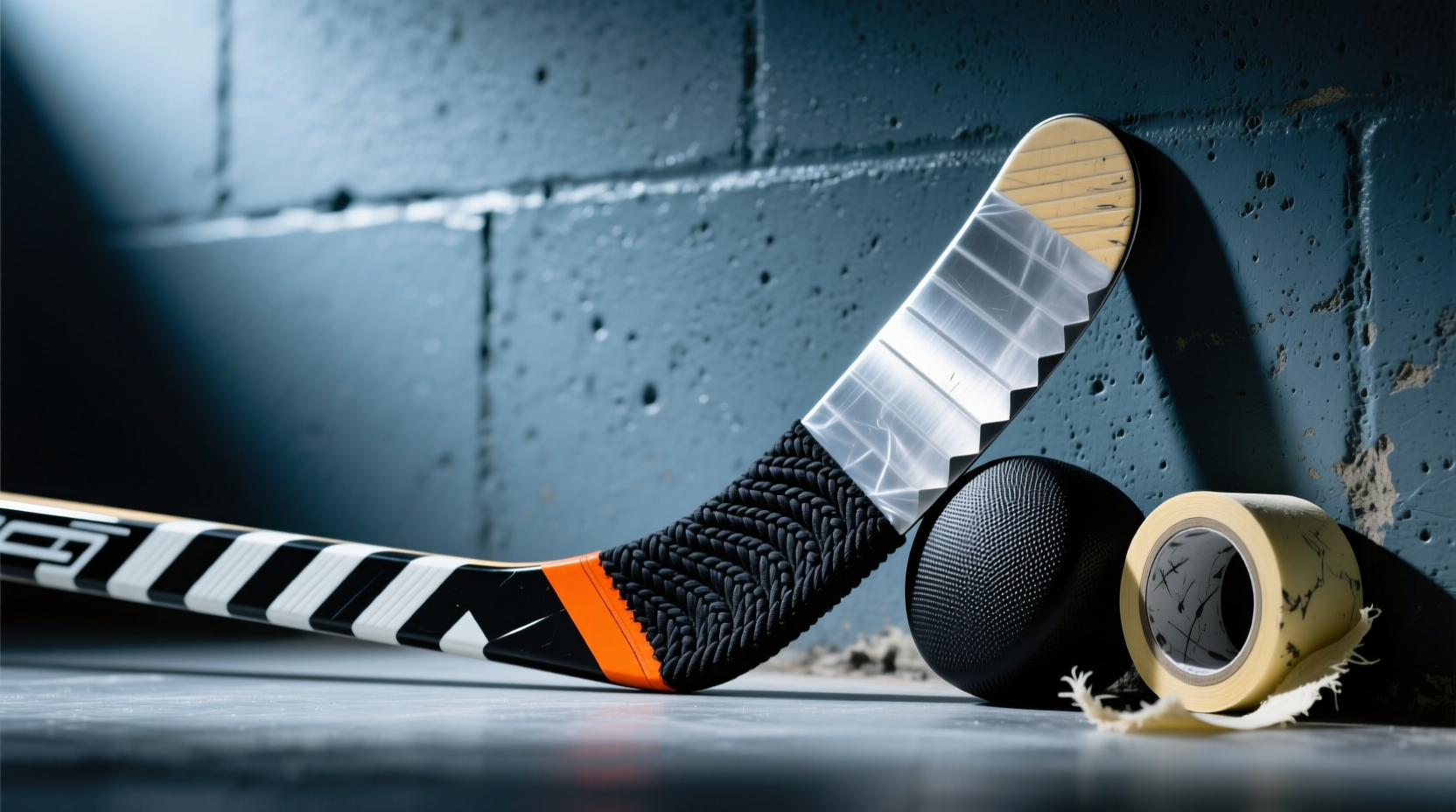
Hockey stick tape may seem like a small accessory that just wraps around the stick, but different tapes serve very different functions. For beginners or parents, facing shelves full of tapes in various colors, materials, and widths, it's easy to be unsure which one to buy. This article starts with the basic functions of tape, gradually explaining the main types, differences in material and adhesion, wrapping methods, and considerations when purchasing, to help you make the right choice based on your needs.
Basic Functions of Hockey Stick Tape: Protection for the Grip and Blade
Hockey stick tape is mainly applied in two areas: the shaft and the blade, where the tape serves completely different purposes.
Grip tape is applied to the upper part of the stick. Its main function is to increase friction, preventing the hand from slipping when holding the stick, especially when wearing gloves or when palms sweat, providing a more stable grip. It also protects the stick's surface, reducing wear.
Blade tape is applied to the blade area at the lower end of the stick. Its main function is to protect the blade, reducing wear and damage from contact with the ice and the puck. Additionally, blade tape can affect the feel of puck contact during stickhandling and shooting; some players believe certain taping styles increase control over the puck.
In simple terms, grip tape addresses the "slippery hand" problem, while blade tape addresses "wear" and "puck control." Understanding this is the first step in choosing tape.
Main Types of Tape: Grip Tape, Blade Tape, and Wrist Tape
Common hockey stick tapes on the market can be divided into three categories, each with different uses and designs.
| Type | Primary Use | Common Width | Features |
|---|---|---|---|
| Grip Tape | Wraps the upper shaft to increase grip friction | Approx. 1 inch (2.5 cm) | Rougher surface, moderate adhesion, easy to rewrap |
| Blade Tape | Wraps the blade to protect it and affect puck control | Approx. 1 inch (2.5 cm) | Stronger adhesion, abrasion-resistant, commonly available in black and white |
| Wrist Tape (Optional) | Wraps below the grip tape to protect the wrist or add cushioning | Narrower, approx. 0.5 inch | More elastic, used to secure wrist guards or provide extra support |
Grip tape is typically made of cotton or synthetic materials with a textured surface, providing a dry grip. Some players apply a layer of wrist tape underneath the grip tape for extra cushioning or to secure a wrist guard.
Blade tape usually has stronger adhesion than grip tape because it needs to stay tightly on the blade to avoid coming loose during skating and shooting. Common colors include black and white; some players choose colors based on personal preference or the idea of "hiding the puck," but the actual effect is more psychological.
Wrist tape is not essential, but for players who need extra wrist support or are accustomed to wearing wrist guards, it can provide a more comfortable and secure fit.
Material and Adhesion: Cotton vs. Synthetic and Tackiness Differences
The material of the tape directly affects feel, durability, and adhesion. There are two main categories: cotton and synthetic.
Cotton tape is the most traditional choice. It offers good breathability and a natural feel, but it can become heavier and lose adhesion when wet, and its durability is relatively lower. It suits dry environments or players who prefer a traditional feel.
Synthetic tape (e.g., polyester) is generally lighter, more water-resistant, and more durable, and it doesn't lose effectiveness due to sweat or ice moisture. Adhesion can be stronger, but the feel may be slicker or stiffer, requiring an adjustment period.
Stop organizing recordings by hand
Upload audio or video and automatically get a transcript, summary, and action items
In terms of adhesion, tapes are available in high-tack and low-tack versions. High-tack tape adheres more firmly to the blade or shaft and is less likely to shift, but it may leave residue when removed. Low-tack tape is easier to reposition, making it suitable for players who change tape frequently or dislike residue.
When choosing, consider the environment first: if you often play in humid conditions (like an ice rink), synthetic tape is more suitable; if you prefer a traditional feel and the environment is dry, cotton tape works fine. Adhesion depends on your preference for "firmness" versus "easy adjustment."
Wrapping Methods and Usage Tips
Wrapping methods vary slightly depending on the location. Mastering basic techniques ensures the tape performs at its best.
Wrapping Grip Tape:
1. Start from the end of the stick and wrap the tape upward in a spiral, overlapping each turn by about half the tape's width, maintaining even tension.
2. Once you reach the desired length (usually covering the grip area), press the end down with your thumb or secure it with the tape itself.
3. To increase grip thickness, first apply a layer of wrist tape as a base, then wrap grip tape over it.
Wrapping Blade Tape:
1. Start from the heel of the blade (near the shaft) and wrap along the length of the blade.
2. Common styles include full wrap (covering the entire blade) or half wrap (covering only part of the blade). Full wrap offers more comprehensive protection, while half wrap leaves part of the blade exposed, which may affect puck feel.
3. Keep the tape smooth and avoid wrinkles to ensure it adheres tightly to the blade.
Usage Tips:
- Ensure the surface is dry and clean before wrapping to improve adhesion.
- Avoid overstretching the tape, which can cause wrinkles or premature loss of elasticity.
- If the tape edges lift, press them down with your fingers or rewrap.
Considerations When Buying Tape: Price, Durability, and Personal Preference
When buying tape, besides type and material, several practical factors need consideration.
Price: Tape prices vary widely, from budget brands to professional brands. Generally, synthetic tapes and well-known brands cost more, but they may offer better durability. If you're on a budget, start with a basic option and adjust based on how often you play.
Durability: The durability of tape depends on the material and where it's applied. Blade tape wears out faster due to frequent contact with the ice and may need replacement every game or every few games; grip tape is relatively more durable. Synthetic tape is generally more abrasion-resistant than cotton.
Personal Preference: Ultimately, the choice comes down to personal feel. For example, some players prefer a thicker grip, while others prefer a thin, snug wrap; some like the "secure feel" of high-tack tape, while others dislike residue. It's advisable to try several brands and materials to find the combination that works best for you.
Additionally, tape color doesn't affect function, but it may influence psychological perception. For instance, some players believe white blade tape makes it harder for opponents to read shot direction, but there's no scientific evidence for this; it's more a matter of personal habit.
Conclusion: How to Choose the Right Hockey Stick Tape for You
Choosing hockey stick tape comes down to identifying your needs:
1. Determine the purpose first: Grip tape addresses slippery hands; blade tape protects the blade and affects puck control.
2. Then choose the material: For humid environments, choose synthetic; for a traditional feel, cotton is fine.
3. Consider adhesion: Choose high-tack for a firm hold, low-tack for frequent adjustments.
4. Balance budget and durability: Based on how often you play and how frequently you change tape, weigh price against durability.
5. Respect personal preference: Try different brands and wrapping styles to find the feel that suits you best.
The specific performance of tape may vary by brand and product, so it's advisable to check product descriptions and user reviews. We hope this article helps you start from scratch and choose the right tape for your hockey stick, making every glide and shot more confident.
References
Turn every recording into actionable outcomes
Get 60 free transcription minutes when you sign in. No credit card required.
Related Reading
You might also like

Is Good Tape's Free Plan Enough? Quotas, Limits, and Other Free Transcription Tools Explained
A breakdown of Good Tape's free plan and other popular free transcription tools, covering quotas, time limits, and feature restrictions to help you decide if a free plan meets your interview and meeting transcription needs.

Is Good Tape's Free Plan Enough? Quotas, Duration Limits, and Other Free Transcription Tools Explained
A breakdown of Good Tape's free plan monthly quotas, per-file duration limits, and feature restrictions, compared with other popular free transcription tools like Otter, Notta, TurboScribe, and Tinrec, to help you decide if the free plan meets your interview and meeting transcription needs, and when to upgrade.

Is PowerDirector Speech-to-Text Free? Comparing Free Options for Subtitles and Meeting Notes
This article explains the free scope and limitations of PowerDirector's speech-to-text feature, and compares free options such as Tinrec, Otter, Notta, and TurboScribe to help you find the best free tool for your video editing or meeting note needs.

What Is Good Tape? Evaluating Whether It Fits Your Interview Transcription Needs
Starting from the pain points of transcribing interviews and meeting recordings, this article establishes four dimensions for evaluating transcription tools and explains Good Tape's positioning, core features, applicable scenarios, and limitations, helping journalists, researchers, and professionals determine whether Good Tape suits their needs.

How to Find a Barbershop Near You That Specializes in Taper Haircuts: A Complete Guide from Skill to Reputation to Price
Looking for a barbershop that specializes in taper haircuts but don't know where to start? This article provides a practical screening method to help you evaluate barbers' skills, read genuine reviews, compare prices, and confirm key details before booking, so you can find the best barbershop for you.

Good Tape Video-to-Text Complete Tutorial: From Format Verification to Usable Transcript Workflow
This article explains Good Tape's capabilities and limitations for video-to-text conversion, and provides a complete workflow from video to usable transcript, helping journalists, researchers, and content creators determine if it suits their needs.

Good Tape Login Guide: Complete Steps from Registration to Your First Transcription and Common Troubleshooting
New to Good Tape and stuck at login? Written in a staff handover tone, this article walks you through account preparation before login, three login methods, email verification, and profile setup, and provides troubleshooting for common issues like not receiving verification emails and password resets, helping you log in independently and start your first transcription.

Good Tape Data Security and Compliance Assessment: A Checklist for Lawyers, Medical Professionals, and Legal Teams
This article explains Good Tape's known data security and compliance mechanisms and limitations for lawyers, medical professionals, and corporate legal teams, and provides a checklist for evaluating transcription tools' compliance to help you determine if they are suitable for processing sensitive recordings.

Good Tape Login Complete Guide: From Registration to Your First Transcription, Common Issues Solved
This article explains Good Tape's login process, account types, and permissions, and troubleshoots common issues such as verification emails and passwords. Finally, it compares Tinrec's login convenience and features to help you choose the most suitable transcription tool.