

Turn recordings into transcripts and summaries in minutes
Upload audio or video for multilingual transcription, AI notes, and action items
2026 Recorder Comparison: PLAUD Note vs Tinrec — Which Is Better for Meeting Notes?
You're looking for a voice recorder, but the real choice is this: do you want a standalone piece of hardware, or a workflow that turns meetings into transcripts, summaries, and action items?
Recording on your phone is convenient, but it drains the battery, gets interrupted by calls, and you still have to organize everything manually afterward. Recorder hardware solves the "capture it" part, but not necessarily the "what do I do with it after" part. This article compares PLAUD Note and Tinrec across six dimensions to help you decide which one better fits your meeting situation.
PLAUD Note vs Tinrec | Quick Overview
PLAUD Note is AI recording hardware focused on portable capture, phone call recording, and a standalone device experience. Tinrec is an AI meeting notes and team collaboration tool focused on turning meeting content into searchable, summarizable, queryable, and exportable material.
| Item | PLAUD Note | Tinrec |
|---|---|---|
| Positioning | AI recording hardware focused on portable capture and phone call recording | AI meeting notes and team collaboration tool |
| Pricing | Note Pro USD 189, NotePin USD 159; Starter 300 minutes/month; Pro USD 99.99/year, 1,200 minutes/month; Unlimited USD 239.99/year | Free version available to try; team monthly USD 29.80/paid seat/month; annual USD 199/paid seat/year (about USD 16.58/month); 2,000 minutes of shared team import quota per paid seat per month |
| Core difference | Standalone device recording, suited to portable and phone call recording | Desktop bot-free recording of online meetings; after transcription, supports summaries, action items, AI Q&A, export, and team sharing |
Prices and benefits are subject to the official purchase page; this article does not invent personal plan prices that were not provided.
Ask yourself three questions first:
- Do you mainly record online meetings, or in-person portable recording?
- Do you just want audio files, or do you want transcripts, summaries, and action items?
- Is it for personal use, or does a team need sharing, seat management, and usage management?
This article is based on official features and pricing data and does not invent test numbers; transcription and noise reduction results are affected by recording quality, noise, accents, overlapping speech, and technical terminology.
Dimension 1 | Meeting Capture: Standalone Hardware or Desktop Bot-Free Recording?
PLAUD Note's strength is standalone hardware. You don't need to open a computer—place it on the table or carry it with you to record, which is intuitive for in-person interviews, phone call recording, and mobile situations.
Tinrec's desktop version directly captures computer system audio, so when handling online meetings on Zoom, Google Meet, Microsoft Teams, Webex, etc., you don't need to invite a meeting bot to join. Note that users need to actively open Tinrec to start recording; it does not automatically join all calendar meetings. It also supports real-time recording, audio and video file import, and mobile recording.
→ This dimension: a tie. The difference is whether you're willing to carry an extra device; if your meetings are mostly on the computer, Tinrec is more convenient.
Dimension 2 | Post-Transcription Workflow: Summary Only, or Continued Output?
PLAUD also provides summaries, templates, and Q&A, which is enough for people who just want to quickly see the key points.
Tinrec emphasizes the workflow after transcription: transcripts, AI summaries, chapters, key points, action items, mind maps, AI Q&A, real-time translation, and the ability to use an Agent to generate reports, tables, and documents, and export to Notion, Google Docs, OneNote, Dropbox, and other tools for further processing.
→ This dimension: Tinrec clearly wins, especially in situations where meeting content needs to become post-meeting deliverables.
Dimension 3 | Chinese and Multilingual Meeting Experience
PLAUD's Chinese-language experience mainly relies on the device and app, suitable for users centered on hardware recording.
Tinrec can focus on expressing Chinese meetings, mixed Chinese-English, multilingual transcription, real-time translation, and bilingual viewing; the team version also has team hotwords to maintain technical terminology. We do not recommend promising a fixed accuracy rate; actual results are affected by audio quality, noise, accents, overlapping speech, and technical terminology.
→ This dimension: for Chinese meeting experience, Tinrec wins.
Dimension 4 | Team Collaboration and Data Retention
PLAUD offers team membership and device management, suitable for the ecosystem of its hardware.
Stop organizing recordings by hand
Upload audio or video and automatically get a transcript, summary, and action items
Tinrec's team version is an independent team space: you can create multiple teams, invite members via join links, set owners, admins, and regular members, assign and transfer seats; meeting data belongs to the team. Roles determine governance permissions, seats determine whether one can record, upload, edit, import/export; valid members without a seat can still view, play, and read, but cannot perform resource-usage operations. The team version also has usage analytics, audit logs, audio recycle bin, and team hotwords.
→ This dimension: Tinrec wins, especially for multi-person sharing and member handover needs.
Dimension 5 | Cost and Ownership
PLAUD requires buying hardware first, then choosing a membership plan as needed; if you already want a standalone recording device, this expense is not extra waste.
Tinrec's free version lets you try it first; for short-term intensive use, choose a weekly card; for stable use, choose a Pro monthly card; for long-term retention, choose an annual card. Team monthly USD 29.80/paid seat/month, annual USD 199/paid seat/year. Under an active team plan and seat, real-time recording currently does not deduct minutes; file and web link imports use the team shared import minutes.
→ This dimension: for meeting notes needs, Tinrec doesn't require buying hardware first, so the entry cost is lower—Tinrec wins.
Dimension 6 | Data Retention and Traceability
PLAUD supports recording retention; audio files stay in the hardware and app ecosystem, which is straightforward for portable recording.
Tinrec retains audio, transcripts, summaries, and post-meeting outputs; team audio enters the recycle bin and can be restored before permanent cleanup—the current recycle bin retention period is 30 days; audit logs can query and export important team operations. It is not indefinite permanent retention; team dissolution and cleanup still have a lifecycle.
→ This dimension: Tinrec wins on team data traceability and governance.
What Unique Advantages Does Each Have?
Tinrec's Unique Advantages
- Bot-free desktop recording: no need to invite a bot; directly captures computer system audio, suitable for online meetings.
- Complete post-transcription workflow: summaries, chapters, action items, AI Q&A, mind maps, Agent reports, and multi-format export.
- Team space and governance: roles, seats, usage, audit, recycle bin, and hotwords all in one team space.
- Multi-platform and Chinese real-time translation: usable on web, desktop, and mobile, and supports Chinese, mixed Chinese-English, and multilingual meetings.
PLAUD Note's Unique Advantages
- Standalone hardware portable recording: no need to open a computer, suitable for in-person interviews, mobile recording, and phone call recording.
- Hardware experience: people who prefer physical devices, dedicated buttons, and portability will find it more intuitive.
Conclusion: Which Should You Choose?
• Mainly record Zoom, Google Meet, Microsoft Teams, Webex online meetings and don't want to invite a bot → Tinrec.
• Want summaries, chapters, action items, AI Q&A, and multi-format export beyond transcripts → Tinrec.
• Need Chinese, mixed Chinese-English, multilingual, and real-time translation → Tinrec.
• Team needs to share meeting data and manage roles, seats, and usage → Tinrec.
• Only need a standalone hardware device for portable recording and phone call recording, and don't often organize transcripts → PLAUD Note is more suitable.
In one sentence: for most readers whose goal is meeting notes, Tinrec is the more complete choice. We recommend trying the free version first and testing transcription, summaries, and action items with a short recording of your own meeting to see if it meets your needs.
FAQ
What's the difference between a voice recorder and Tinrec?
Recorder hardware is mainly responsible for recording; Tinrec is a software workflow that, beyond recording and transcription, connects summaries, action items, Q&A, export, and team sharing together.
Does Tinrec need a meeting bot to join?
No. Tinrec's desktop version directly captures computer system audio, and the user actively initiates recording; it is not a meeting bot that automatically joins all calendar meetings.
Can team members without a seat see data?
Valid members without a seat can view, play, and read team data; but they cannot upload, edit, import/export, or perform other resource-usage operations. Roles and seats are different concepts.
When choosing a voice recorder, how should I look at noise reduction and signal-to-noise ratio?
General buying guides suggest using a signal-to-noise ratio of 60dB or above as a baseline, and distinguishing between digital noise reduction, physical noise reduction, and AI post-processing noise reduction; actual results still require test recordings for comparison. This is general advice for choosing a voice recorder, not Tinrec's hardware specifications.
Can Tinrec export transcripts?
It supports multi-format export, which can be taken to Notion, Google Docs, OneNote, Dropbox, and other tools for continued use; actual supported formats are subject to the product page.
Can transcription accuracy be guaranteed?
We do not recommend promising a fixed accuracy rate. Audio quality, noise, accents, overlapping speech from multiple people, and technical terminology all affect results; for important content, we recommend cross-checking with transcript timestamps and recording playback.
References
- [2026 Voice Recorder Recommendations] Review of 6 Dcard/PTT Best-Selling Student Lecture Recorders: Unclear Professors/Phone Recording Drains Battery, Student Lectures/Meeting Notes | Money-Saving Meow
- 🎯 Wow! 2026 Workplace Cheat Tools! In-Depth Review and Recommendations of 6 Best-Selling "AI Voice Recorders/Smart Recording Cards" | Speech-to-Text, Meeting Notes in 30 Seconds! | Black-Eyed Pea's Salon
- [2024 Update] Speech-to-Text Voice Recorder Comparison
- Expert-Made Top 10 Voice Recorder Ranking | mybest
- Wearable AI Voice Recorder Recommendations (2026): Must-Read for UX Researchers, 4 Device Reviews and Buying Guide
Turn every recording into actionable outcomes
Get 60 free transcription minutes when you sign in. No credit card required.
Related Reading
You might also like
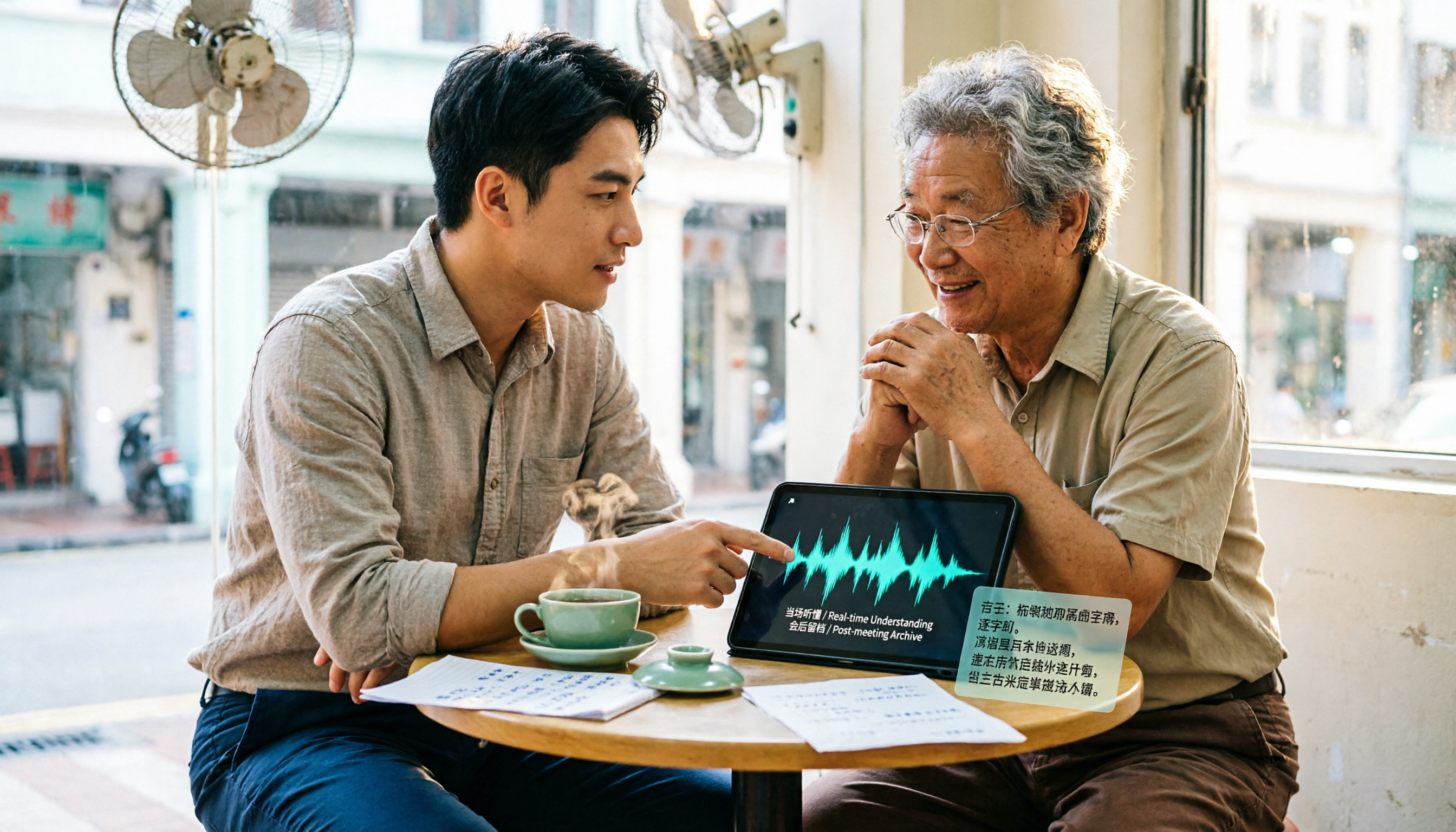
4 Cantonese Real-Time Translation Tools Tested for 2026: Which One Understands and Translates Accurately?
Cantonese real-time translation actually serves two different needs: understanding on the spot and keeping a record afterward. Choosing the wrong tool makes everything feel cumbersome. This article starts from real usage scenarios and compares Tinrec, Google Translate, Love Cantonese, and PLAUD recording hardware, summarizing key buying factors, common pitfalls, and suitable users to help you choose right the first time.

2026 Courtroom Audio Transcription Tools Compared: A Transcript Must Work as an Evidence Attachment
Turning a hearing recording into usable court documentation isn't just about converting speech to text. Starting from the actual requirements for evidence attachments, this article compares Tinrec, Granola, TurboScribe, and Otter.ai on speaker labels, timestamp jump-back, legal terminology recognition, and team data handover, and outlines the 4 most common pitfalls to help you decide where to allocate your budget.

2026 4 Voice Recorder Comparison: Which AI Summarization Actually Saves Post-Meeting Time?
A mid-level manager who attends over ten meetings a week shares hands-on testing: in 2025, voice recorders have evolved from 'just recording' to 'helping you organize.' This article covers key buying factors, the top pick Tinrec, brief competitor reviews, and a guide to avoiding pitfalls—helping you decide which one to buy and whether to upgrade.
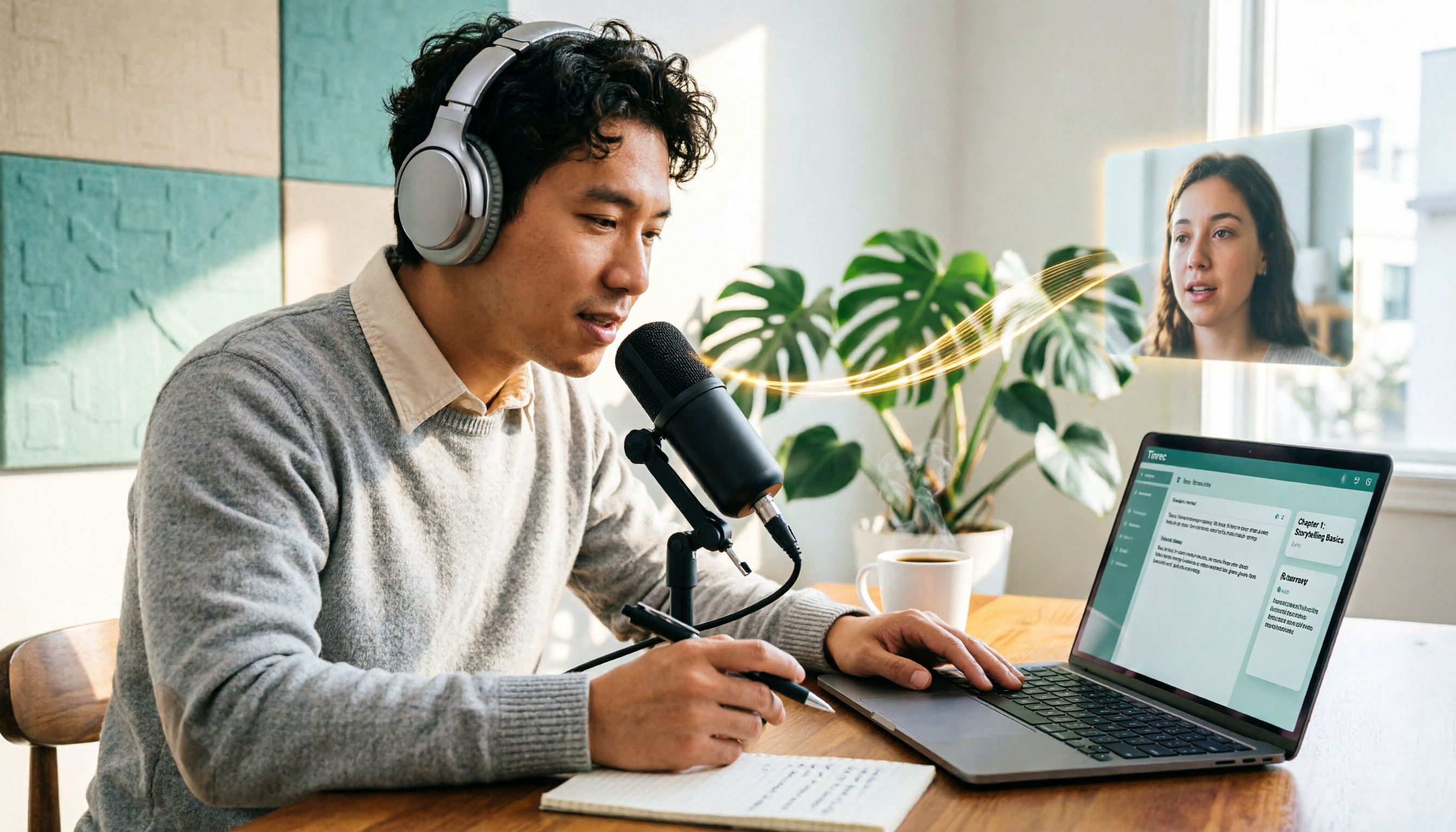
5 Podcast Transcription Tools Tested: Link Parsing, File Upload, or Live Transcription—Which Saves the Most Time in 2026?
How do podcasters choose a recording-to-text tool? This article breaks down five workflows—link parsing, file upload, live recording, online meeting capture, and team collaboration—and uses Tinrec as an example to explain transcripts, AI summaries, chapters, Q&A, and export options, plus buying tips and FAQs.

2026 Comparison of 3 Interview Transcription Tools: Tinrec vs. Notta vs. Subanana — Which Helps Journalists Meet Deadlines?
The biggest pitfall in interview transcription isn't AI accuracy—it's choosing the wrong type of tool from the start. This article, from a journalist's actual workflow, compares Tinrec, Notta, and Subanana on interview format coverage, post-interview organization, Chinese terminology, audio retention, and free quotas, with team plan seat and pricing details, to help you save time before deadline.
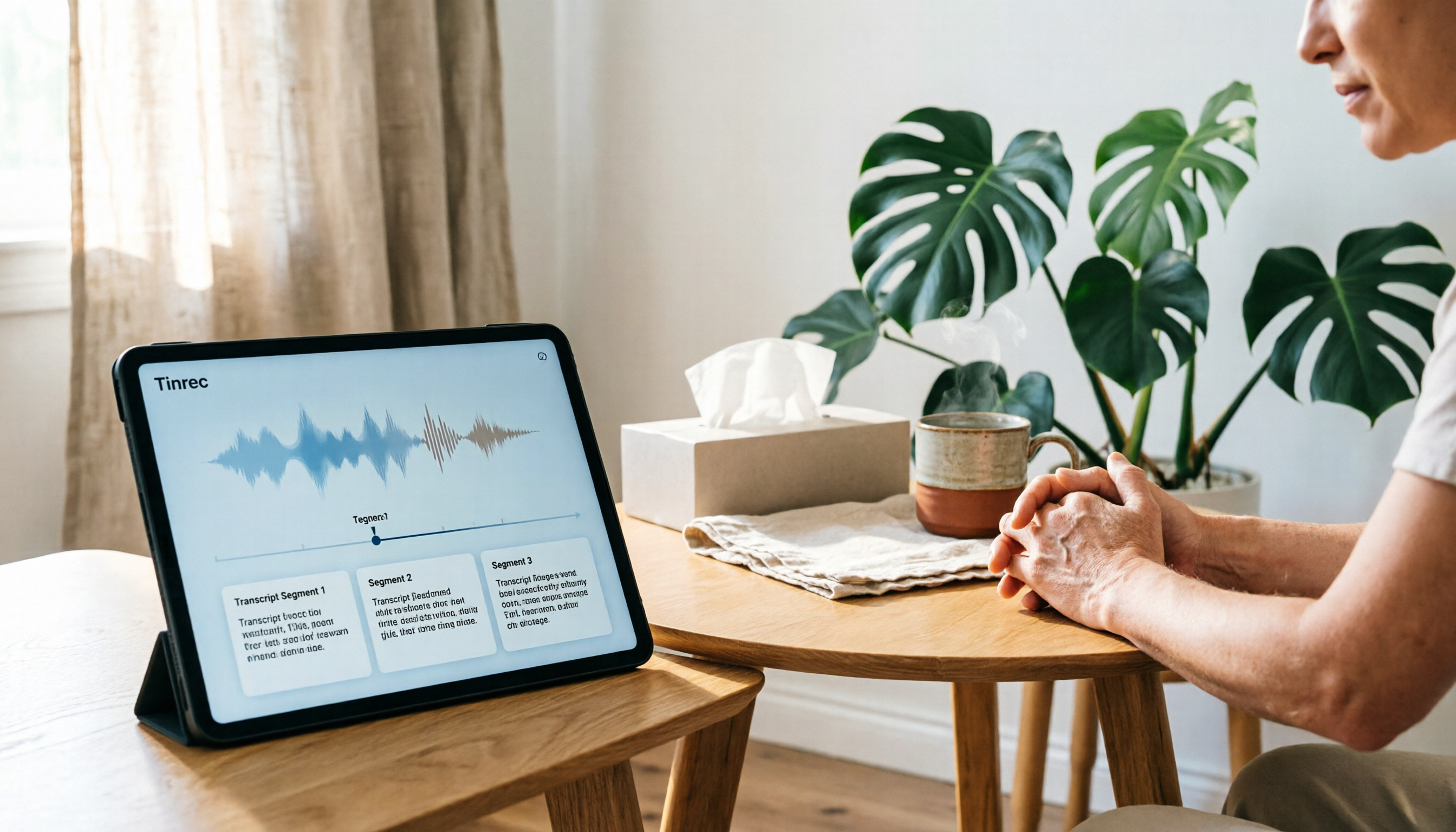
4 Recording and Note-Organization Tools Compared for 2026: How Should Therapy Session Recordings Be Organized?
Can therapy sessions be recorded, and if so, how should the recordings be organized? This article starts with three common misunderstandings, breaks down four key points—scope of consent, confidential storage, post-transcription usability, and Chinese terminology—and compares Tinrec, Notta, Otter.ai, and Granola in terms of their practical differences and pitfalls to avoid in therapy recording and note-taking scenarios.

2026 Guide to Choosing a Subtitle Generator for Content Creators: 3 Tools Tested and Recommendations
Starting from the real needs of campus projects and club videos, this guide outlines 4 key points content creators should consider when choosing a subtitle generation tool. It tests Tinrec's transcription and post-meeting organization workflow, and compares the use cases and limitations of YouTube's built-in captions, VideoCaptioner, and TurboScribe, concluding with selection advice for students and small teams.

4 Screenwriting Audio-to-Text Tools Tested: Which One Saves the Most Time on Dictated Scripts in 2026?
Screenwriting often starts with speaking: dictating outlines, brainstorming in writers' rooms, interviewing real-life subjects. This article tests 4 audio-to-text tools in real screenwriting scenarios—from mixed Chinese-English recognition, post-meeting organization, recording online script meetings without bots, to team knowledge retention—to tell you which one truly saves time on transcripts, and how to choose based on different budgets and needs.

Tinrec vs Otter.ai 2026: 5-Dimension Comparison for Chinese Speech-to-Text
2026 speech-to-text tool comparison focusing on Tinrec and Otter.ai across five dimensions: Chinese recognition, meeting recording, post-meeting organization, team collaboration, and pricing. Based on real meeting pain points, this article helps you decide which tool is better for Chinese meetings and team knowledge retention.