
Turn recordings into transcripts and summaries in minutes
Upload audio or video for multilingual transcription, AI notes, and action items
Always struggling to take notes during meetings? You want to rely on Google Speech-to-Text, but find the developer interface too complex or encounter file length limits? For multilingual meetings or hour-long interviews, simple speech-to-text can no longer meet the demands of efficient work—you still spend a lot of time re-listening and organizing afterward.
This article will take you deep into the speech-to-text features and real limitations of Google Cloud Vertex AI, and through a six-dimension comparison table, break down the pros and cons of different solutions on the market. We'll also provide step-by-step tutorials and FAQs to help you make an informed decision.
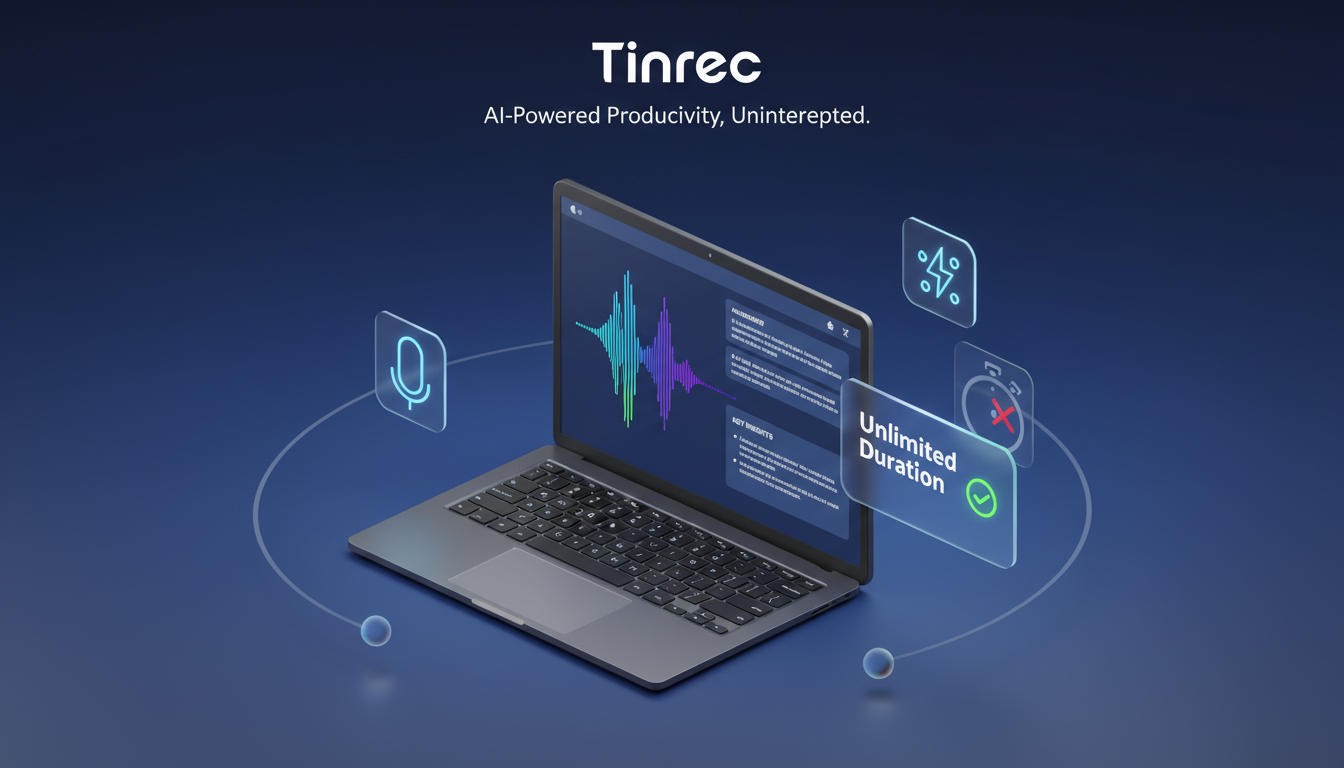
Quick Navigation Conclusion: If you are a developer with programming skills, needing to integrate APIs or handle very specialized audio, we recommend using the Google Cloud solution directly. If you are an office worker, student, or content creator who values 'ready-to-use meeting minutes and action items,' then we suggest prioritizing modern recording assistant tools like Tinrec that offer multi-device sync and AI summarization.
Current State and Pain Points of Google Speech-to-Text (Vertex AI)
According to Google Cloud official documentation, using Vertex AI Studio for speech-to-text is a powerful tool designed for developers. It employs the advanced Chirp model, which can accurately recognize speech in multiple languages.
However, for general users without a technical background, this process has several obvious pain points and barriers:
- High learning curve: Users must log into the Google Cloud console, navigate to Vertex AI, and be familiar with the developer interface.
- Strict file limits: In the basic Vertex AI Studio interface, uploaded audio files cannot exceed 60 seconds in length and must be under 10 MB in size.
- Single format requirement: The system currently only supports 16-bit linear PCM WAV files, meaning common phone recordings in MP3, M4A, etc., need to be converted first.
- Lack of downstream applications: The system only converts speech to text; for long transcripts, users still need to extract meeting conclusions and action items themselves. (Note: For transcribing files up to 8 hours long, Google recommends using the more advanced Speech-to-Text feature, but this typically requires API integration skills.)
2026 Speech-to-Text Tool Comparison: Google vs Common AI Assistants
To help you choose the right tool, we compare Google Cloud solution, traditional transcription software, and the workplace-focused AI recording assistant Tinrec:
| Comparison Dimension | Google Cloud (Vertex AI Studio) | Traditional Transcription Software | Tinrec (Instant Recording) |
|---|---|---|---|
| Target Users | Developers, enterprise IT staff | Transcriptionists, students | Office workers, students, creators, enterprise users |
| Language Support | Multilingual (Chirp model) | Depends on software | Supports 10 languages including Chinese, English, Japanese, Korean, Taiwanese, etc. auto-detection |
| File and Duration Limits | UI: 60 sec / 10 MB (WAV only) | Usually unlimited but very slow | Supports long recordings, free plan up to 100 min/month |
| Summary and Action Item Generation | None, only plain text transcript | None | Auto-generates meeting minutes, conclusions, and action items |
| AI Conversation Query | Requires separate LLM integration | None (Ctrl+F only) | Built-in semantic AI chat, direct questions to recording |
| Multi-platform Integration and Export | Depends on developer's own setup | Offline export TXT/Word | Supports iOS, Android, web, multiple export formats |
Stop organizing recordings by hand
Upload audio or video and automatically get a transcript, summary, and action items
Tinrec In-Depth Review: More Than Transcription—A Meeting Decision Engine
If your core need is to get key points immediately after a meeting or generate notes right after class, simple transcription tools usually only solve half the problem. Compared to services that only provide raw transcripts, Tinrec is designed as a complete solution covering recording, understanding, and action.
1. Beyond Pure Text: Auto-Generated Decision Summaries
Traditional recordings have extremely low information density and high re-listening costs. This tool transforms lengthy time-based content into scannable, searchable, actionable text. Upon transcription completion, the system automatically extracts action items and meeting conclusions, ensuring project discussions don't end when the meeting ends.
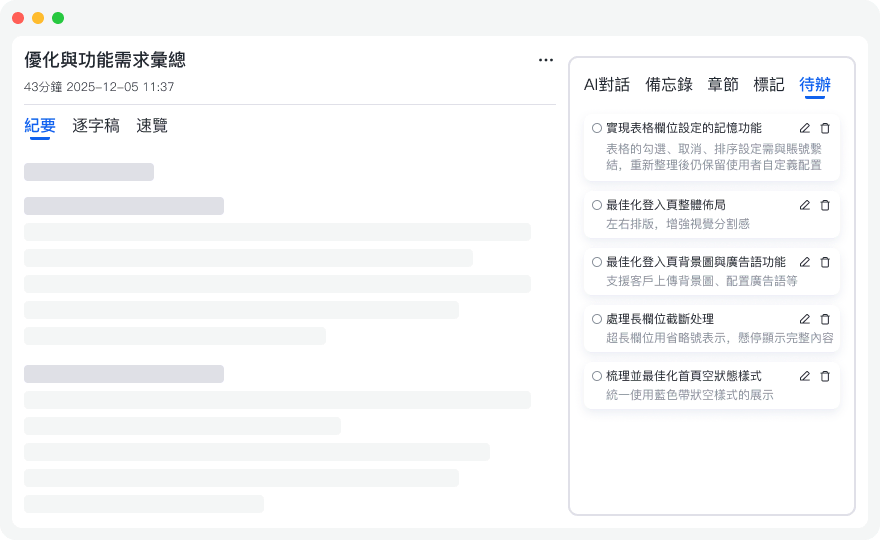
2. Query Recording Content Like Asking a Person
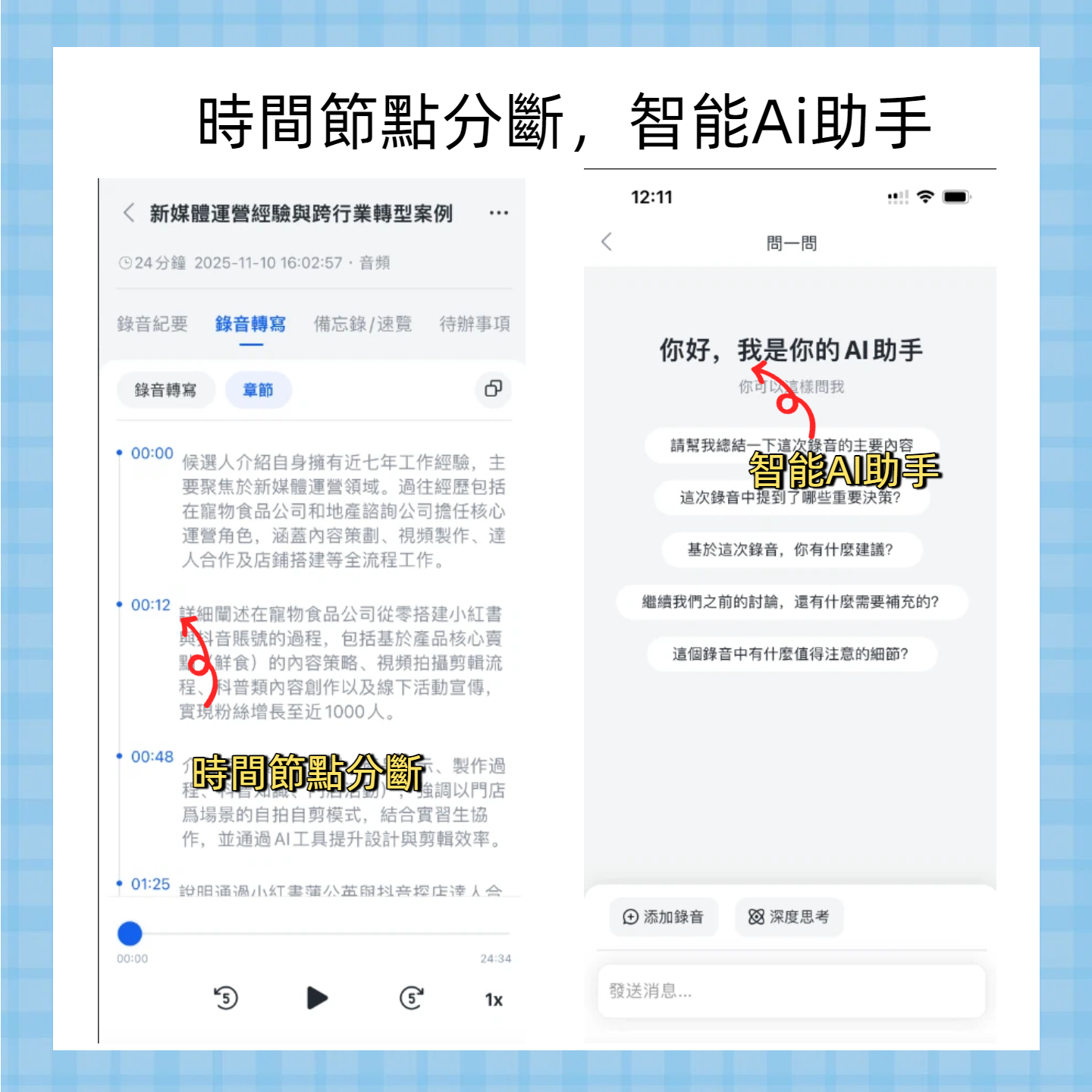
In the past, with a transcript, you could only use Ctrl+F to search keywords. With the built-in AI chat query, users can directly ask questions about the recording, like 'What was the budget limit the boss mentioned?' The system automatically searches and answers, greatly reducing fatigue from reading long texts.
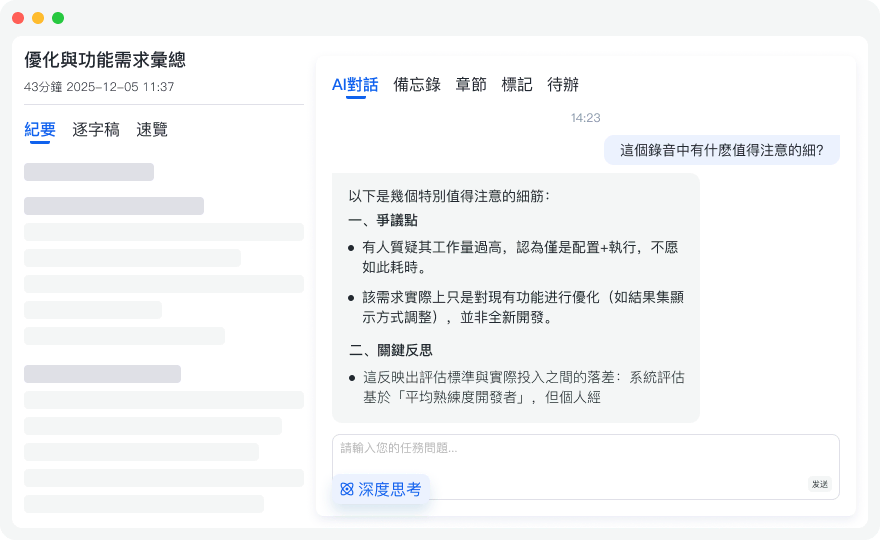
3. Multilingual Support and Seamless Cross-Platform Integration
For international meetings or overseas online courses, the tool supports auto-detection of 10 languages including Chinese, English, Japanese, Korean, even Taiwanese and Cantonese. Additionally, it supports multi-device sync across iOS, Android, and web, reducing friction when organizing materials across devices.
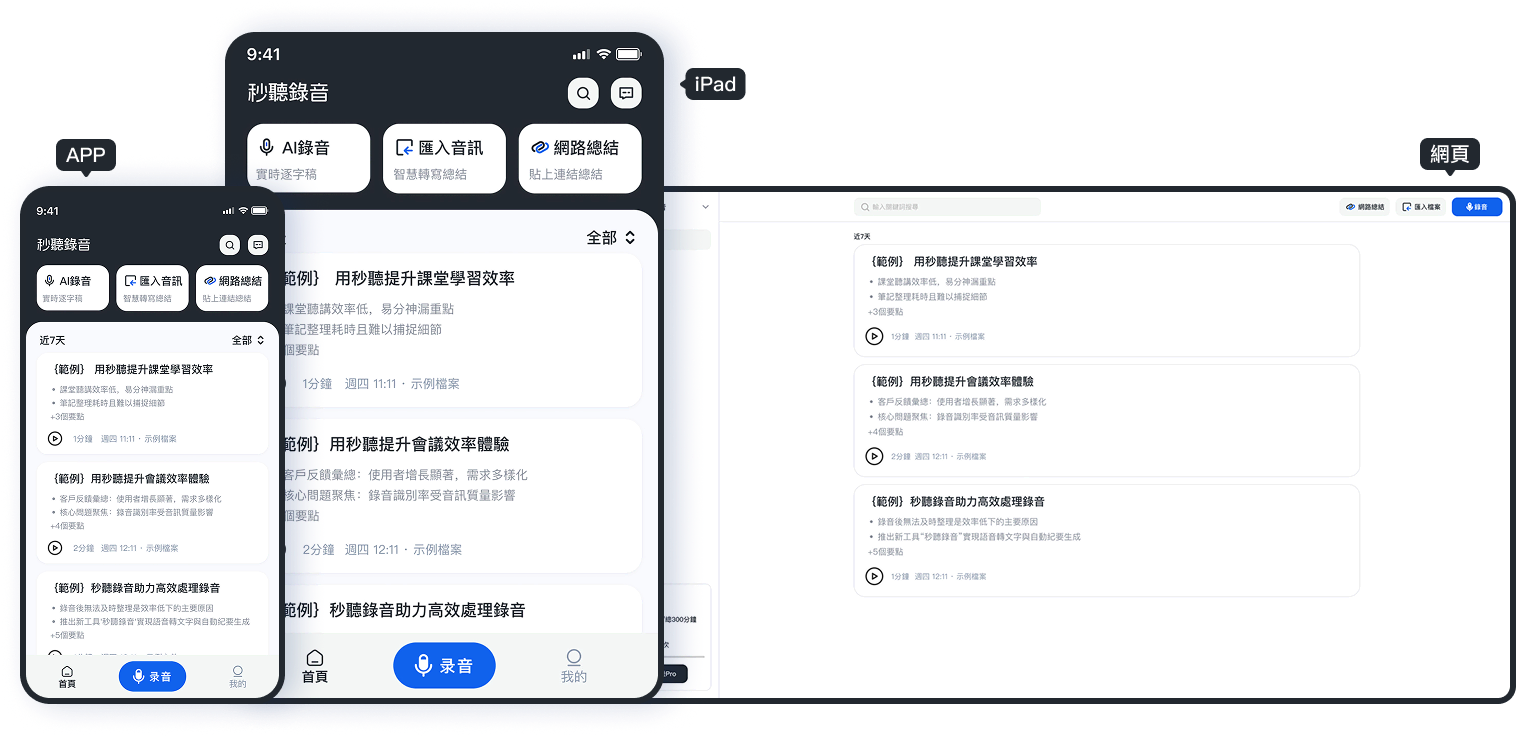
Hands-on Tutorial: 4 Steps to Quickly Transcribe Voice and Video
Below, using Tinrec as an example, we provide specific steps for the four most common scenarios in work and study:
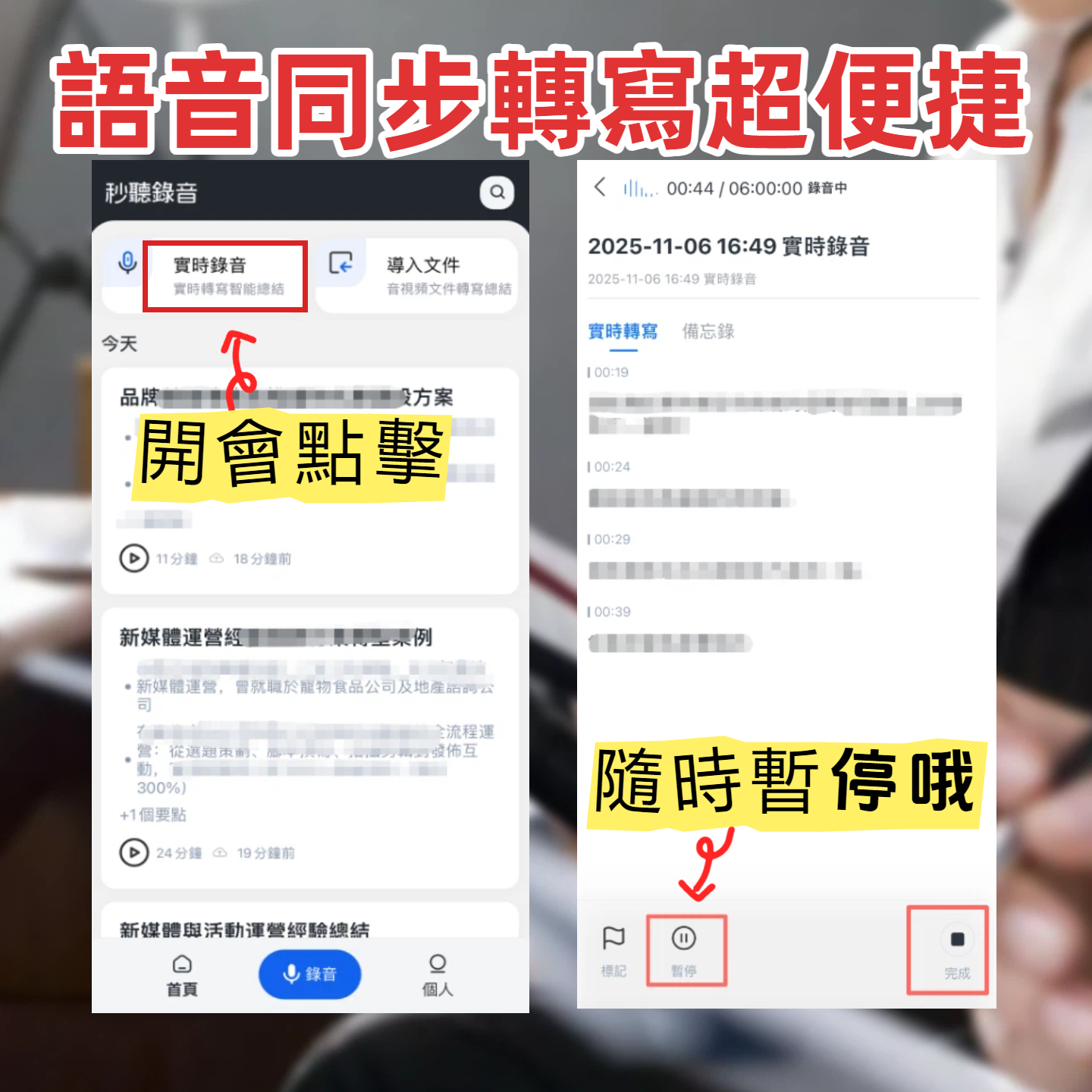
Task 1: Real-Time Transcription (for in-person meetings, classes)
- Open the mobile app or web client and go to the homepage workspace.
- Click the 'Start Recording' button; the system will perform real-time speech recognition.
- During recording, you can see text appearing in real time, so you can track progress without waiting.
- After recording ends, the system automatically generates meeting minutes and a to-do list.
Task 2: Audio File to Text (for interview recordings, old meeting records)
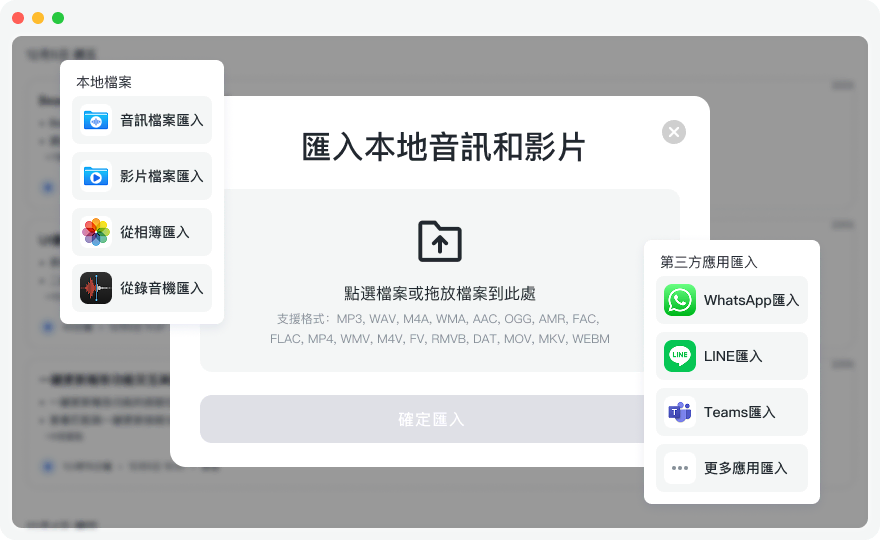
- Go to the 'Audio File to Text' section.
- Upload your existing audio file (supports multiple common formats, not limited to WAV).
- The system auto-detects the language and starts transcription.
- After conversion, besides the transcript, you can export in multiple formats with one click.
Task 3: Online Video/Podcast to Text (for self-study, content creators)
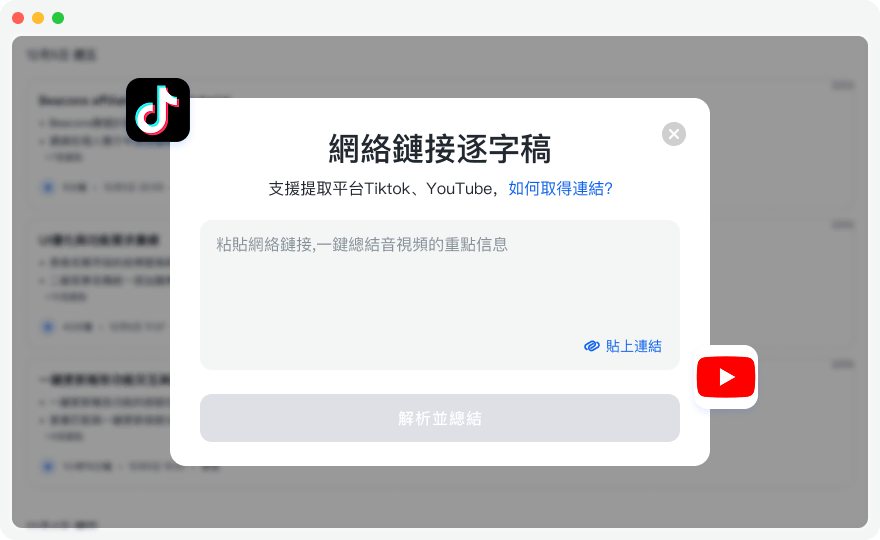
- Copy the link of the YouTube video or podcast you want to process.
- Go to the 'Video to Text' interface and paste the URL.
- The system automatically parses the link, extracts the audio track, and converts it to text.
- With the generated AI summary, grasp the essence of a one-hour video in minutes.
Task 4: Using AI Chat Query to Dive into Key Points
- Open any completed transcription file.
- Click the AI smart chat window on the side.
- Enter your question, e.g., 'What are the three core concepts mentioned in this class?'
- The AI will instantly extract precise answers from the recording context and mark the corresponding timestamps.
Frequently Asked Questions (FAQ)
Q1: Is there a free tier for Google Speech-to-Text?
Google Cloud offers trial credits and some free usage for developers, but requires a credit card and technical account. If you're looking for an out-of-the-box solution, Tinrec offers a free plan with up to 100 minutes per month, which is very friendly for light recording needs.
Q2: Can I record and transcribe directly on iPhone?
Yes. Compared to solutions limited to desktop, modern cross-platform recording assistants typically support iOS. Simply record using the mobile app, and the cloud will automatically generate a transcript and AI summary.
Q3: Can I get real-time transcription during Teams or Google Meet meetings?
If you're using a computer for Teams or Meet, you can use the web tool's real-time recording feature to capture the computer's audio, or directly upload the cloud recording file downloaded after the meeting to quickly generate meeting minutes and action items.
Q4: What if the uploaded audio file is too long? Will it be cut off?
If using the basic interface of Google Cloud Vertex AI Studio, there is a 60-second limit. With professional AI tools, long interviews are fully supported, converting audio files over an hour into complete reports with paragraph breaks.
Q5: Does the exported transcript support multiple languages?
Mainstream advanced models (including Google's Chirp and top AI tools on the market) have multilingual processing capabilities. Using the tool introduced earlier as an example, it supports auto-detection of up to 10 languages including Chinese, English, Japanese, etc.
Q6: After transcription, how can I quickly find specific discussion points?
This is the pain point of traditional tools. We recommend choosing a solution with 'AI summary' and 'chat query' features, letting the AI proactively extract key points and to-do lists, so you don't have to read the entire document word by word.
Turn every recording into actionable outcomes
Get 60 free transcription minutes when you sign in. No credit card required.
Related Reading
You might also like
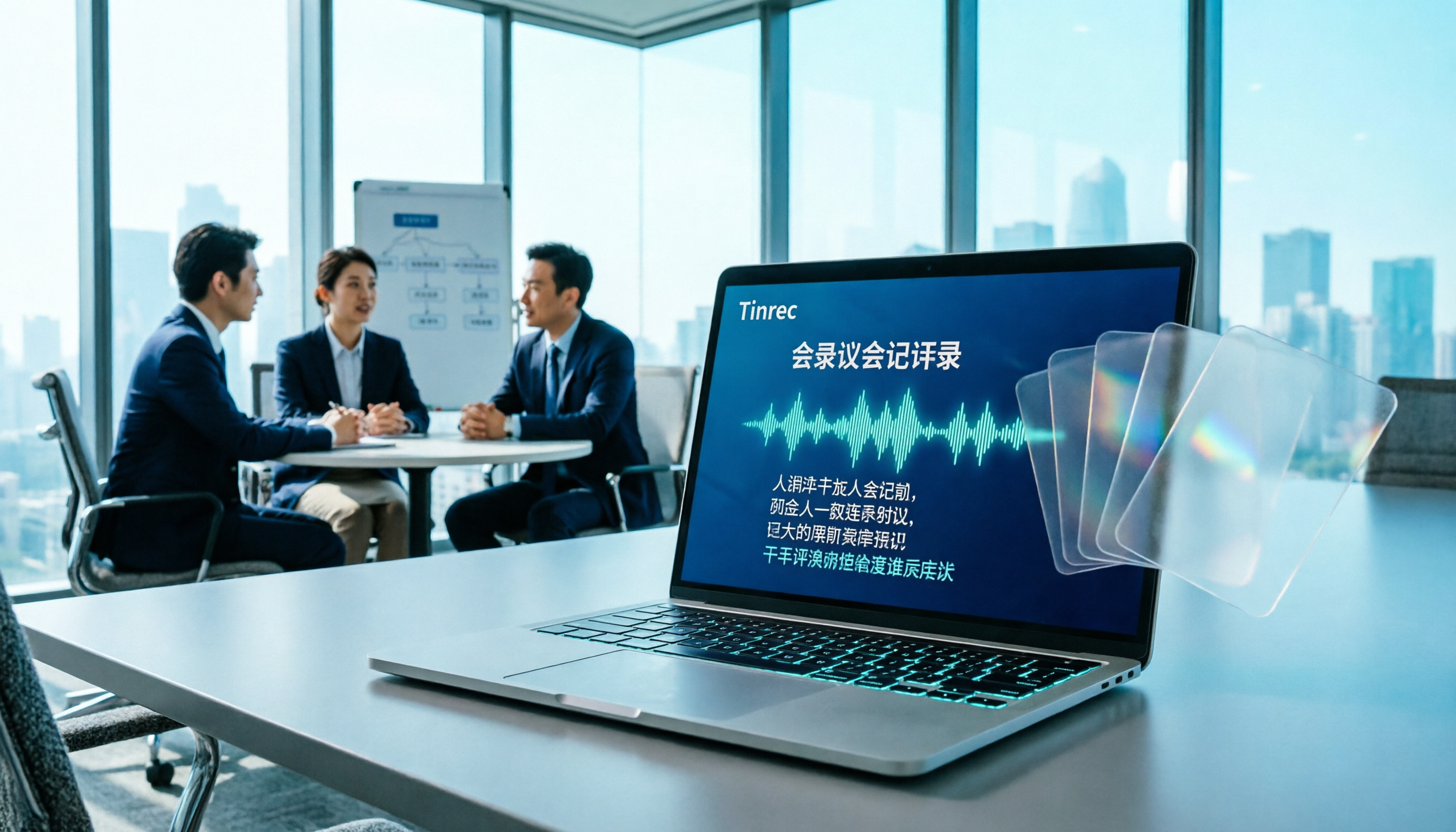
Tinrec vs Notta 2026: 5-Dimension Comparison - Which Is Better for Chinese Meeting Notes?
Spending two hours in a meeting and another two organizing the notes? This article compares Tinrec and Notta across 5 dimensions to help you decide which online AI meeting notes app suits Chinese users best, with tips to avoid common pitfalls and buying advice.

2026 Free AI Meeting Minutes Solutions: 3 Tools Compared
Tired of spending two hours on meeting notes? This hands-on review from a mid-level manager's perspective covers the free plans of Tinrec, Otter.ai, and Notta, helping you decide which fits your meeting habits best.
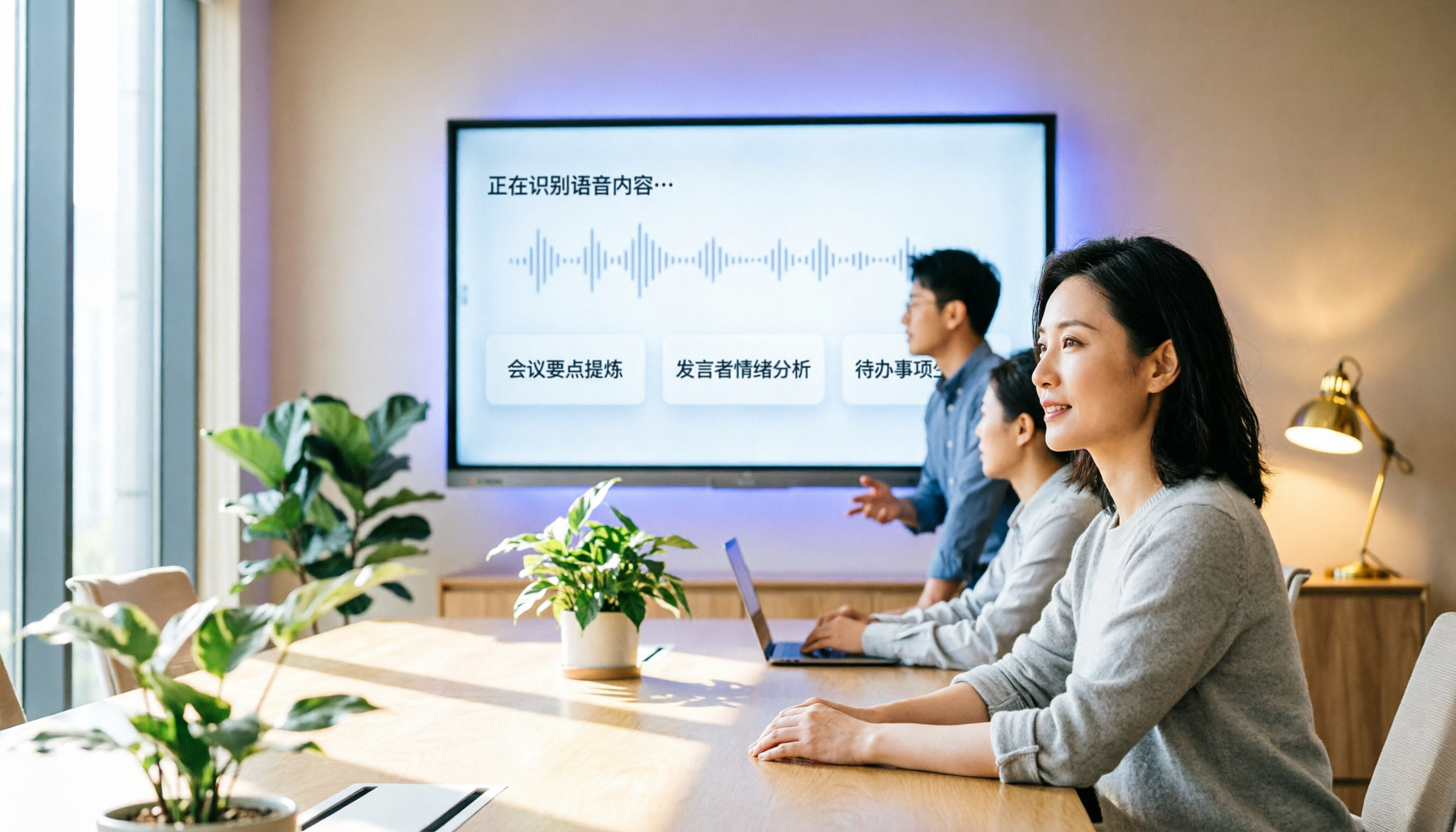
5 Best AI Meeting Minutes Platforms in 2026: A Hands-On Comparison for Chinese Meetings and Team Collaboration
Tired of manually replaying and transcribing meeting recordings? This article compares 5 AI meeting minutes platforms—from Tinrec to Notta, Otter, Fireflies, and Granola—covering free plans, core features, and ideal use cases to help you find the most time-saving meeting tool.

2026 Review of 5 Online AI Meeting Minute Tools: How Tinrec Turns Meetings into Searchable Assets
Tired of spending hours on meeting notes? This hands-on review, featuring Tinrec's instant recording, compares 5 common online meeting minute solutions, covering bot-free recording, AI summaries, action items, and team spaces to help you pick the right tool.

The Complete Guide to AI Meeting Notes in 2026: Comparing 5 Tools and Refining Your Selection Criteria
Taking meeting notes is time-consuming and easy to miss key points? This article tests 5 AI meeting note tools including Tinrec, from bot-free recording, Chinese transcription, AI Q&A to team spaces, helping you refine your comparison criteria and choose the right tool to boost productivity.

5 Best AI Meeting Recorders Tested in 2026: Which One Works Best for Chinese Meetings and Team Collaboration?
Struggling with meeting notes and post-meeting cleanup? This hands-on comparison of 5 AI meeting note tools, led by Tinrec, covers bot-free recording, Chinese transcription, AI summaries, and team collaboration to help you decide which one is worth it.

2026 Tinrec Smart Meeting Minutes Review: Cantonese Transcription, AI Auto-Generated To-Dos
Tired of spending hours after meetings transcribing recordings? We tested Tinrec, a smart meeting minutes app that uses AI to save you overtime. It supports Cantonese transcription, auto-generates to-dos, and can record online meetings without a bot.

2026 Smart Meeting Minutes Tools Compared: Hands-On Test of 5, Why Tinrec Is Our Top Pick
Spending two hours in a meeting and another two hours writing up the minutes? This article evaluates Tinrec, Otter.ai, Notta, PLAUD Note, and others based on practical criteria like bot-free recording, Chinese transcription, AI post-processing, and team collaboration, to tell you which one is most worth using.

The Complete Guide to AI Meeting Notes Apps in 2026: Auto-Generated Summaries, Action Items, and Team Collaboration
This guide starts by addressing common pitfalls, helps you understand the key factors in choosing an AI meeting notes app, and shares hands-on experience with Tinrec (秒听录音) on how it uses bot-free recording, AI summaries, and team collaboration to save you time after meetings.