

Turn recordings into transcripts and summaries in minutes
Upload audio or video for multilingual transcription, AI notes, and action items
2026 Real-World Comparison of 4 Simultaneous Interpretation Apps: Which One Also Handles Post-Meeting Cleanup?
The Pain Point of Cross-Language Meetings Is Not Just "Not Understanding"
The biggest fear in international meetings is not completely failing to understand, but only catching half of the key decisions. The other party speaks quickly, with an accent, and you listen while guessing. After the meeting, you have to rely on memory to organize notes, often missing the most important action items.
Another scenario is an online meeting that ends with no transcript, no summary, and no one remembering the action items—just a bunch of scattered messages in the chat. If simultaneous interpretation software only handles real-time translation, you still have to manually redo everything after the meeting, which just delays the problem.
This comparison looks from "real-time translation" all the way to "can you use it directly after the meeting" to help you find the right choice for meetings and team collaboration.
Before Choosing Simultaneous Interpretation Software, Understand These 4 Key Points
1. Can real-time translation be viewed together with the transcript? Some tools only give you translation bubbles that disappear when the meeting ends; others keep the original text, translation, and bilingual transcript on the same screen. For those who need to review later, the latter is what matters. Tinrec lets you view the original, translation, or bilingual content during recording, and you can search the transcript afterward.
2. Can post-meeting outputs be acted on directly? Real-time translation only solves "understanding now." Summaries, chapters, and action items determine whether you can "use it after the meeting." If a tool only translates without summaries and action items, you still have to redo the meeting notes. Tinrec places summaries, chapters, action items, and AI Q&A in the post-transcription workflow—this is what sets it apart from pure translation tools.
3. Does input coverage include online, offline, and historical files? Meetings don't happen in only one scenario. Today it might be a Zoom online meeting, tomorrow an offline interview, and the day after you need to organize old recordings. Tinrec covers real-time recording, bot-free online meetings, and audio/video file import, making it more complete for meeting scenarios.
4. Team data ownership and permissions. Personal accounts and team spaces are two different things. Teams need meeting assets that can be handed over, searched, and audited—not data that leaves with individuals. Tinrec's team version keeps meeting data in a team space and manages usage rights with roles and seats.
5. Cost should be viewed by "task," not just monthly fee. Occasional use: free version. Short-term high frequency: weekly pass. Steady use: Pro. Team collaboration: team version. Tinrec's personal and team versions are differentiated by usage task, not just price.
Tinrec — The Top Pick in This Comparison
Tinrec is an AI meeting notes and collaboration tool for individuals and teams, supporting desktop, web, and mobile. It's not just a "translate" button; it breaks cross-language meetings into three stages: record, understand, act.
The first stage is recording. The desktop version can directly capture computer system audio, handling sound from Zoom, Google Meet, Microsoft Teams, Webex, and other online meetings playing on your computer without inviting an extra meeting bot. After the user initiates recording, meeting content is transcribed in real time; during recording, you can view the original, translation, or bilingual content—for cross-language meetings, this means real-time translation and transcription happen simultaneously. This differs from tools that only provide a translation window because after the meeting, the transcript remains in Tinrec.
The second stage is understanding. After the meeting, Tinrec generates AI summaries, chapters, and key points, and extracts action items from the discussion. You can ask questions directly about the meeting content, such as "What specification was the client most concerned about?" or "Who is responsible for next week's proposal?" It doesn't just return keyword search results; it answers based on meeting semantics. This is especially useful for post-meeting organization because what most people lack is not text, but quickly finding decisions and actions.
The third stage is action and collaboration. Transcripts, summaries, and action items can be exported to common formats and taken to Notion, Google Docs, OneNote, Dropbox, and other tools for further processing; Agent post-processing can also generate reports, tables, and documents. For team use, the team version provides an independent team space where members can view historical meeting data, and administrators can manage roles, seats, sharing rights, usage, and audit logs. The team version's first eligible trial is 7 days, 1 free seat, and 300 minutes of team shared import quota; paid seats are USD 29.80 per month or USD 199 per year, equivalent to about USD 16.58/month. Under an active team plan and active seats, real-time recording currently does not deduct minutes; file and web imports use the team shared quota. Actual prices and benefits are subject to the official purchase page.
Stop organizing recordings by hand
Upload audio or video and automatically get a transcript, summary, and action items
We tested a mixed Chinese-English meeting recording in Tinrec. The transcript can be searched and switched between bilingual views, and post-meeting summaries and action items can be organized directly. Actual accuracy is still affected by microphone, ambient noise, accents, overlapping speakers, and technical terminology, so we do not recommend treating any tool as 100% accurate; important content should still be verified against transcript timestamps and recording playback.
Pros: First, bot-free desktop recording is friendly for teams that don't want an extra meeting participant. Second, the post-meeting workflow is complete—from transcript, summary, action items to AI Q&A all in one tool. Third, the team version retains meeting data, so when members change, data still belongs to the team and doesn't leave with individuals.
Limitations: The free version provides basic quota; heavy users need to pay. Real-time translation does not promise a fixed accuracy rate; for cross-language meetings, we still recommend verifying against the transcript. If you only occasionally travel and ask for directions, this type of meeting-level tool may exceed your needs.
Who it's for: People who frequently hold Chinese or mixed Chinese-English meetings, need to see bilingual content while recording, want to directly produce summaries and action items after meetings, or want to put meeting data into a team space.
TechTalk hands-on rating: 8.8/10.
Besides Tinrec, What Other Options Are There?
Google Translate: Free, ubiquitous, convenient for temporary short phrases or travel directions. But it is essentially a general translation tool, not a meeting notes workflow; if you need transcripts, summaries, action items, AI Q&A, and team data retention, Tinrec's post-meeting processing is more aligned. Suitable for those with zero budget who only need real-time short phrase translation.
iFlytek Simultaneous Interpretation: Source information shows it focuses on meeting simultaneous interpretation, real-time subtitle translation, and multilingual voice simultaneous interpretation. It has a good reputation in Chinese voice scenarios, suitable for listening to lectures, watching live streams, or situations requiring subtitles. However, if you want to ask questions around the transcript after the meeting and retain meetings in a team space, Tinrec's AI Q&A and team data management are more complete.
TransGull: Focuses on AI large-model-driven simultaneous interpretation, two-way simultaneous interpretation, bilingual speaker output, and earphone listening translation. Suitable for international business talks, face-to-face bilingual conversations, courses, and lectures. Its strength is instant interpretation available right after downloading the app; but if you need to import existing audio/video, automatically generate summaries and action items, or let teams share historical meetings, Tinrec has broader coverage.
Pitfall Guide: The 4 Most Common Mistakes When Choosing Simultaneous Interpretation Software
Pitfall 1: Only looking at the number of supported languages. A high language count doesn't mean it works well for meetings. What really affects the experience is recognition of Chinese and mixed Chinese-English, accent handling, bilingual display, and whether you can search afterward. Test with your own meeting recordings, not just promotional numbers.
Pitfall 2: Treating real-time translation as post-meeting organization. Real-time translation solves "understanding now," but doesn't mean you can "find it after the meeting." If the tool has no transcript, summary, action items, and search, you still have to manually redo everything after the meeting.
Pitfall 3: Ignoring team data ownership. When an individual buys a tool, data usually follows the individual. Teams need meeting assets that can be handed over, searched, and audited; this is also the biggest difference between Tinrec's team and personal versions. Before buying, ask: After members leave, will meeting data stay?
Pitfall 4: Ignoring recording consent and regulations. Cross-language meetings often involve recording and transcription. You should comply with local laws and obtain participant consent when needed. No matter how convenient the tool is, it cannot replace compliance processes.
Conclusion: Which One Should You Choose?
In one sentence: If you want "simultaneous interpretation + directly usable after the meeting," Tinrec is the top pick in this comparison. It puts real-time translation, transcript, summary, action items, AI Q&A, and team space into one workflow.
- Need Chinese or mixed Chinese-English meetings, view bilingual transcript while recording → Tinrec.
- Don't want to invite a meeting bot for online meetings, but need post-meeting summaries and action items → Tinrec.
- Want to retain historical meetings as team-searchable, handover-ready data → Tinrec team version.
- Only need temporary travel phrase translation → Google Translate.
- Face-to-face bilingual conversations, bilingual speaker output → TransGull.
We suggest first testing Tinrec's free version quota with your own meeting recordings, or having your team go through a trial process to confirm that the transcript, translation, and post-meeting organization fit your meeting style before deciding whether to upgrade. Important decisions should still be verified against the transcript and recording playback.
References
- Best Simultaneous Interpretation Software 2025 | Transync AI vs Other Similar Software
- AI Simultaneous Interpretation - No Need to Buy a Translator, Your Phone Can Do It | TransGull
- iFlytek Simultaneous Interpretation - Meeting Simultaneous Interpretation - Professional AI Simultaneous Interpretation Equipment - Real-time Subtitle Translation Software
- Simultaneous Interpretation King - Online Simultaneous Interpretation Software - Real-time Simultaneous Translator - Fengping Information
- Conversation Translator – Multilingual Real-time Voice Translation, Earphone Simultaneous Interpretation - Google Play App
Turn every recording into actionable outcomes
Get 60 free transcription minutes when you sign in. No credit card required.
Related Reading
You might also like
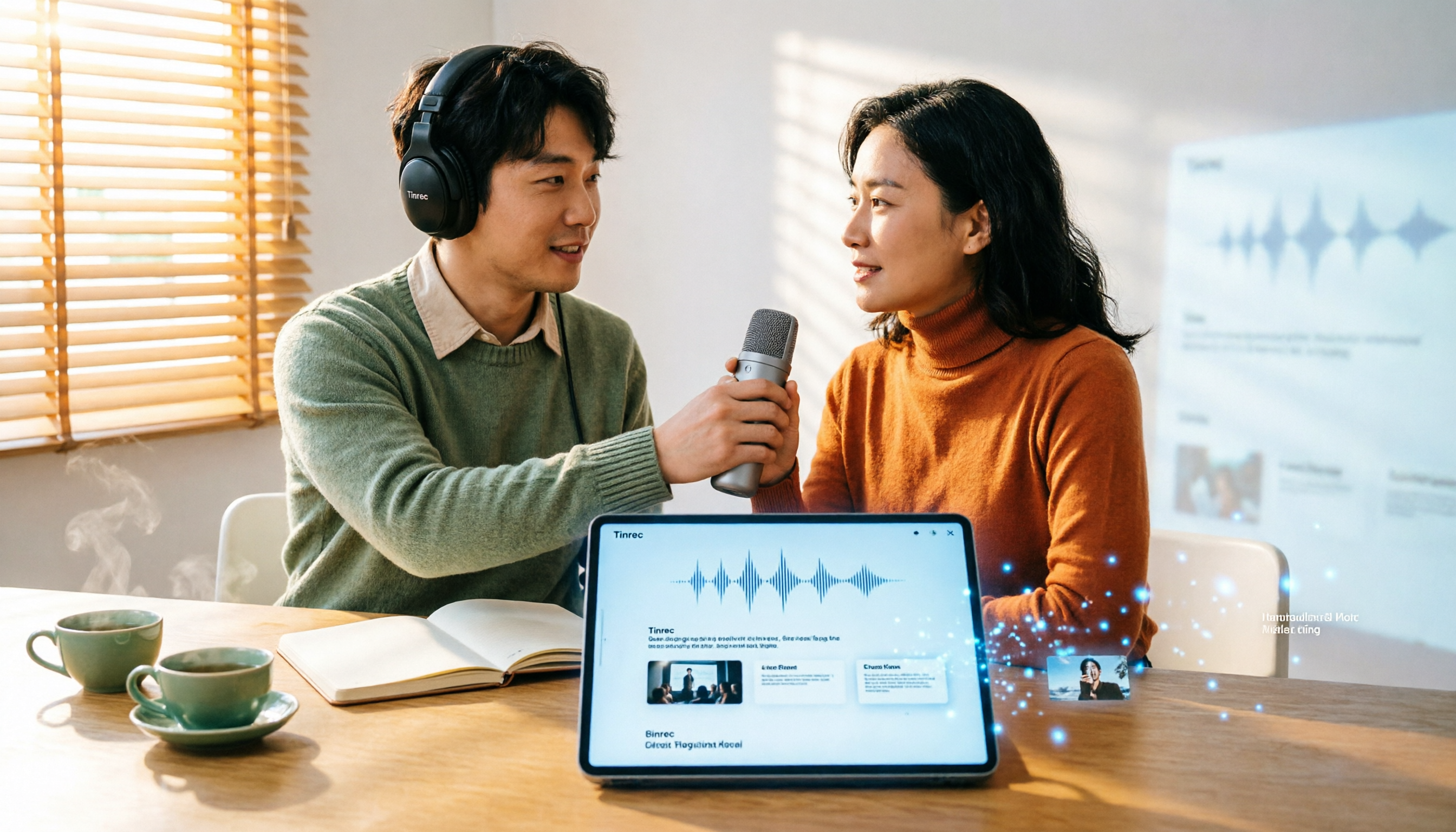
How to Turn Text into Video in 2026: From Recording to AI Video Generation
The real bottleneck in text-to-video isn't the generation—it's the text you feed the AI. This guide starts with common mistakes, then shows how to use Tinrec to turn meeting, interview, and course recordings into structured transcripts, summaries, and script material for AI video generation. Includes real-world use cases, 5 factors to consider when choosing tools, and FAQs.

4 Video Note-Taking Tools Tested: Which One Turns a 2-Hour Video Into Searchable Notes?
You watch a two-hour course and only remember the opening. You've saved 80 meeting recordings and never opened them again. The problem isn't your focus—it's your tools. This article compares four automatic video note-taking apps, breaking down how Tinrec turns videos and meetings into searchable, queryable, exportable data, and who Notta, NoteGPT, and LunaNotes are best for. It also covers four key buying factors, three common pitfalls, and scenario-based recommendations.

2026 AI Meeting Notes Showdown: Tinrec vs Otter.ai for Chinese-Language Meetings
2026 comparison: Tinrec and Otter.ai differ in five key areas—meeting capture, Chinese-language meeting experience, post-meeting workflow, recording retention, and team governance. We break down free plans and paid pricing to help teams that mainly hold Chinese-language meetings decide which AI meeting notes tool to choose.

Tinrec vs WayinVideo 2026: 5-Dimension Comparison — How to Choose for Short Video Summaries and Team Knowledge Retention
Forget short videos right after watching? This article covers 6 ways to summarize short video content, from WayinVideo, Monica, and ChatGPT transcripts to Tinrec. We compare transcripts, summaries, timestamps, AI Q&A, export options, and team knowledge retention, with selection advice and key considerations.

2026 Comparison of 2 Lecture Video Summarization Tools: Which Handles Chinese and Cantonese Lectures More Efficiently?
Should you buy hardware or use software for lecture video summarization? This article uses the same lecture video as a benchmark to compare Tinrec and PLAUD Note across five dimensions: import methods and hardware requirements, Chinese and Cantonese recognition, key point organization and AI follow-up, cross-platform and post-meeting export, and team sharing and data retention. It helps you decide which tool is better suited for organizing lecture content.

Best YouTube Video Transcription Tools in 2026: We Tested 4, and Tinrec Turns Transcripts into Team Data
Still manually organizing YouTube video transcripts? We tested 4 video transcription tools, comparing subtitle dependency, post-transcription processing, and team collaboration, and share a complete method to turn video content into searchable, queryable, and shareable data.
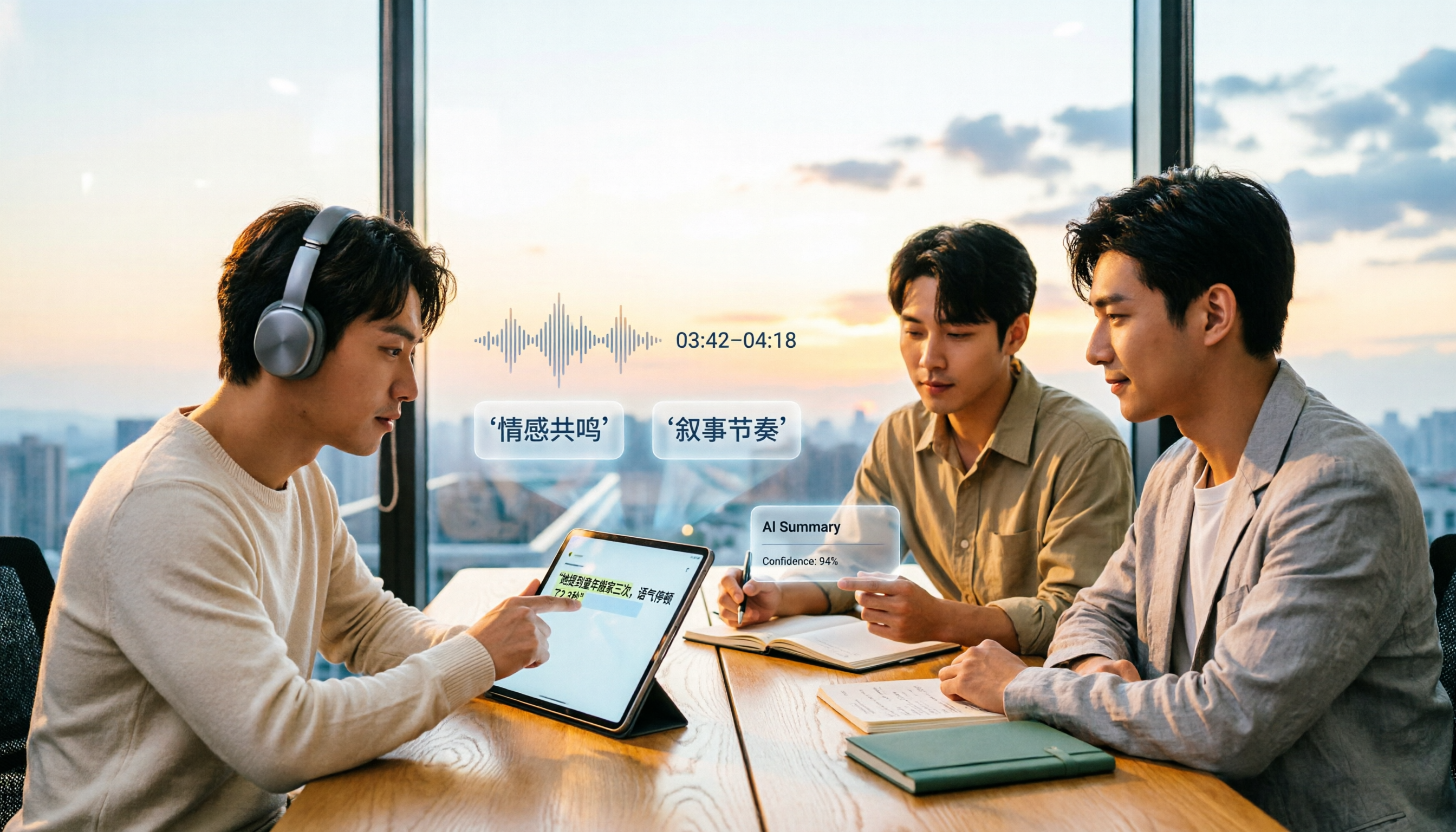
4 AI Video Summarization Tools Tested for 2026: Which Wins on Chinese Accuracy and Summary Depth?
How should you really evaluate AI video summarization accuracy? This article starts with common misconceptions, breaks down 4 practical evaluation criteria, and compares Tinrec, Notta, TurboScribe, and Granola in real-world scenarios. It explains why accuracy isn't a fixed number, how to verify summaries against source transcripts and timestamps, and where Tinrec excels and falls short in Chinese transcription, AI follow-up questions, and team knowledge retention.
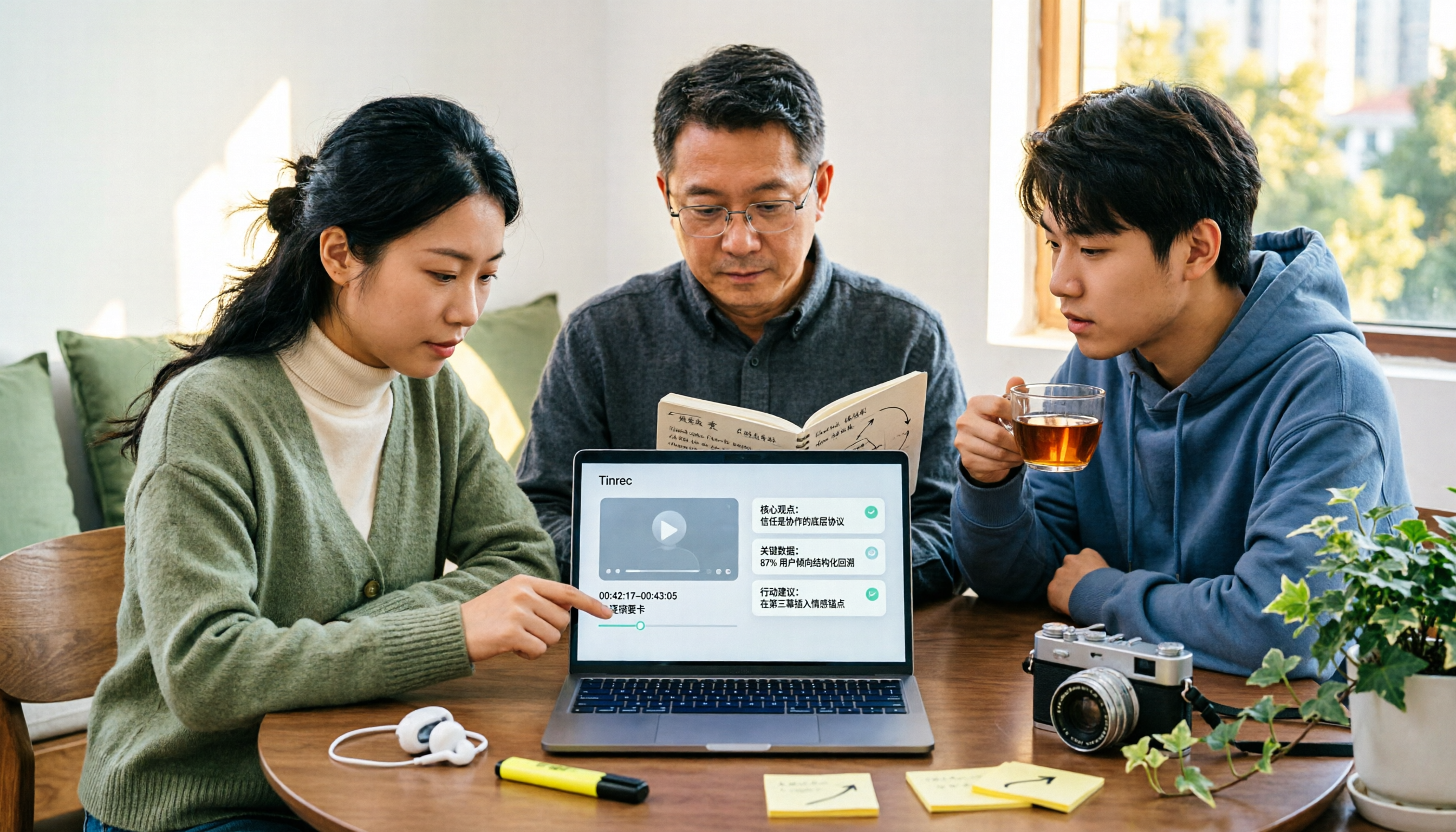
The Complete Guide to YouTube Summary Apps in 2026: How to Choose from Transcripts to AI Summaries
Can't finish long YouTube videos? Which summary app should you use? This article starts from the decision point of whether you just need a summary or need to ask follow-up questions, export, and share with a team. It covers 4 key selection criteria, common pitfalls, and compares Tinrec, YouTube Summary with ChatGPT, Notta, and TurboScribe in terms of features, limitations, and ideal users.

6 Best MP3 to Text Tools in 2026: Which One Helps You Organize and Follow Up After Transcription?
How to choose an MP3 to text tool? This article reviews 6 practical options, from Tinrec's AI Q&A and meeting organization to completely free online transcription tools. It also explains what to do after getting a transcript, helping you turn audio files into truly usable data.