

Turn recordings into transcripts and summaries in minutes
Upload audio or video for multilingual transcription, AI notes, and action items
拜访完客户,真正的苦工才开始:你需要的不是工具,是解决方案
下午三点走出客户会议室,你脑袋里还塞着预算数字、时程,还有对方随口补的那句「这部分要再问我们技术主管」。
回到公司已经五点半,桌上还有三封待回的信。那封「感谢今天拨空」的跟进邮件,你心想明天再写,然后就变成一周后。
另一种情况更常见:两个月后主管问你「客户当时对报价的顾虑是什么」,你记得对方讲过,但翻遍手机备忘录和录音档,找不到是在哪一段提到的。
团队一起跑案子时更麻烦。A 销售把拜访记录写在手机备忘录,B 销售写在纸本,客户窗口一换人,这些记录等于全部归零。
拜访客户的价值,往往不是决定在会议室里,而是看你会后多快把信息整理成能用的东西。这篇会用同一套标准,把几款常见工具放在一起比。
挑客户拜访记录工具之前,先搞懂这 4 个关键点
1. 录完音之后,它会不会帮你整理
这是最多人踩的坑。多数录音工具只负责「录下来」,转写工具只负责「变成文字」,然后呢?逐字稿躺在文件夹里,你还是得从头读一遍,才知道客户真正在意的三件事是什么。所以第一个判断点是:工具能不能直接给你摘要、章节和待办。
2. 中文客户会议的识别体验
拜访客户很少全程标准国语。中英夹杂的产品名称、产业专有名词、偶尔冒出来的台语,这些才是真实验收场景。看官方文案不如拿一段自己的会议录音去试,特别是中英切换的地方会不会整段乱掉。
3. 录音档留不留得住
要注意「转写」和「录音」是两件事。有些工具只给你文字稿,并不保留原始音档。但销售场景常需要回头核对数字、语气,甚至当作沟通记录,音档本身就有价值。
4. 是个人用,还是整个销售团队要共享
个人笔记和团队资产是两种需求。如果客户数据散在每个人手机里,一旦有人离职或换窗口,等于全部重来。团队共享要看的是:数据存在哪里、新人看不看得到历史记录、谁有权限编辑、用量怎么算。
这四点,刚好也是下面比较的核心。
Tinrec(秒听录音)——我们实测后的首选
Tinrec(秒听录音)是一款专为个人与团队设计的 AI 会议记录与协作工具,覆盖 iOS、Android 与网页版,桌面版可以直接采集电脑的系统声音,用来记录在线会议。
拜访现场:边讲边出逐字稿
见客户时开着 Tinrec 录音,文字同步产生。它的桌面版是直接采集设备系统声音,不需要把额外的会议机器人加进 Zoom、Google Meet、Microsoft Teams 或 Webex,对客户来说,会议名单不会多出一个陌生账号。它同时支持实时翻译,录音过程中可以切换原文、译文或双语查看,遇到外籍客户或原厂窗口在场时很实用。
回公司之前:摘要、章节、待办已经好了
会议结束,AI 摘要、章节重点和待办事项已经整理好。对拜访场景来说,这一步省掉的就是「回公司还要花半小时回想」的那段。你可以在车上就先看一眼待办,确认有没有漏掉客户承诺的事项。
写跟进邮件时:直接用 AI 问会议内容
这是我觉得最实用的一段。Tinrec 支持围绕会议内容做 AI 问答,你可以直接问它「客户提到哪些需求」「报价相关讲了什么」「对方的决策流程是什么」,它会依语意给你答案,而不是丢一串关键词搜索结果让你慢慢找。写跟进邮件时,等于手上有一份现成的素材库。
导出到你原本的工作流程
除了逐字稿和摘要,Tinrec 也能产出思维导图、报告、表格和文档,并导出到 Notion、Google Docs、OneNote、Dropbox 等工具继续加工。对需要把拜访记录转成提案或周报的人来说,这比再手动复制粘贴一轮实际得多。
实测条件
我们用一段约 6 分钟的中英夹杂模拟客户会议录音测试(室内环境、有背景空调声、两人对话)。中文段落表现稳定,中英切换处少数专有名词需要手动校正;AI 摘要则抓到了报价、时程与决策者三个重点。要提醒的是,转写效果会受录音质量、口音、多人抢话和专业术语影响,建议直接拿自己的一段拜访录音试,不要只看官方数字。
优点
- 录音、逐字稿、摘要、待办、问答在同一套流程里,不用东拼西凑。
- 桌面版无机器人记录在线会议,客户端不会看到多一个参会者。
- AI 问答让「会后找重点」从翻档案变成一句话的事。
Stop organizing recordings by hand
Upload audio or video and automatically get a transcript, summary, and action items
要注意的地方
免费版提供基础额度,适合偶尔整理一两段录音。个人版分成免费版、周卡、Pro 月卡与 Pro 年卡,实际价格以官方购买页为准。如果每周都有稳定会议量,周卡或 Pro 会比反复用免费额度实际。
如果是销售团队一起用,团队版是独立的团队空间,而不是多人共享一个个人账号。首次符合资格的团队试用为 7 天、1 个免费席位、300 分钟团队共享导入额度;团队月付 USD 29.80/付费席位/月,年付 USD 199/付费席位/年(折合约 USD 16.58/月),付费席位每月提供 2,000 分钟团队共享导入额度。有效团队套餐与席位下,实时录制目前不按分钟扣减,档案与网络导入则使用团队共享额度。
另外要分清楚「角色」和「席位」:角色决定谁能管理团队、成员与稽核,席位决定谁能录制、上传、编辑与导出。没有席位的成员还是可以查看、播放和阅读团队数据,只是不能执行资源使用操作。团队版另有用量分析、操作稽核记录与音频回收站。
适合什么人
如果你需要中文为主的客户会议记录、希望会后直接用 AI 找重点来写跟进邮件,或者想把拜访数据沉淀成团队共享的数据库,Tinrec 是目前最贴近这个流程的选择。
除了 Tinrec,还有哪些选择?
Granola:同样采无机器人方式的 AI 会议笔记工具,官方定价 Basic 免费、Business 每人每月 USD 14。它会把逐字稿和你的手写笔记结合,英文会议体验成熟。但要注意它不支持上传预录音频档,也不保留会议音档,如果你的拜访记录需要留存录音,或想把既有访谈档补进来,这点会卡住。Tinrec 则同时支持实时录音与音频、视频档导入,并保留音档。
Otter.ai:英文商务会议的老牌选择,免费版每月 300 分钟,Pro 年付折算约每人每月 USD 8.49。如果你的客户拜访几乎全用英文进行,它的性价比很高。不过中文与中英夹杂的销售对谈不是它的主场;Tinrec 在这类场景的识别体验、实时翻译,以及会后 Agent 产出报告、表格与文档的能力,是比较明显的差异。
PLAUD Note / NotePin:AI 录音硬件的代表,NotePin 官方定价 USD 159,会员 Starter 每月 300 分钟、Pro 一年 USD 99.99。常跑外面、需要按一下就能录的实体装置,它有它的便利。但在线会议帮不上忙,而且要记得带、记得充电。Tinrec 不需要额外硬件,手机、桌面与网页共享同一套流程,在线线下不必分开处理。
避坑指南:挑拜访记录工具最容易犯的 3 个错误
坑 1:把「自动化」当成「个人化」
有销售文章提醒过,自动化对简化流程很有效,但涉及后续追踪关心时,反而必须尽可能个人化,因为那需要你真的理解对方公司。所以不要把工具当成自动发信机,它的角色是帮你快速回想会议内容,信还是要自己写,只是写得快很多。
坑 2:只看转写,不看转写之后
如果只把 AI 会议工具当成「录音转文字」,等于只用了它三分之一的能力。真正省时间的是转写之后那一段:摘要、待办、问答、导出。
坑 3:拖过黄金的 24 小时
有商务书信教学提到,初次会面或双方刚接触后的 24 小时内发出邮件,能给对方面慎重积极的印象。也就是说,会后整理的速度几乎等于你跟进的品质。工具的价值就在这里:把整理时间从「回公司后的一小时」压缩到「走出门口的五分钟」。
另外补一个统计数字供参考:有开发经验分享指出,约 80% 的销售发生在第 4 到 11 次跟进之后。跟进不是发一封就结束,而是要有系统地记住每次谈了什么。这也是为什么拜访记录的留存方式,比单次转写准不准更重要。
总结:你到底该选哪一款?
需要中文客户会议,并在会后直接用 AI 找重点来写跟进信 → Tinrec(问答与摘要流程最完整)
在线拜访不想让客户看到多一个机器人 → Tinrec(桌面版直接采集系统声音)
手机、电脑、网页都要能用同一份数据 → Tinrec(多端共享)
拜访数据要沉淀成团队资产 → Tinrec 团队版(团队空间、席位与权限、用量与稽核)
英文会议为主、预算有限 → Otter.ai
常跑外勤、想要一台随身录音硬件 → PLAUD NotePin
可以先从免费版试起,用一次真实的拜访录音跑完整个流程,看看摘要和待办抓得准不准、AI 问答能不能帮你省下写信的时间,再决定要不要升级。
参考来源
Turn every recording into actionable outcomes
Get 60 free transcription minutes when you sign in. No credit card required.
Related Reading
You might also like
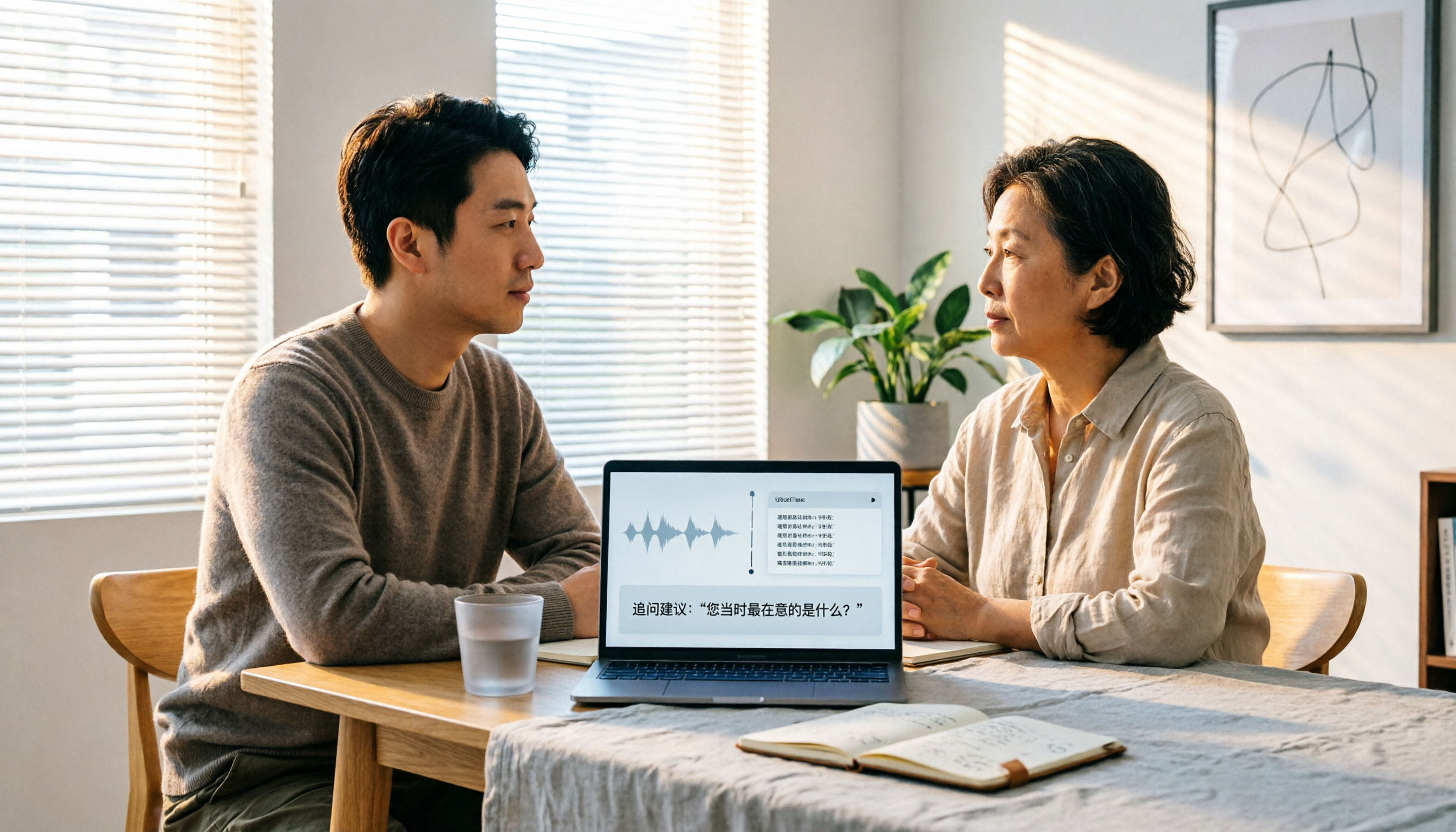
2026 User Interview AI Tools Comparison: After Transcription, Which One Helps You Ask the Right Follow-Up Questions?
In 2026, user interviews start with transcription, but that's just the beginning. This article compares 4 AI interview tools from a workflow perspective, covering live transcription, audio retention, AI follow-up capabilities, and team data ownership. It includes a ready-to-copy interview follow-up template and a pitfalls checklist to help you turn scattered interview recordings into searchable, queryable research data.

2026 User Interview Tools Compared: Which Report Template Saves the Most Time
Done with user interviews but transcripts and insights are scattered? Here's a ready-to-use user interview report template skeleton, plus a hands-on comparison of Tinrec, Notta, TurboScribe, and PLAUD Note on transcription, AI Q&A, and team collaboration—so you can pick the one that saves the most time.

2026 User Interview to Requirements Analysis: 2 AI Interview Tools Tested and Compared — Which One Uncovers Real Needs?
Finished the interview but can't turn it into requirements? This article compares Tinrec and Granola across 5 dimensions: importing existing audio files, Chinese transcription and terminology recognition, post-meeting requirements processing, output and workflow integration, and team data retention. Find out which tool is better for turning user interviews into actionable requirements analysis.

How to Turn User Interviews into a Requirements Document in 2026: A Complete 5-Step Guide
Struggling to turn interviews into a requirements document? The problem is often your recording tool. This article walks through 5 steps from user interview to requirements document, comparing Tinrec and Granola on recording retention, importing existing audio, Chinese transcription, post-meeting outputs, and team collaboration. It also covers pricing and FAQs to help you decide which tool to use.

6 User Interview Tools Tested and Compared in 2026: Which One Actually Helps You Uncover User Pain Points?
The most common mistake in user interviews is spending all your energy on "how to ask" without thinking about "how to preserve what you learn after the interview." This article starts from the pain point of post-interview organization and tests 6 interview tools that help extract user pain points, including Tinrec, Otter.ai, Notta, Granola, TurboScribe, and PLAUD. It includes pricing, free tiers, and use cases, with final selection advice from a mid-level manager's perspective.

2026 Comparison of 4 AI User Interview Tools: How to Turn Interview Recordings into Research Reports
Finished interviews but can't produce the research report? This article starts with the criteria for choosing a tool, breaks down 4 key purchasing points for user interview tools, and compares Tinrec, Otter.ai, Notta, and Granola in terms of transcripts, AI Q&A, team collaboration, and export workflows. It includes a pitfalls guide and selection advice to help you decide where to spend your budget.

4 User Interview Insight Categorization Tools Tested: Which AI Summary Saves the Most Time in 2026?
Organizing user interview insights is always time-consuming? This article tests 4 interview categorization tools, shares key purchasing factors, and uses Tinrec as an example to explain how to quickly categorize interview insights with AI summaries, chapters, and Q&A, while comparing differences with Otter.ai, Notta, and Granola.

5 Customer Meeting AI Tools Tested in 2026: Which One Actually Turns Meetings into Trackable Customer Data?
The most common failure in customer meetings isn't that they weren't recorded—it's that no one uses the recording afterward. This article breaks down the key buying criteria for 5 customer meeting AI tools in 2026, covering meeting capture methods, post-meeting outputs, Chinese language recognition, data ownership, and pricing structures. It also compares Tinrec, Otter.ai, Notta, and Granola to help you find the one that turns meetings into searchable, queryable, and transferable data.

User Interviews vs Customer Interviews: 5 Key Differences + How Tinrec Transcribes (2026 Guide)
Before planning your next interview, clarify whether you need a user or a customer—this shapes your questions and decisions. This guide compares user interviews and customer interviews across 5 dimensions: participant role, core purpose, question design, sample and timing, and documentation. It also explains how Tinrec helps turn interview recordings into transcripts, summaries, and action items, ideal for individuals and teams with high interview volume.