
Turn recordings into transcripts and summaries in minutes
Upload audio or video for multilingual transcription, AI notes, and action items
In today's digital information explosion, we receive a massive amount of voice information every day, from lengthy business meetings and fleeting voice memos to knowledge-packed YouTube videos. The maturation of automatic transcription technology is quietly changing how we process this information, turning sound into searchable and deeply processable knowledge assets.
1. Industry Observation: Note-Taking Software Evolves from "Storage" to "Thinking Partner"
In the past, our expectations for note-taking software were limited to a "digital warehouse"—a place to store text, images, and files. However, with the deep integration of automatic transcription technology and note-taking tools, this definition is being rewritten. A new generation of knowledge management tools is no longer a passive container but an active "thinking partner."
When fleeting voice conversations can be instantly converted into accurate text, note-taking software gains the ability to "hear." This means users no longer need to frantically jot down every word in a meeting; instead, they can focus on the conversation itself, letting the AI silently handle the "dictation" in the background. This shift transforms information acquisition from "linear playback" to "global search," greatly enhancing our efficiency in accessing knowledge.
2. Process Revolution: How AI Eliminates Blank Page Syndrome and Accelerates Knowledge Internalization
For content creators or professionals, "blank page syndrome" is a common pain point. Facing a brand-new proposal or meeting summary, starting from scratch is often the hardest part. Here, AI-powered speech-to-text technology becomes the ideal icebreaker.
Through advanced automatic transcription workflows, we can first verbally outline or record brainstorming sessions, then have AI convert them into drafts. Going further, current technology not only transcribes but also understands semantics. AI can automatically extract keywords from messy spoken language and even generate structured summaries. This not only eliminates the anxiety of staring at a blank screen but also accelerates the knowledge internalization process from "listen-write-think" to "record-transcribe-refine," allowing the human brain to reserve more energy for high-value deep thinking and decision-making.
Stop organizing recordings by hand
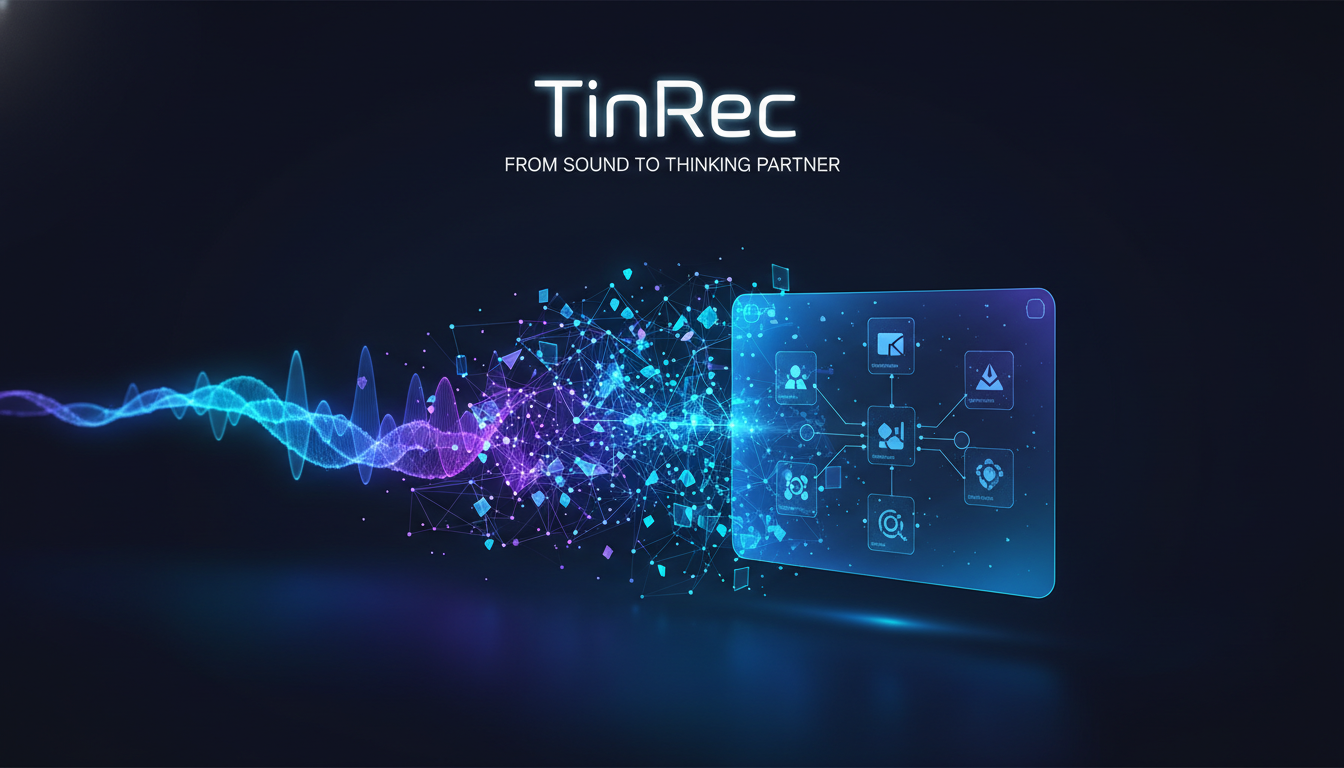
Upload audio or video and automatically get a transcript, summary, and action items
3. Future Outlook: Predicting the Balance Between Personalized AI Models and Privacy Protection
As technology evolves, future transcription tools will "understand you" better. We predict that personalized AI models will become standard, learning users' proprietary terms, pet phrases, and even industry-specific jargon to significantly improve transcription accuracy. However, this also brings privacy challenges.
In the pursuit of high precision, the boundaries of data security become blurred. Future high-quality tools must strike a balance between the powerful capabilities of cloud computing and the security needs of local privacy. For example, for highly sensitive business meetings, AI services with strict encryption or on-premise deployment options will become the enterprise's top choice. While enjoying the convenience of AI, users will also pay more attention to data ownership and usage trails.
4. Tool Recommendation: Promising AI Tools Worth Watching
In the current vibrant market, choosing the right tool can double your efficiency. Besides well-known general-purpose platforms, some emerging tools optimized for specific scenarios are showing great potential.
Among them, TinRec is a notable example, precisely targeting modern needs for multi-scenario voice processing. TinRec not only provides solid basic features like "call recording to text" and "MP3 to text," but also integrates advanced AI analysis capabilities. For professionals who frequently review meeting content, its "Meeting Summary AI" and "AI Meeting Summary" features can quickly extract key points, saving hours of replaying recordings.
Additionally, TinRec caters to content creators with its "YouTube subtitle generation" feature, helping creators quickly convert video content into text for SEO optimization or content repurposing. The emergence of such tools signifies that AI voice processing technology is moving from mere "transcription" to comprehensive "content value-added."
5. Conclusion: Embrace AI to Unlock the Creative Potential of the Human Brain
The widespread adoption of automatic transcription technology is not about replacing human recording abilities but liberating us from inefficient repetitive labor. When tedious transcription tasks are handed over to AI tools like TinRec, we gain more time to think, create, and communicate.
In this new era, embracing AI means having an tireless assistant. Let us make good use of these tools to turn voice into power and explore the more creative frontiers of human intelligence.
Turn every recording into actionable outcomes
Get 60 free transcription minutes when you sign in. No credit card required.
Related Reading
You might also like
4 Free Podcast Transcription Tools Compared in 2026: Is Tinrec Faster Than MyEdit for Chinese Content?
Looking for a free podcast transcription tool? This article compares free online options with Tinrec, covering differences in Chinese recognition, summarization, Q&A, to-dos, export, and team collaboration, plus free quotas, buying tips, and FAQs.

2026 Podcast Transcription Tools Buying Guide: 4 Tested Picks and Recommendations
How to choose a podcast transcription tool? Based on a mid-level manager's hands-on testing, this guide covers 4 key buying factors (Chinese recognition, post-transcription organization, export formats, and quota pricing), tests Tinrec, Otter.ai, TurboScribe, and Notta, and includes pitfalls to avoid plus scenario-based recommendations.
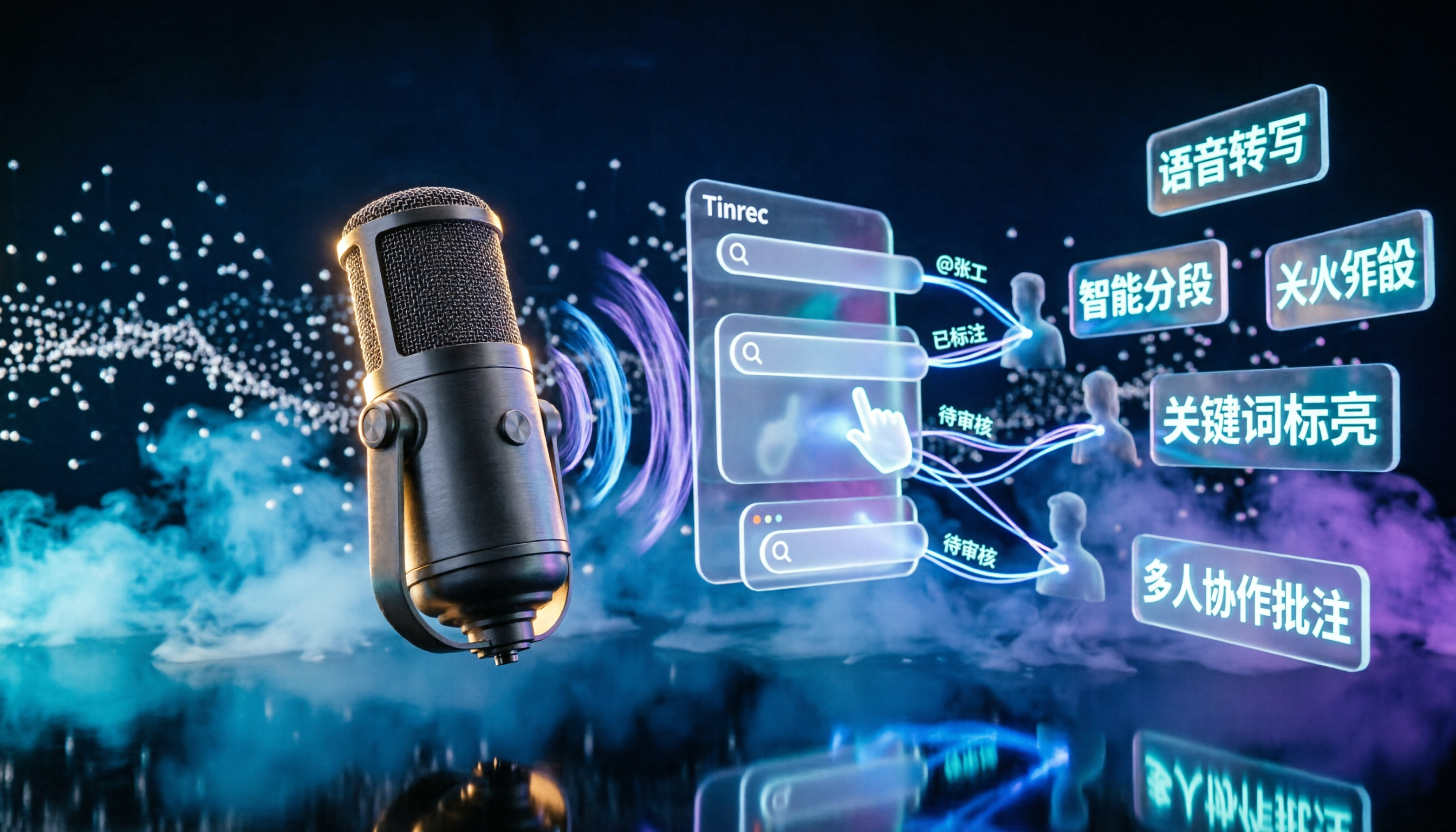
2026 Podcast Transcription AI Comparison: Which Saves the Most Time for Chinese Transcription?
Turning podcast audio into usable data isn't about transcription speed—it's about what you can do after. This article compares Tinrec, Notta, TurboScribe, and Granola on Chinese interview transcription, audio retention, and team collaboration, covering selection criteria, hands-on observations, and pitfalls to avoid.

2026 LINE Voice to Text Free Options: 4 Methods Compared
LINE's built-in microphone is actually voice input, not speech-to-text. Based on a student's real experience, this guide covers 4 free ways to convert LINE voice messages to text in 2026, explaining their limitations, quotas, and use cases. It also demonstrates how Tinrec turns audio files into searchable, queryable transcripts and key notes.

Tinrec vs Manual Transcription for Podcast Notes in 2026: A 5-Dimension Comparison to See Which Saves More Time
Why do manually transcribed podcast notes become less memorable the more you take? This article compares manual transcription and AI transcription workflows across 5 dimensions, and uses Tinrec to demonstrate how to turn transcripts, summaries, and AI Q&A into a reusable long-term podcast note-taking system.

2026 Free AI Transcription Tools Compared: Cantonese Recognition and Post-Meeting Organization
Most free AI transcription tools are only partially free: 3 minutes per day, 300-minute trial, or 3-minute file limit. This article breaks down four key factors—free quota, Cantonese and mixed Chinese-English recognition, post-meeting organization, and cross-platform support—and compares Tinrec, MyEdit, Yating, and Otter.ai, plus four common pitfalls to help you actually finish work after meetings.
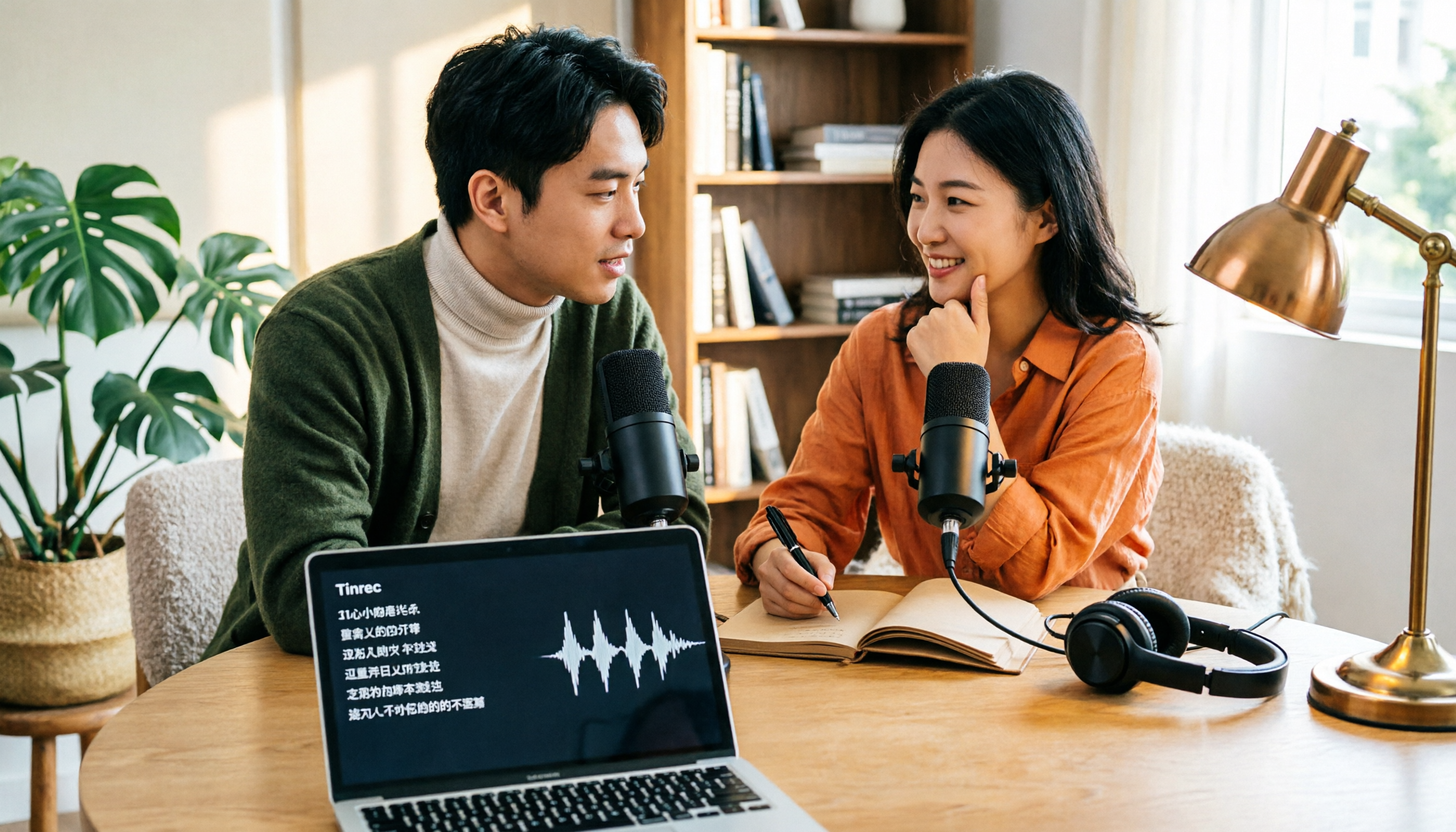
2026 Podcast Transcription Tools Compared: Which Is Most Accurate for Chinese Shows?
The most common mistake in podcast transcription is assuming built-in platform features will generate a Chinese transcript for you. This article takes a practical approach, first explaining 5 key points for choosing a tool, then comparing Tinrec, Apple Podcasts built-in transcripts, Memo AI, and Subanana, and summarizing the 4 biggest pitfalls for Chinese-language shows. Finally, it offers clear recommendations based on budget and use case.
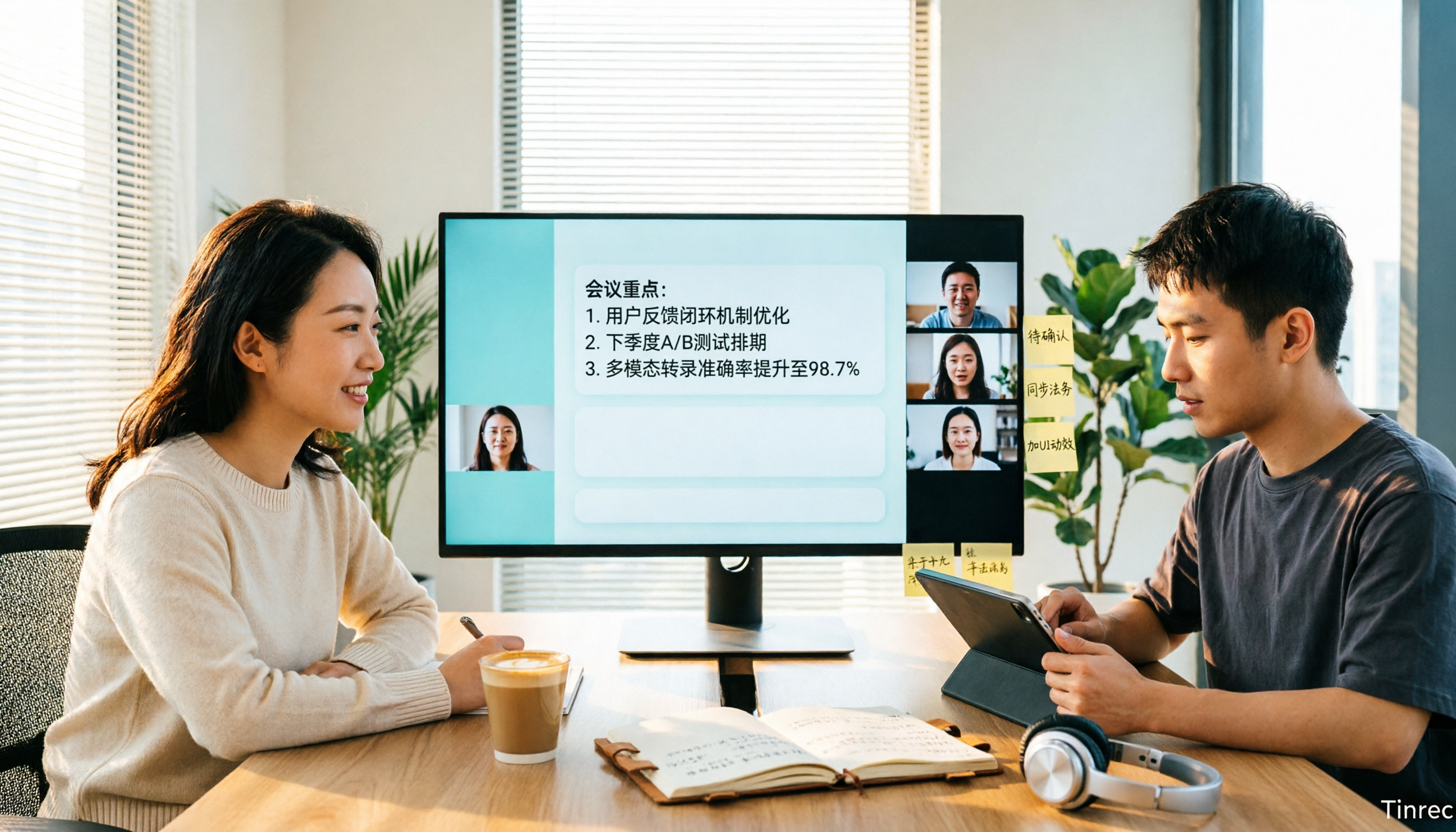
Tinrec vs Notta 2026: 5-Dimension Comparison for Chinese Meeting Transcription AI
Meeting transcription AI isn't just about converting audio to text—the real time sink is post-meeting organization and follow-up. This article addresses common misconceptions and compares Tinrec and Notta across 5 dimensions, explaining Tinrec's real-time transcription, bot-free online meeting recording, AI summaries and Q&A, and team spaces to help you decide which workflow better suits Chinese-language meeting scenarios.

4 Free Transcription Apps Compared in 2026: Free Tiers, Chinese Recognition, and AI Summaries Explained
We compare four free transcription apps on free tiers, Chinese recognition, AI summaries, and team collaboration, with Tinrec as our top pick for testing, to help you find the best speech-to-text tool.