
Turn recordings into transcripts and summaries in minutes
Upload audio or video for multilingual transcription, AI notes, and action items
The professor lectures like a machine gun, your hand hurts from taking notes and you still miss key points? This is a common pain point for all students in large lectures or intensive courses. Simply recording audio preserves the sound, but 're-listening' to an hour-long audio file to find a specific passage often takes longer than the class itself.
This article compiles the mainstream 'speech-to-text' tools on the market in 2026. We will evaluate them from three dimensions: recognition accuracy, price (including free quotas), and feature completeness. If you need simple transcription, Google or SpeechTexter might be good choices; if you value AI auto-extraction of key points and after-class review efficiency, this article will also introduce new-type tools like Tinrec that integrate 'recording + summary + chat'.
Quick Navigation Conclusions:
- Seeking maximum accuracy and professional use: Choose Dragon Anywhere.
- Limited budget and using Android: Prioritize SpeechTexter or ListNote.
- Need Google ecosystem integration: Directly use Google Speech-to-Text.
- Need AI to help extract key points and ask questions: Try Tinrec.
Why Students Need 'Speech-to-Text' Tools? Three Core Pain Points
Before diving into tool recommendations, let's clarify why traditional voice recorders or built-in phone recording apps are no longer sufficient:
- Low information density, high retrieval cost: A one-hour audio file is a black box; you can't quickly find 'final exam focus' at a specific time point like scanning text.
- Manual transcription is extremely time-consuming: Manually transcribing a 1-hour audio file typically takes 3 to 4 hours, severely cutting into study time.
- Lack of structured organization: Plain text transcripts are hard to read; students need 'bulleted key points' and 'action items' (e.g., what assignment is due next week).
Therefore, choosing an app that can automatically transcribe and even summarize is key to improving learning efficiency.
7 Mainstream Speech-to-Text Apps in 2026 Review (Based on Market Data)
Based on the latest market reviews, here are the analyses of 7 popular tools for the student demographic:
1. Professional Accuracy: Dragon Anywhere
If you are a student in fields like law or medicine that require extremely high accuracy, Dragon Anywhere is a veteran powerhouse. It offers up to 98% recognition accuracy and supports unlimited dictation length. Its strength lies in custom dictionaries (for adding specialized terms), but the downside is the higher price (approx. $14.99/month) and it's primarily a pure dictation tool.
2. Free and Practical: SpeechTexter & Speechnotes
These two tools are top choices for budget-conscious students.
- SpeechTexter: Has 95% accuracy, supports 60+ languages, and has a simple interface. Although offline mode is slower, it is completely free.
- Speechnotes: Also free, features automatic backup to Google Drive and offline recording, no account registration needed, suitable for situations requiring quick notes on the go.
3. Organization and Management: Evernote
Although Evernote is essentially a note-taking app, its built-in recording function is very convenient for students who prefer to integrate 'handout images, recordings, and text' together. Its advantage is cross-device sync and organizational management, but its transcription ability in noisy environments is weaker (about 92% accuracy).
4. Android-Only: ListNote
This is a lightweight app designed specifically for Android. It uses Google's speech recognition engine and features password protection, making it suitable for recording interviews or research content with privacy concerns. The interface is simple but effective.
5. Feature Integration: KwiCut & Google Speech-to-Text
- KwiCut: Uses AI for noise reduction and speaker identification, suitable for recording group discussions. Although the monthly fee is about $7.99, its keyword search function is very helpful for review.
- Google Speech-to-Text: Backed by Google's powerful AI, supports 120+ languages, and integrates directly with Google Docs. For students already accustomed to Google Workspace, this is the most seamless choice.
A New Choice in the AI Era: In-Depth Analysis of Tinrec (Miao Ting Lu Yin)
In addition to the traditional tools above, emerging AI voice assistants like Tinrec (Miao Ting Lu Yin) offer a different approach. Unlike traditional tools that only provide 'verbatim transcripts', Tinrec emphasizes the complete workflow of 'From Recording to Understanding'.
Stop organizing recordings by hand
Upload audio or video and automatically get a transcript, summary, and action items
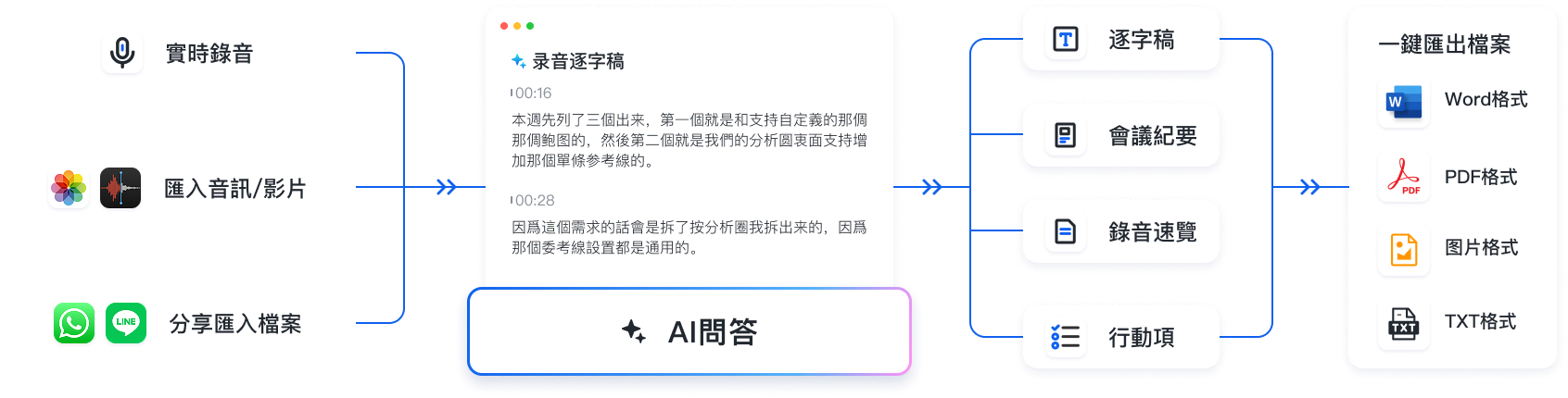
Tinrec's Differentiating Features:
AI Smart Summary and Action Items: For a two-hour general education class, you may not need the full transcript; you need 'what the professor concluded' and 'what's due next week'. Tinrec automatically generates meeting minutes and to-do items, filtering out filler words.
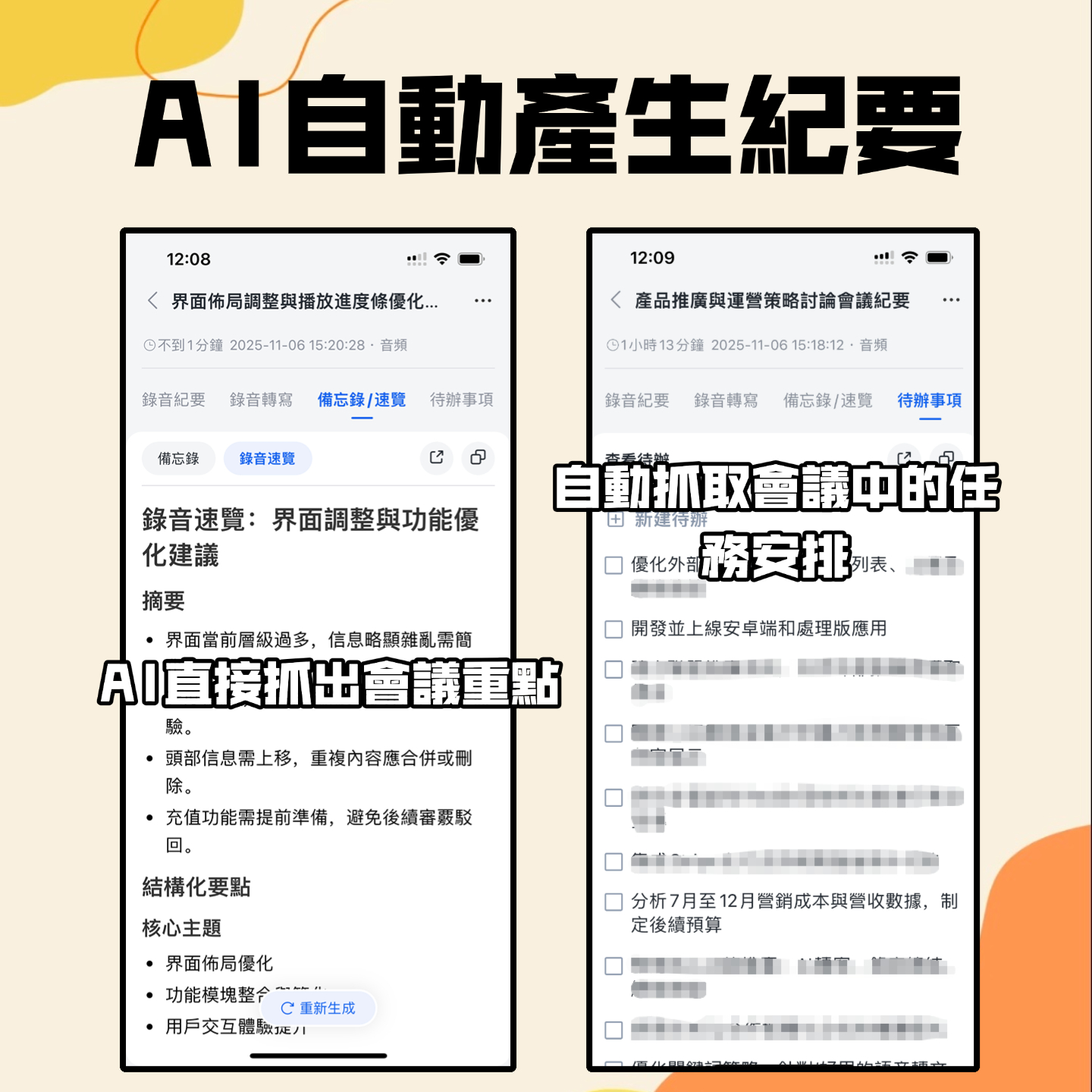
AI Conversational Query (Chat with Audio): This is a feature many traditional apps lack. You can ask your audio file like ChatGPT: 'Where did the professor say the midterm range is?' Tinrec will answer based on the recording content, saving you manual searching time.
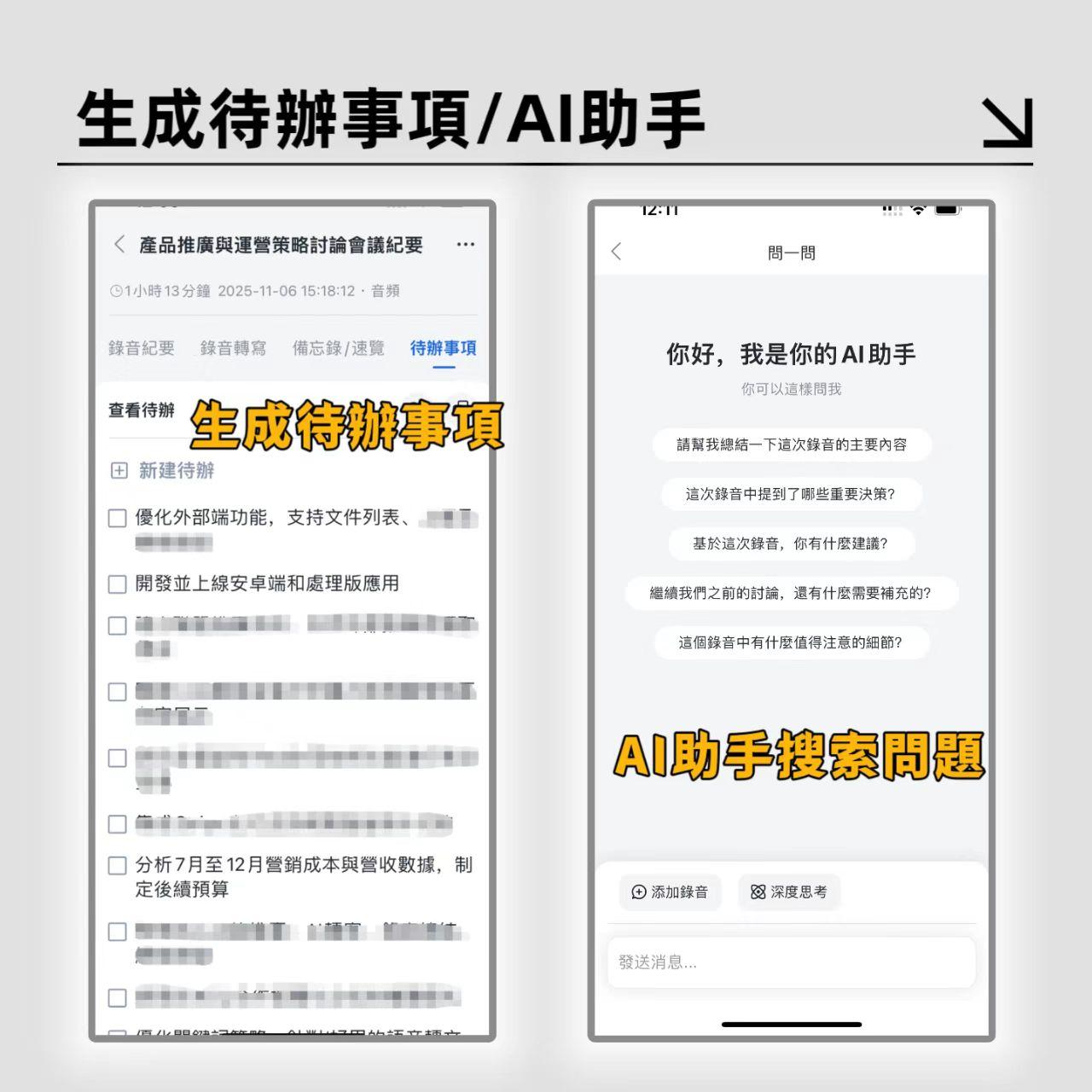
Multilingual and Video-to-Text: Besides recordings, Tinrec also supports uploading YouTube links or podcast audio for transcription, which is very useful for students organizing online courses or foreign language materials.
Head-to-Head Comparison: Specification Table of 8 Recording Note Apps
The following table helps you quickly filter based on budget and needs:
| Tool Name | Core Strength | Price/Free Quota | Platform Support | Best for |
|---|---|---|---|---|
| Tinrec | AI summary, conversational query, action items | Free 100 min/month (Paid from $4.9) | iOS, Android, Web | Class review, group discussion, online course organization |
| Dragon Anywhere | 98% high accuracy, professional vocabulary | $14.99/month (no free version) | iOS, Android | Professional dictation for law/medicine |
| Google Speech | 120+ languages, real-time integration | Free (basic features) | Web, Android, iOS | Multilingual learning, Google Docs users |
| SpeechTexter | Simple to use, offline mode | Free | Web, Android | Budget-conscious Android users |
| Evernote | Note organization and management | Free / Premium $7.99 | All Platforms | Users needing integrated text and image notes |
| ListNote | Password protection, lightweight | Free / Pro $4.99 (one-time) | Android Only | Privacy-focused interview recording |
| KwiCut | Noise reduction, speaker identification | $7.99/month | iOS, Android, Web | Group discussions in noisy environments |
| Speechnotes | No registration, Google Drive backup | Free | Web, Android | Quick ad-hoc notes |

Practical Tutorial: How to Efficiently Organize Class Notes with AI Tools
Choosing the right tool is only the first step; establishing an efficient note-taking workflow truly saves time. Below, using Tinrec's interface logic as an example, we demonstrate a three-step 'Record-Transcribe-Review' process:
Step 1: Start Live Recording or Import a File
At the beginning of a class or group meeting, start recording with the app. If you are watching an online course (e.g., YouTube tutorial) or have existing audio files, you can choose the 'Import Audio/Video' feature.
- Tip: Place your phone as close to the speaker as possible, or use an external microphone to improve recognition accuracy.
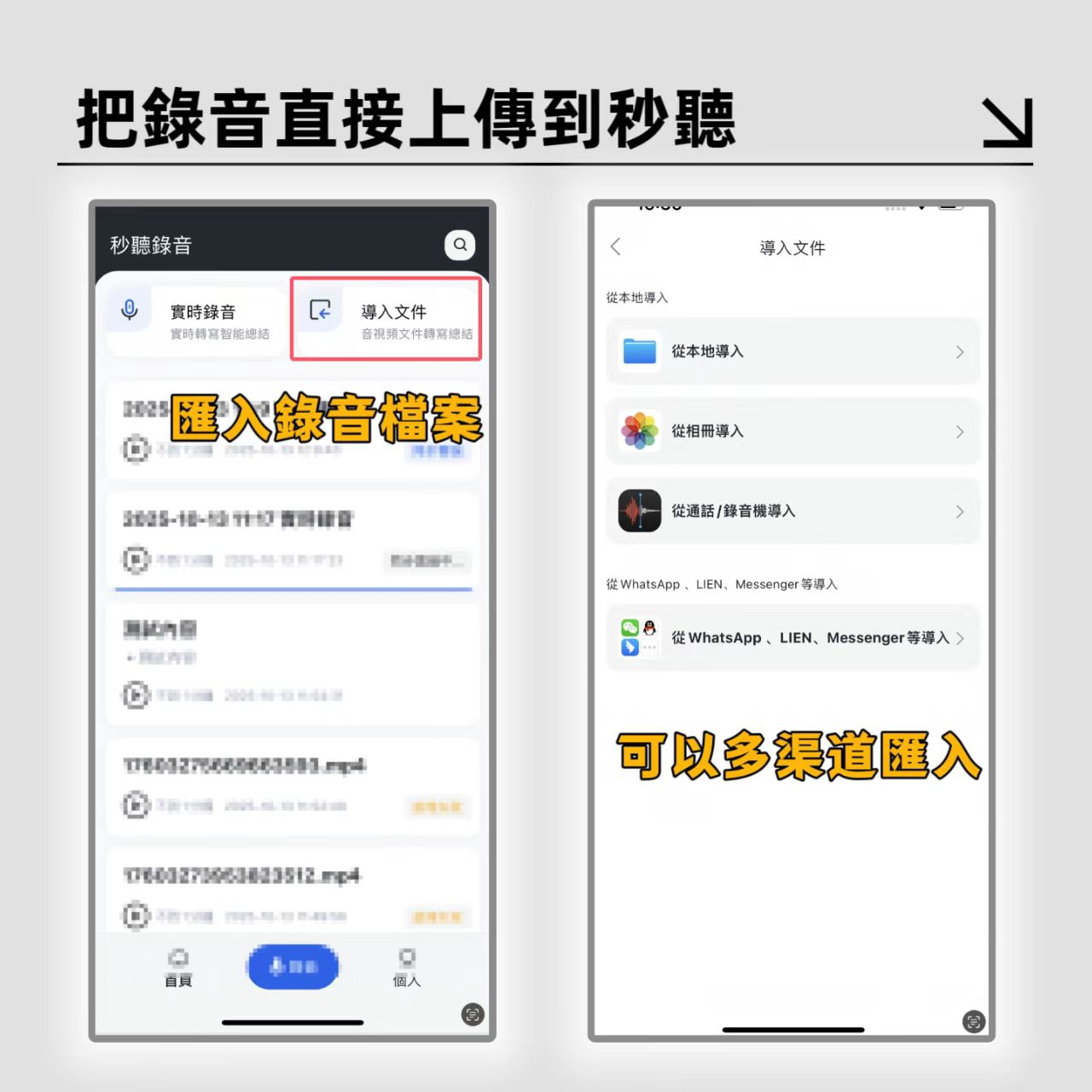
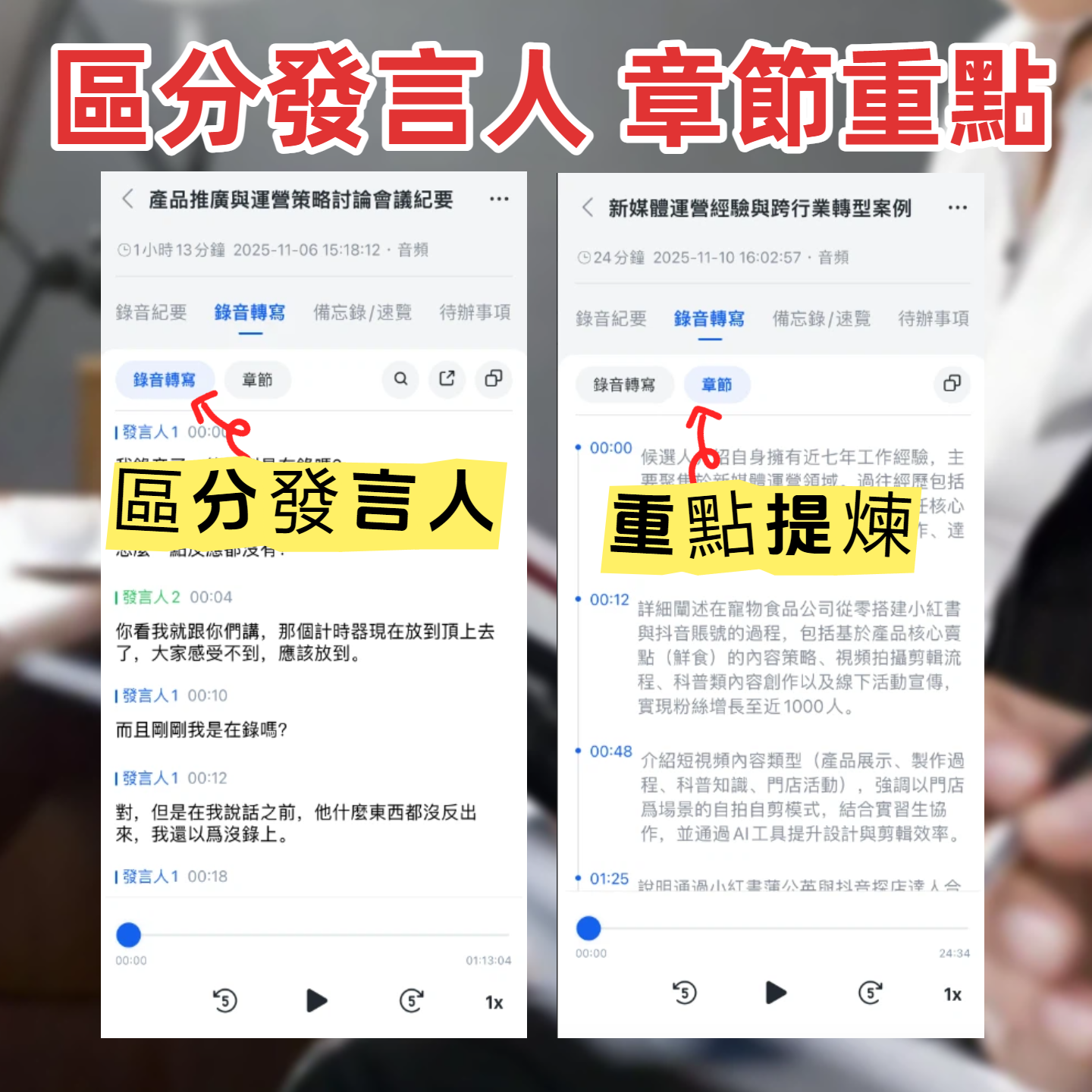
Step 2: Automatic Transcription and Speaker Diarization
After recording, the system automatically converts speech to text. Advanced tools like Tinrec or KwiCut have 'speaker diarization' features that label which part the professor said and which part a classmate asked, which is very useful for organizing group discussion reports.
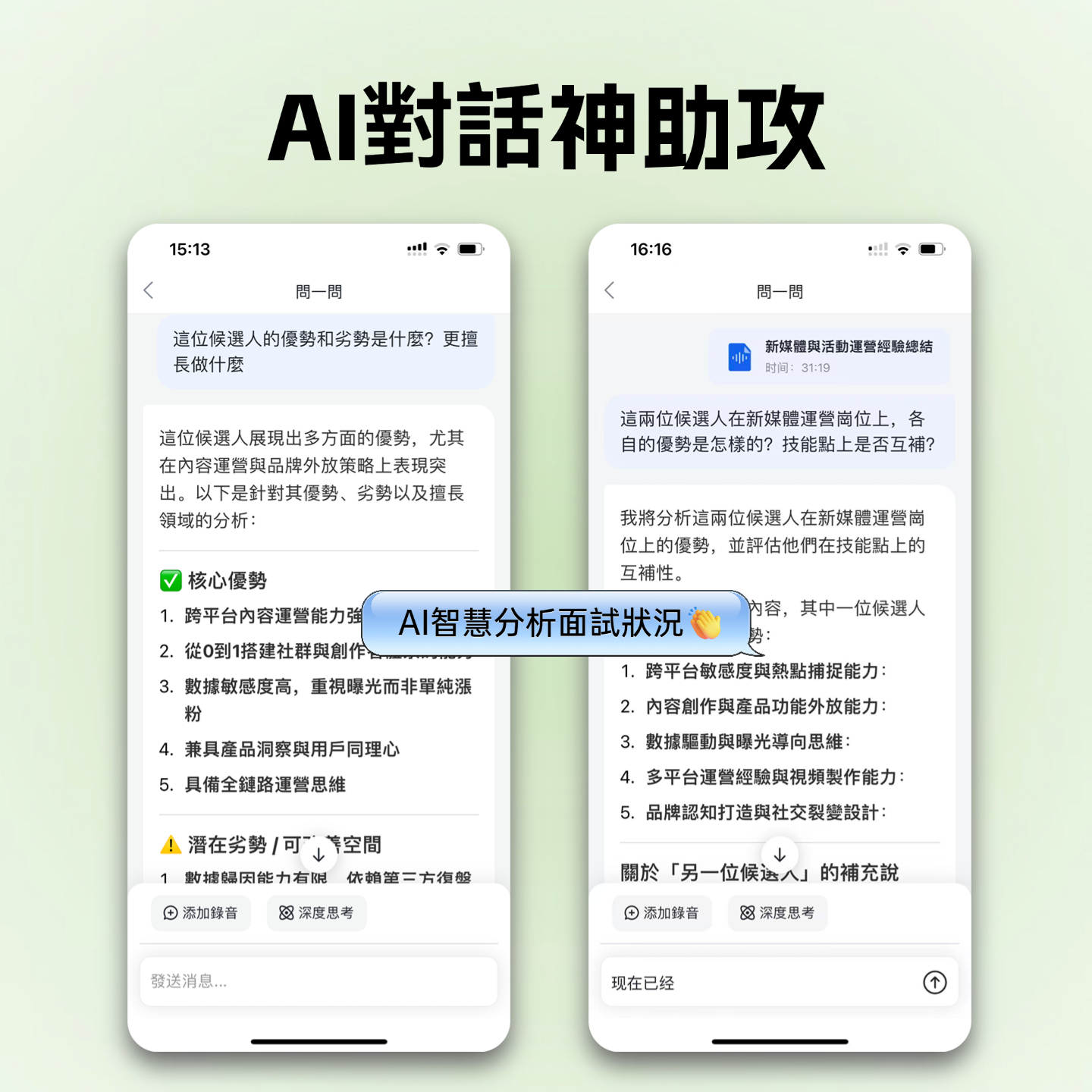
Step 3: Use AI for Conversational Review
The traditional approach is to read the entire transcript from beginning to end. Now you can directly use the 'AI Conversational Query' feature. For example, type: 'What are the 3 key points of this class?' or 'What reference books did the teacher mention?' Let AI extract the essence from the thousands of words of transcript and automatically generate a to-do list.
Frequently Asked Questions
Q1: What is the typical accuracy of speech-to-text apps? Most mainstream apps (like Dragon, Google, Tinrec) can achieve over 95% accuracy in quiet environments. However, accuracy is affected by background noise, microphone distance, and speaker accent severity.
Q2: Are there limitations on iPhone recording? iOS has strict restrictions on background recording; some apps may stop recording when switching to the background. It is recommended to use tools that support background execution or are optimized for iOS (e.g., Tinrec iOS version or Evernote) to ensure uninterrupted long recordings.
Q3: Is the free version sufficient? If you only occasionally record short meetings, the free features of SpeechTexter or Speechnotes are adequate. If you need to record large amounts of class time (dozens of hours per month), tools like Tinrec offer a monthly free quota of 100 minutes for trial; long-term use may require a subscription plan to unlock more hours.
Q4: Can I translate foreign language classes? Yes. Google Speech-to-Text and Tinrec both support multilingual recognition. Tinrec further supports post-recording translation, making it suitable for organizing notes from English or other foreign language lectures.
Q5: Do audio files take up a lot of phone storage? Audio files are typically large. It is recommended to choose tools that support cloud sync (such as Google Drive backup or Tinrec's multi-device sync), upload files to the cloud after recording, and free up phone space.
Q6: Can I directly convert YouTube videos to text? Some tools support this. Tinrec has a 'video link parsing' feature: paste the URL to generate transcripts and summaries, which is very convenient for organizing online public classes or TED Talks.
Turn every recording into actionable outcomes
Get 60 free transcription minutes when you sign in. No credit card required.
Related Reading
You might also like

3 Speech-to-Text Tools Tested in 2026: Is the Free Version Enough? Tinrec Offers the Best Value
This tutorial reviews free speech-to-text tools, focusing on Tinrec, and shows how to use the free version to quickly convert meetings, interviews, and course recordings into transcripts and summaries. It also includes buying tips and FAQs.

2026 Tested: 4 Best Free Speech-to-Text Tools Compared – Which Free Plan Is Most Practical?
We tested 4 popular free speech-to-text tools, comparing free quotas, accuracy, and AI features to help you find the best option for meeting notes and transcripts.

2026 Hands-On Comparison of 4 Speech-to-Text Tools: Which AI Meeting Notes Really Save Time?
How do you choose a speech-to-text tool? This article tests Tinrec, Otter, Notta, and PLAUD, covering accuracy, AI summarization, cross-platform support, and team collaboration to help you find the best meeting notes solution.
4 iOS Voice-to-Text Apps Tested in 2026: Tinrec's AI Meeting Notes Save You Hours of Organizing
This article tests 4 iOS voice-to-text tools, comparing the built-in Voice Memos, Tinrec, PLAUD NotePin, and Yating Transcript, and tells you when to use the free built-in option and when to upgrade to Tinrec with AI meeting notes and team collaboration.

2026 Review: 4 Speech-to-Text Tools Compared – Which Is Best for Chinese Meetings and Team Collaboration?
We tested Tinrec, Otter.ai, Notta, and Granola for speech-to-text, focusing on Chinese meetings, bot-free recording, team collaboration, and file import. Get our recommendations.

2026 Free Speech-to-Text Tools Compared: Which Is Best for Meeting Notes?
We tested three free speech-to-text tools—Tinrec, Otter, and Notta—comparing free quotas, meeting organization, AI Q&A, and cross-platform support to help you pick the best option for meeting minutes.

3 iPhone Voice-to-Text Solutions Compared in 2026: Built-in Notes, Voice Memos, or Tinrec?
After updating to iOS 18.4 on iPhone 12 and later, the built-in Notes and Voice Memos apps can transcribe recordings into text. But if you need AI summaries, cross-platform export, or team collaboration, Tinrec is a more complete choice. This hands-on comparison helps you weigh the pros and cons of each option.
2026 Hands-On Comparison of 3 Recording-to-Text Apps: Which Is Best for Chinese Meeting Minutes and Team Collaboration?
Tired of transcribing meetings yourself? This hands-on test of Tinrec, Notta, and Otter.ai covers Chinese transcription, bot-free recording, AI summaries, and team spaces to reveal which tool truly saves you time on meeting minutes.
4 Best Speech-to-Text Platforms in 2026: Free Options for Meeting Notes
We tested 4 speech-to-text platforms in 2026, from Tinrec to MyEdit, cSubtitle, and Otter, to help you find free or entry-level solutions for meeting notes, transcripts, and AI summaries.