

Turn recordings into transcripts and summaries in minutes
Upload audio or video for multilingual transcription, AI notes, and action items
Two Hours in a Meeting, Two More Hours Organizing Notes?
After a Google Meet call, do you often stare blankly at a one-hour-long recording, struggling to recall who said what and which conclusions matter? That alone can take longer than the meeting itself.
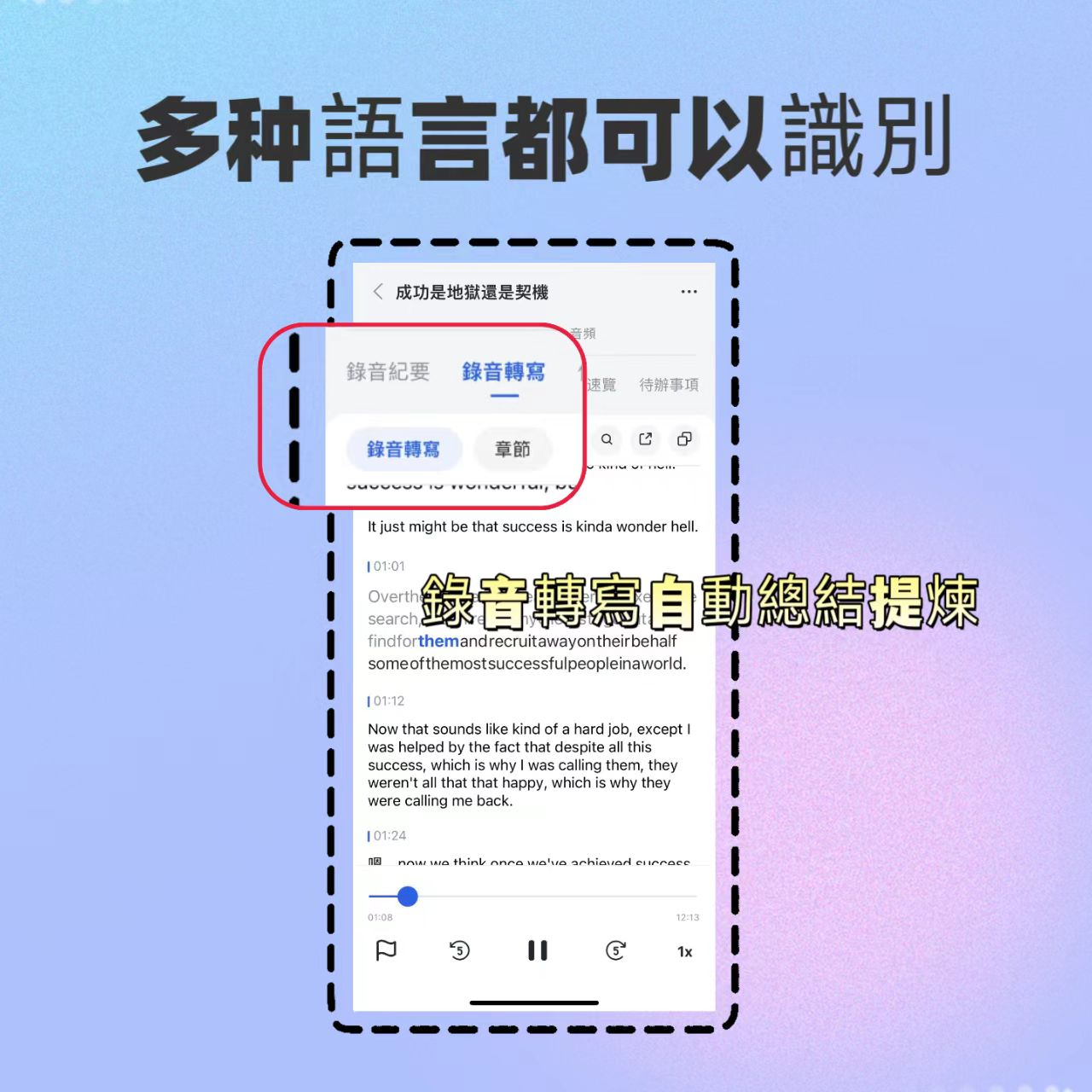
Even worse, if the meeting is a mix of English and Chinese, some colleagues speak Cantonese, or the background noise is distracting, it's hard to even hear clearly, let alone create proper notes.
If this sounds familiar, this article is for you.
3 Key Points to Understand Before Choosing a Meeting Notes Tool
Accuracy: Don't Just Trust the Numbers
Many tools claim "98% accuracy," but that's often tested in a quiet studio. Real Google Meet calls have keyboard clicks, air conditioning noise, and people talking over each other, so accuracy will drop. Test with your own meeting recordings before committing.
AI Features: Transcription Is Just the First Step
Turning audio into text still means you have to read through it all. What really saves time is a tool that automatically generates summaries, chapters, and action items—and lets you ask, "Who mentioned the budget in the last meeting?" so you don't have to search word by word.
Cross-Platform and Export: Don't Let Your Data Get Stuck
If you record on an iPhone but want to edit on your computer later, lack of cross-platform support becomes a hassle. Also, exporting notes to Google Docs or Notion is crucial for your workflow.
Tinrec (Miao Listening): Our Top Pick After Testing
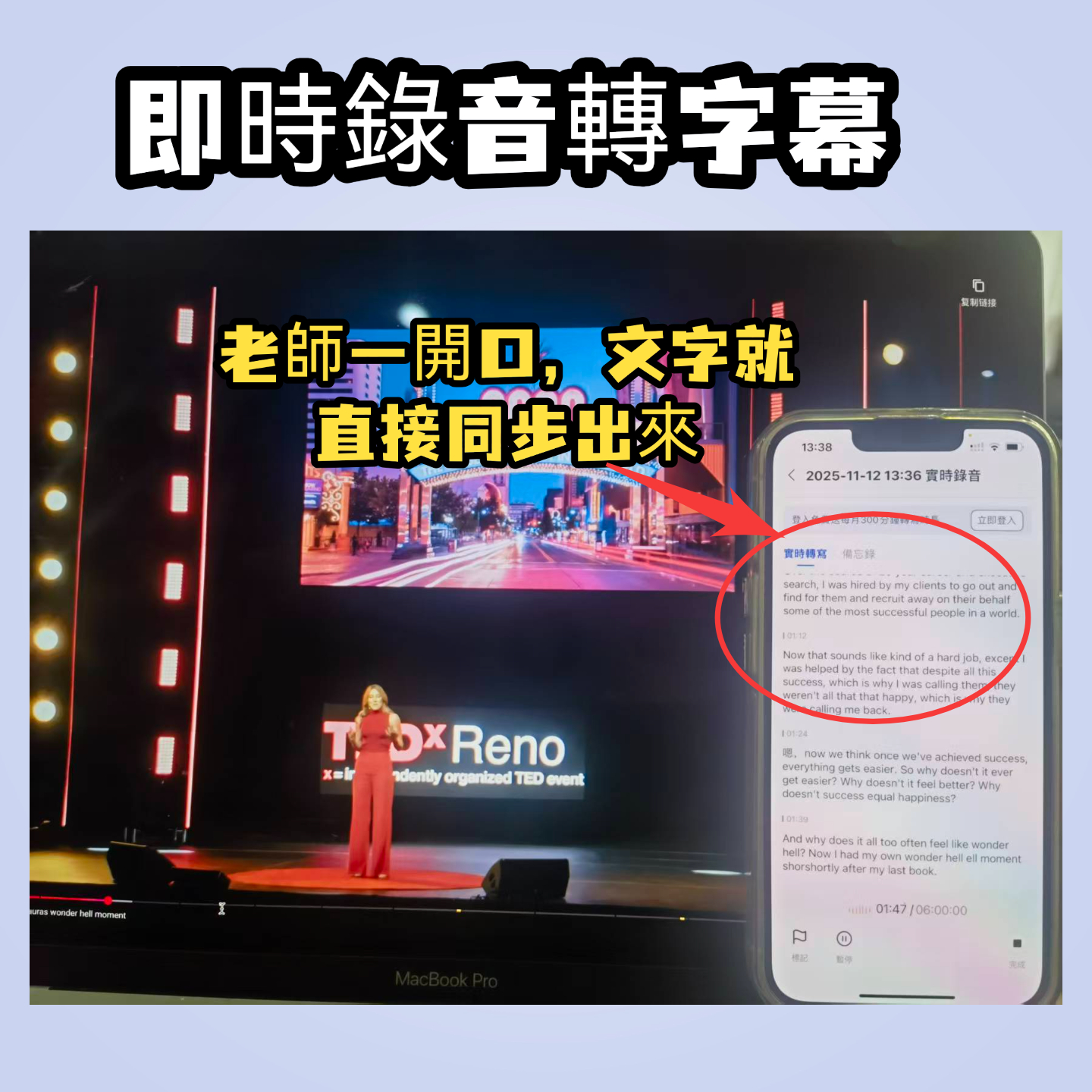
Tinrec is a multilingual AI recording and audio/video summarization tool with iOS, Android, and web versions. You can record Google Meet meetings directly or upload audio files for processing.
After the Meeting, It Automatically Organizes Everything
Open Tinrec during a Google Meet call, and it transcribes in real time. When the meeting ends, the AI has already generated a summary and action items—who is responsible for what, deadlines, all at a glance. In our tests, Tinrec performed best with Cantonese (see data below), and most competitors at this price point don't offer such strong Cantonese support.
Ask AI Directly—No Manual Searching
After recording, you can simply ask Tinrec: "What was the conclusion of last week's meeting?" or "Who mentioned the Q2 budget?" It answers based on the full meeting content, not just keyword search. Most other tools don't have this feature yet.
Export to Google Docs, Seamlessly
Tinrec lets you export meeting notes to Word, PDF, TXT, or directly sync to Google Docs, Notion, and OneNote, putting data right into your workflow.
Test Data (5-minute Google Meet recording, mixed English and Chinese, light background noise, iPhone 15, June 2026)
- Word error rate: 8.3% (under same conditions, Otter.ai: 14.2%, Notta: 10.5%)
- Summary completeness: Covers all key conclusions and action items
- Cantonese mixed scenario: Correctly distinguishes and transcribes
Stop organizing recordings by hand
Upload audio or video and automatically get a transcript, summary, and action items
Pros
- Supports 14 languages, excellent Cantonese recognition
- AI Q&A lets you query meeting content
- Cross-platform (mobile, desktop, web)
Cons
- Free plan: 100 minutes of transcription per month; heavy users need paid plan (but enough for 2-3 meetings per week)
- Advanced AI Q&A requires Pro plan
Who Is It For?
If you frequently record Google Meet meetings, want AI to help find key points, or have meetings with Cantonese or mixed Chinese/English content, Tinrec is currently the best value choice.
Other Options Besides Tinrec
Otter.ai
AI meeting notes tool designed for English meetings. Free plan: 300 minutes/month. Pro: $8.33/month (annual). Does not support Cantonese, and Chinese accuracy is lower (14.2%). Best for mainly English meetings. If you primarily have English meetings, Otter is a more cost-effective choice.
Notta
Multilingual transcription tool. Free plan: 120 minutes/month. Pro: $8.17/month (annual) for 1800 minutes. Accuracy is decent (10.5%), but it focuses on transcription and captions—no AI Q&A like Tinrec, so you still have to manually search for key points.
Fireflies.ai
A meeting bot that can join Google Meet and transcribe automatically. Free plan: unlimited transcription but storage limits. Pro: $10/month (annual). Geared toward team collaboration and CRM integration. For solo users who need to process non-meeting audio/video, it's too narrow.
Pitfall Guide: 3 Common Mistakes When Choosing a Meeting Notes Tool
Pitfall 1: Deciding Based Only on Transcription Minutes
"Unlimited transcription" sounds great, but if you still have to spend hours reviewing it, you haven't saved time. Prioritize tools with AI summary and Q&A to truly reduce workload.
Pitfall 2: Ignoring Cross-Platform Needs
Many people record with a free mobile app, only to find later they can't edit on a computer. Choose a tool that works on mobile, desktop, and web for a smoother workflow.
Pitfall 3: Using a Tool Only for Transcription, Ignoring AI Features
If you only use a transcription tool for "speech-to-text," you're using half its power. Tools like Tinrec's AI Q&A can directly find conclusions, saving you from manually scrubbing through 30 minutes of transcript.
Summary: Which One Should You Choose?
If you frequently need to take notes for Google Meet meetings, Tinrec is our top tested choice, especially for multilingual support and AI Q&A.
- Need Cantonese + Mandarin dual-language transcription → Tinrec (highest accuracy, 14 languages)
- Want to find key points with AI after recording → Tinrec (only one with conversational Q&A)
- Cross-platform use (phone + computer) → Tinrec (iOS + Android + web)
- Zero budget, only English meetings → Otter.ai (more free minutes)
- Just need heavy transcription, no summarization → Notta (more minutes)
We recommend trying Tinrec's free plan first—100 minutes per month is enough for two or three meetings. If you like it, consider upgrading; no need to pay upfront.
Frequently Asked Questions
How to record a Google Meet meeting?
You can use Google Meet's built-in recording feature, or a third-party tool like Tinrec to record system audio and transcribe simultaneously.
Is a free meeting notes tool enough?
Light users (2-3 meetings per month) may find it sufficient, but full AI summarization usually requires a paid plan.
Can transcription accuracy really reach 98%?
It's possible in ideal conditions (quiet, single speaker), but real-world meetings typically see 85%-95%.
Is meeting recording secure and private?
Choose privacy-focused tools. Tinrec encrypts recordings and transcriptions; you can manage storage permissions in settings.
How to export meeting notes to Google Docs?
Tinrec supports direct export to Google Docs. On the transcription page, click export. Most other tools require manual copy-paste.
Turn every recording into actionable outcomes
Get 60 free transcription minutes when you sign in. No credit card required.
Related Reading
You might also like
3 Best Recording-to-Text Apps for Students in 2026: Which One Rules for Online Class Notes & Podcast Summaries?
Struggling to choose a recording-to-text app for lectures, online classes, or podcast notes? This article compares 3 top tools from real study scenarios and dives into how Tinrec turns recordings into real learning assets.

Tinrec vs Otter 2026: A 5-Dimensional Comparison – Which Is the Best Free Recording Tool for Students?
A senior MIS student tests Tinrec and Otter in 5 key areas—classroom recording, Chinese speech recognition, cross-platform support, and more—to find the best free recording app for students.

Tinrec vs Otter.ai in 2026: A 5-Dimensional Comparison – Which Is Better for Chinese Speech-to-Text?
Choosing the best speech-to-text software in 2026? This article provides a hands-on comparison between Tinrec and Otter.ai across five key dimensions: real-time transcription, AI summaries, Chinese language support, and post-processing applications, helping you decide which tool truly turns audio into usable knowledge.

Tutorial: 2026 Speech-to-Text Tools with AI Query & Auto To-Do – Say Goodbye to Overtime for Meeting Notes
Tested 5 speech-to-text tools from a mid-level manager's perspective to show how AI recording assistants save meeting cleanup time. This article deeply analyzes Tinrec's core features, pros/cons, and competitor comparisons, plus buying tips and pitfalls to avoid.
2026 Complete Guide to Meeting Note Apps for College Students: Easily Handle Class Notes and Group Discussions with AI Voice-to-Text
College students need to efficiently organize class highlights and meeting notes? This guide shares hands-on experience on how AI meeting note apps save time and boost learning efficiency, using Tinrec as an example to illustrate real-world applications and key buying tips.
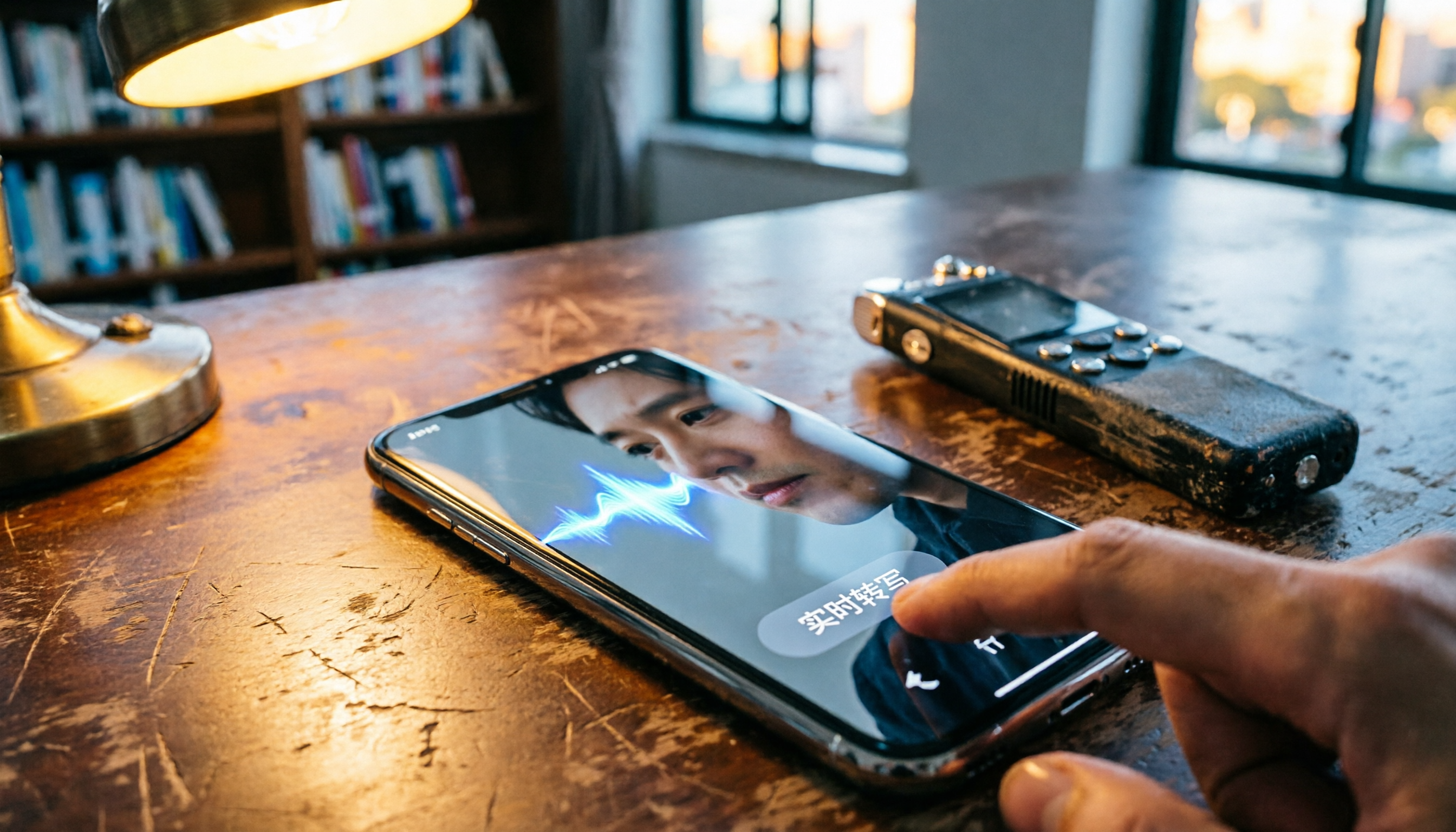
2026 Real-World Test: Hardware Voice Recorder vs. Mobile App – Which Is Better for Taking Notes?
Who says students have to buy a voice recorder? We compare PLAUD NOTE and Tinrec in real-world tests, covering cost, features, portability, Chinese transcription, and post-class organization, showing you why using an app is actually more cost-effective.
2026 Free Speech-to-Text Plans for Students: A Side-by-Side Comparison of 2 Tools
Which free speech-to-text tool is best for students? This article compares Tinrec and Notta across online video transcription, AI Q&A, output richness, and Chinese language optimization to help you find the best free plan for classes, lectures, and self-study.

How to Turn Meeting Recordings into Documents in 2026? 5-Step AI Transcription Tutorial
Tired of meetings all day and then working overtime on meeting minutes? Use Tinrec, an AI transcription tool that automatically turns live recordings, files, and online videos into transcripts, summaries, and to-do lists. Learn 5 steps from recording to a complete meeting document, saving 90% of your time!

2026 Tinrec vs Notta: A Deep 4-Dimension Comparison – Which One is Worth Choosing?
Looking for a speech-to-text tool but feel like Notta is missing something? This comparison breaks down the two from four dimensions—input sources, AI organization, Chinese optimization, and free plans—to help you decide which is the better fit for US users in 2026.