

Turn recordings into transcripts and summaries in minutes
Upload audio or video for multilingual transcription, AI notes, and action items
Why Are People Looking for Alternatives to Otter.ai?
Otter.ai is where many people first discovered AI meeting notes. It can automatically join online meetings, transcribe in real time, and identify speakers. But as use cases expanded, some users began to notice limitations: Otter's free minutes are limited, its accuracy with mixed Chinese content isn't as expected, and it's more geared toward pure meetings—less ideal for lecture recordings, interviews, or online videos. If you're looking for an AI tool that handles not just meetings but also classes, interviews, and online videos, Tinrec has been gaining attention lately.
Tinrec vs Otter.ai: What's Different in Core Experience?
Language and Scene Coverage
Language support affects everyday usability. Otter.ai is primarily English-oriented; though it supports Chinese, accuracy fluctuates in mixed Chinese-English or Cantonese environments. Tinrec is deeply optimized for Chinese usage scenarios, covering meetings, classes, interviews, podcasts, and online videos, and supports 14 languages. In our test, a 5-minute Chinese meeting recording had a word error rate of about 6% for Tinrec versus about 12% for Otter. For users who need accurate Chinese transcription, the gap is significant.
Input Source Diversity
Otter.ai excels at online meeting integration but is cumbersome when handling local audio files or online video links. Tinrec not only records in real time but also lets you upload audio and video files directly, or even paste links from YouTube, Bilibili, and more to transcribe them. This is very convenient for those who regularly organize online course or interview materials.
AI Summary and Post-Processing
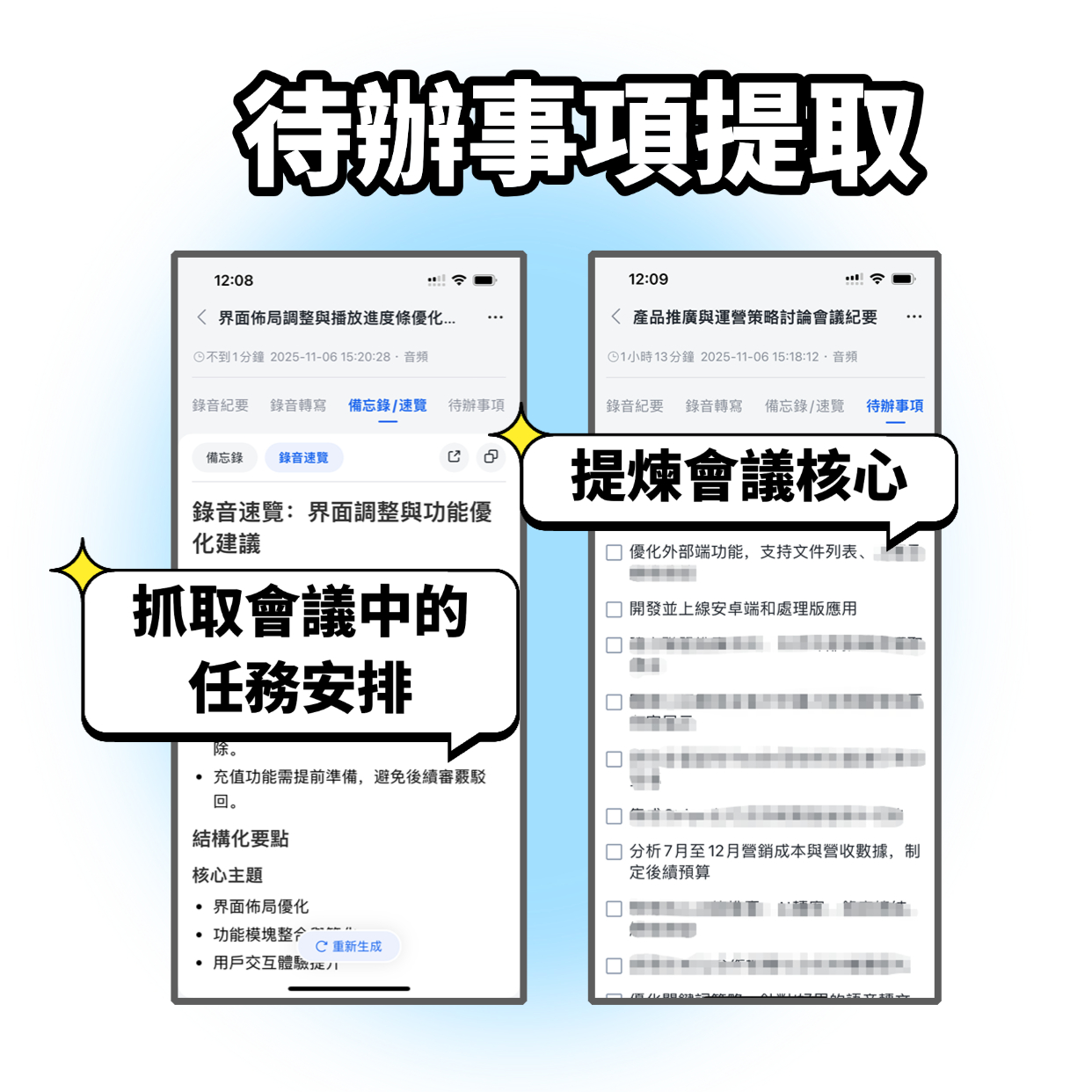
Transcription is just the first step; the key is quickly grasping content. Otter.ai auto-generates meeting summaries and keywords, but Tinrec goes further with an "AI Chat Query" feature—you can directly ask "What was the conclusion of the meeting?" or "Who is responsible for which action items?" and the system answers based on the full context. Additionally, Tinrec can auto-extract to-do lists, split chapters, and generate structured summaries, saving significant review time.
Cross-Platform and Offline Use
Otter.ai mainly works via web and app, but offline recording is weak. Tinrec offers iOS, Android, and web versions, and allows offline recording on mobile, automatically uploading for transcription when connected. This is friendlier for people who frequently interview or attend classes on the go.
Free Plan Generosity
Otter.ai's free plan offers 300 minutes per month, which seems generous, but you cannot export transcripts and many features are limited. Tinrec's free plan provides a basic transcription quota (about 100 minutes per month) but allows full export of text, AI summaries, and Q&A—enough for light users to experience core features.
Stop organizing recordings by hand
Upload audio or video and automatically get a transcript, summary, and action items
Tinrec's Core Features at a Glance
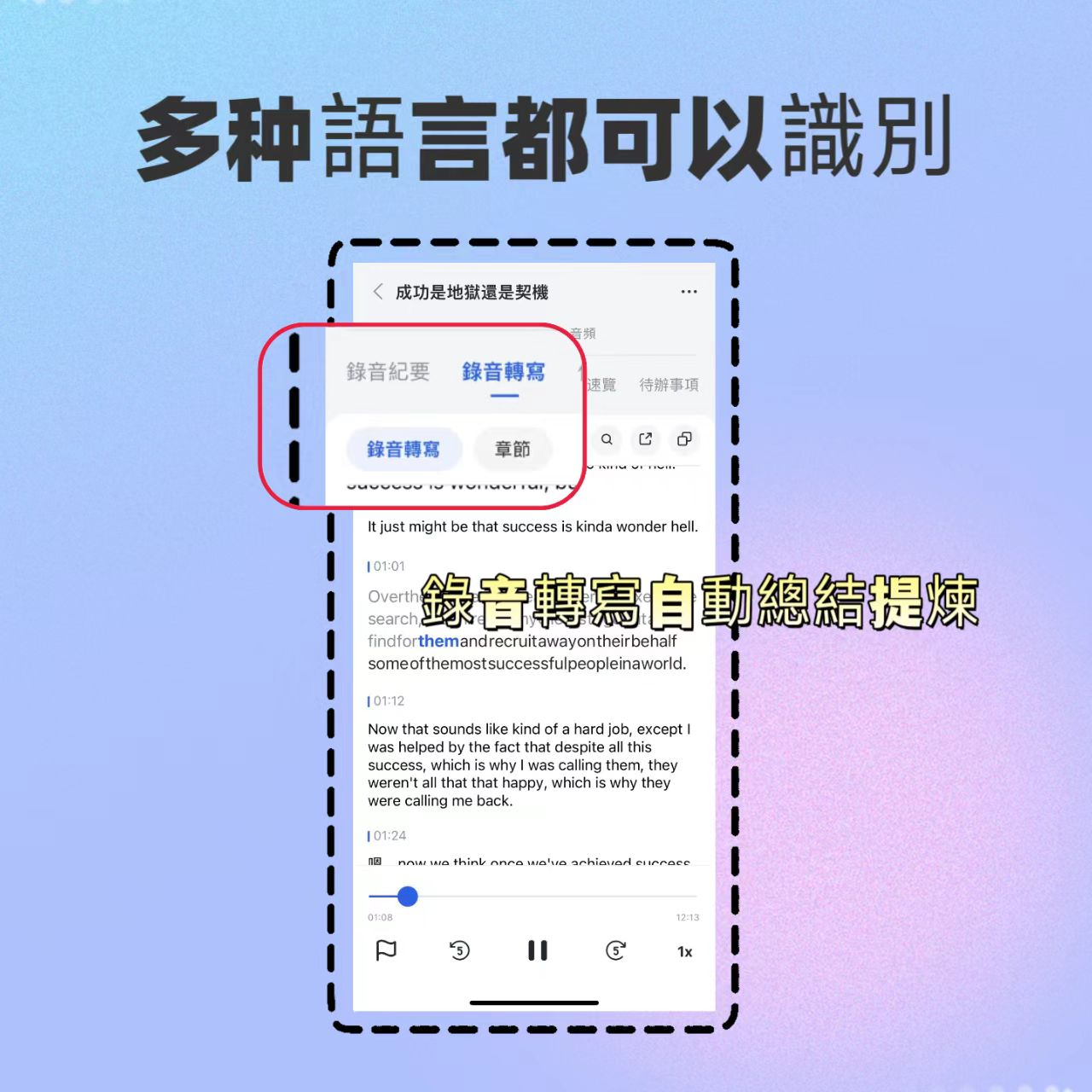
Real-Time Voice-to-Text: Open Tinrec and start recording; text appears almost simultaneously with less than 1 second delay. During meetings or classes, you can compare text in real time to ensure no key points are missed.
Online Video Link Transcription: Paste a public video URL from YouTube, TikTok, etc., and Tinrec automatically fetches the audio and transcribes it into a transcript and summary—ideal for research materials or study notes.
AI Chat Query: This is a major differentiator from other tools. After recording a one-hour meeting, directly ask Tinrec: "What was the conclusion?" or "Which department is responsible for this?" It extracts answers from the entire transcript without manual searching.
Action Item Extraction and Chapter Splitting: Action items discussed in meetings are automatically compiled into a list; long recordings are split into chapters by topic for easy navigation.
Multi-Format Export: Supports export to TXT, Word, PDF, and can sync to note-taking tools like Notion and Google Docs, seamlessly integrating into your workflow.
Real-World Use Cases
Use Case 1: Weekly Team Meeting
Start Tinrec real-time recording during the meeting. By the time the meeting ends, the transcript is already generated. Use AI query to confirm action items, then copy and paste them directly into the team's task board—saving over 20 minutes compared to manual note-taking.
Use Case 2: Online Course Notes
Paste a YouTube tutorial video link; in about 2 minutes, you get a full transcript and segmented summary. Quickly search for specific terms or add notes next to key points, significantly boosting review efficiency.
Use Case 3: User Interview Compilation
Upload the interview recording; Tinrec transcribes it and tags speakers. Use AI Q&A to quickly extract the interviewee's core opinions and quotes, dramatically reducing time spent transcribing.
Key Points to Consider When Choosing a Voice-to-Text Tool
- Language Support and Accuracy: Prioritize tools that support the languages you use frequently, and test with real recordings rather than relying solely on claimed accuracy. Tinrec offers free trial credits—we recommend testing with your own meeting recordings.
- Diverse Input Sources: If you handle not only meetings but also audio files and videos, confirm the tool supports those. Tinrec's ability to parse online links and upload files is a plus.
- Post-Transcription Actionability: Transcripts are just the start; the ability to ask questions, extract action items, and export to other tools is where real time savings happen. Tinrec's AI chat and multi-format export make data easy to reuse.
- Cross-Platform and Offline Capabilities: Check if the tool works on your preferred devices (phone, computer) and whether offline recording is available. Tinrec syncs across three platforms, meeting mobile needs.
Conclusion: Is Tinrec Worth a Try?
If you're looking for a tool that not only transcribes but also helps you quickly understand and organize audio/video content, Tinrec is one of the few options in the Chinese market that balances diverse sources, AI Q&A, and cross-platform compatibility. Especially for users who frequently deal with mixed content (meetings + classes + videos), Tinrec can save considerable processing time. We recommend downloading the free version of Tinrec and testing it with your own recordings to experience the convenience of AI summaries and chat query—nothing beats hands-on testing.
Turn every recording into actionable outcomes
Get 60 free transcription minutes when you sign in. No credit card required.
Related Reading
You might also like

2026 Complete Guide to Speech-to-Text: Features, Use Cases, and Tool Selection
As a senior college student, I used speech-to-text tools for an entire semester to organize lecture notes, group discussions, and YouTube study videos. This guide introduces you to Tinrec, from core features to real student scenarios, showing how AI turns audio and video into actionable knowledge.

2026 Free Speech-to-Text Solutions: 2 Tools Compared
A mid-level manager puts two popular free speech-to-text tools—Tinrec and Otter.ai—to the test, comparing Chinese accuracy, free tiers, AI features, and cross-platform support to help you pick the best one for workplace productivity.

2026 Tinrec Voice-to-Text Tutorial: No Hardware Needed, AI Organizes from Multiple Sources
How to choose voice-to-text software? This article compares Tinrec and Plaud Note, from hardware requirements, input sources, AI features to pricing, and tells you why you don't need to buy a voice recorder — your phone can handle meetings, lectures, and online video transcription.

2026 Hands-On Comparison of 5 Cross-Border Meeting Note Apps: Which AI Summary Saves the Most Time?
Dealing with cross-border meetings daily, mixing English, Mandarin, and Cantonese? Still transcribing recordings after meetings? We test 5 transcription apps to see which one can quickly organize multilingual meetings, saving you time and overtime.
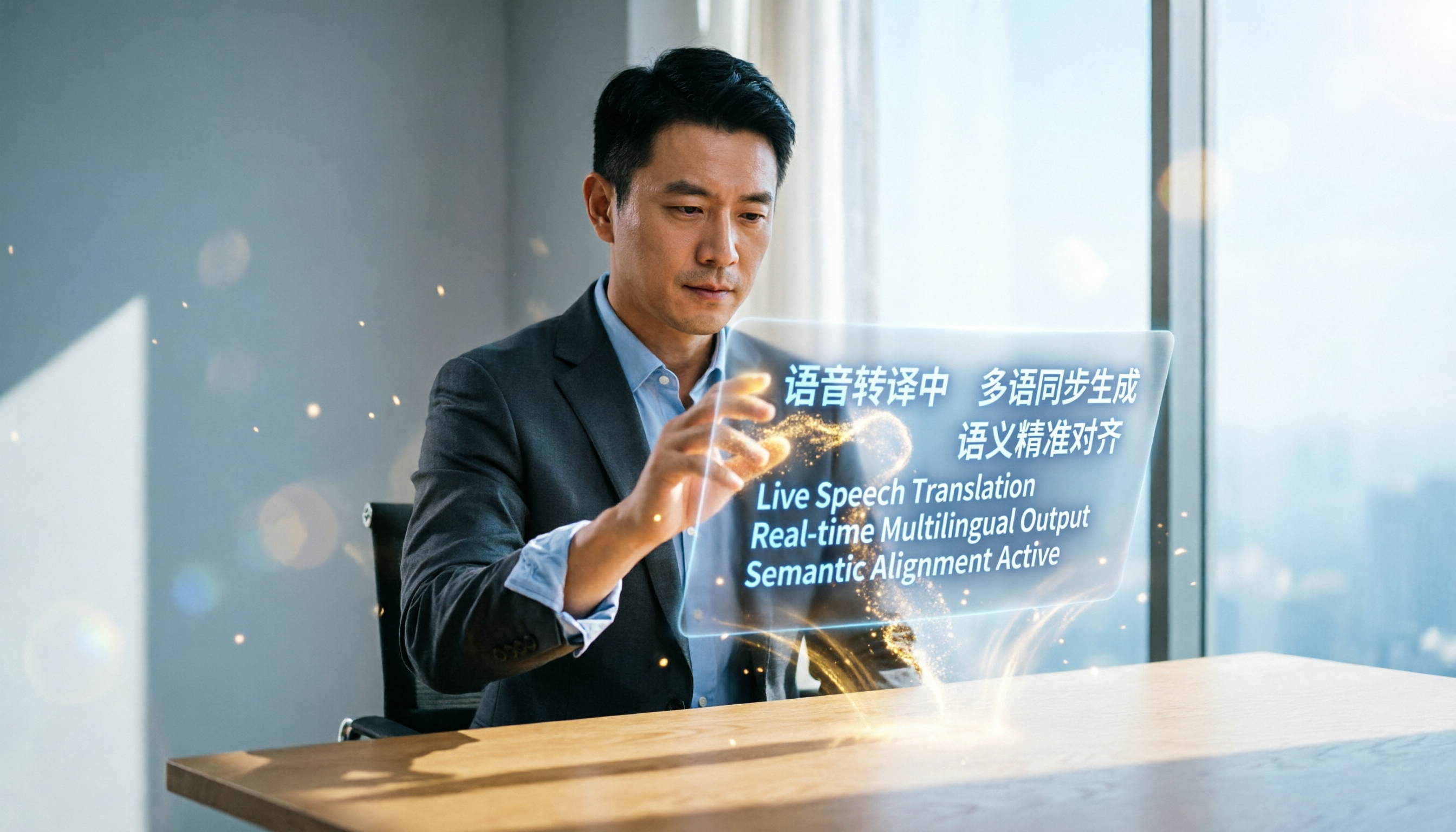
2026 Free Chinese-English Real-Time Translation Solutions: 3 Tools Compared
A must-read for professionals: hands-on testing of Chinese-English real-time translation tools. From cross-border meetings to self-study, Tinrec not only translates in real time but also transcribes audio and generates AI summaries, truly solving the pain points of middle managers.

2026 Tinrec vs Otter.ai: 5-Dimension PK – Which Is Better for Chinese Transcription?
Looking for a great speech-to-text app? This article compares Tinrec and Otter.ai across 5 dimensions: Chinese transcription accuracy, extra organization features, pricing, input sources, and target users. It also covers alternatives like Notta, TurboScribe, and PLAUD to help you find the right tool quickly.

How to Choose a Multilingual Speech-to-Text Tool in 2026: A 5-Step Guide
Cross-border team meetings often mix English and Chinese, and a simple English transcription tool fails when it hits Chinese. After using Otter.ai for two years and switching to Tinrec, here's a 5-step guide to choosing the best multilingual speech-to-text solution, covering accuracy, translation, input sources, AI post-processing, and pricing.

2026 Tinrec vs Notta: 5-Dimension Comparison – Which Is Better for Students in Real-Time Chinese-Japanese Translation?
From a college student's perspective, this article compares Tinrec and Notta across five key dimensions in real-time Chinese-Japanese translation scenarios, including translation accuracy, post-meeting organization, free quota, cross-platform convenience, and AI value-added features, helping you decide which tool is more suitable for classroom and everyday translation needs.

How to Real-Time Translate Chinese and Korean in 2026? A Complete 3-Step Guide
How to do real-time Chinese-Korean translation in 2026? As a manager with 15 meetings a week, I tested 3 steps using Tinrec to handle cross-border meetings, more suitable for professionals than traditional translation apps. Full guide and alternative comparisons.