

Turn recordings into transcripts and summaries in minutes
Upload audio or video for multilingual transcription, AI notes, and action items
Google Meet is a common meeting tool for many companies and teams. Its built-in recording feature lets you save the meeting. But if you think recording is all you need, you might still spend a lot of time manually organizing meeting notes.
Tinrec (Second Hearing Recorder) was created to solve this problem. It not only automatically records meetings but also converts them into transcripts, summaries, and action items, and even lets you ask questions to find key points. Even better, it supports iOS, Android, and web versions, and the free plan provides basic transcription credits to get started.
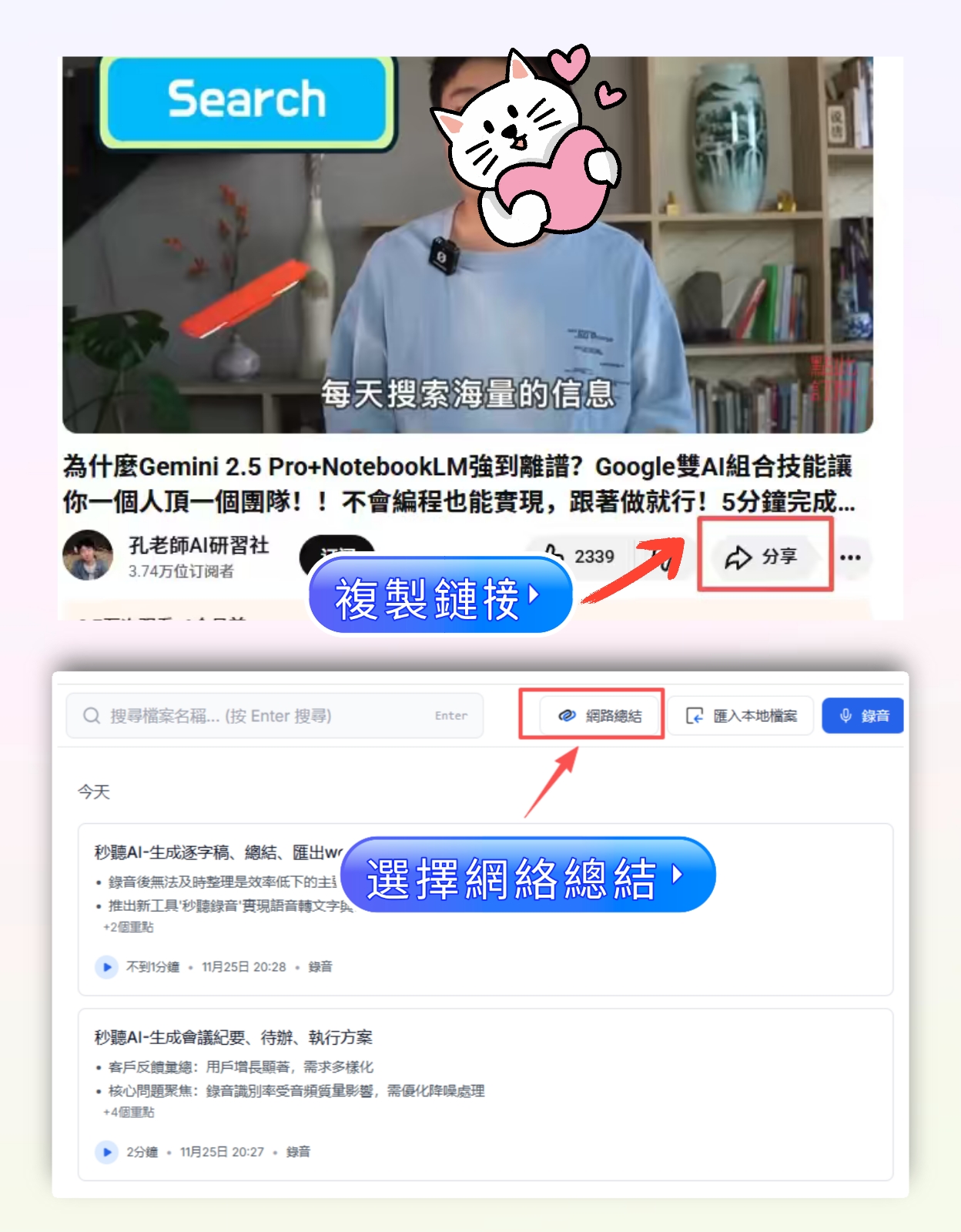
If you have several Google Meet meetings each week and don't want to be chased by meeting notes anymore, this article can help you quickly determine which solution is best for you.
What are the limitations of Google Meet's built-in recording?
Honestly, Google Meet's built-in recording is convenient—just click and it saves to Google Drive. But if you actually need to "organize meeting content," its shortcomings quickly appear.
- No transcript: It only saves a video file; to find a specific comment, you have to listen from start to finish.
- No automatic summary: Meeting conclusions and action items still require manual notes.
- Difficult to search: Even though Google Drive can recognize some spoken content, accuracy is unstable and doesn't support structured queries.
- Management burden: Meeting video files pile up in the cloud, making it hard to review over time.
In short, the built-in feature solves "recording it" but not "how to use it." That's why many people look for third-party solutions, especially those needing Chinese meeting organization.
Tinrec: More than recording—a meeting organization workstation
Tinrec is more of an "audio-video data organization workstation" than a recording tool. It not only handles Google Meet but also organizes classes, interviews, podcasts, and even YouTube videos.
Here’s how recording a Google Meet meeting with Tinrec works:
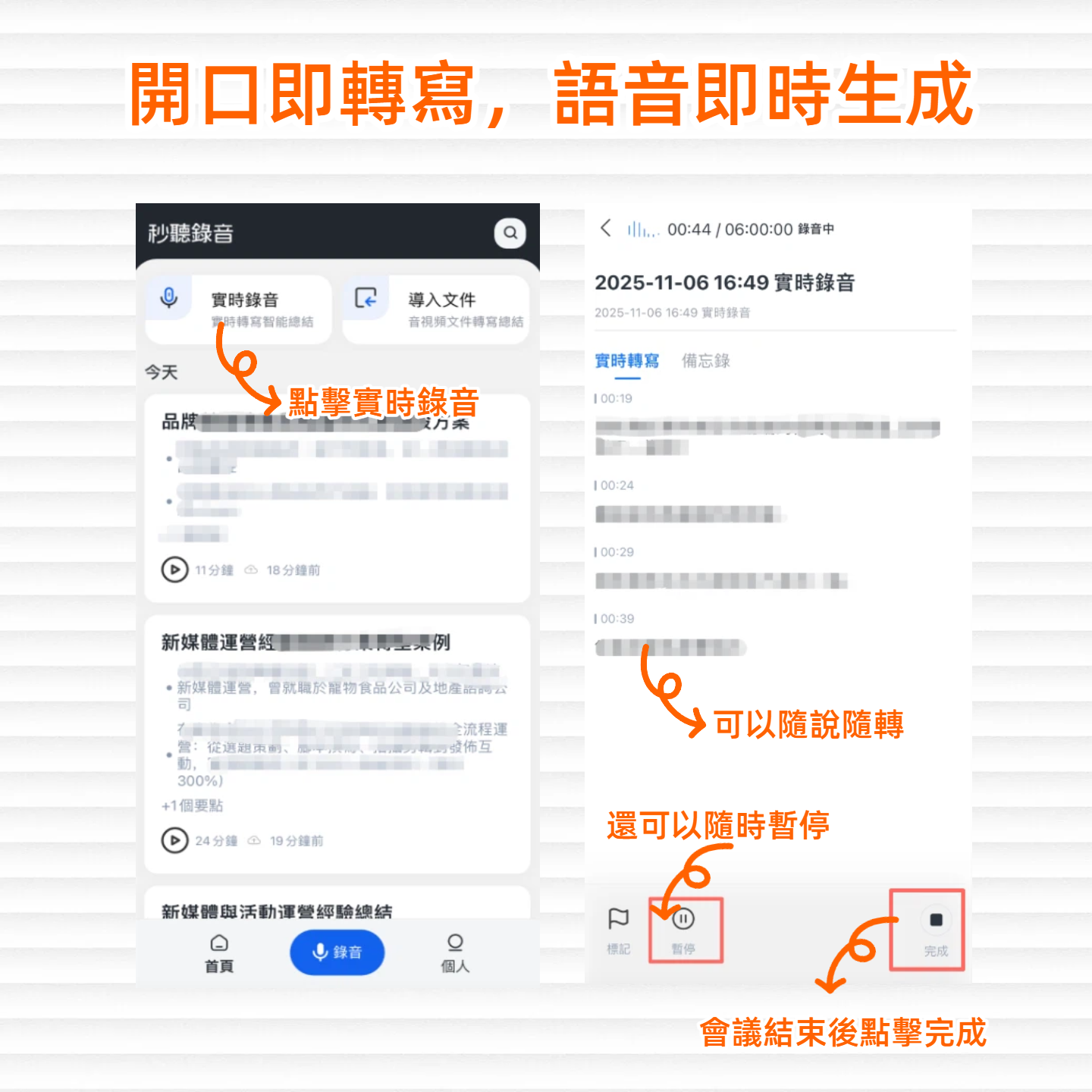
- Open Tinrec’s web version or app, and select "Instant Recording."
- When the meeting starts, let Tinrec capture the audio (or record system audio on your computer).
- After the meeting, Tinrec has already generated a transcript, summary, chapters, and action items.
- You can export directly to Word, Google Docs, or Notion, or continue asking the AI questions like "Who mentioned the budget in the meeting?"
Tinrec's 4 core capabilities for more efficient meeting notes
Real-time transcript—text appears as you record
Tinrec’s transcription delay is less than 1 second, so you can watch the text appear during the meeting to ensure you don’t miss key points. If a speaker talks too fast, you can quickly replay that section afterward.
AI semantic summary—automatically extract meeting highlights
It doesn’t just condense the transcript into one paragraph—it organizes it structurally: meeting topic, discussion conclusions, action items, and responsible persons listed separately. This is especially helpful for recurring weekly meetings.
Stop organizing recordings by hand
Upload audio or video and automatically get a transcript, summary, and action items
Action item extraction—get a to-do list instantly
The most important thing after a meeting is knowing what to do next. Tinrec automatically extracts to-dos from the discussion and tags responsible persons. You can also use the "Notes" feature to manually mark key points for double-checking.
AI conversation query—find key points like searching a database
After transcription, you can directly ask Tinrec questions like "What was the conclusion of the meeting?" or "Who mentioned the budget issue?" It answers based on the entire conversation's semantics, without having to scroll through a long text.
Practical use cases
Scenario 1: Weekly team meetings
Before, after a meeting you had to be a detective—flipping through notes and re-listening to recordings to produce meeting notes. Now with Tinrec, you can record and transcribe simultaneously, and within 5 minutes after the meeting, automatically generate a summary and action items to paste directly into Slack or Notion, saving at least half an hour.
Scenario 2: Client communication and requirement interviews
Miss half the details after a client call? Use Tinrec to record the online meeting, then ask the AI "What feedback did the client give?" to ensure no key requirements are missed.
Scenario 3: Online courses and lectures
Students often end up with scattered notes after class. Record the entire lesson with Tinrec—not only do you get a transcript, but it also automatically splits into chapters, making review feel like structured handouts.
Scenario 4: Content creation and interviews
Podcasters or video creators can import interview recordings into Tinrec to quickly get transcripts, point summaries, and even generate subtitles, greatly reducing post-production time.
4 things to consider when choosing a meeting recording and organization tool
1. Real-time transcription capability
Some tools only transcribe after recording, lacking real-time capability. Tinrec transcribes as it records, suitable for scenarios where you need to confirm content immediately.
2. AI organization features
Transcription is just the first step; the key is whether it helps you organize. Tinrec not only provides transcripts but also summaries, action items, chapters, and AI conversation query, turning recordings into usable data.
3. Accuracy for Chinese content
If you mainly handle Chinese meetings, be sure to test. Tinrec’s Chinese recognition accuracy is notable in clear audio, and it’s more often recommended by Chinese users.
4. Pricing and flexibility
Don’t just look at the monthly fee; consider your usage frequency. Tinrec offers a free plan to experience core features; if you have intensive meetings or courses coming up, a weekly card is cost-effective; long-term users can consider the Pro annual plan for a lower monthly cost.
Frequently asked questions
Can Google Meet meetings be recorded automatically?
Google Meet’s built-in feature can manually start recording and save to Google Drive. For automatic recording with simultaneous text output, you need a third-party tool like Tinrec.
How do I record a Google Meet meeting with Tinrec?
The simplest way is to open Tinrec’s web version on your computer, select "Instant Recording," and set the microphone to system audio to capture both meeting sound and your own speech. The mobile app also supports recording ambient sound directly.
Is the free plan sufficient?
Tinrec’s free plan includes basic monthly transcription credits, suitable for light use or trying it out. If you have more than 2-3 meetings per week, consider the Pro plan for more hours.
Where is recorded data stored? Is it secure?
Recording files and transcription results are stored in Tinrec’s cloud by default. You can delete them anytime or export locally. The team has measures in place for privacy and encryption, so generally there’s no need to worry about leaks.
What languages does Tinrec support?
Currently supports 14 languages, including Traditional Chinese, Simplified Chinese, English, etc., and has some capability for mixed Chinese-English meetings.
Can I record only part of a meeting?
Yes, Tinrec supports pausing and resuming recording, so you can capture only key segments.
Summary
While Google Meet’s built-in recording is convenient, if you truly want to save organization time and turn meeting content into searchable, trackable knowledge assets, a tool like Tinrec—which not just records but also organizes—is more suitable for the average office worker.
If your work heavily relies on online meetings, try Tinrec starting with the free plan—let it organize your next Google Meet meeting and experience the ease of automatically generated summaries and action items.
Turn every recording into actionable outcomes
Get 60 free transcription minutes when you sign in. No credit card required.
Related Reading
You might also like
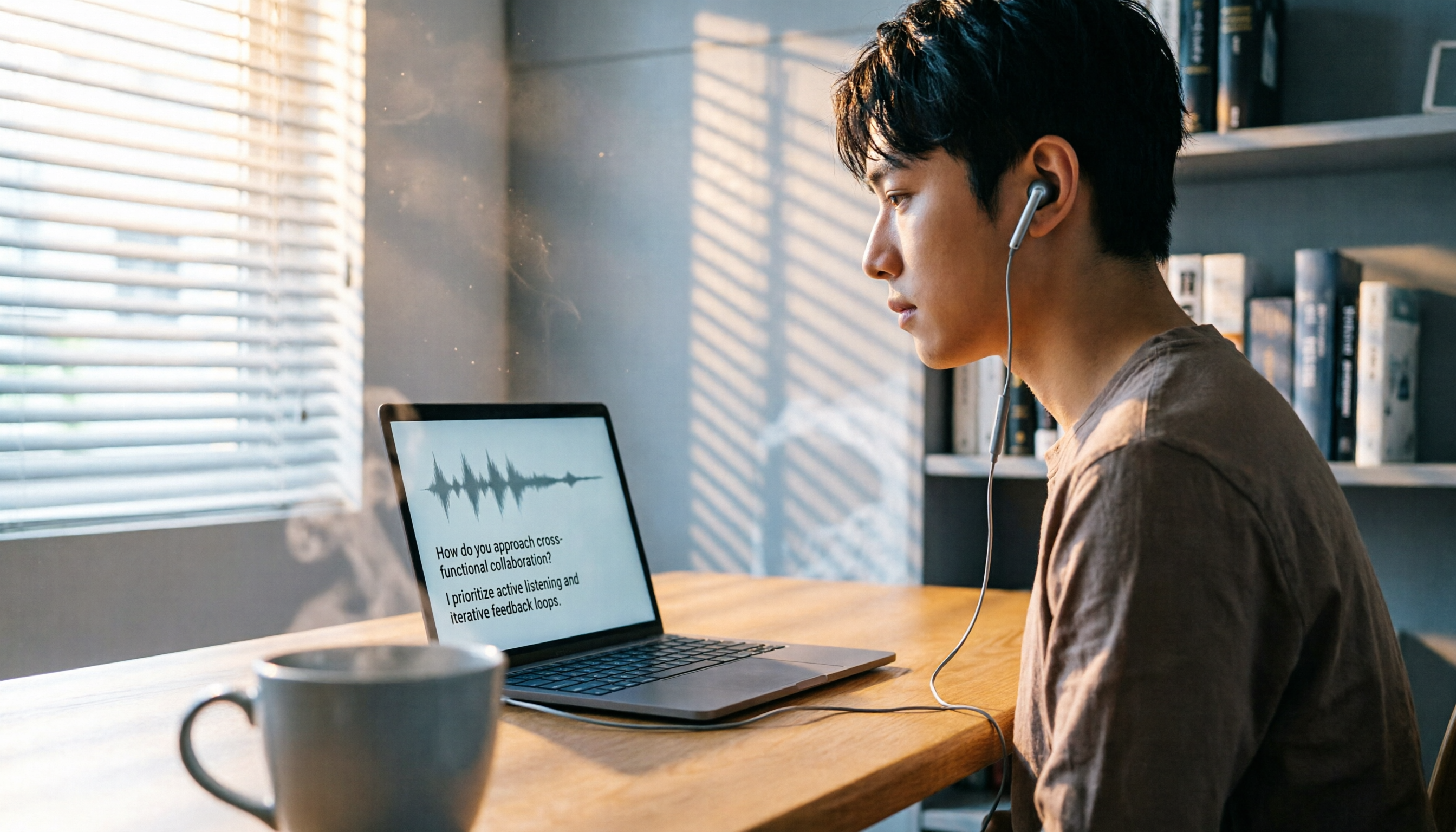
2026 Hands-On Comparison: 3 Google Meet Interview Recording Tools – Which One Helps You Review Your Performance Best?
Post-interview review is often the key to success, but relying on memory alone can miss details. This article tests 3 recording-to-text tools, comparing real-time transcription, AI summaries, cross-platform support, and free plans to help you choose the best assistant for organizing interview recordings.

A Complete Guide to Using Google Meet in UAE in 2026: Restrictions, Alternatives, and Must-Have Tools
Can't use Google Meet in UAE? This article compiles VoIP restrictions, 5 essential solutions (including VPN, meeting recording tools, and alternative platforms) to make your remote meetings seamless, even with transcription and AI summaries.

2026 Free Meeting Note Solutions for Google Meet & Zoom: 3 Options Compared
Still using built-in transcriptions in Google Meet and Zoom? There are smarter choices. This article compares 3 free meeting note solutions, from built-in transcription to professional recording-to-text tools like Tinrec, helping you easily organize meetings, classes, and interviews without missing key points.

2026 Google Meet Best Background Settings & Meeting Minutes Guide: Boost Efficiency with Tinrec
Tired of cluttered backgrounds affecting your professionalism in Google Meet? Spending time organizing meeting notes afterward? This guide shows you how to quickly set a clean background and use Tinrec to automatically transcribe, summarize, and generate action items from your meetings, making online meetings more efficient.

2026 Hands-On Comparison of 3 Meeting Note Apps: How to Organize After Google Meet on iPhone? Tinrec Saves the Most Time
Having Google Meet on iPhone is convenient, but organizing meeting notes afterwards is the biggest headache. We tested Tinrec, Otter, and Notta to see which helps the most, especially Tinrec's Cantonese transcription and AI Q&A features that can save you a lot of overtime.

2026 Comparison of Two Meeting Recording Tools: Tinrec vs Fireflies.ai – Which Is Better for Google Meet Users?
If you frequently host Google Meet meetings, do you really need another meeting bot? This article puts Tinrec and Fireflies.ai to the test, comparing them across five dimensions: input sources, Chinese language processing, AI post-processing, and price – to help you find the one that truly saves time for small teams.

5 Alternatives to Google Meet Free: Solve the 'Meeting Ends When Host Leaves' Problem
Google Meet's free plan ends the meeting when the host leaves. What can you do? This article highlights 5 alternatives, with Tinrec as the core solution, showing you how to keep meetings going, auto-transcribe, and summarize key points without being tied to platform limits.

Google Meet Alternative in Dubai 2026: Use Tinrec for Meeting Transcription & AI Summarization
Using Google Meet in Dubai may be restricted by VoIP policies, but the need for meeting records remains. This guide shows how Tinrec can turn any call or recording into structured text, summaries, and action items, letting you manage meeting content effortlessly from anywhere.

2026 Comparison of 2 Google Meet Recording Tools: Overcoming the Free Version's Time Limit
Google Meet's free version has a 60-minute limit. How to record long meetings? This article compares Tinrec and Notta, two AI recording and summarization tools, from input sources, AI features, Chinese language experience, to pricing, to help you find the best meeting recording solution.