

Turn recordings into transcripts and summaries in minutes
Upload audio or video for multilingual transcription, AI notes, and action items
Why Are People Looking for Google Meet Alternatives?
Google Meet recently added built-in meeting recording and transcription, which is convenient for frequent meeting attendees: no need for extra software, and you get an English transcript right after the meeting. But after using it for a while, you might notice a few issues: transcription is primarily in English, making it less effective for Chinese or mixed-language meetings; the text stays locked in Meet, unable to incorporate external recordings or videos; and extracting action items or key summaries from a long meeting is still difficult—the built-in AI is limited. If you feel Meet's transcription is not enough, Tinrec might be a better choice for meeting and data organization.
Tinrec vs Google Meet: What's the Core Difference?
The key to a good tool is whether it actually saves you time. The following five dimensions highlight the real differences between Tinrec and Google Meet's built-in transcription.
1. Cross-Platform and Multi-Source Support
Meeting notes shouldn't be trapped in one platform. Google Meet's transcription is limited to Meet meetings, but you may also have in-person meetings, interview recordings, lecture recordings, or YouTube video content to transcribe. Tinrec supports iOS, Android, and web, allowing real-time recording, uploading audio/video files, and pasting public video links for transcription—all consolidated in one workspace. This integration prevents your data from being scattered.
2. AI Depth
Google Meet's built-in transcription mainly provides verbatim transcripts, while Tinrec goes beyond that: it automatically generates summaries, splits chapters, extracts action items, and even has an AI chat query—you can ask "What was the conclusion of this meeting?" or "Who is responsible for which task?" and Tinrec will find the answers from the recording. This means no more manually flipping through 30 pages of transcript; you get the key points in seconds.
3. Language Support
Google Meet transcription primarily focuses on English, so accuracy and usability drop for Chinese or mixed-language meetings. Tinrec has been deeply optimized for Chinese content, including Traditional Chinese, mixed Chinese-English contexts, and even Cantonese, making it more suitable for Chinese-speaking teams and individuals.
4. Export and Post-Processing
Meet transcription results are mostly viewable within the meeting record and are not easily exported to other formats. Tinrec offers various export options, allowing you to bring summaries, transcripts, and action lists to Notion, Google Docs, OneNote, or other tools you already use. You can even have the AI generate reports, meeting minutes, or tables, seamlessly integrating into your workflow.
5. Pricing and Flexibility
Google Meet's transcription requires a specific plan and cannot be purchased separately. Tinrec offers a free tier for trial (with a monthly basic transcription quota). For heavy users, weekly, monthly, and yearly cards are available based on usage frequency, without locking you into an entire platform.
Stop organizing recordings by hand
Upload audio or video and automatically get a transcript, summary, and action items
Tinrec's Core Features at a Glance
Now that you understand the differences, here's what Tinrec can do for you:
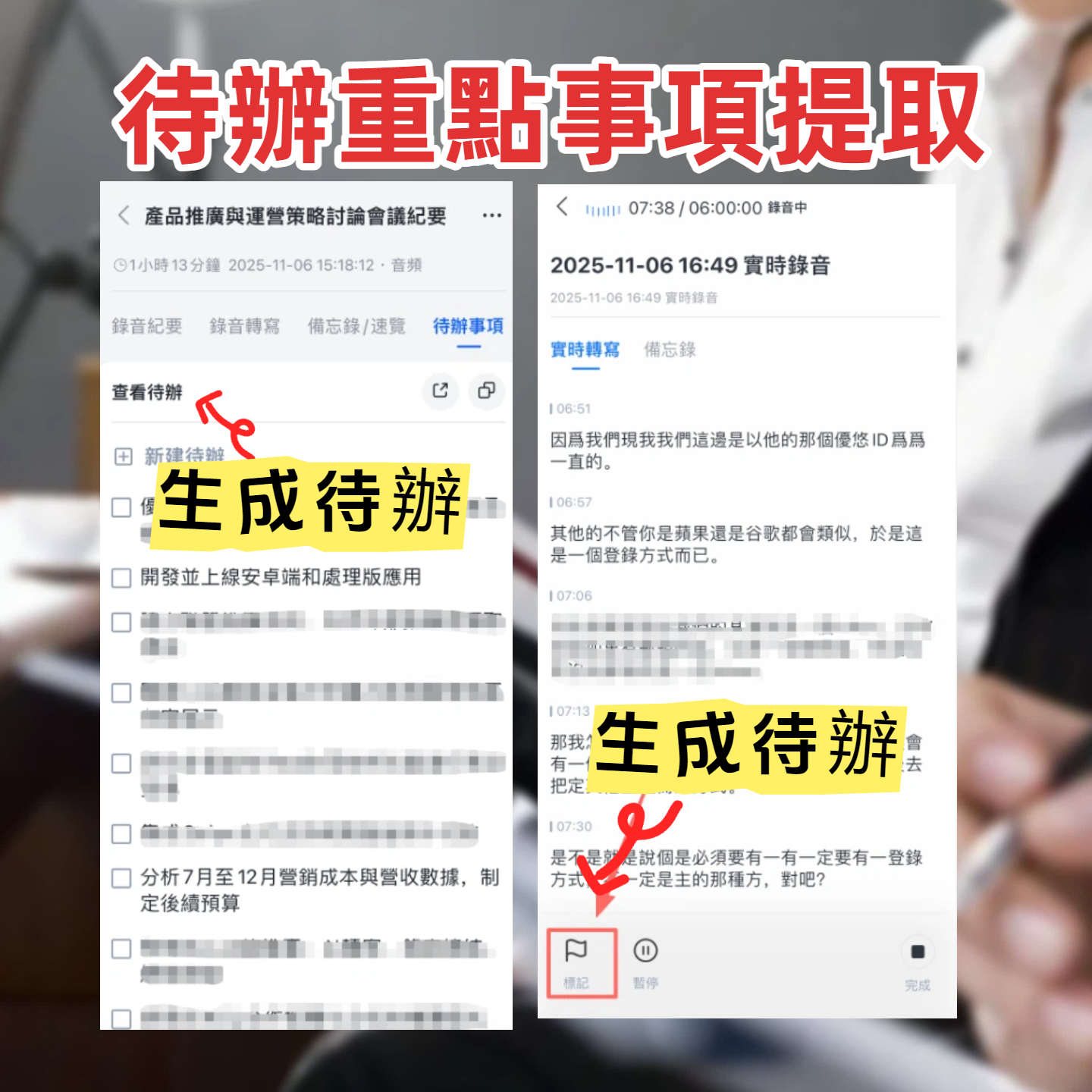
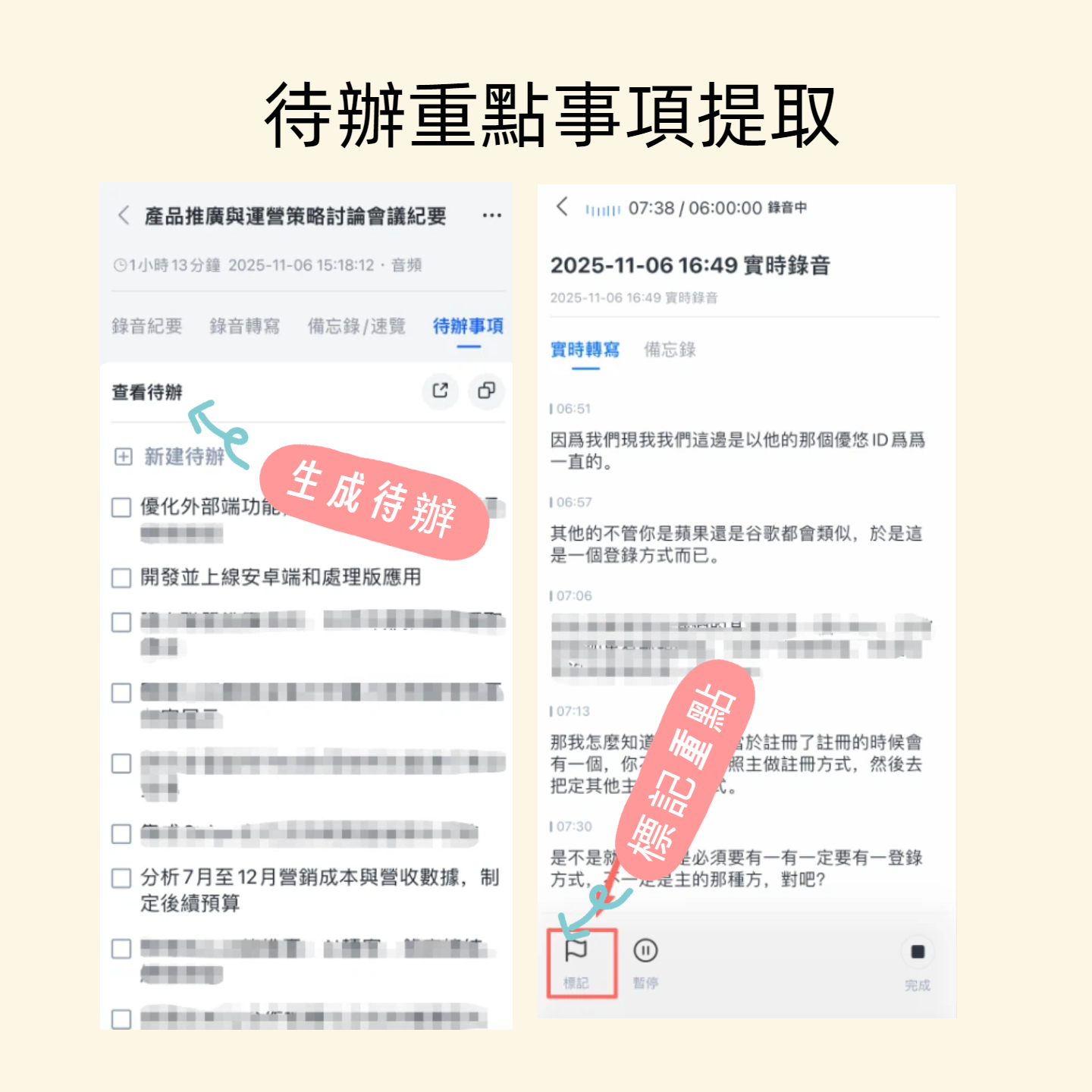
- Real-Time Recording to Text: Start recording in Tinrec and text appears simultaneously with less than 1 second delay. During meetings, classes, or interviews, you can instantly check if you missed key points, and the transcript is ready the moment the session ends.
- Audio/Video File to Text: Upload old recordings, course audio, or interview videos and convert them to text with automatic summarization and chapter splitting, making dusty data usable again.
- Online Video to Text: Paste a public YouTube or Bilibili video link, and Tinrec will generate a transcript and key summary, great for study notes or content creation.
- AI Chat Query: This is my personal favorite. After recording a one-hour meeting, just ask Tinrec: "What three options were discussed?" or "What was the client's feedback?" It answers based on context, saving you from aimless searching.
- Chapter and Action Item Extraction: Long recordings are automatically split into structured chapters, and action items mentioned in meetings are extracted into a to-do list.
- Multi-Format Export and Agent Post-Processing: Export the organized text and action items to your favorite tools, or even have the AI generate meeting minutes, draft reports, or tables, significantly reducing post-meeting work.
Practical Use Cases
Tinrec works with any content source. Here are common scenarios:
- Team Meetings: Start real-time recording before the meeting, and immediately get summaries, action items, and transcripts afterward. Send out meeting notes within ten minutes, no need to rely on memory or handwritten notes.
- Online Learning: Record lectures or talks, then turn long audio into structured review notes with chapters and key points. You can even paste related supplementary video links for consolidation.
- Interviews & Research: Convert interview recordings to transcripts, then use AI Q&A to extract key insights and quickly create reference material, without replaying hours of audio.
- Content Creation: Convert reference podcasts or online videos into text outlines, extract inspiration, quotes, and structure, then combine with your own ideas to produce articles or video scripts.
5 Things to Look for When Choosing a Speech-to-Text Tool
When selecting such a tool, feature lists are just the basics. What really affects the experience are these five points:
- Range of Input Sources: If you only need transcription for online meetings, built-in tools might suffice. But if you also have classroom recordings, external audio files, or online videos, choose a tool like Tinrec that consolidates multiple sources.
- Depth of Post-Transcription Organization: Simple transcripts don't boost efficiency. Check for features like AI summaries, chapter splitting, action item extraction, and even chat queries—these are the real time-savers.
- Language Support for Your Scenario: For Chinese users, the tool's ability to handle Traditional Chinese and mixed Chinese-English is crucial. Tinrec's optimization for Chinese content makes it more user-friendly than most English-centric services.
- Export and Integration Flexibility: Can you export results to your preferred formats? Can it integrate with other services? This determines whether your data becomes an island.
- Reasonable Trial Options: You shouldn't have to pay upfront, but the free tier should let you truly test the tool. Tinrec's free version provides a monthly basic quota so you can try it with your own recordings.
Conclusion: Is Tinrec Worth a Try?
If you've realized that Google Meet's built-in transcription is insufficient and need a tool that handles meetings, classes, interviews, and online videos simultaneously, Tinrec is one of the few options that balances "multi-source input," "deep AI organization," and "Chinese experience." Its summaries, action item extraction, and AI chat query let you turn meeting material into actionable results within ten minutes after the meeting, freeing you from long recordings. Download the free version of Tinrec and test it with your own recordings—experience it yourself to see how much time it can save you.
Turn every recording into actionable outcomes
Get 60 free transcription minutes when you sign in. No credit card required.
Related Reading
You might also like
How to Organize Google Meet Meeting Notes in 2026? 5 Steps from Recording to AI Summary
Do meeting notes take too much of your time? This article shows you how to use Tinrec to quickly transcribe recordings, turning Google Meet audio into transcripts, AI summaries, and action items in 5 steps. We also compare Otter, Fireflies, and other tools to help you find the best solution.

2026 AI Meeting Note Tools Compared: Why You Still Need Tinrec After Google Meet's New Features
Google Meet's new built-in transcription and summary features seem sufficient, but our tests show that to truly turn meetings, courses, and interviews into reusable knowledge, you need a more comprehensive tool. This article compares three mainstream solutions and explains why Tinrec is the best choice beyond built-in features.

How to Transcribe Google Meet Recordings in 2026? 5-Step Tutorial with Tinrec
Google Meet's built-in recording is convenient, but its transcription and content organization fall short. This article compares Tinrec and Google Meet's recording across 5 dimensions: transcription accuracy, AI organization, cross-platform export, Chinese support, and post-recording flexibility. Finally, learn 5 steps to turn your meeting recordings into a searchable, queryable database with Tinrec, so you can skip overtime meeting notes.

2026 Best Free Meeting Transcription Tools: 5 Options Compared
A mid-level manager with 15 weekly meetings tested free plans of 5 tools—Tinrec, Otter.ai, Notta, and more—from free quotas to cross-platform and AI features, to save you meeting note time.

2026 Google Meet Recording Alternative: Why More People Are Switching to Tinrec?
If you rely on Google Meet for meetings but need more comprehensive recording-to-text transcription, AI summaries, and cross-platform organization, this article explains why Tinrec is a more complete choice, especially for Chinese-language environments.

Tutorial 2026: Use Tinrec to Organize Google Meet Recordings - Auto-Generate Minutes & To-Dos in One Go
Searching for "google meet latest version number"? Actually, you want an automated way to record meetings? Tinrec can transcribe your Google Meet recordings and automatically generate summaries, to-dos, and minutes. No more overtime typing meeting notes. This tutorial shows you how to use Tinrec to organize all meeting recordings at once.
How to Organize Google Meet Meeting Notes in 2026? A 4-Step Guide to AI Transcription and Summarization
Still using Google Meet's built-in features for meeting notes? Try Tinrec to handle meeting recording transcription, AI summaries, and action items in 4 steps. Make your meeting notes more complete.
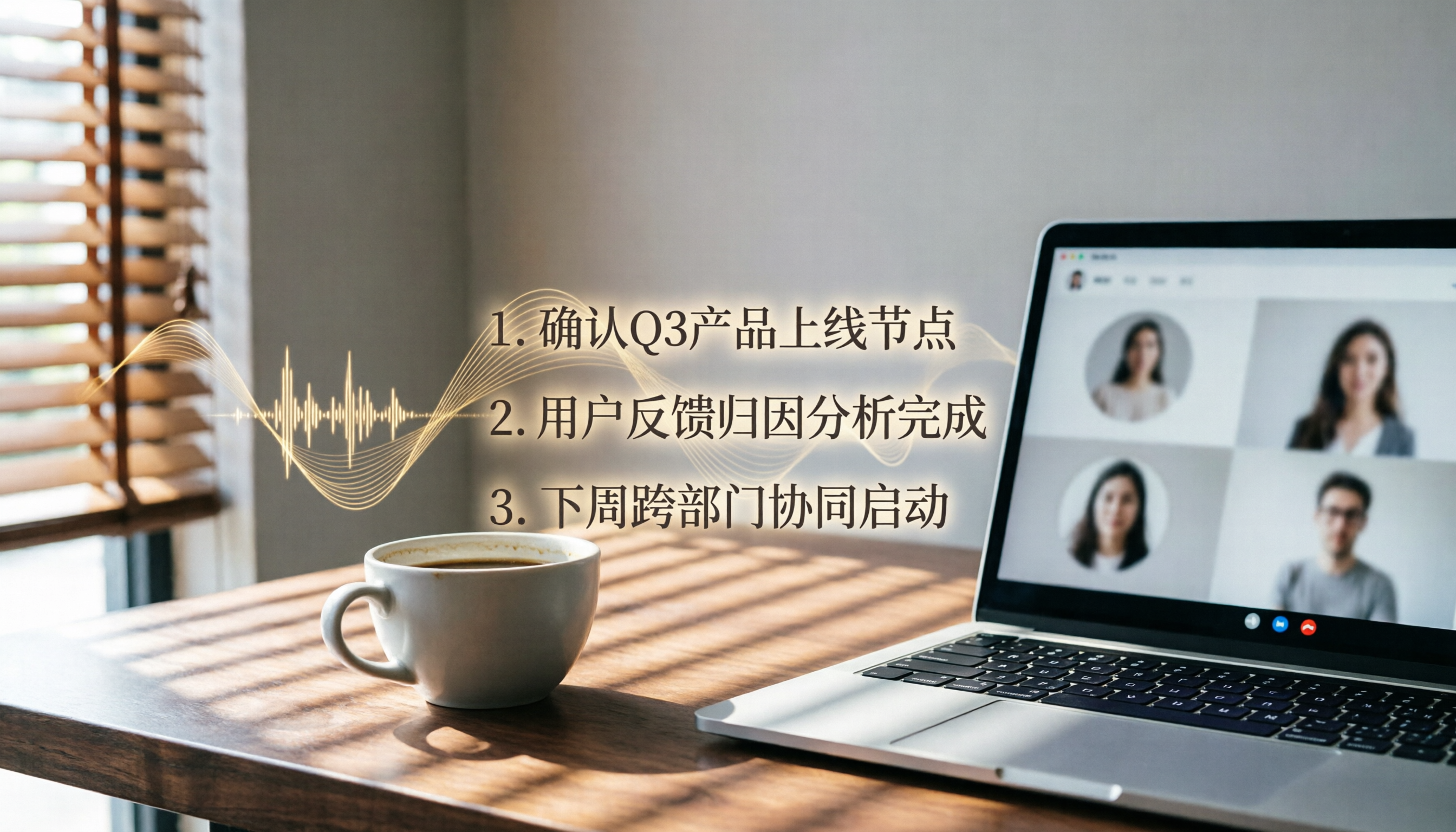
2026 Hands-On Comparison of 2 Google Meet Recording Tools: Which Saves the Most Time on Chinese Meeting Minutes?
Frequent Google Meet user but dreads post-meeting transcription? This article puts Tinrec and Otter.ai to the test, comparing Chinese speech recognition, meeting minutes, AI Q&A, and pricing to help you find the best meeting assistant for Taiwanese users.

Complete Guide to the 2026 Google Meet Logo: Design Changes and Brand Identity Explained
What does the new Google Meet logo look like in 2026? This article takes a student's everyday use perspective, helping you quickly understand the new logo's design changes, identification tips, and display differences across platforms so you never get confused again.