
Turn recordings into transcripts and summaries in minutes
Upload audio or video for multilingual transcription, AI notes, and action items
Facing often hour-long YouTube professional tutorials, overseas speeches, or interview videos, do you often find yourself lacking key takeaways? The time cost of manually re-listening or taking notes is extremely high, especially with foreign-language videos or those lacking accurate subtitles. Relying solely on manual digestion no longer fits modern high-efficiency rhythms.
To solve this information overload pain point, this article provides an in-depth review of mainstream AI YouTube video summarizer tools in 2026. In the following sections, we offer a 5-dimension comparison table (covering language support, multi-platform integration, summaries and action items, pricing, etc.) along with actionable tutorials and a FAQ to help you make the best decision.
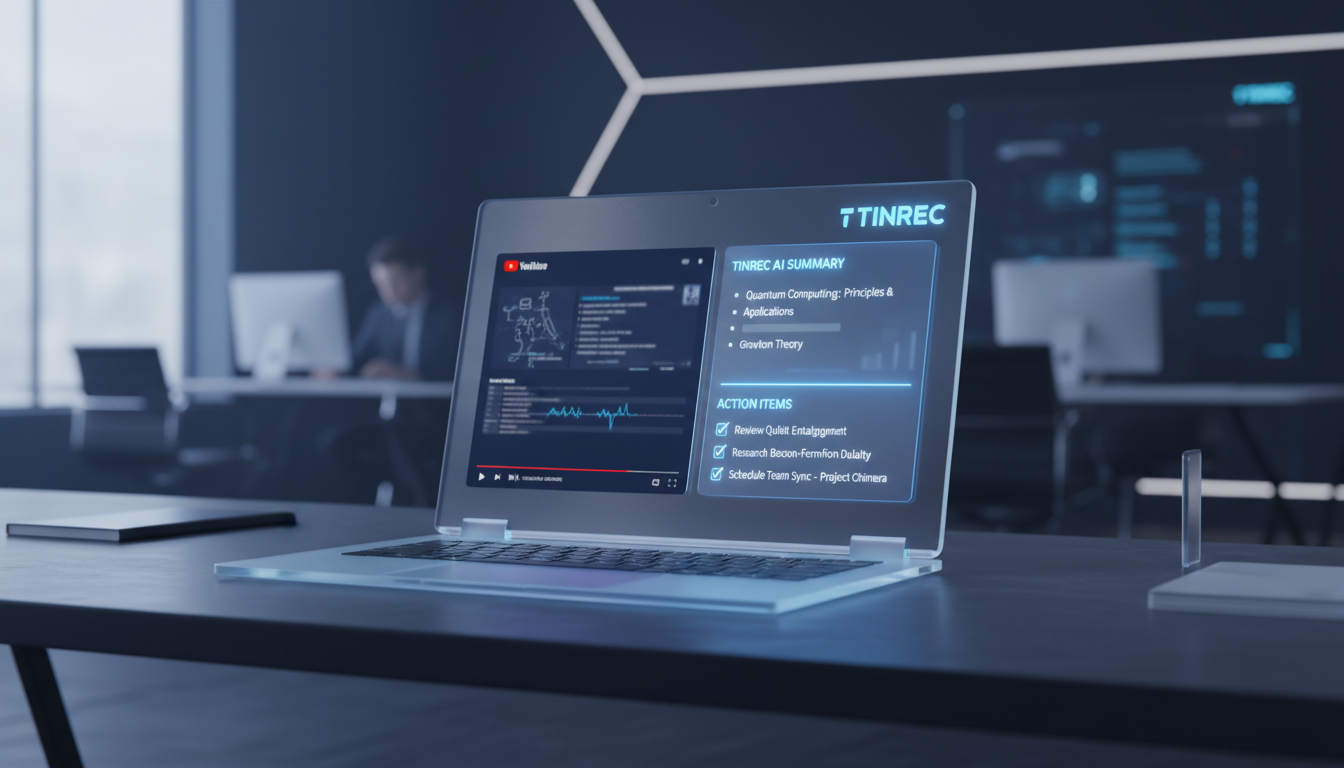
Quick Navigation Tips: If you only need a lightweight free browser extension, consider YouTubeDigest first. If you need cross-platform support (iPhone, Android, web) and want to handle not only video summaries but also daily meetings, Teams/Meet recordings, and AI-powered semantic Q&A, Tinrec is a comprehensive solution worth evaluating.
1. Why Do You Need an AI YouTube Video Summarizer?
Modern learning and work rely heavily on video platforms, but traditional viewing has three major pain points:
- High time cost: YouTube uploads massive volumes of videos daily. Extracting 5 minutes of core essence from a 60-minute live stream or tutorial is like finding a needle in a haystack.
- Language and subtitle limitations: Many quality overseas contents lack precise traditional Chinese subtitles, making comprehension difficult.
- Lack of structured notes: After watching a video, the mind often goes blank, with no concrete action items or knowledge archiving for work or study.
With AI summarization tools, you can transform passive "watching" into active "knowledge retrieval," letting AI handle the first layer of information filtering.
2. In-Depth Review of Mainstream AI YouTube Video Summarizers in 2026
The market offers many excellent tools. We selected five representative solutions for comparison, ranging from browser extensions to full-platform knowledge management assistants.
1. BibiGPT: All-in-One Platform with AI Agent Integration
BibiGPT supports multiple platforms like YouTube and Bilibili. Its highlight in 2026 is the bibigpt-skill feature, allowing developers with programming skills to set up automated fetching and summarizing of the latest videos from YouTube channels via AI agent frameworks like Claude Code or OpenClaw. It also supports mind maps and highlight note extraction, suitable for heavy learners and developers.
2. NoteGPT: One-Stop Learning and Flashcard Creation
NoteGPT not only summarizes YouTube videos but also handles PDF and article parsing. It offers a powerful browser extension and built-in AI flashcard generator. After watching an online course video, you can directly convert key points into flashcards for memory review, ideal for exam prep students or academic researchers. However, its free version is quite limited.
3. YouTubeDigest: Completely Free ChatGPT-Powered Summaries
This is a ChatGPT-based browser extension that is completely free. It generates bullet-point summaries right next to the YouTube interface and supports export to PDF or DOCX. Its advantage is high cost-effectiveness, but it is feature-limited and requires the user to have their own ChatGPT account to run smoothly.
4. Eightify: Focus on Instant Summaries and Timestamp Navigation
Eightify specializes in quick "TLDR" summaries with precise timestamps. Clicking a timestamp jumps to the corresponding video segment, useful for team sharing of industry analysis videos. Its mobile experience is good, but the free version has strict usage limits, essentially a paywalled model.
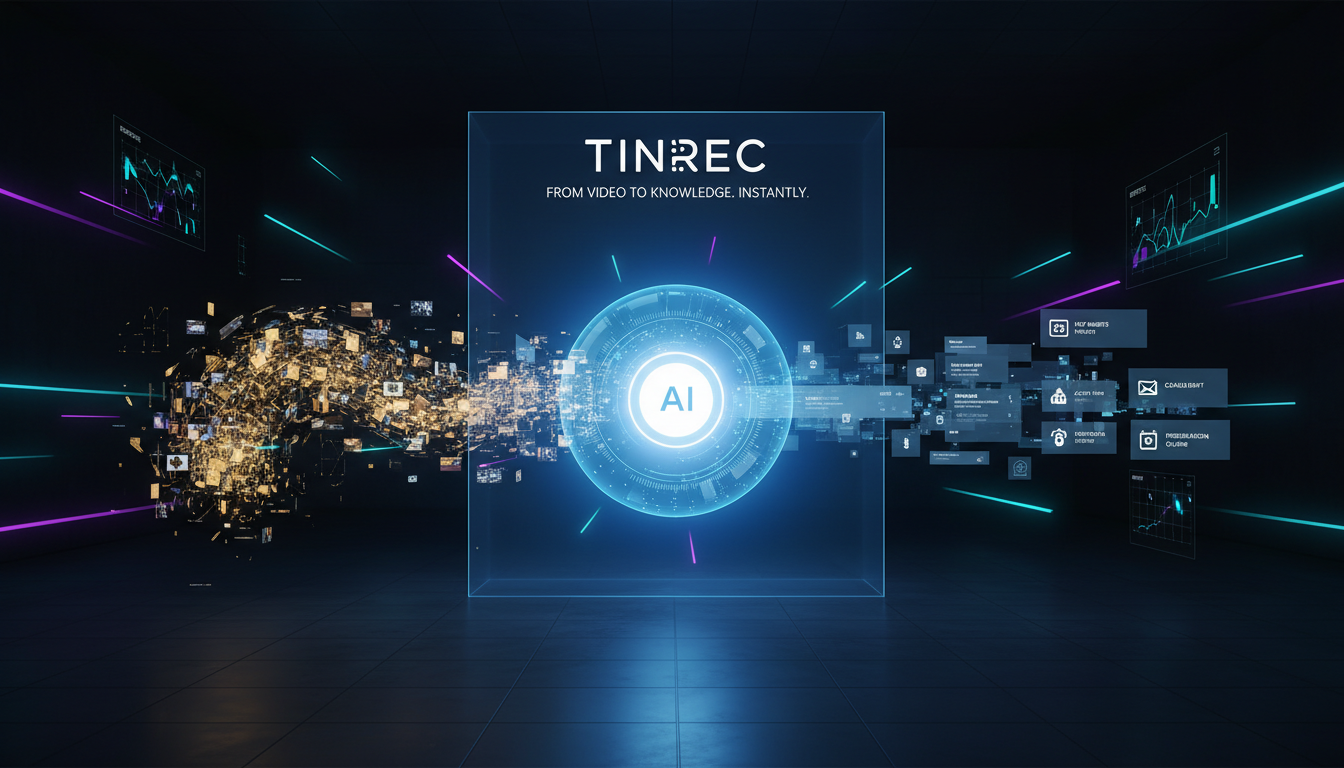
5. Tinrec (Seconds Recorder): Complete Workflow from Recording, Video to Action Items
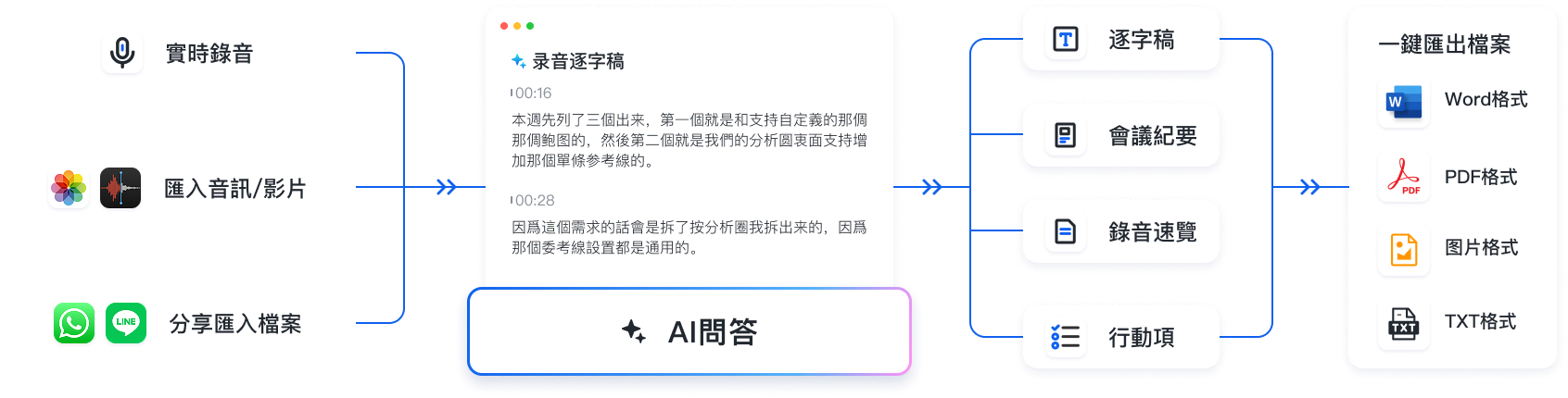
Compared to simple browser extensions, Tinrec is a multi-platform AI assistant across iOS, Android, and Web. It not only supports URL parsing for YouTube videos/podcasts but also handles live recording and audio file transcription.
Stop organizing recordings by hand
Upload audio or video and automatically get a transcript, summary, and action items
Tinrec's core differentiator is its focus on "post-use efficiency." After video or audio transcription, the system automatically recognizes 10 languages (including Chinese, English, Japanese) and generates transcripts. More importantly, it automatically creates meeting minutes and to-do action items. If you have questions about the content, you can use the "AI chat query" feature to ask the AI directly, quickly retrieving details from the video as if asking a person.
3. Tool Comparison Table: 5 Core Dimensions for Quick Decision
To reduce decision fatigue, we've organized the tools into a comparison table based on key dimensions:
| Dimension | BibiGPT | NoteGPT | YouTubeDigest | Eightify | Tinrec (Seconds Recorder) |
|---|---|---|---|---|---|
| Supported Platforms/Formats | YouTube, Bilibili, local audio | YouTube, PDF, local video | YouTube only | YouTube only | YouTube, podcasts, local audio, live recording |
| Multilingual Support | Broad support | 50+ languages | Depends on ChatGPT | 40+ languages | Auto-detects 10 languages (Chinese, English, Japanese, Korean, Taiwanese, etc.) |
| Summaries & Action Items | Mind maps, highlight notes | Bullet summaries, flashcards | Basic bullet summaries | TLDR summaries | Auto-generated conclusions and to-do action items |
| AI Chat Query | Q&A with source tracing | Basic chat | None | None | Deep AI chat query based on semantics |
| Pricing / Free Tier | Basic free, advanced paid | 15 free summaries/month | Completely free (login required) | Very limited free tier | Up to 100 minutes free/month, Pro $8.25/month |
4. Practical Tutorial: How to Turn Video Content into High-Value Notes
Tools alone aren't enough; mastering the right workflow saves real time. Below, using Tinrec's logic as an example, we break down the steps for four core scenarios:
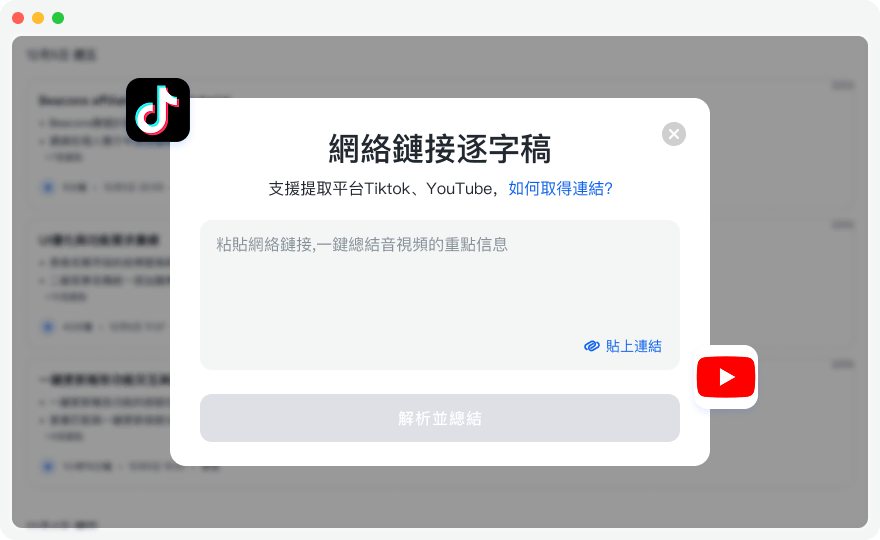
Step 1: Parse Online Videos/Podcasts Directly
If you find a two-hour industry trend analysis video on YouTube:
- Copy the YouTube video URL.
- Paste it into the "Online Video to Text" section of the tool.
- AI automatically grabs the audio track, converts it to text, and generates a video summary with an outline, letting you grasp two hours of content in 3 minutes.

Step 2: Live Recording to Text
For physical classes or remote meetings without video links:
- Open the "Live Recording" feature on mobile or web.
- During recording, the screen displays real-time transcription text without waiting for the meeting to end.
- After completion, it is automatically archived, and AI extracts action items.
Step 3: Import Existing Audio/Video Files
If you've already downloaded an MP3 or MP4 file of an online lecture:
- Click the "Audio File to Text" feature.
- Upload the file; the system automatically distinguishes different speakers.
- Export transcripts and meeting highlights in multiple formats (PDF/Markdown/Word) for easy editing.
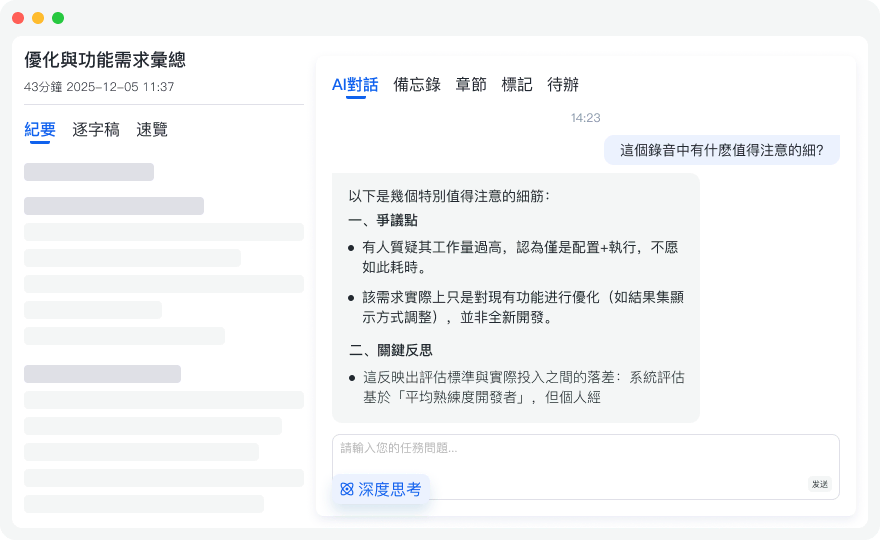
Step 4: Use AI Chat Query to Dig Deeper
This is an advanced feature rarely found in basic tools. Traditional transcripts only support Ctrl+F keyword search, but AI chat query allows:
- Click on the parsed recording or video file.
- Type semantic questions in the dialog box, e.g., "What three marketing strategies did the speaker mention?" or "What are my action items from the meeting?"
- AI quickly retrieves and summarizes answers, greatly reducing the pain of sifting through transcripts.
5. FAQ
Q1: Can these tools be used on iPhone or Android? Many tools offer only Chrome browser extensions (e.g., HARPA AI). For high mobile convenience, choose a solution with iOS and Android support (like Tinrec) to organize ideas anytime during your commute.
Q2: Besides YouTube, can these tools handle Teams or Google Meet meeting minutes? If the tool supports "live recording" or "audio file import," it can be used for Teams or Meet. You can download meeting recordings and upload them, or enable real-time transcription during the meeting to let AI write the minutes.
Q3: If a YouTube video has no subtitles, can AI still summarize it? Yes. Modern AI tools (e.g., those using Whisper or similar speech recognition) analyze the video's audio track directly, not relying on official subtitles, and automatically transcribe and translate into the desired language.
Q4: Do exported transcripts automatically distinguish speakers? For interview-style videos or meetings, some professional tools (like Tinrec) use voiceprint recognition to automatically label "Speaker A," "Speaker B," which is very helpful for later transcript organization or article writing.
Q5: What happens when the free quota runs out? Free strategies vary. Some tools offer fixed counts per month (e.g., 15), others calculate by minutes (e.g., 100 minutes/month). If you're a heavy user (students, content creators), choosing a subscription plan (around $5–$10/month) with a complete workflow is often more efficient than being limited by free quotas.
Q6: Will AI summaries miss key information or produce hallucinations? Any AI model has a small chance of minor errors. Therefore, choosing a tool with "timestamp alignment" or "AI chat source tracing" is important. When you doubt a conclusion, you can click to jump back to the original segment to verify the original speech, ensuring accuracy.
Turn every recording into actionable outcomes
Get 60 free transcription minutes when you sign in. No credit card required.
Related Reading
You might also like
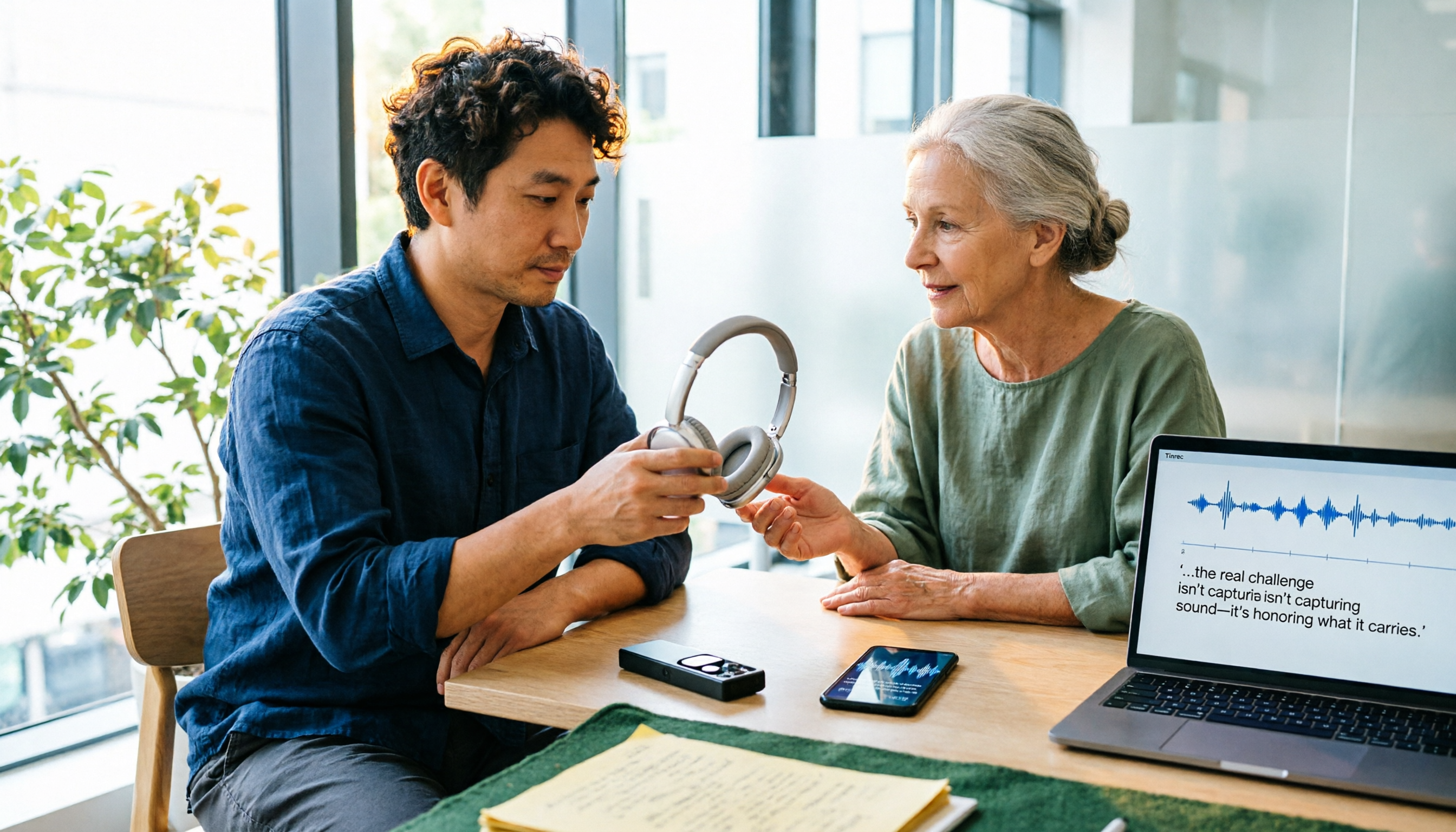
2026 Comparison of 2 Free Audio-to-Text Tools: How to Choose Between Plaud and Tinrec Free Tiers?
People searching for "free Plaud recording files" fall into two groups: those who already own a Plaud device and want to know how the 300 minutes are calculated, and those who haven't bought hardware and just want to turn recordings into free transcripts. This article first breaks down the actual scope and limitations of Plaud's free plan, then explains what Tinrec's free version can do without buying a device, along with buying checkpoints and FAQs.

2026 Comparison of 3 Free AI Transcription Solutions: Quotas, Summaries, and Team Collaboration Explained
Is free audio transcription enough? Based on real experience from a mid-level manager with 15 meetings per week, this article compares three free approaches: AI recording hardware, pure transcription services, and meeting note tools like Tinrec. It breaks down differences in free quotas, summary capabilities, action item extraction, and team data retention, and provides 5 purchase decision points and FAQs to help you decide where to spend your free quota.

2026 AI Voice Recorder Comparison: PLAUD vs Tinrec — Which One Should You Choose?
PLAUD is a hardware-based portable AI voice recorder, while Tinrec is a software-based AI meeting notes tool that requires no extra device. This comparison covers hardware needs, online meeting capture, post-meeting organization, legacy audio files, team collaboration, and pricing structure to help you decide which approach fits your workflow.
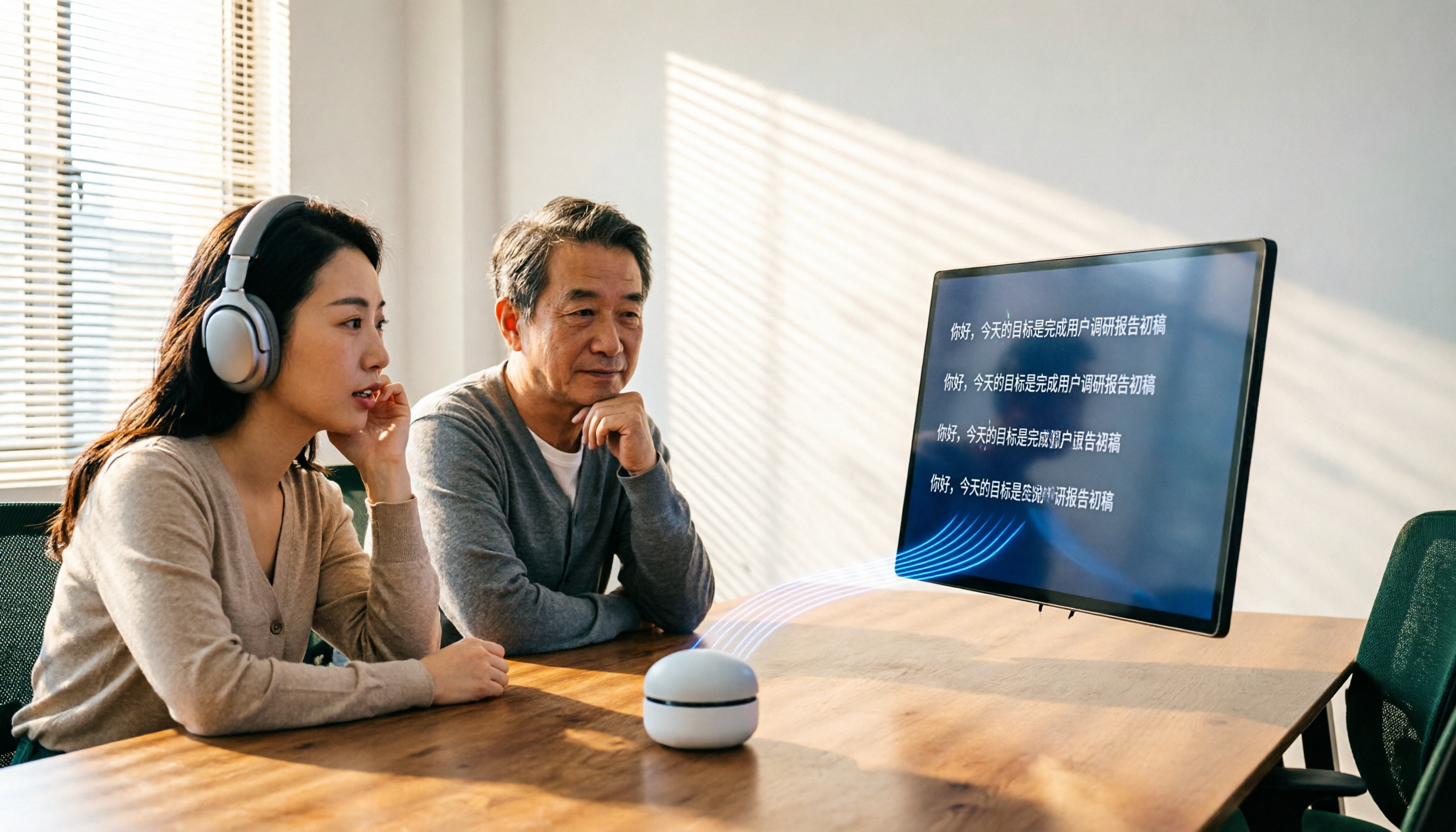
2026 Recording-to-Text Tools Compared: PLAUD Online, Otter, and Tinrec — Which Should You Choose?
Can you use PLAUD's online recording version? This article starts from real-world pain points and compares PLAUD, Otter.ai, Notta, and Tinrec on online meeting recording, Chinese transcription, post-meeting organization, and team collaboration. It also highlights key buying factors and common pitfalls to help you choose a tool you'll actually use long-term.

Which Recording Tool Is Better? 2026 Hands-On Comparison of PLAUD and Tinrec 2 Options, Conclusion First
Should you buy PLAUD Note Pro/NotePin? This article compares PLAUD recording hardware and Tinrec instant listening recording across 5 dimensions: hardware cost, online meeting audio capture, post-meeting organization, team collaboration, and quota fees. It concludes directly with 'who should buy which one.'

The Complete 2026 iPhone Recording Guide: 3 Accessibility Settings That Turn Recordings into Searchable Meeting Notes
Start with three iPhone accessibility settings—Shortcuts, Back Tap, and the Action button—to reduce 'start recording' to a single action. Then tackle the real pain point: how to turn recorded audio into meeting notes that are searchable, queryable, and easy to hand off. We break down the differences between built-in Voice Memos, PLAUD, Notta, and Tinrec, with buying advice.
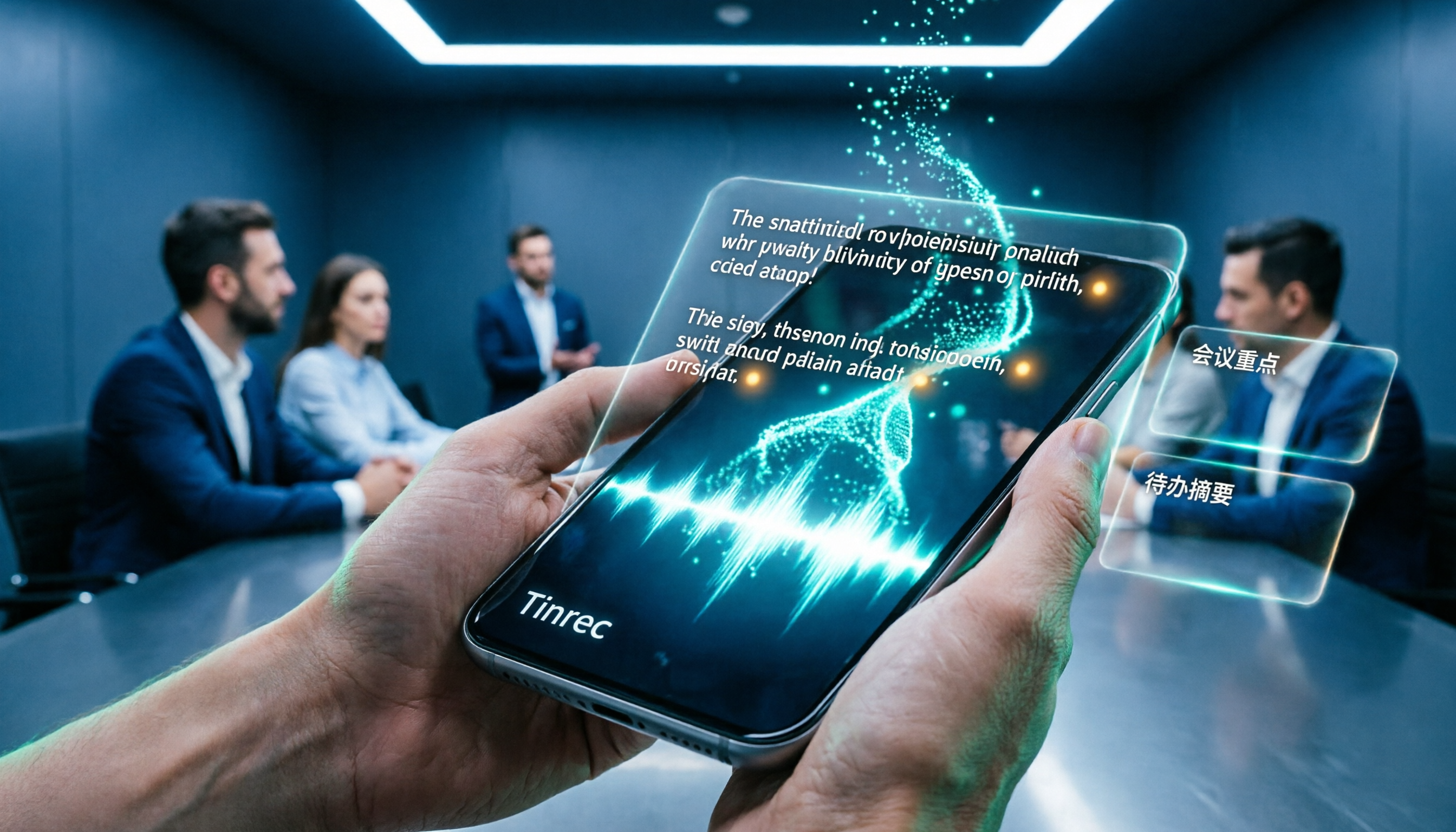
2026 Comparison of 4 iPhone Transcription Apps: Built-in Transcripts vs. AI Tools—Which Saves More Time?
Many people think iPhone transcription requires third-party apps or that the built-in Voice Memos is sufficient. This article debunks common myths, compares iPhone's built-in transcription, Granola, PLAUD Note, and Tinrec, and provides buying criteria, pitfalls to avoid, and practical workflows to help you decide which solution fits meetings, interviews, and team collaboration.

Voice Recorder vs iPhone: 5 Key Comparisons for Meeting Notes in 2026
Voice recorder or iPhone? This guide compares them across 5 dimensions—audio quality, long-recording stability, transcription efficiency, post-meeting workflow, and cost—and explains how AI tools like Tinrec fill the gaps, helping you choose the right setup for your meeting style.

2026 Recording Solutions Compared: Voice Recorder vs iPhone — The Real Difference Isn't Hardware, It's Post-Meeting Organization
Should you buy a voice recorder? Is iPhone recording good enough? Based on my own hands-on testing, this article breaks down 4 key buying factors and compares iPhone Voice Memos, dedicated voice recorders, PLAUD Note, Notta, and Tinrec (秒聽錄音) in terms of audio capture, transcription, post-meeting organization, and team collaboration. It also includes a pitfalls guide and a ready-to-use starter checklist.