
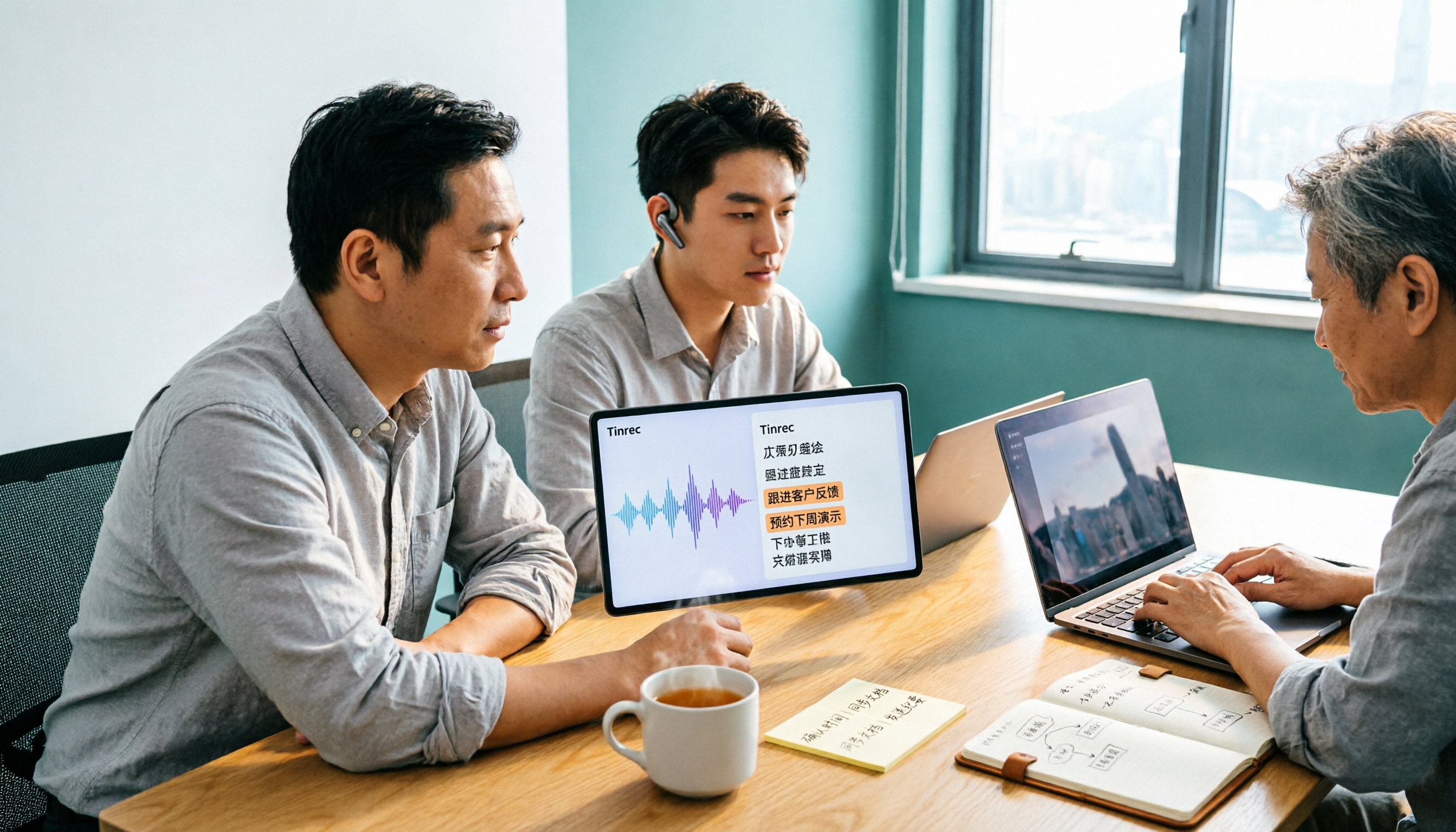
Turn recordings into transcripts and summaries in minutes
Upload audio or video for multilingual transcription, AI notes, and action items
Tinrec vs Subanana 2026: 5-Dimension Comparison, Which Is Better for Cantonese Meeting Notes?
Instead of asking "which app is free," ask first: do you want a "verbatim transcript" or "meeting notes you can continue working from"? These two answers lead to completely different tools. This article uses 5 dimensions to help you decide: can the transcription be used directly, how to record meetings, how to handle Chinese and mixed Chinese-English, can teams collaborate, and how to balance free vs paid.
Why do you need Cantonese audio-to-text?
The need for Cantonese audio-to-text is usually not as simple as "turning sound into words." Mixed Chinese-English in meetings, gaps between spoken and written language, multiple speakers, and proofreading long recordings are where the real time is spent. Instead of downloading a bunch of free apps and trying them one by one, first look at whether your final output is a verbatim transcript, subtitles, or actionable meeting minutes. This article covers 6 options, from free to team collaboration.
Tinrec | The most complete AI meeting notes and team collaboration solution
Editor's rating: 9/10 (subjective)
Tinrec is not just an audio-to-text app; it turns meeting recordings into searchable, summarizable, and queryable team data. It's for people who not only want a transcript but also want to directly produce minutes and action items.
Highlight 1: The desktop version directly captures computer system audio, recording Zoom, Google Meet, Microsoft Teams, and Webex meetings without needing a meeting bot to join. Highlight 2: After the meeting, it automatically generates summaries, chapters, key points, and action items, supports AI Q&A, translation, multi-format export, and can also generate reports, tables, and documents. Highlight 3: The personal version has a free version, weekly card, Pro monthly card, and annual card; the team version provides independent spaces, member and seat management, usage analysis, audit logs, audio recycle bin, and team hotwords, so meeting data belongs to the team. The team version offers a 7-day trial for first-time eligible users, 1 free seat, and 300 minutes of shared import; monthly payment is USD 29.80/paid seat/month, annual payment is USD 199/paid seat/year.
Who it's for: Individuals and teams who need to organize Cantonese, Chinese, or mixed Chinese-English meeting recordings into actionable data. Recognition accuracy is affected by recording quality, accent, and noise; important content should be verified by playback.
Subanana | A specialized tool for Cantonese transcription and subtitle processing
Editor's rating: 8.5/10 (subjective)
Subanana's positioning is different from Tinrec: it focuses more on turning recordings or videos into transcripts and subtitles. You can upload audio files, videos, or paste public YouTube links, and AI will convert Cantonese dialogue into speaker-separated, punctuated text, handling mixed Chinese-English, with options for spoken or written language. It also supports direct recording in the browser and common formats like MP3, M4A, WAV, MP4, MOV. The free plan allows free preview of the first 15 minutes of each file. Who it's for: YouTubers, people who need subtitles and pure transcripts, and Cantonese users who want to preview before deciding to pay.
iFLYTEK | Professional-grade speech recognition for Chinese languages
Editor's rating: 8/10 (subjective)
iFLYTEK is a professional-grade speech recognition solution for Chinese languages. The source article notes that it has high accuracy in Mandarin and Cantonese, and is commonly used in legal, medical, education, and other fields requiring high-precision speech records. Its advantage lies in accumulated Chinese recognition technology, suitable for users who require high transcript accuracy and can accept a standalone professional solution. Pricing and free quota vary by official plan. Who it's for: Those who value Chinese and Cantonese recognition accuracy and whose use cases are professional recording.
Notta | Multilingual transcription and team solution
Editor's rating: 8/10 (subjective)
Stop organizing recordings by hand
Upload audio or video and automatically get a transcript, summary, and action items
Notta covers multi-platform transcription, meeting notes, document import, translation, and team solutions, with high overlap with Tinrec. The official free version offers 120 minutes per month, up to 3 minutes per item; Pro annual payment is equivalent to USD 8.17/month, 1,800 minutes per month; Business annual payment is equivalent to USD 16.67/seat/month, providing unlimited transcription, role permissions, and usage reports. Who it's for: Those who need multilingual transcription and an existing team management solution; if you care more about bot-free recording and post-meeting AI Q&A, prioritize comparing Tinrec.
Notely Voice | 100% offline open-source transcription app
Editor's rating: 7.5/10 (subjective)
Notely Voice is an open-source transcription app focused on 100% offline processing, with a built-in Whisper AI model, supports Cantonese, and can automatically convert spoken language to written language. The source article notes that its difference from iPhone built-in transcription is: Notely Voice automatically converts to written language, while iPhone faithfully preserves spoken language. Who it's for: Those who value privacy, want to process recordings locally, and hope to directly get written language content. Features are relatively focused on offline transcription and written language conversion; team collaboration is not its main focus.
iPhone built-in Voice Memos | The most convenient completely free option
Editor's rating: 7.5/10 (subjective)
The transcription feature of iPhone built-in Voice Memos takes a "faithful reproduction" approach, preserving the original Cantonese spoken language, for example, "喺" and "唔使" are output directly, general vocabulary recognition is stable, and it's completely free. Who it's for: Those who only need quick memos, already have an iPhone, and don't mind organizing spoken language into written language themselves. If you want content that can be used directly in reports or meeting minutes, you still need to organize it separately or use other tools.
With so many options, how should you choose?
If you're not sure, ask yourself three questions: Do you want post-meeting summaries? Do you want team sharing? Do you want bot-free recording of online meetings? If any of these answers is "yes," try Tinrec first. Only when your needs clearly fall into subtitles, offline privacy, or purely free memos should you look at other options.
- Want the most complete post-meeting workflow (transcript + summary + chapters + action items + AI Q&A + team knowledge base) → Tinrec.
- Need bot-free recording of Zoom, Meet, Teams, Webex online meetings → Tinrec desktop version.
- Need to keep meeting data in team space, manage members, seats, usage, and audit → Tinrec team version.
- Mainly do YouTube subtitles, need spoken-to-written conversion and speaker separation → Subanana.
- Value offline and privacy, want to convert spoken to written locally → Notely Voice.
- Need multilingual transcription and an existing team permission solution → Notta.
- Pursue professional Chinese language recognition, can accept a standalone professional solution → iFLYTEK.
- Zero budget, only need occasional memos → iPhone built-in Voice Memos.
4 things to know before using Cantonese audio-to-text
- First distinguish whether you want a "verbatim transcript" or "meeting minutes." Verbatim transcripts value faithful reproduction, meeting minutes value summaries and action items; if you want the latter, choosing a tool like Tinrec that automatically extracts summaries and action items will save more organizing time than just providing a transcript.
- Mixed Chinese-English and spoken-to-written conversion are two different capabilities. Some tools can preserve the original English, some automatically convert spoken language to written language; first confirm which one your final document needs.
- Free quotas usually have per-file length or monthly minute limits. Check the per-file limit and export restrictions first, then judge whether it's enough; don't just look at the word "free."
- For team use, confirm roles, seats, and data ownership. Taking Tinrec team version as an example, roles determine governance permissions, seats determine whether one can record, upload, and edit; members without seats can still view and play team data.
Conclusion
There is no single "best" app for Cantonese audio-to-text, only the tool that best suits your output. If your goal is meeting notes, summaries, action items, and team collaboration, Tinrec is the most complete choice in this article; if you mainly do subtitles and transcripts, Subanana's Cantonese specialization is worth comparing; if your budget is zero, start with iPhone built-in or Notely Voice to test real recordings. It's recommended to first run a test with a segment of your own Cantonese meeting recording to confirm that mixed Chinese-English, accents, and formats meet your needs before deciding whether to upgrade.
References
- Free Cantonese speech-to-text app 2026 | Subanana
- Top 5 speech-to-text tools in Hong Kong: Accurate Cantonese recognition, double meeting and interview efficiency!
- SoundType AI Ultra-accurate transcript, speech-to-text, AI dictation - Google Play App
- 2026 Latest 4 Cantonese audio-to-text tools recommendation: Solving mixed Chinese-English and meeting notes pain points - Tinrec Blog
- Tutorial: Free AI offline audio-to-text app Cantonese spoken to written language, compared with iPhone built-in transcription
Turn every recording into actionable outcomes
Get 60 free transcription minutes when you sign in. No credit card required.
Related Reading
You might also like

How to Choose a Meeting Transcription Tool in 2026: Notta vs. Transkriptor + Tinrec's Differentiated Advantages
Meeting recordings sitting around for three days with no one organizing them? This article starts from real pain points, compares the positioning differences between Notta and Transkriptor, and explains how Tinrec uses bot-free recording, AI summary Q&A, and team spaces to turn meetings into searchable, transferable team data.

Yating Transcript Pricing 2026: Free Minutes and Hourly Rates Explained
Does Yating Transcript cost money? This guide breaks down the free quota, the NT$100 per hour plan, bulk purchases, and API billing. It also covers 4 key things to understand before choosing a transcription tool, and compares pricing models from Tinrec, Notta, Otter.ai, and others to help you decide which option is most cost-effective for you.

Notta vs TurboScribe in 2026: 3 Speech-to-Text Tools Tested—Which Saves the Most Time After Meetings?
Notta and TurboScribe are both popular speech-to-text tools, but one leans toward meeting notes and the other toward batch file transcription. This hands-on comparison examines their positioning, free tiers, and limitations, and explains how Tinrec differs in post-meeting organization and team collaboration to help you decide which fits you best.
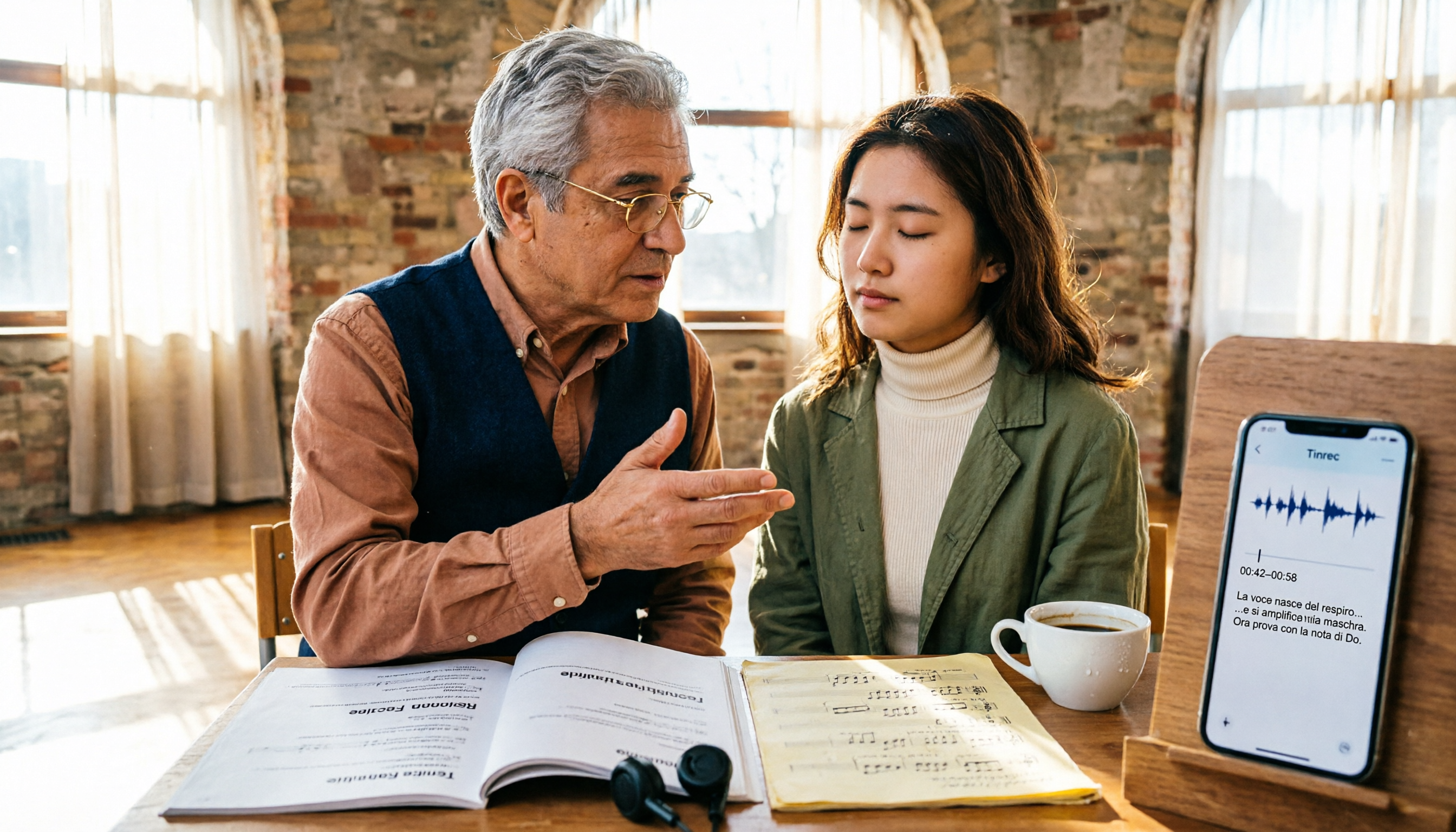
2026 Guide: 5 Artistic Vocology Training Resources Compared — How to Choose Italian Courses, Societies, and Lecture Recording Tools
Planning to study vocologia artistica in 2026? Italian course info is scattered across four or five websites, all in Italian, with different deadlines. This guide compares 2026 programs from Nuova Artec, GIVA, Unicusano, La Voce Artistica, and the University of Bologna, and shares a tested method using Tinrec to capture Italian lectures.

2026 AI Voice Collaboration Platform Comparison: vocol.ai vs. Tinrec — Which One Ends the Post-Meeting Cleanup Nightmare?
Endless weekly meetings are bad, but post-meeting cleanup is the real nightmare. This article compares vocol.ai, Tinrec, Otter.ai, and Notta from a mid-level manager's hands-on perspective, covering Chinese transcription, post-meeting summaries, AI Q&A, team collaboration, and pricing. It also honestly points out each tool's limitations to help you decide which one deserves a spot in your team's workflow.
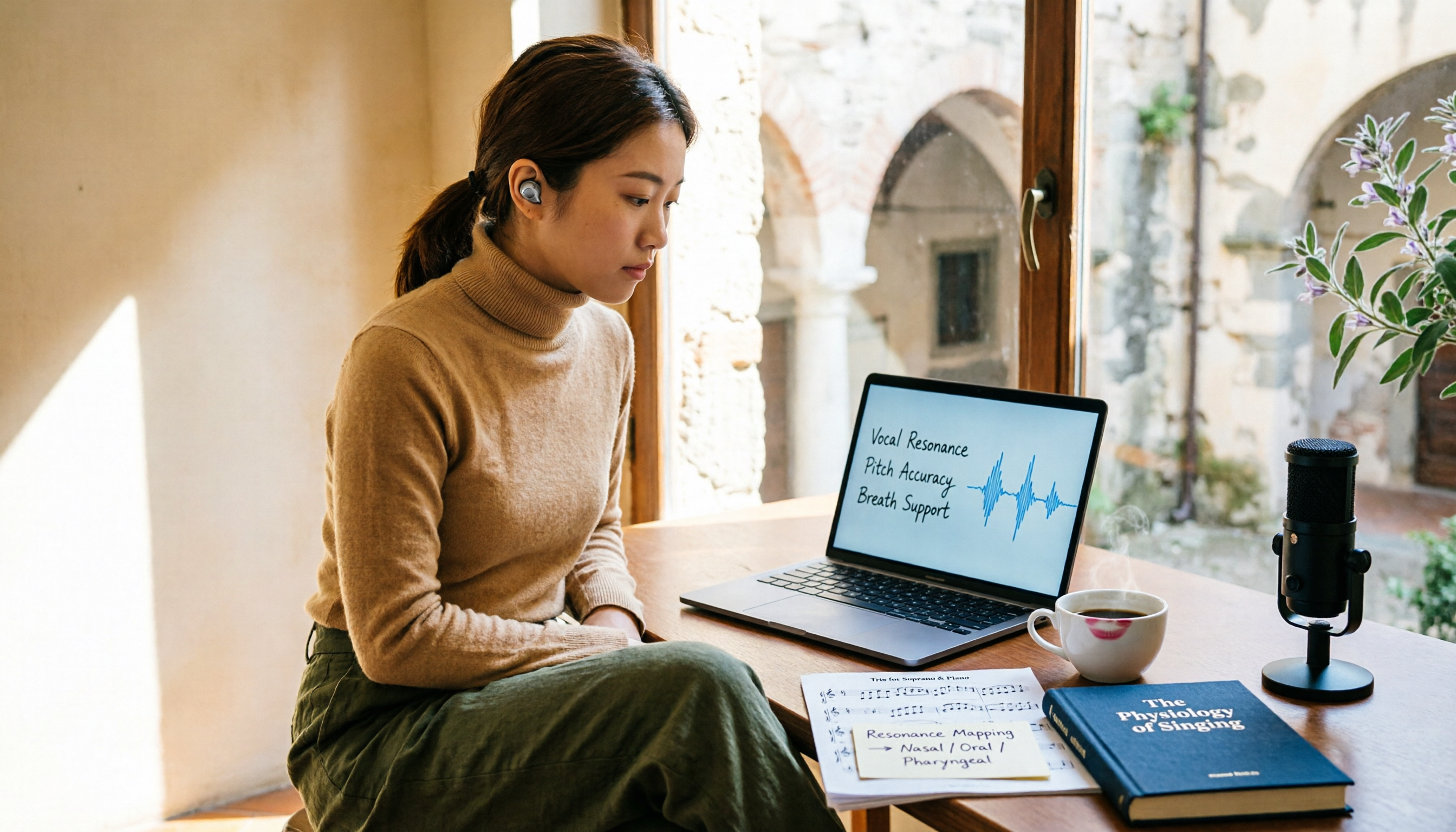
2026 Vocology Master's Programs: 5 Continuing Education Options at a Glance
If you're considering a master's in vocology in 2026, the first thing to determine is whether you want a clinical or artistic path—not which school is best. This article compiles five Italian continuing education programs: Nuova Artec, Dialogos, the University of Bologna, and Polo Nazionale Artistico, including start dates, delivery methods, and published costs. It also offers tool suggestions for organizing course notes during synchronous remote classes.

2026 Comparison of 4 Cantonese Speech-to-Text Tools: Which Handles Mixed Chinese-English and Colloquial Speech Best?
Still stuck transcribing after meetings? We tested 4 Cantonese speech-to-text tools using real Cantonese meeting and interview recordings, comparing mixed Chinese-English recognition, post-meeting summary generation, and team collaboration capabilities. We also cover key buying factors, common pitfalls, and scenario recommendations to help you find the tool that truly saves time.
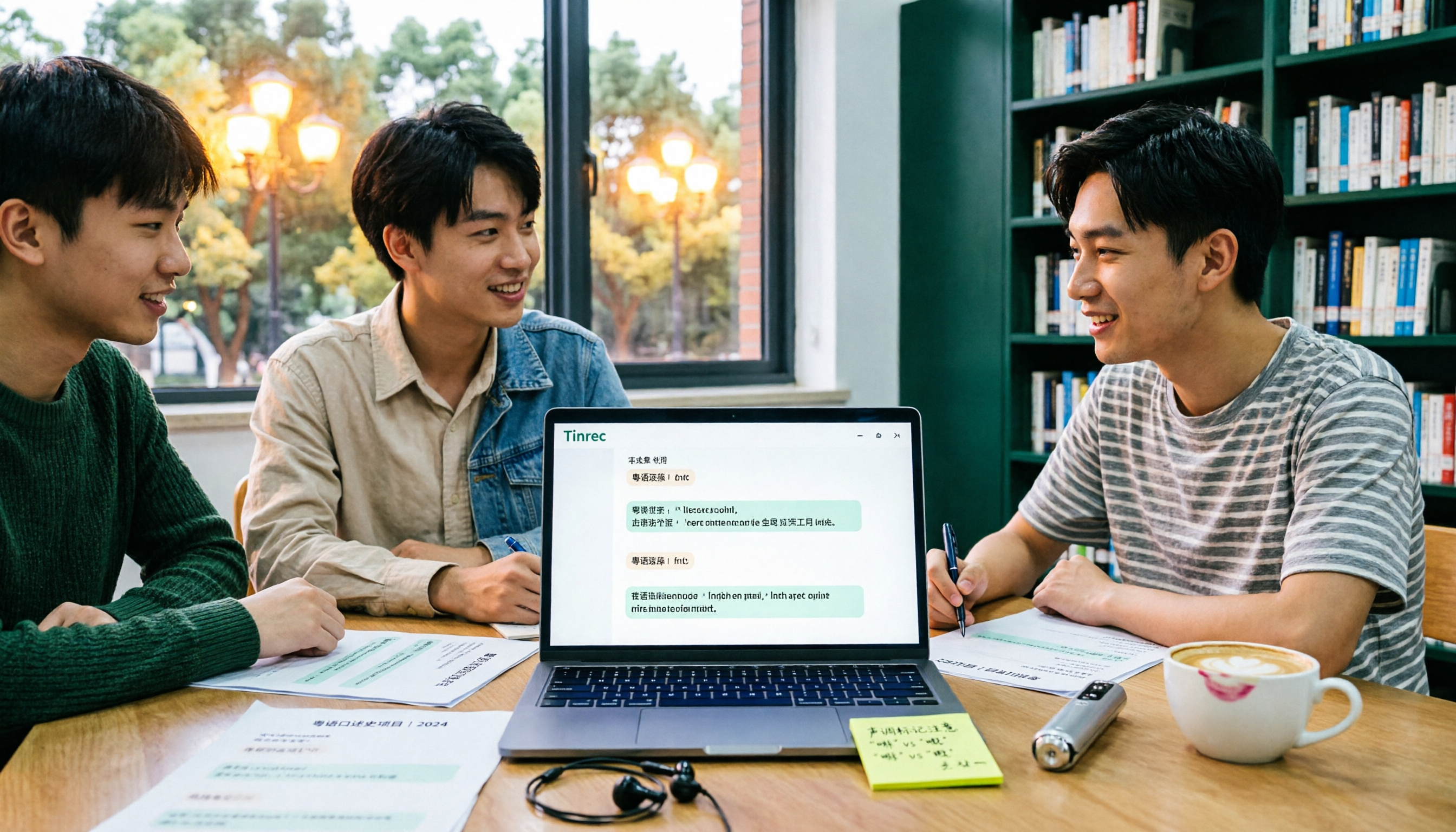
2026 Cantonese Speech-to-Text Showdown: 4 Tools Tested for Mixed Chinese-English Accuracy
I was drowning in Cantonese interview and group discussion transcripts this semester, so I tested four tools: Tinrec, Subanana, Good Tape, and Otter.ai. This comparison focuses on student budgets and campus scenarios, covering Cantonese recognition, mixed Chinese-English handling, free tiers, summaries, and export formats. I also share why I ultimately stuck with Tinrec. Ideal for college students, grad students, and anyone who needs to organize interview notes.

5 Best Cantonese Speech-to-Text Tools in 2026: Free Tiers and Mixed Chinese-English Compared
A comparison of Tinrec, Subanana, cSubtitle, Google AI Studio, and SoundType AI covering use cases, free limits, output formats, and team collaboration. Find out which free tier is enough and which handles mixed Chinese-English best before deciding whether to pay.